

How to Choose the Right CNC Router Workholding System





A good CNC router workholding system keeps your material stable and helps you achieve safer, cleaner, and more accurate machining.
When you choose a CNC router, you should consider more than the spindle, working size, and control system.
The way you hold your material also affects cutting accuracy, surface quality, tool life, and production efficiency.
Different materials and applications require different workholding methods.
Here are the main options you should consider before buying a CNC router.
Why Is CNC Router Workholding Important?
During machining, the cutting tool creates forces that can move the workpiece.
If your material moves, you may see:
Incorrect dimensions
Rough cutting edges
Tool breakage
Surface damage
Production waste
A stable workholding system keeps the material in position throughout the cutting process.
Your workholding method should match the material size, shape, thickness, and machining process.
1. Vacuum Table
A vacuum table uses suction to hold flat materials against the CNC working table.
It is widely used for sheet processing because it does not require clamps across the top surface.
Advantages
Fast material loading
Full access to the top surface
Suitable for large sheets
Good for nesting production
Fewer clamps in the toolpath
Vacuum tables are especially useful when you process large flat panels such as plywood, MDF, acrylic, ACP, and ACM.
However, very small parts or porous materials may require additional workholding methods because vacuum holding depends on an effective sealed area.
2. Mechanical Clamps
Clamps provide a simple and flexible workholding solution.
You can position clamps according to the workpiece shape and machining area.
They are useful for:
Thick boards
Solid wood
Irregular parts
Small-batch production
Materials that are difficult to hold with vacuum
When using clamps, make sure they stay outside the toolpath.
A clamp placed too close to the cutting area can cause tool collisions.
3. Fixtures and Jigs
A custom fixture can hold a specific workpiece in a repeatable position.
This is useful when you produce the same parts regularly.
Fixtures can help you:
Reduce setup time
Improve repeatability
Position parts consistently
Support irregular workpieces
Improve batch production efficiency
If your business produces many identical components, a suitable fixture can be a valuable CNC upgrade.
4. Vacuum Table vs. Clamps
Which one should you choose?
You do not always need to choose only one method.
Many professional CNC applications combine vacuum holding with clamps or other fixtures when the material or machining process requires additional support.
5. What Should You Consider Before Buying?
Before choosing a CNC router, ask yourself:
What materials will you process?
Wood, MDF, acrylic, ACP, ACM, and aluminum may require different holding solutions.
What are your typical workpiece sizes?
Large sheets usually benefit from vacuum workholding.
Smaller parts may need clamps, fixtures, or additional support.
What is your production volume?
If you process many sheets every day, fast vacuum loading can improve workflow.
If you mainly produce customized parts, flexible clamps may be more practical.
Do you need full surface access?
If the tool needs to cut across most of the top surface, a vacuum table can reduce interference from clamps.
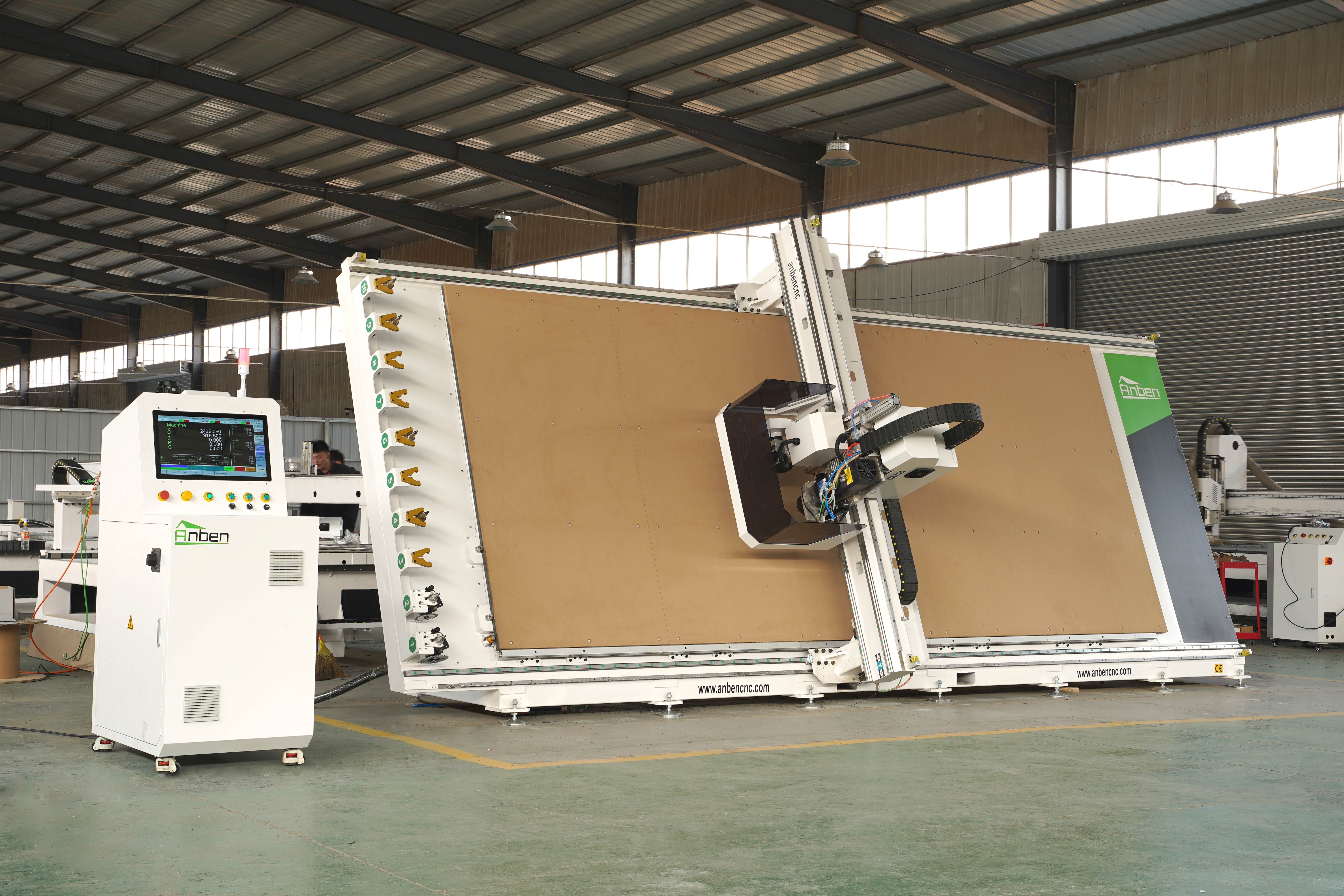
6. What About Vertical CNC Routers?
A Vertical CNC Router is designed differently from a traditional flat-bed CNC router.
It is particularly suitable for large panels such as:
ACP
ACM
Aluminum sheets
Acrylic
PVC panels
Decorative boards
When choosing a vertical CNC router, you should consider the panel support structure, positioning system, clamping method, and overall machine stability.
The right combination helps you load large panels more easily while saving valuable workshop floor space.
How Does Workholding Affect CNC Accuracy?
Workholding and machining accuracy are closely connected.
If the material moves during cutting, even a precise CNC machine cannot produce accurate results.
A stable setup helps maintain:
Correct dimensions
Consistent cutting depth
Better edge quality
Repeatable production
Safer machining
For this reason, you should evaluate the complete workholding system when comparing CNC routers.
What Workholding System Should You Choose?
There is no single solution for every CNC application.
You should choose according to your:
Material + Workpiece Size + Production Volume + Machining Process
For large sheet production, a vacuum table can provide fast and unobstructed material holding.
For irregular or thick workpieces, clamps and fixtures may provide better flexibility.
For high-volume repeat production, customized fixtures can reduce setup time.
Why Choose ANBEN?
ANBEN provides CNC router solutions designed around different materials and production requirements.
For large panel processing, ANBEN Vertical CNC Routers offer a space-saving design and practical panel handling.
For woodworking and sheet production, suitable vacuum and workholding configurations can help improve production efficiency.
ANBEN can also customize machine configurations according to your:
Material
Working size
Production volume
Machining process
Automation requirements
Final Thoughts
The best CNC router workholding system is the one that matches your material, workpiece, and production process.
Before buying a CNC router, do not focus only on spindle power or machine size.
Consider how you will load, position, secure, and machine your materials every day.
A well-designed workholding system can help you reduce setup time, protect your tools, improve cutting quality, and build a more efficient CNC production process.
Choose the machine and workholding system together—not separately.
 What Is CNC Nesting and How Does It Reduce Material Waste?
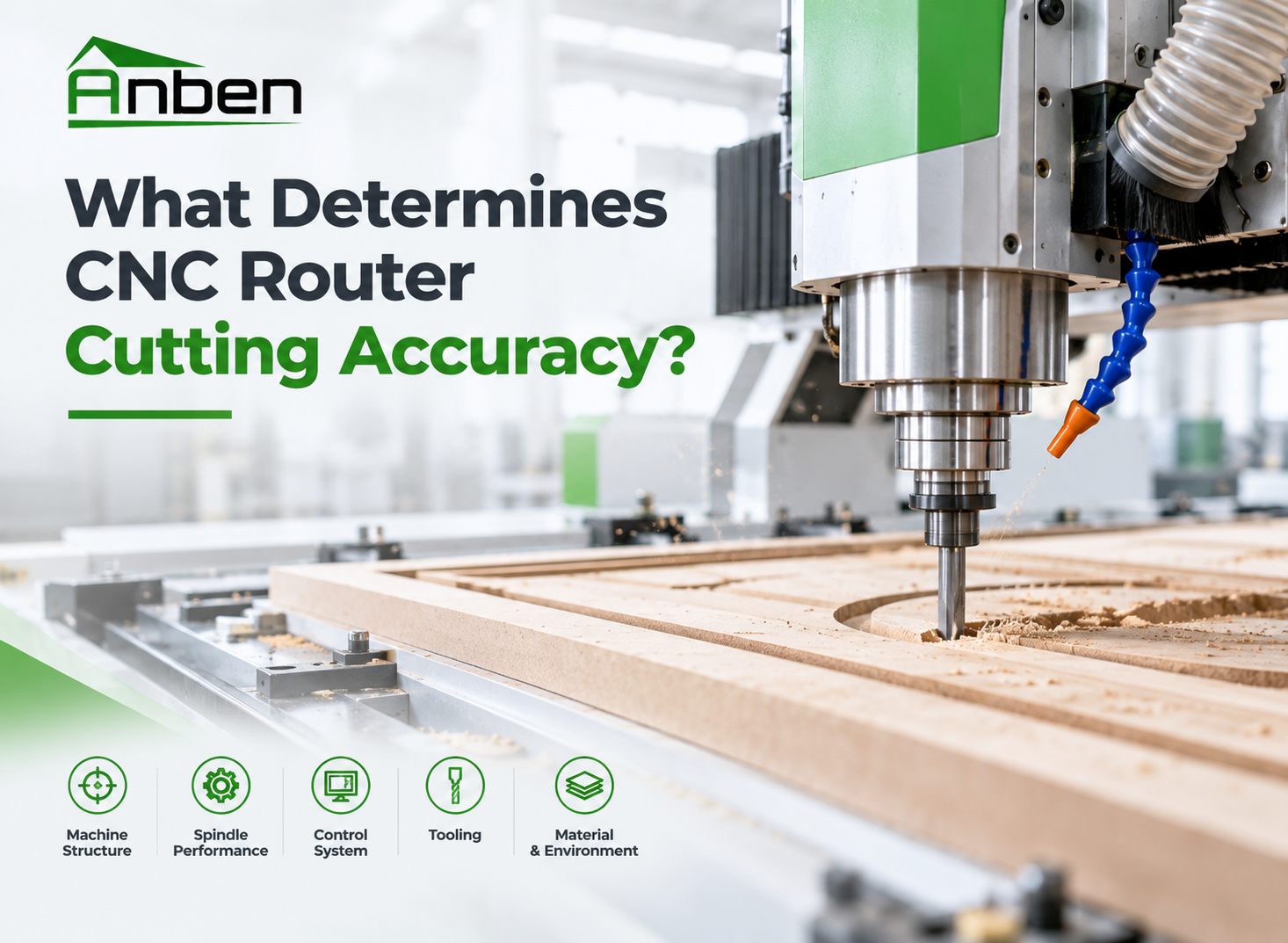
 What Determines CNC Router Cutting Accuracy?
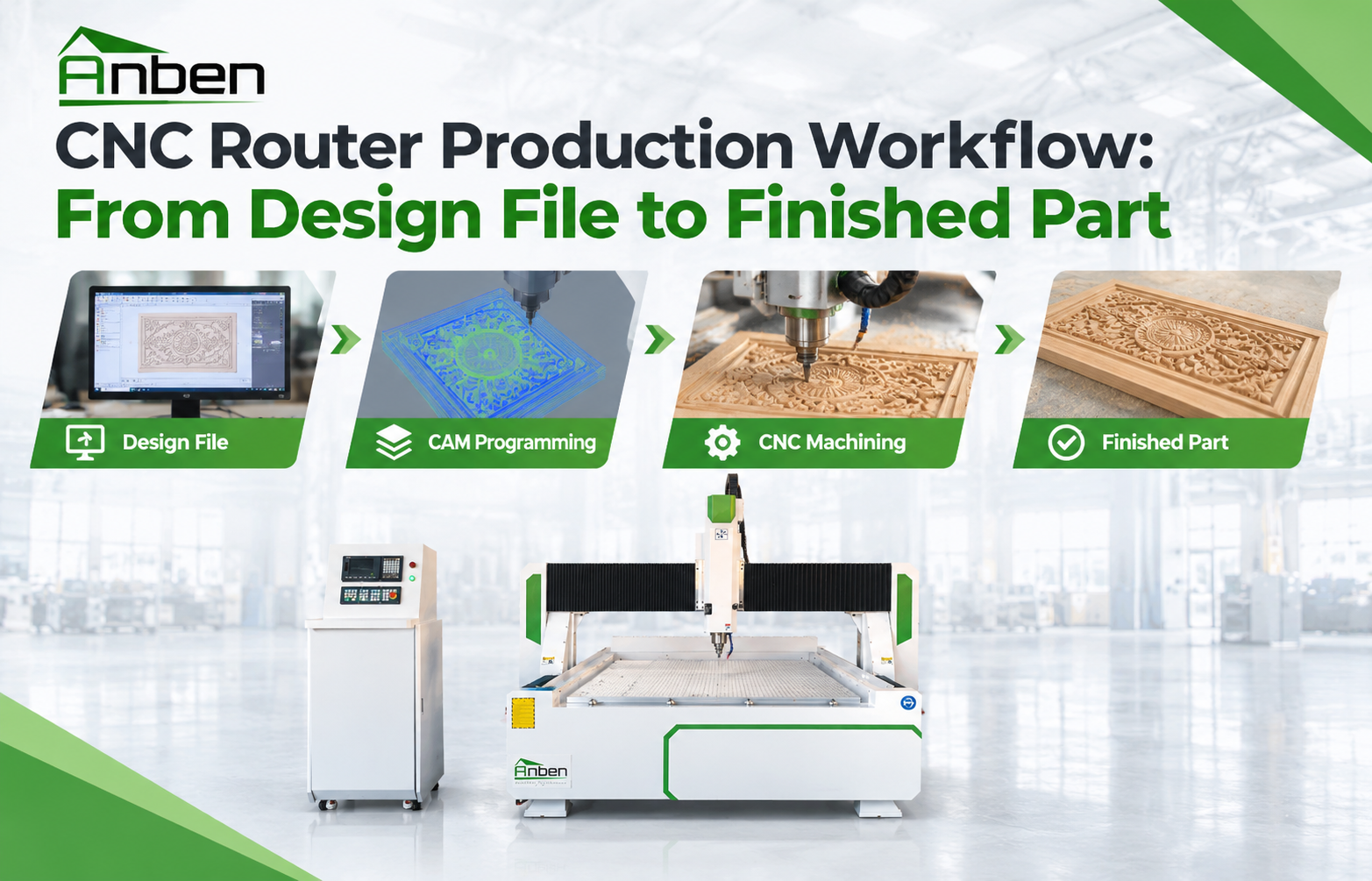
 CNC Router Production Workflow: From Design File to Finished Part
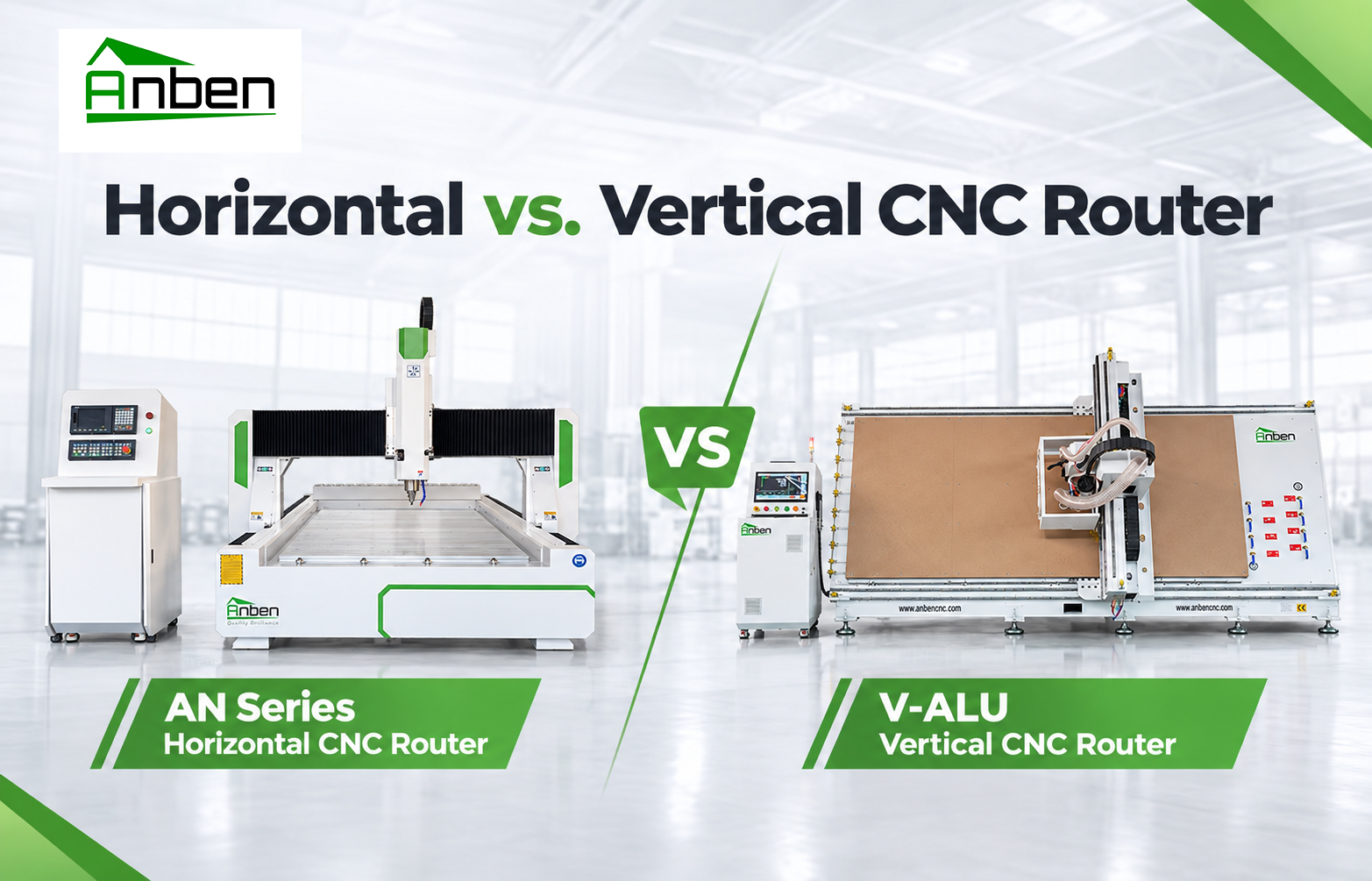
- Horizontal vs. Vertical CNC Router: Which One Is Right for You?
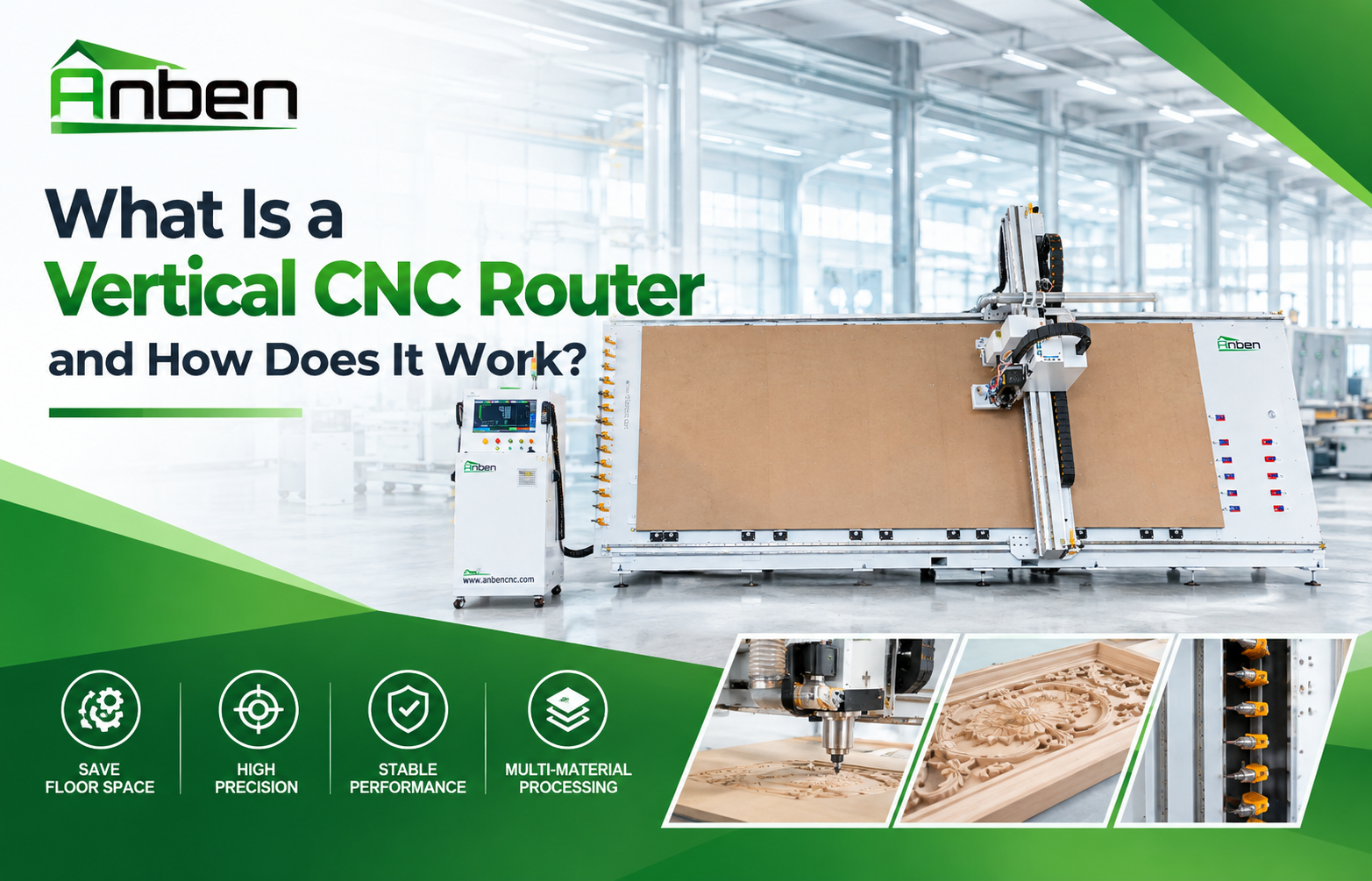
- What Is a Vertical CNC Router and How Does It Work?
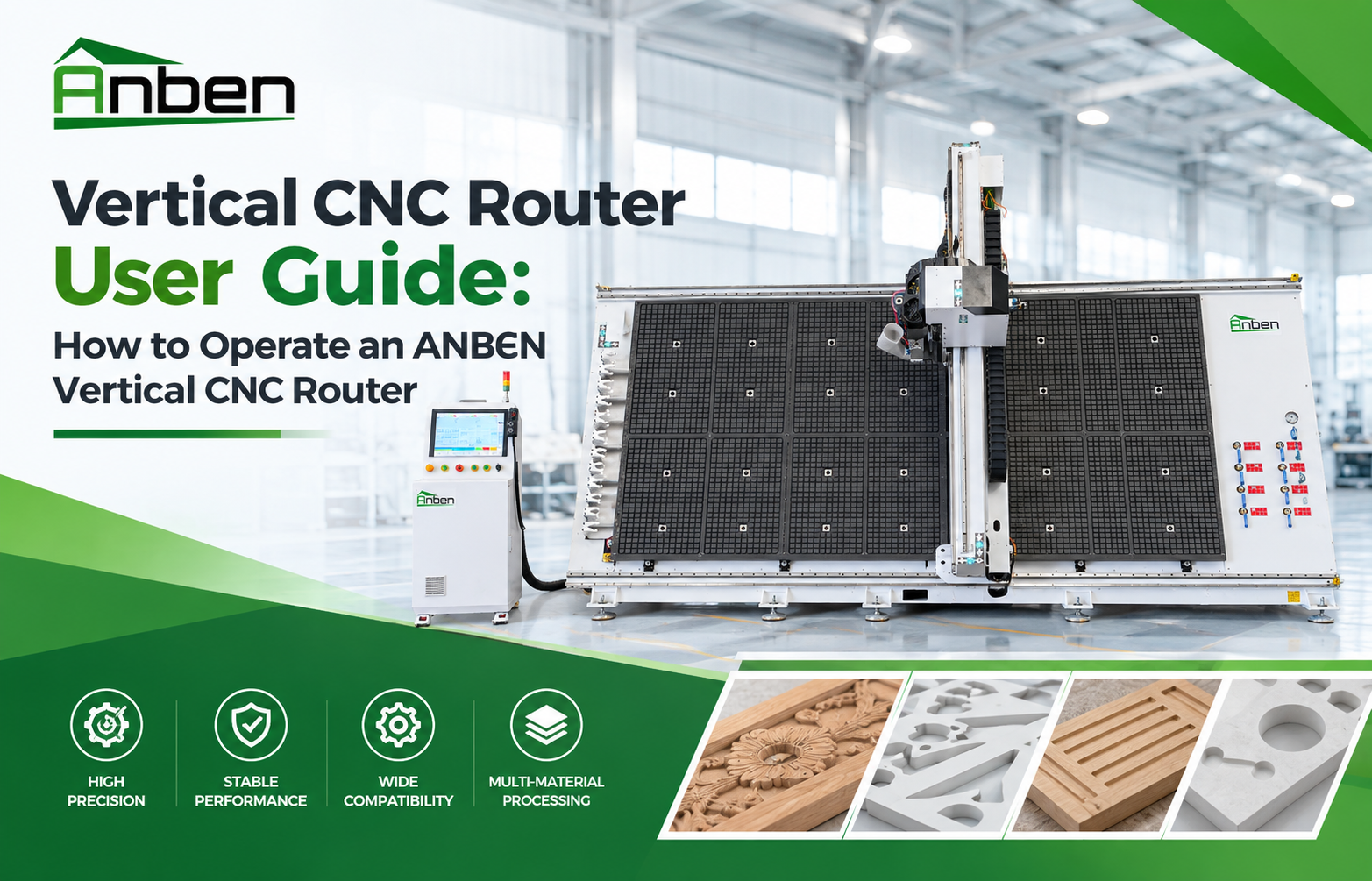
- Vertical CNC Router User Guide: How to Operate an ANBEN Vertical CNC Router
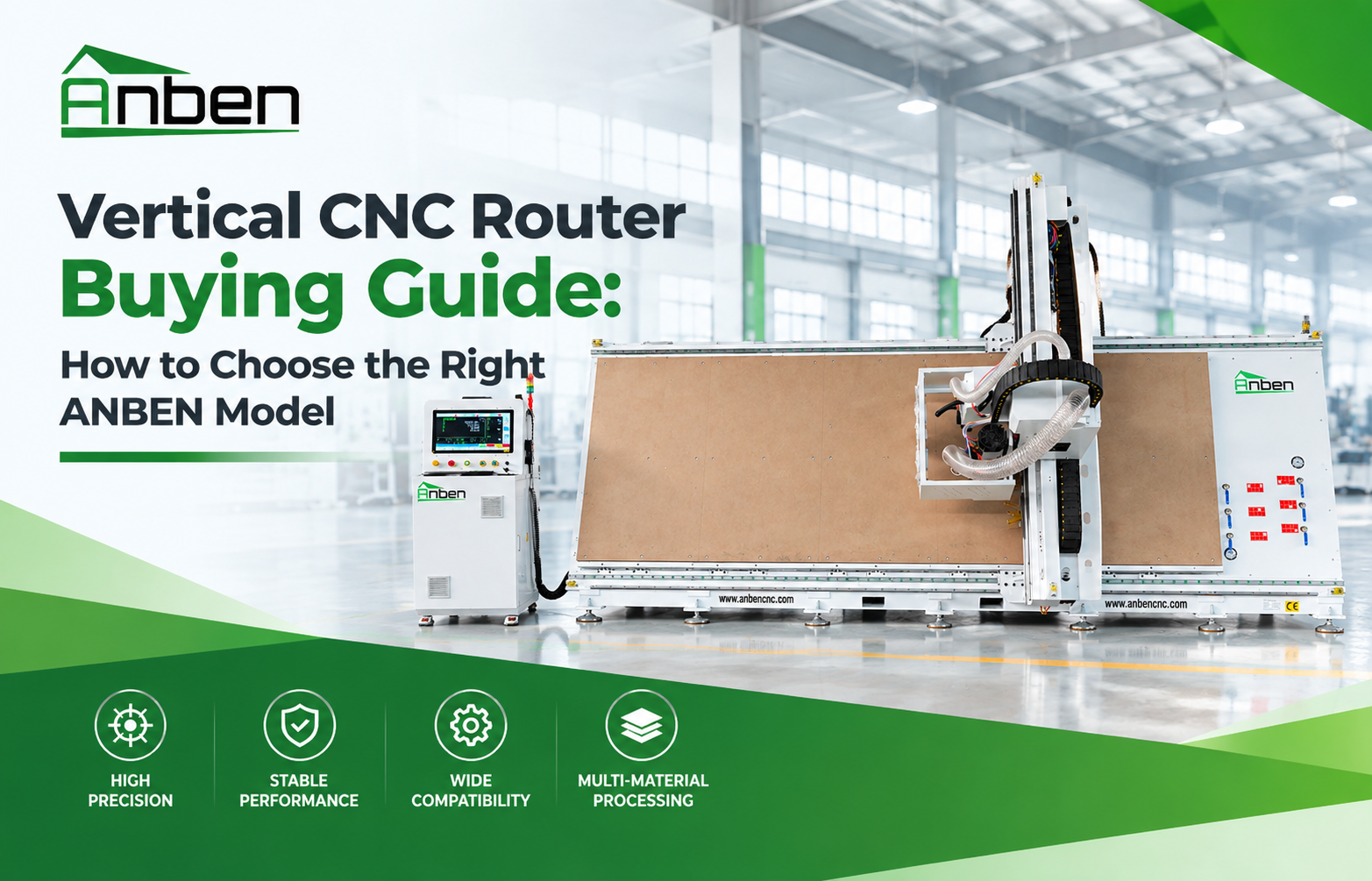
- Vertical CNC Router Buying Guide: How to Choose the Right ANBEN Model
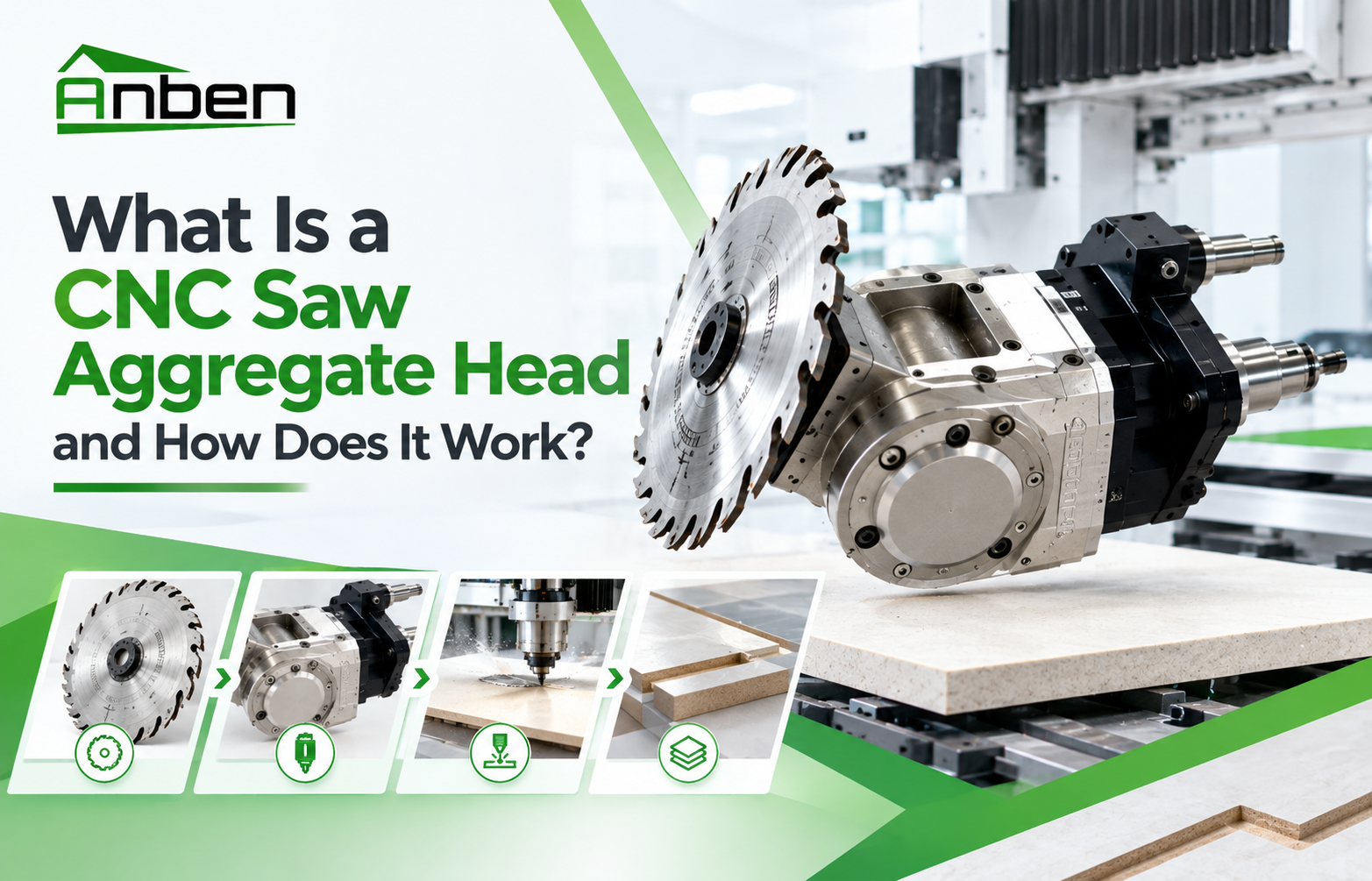
- What Is a CNC Saw Aggregate Head and How Does It Work?

Related Products
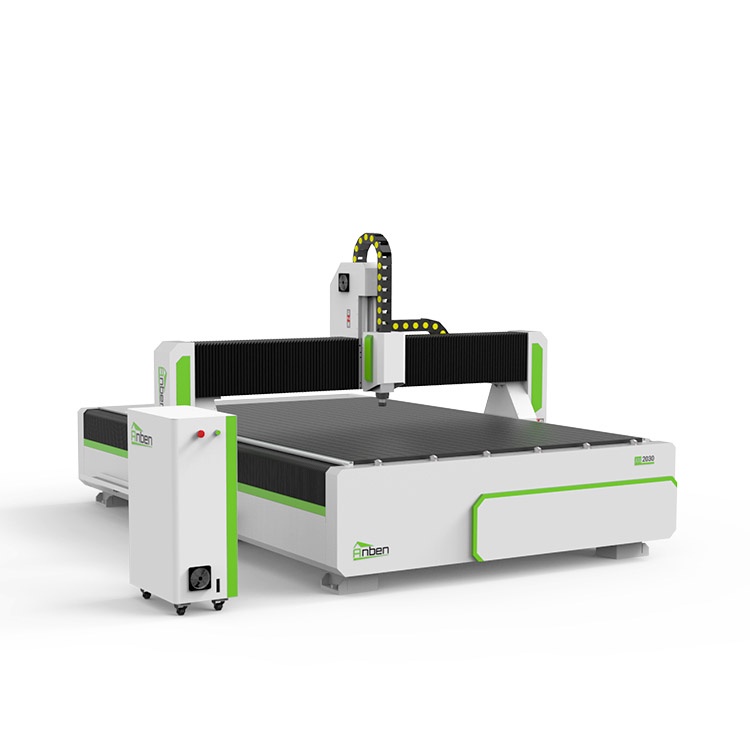
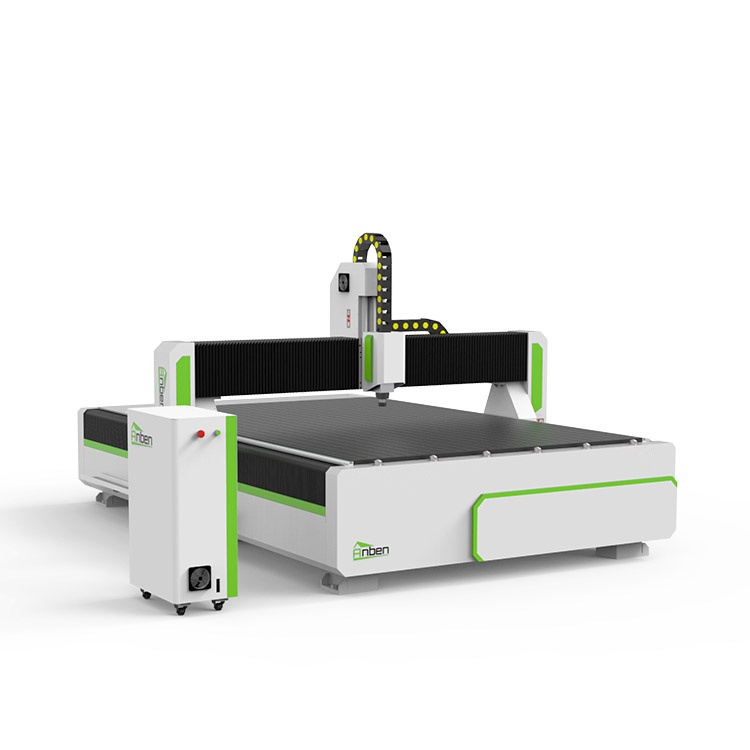
 AN2030 Manual Tool ChangeThe Anben MTC(Manual tool change)-- a professional yet affordable 3 axis CNC wood router, designed for woodworking shops, cabinet manufacturers, and industrial workshops. This budget-friendly CNC router delivers high precision and durability for wood machining, acrylic cutting, aluminum cutting, sign making, and furniture production.
 AN2040 Manual Tool ChangeThe Anben MTC(Manual tool change)-- a professional yet affordable 3 axis CNC wood router, designed for woodworking shops, cabinet manufacturers, and industrial workshops. This budget-friendly CNC router delivers high precision and durability for wood machining, acrylic cutting, aluminum cutting, sign making, and furniture production.
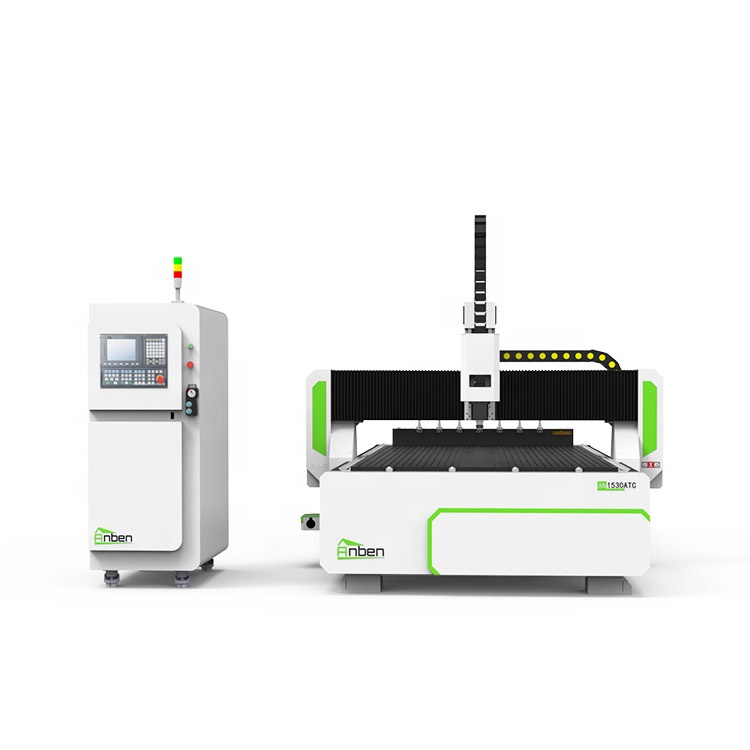
 AN1530ATC Automatic Tool ChangeAnben ATC (Automatic Tool Change)CNC router is popularly used in woodworking, making signs, molds making, art crafts making, etc. The automatic tool changer magazine carries 8-16 cutters. It can save tool change time,more efficient!
 V-2151 Vertical cnc routerThe vertical cnc significantly reduces the machine’s floor space. It is equipped with 8 sets of ATC tool magazines and other auxiliary devices such as vacuum pump, saw blade,aggregate head, positioning systems, etc. The Vertical cnc can cutting,grooving,engraving,drilling for various types of aluminum composite boards, acrylic boards, fiber boards and other boards. It is suitable for construction facades,cladding ,advertising signs,furniture manufacturing and other industries.
Get in touch

Anben Industrial – Founded in 2017, with a pure engineering spirit, providing trustworthy CNC solutions, born for long-term stable performance.
Contact