

How to Choose the Right CNC Router Spindle Speed for Your Business





When you buy a CNC router, spindle power and speed are important specifications.
However, a higher RPM does not always mean better cutting performance.
Your ideal spindle speed depends on the material, cutting tool, feed rate, cutting depth, and production requirements.
Understanding these factors helps you choose a CNC router that matches your actual work.
What Does CNC Router Spindle Speed Mean?
Spindle speed refers to how fast the cutting tool rotates.
It is usually measured in RPM, or revolutions per minute.
A CNC router with variable spindle speed gives you more flexibility when processing different materials.
For example, wood, acrylic, aluminum, and ACP panels may require different cutting parameters.
You should therefore consider the complete spindle system instead of looking at RPM alone.
Does Higher RPM Mean Better Cutting?
Not always.
Running the spindle too fast can create excessive heat, especially when the feed rate is too low.
Running it too slowly can also reduce cutting efficiency or produce poor surface quality.
The goal is to match spindle speed, feed rate, tool type, and material.
A practical starting point is to follow the cutting-tool manufacturer's recommended parameters, then make small adjustments during testing.
What Spindle Speed Should You Choose?
There is no single RPM setting that works for every CNC router application.
For example, current industrial CNC router specifications commonly reach around 24,000 RPM, but the suitable operating speed depends on the machine, tool, and material.
Therefore, you should consider these questions before buying:
What materials will you process?
What tool sizes will you use?
How deep will you cut?
How fast do you need to produce?
Do you need to process different materials on one machine?
A CNC router with a suitable variable-speed spindle gives you greater flexibility.
Why Spindle Configuration Matters When Buying a CNC Router
A CNC router is a complete machining system.
The spindle works together with the machine frame, motion system, controller, cutting tools, and workholding system.
A powerful spindle cannot compensate for an unstable machine structure.
When comparing CNC routers, look at the complete configuration rather than one specification.
A good CNC router should provide:
Stable spindle performance
Suitable spindle power
Appropriate RPM range
Rigid machine structure
Reliable motion system
Compatible cutting tools
Professional technical support
Why Choose ANBEN CNC Routers?
ANBEN provides CNC router solutions designed around different materials and production requirements.
For large-format panel processing, ANBEN Vertical CNC Routers provide a space-saving solution for materials such as ACP, ACM, aluminum sheets, acrylic, and other panels.
ANBEN can also provide different machine configurations based on:
Material
Panel size
Production volume
Cutting requirements
Automation level
This helps you choose a machine that fits your actual production instead of paying for unnecessary specifications.
FAQ
Is a higher CNC spindle RPM always better?
No. The correct RPM depends on the material, tool, feed rate, cutting depth, and machine configuration.
What is the relationship between spindle speed and feed rate?
They work together to control chip load and cutting performance. Changing one parameter may require adjusting the other.
What spindle speed is suitable for ACP panels?
There is no universal RPM value. You should follow the recommended parameters for your specific tool and ACP material, then test and adjust them on your machine.
Should I choose the highest spindle power?
Not necessarily. You should choose spindle power based on your materials, cutting depth, production volume, and required machining performance.
Final Thoughts
The best CNC router spindle is not necessarily the fastest or most powerful one.
You should choose a spindle based on your materials, tools, production requirements, and machine configuration.
If you process large ACP, ACM, aluminum, or other panels, an ANBEN Vertical CNC Router can provide a practical combination of efficient panel handling, space-saving design, and stable machining performance.
Choose the complete CNC solution—not just a higher RPM number.
 What Determines CNC Router Cutting Accuracy?
 CNC Router Production Workflow: From Design File to Finished Part
- Horizontal vs. Vertical CNC Router: Which One Is Right for You?
- What Is a Vertical CNC Router and How Does It Work?
- Vertical CNC Router User Guide: How to Operate an ANBEN Vertical CNC Router
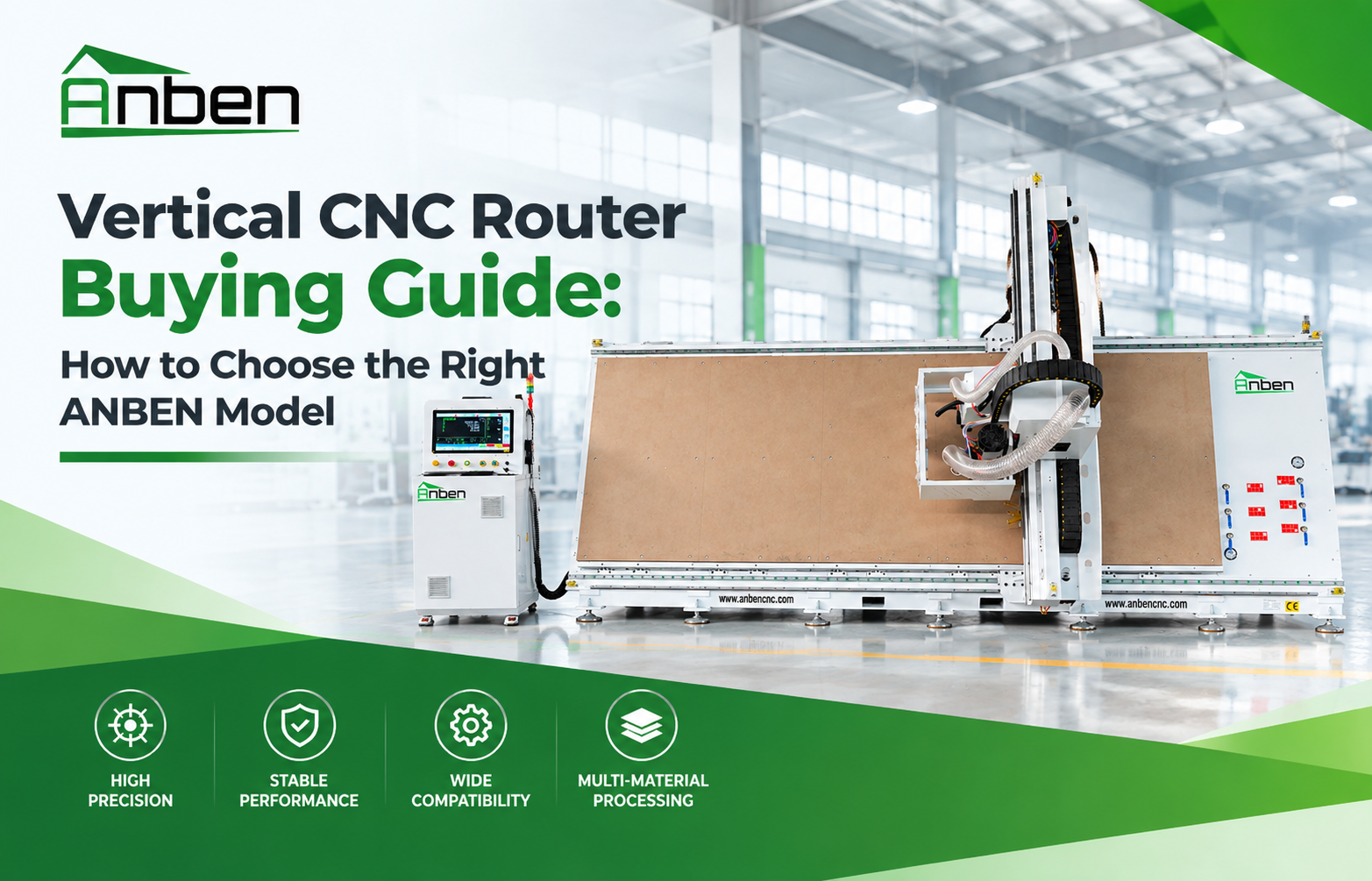
- Vertical CNC Router Buying Guide: How to Choose the Right ANBEN Model
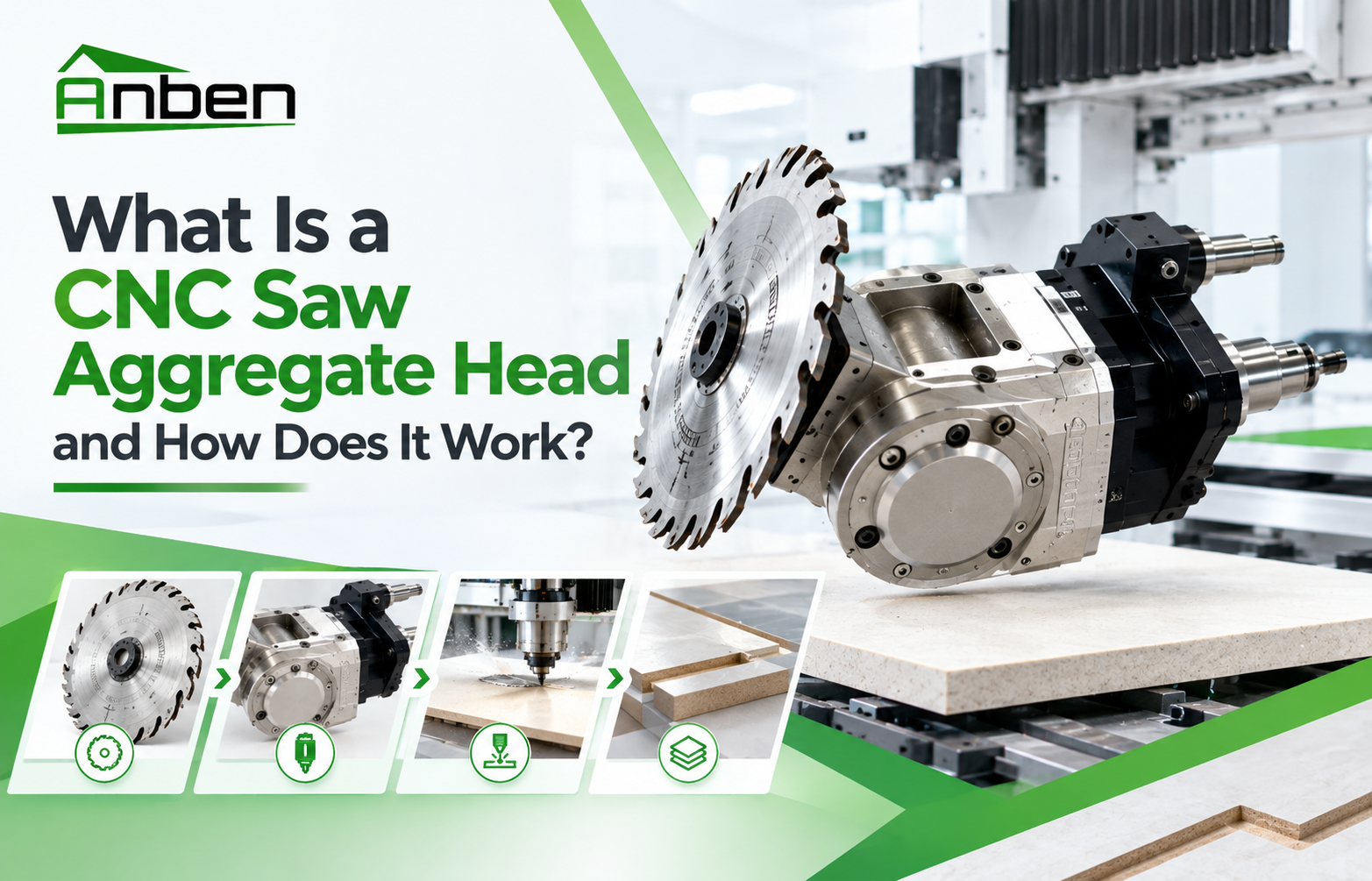
- What Is a CNC Saw Aggregate Head and How Does It Work?
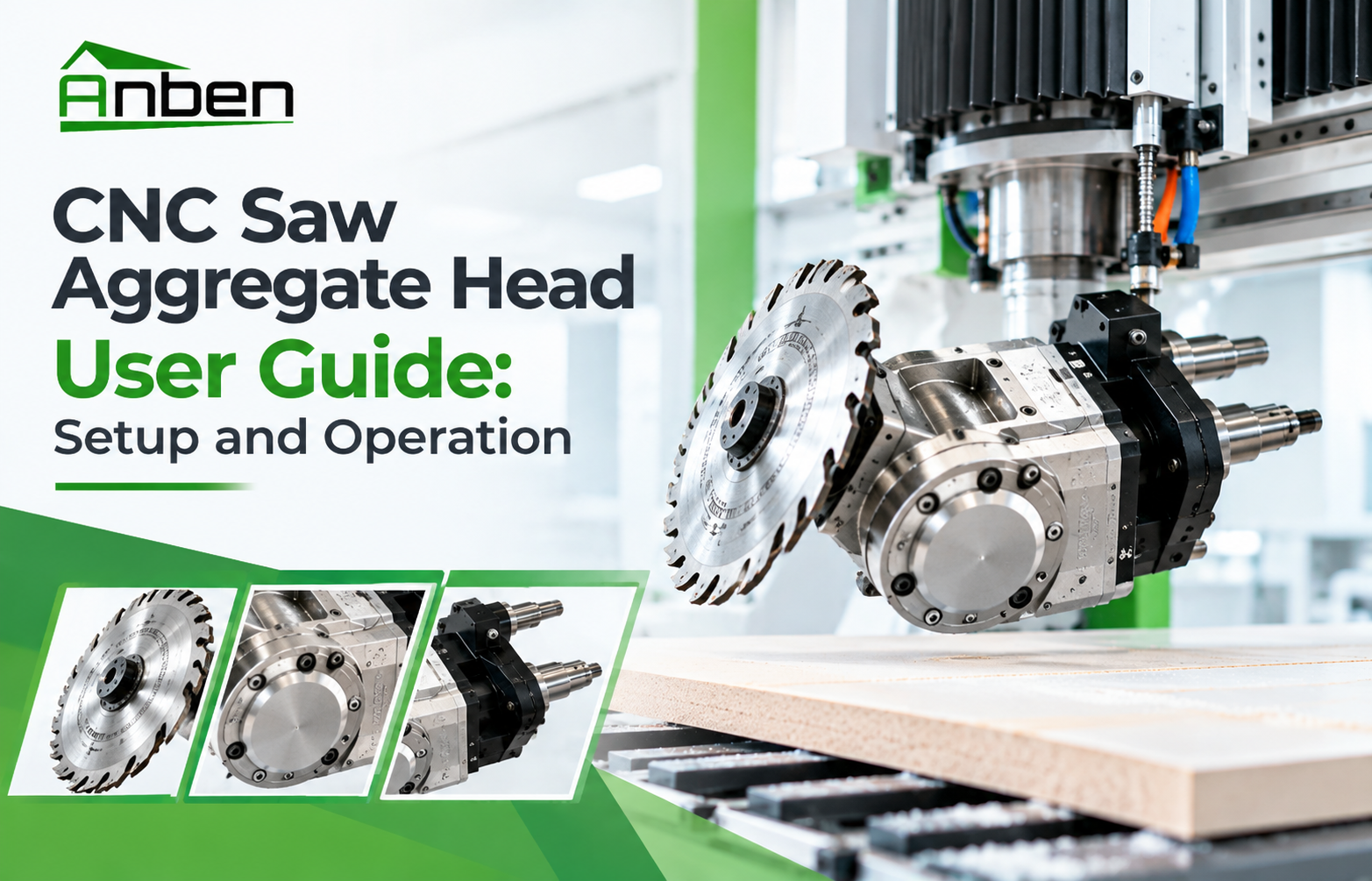
- CNC Saw Aggregate Head User Guide: Setup and Operation

Related Products
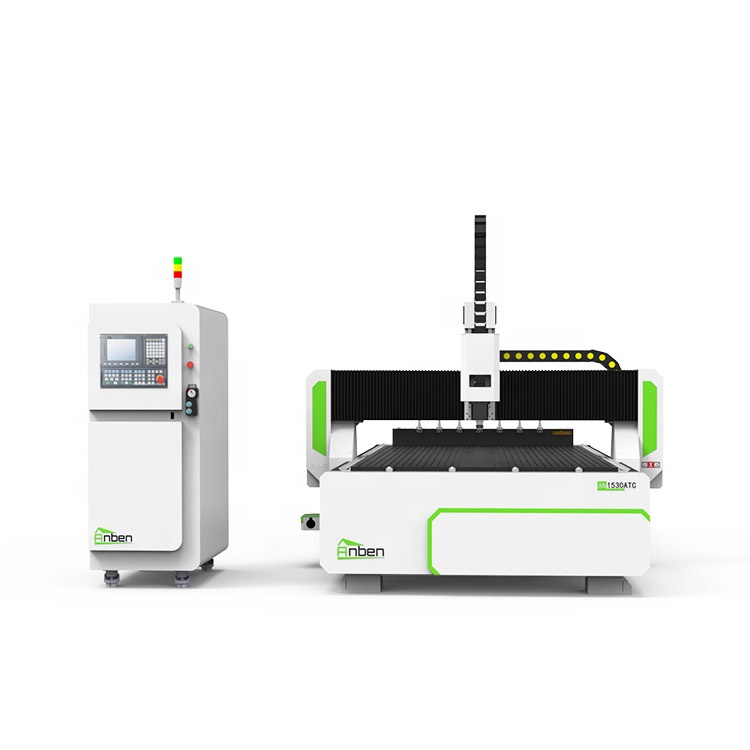
 AN1530ATC Automatic Tool ChangeAnben ATC (Automatic Tool Change)CNC router is popularly used in woodworking, making signs, molds making, art crafts making, etc. The automatic tool changer magazine carries 8-16 cutters. It can save tool change time,more efficient!
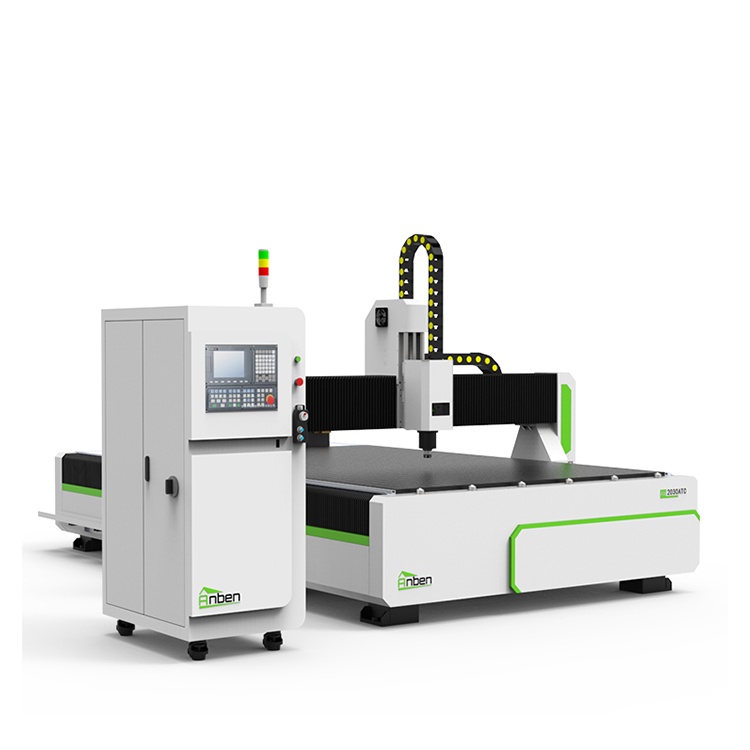
 AN2030ATC Automatic Tool ChangeAnben ATC (Automatic Tool Change)CNC router is popularly used in woodworking, making signs, molds making, art crafts making, etc. The automatic tool changer magazine carries 8-16 cutters. It can save tool change time,more efficient!
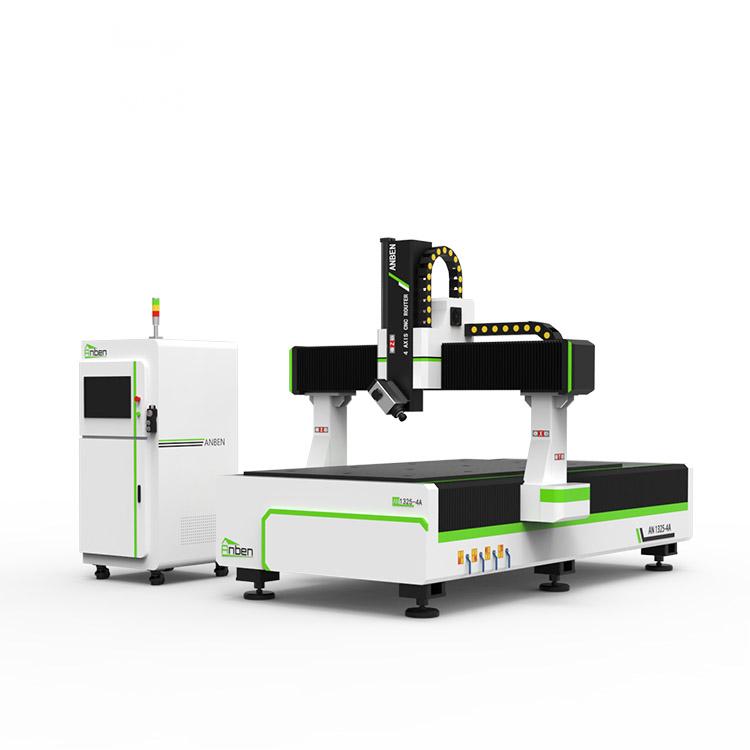
 AN1325-4 axisAnben 4 Axis CNC Router Machine with 4 axis ATC spindle is good at heavy-duty and complex 3d wood cutting and carving of wood panel, MDF, plywood, etc. All the working areas and specifications can be customized according to your requests.
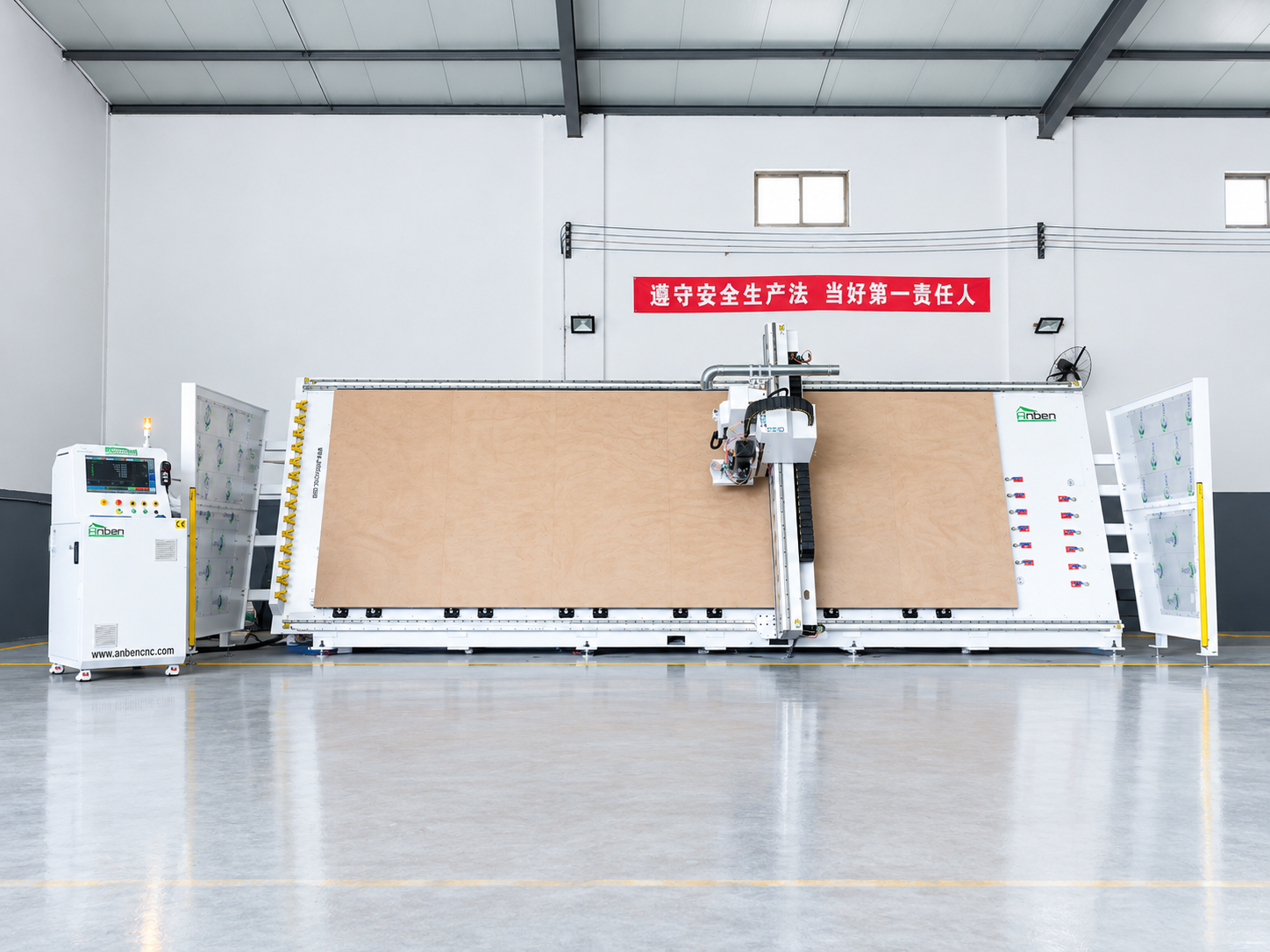
 V-2162 Vertical cnc routerThe vertical cnc significantly reduces the machine’s floor space. It is equipped with 8 sets of ATC tool magazines and other auxiliary devices such as vacuum pump, saw blade,aggregate head, positioning systems, etc. The Vertical cnc can cutting,grooving,engraving,drilling for various types of aluminum composite boards, acrylic boards, fiber boards and other boards. It is suitable for construction facades,cladding ,advertising signs,furniture manufacturing and other industries.
Get in touch

Anben Industrial – Founded in 2017, with a pure engineering spirit, providing trustworthy CNC solutions, born for long-term stable performance.
Contact