

CNC Router Working Area vs. Actual Part Size: How to Choose





Choosing the right CNC router working area is essential when purchasing a CNC machine. Many buyers select a machine based only on the dimensions of their finished parts, but the actual machining space required is often larger.
Understanding the difference between CNC router working area and actual part size helps you choose the right machine, improve material utilization, and avoid production limitations.
1. What Is CNC Router Working Area?
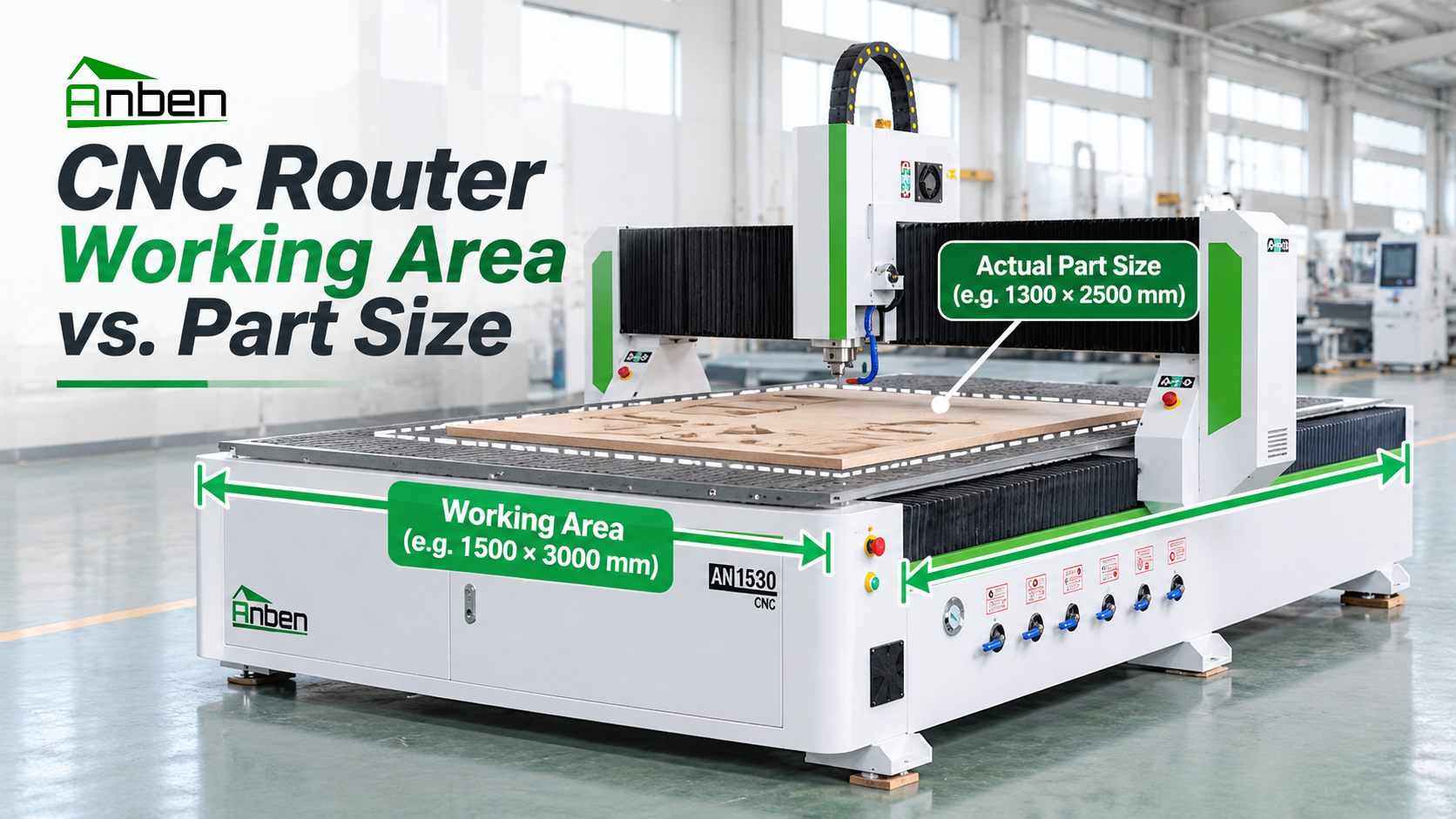
The CNC router working area refers to the maximum machining space available along the X, Y, and Z axes.
For example, a CNC router with a 1300 × 2500 mm working area can process materials within its specified travel range, subject to machine configuration and workholding requirements.
When comparing CNC router specifications, pay attention to:
X-axis travel: Maximum length of the machining area.
Y-axis travel: Maximum width of the machining area.
Z-axis travel: Maximum machining height or thickness.
Effective working area: Actual usable space after considering fixtures and machine structure.
2. Why Is Actual Part Size Not Enough?
The finished part size does not always represent the total space needed for machining.
Several factors can increase the required working area:
Material Dimensions: The raw sheet may be larger than the finished components.
Toolpath Requirements: Cutting paths and tool movements need additional clearance.
Workholding Space: Vacuum zones, clamps, and positioning devices may occupy part of the table.
Nesting Layout: Multiple parts are often arranged on one sheet to reduce material waste.
Loading and Unloading: Additional space may be needed for efficient material handling.
Choosing a machine based only on finished part dimensions may limit your production flexibility.
3. How to Calculate the Right Working Area
Before purchasing a CNC router, consider these three steps:
Step 1: Identify Your Material Size
Determine the maximum dimensions of the raw materials you regularly process, such as MDF, plywood, acrylic, or aluminum composite panels.
Step 2: Consider Your Production Layout
If you use nesting technology, calculate the space required for multiple parts, cutting gaps, and toolpath arrangements.
Step 3: Allow for Future Production Needs
Choose a working area that supports your current production requirements while allowing room for larger materials or new product designs.
4. Common CNC Router Working Area Options
Different working areas are suitable for different production requirements:
1325 CNC Router (1300 × 2500 mm): Suitable for standard 4 × 8 ft sheets, furniture components, and general woodworking.
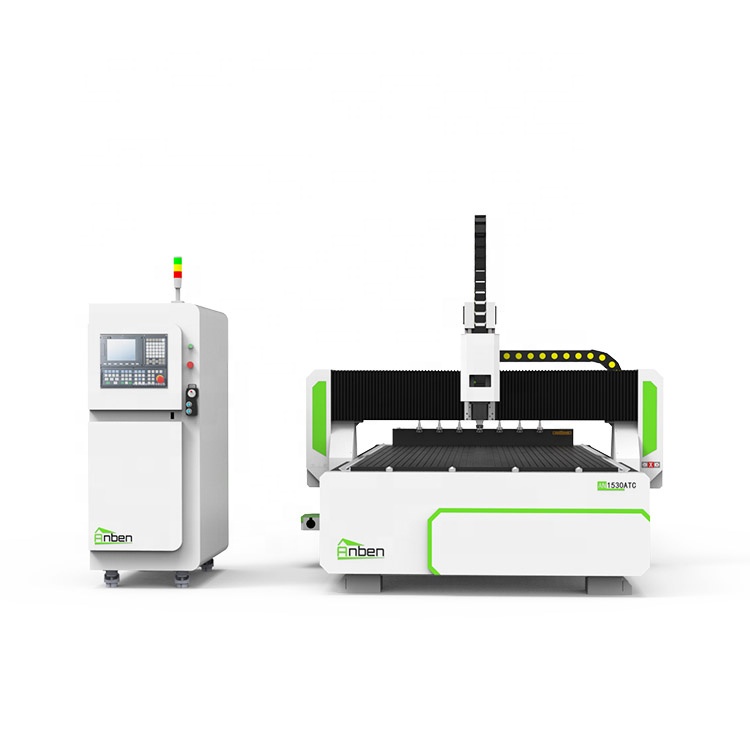
1530 CNC Router (1500 × 3000 mm): Suitable for larger panels and customized furniture production.
2040 CNC Router (2000 × 4000 mm): Ideal for large-format panel processing and industrial production.
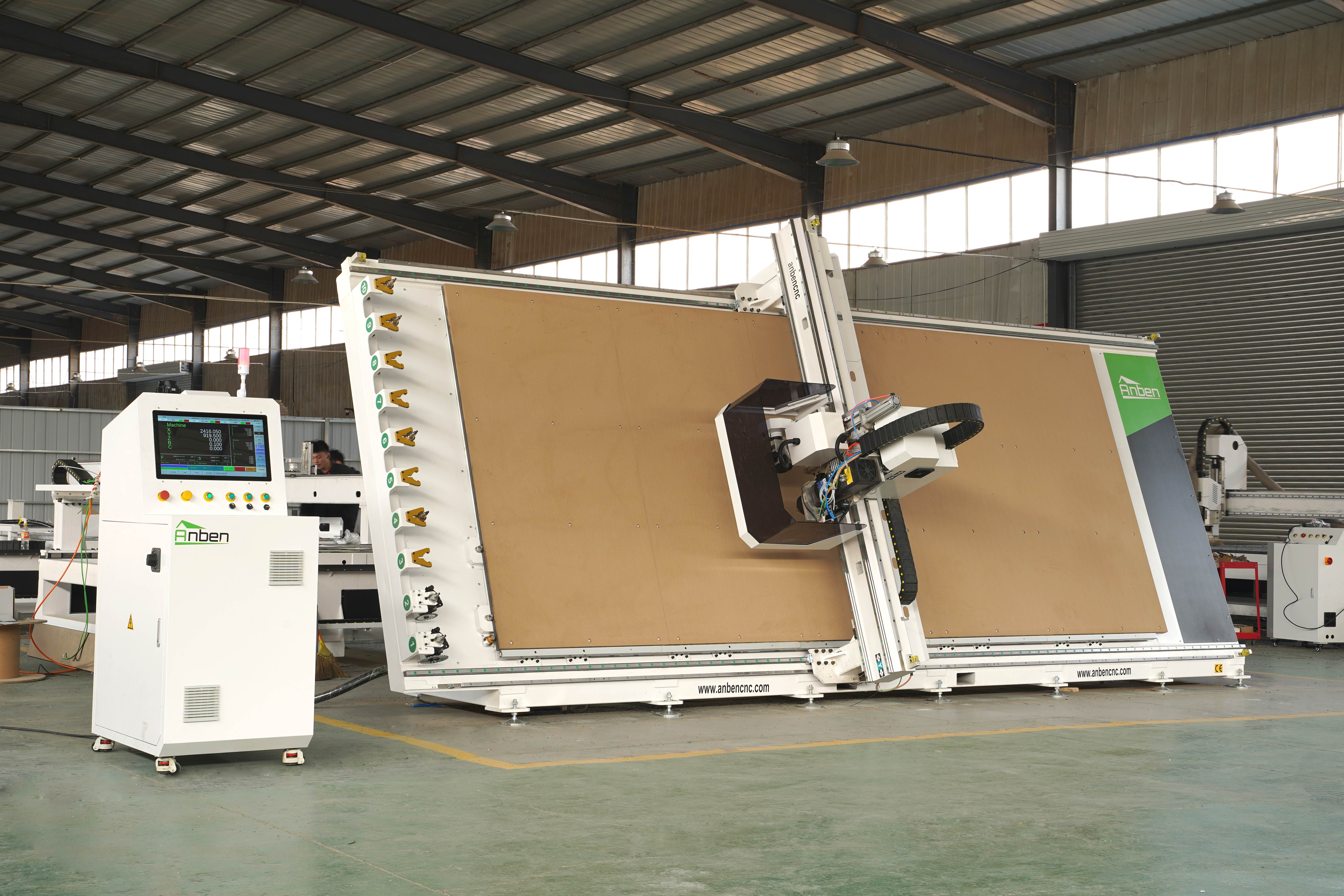
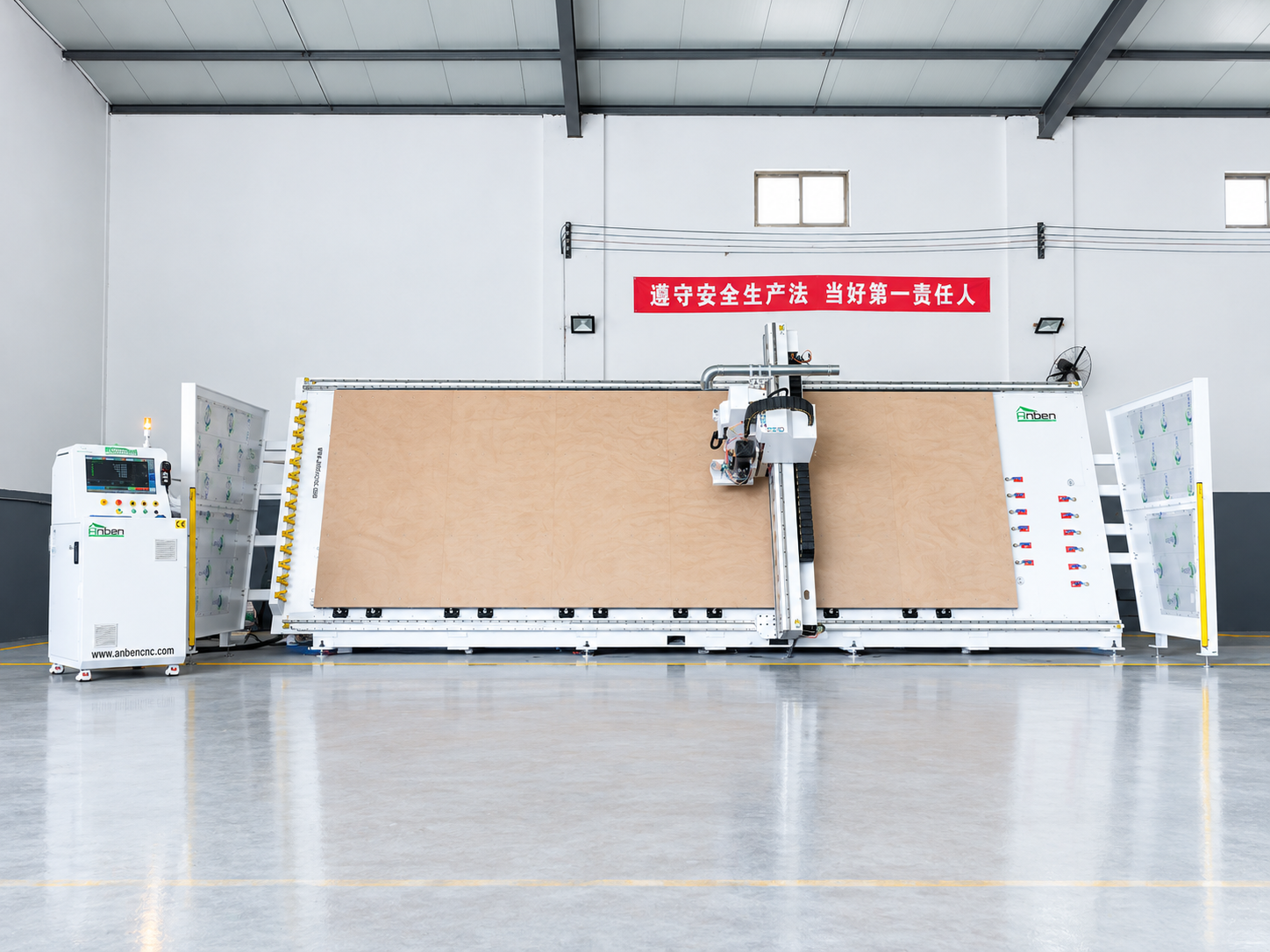
Vertical CNC Router: A space-saving solution for machining large panels with a vertical loading design.
Always confirm the effective machining dimensions and machine configuration with the manufacturer before ordering.
5. Key Factors to Check Before Buying
Before selecting a CNC router, make sure to confirm:
Maximum raw material dimensions.
Effective X, Y, and Z-axis travel.
Workholding and clamping requirements.
Spindle clearance and machining thickness.
Automatic tool changer and other configuration needs.
Available factory space and material handling methods.
Conclusion
The right CNC router working area should be determined by your raw material dimensions, machining layout, production volume, and future requirements—not just the finished part size.
Selecting the correct working area helps improve production flexibility, reduce unnecessary material handling, and support long-term manufacturing efficiency.
Looking for the right CNC router for your production? ANBEN offers horizontal and vertical CNC router solutions for different material sizes and machining applications. Contact our team to discuss your requirements.
 CNC Router Workpiece Slipping During Cutting: How to Fix It
 CNC Router Working Area vs. Actual Part Size: How to Choose
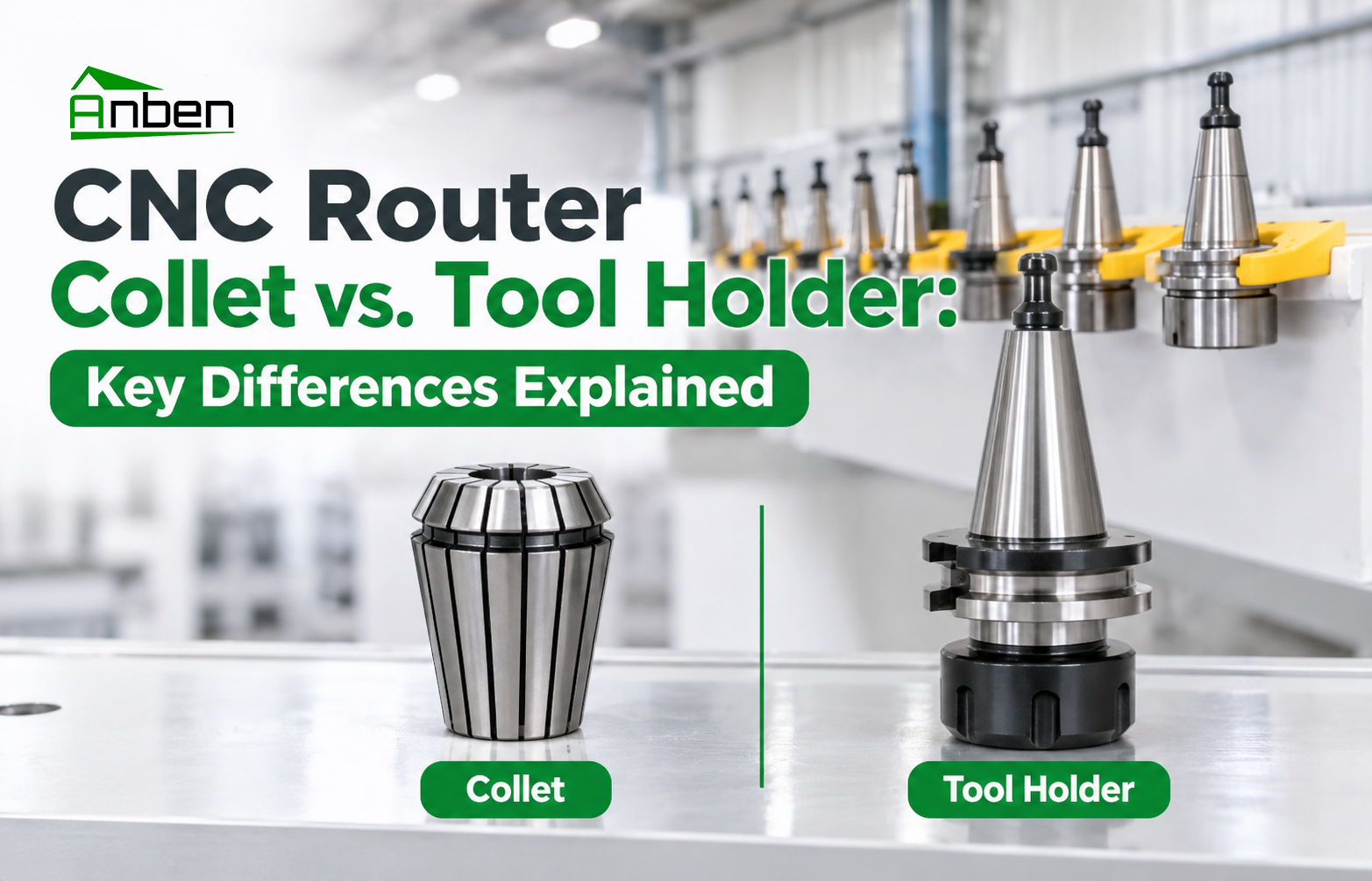
 CNC Router Collet vs. Tool Holder: Key Differences Explained
 CNC Router Tool Not Changing Correctly: Troubleshooting Guide
- Can a CNC Router Cut Aluminum? What Buyers Need to Know
- Upcut vs. Downcut vs. Compression Router Bits: What Is the Difference?
- CNC Router Cutting Depth Is Inconsistent: Causes and Fixes
- CNC Router Supplier Evaluation Checklist: 6 Questions to Ask Before Buying

Related Products
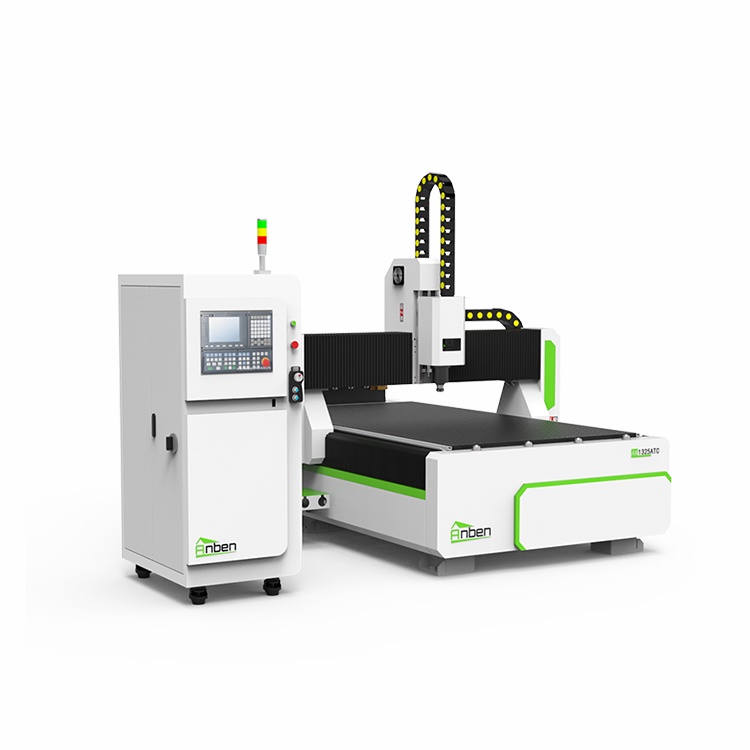
 AN1325ATC Automatic Tool ChangeAnben ATC (Automatic Tool Change)CNC router is popularly used in woodworking, making signs, molds making, art crafts making, etc. The automatic tool changer magazine carries 8-16 cutters. It can save tool change time,more efficient!
 AN1530ATC Automatic Tool ChangeAnben ATC (Automatic Tool Change)CNC router is popularly used in woodworking, making signs, molds making, art crafts making, etc. The automatic tool changer magazine carries 8-16 cutters. It can save tool change time,more efficient!
 V-2151 Vertical cnc routerThe vertical cnc significantly reduces the machine’s floor space. It is equipped with 8 sets of ATC tool magazines and other auxiliary devices such as vacuum pump, saw blade,aggregate head, positioning systems, etc. The Vertical cnc can cutting,grooving,engraving,drilling for various types of aluminum composite boards, acrylic boards, fiber boards and other boards. It is suitable for construction facades,cladding ,advertising signs,furniture manufacturing and other industries.
 V-2162 Vertical cnc routerThe vertical cnc significantly reduces the machine’s floor space. It is equipped with 8 sets of ATC tool magazines and other auxiliary devices such as vacuum pump, saw blade,aggregate head, positioning systems, etc. The Vertical cnc can cutting,grooving,engraving,drilling for various types of aluminum composite boards, acrylic boards, fiber boards and other boards. It is suitable for construction facades,cladding ,advertising signs,furniture manufacturing and other industries.
Get in touch

Anben Industrial – Founded in 2017, with a pure engineering spirit, providing trustworthy CNC solutions, born for long-term stable performance.
Contact