

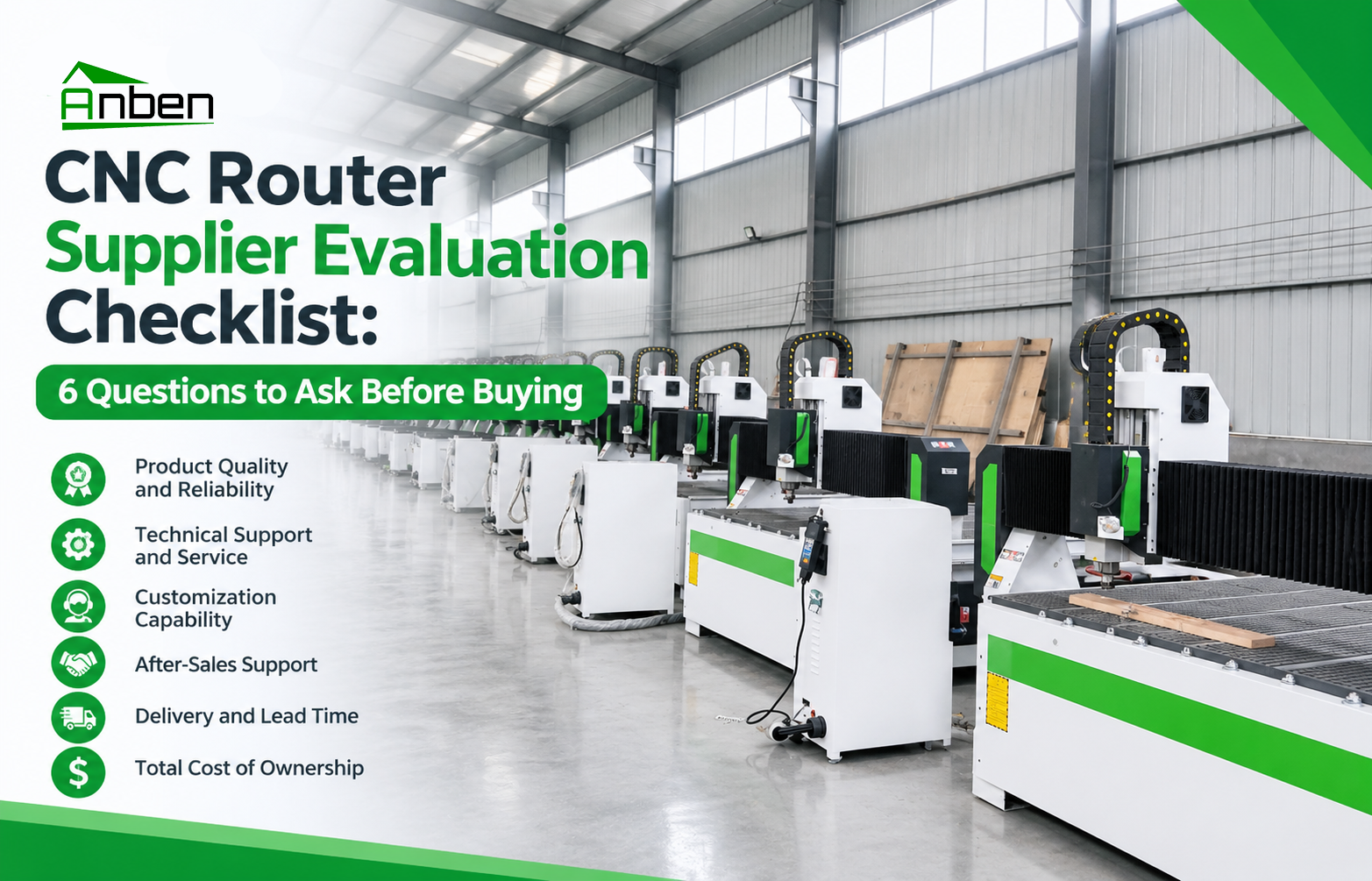
CNC Router Supplier Evaluation Checklist: 6 Questions to Ask Before Buying





Choosing a reliable CNC router supplier is just as important as selecting the right machine. A suitable supplier should understand your production requirements, provide clear machine configurations, and offer reliable technical support.
Before purchasing a CNC router, ask these six questions to evaluate the supplier and reduce potential buying risks.
1. Does the Supplier Understand Your Production Needs?
A professional CNC router supplier should first understand your application rather than recommend the same machine to every customer.
Discuss:
What materials do you process?
What are your typical panel dimensions?
Do you need cutting, drilling, engraving, or V-grooving?
What is your expected daily production volume?
The machine configuration should match your actual production requirements.
2. Can the Supplier Provide Detailed Machine Specifications?
Ask for a complete technical configuration before comparing quotations.
Check the working area, spindle power, tool magazine capacity, CNC controller, drive system, workholding, and optional accessories.
Make sure the quotation clearly identifies standard features and optional configurations. Compare actual specifications rather than machine prices alone.
3. Can the Supplier Demonstrate Real Machining Results?
Request a machining video or sample test using materials similar to yours.
Check:
Cutting quality and edge finish
Machining accuracy and repeatability
Tool-changing performance, if equipped with ATC
Processing stability and finished product quality
A real machining demonstration helps you evaluate whether the machine suits your application.
4. Does the Supplier Have Manufacturing and Quality Control Capabilities?
Understanding how a CNC router is manufactured helps you evaluate the supplier's production capabilities.
Ask about factory facilities, component sourcing, assembly procedures, inspection processes, and pre-shipment testing.
Factory photos, production videos, and inspection records can provide useful evidence of manufacturing capability.
5. What Installation, Training, and After-Sales Support Are Provided?
Technical support is important throughout the machine's service life.
Confirm whether the supplier provides:
Installation and commissioning guidance
Operator training and operation manuals
Remote technical support
Spare parts and maintenance assistance
Warranty terms and service procedures
Clarify the scope and availability of each service before placing an order.
6. Can the Supplier Provide Clear Delivery and Payment Terms?
Before signing a purchase agreement, confirm the commercial details.
Check machine production lead time, packaging, shipping arrangements, payment schedule, warranty conditions, and delivery responsibilities.
Make sure all agreed machine specifications and service commitments are documented in the contract.
CNC Router Supplier Evaluation Checklist
Before making your final decision, confirm that the supplier can provide:
A machine configuration matched to your application
Detailed technical specifications
Real machining demonstrations or sample tests
Manufacturing and quality inspection information
Clear installation and after-sales support
Documented delivery, payment, and warranty terms
Conclusion
Choosing the right CNC router supplier requires more than comparing machine prices. Evaluate technical capabilities, machining results, manufacturing quality, service support, and commercial terms before making your decision.
ANBEN CNC provides horizontal and vertical CNC router solutions for woodworking, panel processing, and other industrial applications. Contact our team to discuss your materials, production requirements, and suitable machine configurations.
 CNC Router Supplier Evaluation Checklist: 6 Questions to Ask Before Buying
 How to CNC Cut Acrylic Without Melting or Rough Edges
- ATC CNC Router Tool Change Errors: Causes and Checks.
- How to Choose a CNC Router for High-Volume Panel Production?
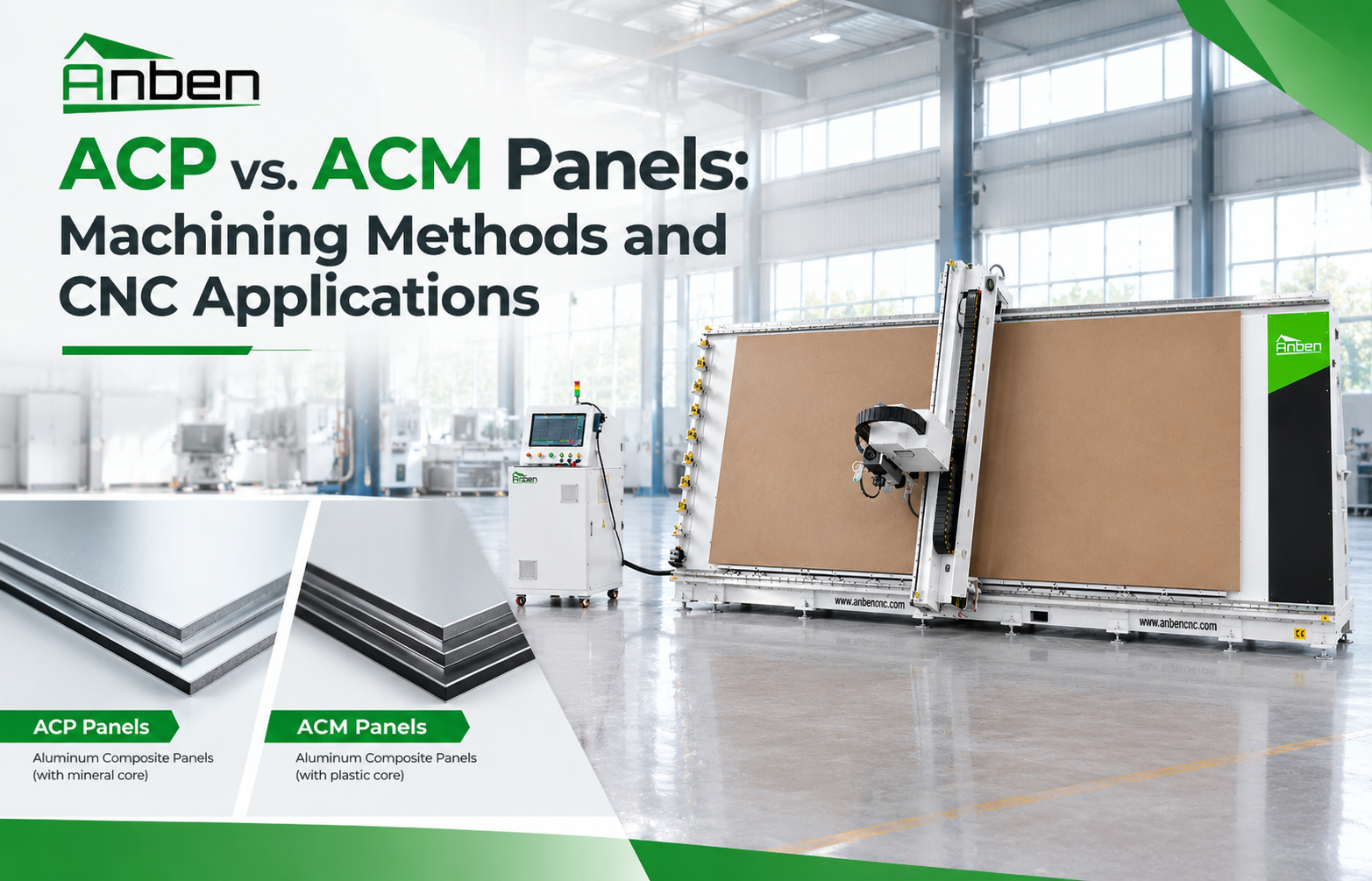
- ACP vs. ACM Panels: Machining Methods and CNC Applications
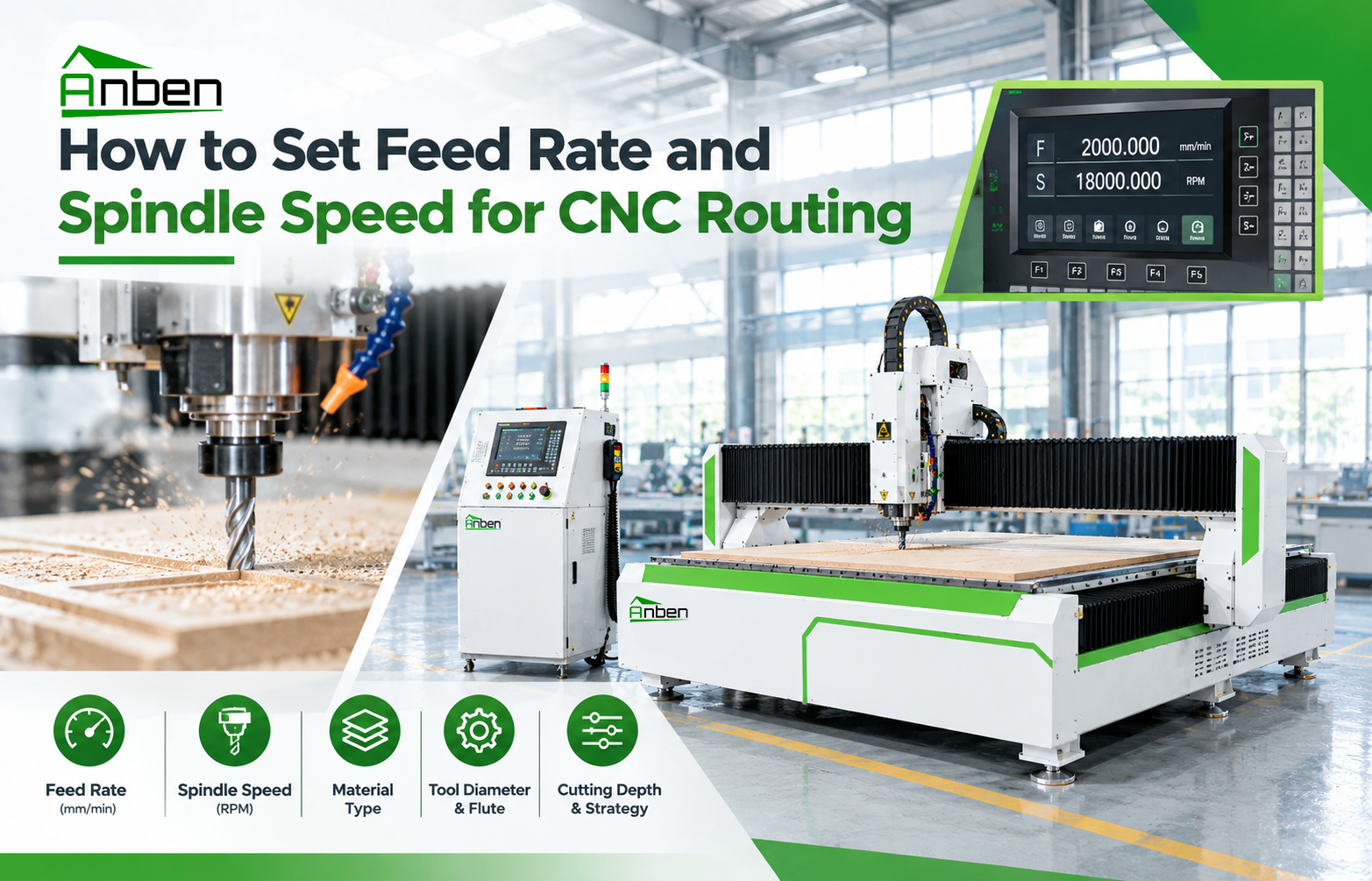
- How to Set Feed Rate and Spindle Speed for CNC Routing
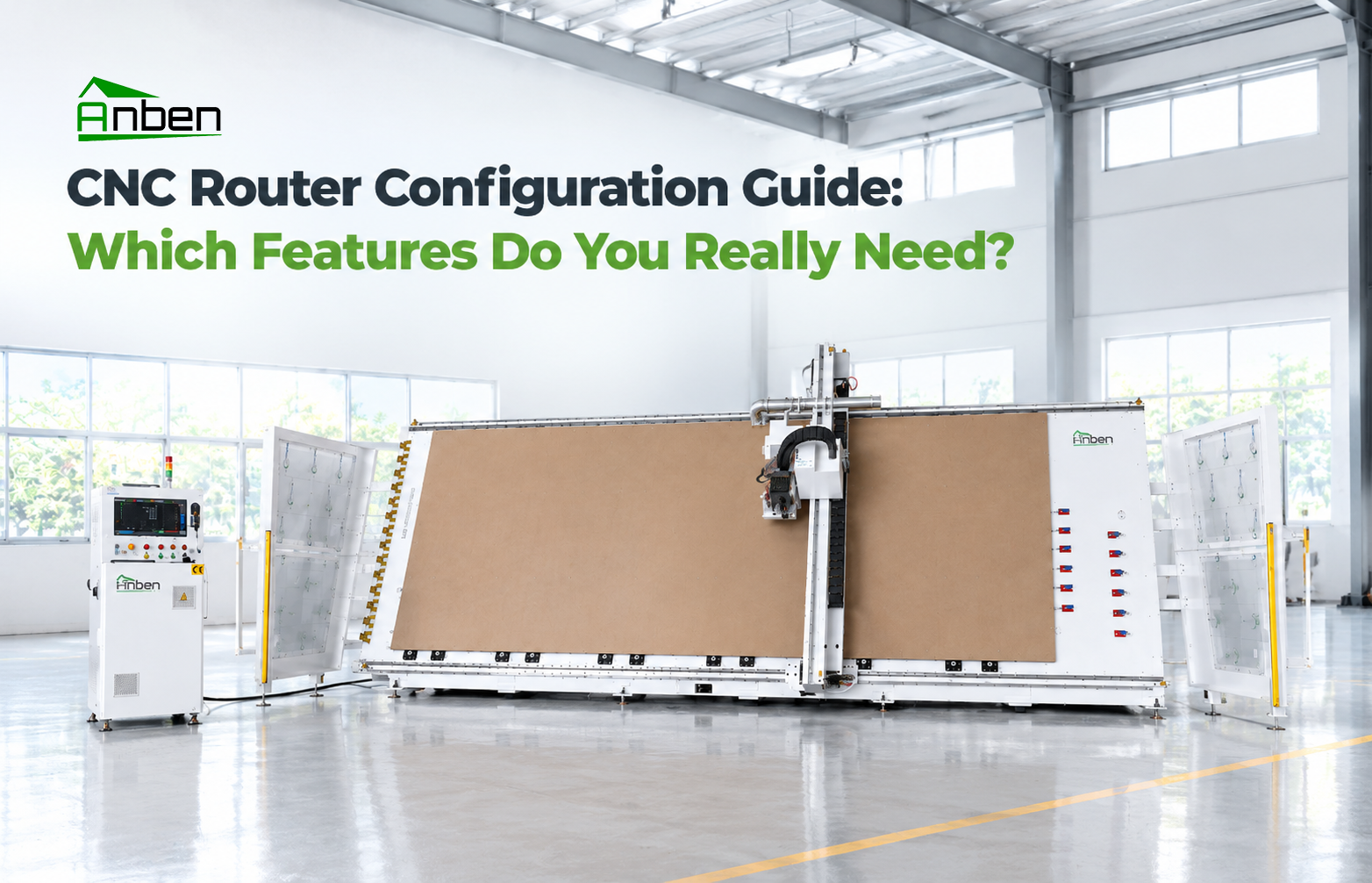
- CNC Router Configuration Guide: Which Features Do You Really Need?
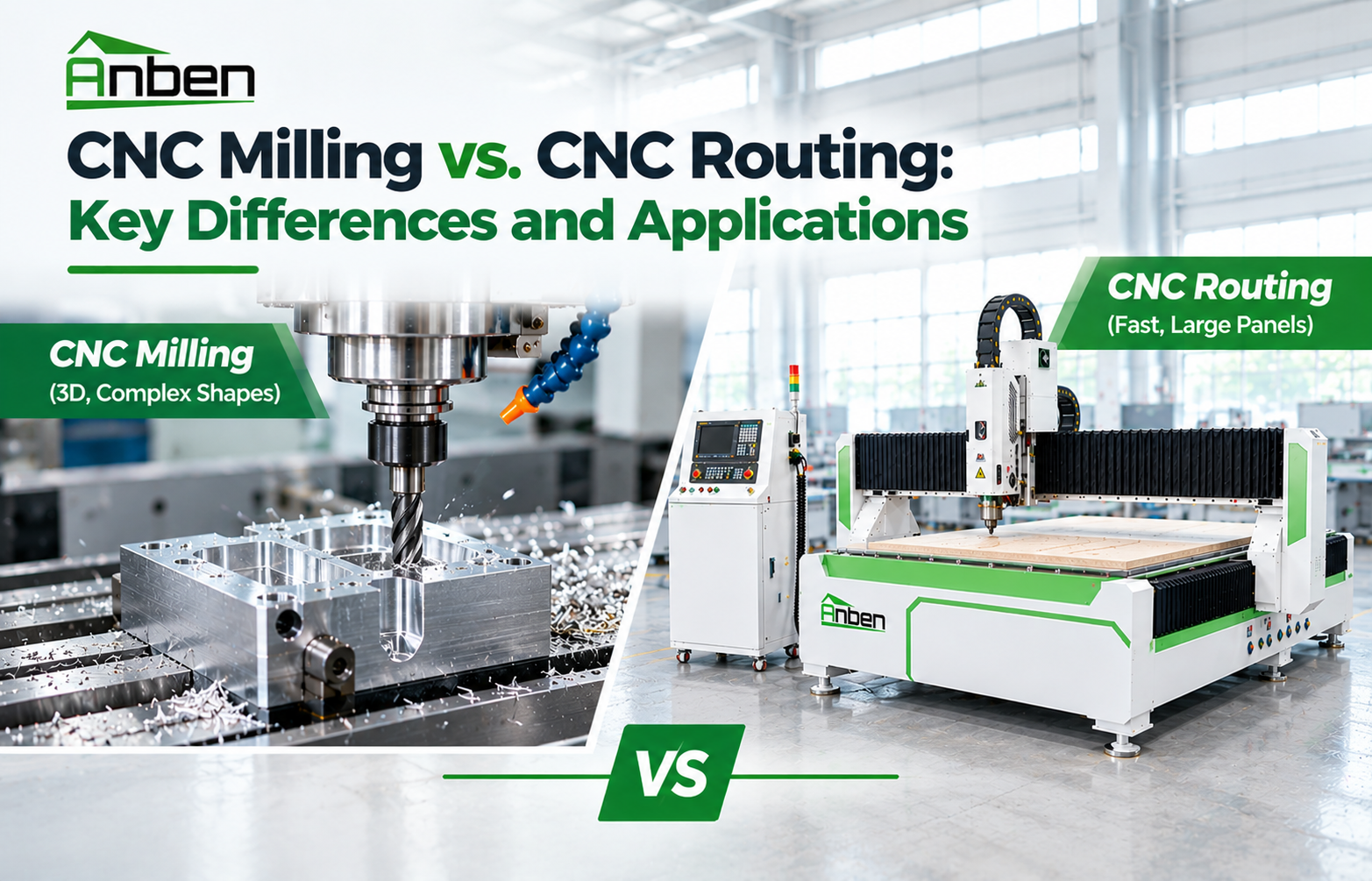
- CNC Milling vs. CNC Routing: Key Differences and Applications
Related Products
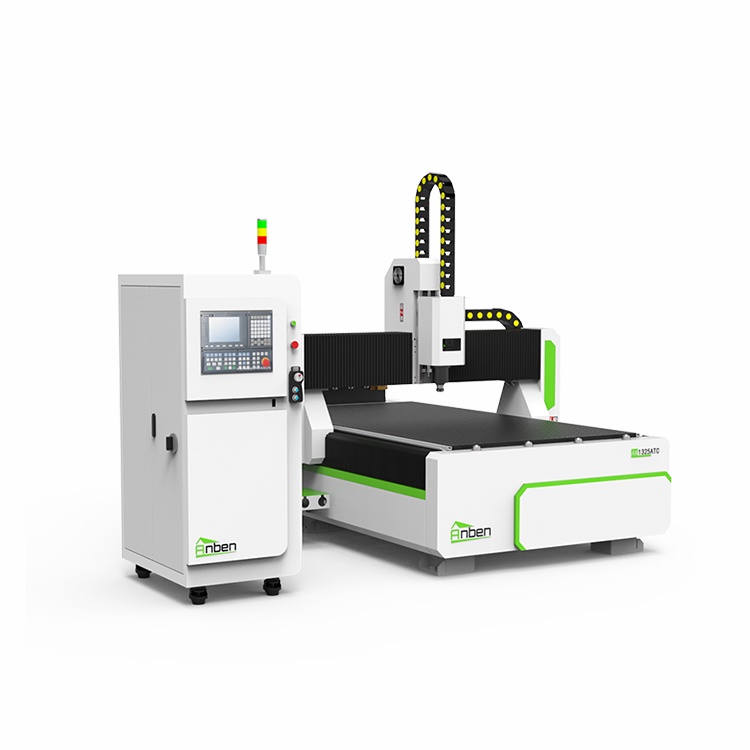
 AN1325ATC Automatic Tool ChangeAnben ATC (Automatic Tool Change)CNC router is popularly used in woodworking, making signs, molds making, art crafts making, etc. The automatic tool changer magazine carries 8-16 cutters. It can save tool change time,more efficient!
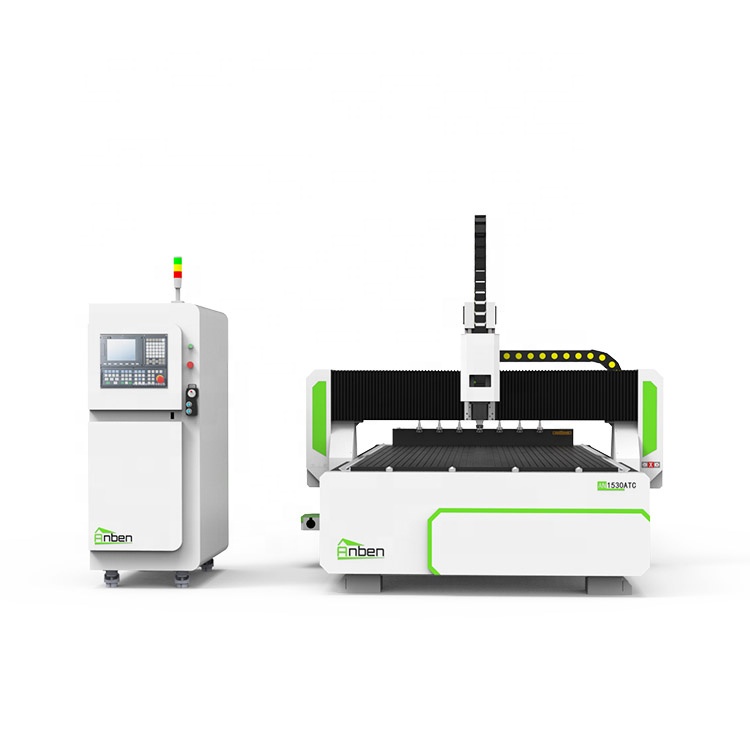
 AN1530ATC Automatic Tool ChangeAnben ATC (Automatic Tool Change)CNC router is popularly used in woodworking, making signs, molds making, art crafts making, etc. The automatic tool changer magazine carries 8-16 cutters. It can save tool change time,more efficient!
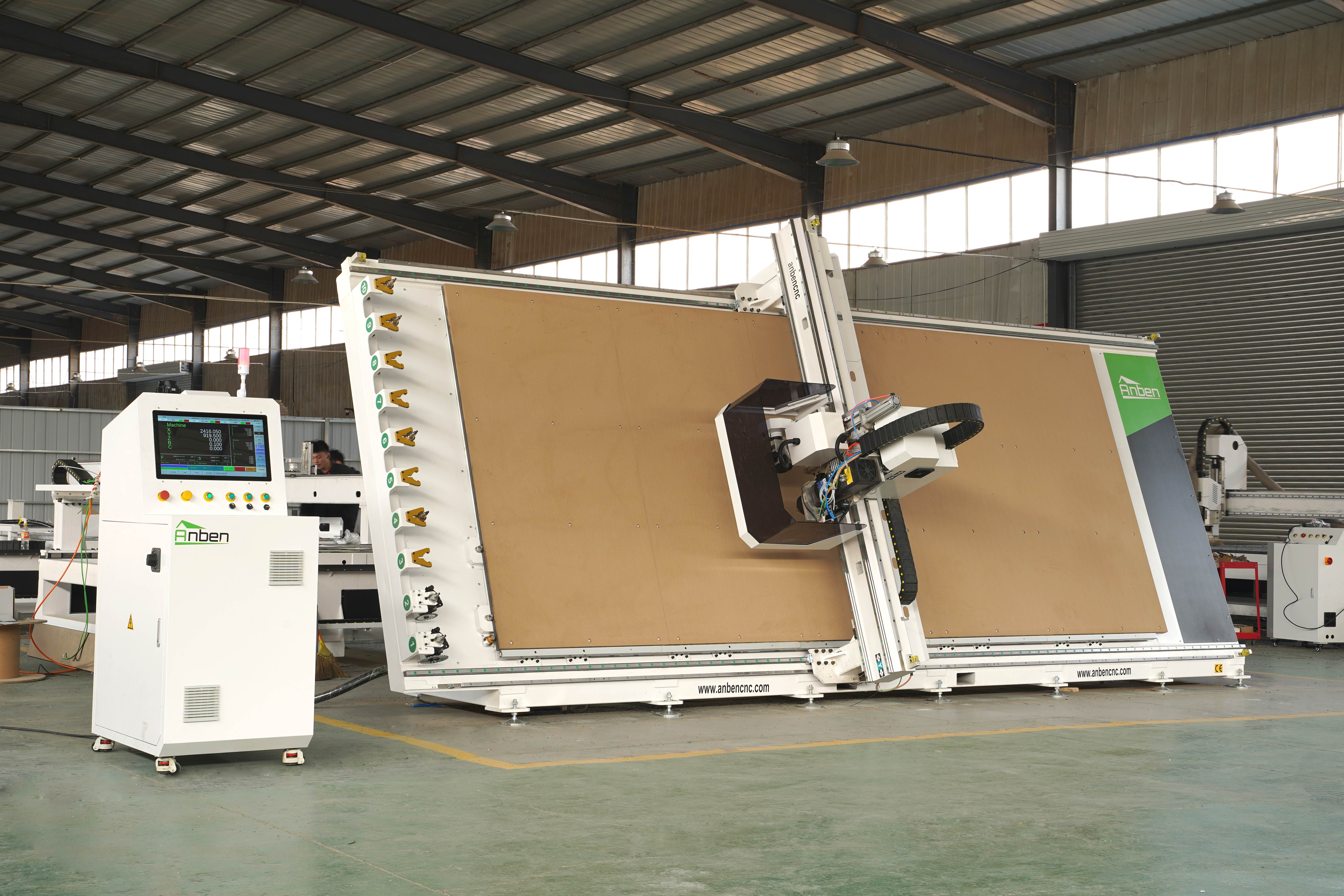
 V-2151 Vertical cnc routerThe vertical cnc significantly reduces the machine’s floor space. It is equipped with 8 sets of ATC tool magazines and other auxiliary devices such as vacuum pump, saw blade,aggregate head, positioning systems, etc. The Vertical cnc can cutting,grooving,engraving,drilling for various types of aluminum composite boards, acrylic boards, fiber boards and other boards. It is suitable for construction facades,cladding ,advertising signs,furniture manufacturing and other industries.
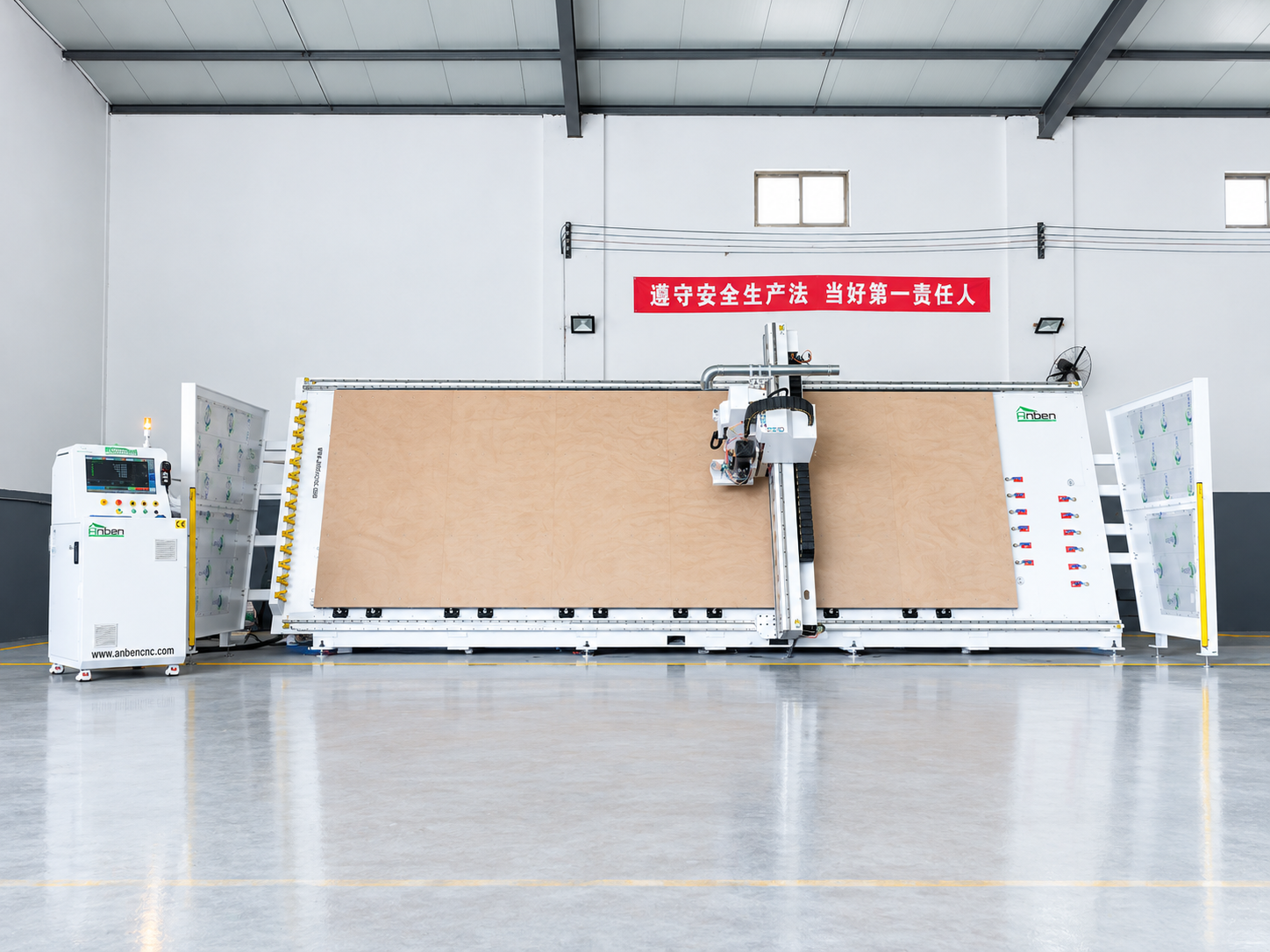
 V-2162 Vertical cnc routerThe vertical cnc significantly reduces the machine’s floor space. It is equipped with 8 sets of ATC tool magazines and other auxiliary devices such as vacuum pump, saw blade,aggregate head, positioning systems, etc. The Vertical cnc can cutting,grooving,engraving,drilling for various types of aluminum composite boards, acrylic boards, fiber boards and other boards. It is suitable for construction facades,cladding ,advertising signs,furniture manufacturing and other industries.
Get in touch

Anben Industrial – Founded in 2017, with a pure engineering spirit, providing trustworthy CNC solutions, born for long-term stable performance.
Contact