

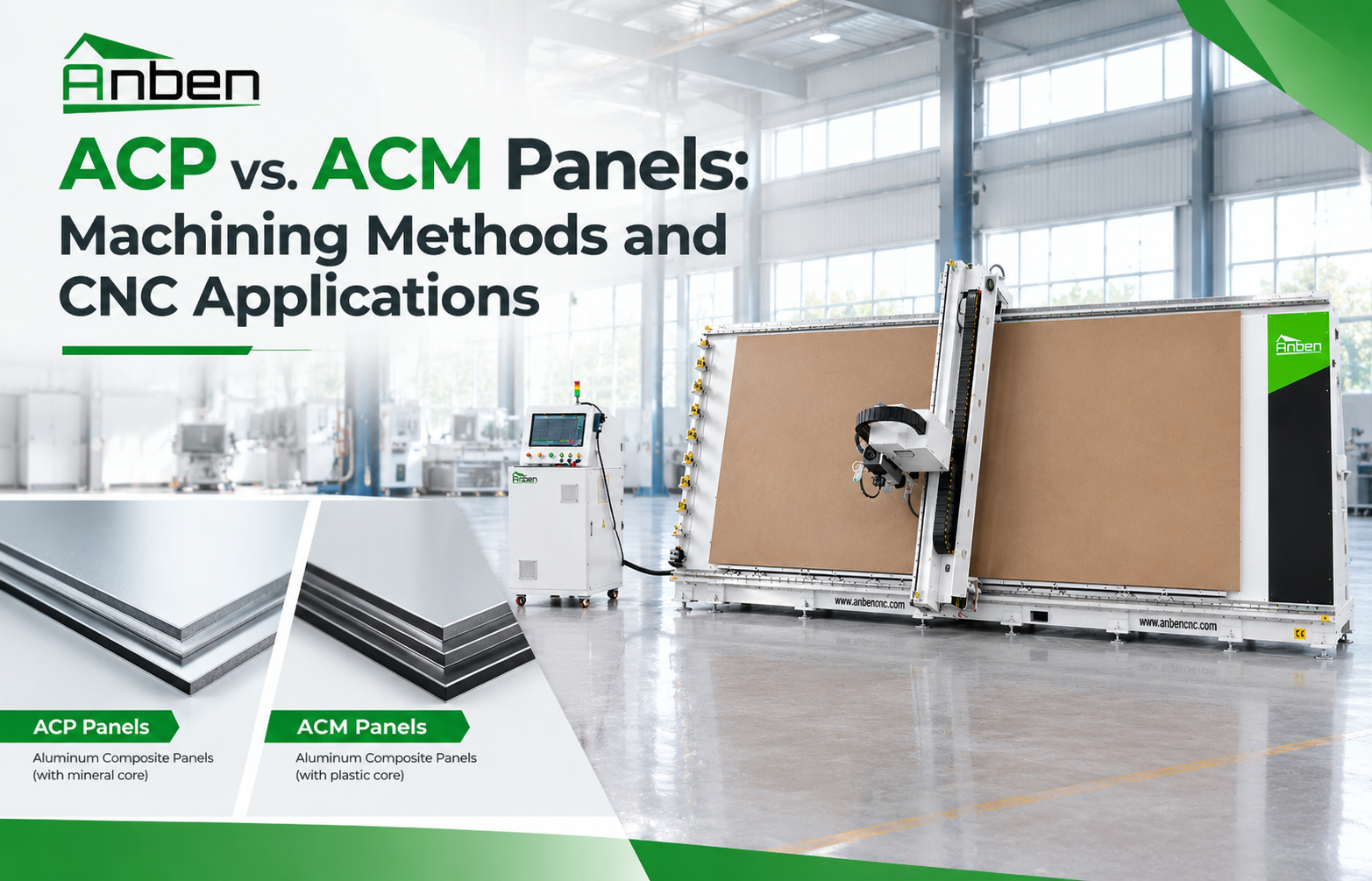
ACP vs. ACM Panels: Machining Methods and CNC Applications





ACP and ACM panels are widely used in architectural cladding, signage, interior decoration, and commercial displays. Both terms commonly refer to aluminum composite panels, which consist of aluminum skins bonded to a core material. Their machining requirements depend on panel construction, thickness, coating, and the final application.
Understanding the differences and choosing the right CNC machining method can help improve cutting quality, dimensional accuracy, and production efficiency.
1. ACP vs. ACM: What Is the Difference?
ACP stands for Aluminum Composite Panel, while ACM stands for Aluminum Composite Material. In many markets, these terms are used interchangeably to describe similar panel products.
Panels may differ in aluminum skin thickness, core composition, total thickness, coatings, and fire-performance classification. These differences can affect cutting parameters, grooving depth, and suitable tooling.
Always check the panel manufacturer's specifications before machining.
2. Common Machining Methods for ACP and ACM
CNC Routing and Cutting
A CNC router can cut panels into accurate shapes, trim edges, and produce openings for signs, facades, and decorative components. Tool selection, cutting parameters, and secure workholding are important for clean edges.
V-Grooving
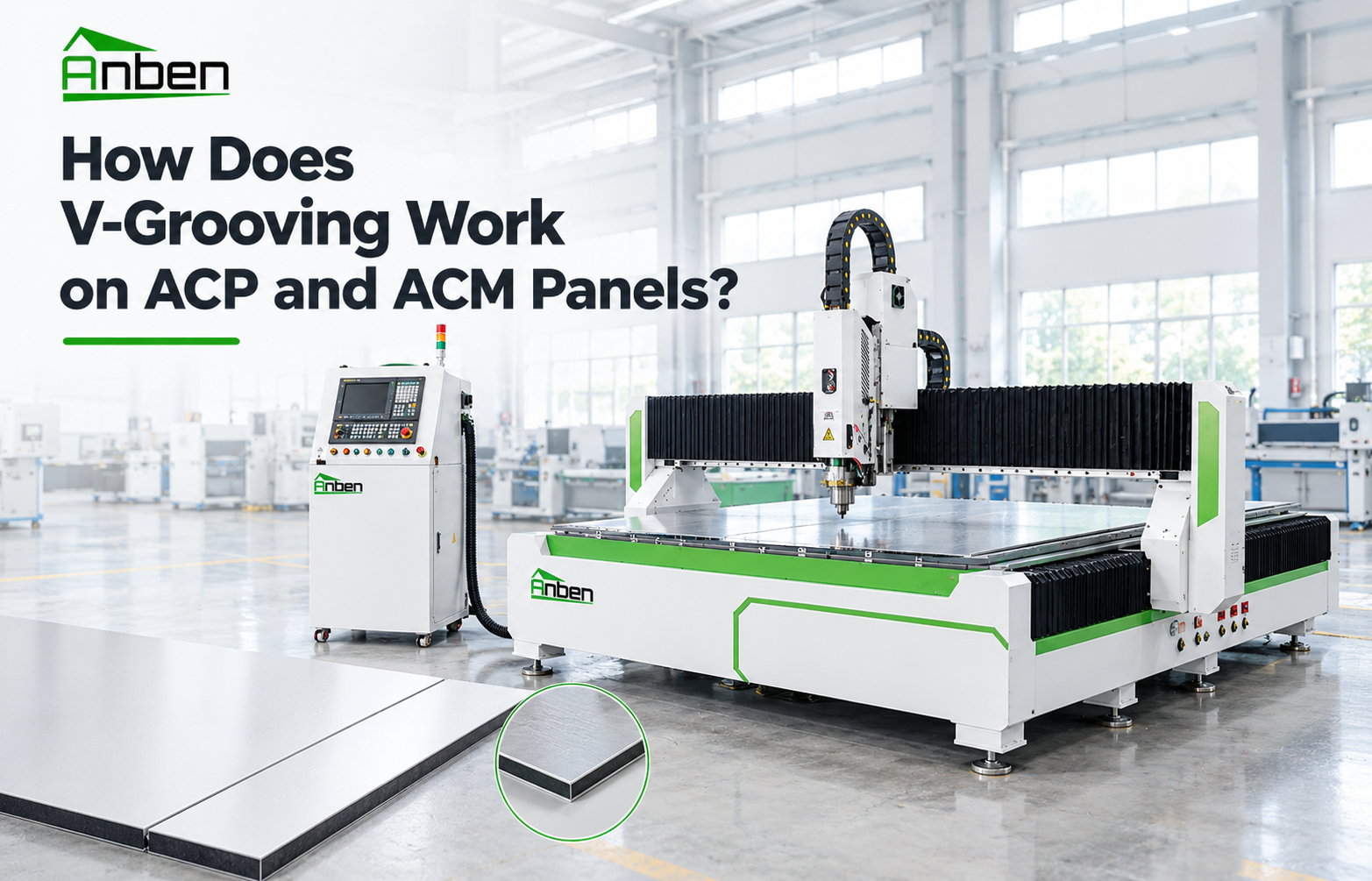
V-grooving removes part of the panel's rear side, leaving a controlled section that allows the panel to be folded into shapes such as corners and boxes. Groove angle and depth must match the panel structure and bending requirements.
Drilling and Pocketing
CNC routing can produce holes, slots, and selected recessed features for mounting, assembly, and installation. Toolpaths should account for panel thickness and the required edge quality.
Saw Cutting
A suitable saw blade can be used for straight cuts or specific grooving operations when the machine is equipped for these processes. The correct blade and setup depend on the panel and required finish.
3. Why Use a CNC Router for ACP and ACM?
CNC routing helps manufacturers process repeated designs with consistent dimensions and programmed toolpaths. Depending on machine configuration, it can support:
Signage and advertising panels
Architectural cladding components
Decorative wall panels
Folded aluminum composite boxes
Custom-shaped panels and installation parts
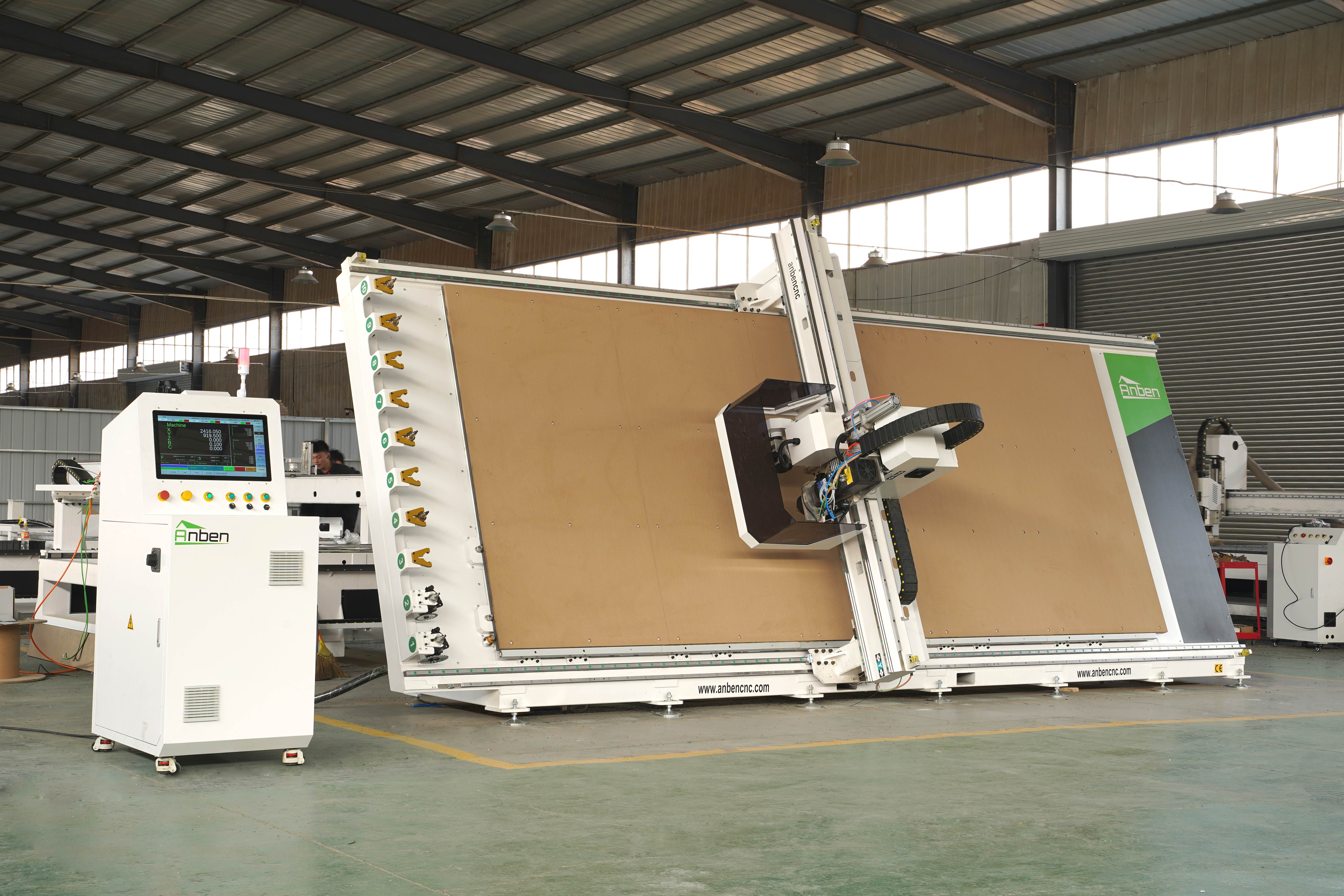
For large panels, a vertical CNC router can help save floor space while supporting panel processing. Horizontal CNC routers may suit other workflows, including general sheet processing and furniture production. The right choice depends on panel size, machining operations, material handling, and production volume.
4. How to Choose the Right CNC Configuration
Before selecting a CNC router for ACP or ACM machining, consider:
Working area: Match the machine to your typical panel dimensions.
Spindle and tooling: Select tools suitable for the panel structure and required cutting quality.
Grooving capability: Confirm the required V-groove angles, depths, and compatible tooling.
Workholding: Keep panels stable and flat throughout machining.
Automation: Consider ATC, saw blade units, or aggregate heads when they match your actual production needs.
Conclusion
ACP and ACM are often interchangeable terms, but panel specifications can vary significantly. CNC routing, V-grooving, drilling, and saw cutting support different fabrication needs. Choose machining methods and machine configurations based on panel construction, finished-part requirements, and production workflow.
ANBEN CNC offers CNC router solutions for panel processing applications. Contact our team to discuss your ACP or ACM machining requirements and identify a suitable configuration.
 ACP vs. ACM Panels: Machining Methods and CNC Applications
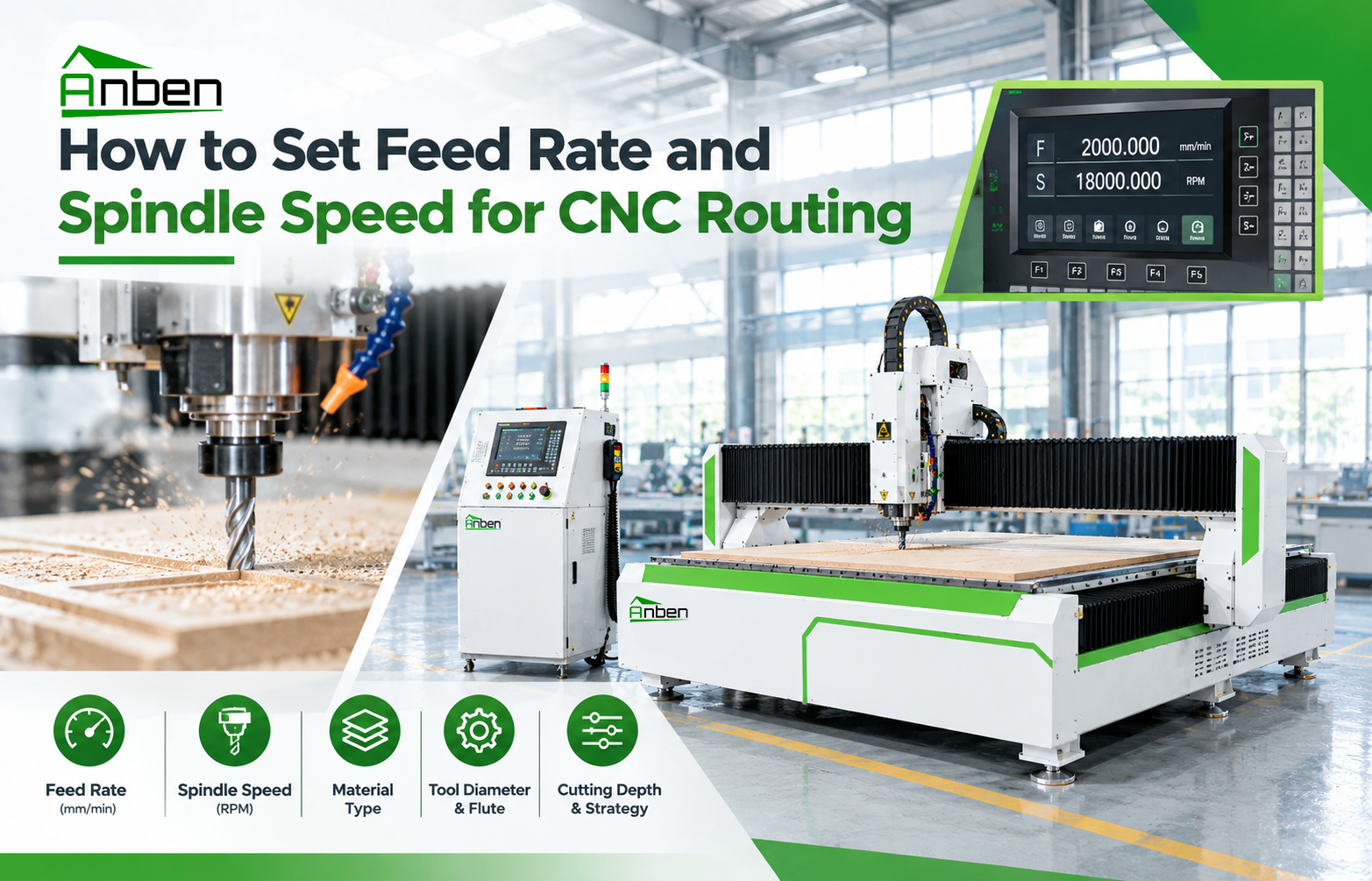
- How to Set Feed Rate and Spindle Speed for CNC Routing
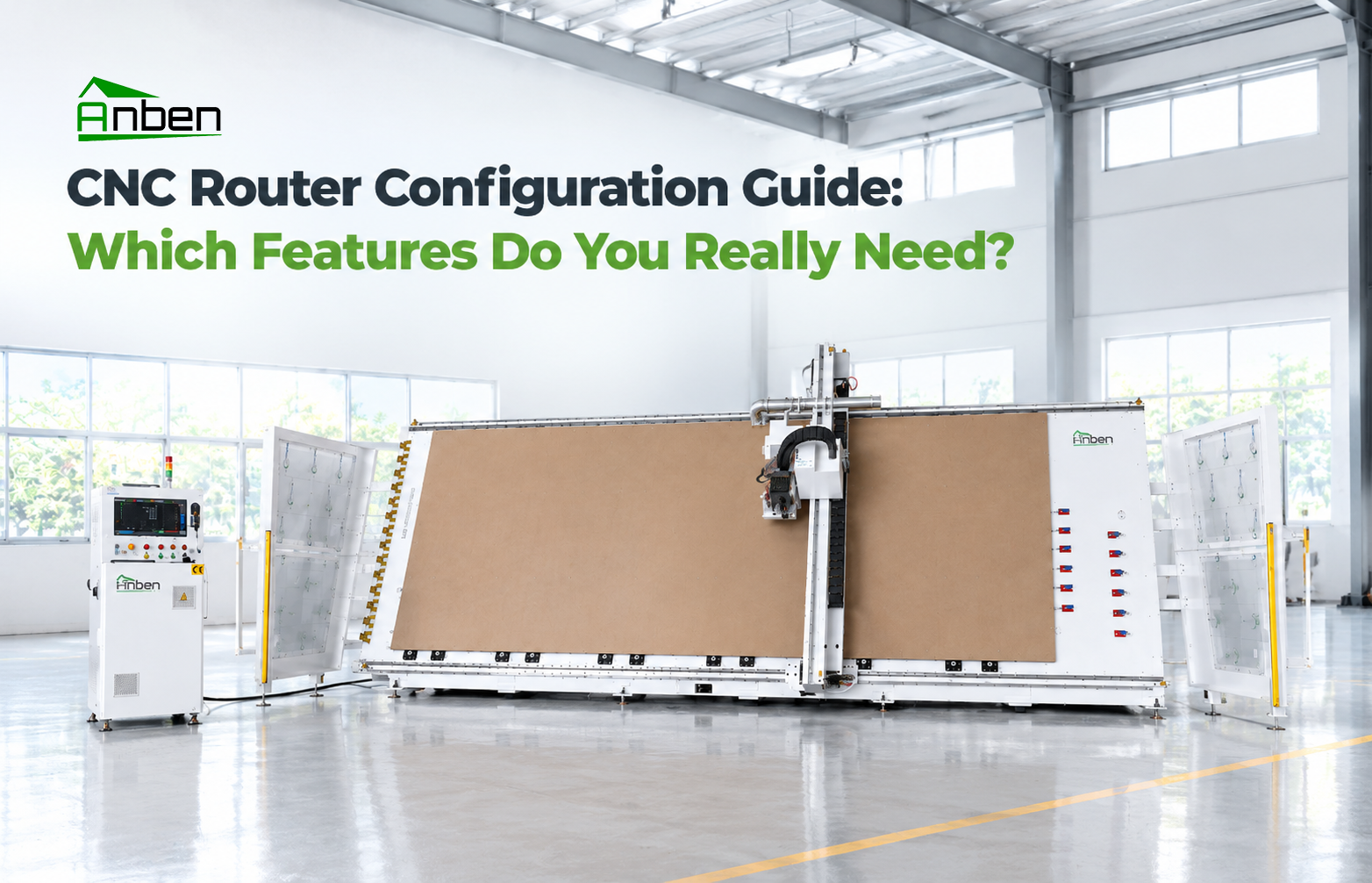
 CNC Router Configuration Guide: Which Features Do You Really Need?
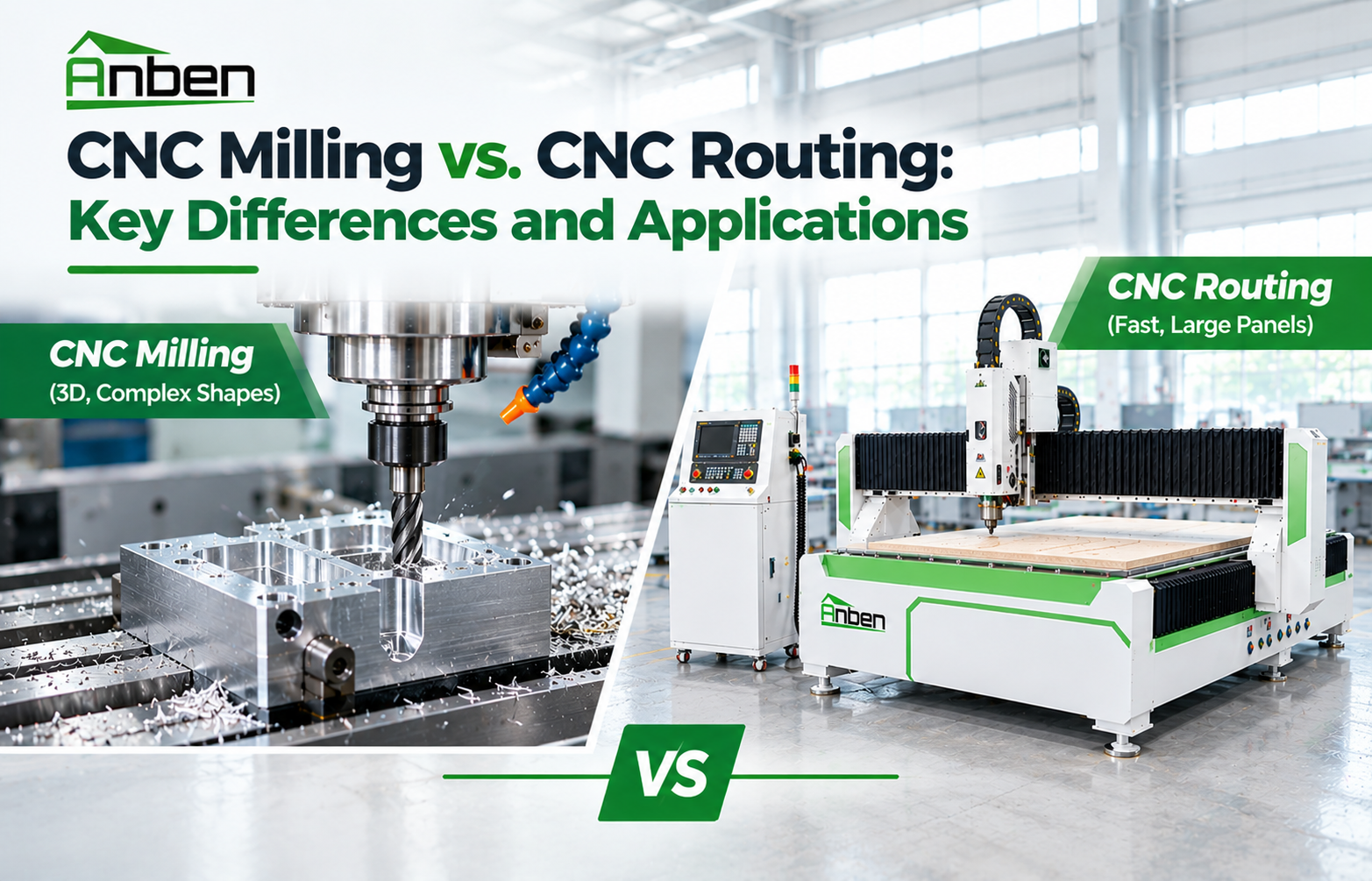
- CNC Milling vs. CNC Routing: Key Differences and Applications
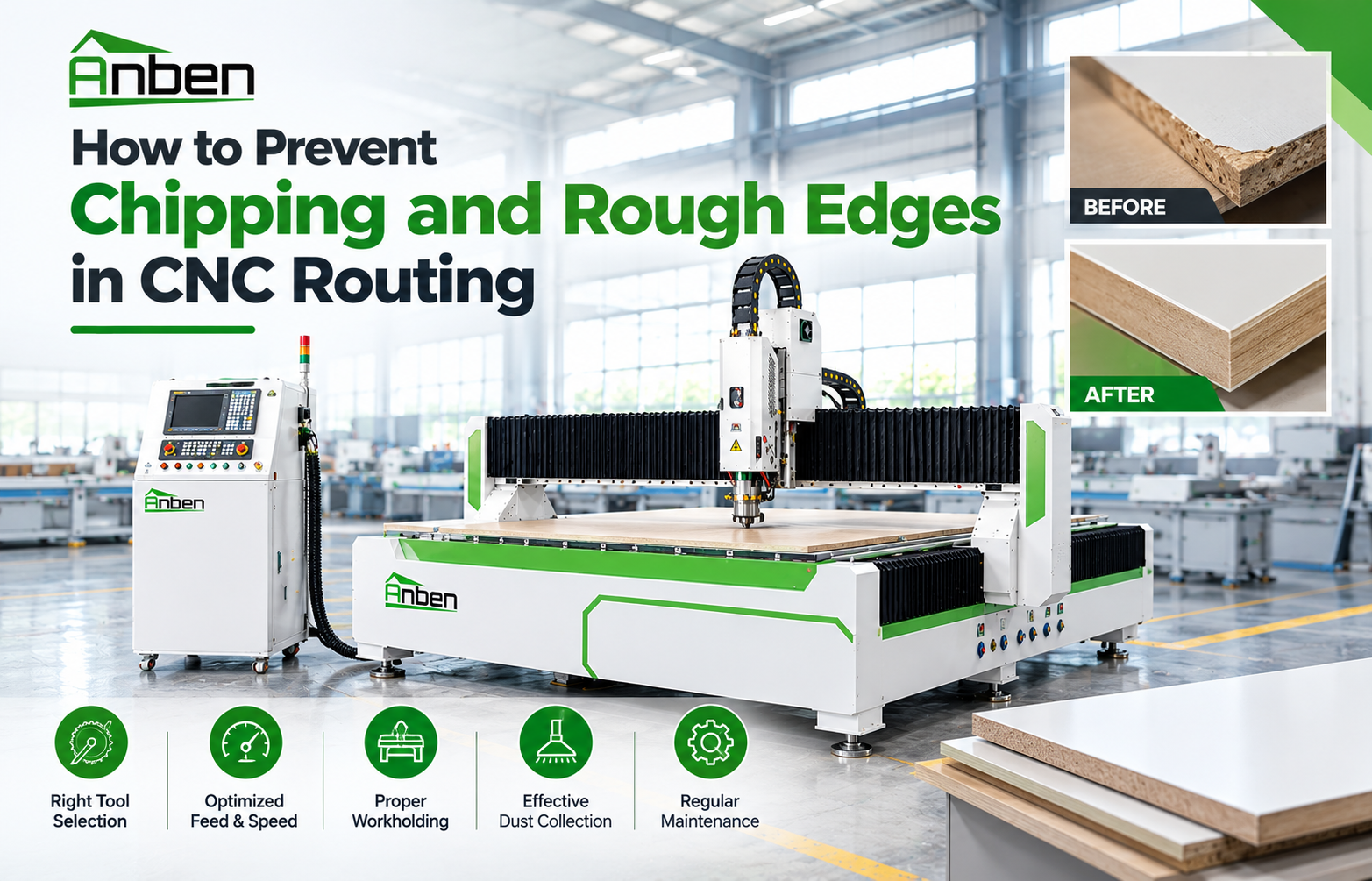
- How to Prevent Chipping and Rough Edges in CNC Routing
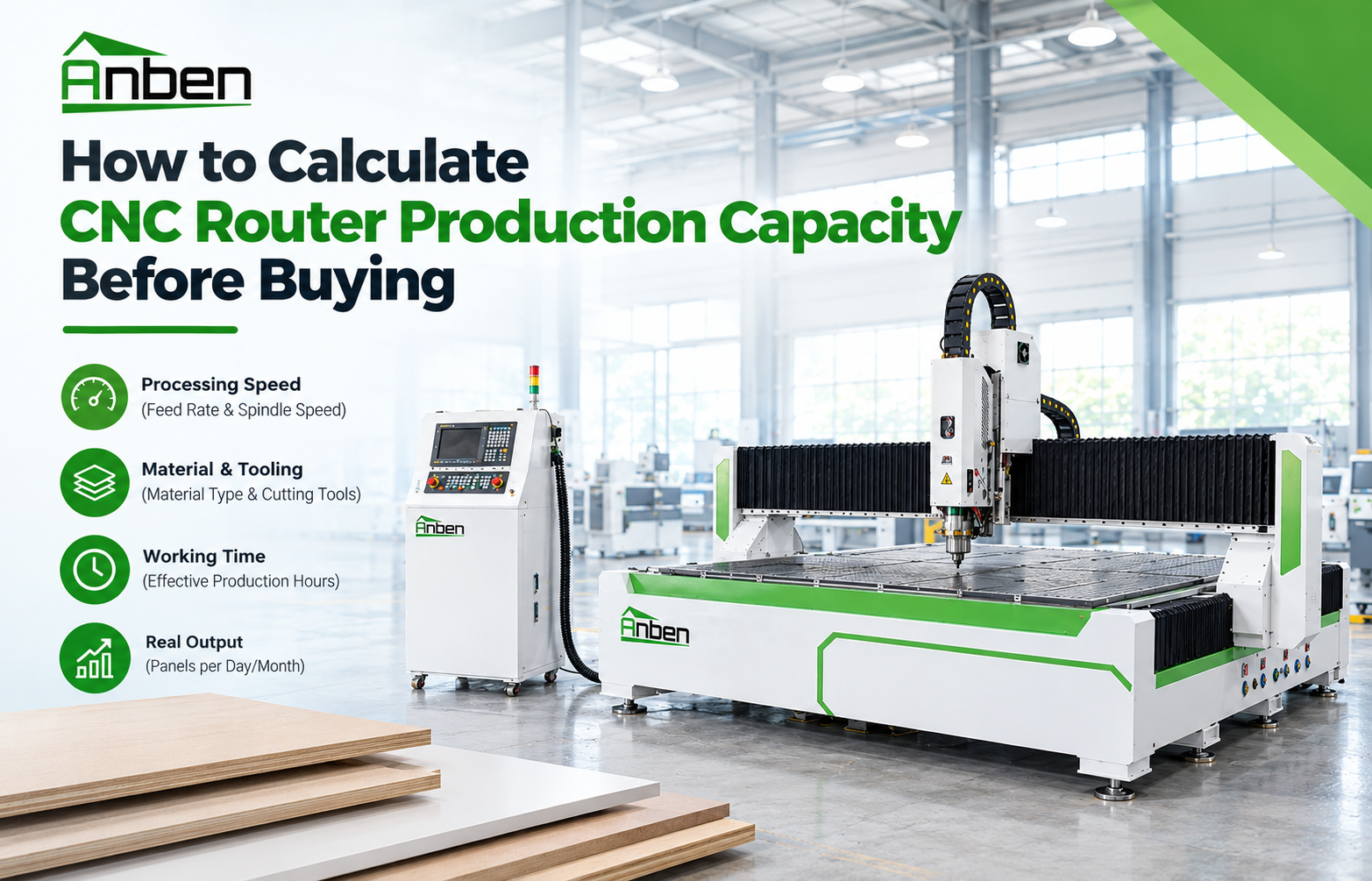
- How to Calculate CNC Router Production Capacity Before Buying
- How Does V-Grooving Work on ACP and ACM Panels?
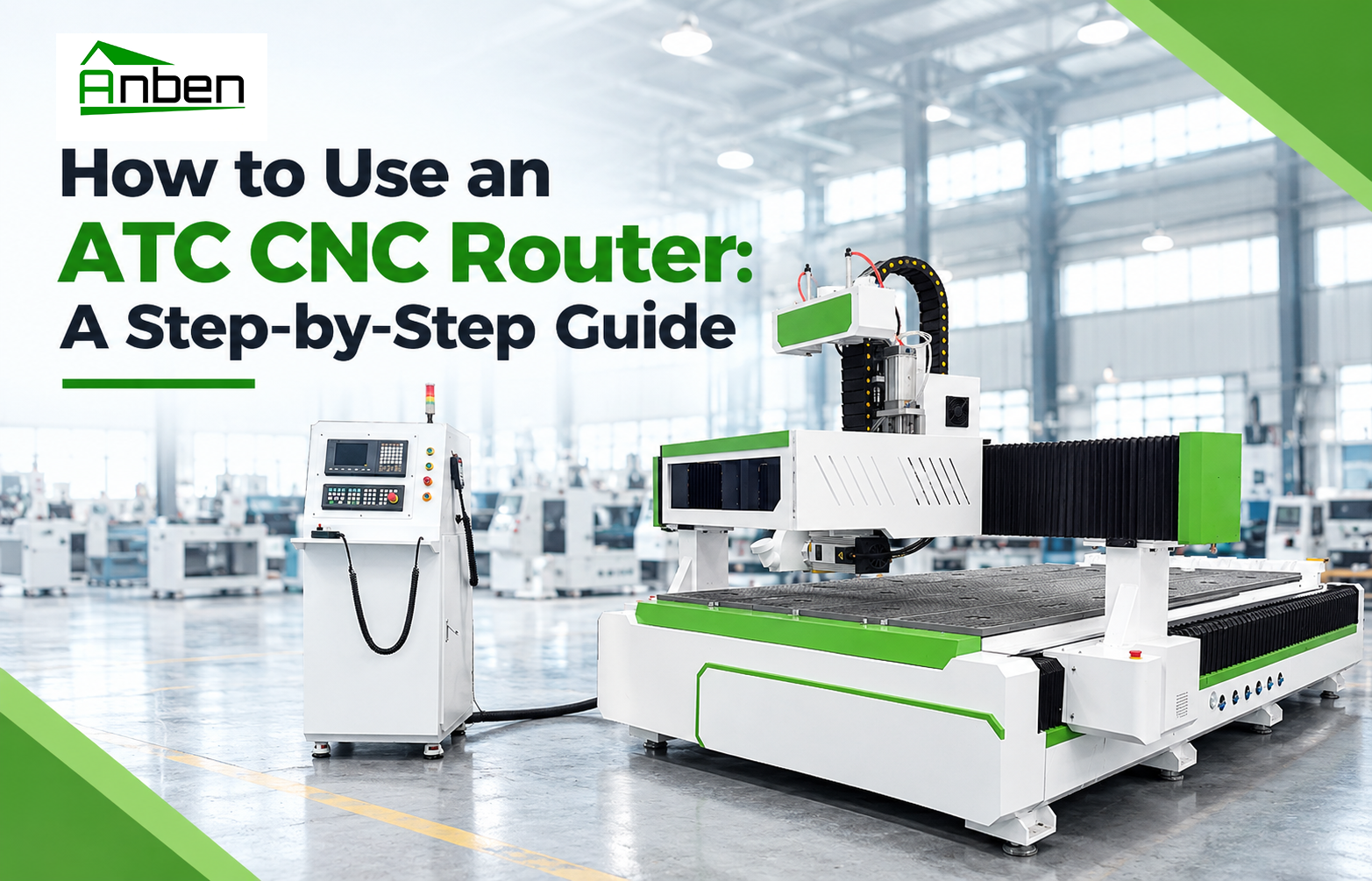
- How to Use an ATC CNC Router: A Step-by-Step Guide
Related Products
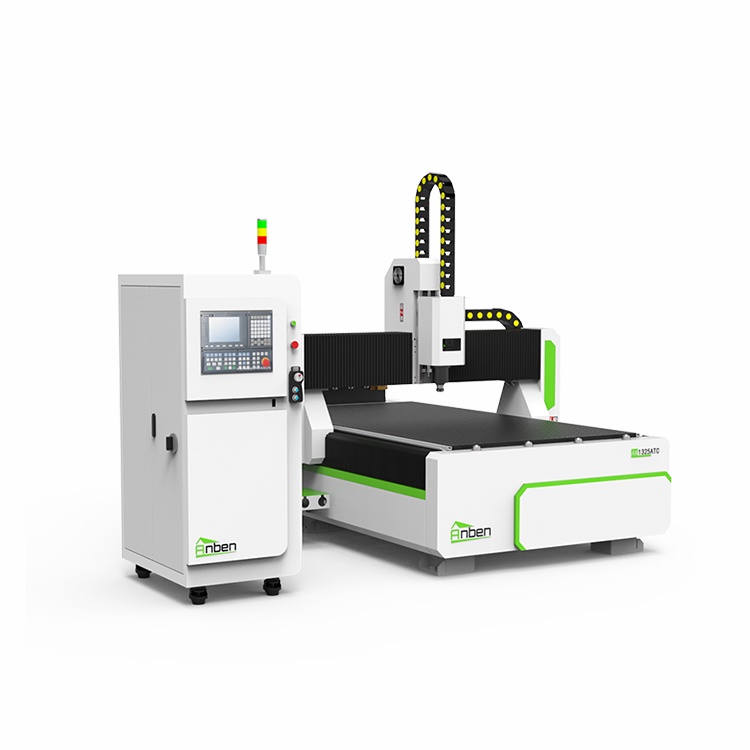
 AN1325ATC Automatic Tool ChangeAnben ATC (Automatic Tool Change)CNC router is popularly used in woodworking, making signs, molds making, art crafts making, etc. The automatic tool changer magazine carries 8-16 cutters. It can save tool change time,more efficient!
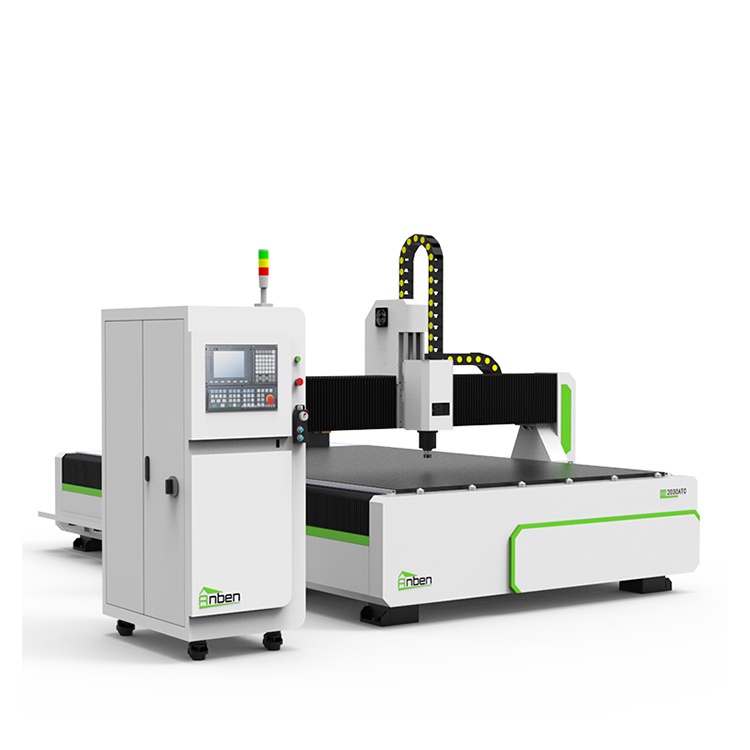
 AN2030ATC Automatic Tool ChangeAnben ATC (Automatic Tool Change)CNC router is popularly used in woodworking, making signs, molds making, art crafts making, etc. The automatic tool changer magazine carries 8-16 cutters. It can save tool change time,more efficient!
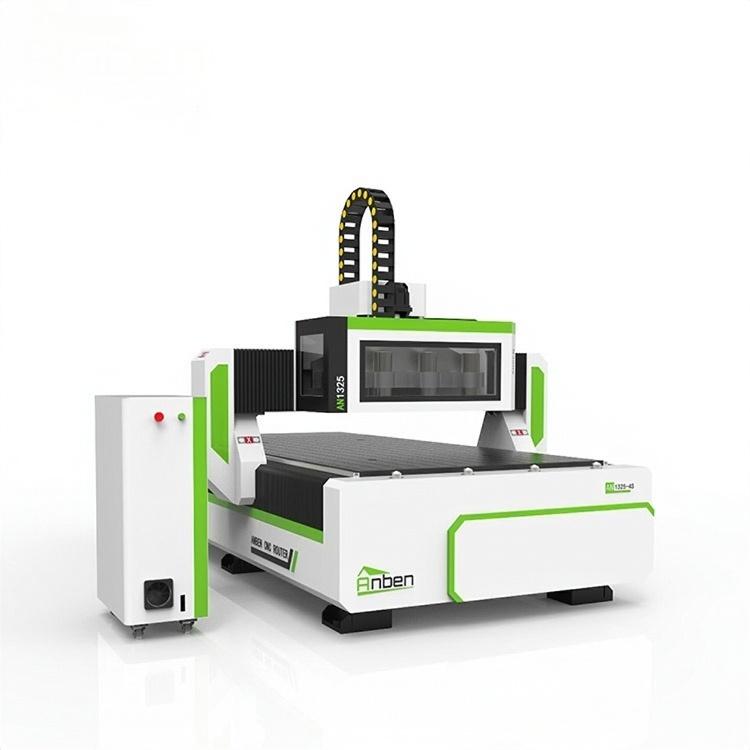
 AN1325-3S Cnc Router 3 SpindlesAnben multi spindles CNC router has 3 or 4 spindles, each spindle use different tools and work one by one. It also called economical ATC cnc.
 V-2151 Vertical cnc routerThe vertical cnc significantly reduces the machine’s floor space. It is equipped with 8 sets of ATC tool magazines and other auxiliary devices such as vacuum pump, saw blade,aggregate head, positioning systems, etc. The Vertical cnc can cutting,grooving,engraving,drilling for various types of aluminum composite boards, acrylic boards, fiber boards and other boards. It is suitable for construction facades,cladding ,advertising signs,furniture manufacturing and other industries.
Get in touch

Anben Industrial – Founded in 2017, with a pure engineering spirit, providing trustworthy CNC solutions, born for long-term stable performance.
Contact