

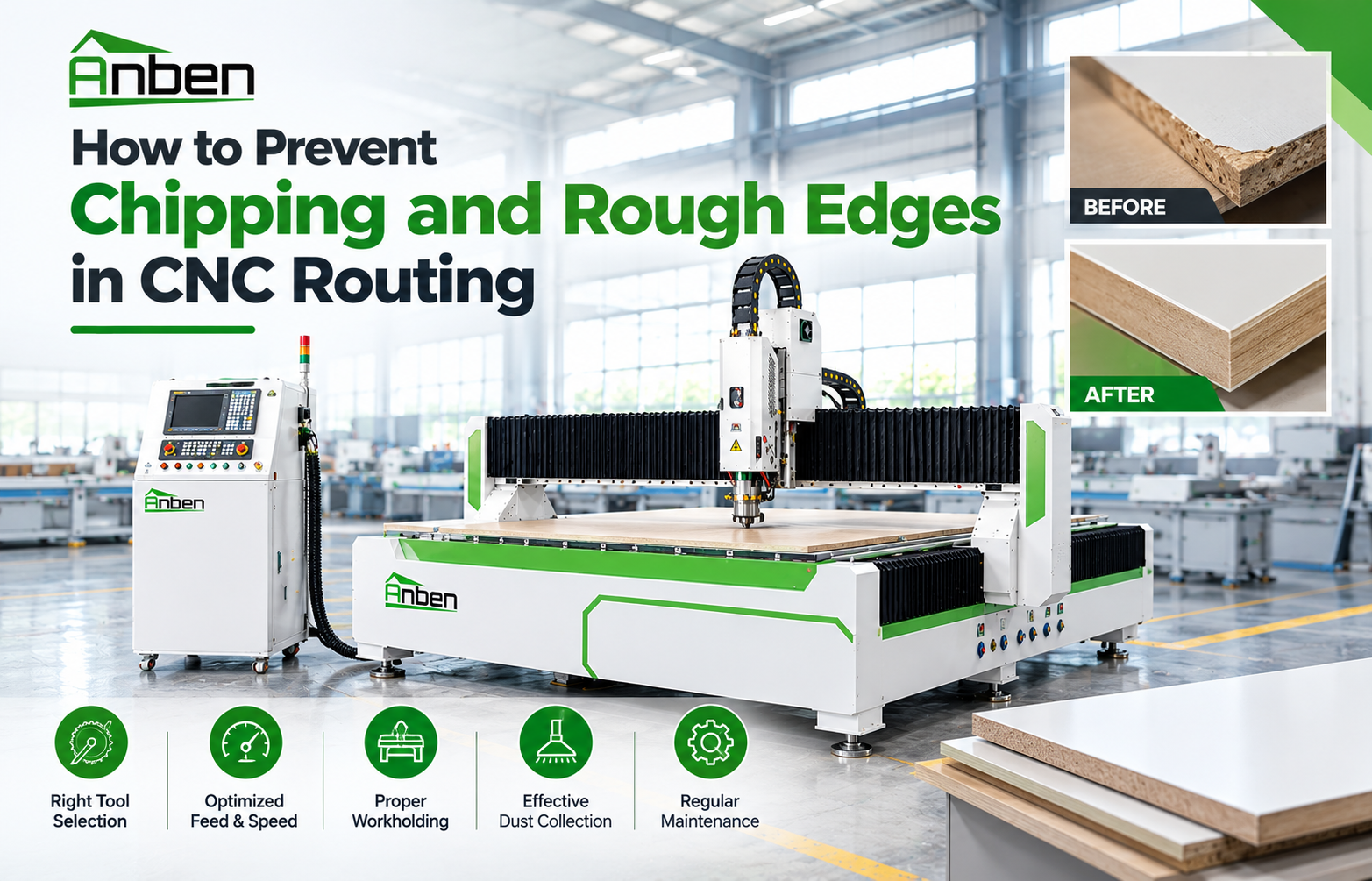
How to Prevent Chipping and Rough Edges in CNC Routing





Chipping and rough edges are common problems in CNC routing, especially when machining MDF, plywood, acrylic, and aluminum composite panels. Poor edge quality can increase rework, waste materials, and reduce production efficiency.
Understanding the causes and adjusting your CNC machining process can help achieve cleaner cuts and more consistent results.
1. Choose the Right CNC Router Bit
The cutting tool directly affects edge quality. Different materials require different tool geometries.
MDF and plywood: Use suitable carbide bits designed for wood-based panels.
Acrylic: Select sharp bits designed for plastic machining to reduce melting and edge damage.
ACP/ACM panels: Choose appropriate cutting or V-grooving tools according to the required machining process.
Inspect tools regularly and replace worn or damaged bits. A dull tool can cause tearing, burrs, and rough edges.
2. Optimize Feed Rate and Spindle Speed
Incorrect cutting parameters may cause chipping, burning, vibration, or poor surface quality.
Adjust the feed rate and spindle speed according to the material, tool diameter, flute geometry, cutting depth, and machine rigidity. Avoid copying settings from another machine without testing.
Run a test cut and inspect the edges before starting batch production.
3. Check Cutting Depth and Toolpath
Excessive cutting depth can increase tool load and vibration, leading to poor edge quality.
Use a suitable cutting depth for the material and tool.
Consider multiple passes when the material or tool requires it.
Select an appropriate cutting direction and toolpath strategy.
Confirm the toolpath and cutting parameters before machining.
For thin panels and delicate materials, stable cutting conditions are especially important.
4. Secure the Workpiece Properly
Material movement during machining can produce chipped edges, dimensional errors, and uneven cuts.
Check the vacuum holding system, workpiece positioning, and table surface before cutting. Ensure the panel is adequately supported, particularly near its edges and smaller parts.
For vacuum tables, inspect seals and vacuum zones for leaks that may reduce holding force.
5. Maintain a Stable CNC Router
Machine vibration, loose tool holders, worn collets, and poor tool alignment can affect cutting quality.
Regularly inspect the spindle, collet, tool holder, workholding system, and machine components. Keep the cutting area clean and follow the manufacturer's maintenance instructions.
6. Test and Verify Before Production
When changing materials, tools, or machining programs, perform a test cut first. Check edge smoothness, dimensional accuracy, and signs of chipping or burning.
Record successful cutting parameters for repeat jobs to improve consistency and reduce material waste.
Conclusion
To prevent chipping and rough edges in CNC routing, use the correct tool, optimize cutting parameters, secure the material, and maintain the machine properly. Consistent testing and process control help manufacturers achieve better CNC cutting quality and more reliable production results.
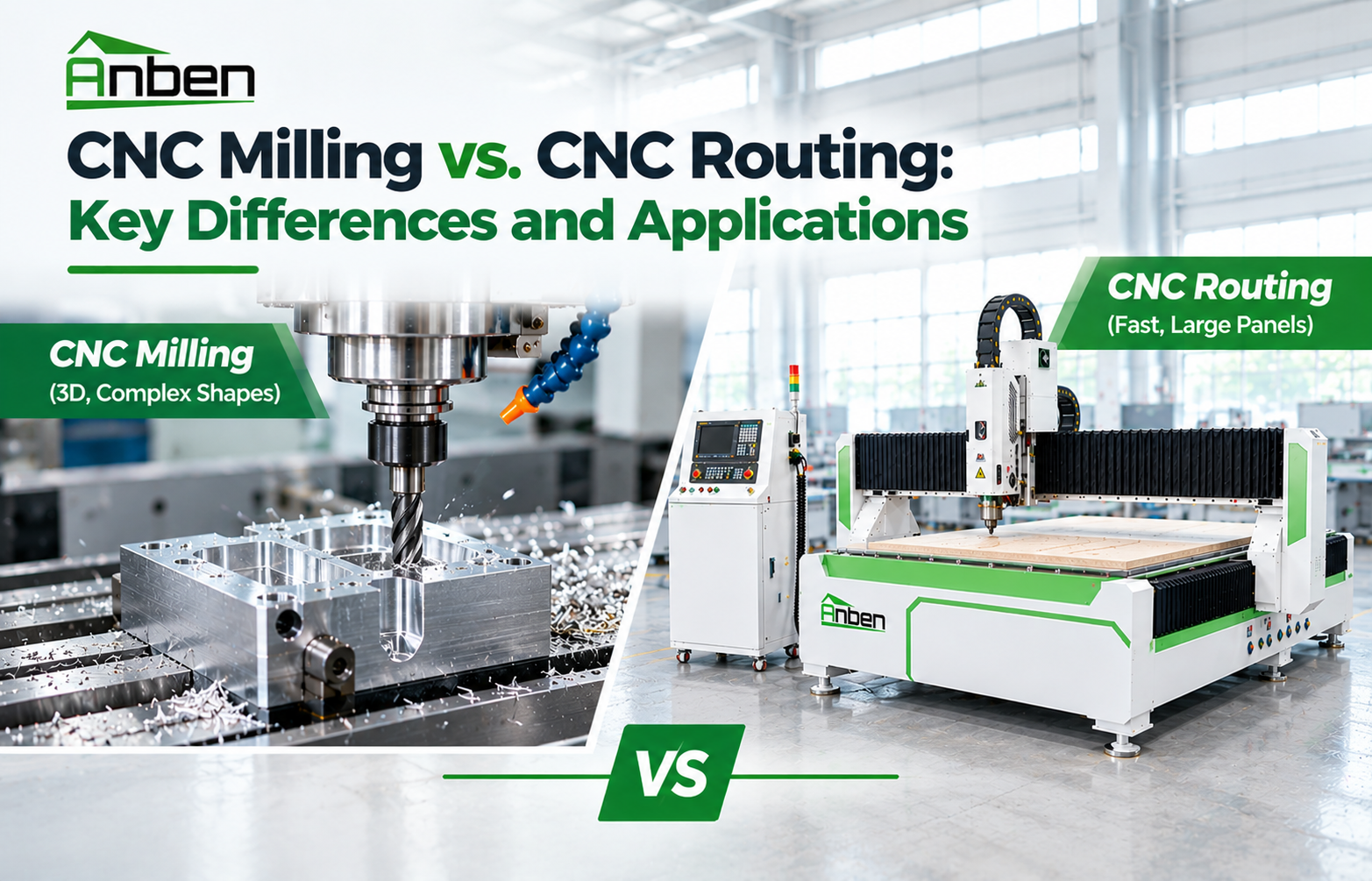
 CNC Milling vs. CNC Routing: Key Differences and Applications
- How to Prevent Chipping and Rough Edges in CNC Routing
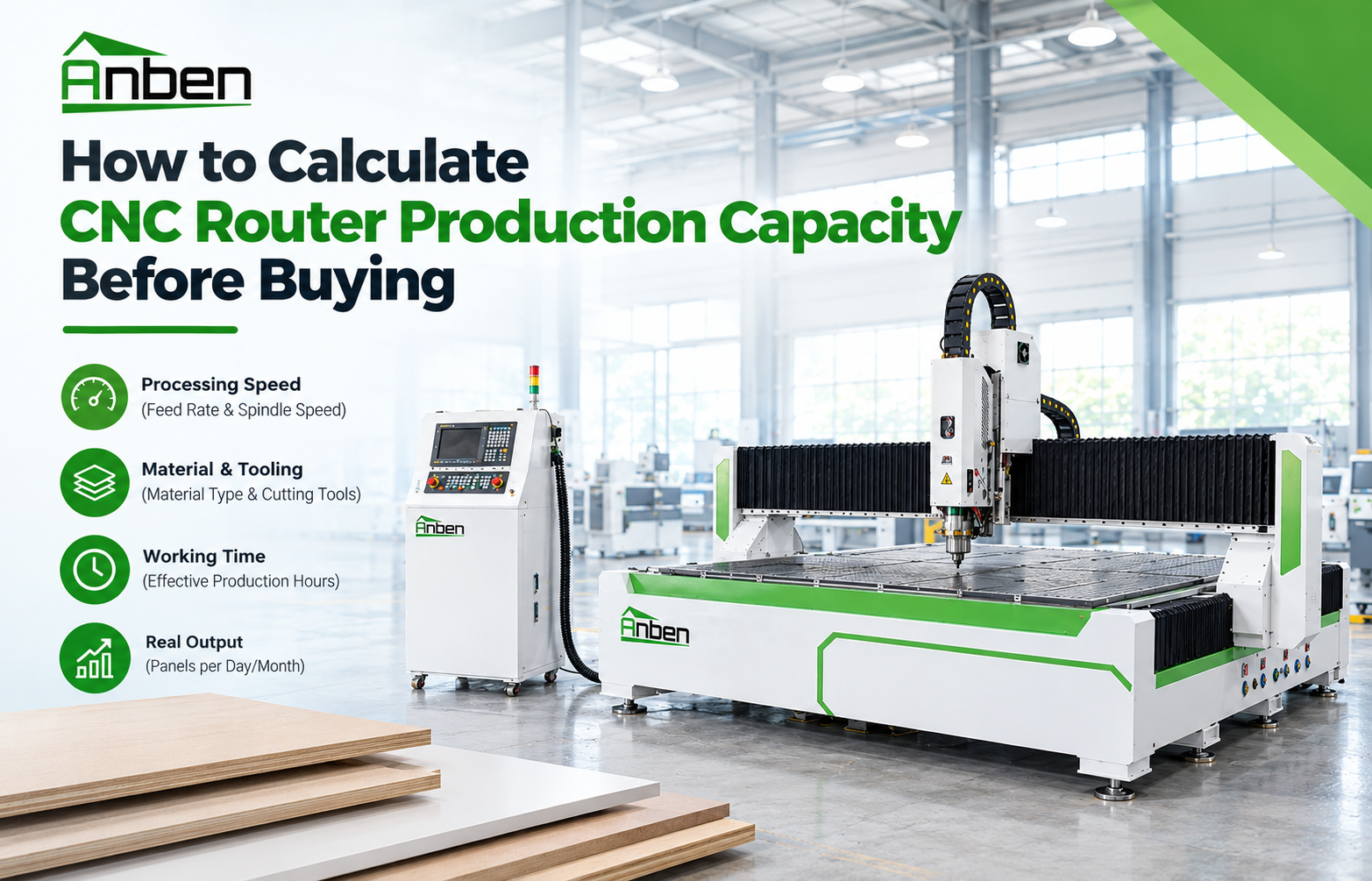
- How to Calculate CNC Router Production Capacity Before Buying
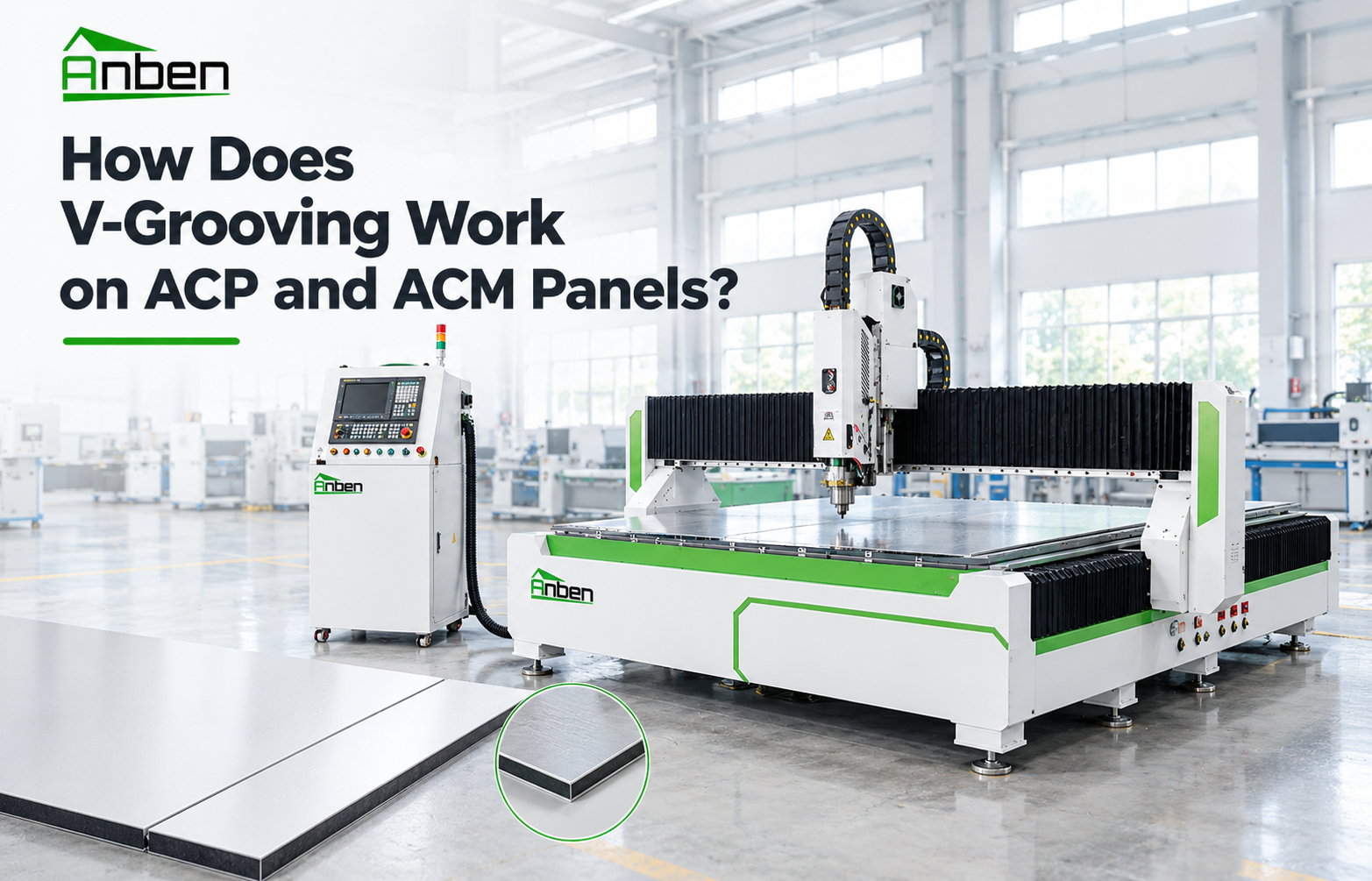
- How Does V-Grooving Work on ACP and ACM Panels?
- How to Use an ATC CNC Router: A Step-by-Step Guide
- How to Calculate the ROI of a CNC Router Before Buying
- CNC Router Bits Explained: Types, Applications, and How They Work
- How to Set Z-Axis Zero on a CNC Router
Related Products
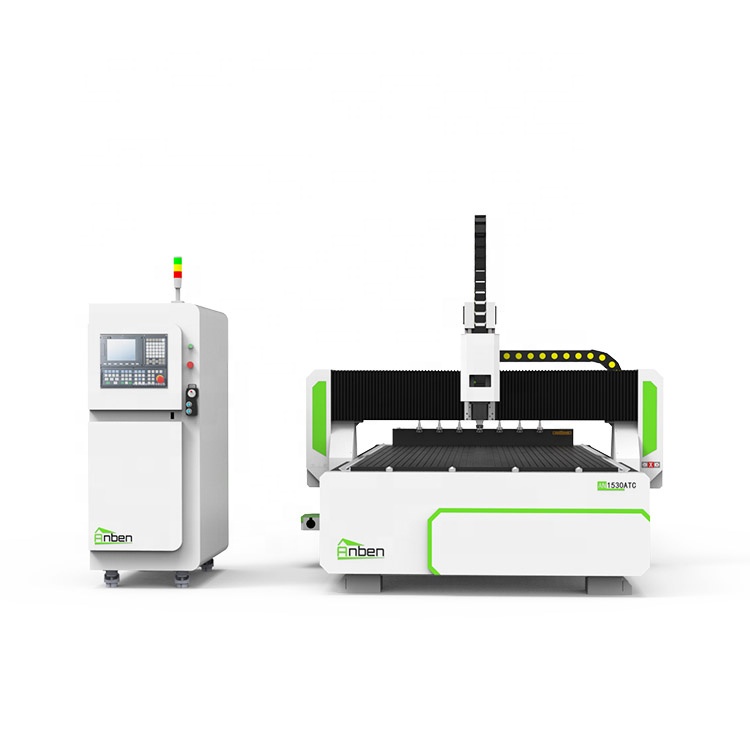
 AN1530ATC Automatic Tool ChangeAnben ATC (Automatic Tool Change)CNC router is popularly used in woodworking, making signs, molds making, art crafts making, etc. The automatic tool changer magazine carries 8-16 cutters. It can save tool change time,more efficient!
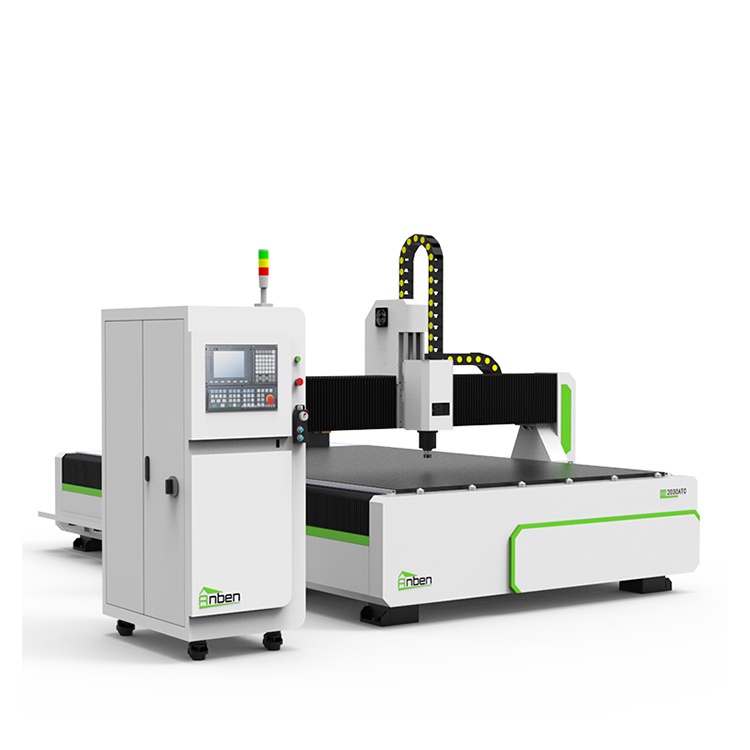
 AN2030ATC Automatic Tool ChangeAnben ATC (Automatic Tool Change)CNC router is popularly used in woodworking, making signs, molds making, art crafts making, etc. The automatic tool changer magazine carries 8-16 cutters. It can save tool change time,more efficient!
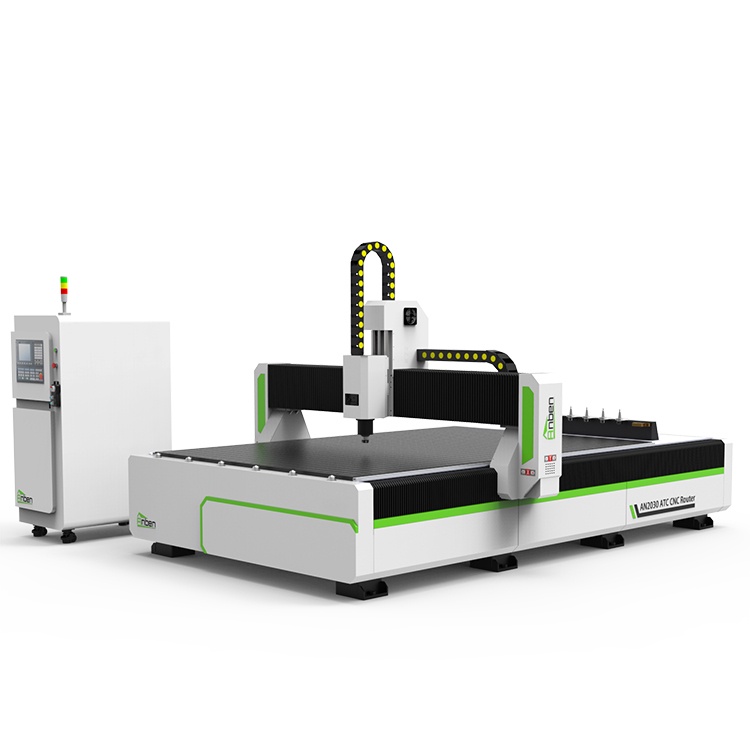
 AN2040ATC Automatic Tool ChangeAnben ATC (Automatic Tool Change)CNC router is popularly used in woodworking, making signs, molds making, art crafts making, etc. The automatic tool changer magazine carries 8-16 cutters. It can save tool change time,more efficient!
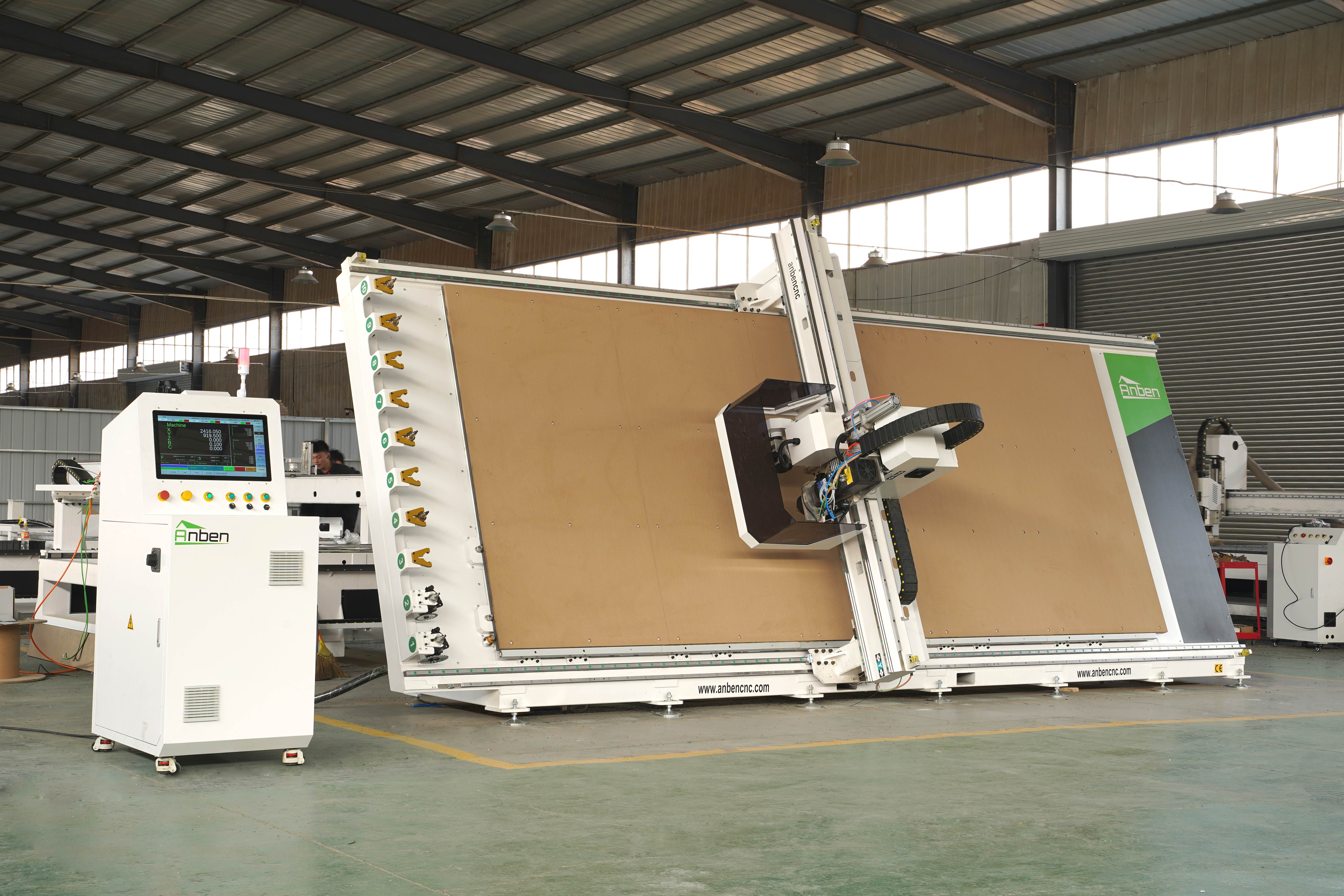
 V-2151 Vertical cnc routerThe vertical cnc significantly reduces the machine’s floor space. It is equipped with 8 sets of ATC tool magazines and other auxiliary devices such as vacuum pump, saw blade,aggregate head, positioning systems, etc. The Vertical cnc can cutting,grooving,engraving,drilling for various types of aluminum composite boards, acrylic boards, fiber boards and other boards. It is suitable for construction facades,cladding ,advertising signs,furniture manufacturing and other industries.
Get in touch

Anben Industrial – Founded in 2017, with a pure engineering spirit, providing trustworthy CNC solutions, born for long-term stable performance.
Contact