

How to Calculate the ROI of a CNC Router Before Buying





Investing in a CNC router can help manufacturers improve production efficiency, reduce manual operations, and expand machining capabilities. However, before purchasing a CNC machine, buyers should evaluate more than the initial equipment cost. Calculating the return on investment (ROI) helps determine whether a CNC router fits your production needs and long-term business goals.
1. What Is CNC Router ROI?
CNC router ROI measures the financial return generated by a CNC machine compared with the investment required. It helps manufacturers assess whether improvements in productivity, labor efficiency, and production capacity justify the total cost.
Basic ROI Formula:
ROI (%) = (Net Profit from Investment ÷ Total Investment Cost) × 100
For a CNC router investment, define the calculation period and include the relevant machine costs, operating expenses, and additional profit attributable to the equipment.
2. Identify the Total Cost of a CNC Router
The purchase price is only one part of the investment. Before buying, consider these costs:
Machine cost: CNC router, spindle, controller, tool changer, and selected accessories.
Installation and setup: Transportation, installation, operator training, and commissioning where applicable.
Tooling and consumables: Router bits, collets, cutting tools, and replacement parts.
Operating expenses: Electricity, dust collection, maintenance, and labor.
Downtime and support: Potential production interruptions, spare parts availability, and technical support.
A complete cost estimate helps you compare machine configurations more accurately and avoid overlooking ongoing expenses.
3. Estimate the Financial Benefits
Next, estimate the additional financial value the CNC router may generate. Consider the following factors:
Higher production capacity: Calculate how many additional parts or panels can be produced within the same working hours, based on realistic cycle times and demand.
Labor efficiency: Estimate changes in manual machining, tool-changing tasks, handling, and operator time. Do not assume that automation eliminates all labor requirements.
Reduced material waste: Evaluate whether improved nesting, repeatable machining, and more consistent cutting can reduce scrap for your specific production process.
Expanded order capacity: Determine whether the machine enables you to accept profitable orders or perform machining operations that were previously outsourced.
Use actual production records and conservative estimates rather than relying only on advertised performance figures.
4. Calculate Payback Period and ROI
The payback period estimates how long it takes for the investment to recover its initial cost.
Payback Period = Initial Investment ÷ Net Monthly Cash Benefit
For example, if the total investment is $60,000 and the estimated net monthly cash benefit is $5,000, the simple payback period is 12 months.
This is an illustrative calculation, not a price or performance estimate for an ANBEN machine. Actual results depend on utilization, operating costs, order volume, and production efficiency.
For a more complete ROI calculation, compare the net financial benefit over a defined period with the total investment cost. Avoid counting the same labor or production savings twice.
5. Choose a CNC Router Based on Your Production Needs
The right machine configuration affects both investment cost and potential return.
Standard CNC router: Consider it for general machining and production with limited tool changes.
ATC CNC router: Evaluate it when frequent tool changes and multiple operations create significant manual work.
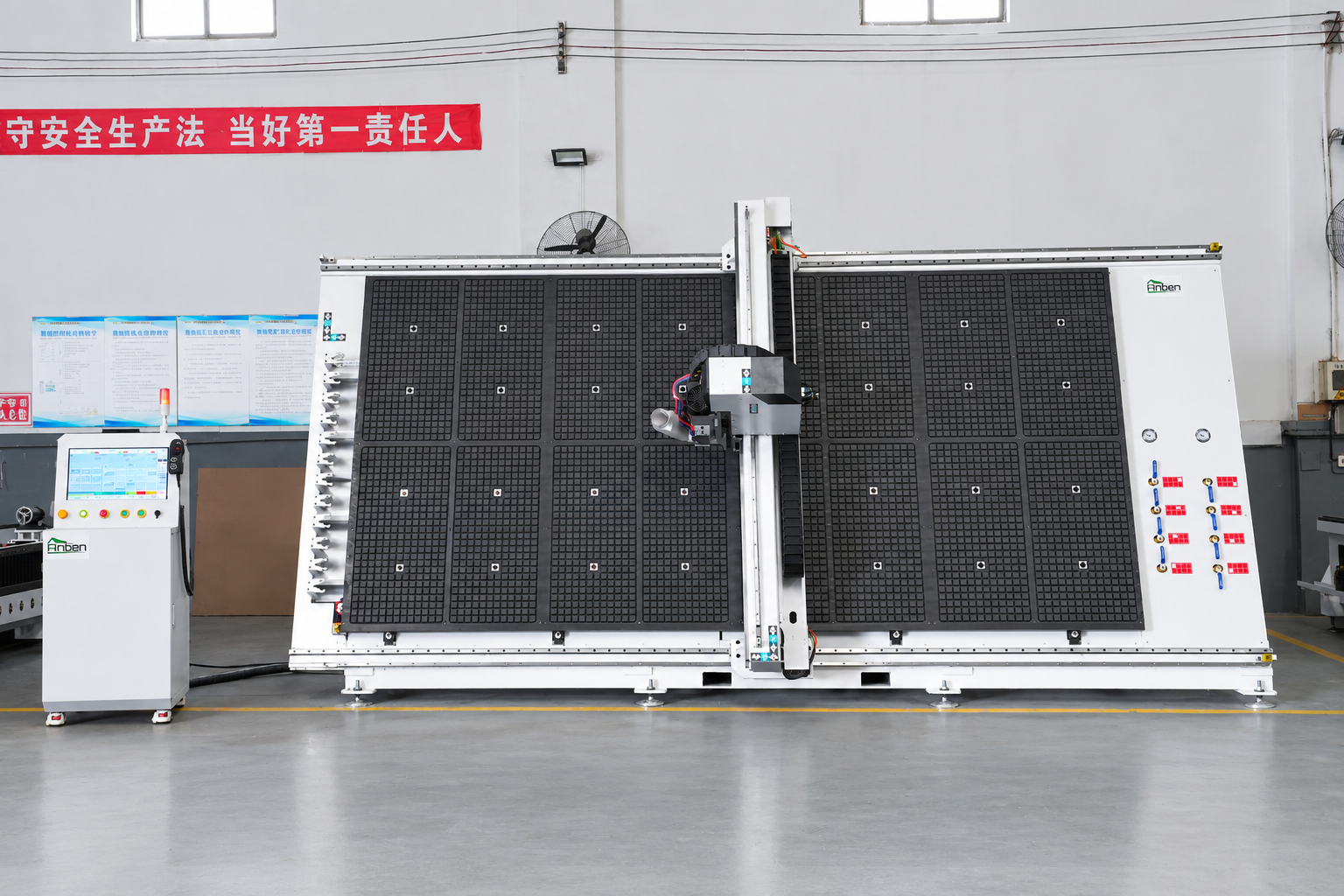
Vertical CNC router: Consider it for suitable large-panel applications where saving floor space is important.
Larger working area or specialized tooling: Choose these options when actual part dimensions and machining requirements justify the additional investment.
Compare the working area, spindle configuration, automation options, material compatibility, and service support before making a decision.
Conclusion
Calculating CNC router ROI before buying helps manufacturers compare investment costs with realistic production benefits. Include initial and operating costs, estimate achievable financial gains, and calculate the payback period using actual business data.
ANBEN offers CNC router solutions for different production applications. Share your materials, panel dimensions, machining operations, and expected production volume with ANBEN to identify a suitable machine configuration for your business.
 How Does V-Grooving Work on ACP and ACM Panels?
- How to Use an ATC CNC Router: A Step-by-Step Guide
- How to Calculate the ROI of a CNC Router Before Buying
 CNC Router Bits Explained: Types, Applications, and How They Work
- How to Set Z-Axis Zero on a CNC Router
- When Should You Upgrade to an ATC CNC Router?
 Daily CNC Router Maintenance Checklist for Operators
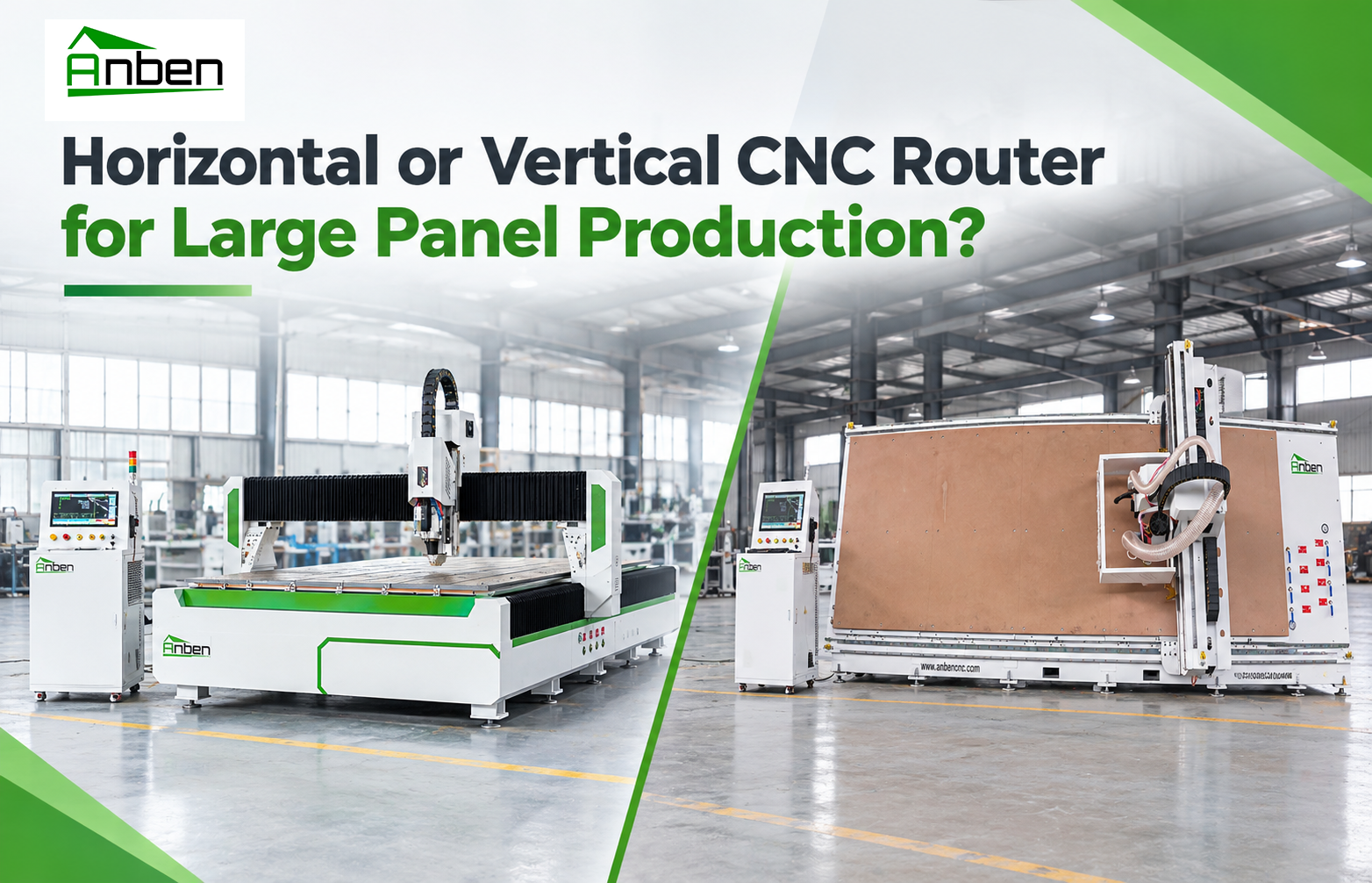
 Horizontal or Vertical CNC Router for Large Panel Production?

Related Products
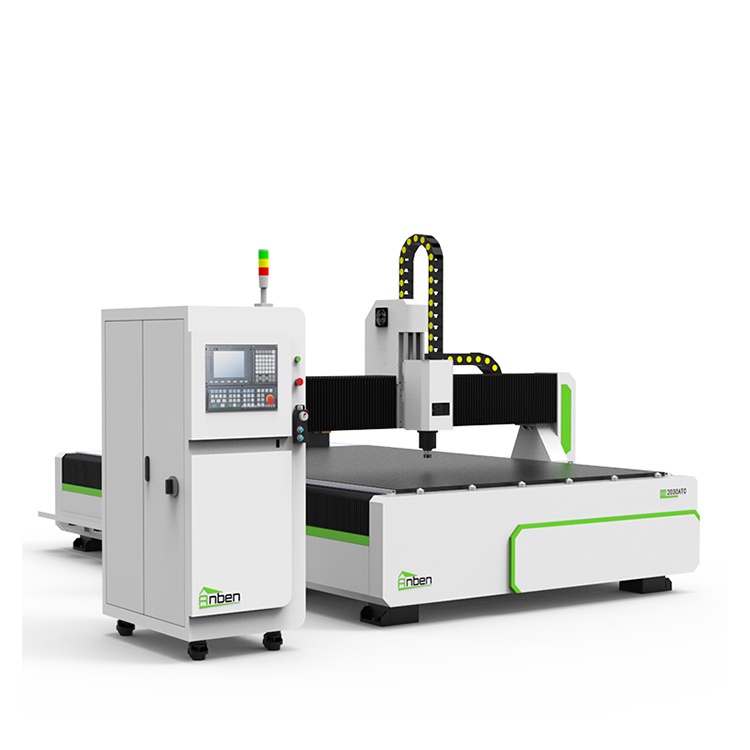
 AN2030ATC Automatic Tool ChangeAnben ATC (Automatic Tool Change)CNC router is popularly used in woodworking, making signs, molds making, art crafts making, etc. The automatic tool changer magazine carries 8-16 cutters. It can save tool change time,more efficient!
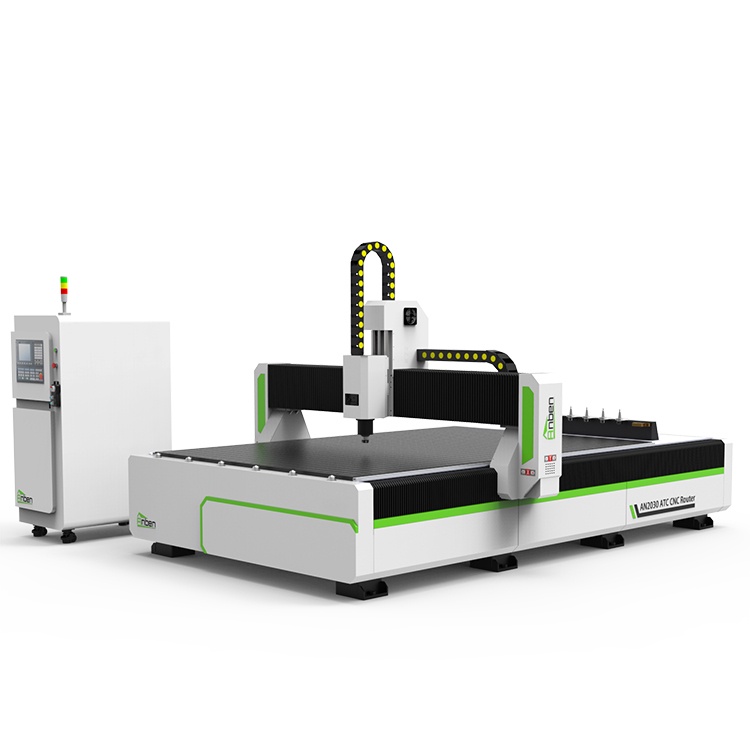
 AN2040ATC Automatic Tool ChangeAnben ATC (Automatic Tool Change)CNC router is popularly used in woodworking, making signs, molds making, art crafts making, etc. The automatic tool changer magazine carries 8-16 cutters. It can save tool change time,more efficient!
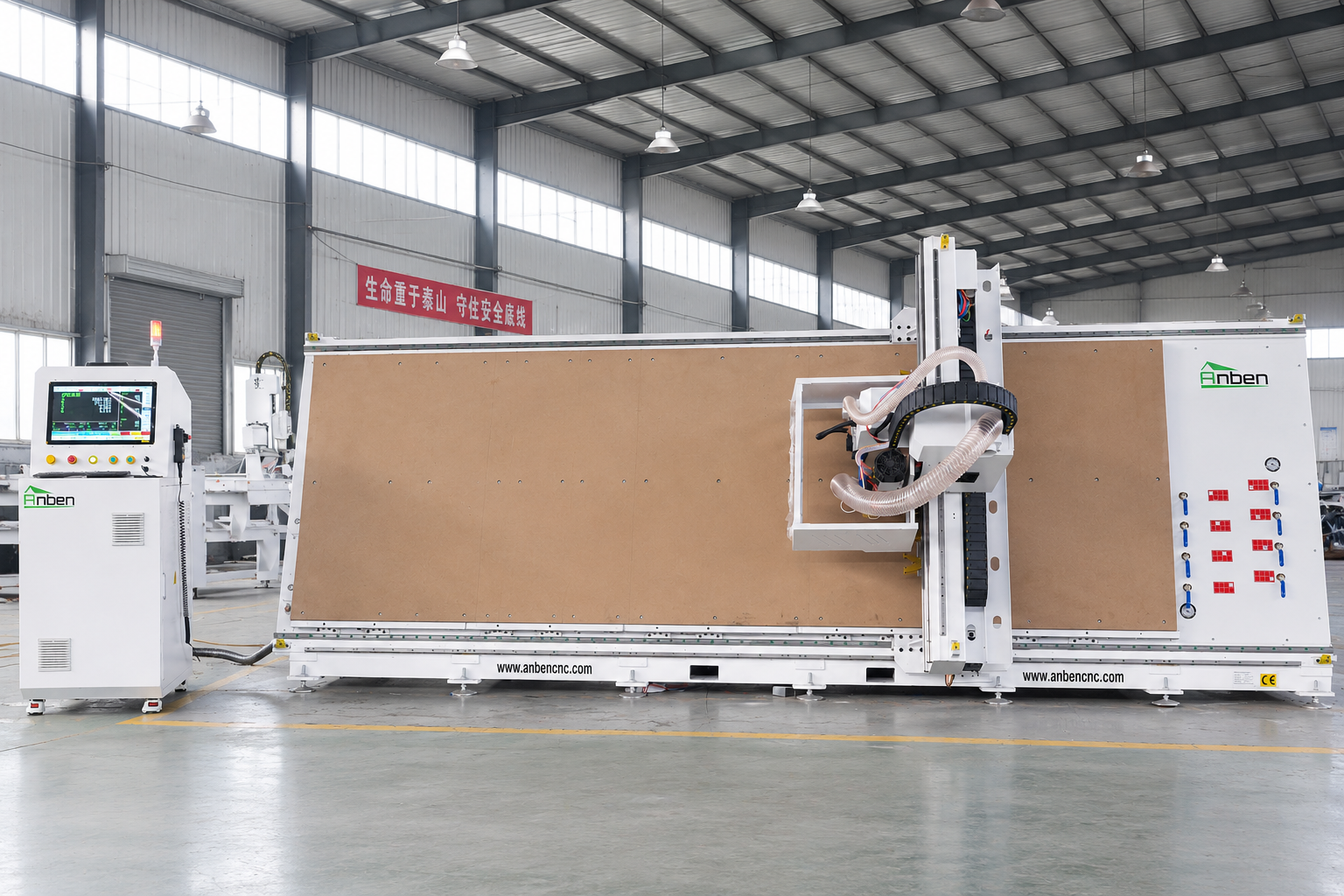
 V-1650 Vertical cnc routerThe vertical cnc significantly reduces the machine’s floor space. It is equipped with 8 sets of ATC tool magazines and other auxiliary devices such as vacuum pump, saw blade,aggregate head, positioning systems, etc. The Vertical cnc can cutting,grooving,engraving,drilling for various types of aluminum composite boards, acrylic boards, fiber boards and other boards. It is suitable for construction facades,cladding ,advertising signs,furniture manufacturing and other industries.
 V-2142 Vertical cnc routerThe vertical cnc significantly reduces the machine’s floor space. It is equipped with 8 sets of ATC tool magazines and other auxiliary devices such as vacuum pump, saw blade,aggregate head, positioning systems, etc. The Vertical cnc can cutting,grooving,engraving,drilling for various types of aluminum composite boards, acrylic boards, fiber boards and other boards. It is suitable for construction facades,cladding ,advertising signs,furniture manufacturing and other industries.
Get in touch

Anben Industrial – Founded in 2017, with a pure engineering spirit, providing trustworthy CNC solutions, born for long-term stable performance.
Contact