

CNC Routing Aluminum: Chip Formation, Tool Wear and Surface Finish





Aluminum is widely used in industrial components, advertising products, equipment parts, and decorative panels. CNC routing aluminum requires proper tool selection and machining parameters to achieve stable cutting performance and a good surface finish.
Three important factors affect aluminum CNC machining quality: chip formation, tool wear, and surface finish. Understanding how they work together helps manufacturers improve processing efficiency and product quality.
1. Chip Formation in CNC Aluminum Routing
During CNC aluminum cutting, the cutting edge removes material and produces chips. Proper chip formation is essential for efficient machining.
Common chip problems include:
Long Chips: Poor chip evacuation can cause chips to accumulate around the cutting area.
Built-Up Edge (BUE): Aluminum may stick to the cutting edge, affecting cutting performance and surface quality.
Excessive Heat: Incorrect cutting parameters can increase friction and cause aluminum chips to adhere to the tool.
To improve chip formation, use sharp cutting tools, maintain suitable feed rates, and ensure effective chip evacuation through compressed air or appropriate extraction systems.
2. What Causes CNC Tool Wear?
Tool wear gradually reduces cutting performance and affects machining accuracy.
Common causes include:
Excessive Cutting Speed: May increase cutting temperature and accelerate tool wear.
Incorrect Feed Rate: Can cause excessive cutting forces or poor chip formation.
Tool Runout: Uneven tool rotation leads to inconsistent cutting loads.
Poor Chip Removal: Recutting accumulated chips increases friction and tool damage.
Worn Cutting Edges: Reduce cutting efficiency and produce rough surfaces.
Regularly inspect cutting edges and replace damaged or worn tools to maintain consistent machining quality.
3. How to Improve Aluminum CNC Surface Finish
Surface finish depends on tool condition, machine stability, cutting parameters, and chip removal.
To achieve smoother aluminum surfaces:
Use sharp, polished cutting tools designed for aluminum.
Select appropriate spindle speed and feed rate.
Ensure proper tool installation and minimize spindle runout.
Maintain stable workpiece fixing to reduce vibration.
Remove chips effectively to prevent secondary cutting.
Use suitable finishing passes when required.
A well-optimized machining process helps reduce tool marks, scratches, and uneven cutting surfaces.
4. Key Factors for Better Aluminum CNC Machining
For reliable aluminum CNC routing, manufacturers should focus on three areas:
Tool Selection: Choose suitable carbide cutters with appropriate flute geometry for aluminum.
Parameter Optimization: Match spindle speed, feed rate, and cutting depth to the tool and material.
Machine Maintenance: Check spindle condition, toolholders, machine rigidity, and workpiece fixing regularly.
Conclusion
Chip formation, tool wear, and surface finish are closely connected in CNC aluminum routing. Poor chip evacuation and worn tools can reduce cutting quality and increase production costs.
By selecting suitable tools, optimizing machining parameters, and maintaining stable cutting conditions, manufacturers can achieve more consistent aluminum CNC machining results.
 CNC Routing Aluminum: Chip Formation, Tool Wear and Surface Finish
- CNC Router Acrylic Cutting: How to Avoid Scratches and Edge Damage
- How Many Tools Does Your ATC CNC Router Really Need?
- CNC V-Grooving Depth Explained: How It Affects Panel Bending
- How to Prevent Burrs When CNC Cutting Aluminum and ACP Panels
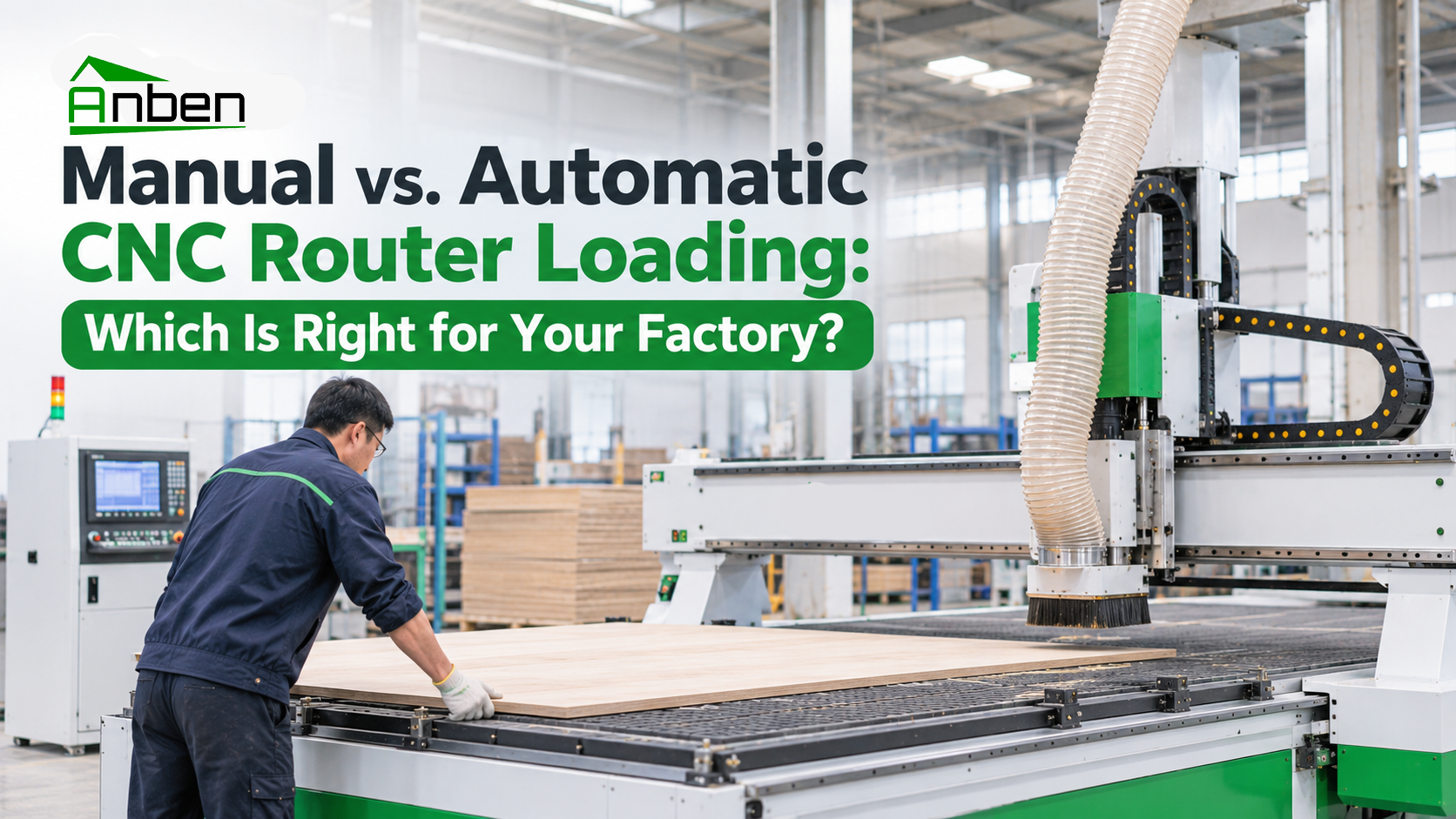
- Manual vs. Automatic CNC Router Loading: Which Is Right for Your Factory?
- Why Does Plywood Chip During CNC Routing? Causes and Solutions.
- How to Reduce Dust During CNC Router Machining



Related Products
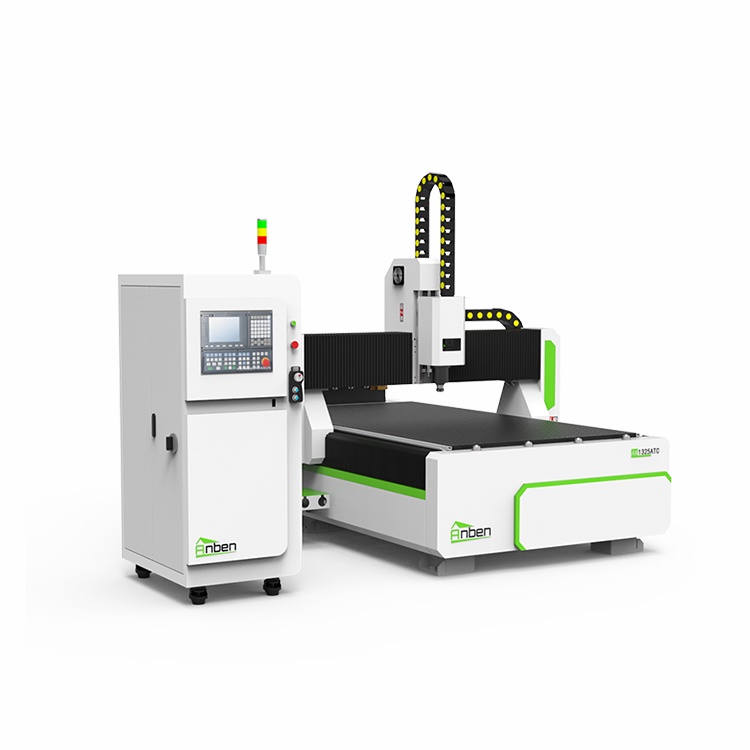
 AN1325ATC Automatic Tool ChangeAnben ATC (Automatic Tool Change)CNC router is popularly used in woodworking, making signs, molds making, art crafts making, etc. The automatic tool changer magazine carries 8-16 cutters. It can save tool change time,more efficient!
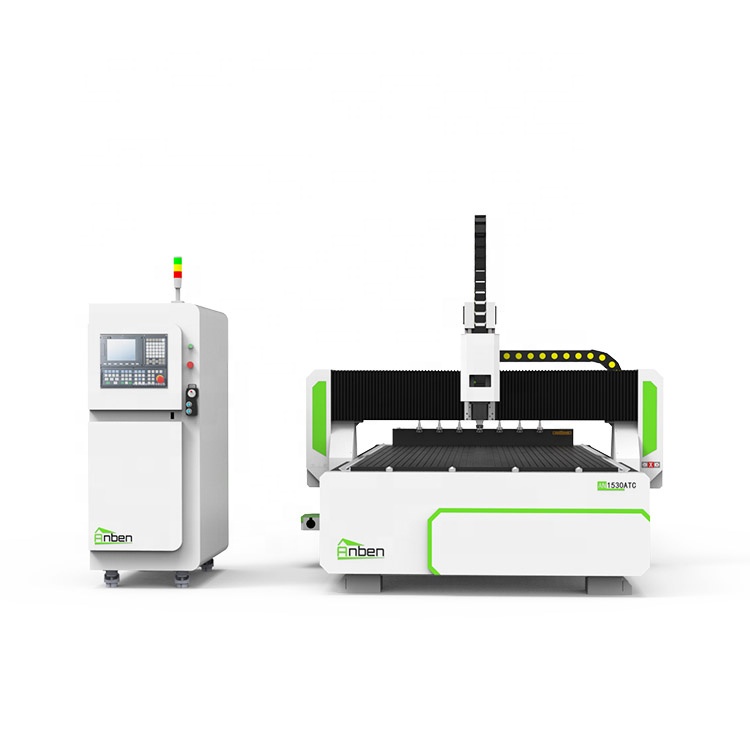
 AN1530ATC Automatic Tool ChangeAnben ATC (Automatic Tool Change)CNC router is popularly used in woodworking, making signs, molds making, art crafts making, etc. The automatic tool changer magazine carries 8-16 cutters. It can save tool change time,more efficient!
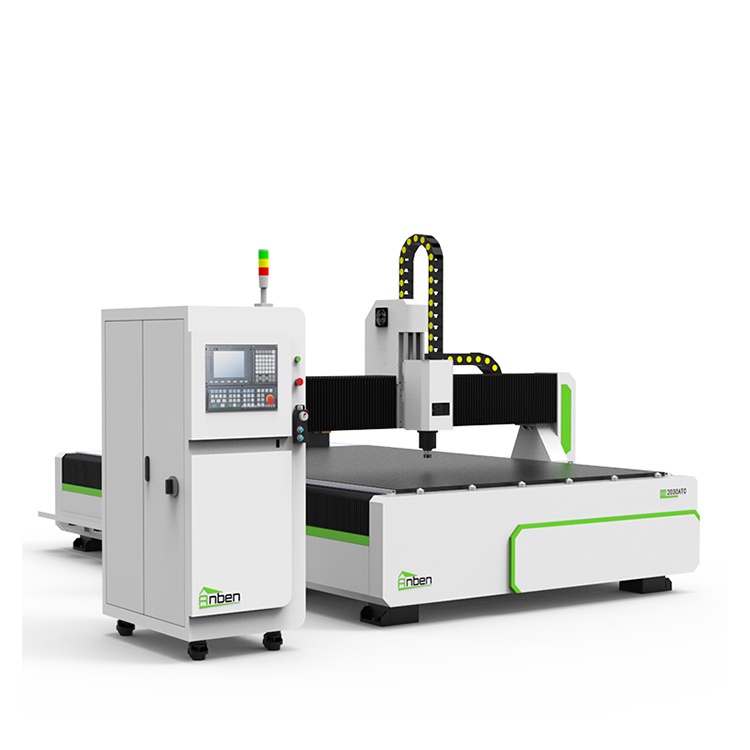
 AN2030ATC Automatic Tool ChangeAnben ATC (Automatic Tool Change)CNC router is popularly used in woodworking, making signs, molds making, art crafts making, etc. The automatic tool changer magazine carries 8-16 cutters. It can save tool change time,more efficient!
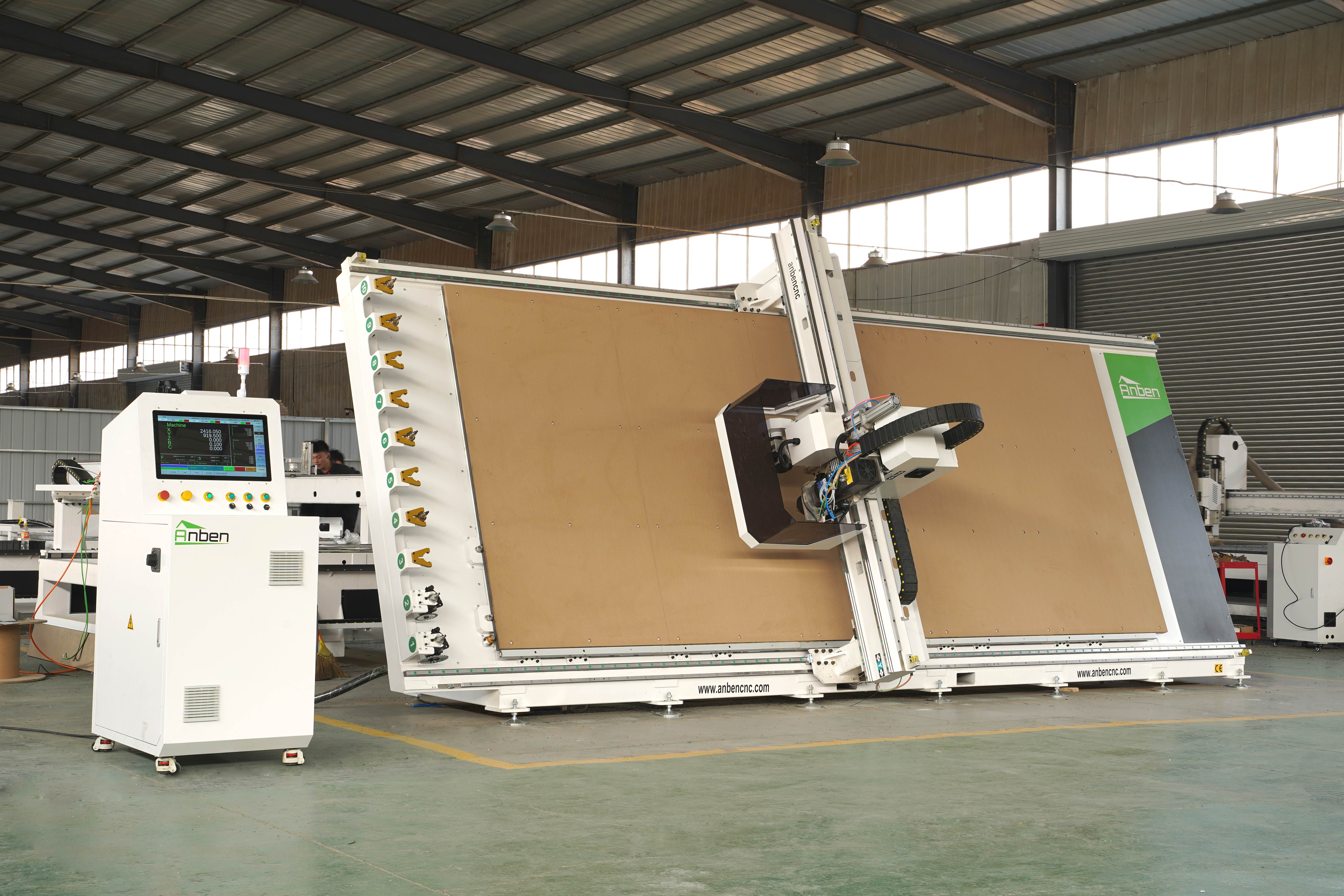
 V-2151 Vertical cnc routerThe vertical cnc significantly reduces the machine’s floor space. It is equipped with 8 sets of ATC tool magazines and other auxiliary devices such as vacuum pump, saw blade,aggregate head, positioning systems, etc. The Vertical cnc can cutting,grooving,engraving,drilling for various types of aluminum composite boards, acrylic boards, fiber boards and other boards. It is suitable for construction facades,cladding ,advertising signs,furniture manufacturing and other industries.
Get in touch

Anben Industrial – Founded in 2017, with a pure engineering spirit, providing trustworthy CNC solutions, born for long-term stable performance.
Contact