

Manual vs. Automatic CNC Router Loading: Which Is Right for Your Factory?





When buying a CNC router, choosing the right loading method can affect production efficiency, labor requirements, and equipment investment.
Some factories rely on manual loading, while others use automatic loading systems to handle materials. Understanding their differences helps buyers select a CNC router that matches their production needs and budget.
1. Manual CNC Router Loading
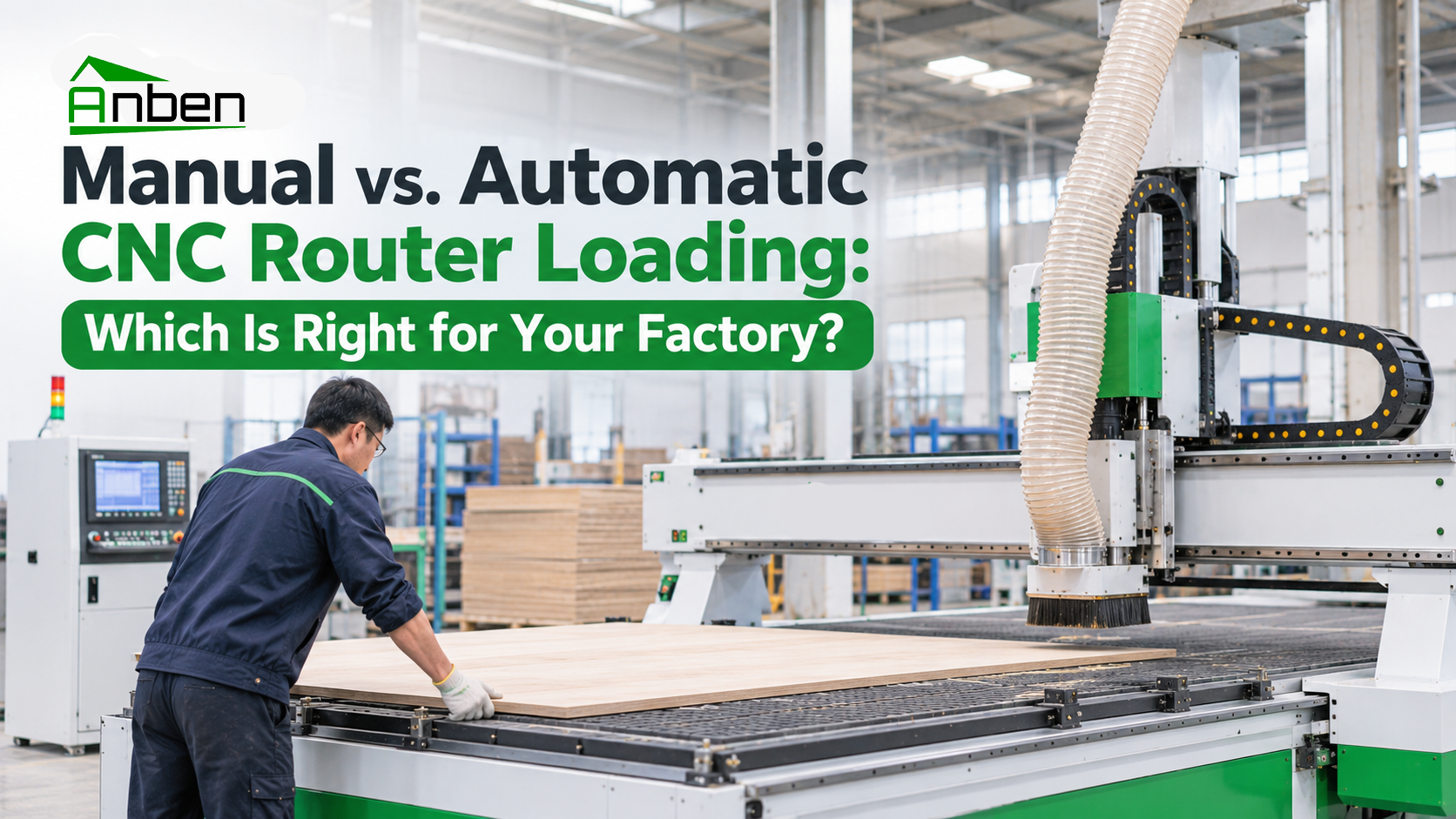
Manual loading requires operators to place raw materials onto the machine table and remove finished panels after machining.
Advantages:
Lower initial equipment investment.
Flexible for different material sizes and production orders.
Simple operation and maintenance.
Suitable for small and medium-sized factories.
Limitations:
Requires more manual labor.
Loading and unloading take additional production time.
Output depends partly on operator availability.
2. Automatic CNC Router Loading
Automatic loading systems use lifting tables, conveyors, or robotic handling equipment to transfer materials to the CNC router.
Advantages:
Reduces manual material handling.
Supports continuous production workflows.
Improves loading consistency.
Suitable for high-volume manufacturing.
Limitations:
Higher initial investment.
Requires additional factory space.
More complex system integration and maintenance.
Must match the machine's material dimensions and production layout.
3. Manual vs. Automatic Loading: Key Differences
4. What Should Buyers Consider Before Choosing?
Before purchasing a CNC router, evaluate these five factors:
Production Volume: Estimate daily panel processing requirements. High-volume production may benefit from automatic loading.
Labor Costs: Compare operator costs with the potential labor savings from automation.
Material Size and Weight: Large or heavy panels may require lifting equipment or automated handling.
Factory Layout: Consider available space for loading equipment, conveyors, and material storage.
Return on Investment: Calculate whether labor savings and increased production output justify the additional investment.
5. Is There a Flexible Alternative?
Not every factory needs a fully automatic loading system.
Some CNC routers support more efficient manual workflows. For example, certain vertical CNC router configurations allow machining on one side while an operator prepares the next panel on the other side.
This arrangement can reduce waiting time between machining cycles without requiring a complete automatic loading system.
Conclusion
Manual and automatic CNC router loading systems serve different manufacturing needs. Manual loading offers lower investment and greater flexibility, while automatic loading supports higher production volumes and reduced manual handling.
The right choice depends on your production capacity, labor costs, material requirements, factory space, and long-term investment plans.
Looking for the right CNC router for your factory? ANBEN offers horizontal and vertical CNC router solutions for different production requirements. Contact our team to find a suitable machine configuration for your business.
 How to Prevent Burrs When CNC Cutting Aluminum and ACP Panels
- Manual vs. Automatic CNC Router Loading: Which Is Right for Your Factory?
- Why Does Plywood Chip During CNC Routing? Causes and Solutions.
- How to Reduce Dust During CNC Router Machining
 CNC Router Total Cost of Ownership: What Should Buyers Calculate?
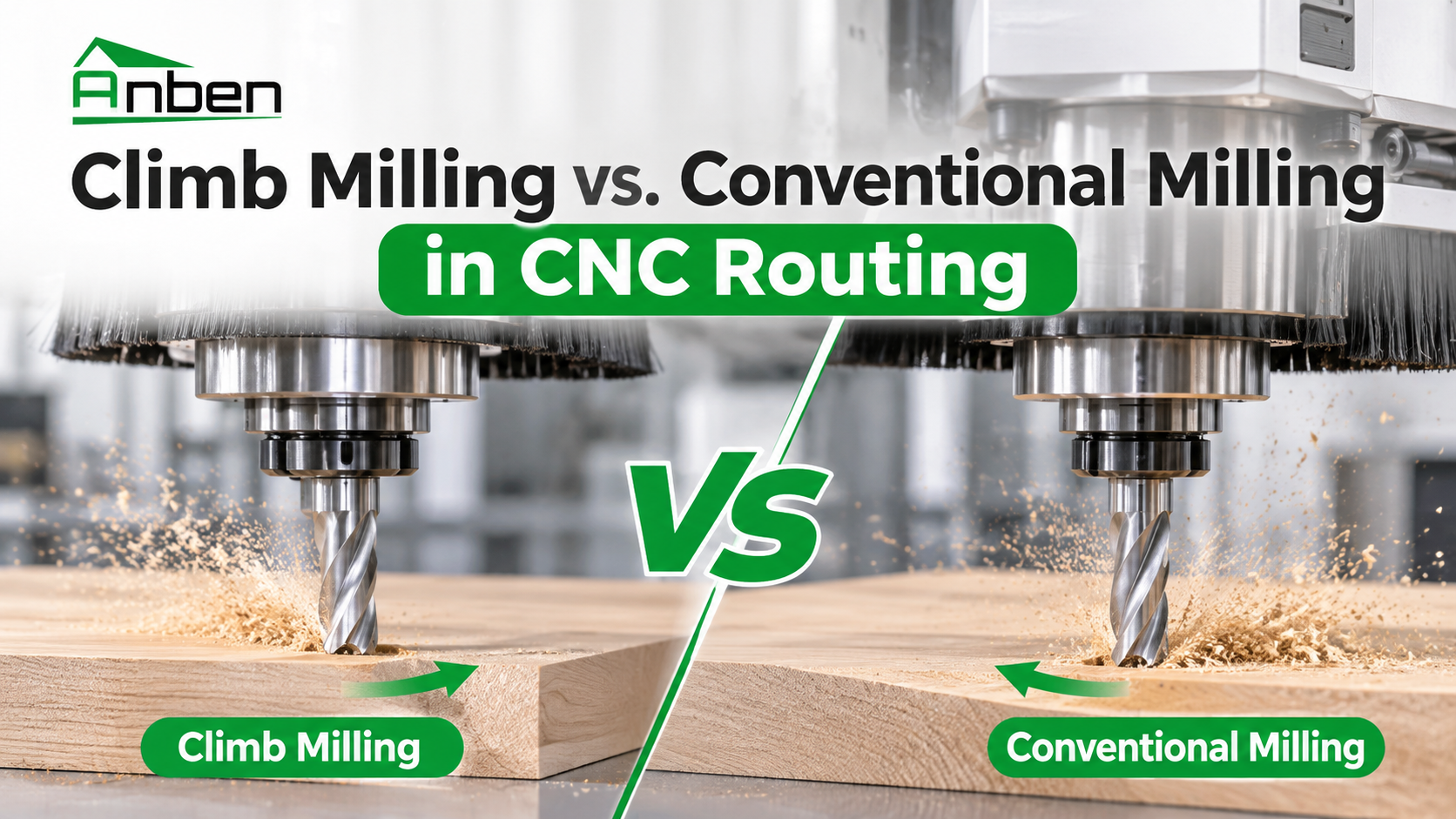
- Climb Milling vs. Conventional Milling in CNC Routing
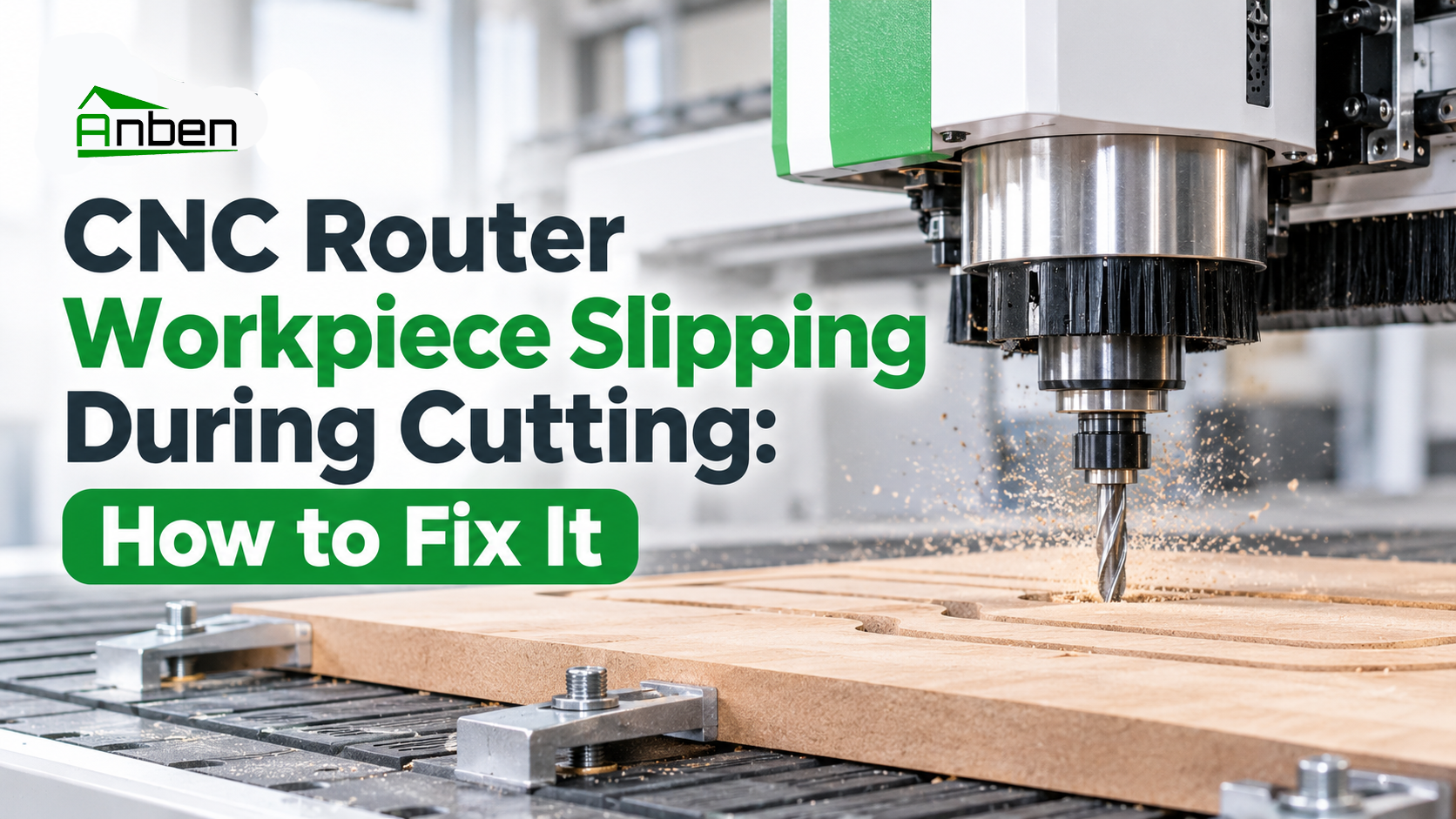
- CNC Router Workpiece Slipping During Cutting: How to Fix It
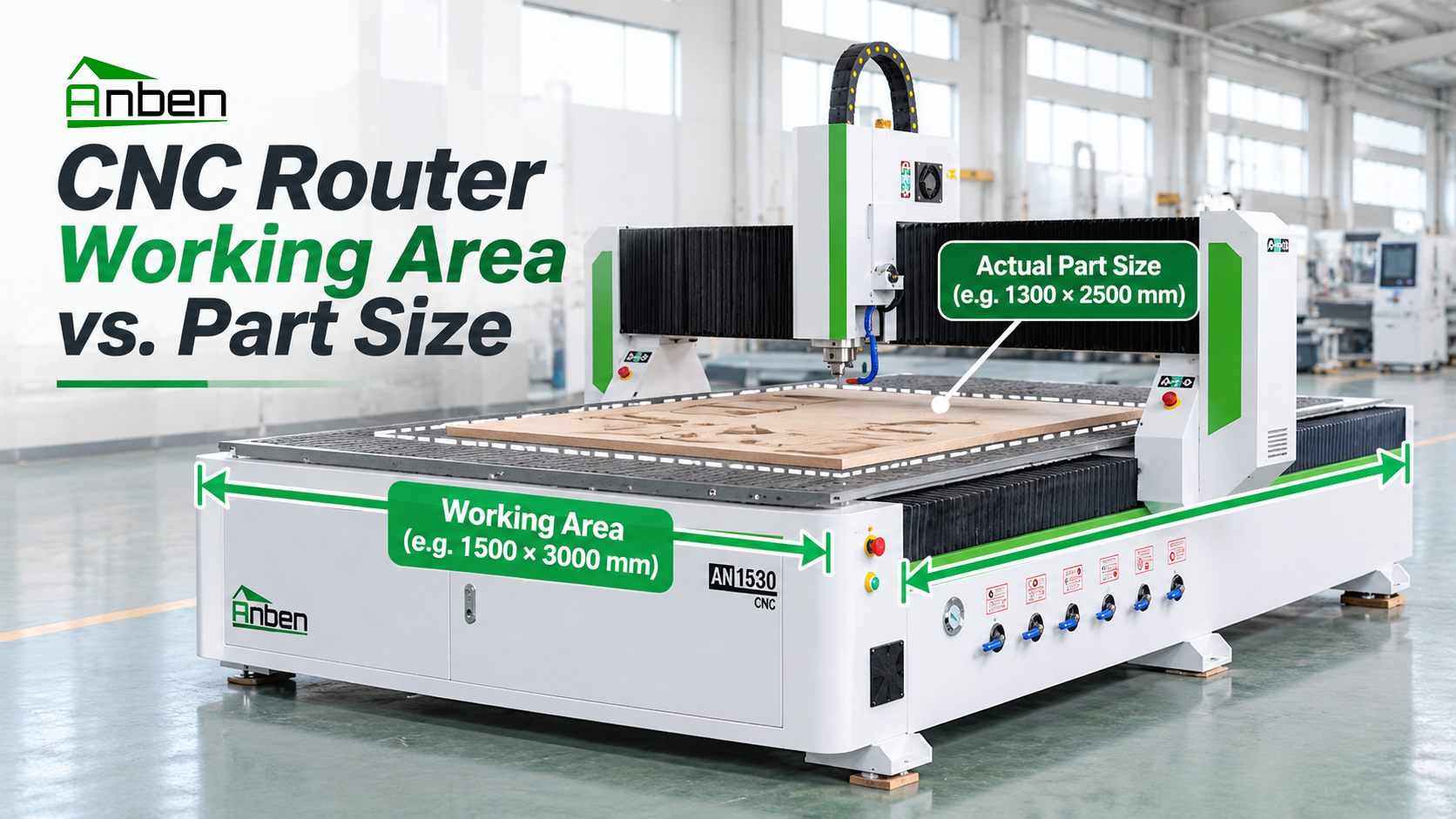
- CNC Router Working Area vs. Actual Part Size: How to Choose

Related Products
 AN2040 Manual Tool ChangeThe Anben MTC(Manual tool change)-- a professional yet affordable 3 axis CNC wood router, designed for woodworking shops, cabinet manufacturers, and industrial workshops. This budget-friendly CNC router delivers high precision and durability for wood machining, acrylic cutting, aluminum cutting, sign making, and furniture production.
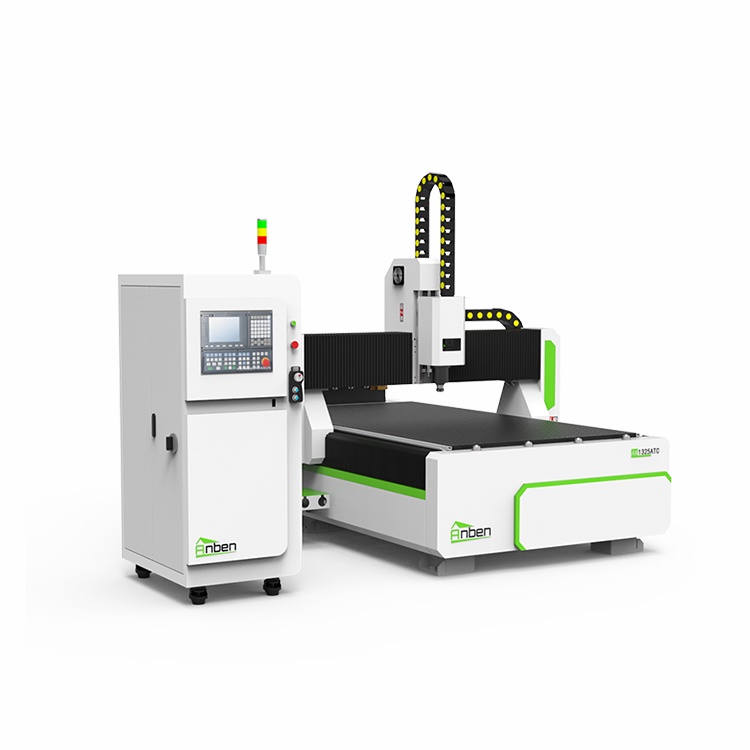
 AN1325ATC Automatic Tool ChangeAnben ATC (Automatic Tool Change)CNC router is popularly used in woodworking, making signs, molds making, art crafts making, etc. The automatic tool changer magazine carries 8-16 cutters. It can save tool change time,more efficient!
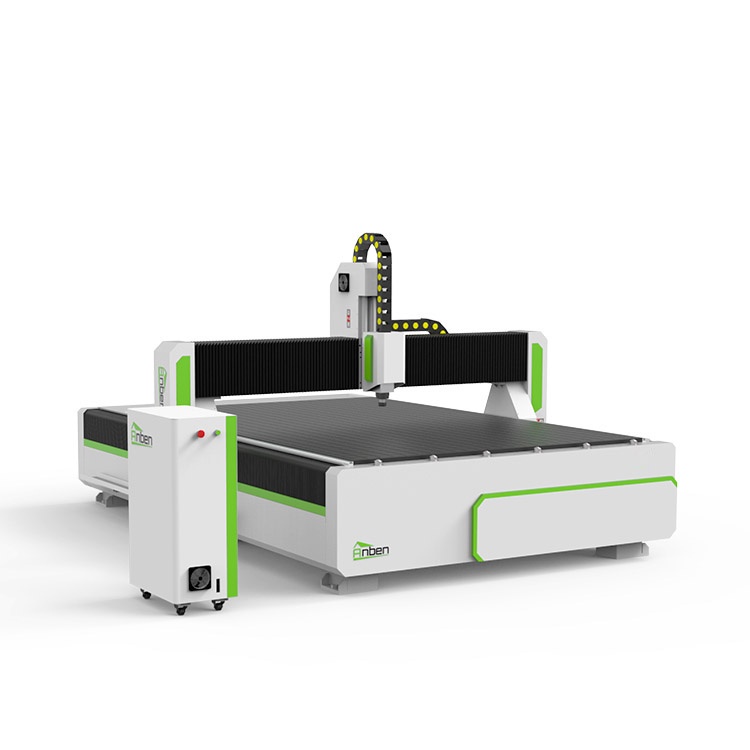
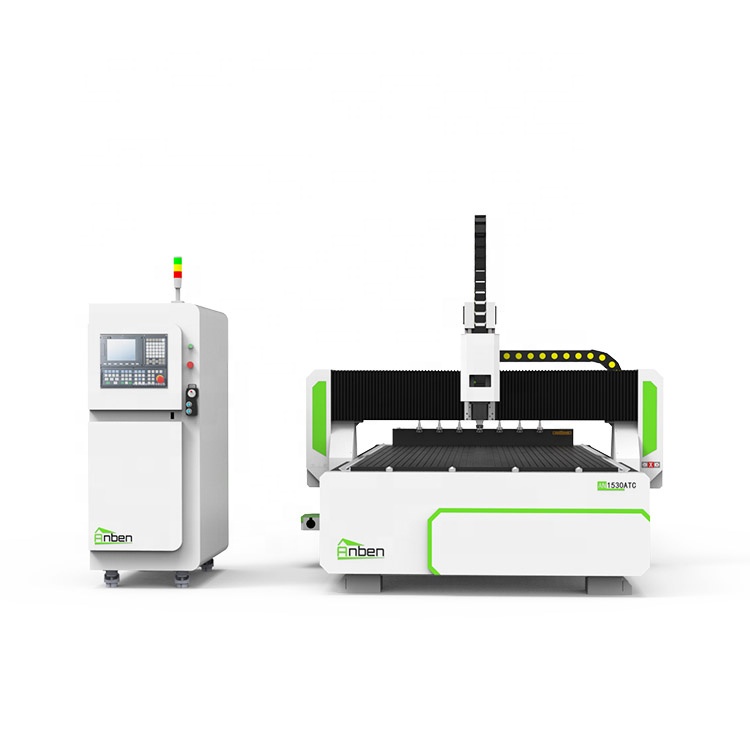
 AN1530ATC Automatic Tool ChangeAnben ATC (Automatic Tool Change)CNC router is popularly used in woodworking, making signs, molds making, art crafts making, etc. The automatic tool changer magazine carries 8-16 cutters. It can save tool change time,more efficient!
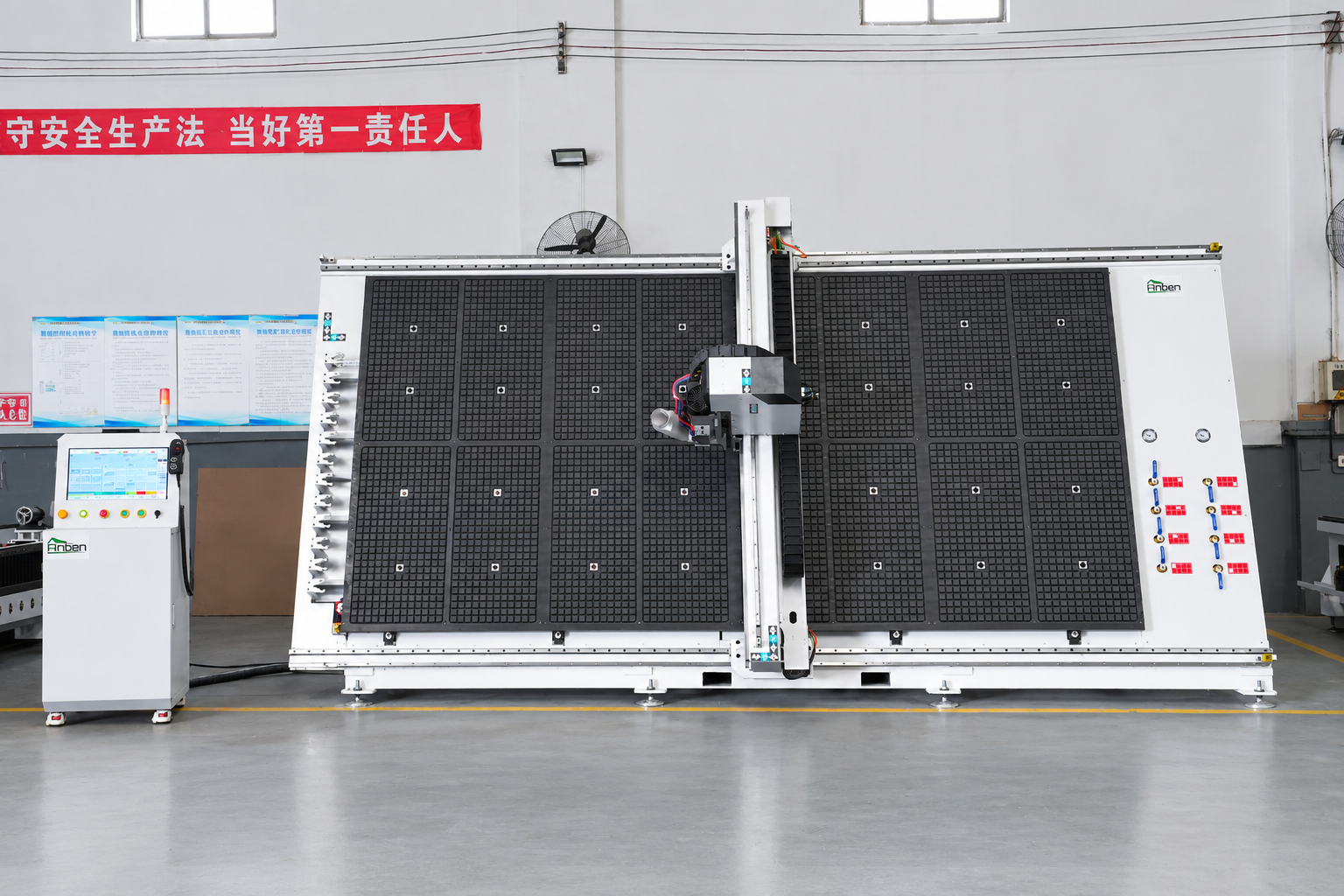
 V-2142 Vertical cnc routerThe vertical cnc significantly reduces the machine’s floor space. It is equipped with 8 sets of ATC tool magazines and other auxiliary devices such as vacuum pump, saw blade,aggregate head, positioning systems, etc. The Vertical cnc can cutting,grooving,engraving,drilling for various types of aluminum composite boards, acrylic boards, fiber boards and other boards. It is suitable for construction facades,cladding ,advertising signs,furniture manufacturing and other industries.
Get in touch

Anben Industrial – Founded in 2017, with a pure engineering spirit, providing trustworthy CNC solutions, born for long-term stable performance.
Contact