

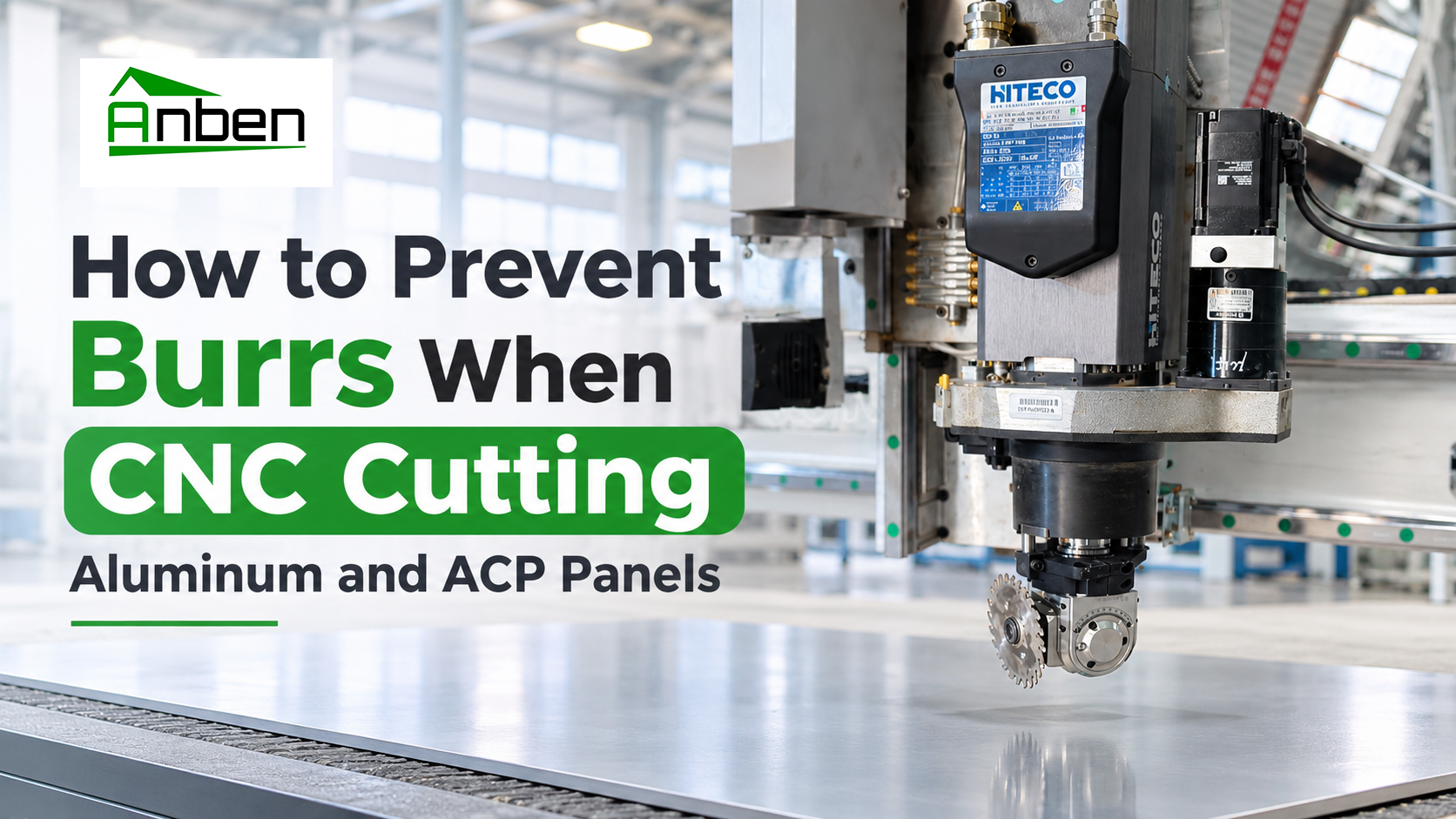
How to Prevent Burrs When CNC Cutting Aluminum and ACP Panels





Burrs are a common problem when CNC cutting aluminum and ACP (Aluminum Composite Panels). They can affect edge quality, assembly accuracy, and the final appearance of finished products.
To achieve clean cutting edges, operators need to consider tool selection, cutting parameters, machine conditions, and material properties. Here are practical ways to reduce burrs during CNC machining.
1. Choose the Right Cutting Tool
Using the correct CNC router bit is essential for burr-free cutting.
Aluminum: Use sharp, aluminum-specific single-flute or suitable multi-flute carbide cutters designed for non-ferrous metals.
ACP Panels: Use specialized ACP cutting tools or suitable carbide router bits for clean cutting and V-grooving.
Replace worn or damaged tools promptly to prevent rough edges and excessive burr formation.
2. Optimize Cutting Speed and Feed Rate
Incorrect cutting parameters can cause material deformation, excessive heat, and burr formation.
Adjust spindle speed according to the tool diameter and material.
Maintain an appropriate feed rate to ensure efficient chip removal.
Avoid excessively slow feeding, which may generate heat and cause aluminum to stick to the cutting edge.
Test different parameter combinations to find the best cutting conditions.
3. Select the Correct Cutting Direction
The cutting direction and toolpath influence the final edge quality.
Choose climb or conventional milling according to the material, machine setup, and cutting requirements.
Use suitable cutting strategies to minimize material deformation.
For ACP panels, ensure the cutting depth and toolpath are appropriate for the panel structure.
4. Ensure Proper Material Fixing
Material movement and vibration can result in uneven edges and burrs.
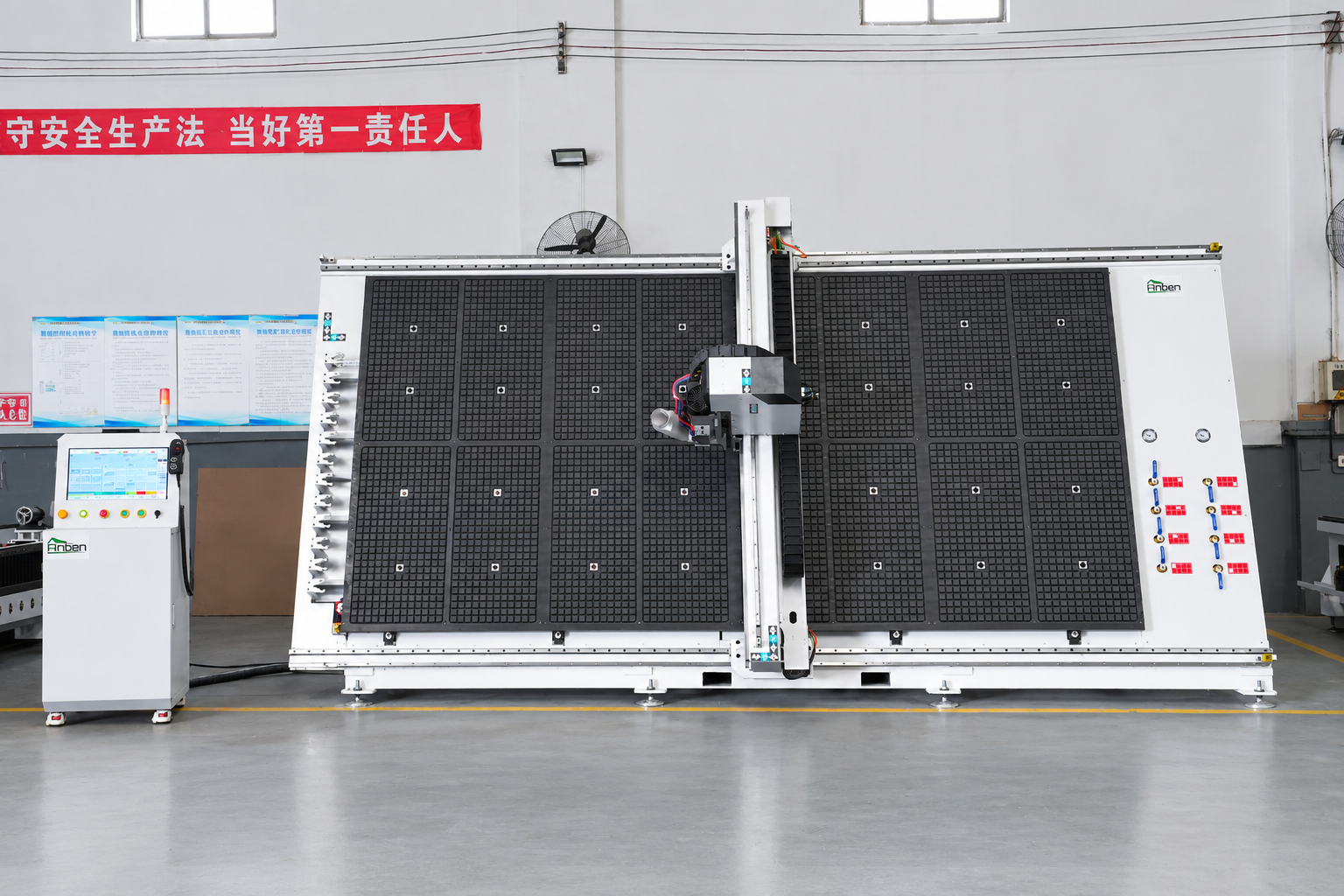
Use a suitable vacuum table or mechanical clamping system.
Ensure the workpiece is flat and securely positioned.
Check the vacuum pressure and sealing conditions before machining.
Stable material fixing helps maintain consistent cutting quality, especially when processing large aluminum and ACP panels.
5. Maintain Proper Machine Conditions
Machine performance also affects cutting accuracy and edge quality.
Check spindle runout and toolholder condition.
Ensure the cutting tool is correctly installed.
Inspect machine rigidity and axis movement.
Keep the working area clean to prevent chips from affecting machining.
6. Remove Remaining Burrs When Necessary
Even with optimized CNC cutting conditions, minor burrs may remain. Use appropriate deburring tools or finishing methods to achieve smooth edges before assembly or further processing.
Conclusion
Preventing burrs in CNC aluminum and ACP panel cutting requires the right tools, optimized cutting parameters, stable material fixing, and proper machine maintenance.
By controlling these factors, manufacturers can improve edge quality, reduce secondary finishing work, and achieve more consistent CNC machining results.
 How to Prevent Burrs When CNC Cutting Aluminum and ACP Panels
- Manual vs. Automatic CNC Router Loading: Which Is Right for Your Factory?
- Why Does Plywood Chip During CNC Routing? Causes and Solutions.
- How to Reduce Dust During CNC Router Machining
 CNC Router Total Cost of Ownership: What Should Buyers Calculate?
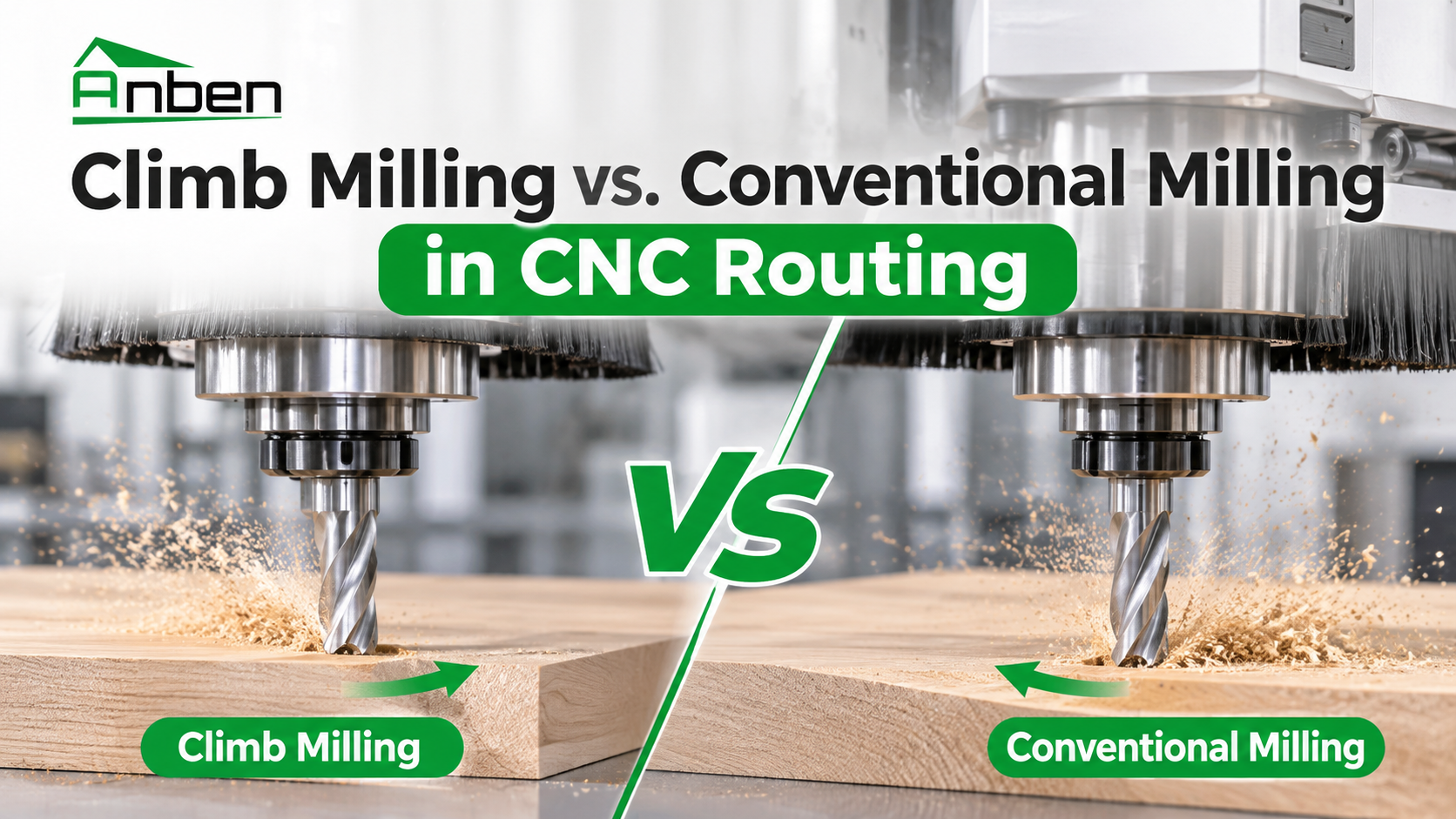
- Climb Milling vs. Conventional Milling in CNC Routing
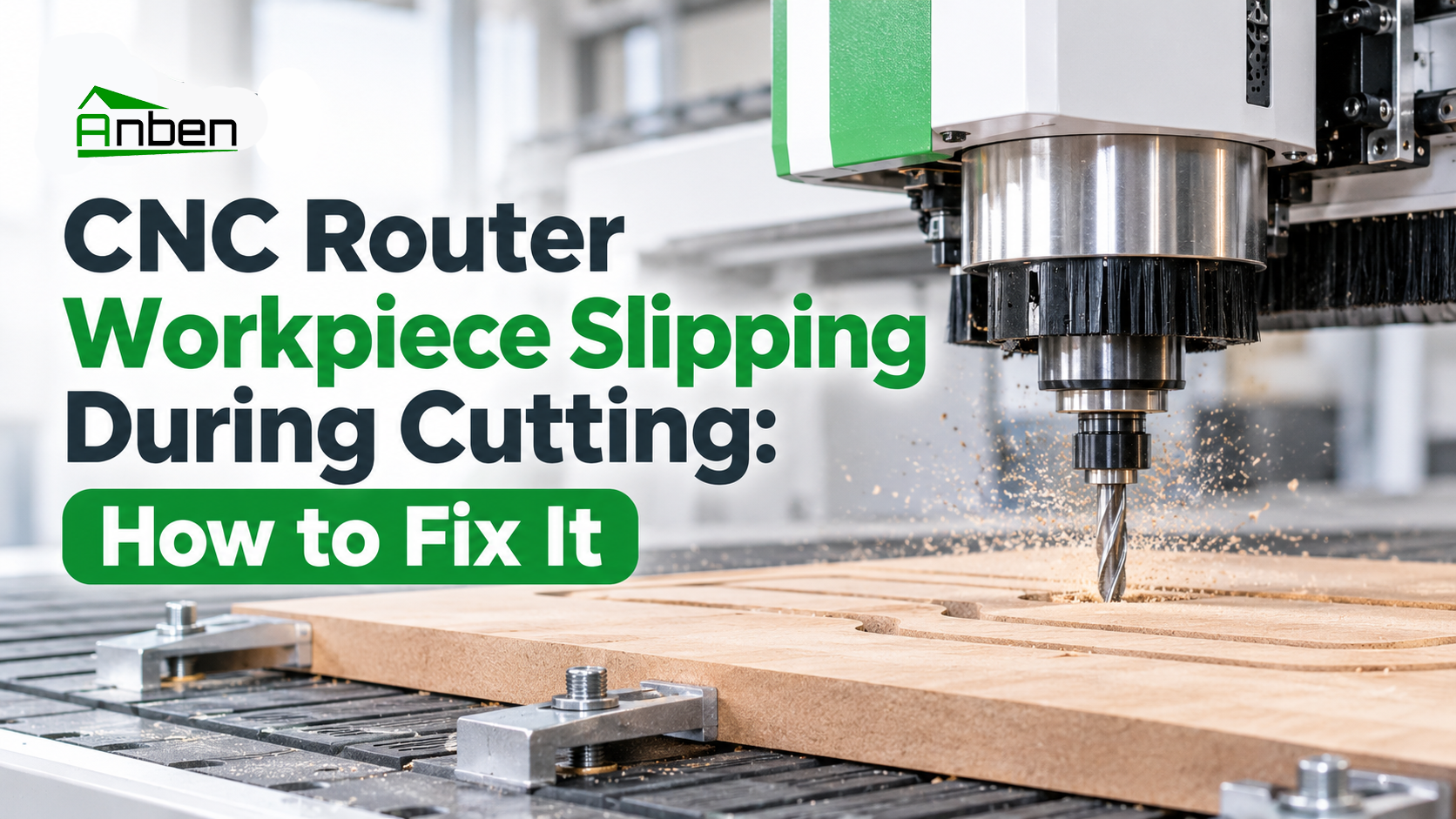
- CNC Router Workpiece Slipping During Cutting: How to Fix It
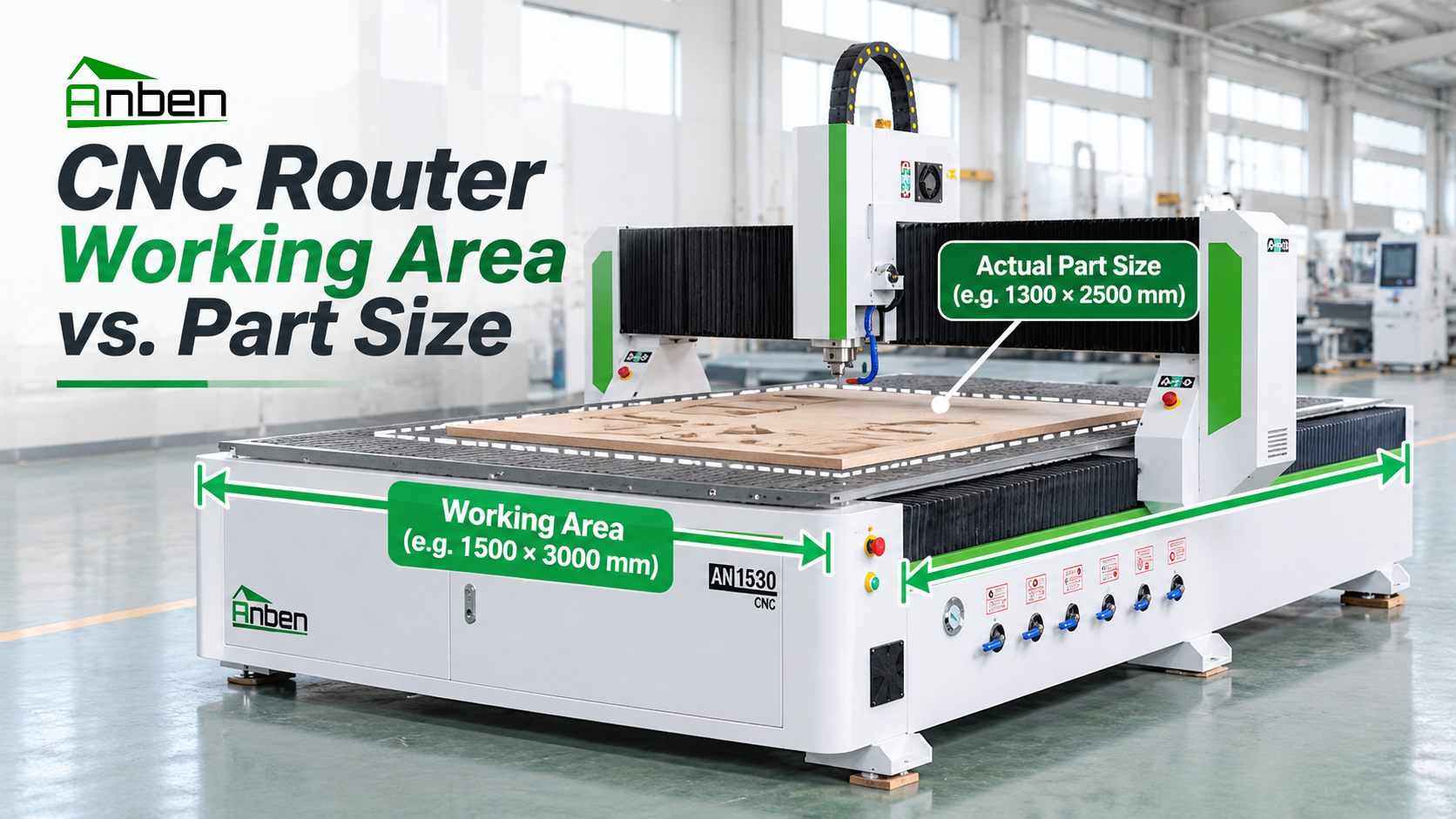
- CNC Router Working Area vs. Actual Part Size: How to Choose



Related Products
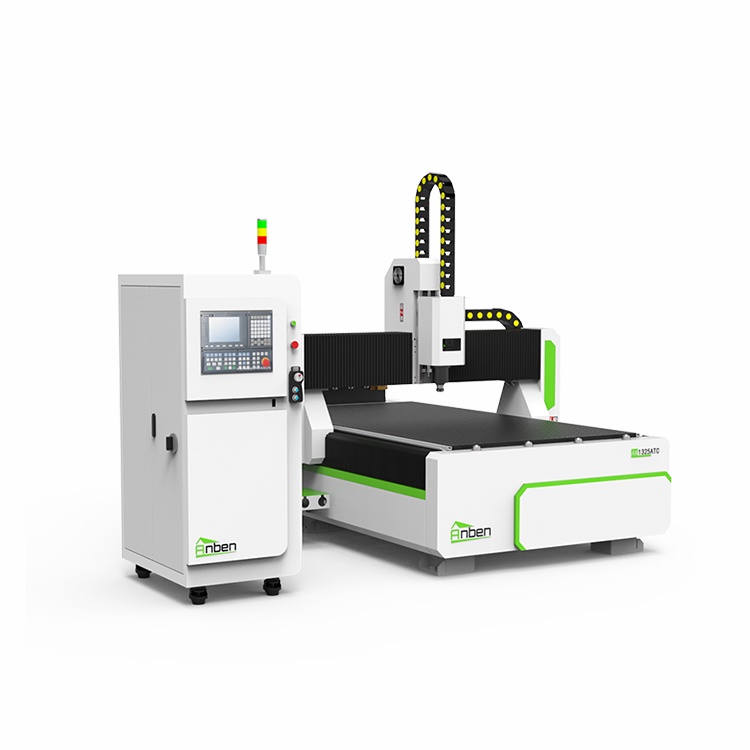
 AN1325ATC Automatic Tool ChangeAnben ATC (Automatic Tool Change)CNC router is popularly used in woodworking, making signs, molds making, art crafts making, etc. The automatic tool changer magazine carries 8-16 cutters. It can save tool change time,more efficient!
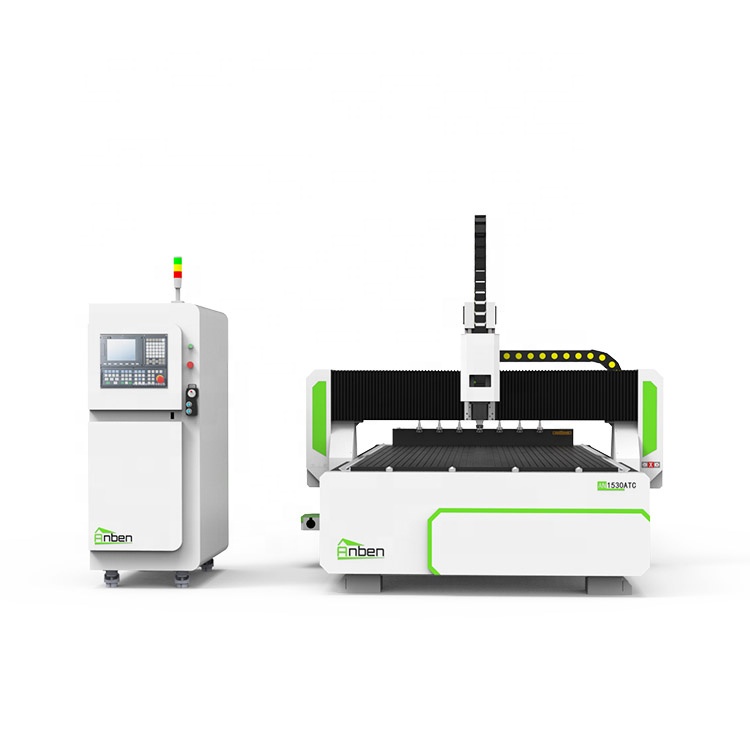
 AN1530ATC Automatic Tool ChangeAnben ATC (Automatic Tool Change)CNC router is popularly used in woodworking, making signs, molds making, art crafts making, etc. The automatic tool changer magazine carries 8-16 cutters. It can save tool change time,more efficient!
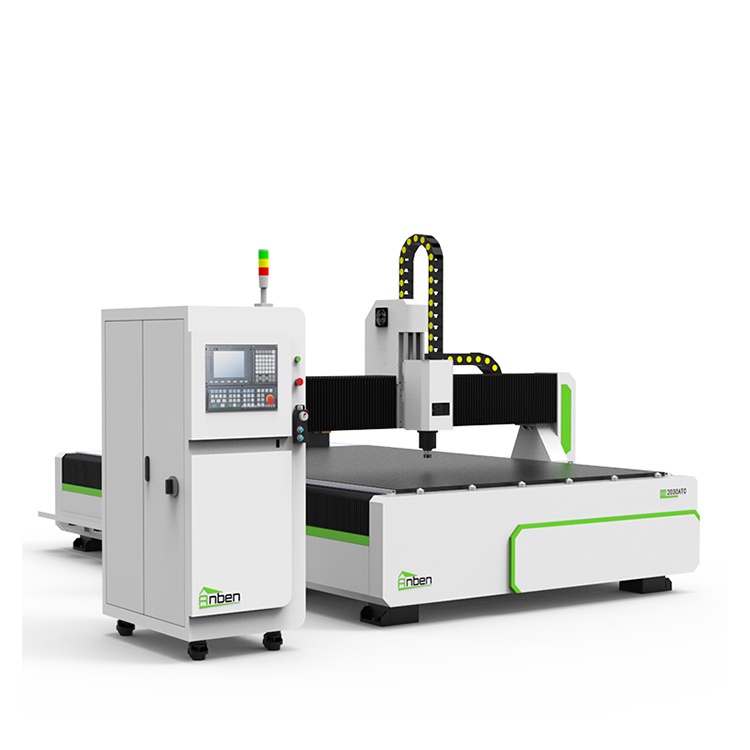
 AN2030ATC Automatic Tool ChangeAnben ATC (Automatic Tool Change)CNC router is popularly used in woodworking, making signs, molds making, art crafts making, etc. The automatic tool changer magazine carries 8-16 cutters. It can save tool change time,more efficient!
 V-2142 Vertical cnc routerThe vertical cnc significantly reduces the machine’s floor space. It is equipped with 8 sets of ATC tool magazines and other auxiliary devices such as vacuum pump, saw blade,aggregate head, positioning systems, etc. The Vertical cnc can cutting,grooving,engraving,drilling for various types of aluminum composite boards, acrylic boards, fiber boards and other boards. It is suitable for construction facades,cladding ,advertising signs,furniture manufacturing and other industries.
Get in touch

Anben Industrial – Founded in 2017, with a pure engineering spirit, providing trustworthy CNC solutions, born for long-term stable performance.
Contact