

CNC Router Total Cost of Ownership: What Should Buyers Calculate?





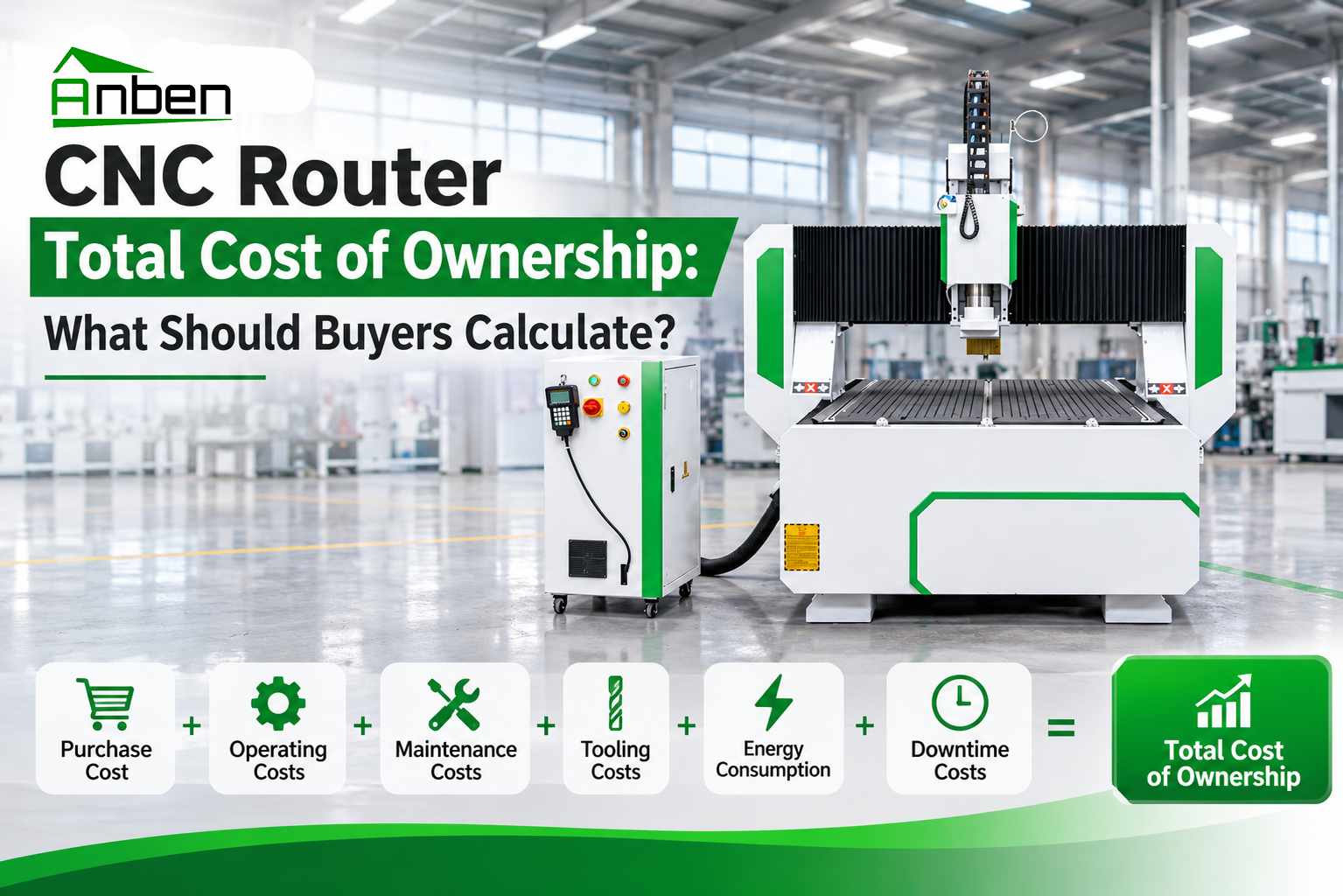
When buying a CNC router, the purchase price is only part of the investment. Operating expenses, maintenance, labor, tooling, and machine downtime can significantly affect the total cost over time.
Understanding the Total Cost of Ownership (TCO) helps buyers compare CNC routers more accurately and make better long-term investment decisions.
1. What Is CNC Router Total Cost of Ownership?
Total Cost of Ownership refers to all costs associated with purchasing, operating, and maintaining a CNC router throughout its service life.
A basic TCO calculation includes:
TCO = Initial Investment + Operating Costs + Maintenance Costs + Downtime Costs - Resale Value
Considering these expenses provides a more realistic picture of the machine's long-term cost.
2. Six Key Costs Buyers Should Calculate
1. Initial Purchase and Installation Costs
Consider the machine price, selected configuration, transportation, installation, and commissioning. Different spindle powers, ATC systems, control systems, and machine sizes can affect the initial investment.
2. Electricity Costs
Calculate the power consumption of the spindle, vacuum pump, dust collector, and other electrical components based on actual operating hours.
3. Tooling and Consumables
CNC router bits, collets, filters, lubricants, and other consumables require regular replacement. Material type and machining intensity affect their service life.
4. Labor and Training Costs
Consider operator wages, training time, programming, loading, unloading, and daily machine management. Automation features such as an Automatic Tool Changer (ATC) may help reduce manual tool-changing time.
5. Maintenance and Repair Costs
Include routine maintenance, spare parts, vacuum pump servicing, spindle maintenance, and unexpected repairs. Regular maintenance helps reduce the risk of costly failures.
6. Downtime and Production Losses
Machine downtime can delay orders and reduce production capacity. Evaluate machine reliability, technical support, spare parts availability, and after-sales service when comparing suppliers.
3. How to Calculate CNC Router Operating Costs
A practical approach is to estimate expenses over a consistent period, such as three or five years.
Use this checklist:
Initial machine and installation investment.
Monthly electricity consumption.
Annual tooling and consumable expenses.
Operator and maintenance labor.
Spare parts and repair expenses.
Estimated production losses from downtime.
Expected resale value, if applicable.
You can also calculate the cost per finished part:
Cost per Part = Total Ownership Cost ÷ Number of Qualified Parts Produced
This helps compare machines based on actual production output rather than purchase price alone.
4. How to Reduce CNC Router Ownership Costs
Buyers can improve long-term cost efficiency by:
Selecting machine configurations that match actual production needs.
Choosing reliable spindles, control systems, and key components.
Using suitable cutting tools and optimized machining parameters.
Performing regular maintenance and inspections.
Considering ATC systems for production requiring frequent tool changes
Evaluating supplier technical support and spare parts availability.
Conclusion
The lowest purchase price does not always mean the lowest long-term cost. A reliable CNC router with suitable configurations, efficient operation, and accessible technical support can provide better overall value.
Before purchasing, compare the total cost of ownership, expected production output, and maintenance requirements to make a more informed investment decision.
Looking for a CNC router for your production? ANBEN offers horizontal and vertical CNC router solutions with different configurations for woodworking, panel processing, and industrial manufacturing. Contact our team to discuss your production requirements.
 Why Does Plywood Chip During CNC Routing? Causes and Solutions.
- How to Reduce Dust During CNC Router Machining
 CNC Router Total Cost of Ownership: What Should Buyers Calculate?
- Climb Milling vs. Conventional Milling in CNC Routing
- CNC Router Workpiece Slipping During Cutting: How to Fix It
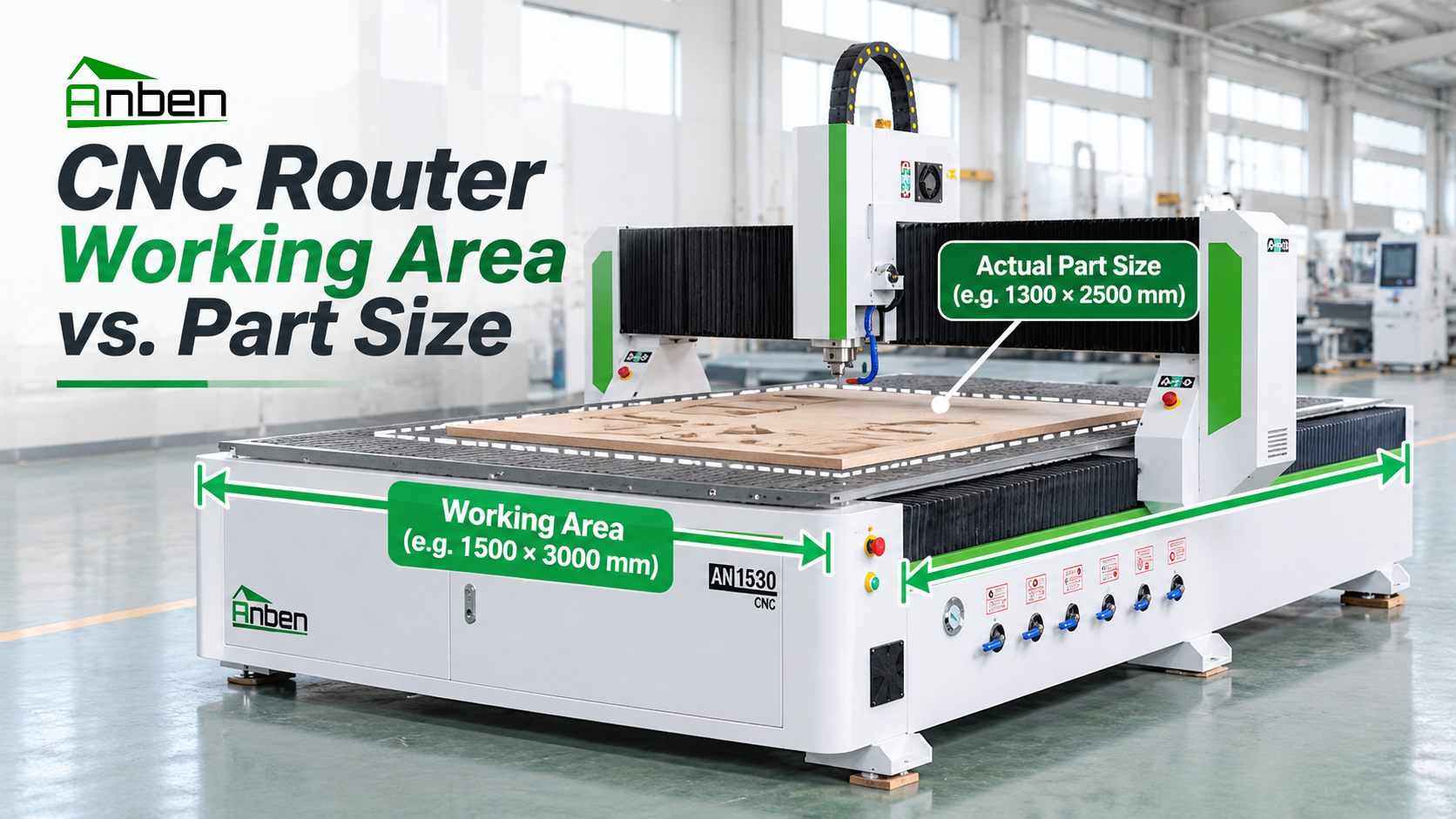
- CNC Router Working Area vs. Actual Part Size: How to Choose
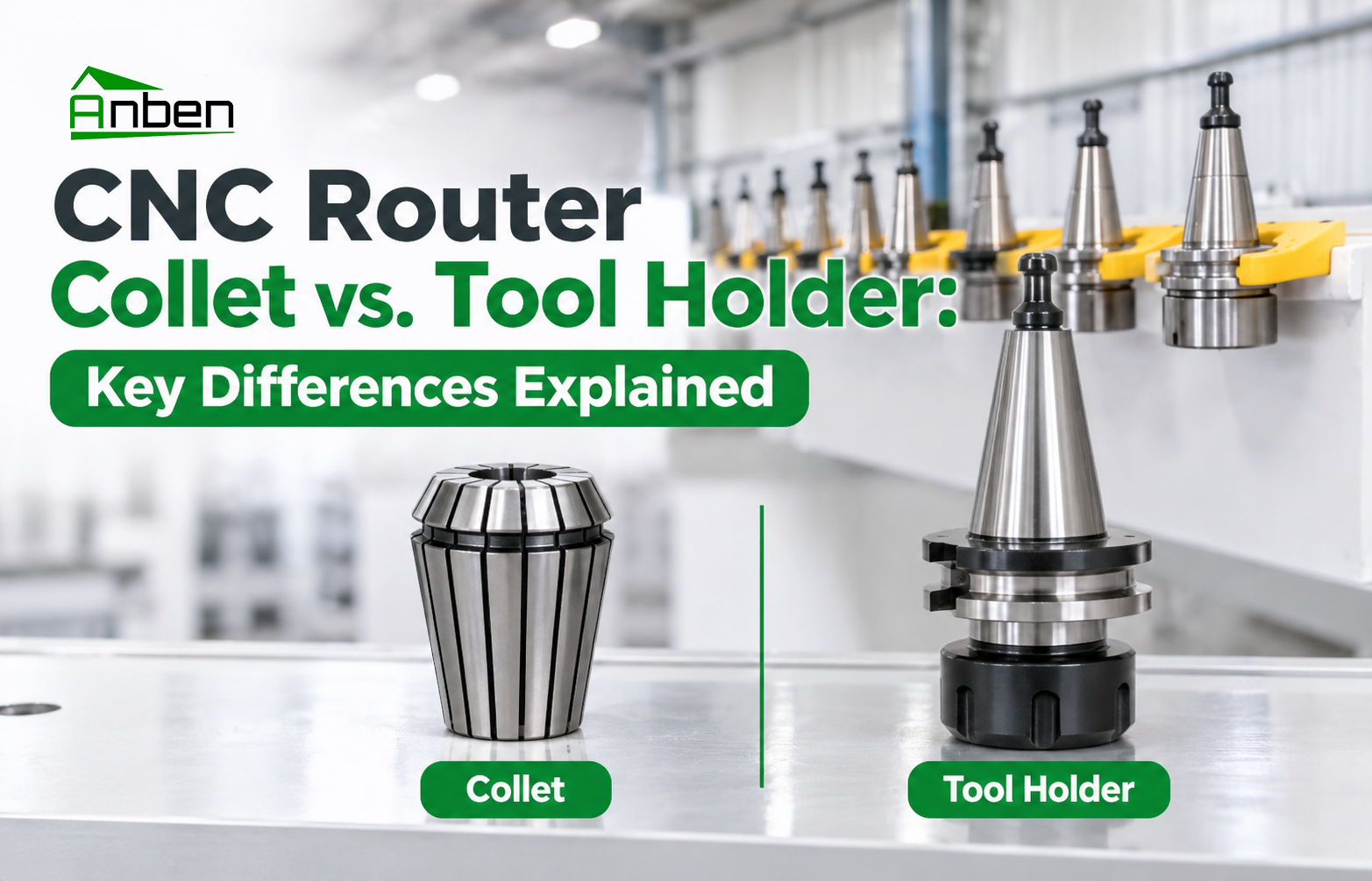
 CNC Router Collet vs. Tool Holder: Key Differences Explained
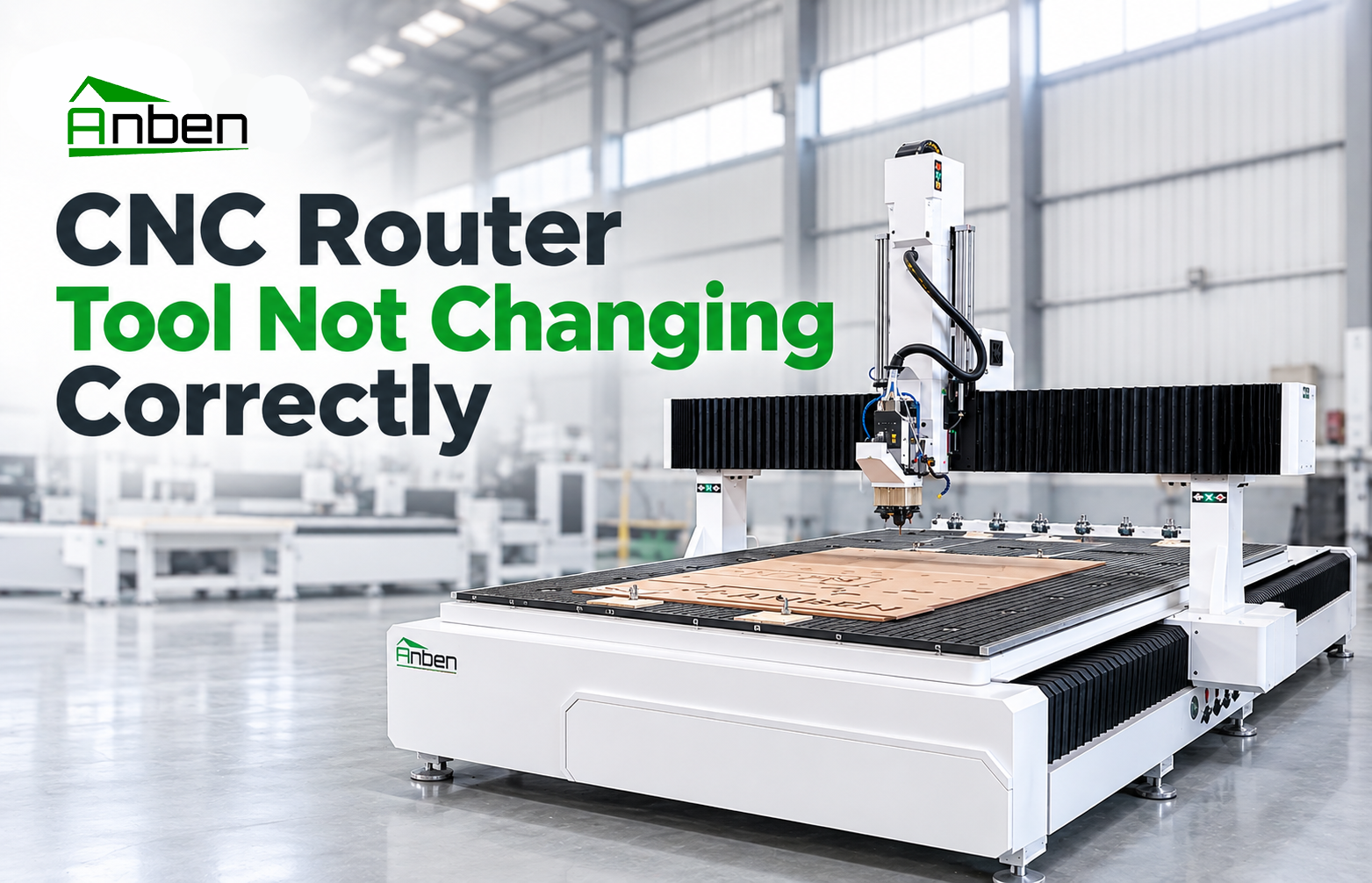
 CNC Router Tool Not Changing Correctly: Troubleshooting Guide

Related Products
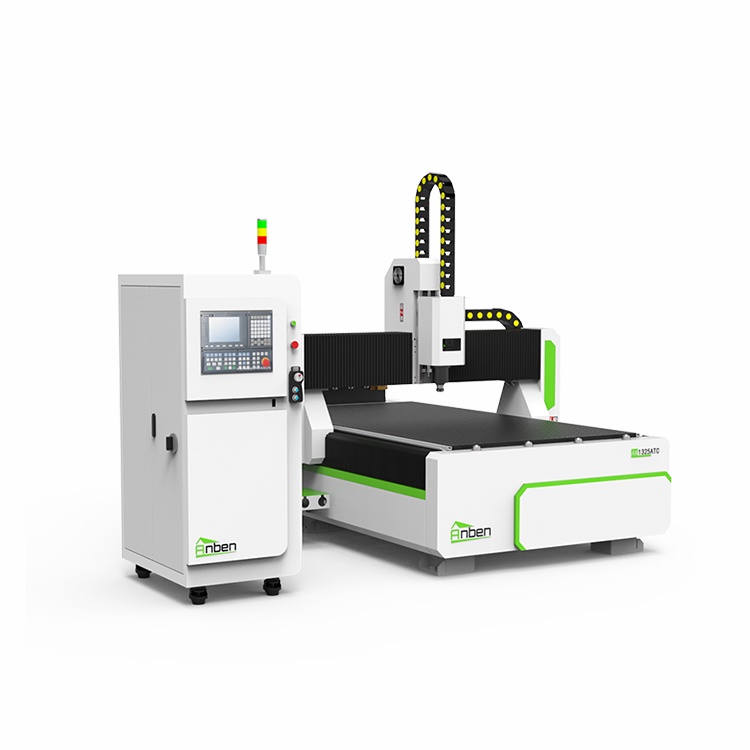
 AN1325ATC Automatic Tool ChangeAnben ATC (Automatic Tool Change)CNC router is popularly used in woodworking, making signs, molds making, art crafts making, etc. The automatic tool changer magazine carries 8-16 cutters. It can save tool change time,more efficient!
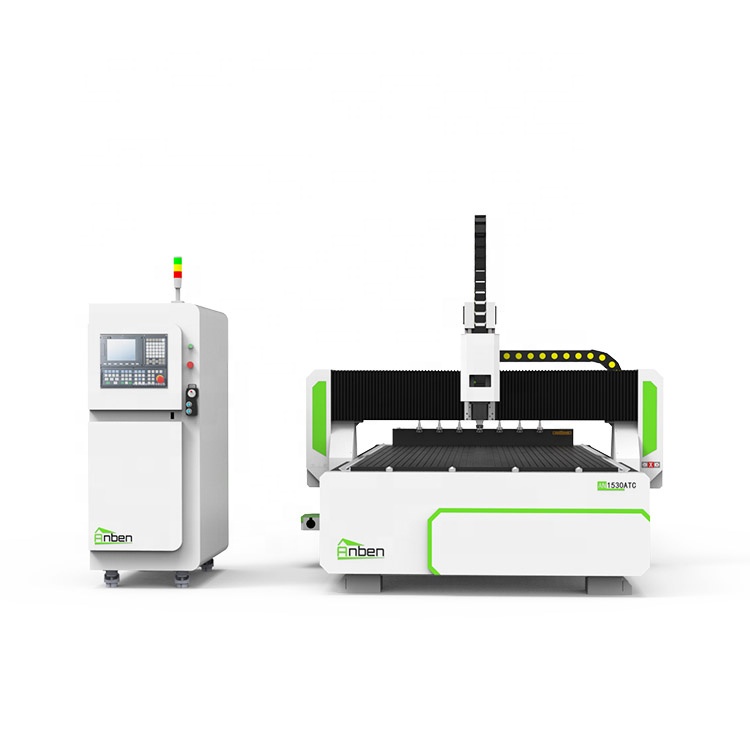
 AN1530ATC Automatic Tool ChangeAnben ATC (Automatic Tool Change)CNC router is popularly used in woodworking, making signs, molds making, art crafts making, etc. The automatic tool changer magazine carries 8-16 cutters. It can save tool change time,more efficient!
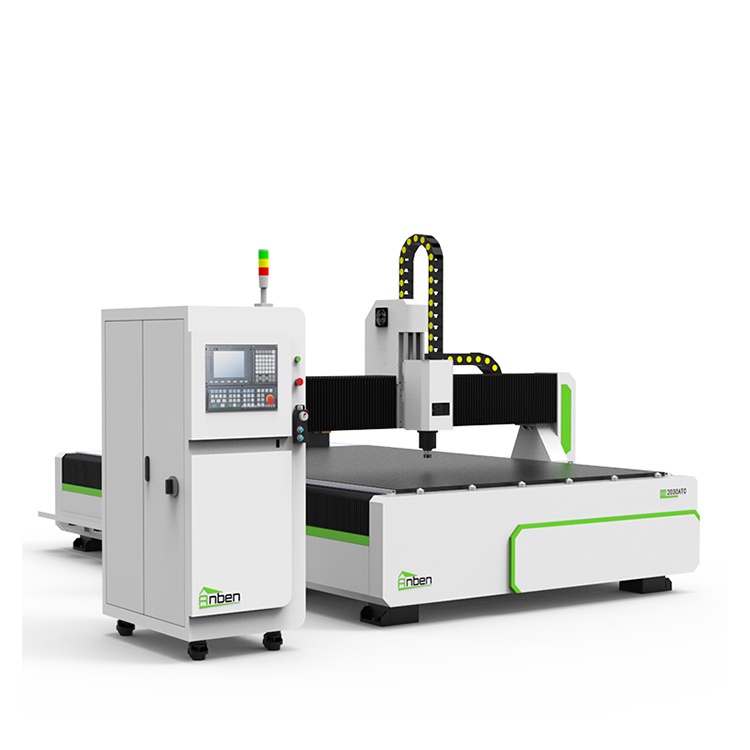
 AN2030ATC Automatic Tool ChangeAnben ATC (Automatic Tool Change)CNC router is popularly used in woodworking, making signs, molds making, art crafts making, etc. The automatic tool changer magazine carries 8-16 cutters. It can save tool change time,more efficient!
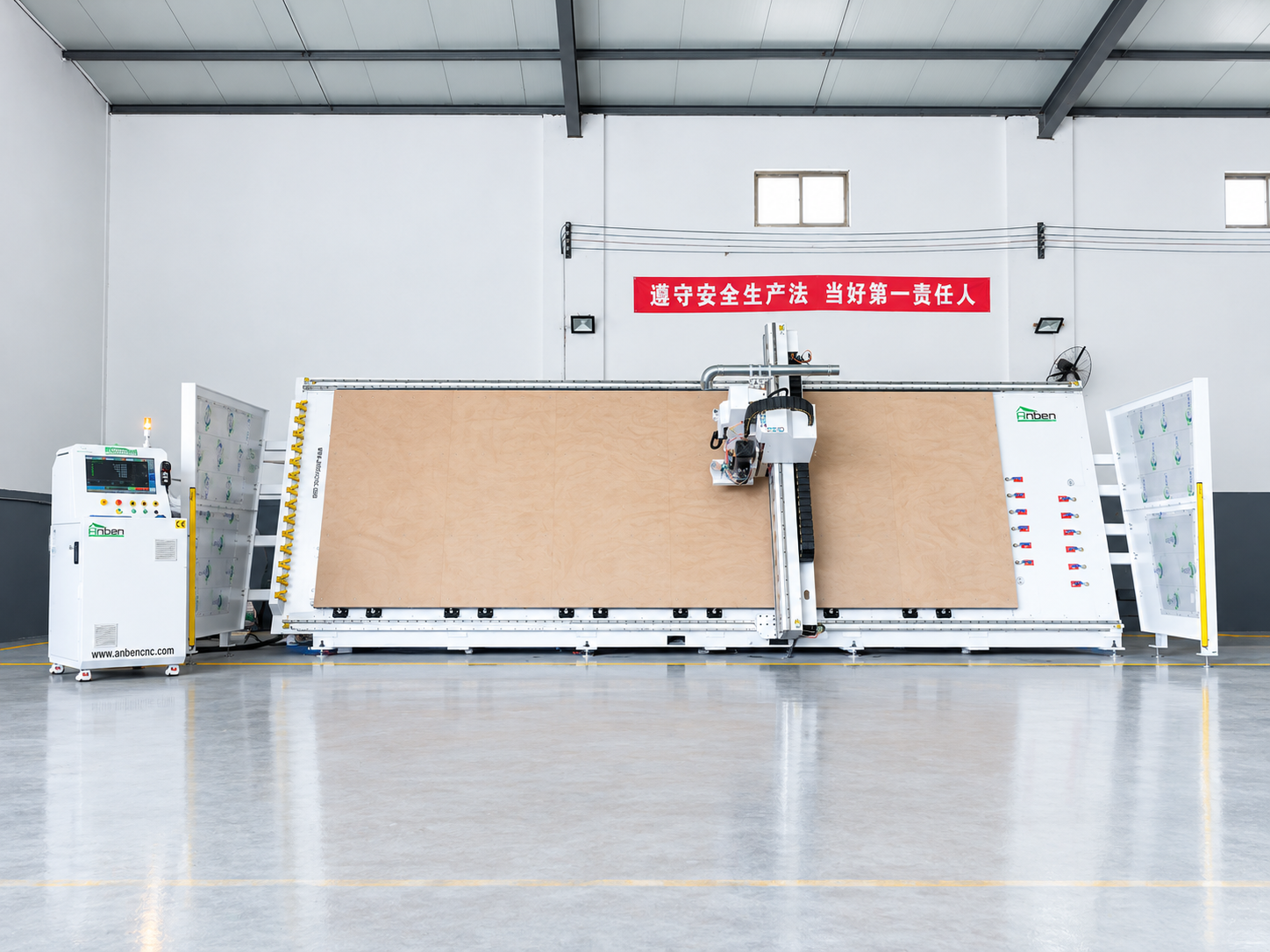
 V-2162 Vertical cnc routerThe vertical cnc significantly reduces the machine’s floor space. It is equipped with 8 sets of ATC tool magazines and other auxiliary devices such as vacuum pump, saw blade,aggregate head, positioning systems, etc. The Vertical cnc can cutting,grooving,engraving,drilling for various types of aluminum composite boards, acrylic boards, fiber boards and other boards. It is suitable for construction facades,cladding ,advertising signs,furniture manufacturing and other industries.
Get in touch

Anben Industrial – Founded in 2017, with a pure engineering spirit, providing trustworthy CNC solutions, born for long-term stable performance.
Contact