

CNC Router Collet vs. Tool Holder: Key Differences Explained





A CNC router collet and a tool holder are important parts of a spindle's tool clamping system, but they serve different purposes. Understanding their differences helps operators select compatible accessories, install cutting tools correctly, and maintain stable machining performance.
1. What Is a CNC Router Collet?
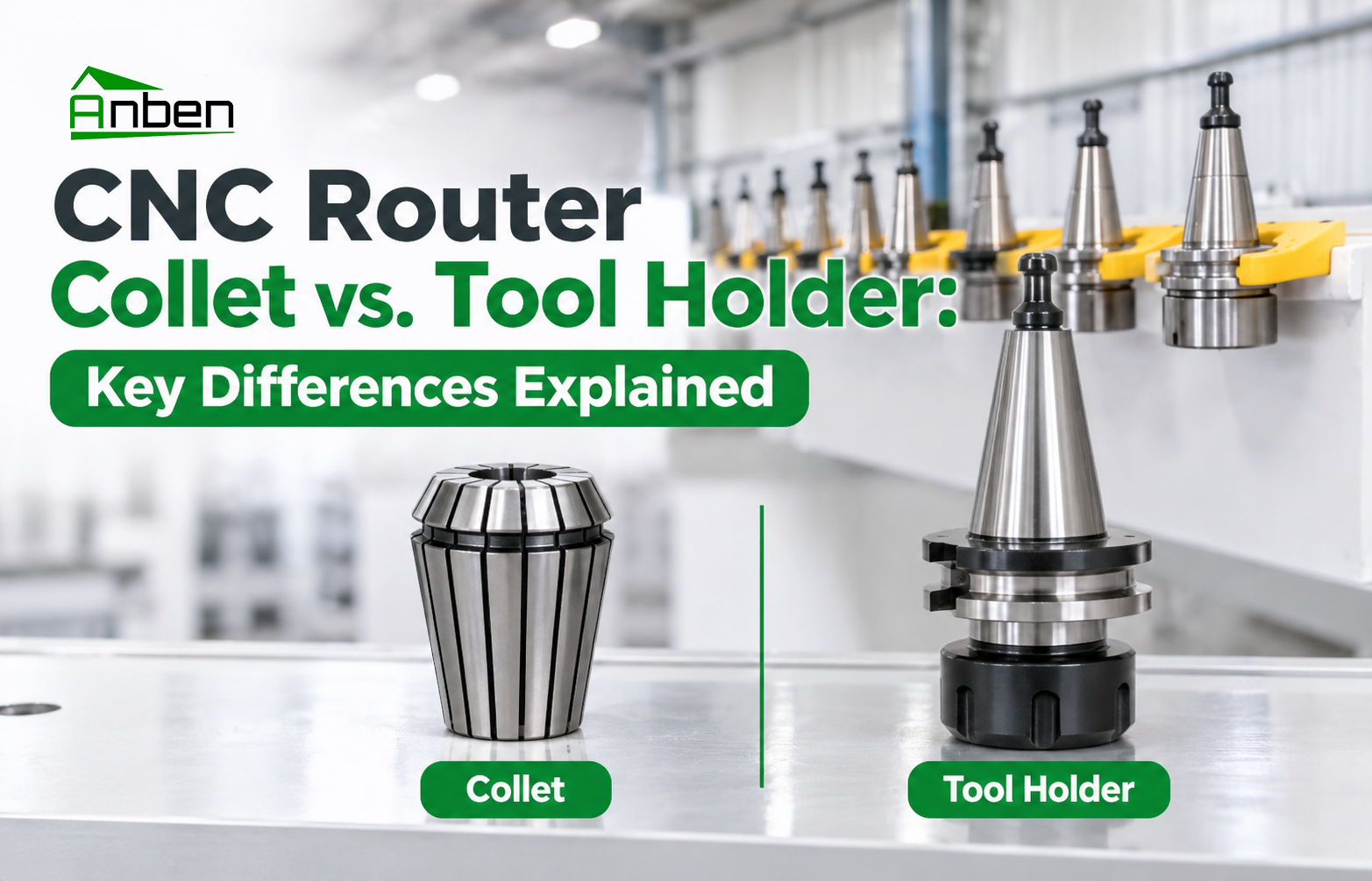
A collet is a precision clamping component that holds a cutting tool securely inside a compatible spindle or tool holder.
Main Functions:
Clamps the cutting tool with radial pressure.
Helps maintain accurate tool positioning.
Supports stable cutting when correctly installed.
Accommodates specific tool shank diameters.
Common CNC spindle systems use ER collets, such as ER16, ER20, ER25, and ER32. The correct size must match the spindle or tool holder specifications and the tool shank diameter.
2. What Is a CNC Router Tool Holder?
A tool holder is a component or assembly that connects a cutting tool to the spindle. Depending on the spindle system, it may include a holder body, collet, and nut, or use another clamping design.
Main Functions:
Connects the cutting tool to the spindle.
Provides a secure tool clamping interface.
Supports accurate tool positioning.
Enables tool changes in compatible ATC systems.
Tool holders must match the spindle interface and automatic tool changer specifications.
3. CNC Router Collet vs. Tool Holder: Key Differences
Important: In many ER systems, the collet is installed inside the tool holder or spindle nut assembly. However, some CNC routers use direct spindle collet systems without a separate ATC tool holder.
4. How to Choose the Right Collet and Tool Holder
Consider these factors before purchasing:
Spindle Compatibility: Check the spindle model and its clamping system.
Tool Shank Diameter: Select a collet that matches the cutting tool shank.
Tool Holder Interface: For ATC machines, confirm the holder type matches the spindle and magazine requirements.
Precision and Condition: Use clean, undamaged components to reduce runout and vibration.
Manufacturer Specifications: Confirm compatible collets, nuts, holders, and tightening procedures.
5. Maintenance Tips
Clean the collet, nut, and taper surfaces regularly.
Check for cracks, wear, and deformation.
Use the correct tightening tool and recommended torque.
Avoid mixing incompatible collets and holders.
Replace damaged components promptly.
Frequently Asked Questions
Q1: Is a collet the same as a tool holder?
No. A collet grips the cutting tool shank, while a tool holder connects the tool to the spindle.
Q2: Can one collet hold different tool diameters?
Only within its specified clamping range. Always use a correctly sized collet for the tool shank.
Q3: Do ATC CNC routers need tool holders?
Most ATC systems use compatible tool holders to support automatic tool changes, but the exact design depends on the spindle and machine configuration.
Conclusion
Collets and tool holders work together in many CNC router spindle systems, but they have different functions. Choosing compatible components and maintaining them properly helps improve tool clamping stability, machining accuracy, and equipment reliability.
 CNC Router Workpiece Slipping During Cutting: How to Fix It
 CNC Router Working Area vs. Actual Part Size: How to Choose
 CNC Router Collet vs. Tool Holder: Key Differences Explained
 CNC Router Tool Not Changing Correctly: Troubleshooting Guide
- Can a CNC Router Cut Aluminum? What Buyers Need to Know
- Upcut vs. Downcut vs. Compression Router Bits: What Is the Difference?
- CNC Router Cutting Depth Is Inconsistent: Causes and Fixes
- CNC Router Supplier Evaluation Checklist: 6 Questions to Ask Before Buying

Related Products
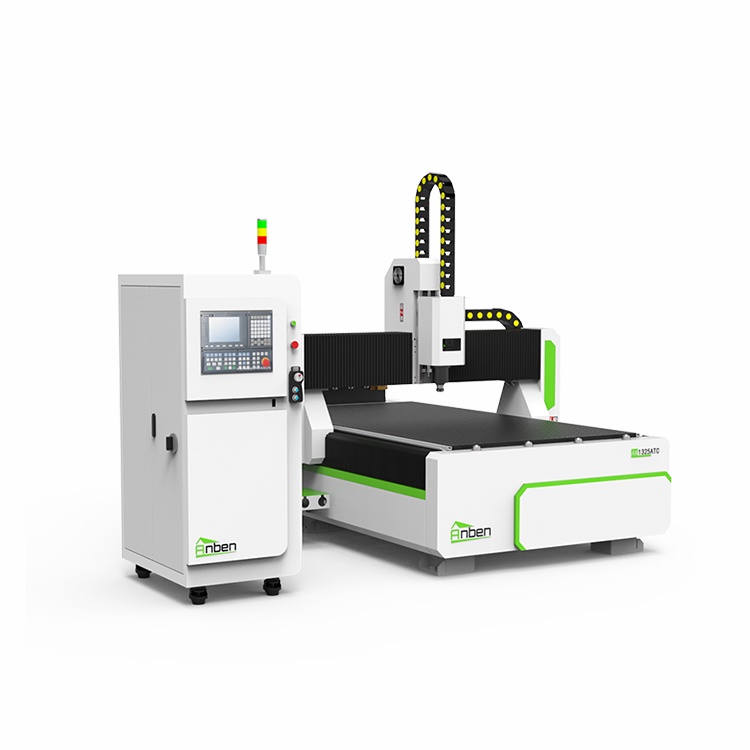
 AN1325ATC Automatic Tool ChangeAnben ATC (Automatic Tool Change)CNC router is popularly used in woodworking, making signs, molds making, art crafts making, etc. The automatic tool changer magazine carries 8-16 cutters. It can save tool change time,more efficient!
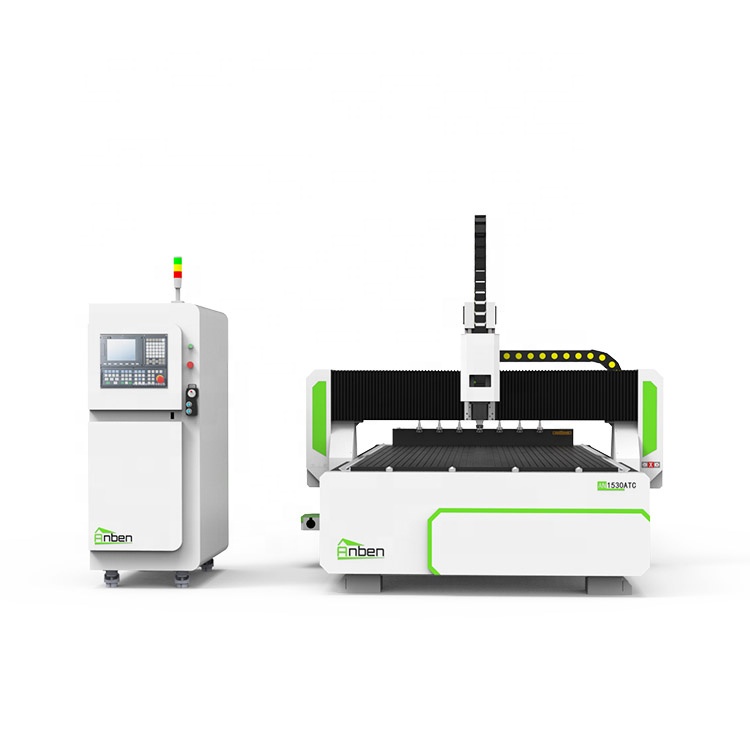
 AN1530ATC Automatic Tool ChangeAnben ATC (Automatic Tool Change)CNC router is popularly used in woodworking, making signs, molds making, art crafts making, etc. The automatic tool changer magazine carries 8-16 cutters. It can save tool change time,more efficient!
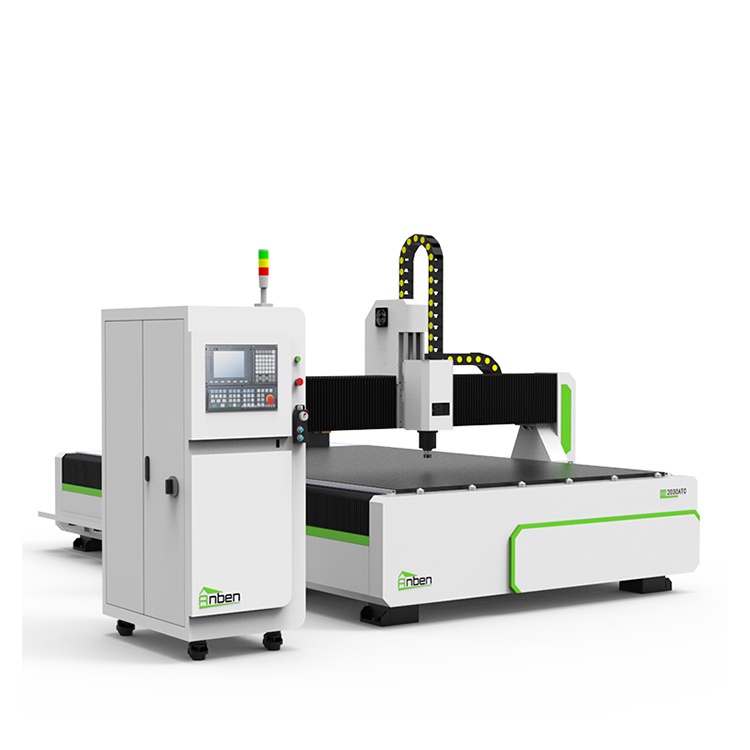
 AN2030ATC Automatic Tool ChangeAnben ATC (Automatic Tool Change)CNC router is popularly used in woodworking, making signs, molds making, art crafts making, etc. The automatic tool changer magazine carries 8-16 cutters. It can save tool change time,more efficient!
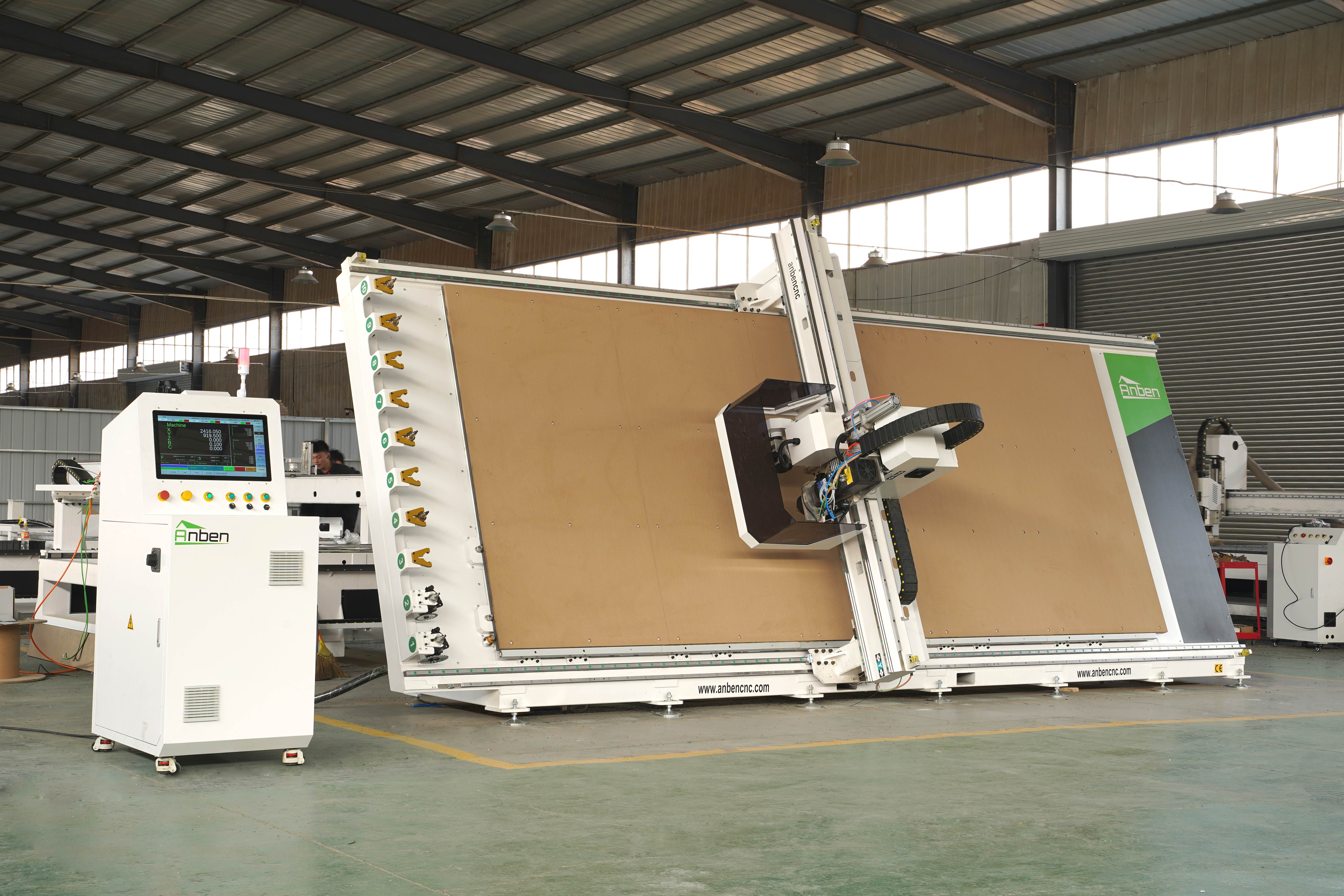
 V-2151 Vertical cnc routerThe vertical cnc significantly reduces the machine’s floor space. It is equipped with 8 sets of ATC tool magazines and other auxiliary devices such as vacuum pump, saw blade,aggregate head, positioning systems, etc. The Vertical cnc can cutting,grooving,engraving,drilling for various types of aluminum composite boards, acrylic boards, fiber boards and other boards. It is suitable for construction facades,cladding ,advertising signs,furniture manufacturing and other industries.
Get in touch

Anben Industrial – Founded in 2017, with a pure engineering spirit, providing trustworthy CNC solutions, born for long-term stable performance.
Contact