

CNC V-Grooving Depth Explained: How It Affects Panel Bending





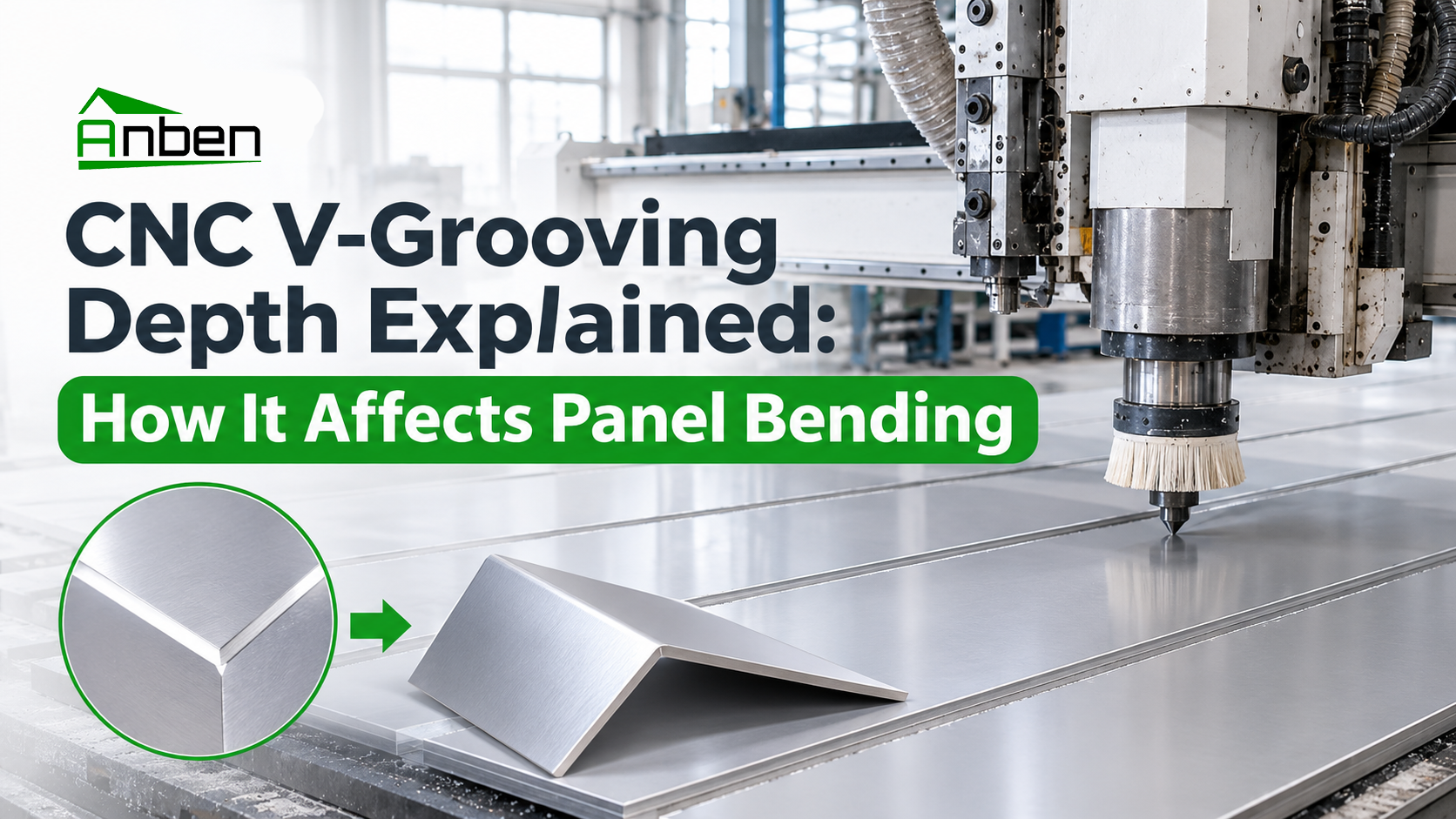
V-grooving is an important machining process for ACP (Aluminum Composite Panel) and ACM panels. It creates a V-shaped groove on the back of the panel, allowing the material to bend along a precise line.
The grooving depth directly affects bending quality, corner appearance, and panel strength. Understanding how to control it is essential for achieving consistent results.
1. What Is CNC V-Grooving Depth?
V-grooving depth refers to how deeply the CNC cutting tool penetrates the panel during machining.
For ACP panels, the groove typically removes part of the core material while retaining a thin layer of the opposite aluminum skin. This remaining layer acts as a bending hinge.
The groove depth must be controlled according to the panel thickness, core material, and required bending angle.
2. How Does Grooving Depth Affect Panel Bending?
Different groove depths produce different bending results.
Grooving Too Shallow: Too much core material remains, making the panel difficult to bend. This can cause uneven corners, excessive bending force, or surface deformation.
Proper Grooving Depth: The remaining material allows controlled bending, producing cleaner corners and more consistent angles.
Grooving Too Deep: The remaining aluminum layer may become too thin or even be damaged, reducing structural strength and increasing the risk of cracking or breaking.
The correct V-grooving depth is essential for balancing bending flexibility and panel strength.
3. What Factors Affect V-Grooving Depth?
Several factors should be considered when setting CNC V-grooving parameters:
Panel Thickness: Different ACP and ACM thicknesses require different groove depths.
Core Material: The core structure influences how the panel bends.
Aluminum Skin Thickness: The remaining aluminum layer must be protected during machining.
V-Groove Angle: Different groove angles produce different bending geometries.
Tool Condition: Worn or incorrectly installed tools can affect groove accuracy and consistency.
4. How to Achieve Accurate V-Grooving Depth
To improve machining quality, operators should:
Measure the actual panel thickness before processing.
Select a suitable V-grooving cutter for the panel material.
Set the cutting depth according to the required remaining layer.
Check the CNC machine's Z-axis positioning and tool calibration.
Perform a test cut and inspect the groove cross-section.
Test the bending result before starting batch production.
A test cut is especially important when changing panel suppliers, thicknesses, or material specifications.
5. Why CNC Machine Accuracy Matters
Accurate V-grooving requires stable machine movement and reliable Z-axis control.
A suitable CNC router helps maintain consistent groove depth across the entire panel, reducing variations during bending.
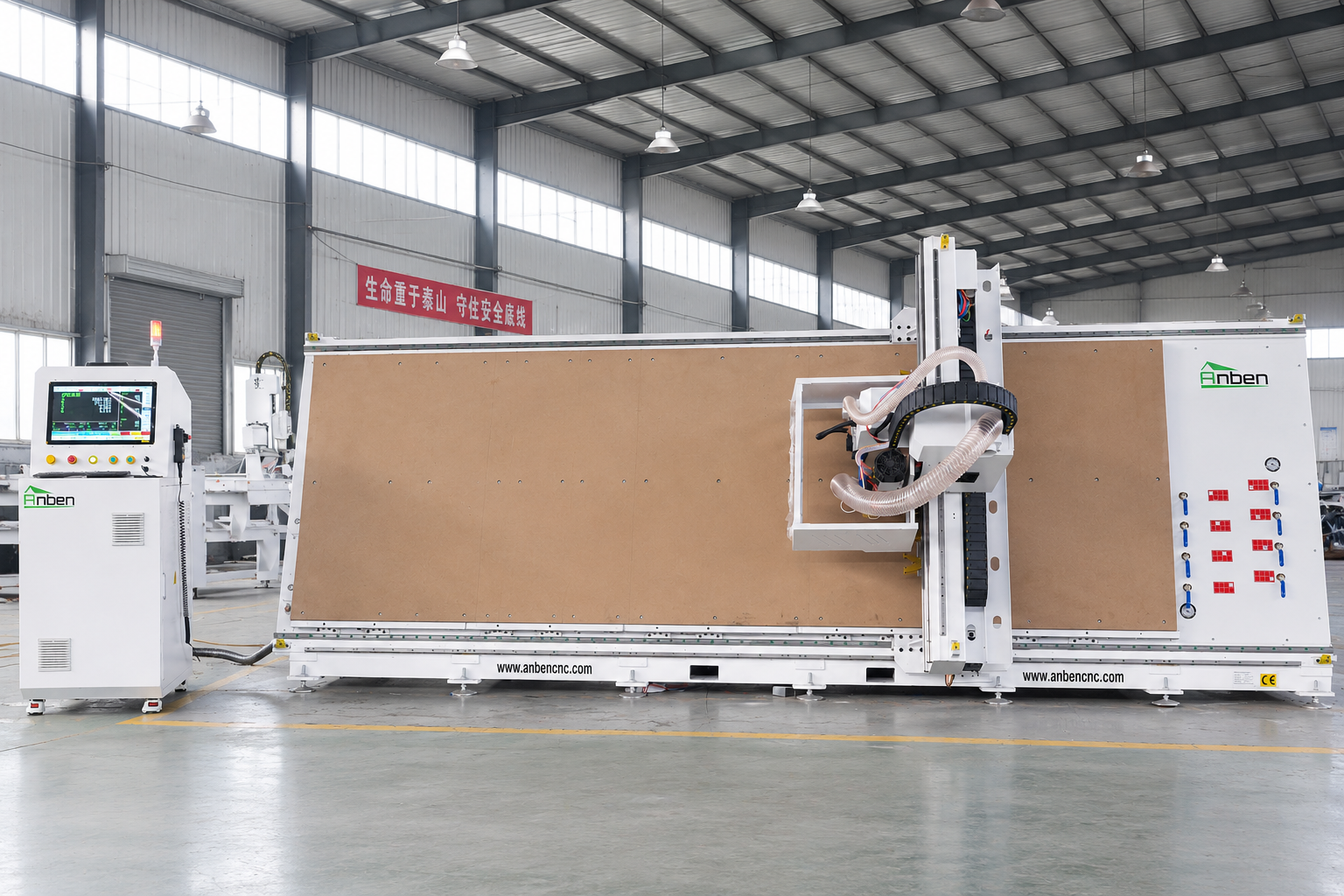
For large ACP and ACM panels, vertical CNC routers provide a space-saving processing solution while supporting accurate cutting and grooving operations.
Conclusion
V-grooving depth is a key factor in ACP panel bending quality. A groove that is too shallow or too deep can lead to poor corners, material damage, and inconsistent results.
By selecting suitable tools, controlling Z-axis depth, and performing test cuts, manufacturers can achieve more accurate V-grooving and reliable panel bending.
 CNC V-Grooving Depth Explained: How It Affects Panel Bending
- How to Prevent Burrs When CNC Cutting Aluminum and ACP Panels
- Manual vs. Automatic CNC Router Loading: Which Is Right for Your Factory?
- Why Does Plywood Chip During CNC Routing? Causes and Solutions.
- How to Reduce Dust During CNC Router Machining
 CNC Router Total Cost of Ownership: What Should Buyers Calculate?
- Climb Milling vs. Conventional Milling in CNC Routing
- CNC Router Workpiece Slipping During Cutting: How to Fix It


Related Products
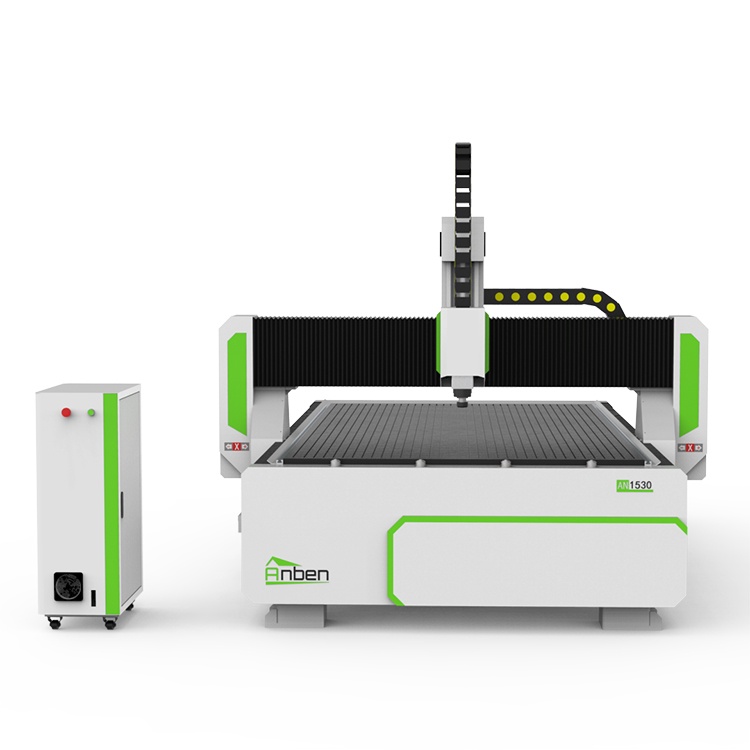
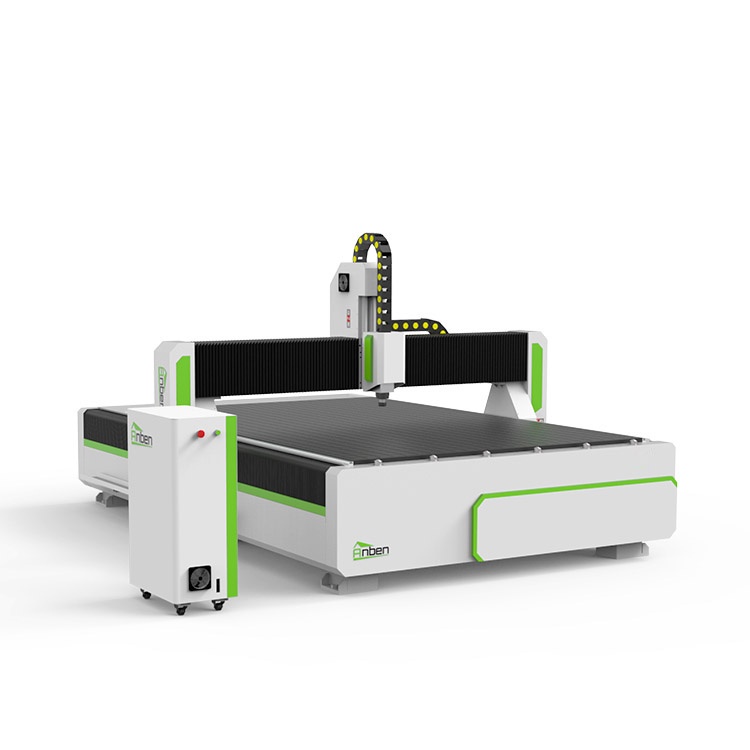
 AN1530 Manual Tool ChangeThe Anben MTC(Manual tool change)-- a professional yet affordable 3 axis CNC wood router, designed for woodworking shops, cabinet manufacturers, and industrial workshops. This budget-friendly CNC router delivers high precision and durability for wood machining, acrylic cutting, aluminum cutting, sign making, and furniture production.
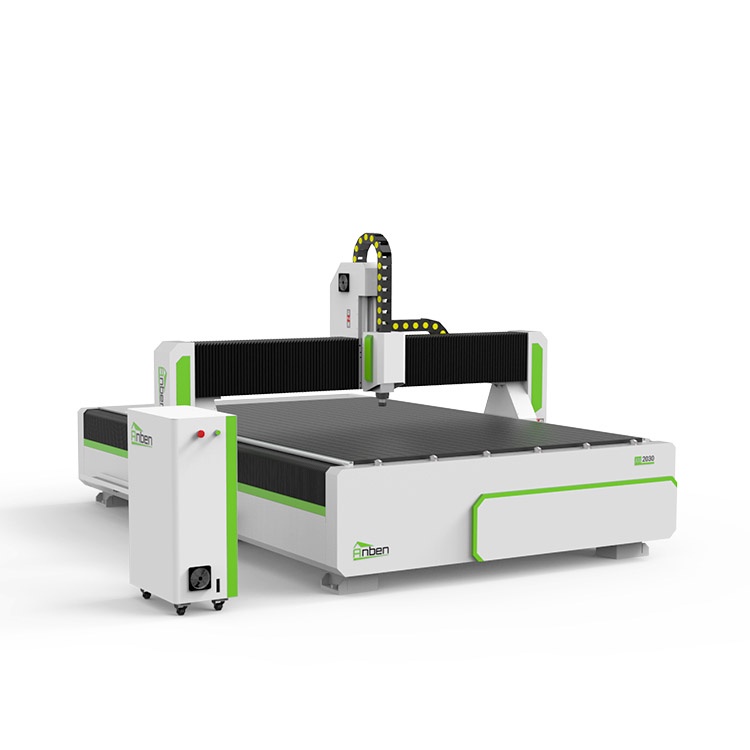
 AN2030 Manual Tool ChangeThe Anben MTC(Manual tool change)-- a professional yet affordable 3 axis CNC wood router, designed for woodworking shops, cabinet manufacturers, and industrial workshops. This budget-friendly CNC router delivers high precision and durability for wood machining, acrylic cutting, aluminum cutting, sign making, and furniture production.
 AN2040 Manual Tool ChangeThe Anben MTC(Manual tool change)-- a professional yet affordable 3 axis CNC wood router, designed for woodworking shops, cabinet manufacturers, and industrial workshops. This budget-friendly CNC router delivers high precision and durability for wood machining, acrylic cutting, aluminum cutting, sign making, and furniture production.
 V-1650 Vertical cnc routerThe vertical cnc significantly reduces the machine’s floor space. It is equipped with 8 sets of ATC tool magazines and other auxiliary devices such as vacuum pump, saw blade,aggregate head, positioning systems, etc. The Vertical cnc can cutting,grooving,engraving,drilling for various types of aluminum composite boards, acrylic boards, fiber boards and other boards. It is suitable for construction facades,cladding ,advertising signs,furniture manufacturing and other industries.
Get in touch

Anben Industrial – Founded in 2017, with a pure engineering spirit, providing trustworthy CNC solutions, born for long-term stable performance.
Contact