

Vertical CNC Router vs. Horizontal CNC Router: Cost, Space and Workflow





Choosing between a vertical and horizontal CNC router involves more than comparing machine prices. Factory layout, material handling, labor requirements, and daily production workflow all influence the total investment.
Understanding these differences helps manufacturers select a CNC solution that fits their production environment.
1. Equipment Cost vs. Total Operating Cost
The purchase price is only one part of CNC router investment.
When comparing two machine types, consider:
Equipment Configuration: Spindle power, automatic tool changing, vacuum systems, and additional machining functions affect the initial investment.
Floor Space: Workshop space has an operational cost. Machine footprint and material storage requirements should be included in planning.
Labor Requirements: Loading, unloading, positioning, and material handling influence daily labor costs.
Production Efficiency: Tool changes, workpiece handling, and processing interruptions affect overall productivity.
A lower purchase price does not always mean a lower long-term operating cost.
2. Workshop Space and Material Handling
Horizontal and vertical CNC routers require different workshop layouts.
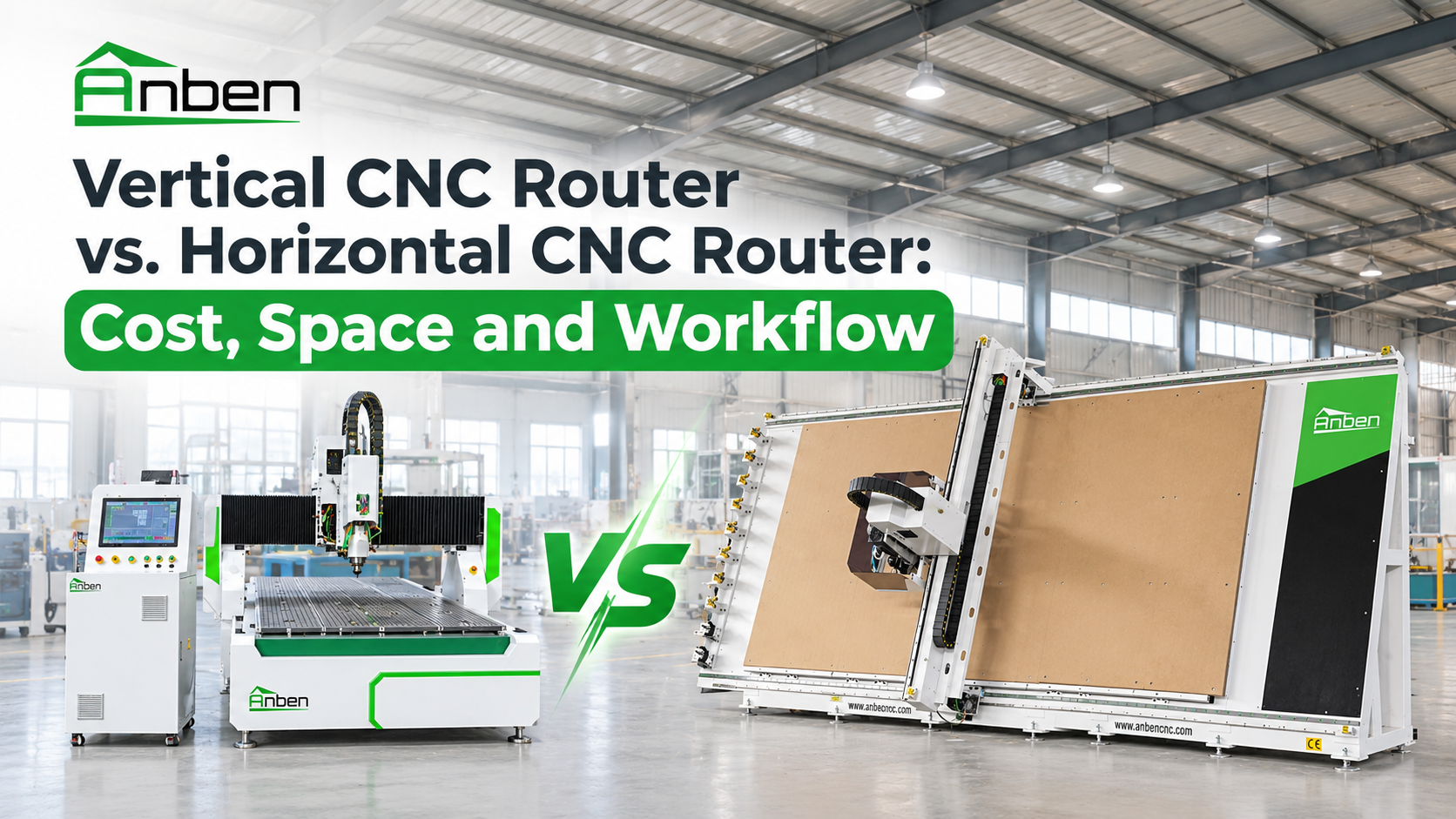
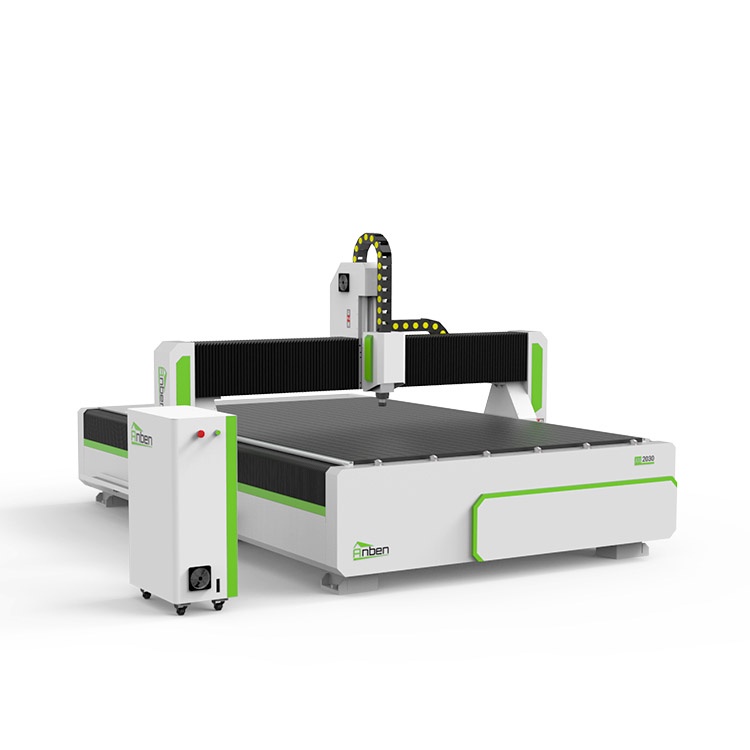
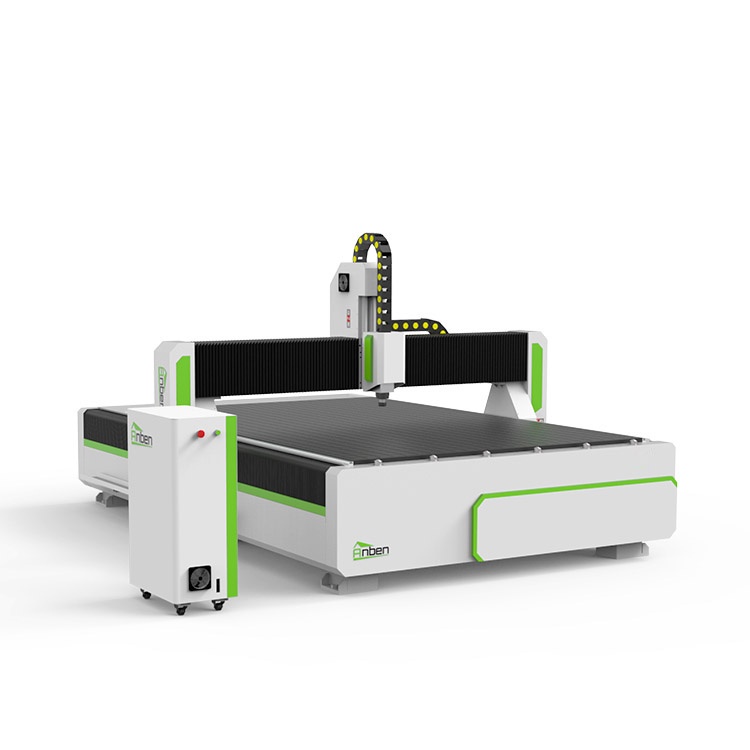
A horizontal machine uses a flat working table. It needs sufficient space for the machine, panel loading, unloading, and material movement around the working area.
This layout is suitable for factories with established flat-panel processing areas and convenient material handling equipment.
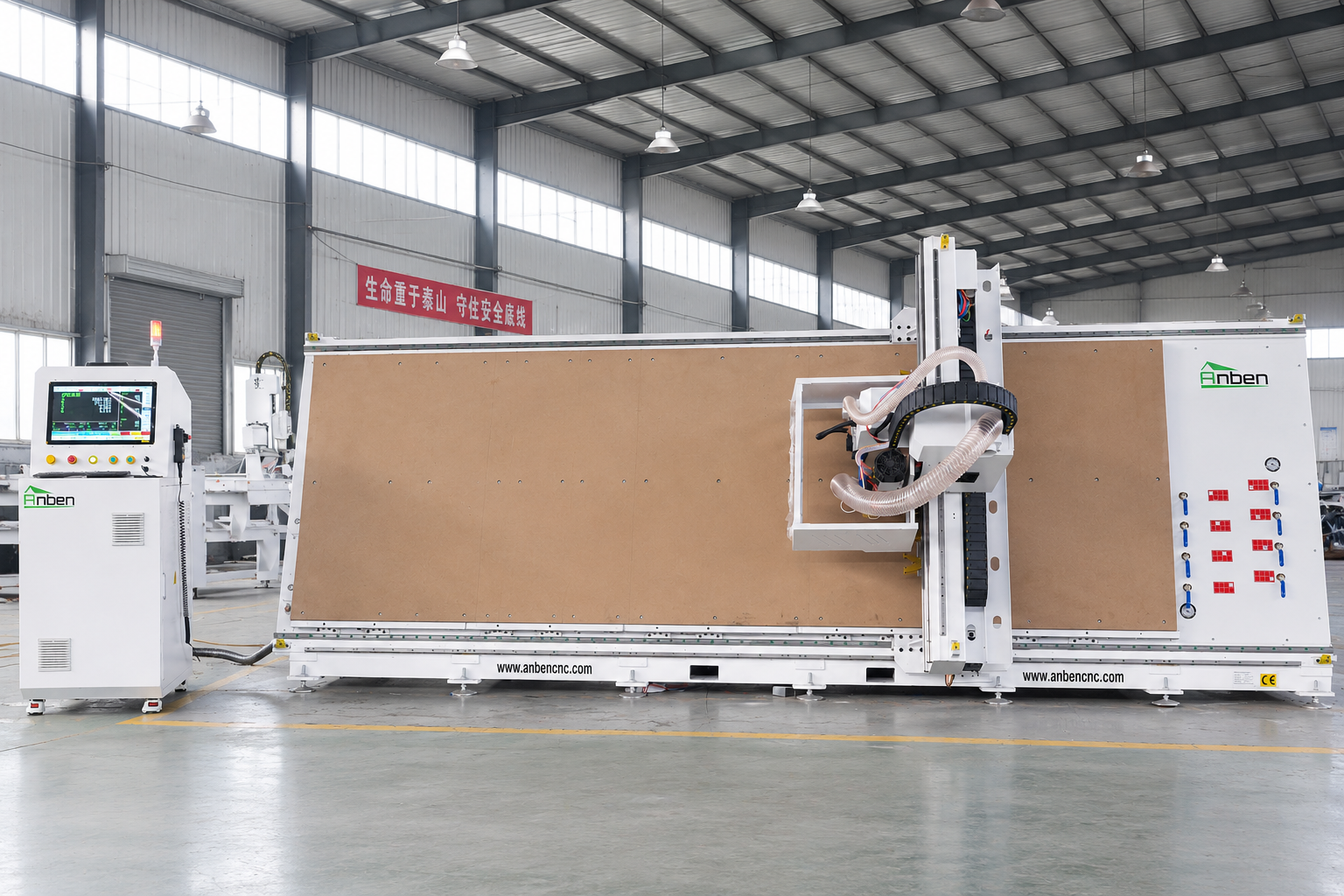
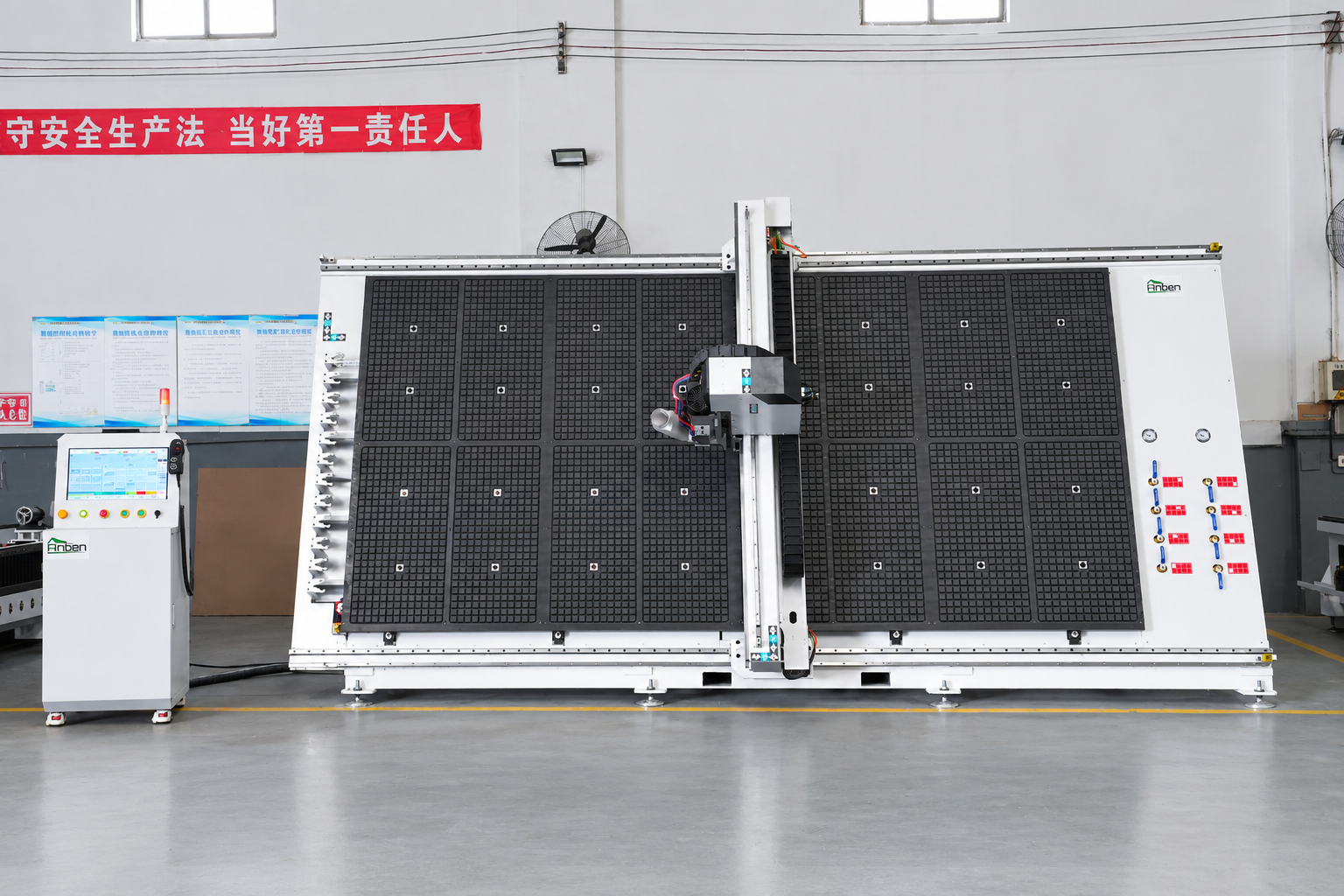
A vertical CNC router holds panels upright during machining. Its vertical structure can reduce the machine's floor-space footprint and make large-panel processing easier to organize.
However, sufficient space is still needed for panel storage, loading, and safe material handling.
3. How Does Machine Orientation Affect Workflow?
Machine orientation changes how materials move through the production process.
Horizontal Workflow: Operators place panels on a flat table, position the material, and start machining. It integrates naturally with conventional woodworking and nesting workflows.
Vertical Workflow: Operators load panels upright and secure them for processing. This arrangement can simplify handling and organization when working with large architectural panels.
The best workflow depends on panel dimensions, loading methods, production volume, and operator arrangements.
4. Which CNC Router Fits Your Factory?
Consider your existing production setup before making a decision.
Horizontal CNC Router: Suitable for woodworking, furniture manufacturing, cabinet production, and general flat-panel processing.
Vertical CNC Router: Suitable for ACP/ACM panels, aluminum sheets, and large-format architectural panel processing, especially when workshop floor space is limited.
ANBEN's AN Series covers horizontal CNC routing applications, while the V-ALU Series is designed for vertical panel processing and space-efficient production.
5. What Should You Calculate Before Buying?
Before selecting a CNC router, evaluate:
Available workshop floor space.
Machine installation and material storage areas.
Daily panel loading and unloading requirements.
Labor and material handling costs.
Expected production volume and future expansion.
Conclusion
Vertical and horizontal CNC routers offer different advantages in equipment layout, material handling, and production workflow.
The right investment is not necessarily the machine with the lowest price or smallest footprint. It is the machine that matches your materials, factory layout, and long-term production requirements.
 Vertical CNC Router vs. Horizontal CNC Router: Cost, Space and Workflow
- CNC Routing Aluminum: Chip Formation, Tool Wear and Surface Finish
- CNC Router Acrylic Cutting: How to Avoid Scratches and Edge Damage
- How Many Tools Does Your ATC CNC Router Really Need?
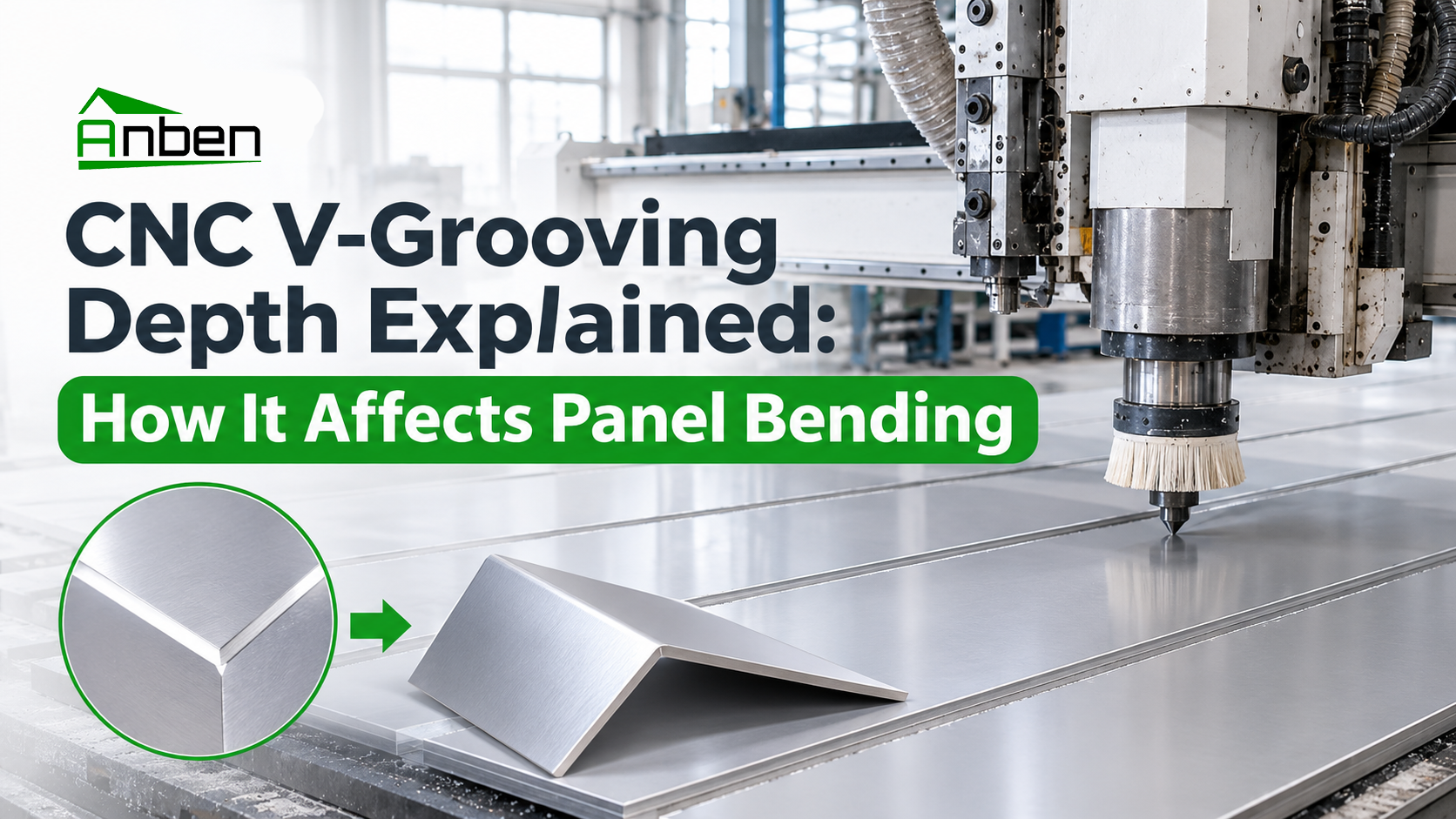
- CNC V-Grooving Depth Explained: How It Affects Panel Bending
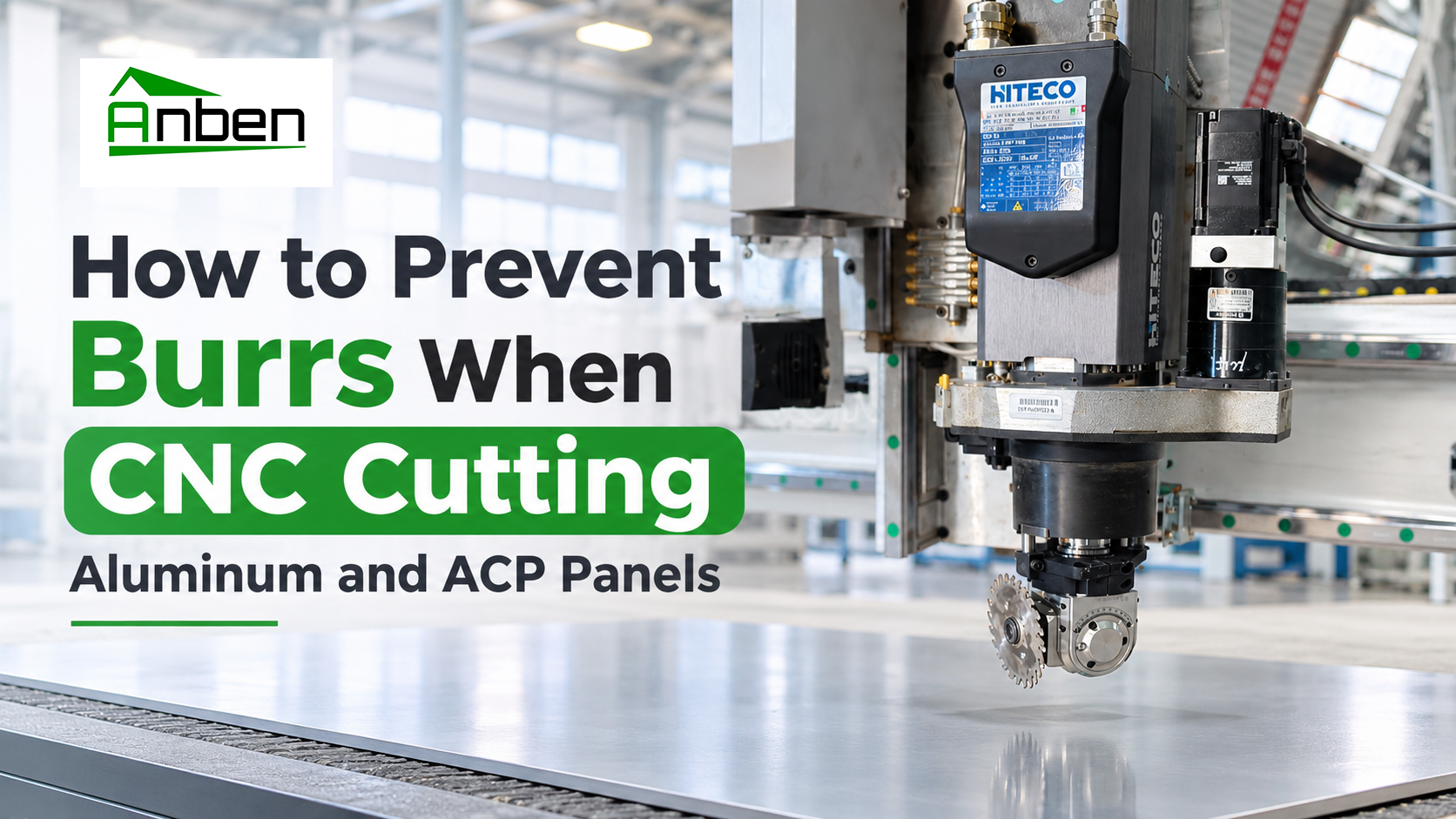
- How to Prevent Burrs When CNC Cutting Aluminum and ACP Panels
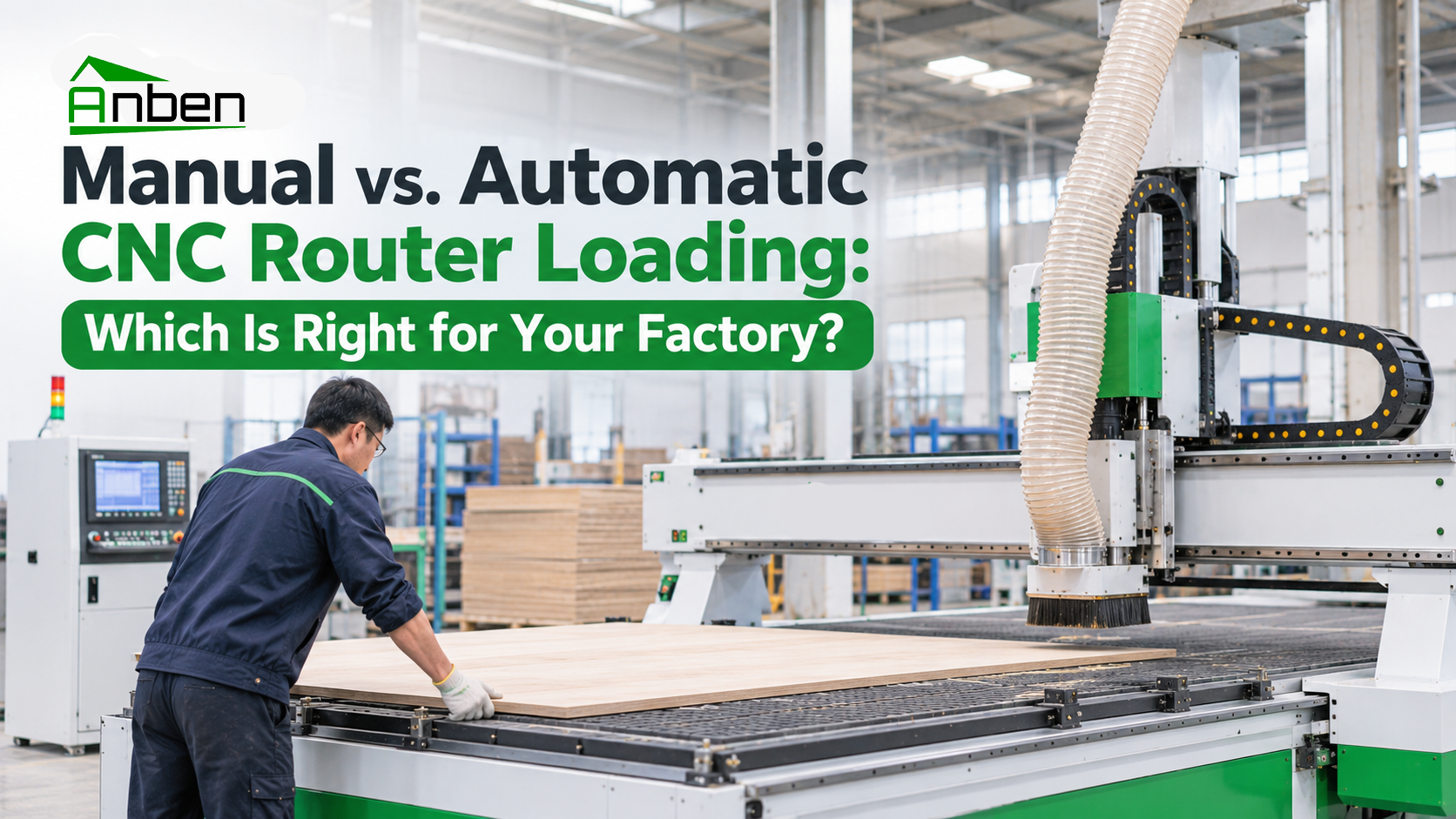
- Manual vs. Automatic CNC Router Loading: Which Is Right for Your Factory?
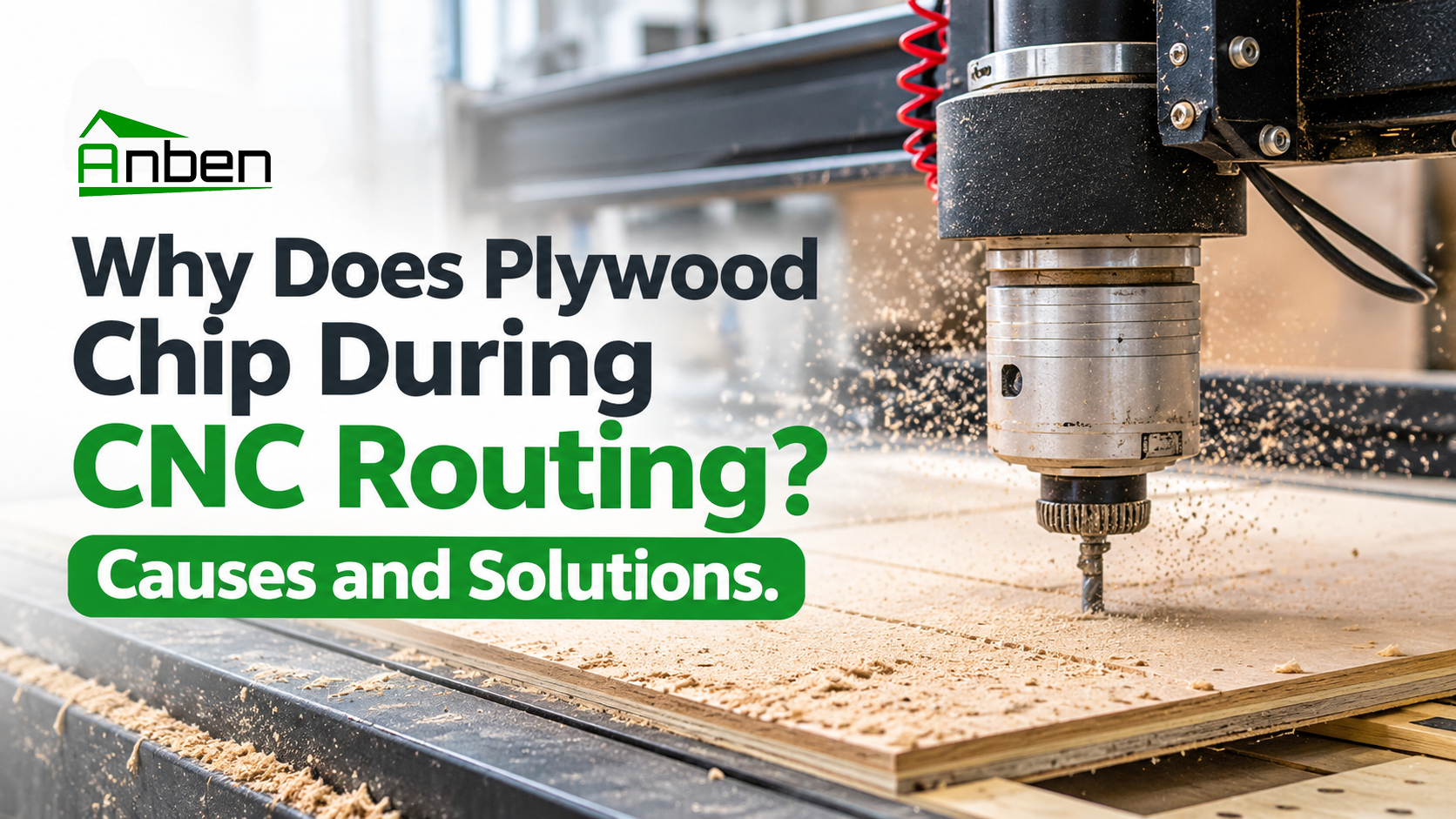
- Why Does Plywood Chip During CNC Routing? Causes and Solutions.
Related Products
 AN2030 Manual Tool ChangeThe Anben MTC(Manual tool change)-- a professional yet affordable 3 axis CNC wood router, designed for woodworking shops, cabinet manufacturers, and industrial workshops. This budget-friendly CNC router delivers high precision and durability for wood machining, acrylic cutting, aluminum cutting, sign making, and furniture production.
 AN2040 Manual Tool ChangeThe Anben MTC(Manual tool change)-- a professional yet affordable 3 axis CNC wood router, designed for woodworking shops, cabinet manufacturers, and industrial workshops. This budget-friendly CNC router delivers high precision and durability for wood machining, acrylic cutting, aluminum cutting, sign making, and furniture production.
 V-1650 Vertical cnc routerThe vertical cnc significantly reduces the machine’s floor space. It is equipped with 8 sets of ATC tool magazines and other auxiliary devices such as vacuum pump, saw blade,aggregate head, positioning systems, etc. The Vertical cnc can cutting,grooving,engraving,drilling for various types of aluminum composite boards, acrylic boards, fiber boards and other boards. It is suitable for construction facades,cladding ,advertising signs,furniture manufacturing and other industries.
 V-2142 Vertical cnc routerThe vertical cnc significantly reduces the machine’s floor space. It is equipped with 8 sets of ATC tool magazines and other auxiliary devices such as vacuum pump, saw blade,aggregate head, positioning systems, etc. The Vertical cnc can cutting,grooving,engraving,drilling for various types of aluminum composite boards, acrylic boards, fiber boards and other boards. It is suitable for construction facades,cladding ,advertising signs,furniture manufacturing and other industries.
Get in touch

Anben Industrial – Founded in 2017, with a pure engineering spirit, providing trustworthy CNC solutions, born for long-term stable performance.
Contact