

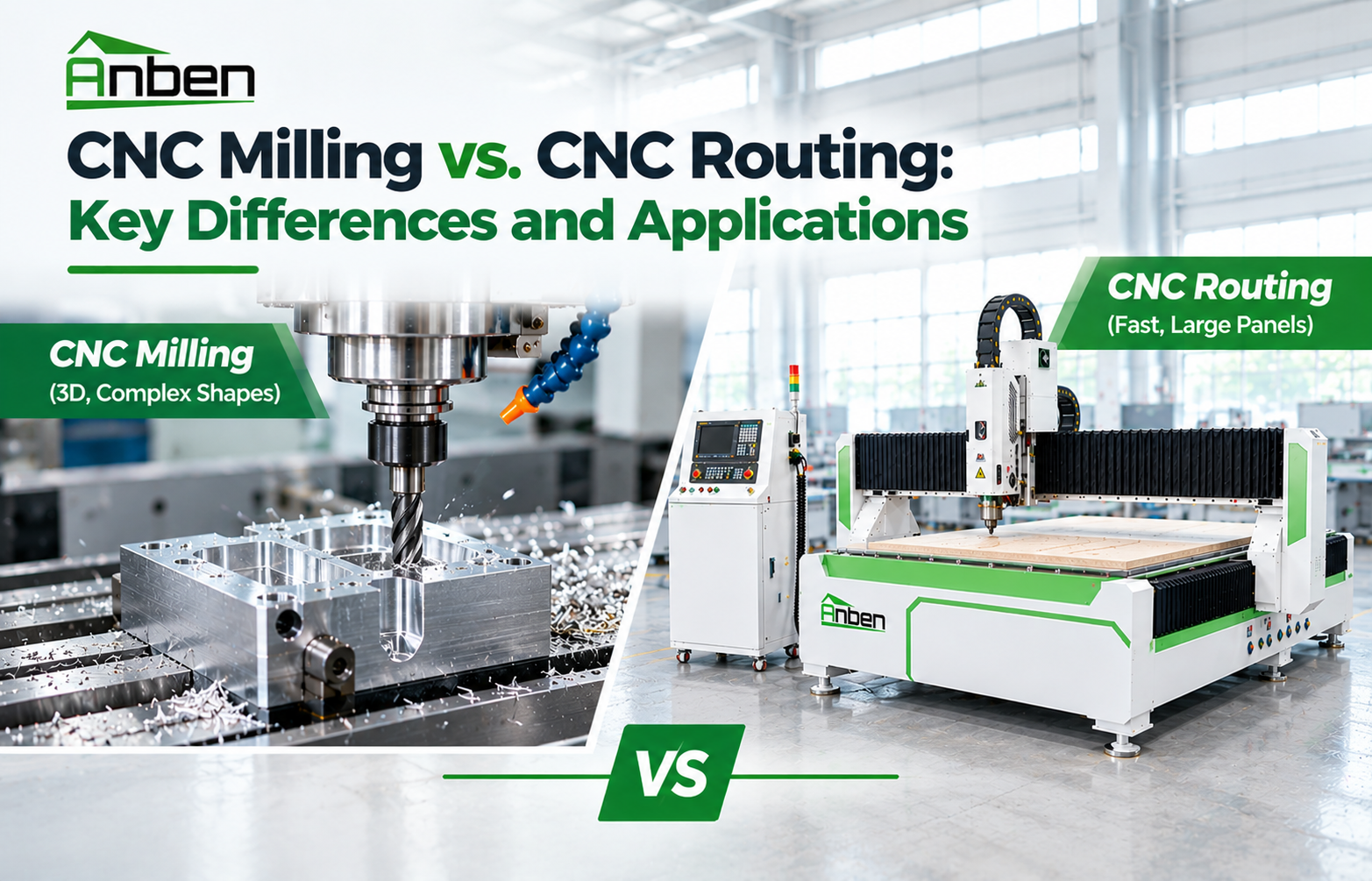
CNC Milling vs. CNC Routing: Key Differences and Applications





CNC milling and CNC routing are both computer-controlled machining processes used to cut and shape materials. Although they share similar principles, they differ in typical machine design, cutting tools, material requirements, and applications. Understanding these differences helps manufacturers choose a suitable CNC machining solution for their production needs.
1. What Is CNC Milling?
CNC milling uses rotating cutting tools to remove material from a workpiece according to a programmed toolpath. Milling machines are commonly designed for rigid machining setups and controlled material removal, including operations that require precise dimensional control.
Common applications:
Machining metal parts and components
Producing slots, pockets, holes, and complex profiles
Manufacturing precision engineering parts
Processing materials that require high machine rigidity
CNC milling is widely used for metalworking, tooling, engineering, and industrial component manufacturing.
2. What Is CNC Routing?
CNC routing also uses a rotating cutting tool controlled by a programmed toolpath. CNC routers are commonly used for sheet materials, larger workpieces, and applications such as cutting, engraving, nesting, and panel processing.
Common applications:
Wood, MDF, plywood, and furniture components
Acrylic, plastics, and signage materials
Aluminum composite panels (ACP/ACM)
Selected aluminum and other non-ferrous materials, when the machine and tooling are suitable
CNC routers are widely used in woodworking, furniture manufacturing, advertising, interior decoration, and panel fabrication.
3. CNC Milling vs. CNC Routing: Key Differences
Machine structure: CNC milling machines are often built for rigid workholding and demanding material removal. CNC routers commonly feature larger working areas for sheet processing and panel production.
Materials: CNC milling is widely associated with metals and engineering components. CNC routing is commonly used for wood, plastics, composites, and sheet materials. Actual capabilities depend on the machine configuration.
Cutting tools: Both processes use rotating cutters, but the tool geometry, diameter, flute design, and operating parameters must match the material and machining task.
Workpiece size: Many CNC routers accommodate large panels and sheet materials. CNC milling machines often focus on smaller or medium-sized components, although machine sizes vary significantly.
Machining requirements: The suitable process depends on required accuracy, surface finish, material removal, workpiece geometry, and production volume—not simply on the machine name.
4. Which Process Should You Choose?
Choose CNC milling when your application requires machining metal components, rigid workholding, or demanding material-removal operations.
Choose CNC routing when your production focuses on sheet materials, woodworking, furniture parts, signage, or large-panel fabrication.
Some CNC routers can also process aluminum and other non-ferrous materials when their rigidity, spindle, tooling, and cutting parameters are appropriate. Always confirm the machine's capabilities for the intended application.
Conclusion
CNC milling and CNC routing share the same basic principle of computer-controlled cutting, but they are commonly optimized for different production tasks. Evaluate your materials, workpiece dimensions, machining requirements, and expected output before selecting a machine.
ANBEN CNC routers support applications such as woodworking, furniture manufacturing, and panel processing. Contact ANBEN with your material type, workpiece dimensions, and machining requirements to discuss a suitable configuration.
 CNC Milling vs. CNC Routing: Key Differences and Applications
- How to Prevent Chipping and Rough Edges in CNC Routing
- How to Calculate CNC Router Production Capacity Before Buying
- How Does V-Grooving Work on ACP and ACM Panels?
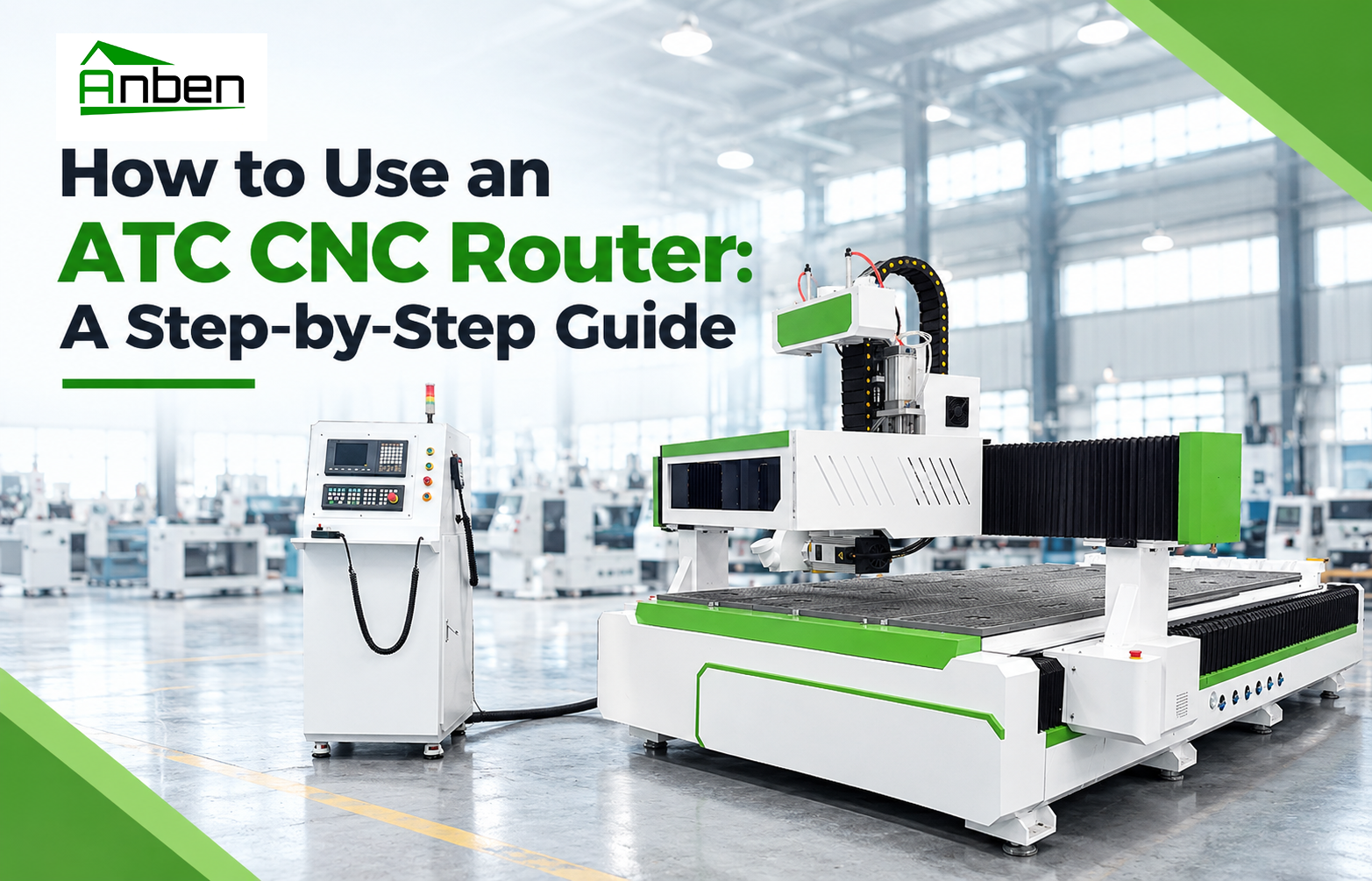
- How to Use an ATC CNC Router: A Step-by-Step Guide
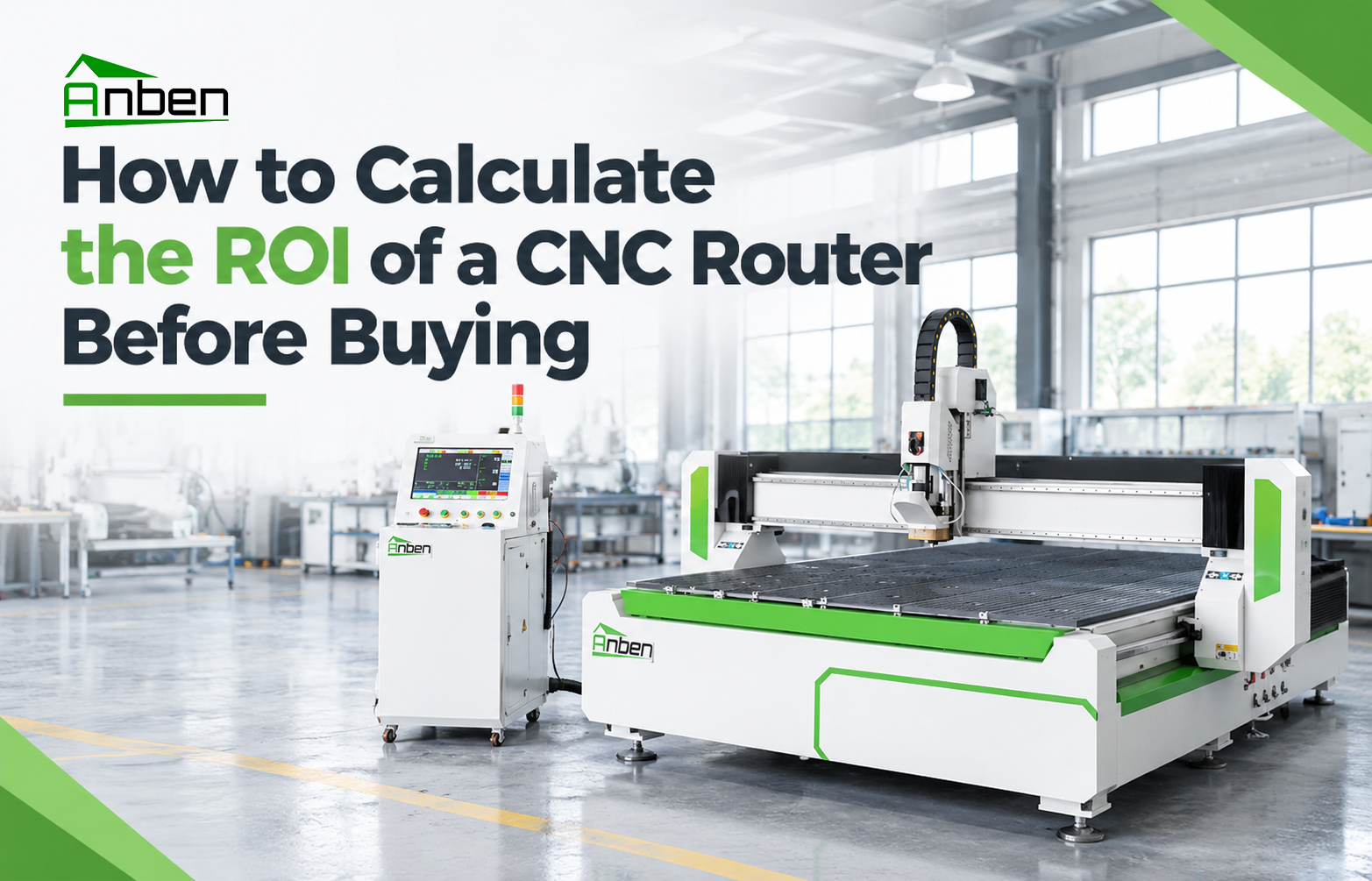
- How to Calculate the ROI of a CNC Router Before Buying
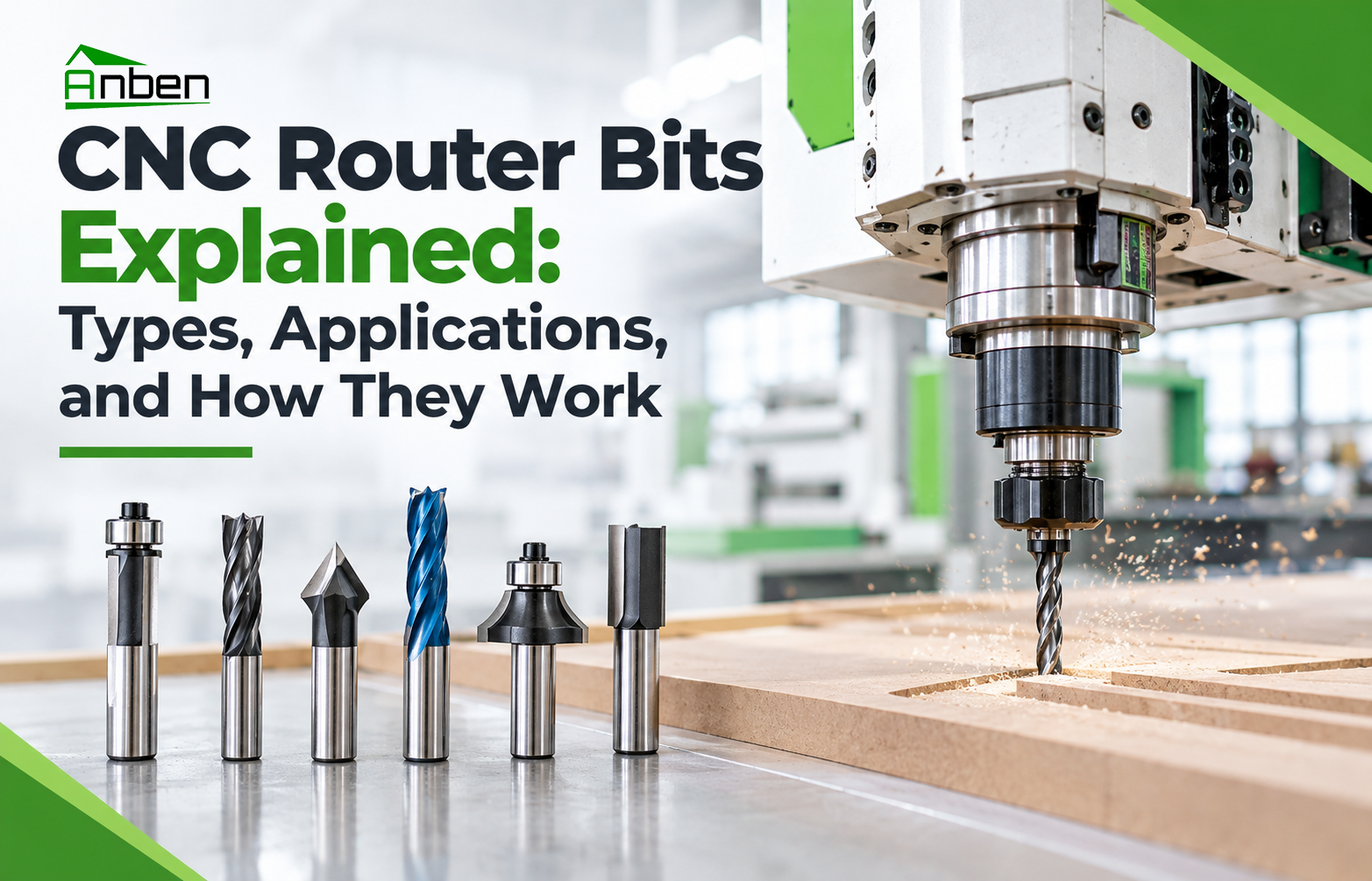
- CNC Router Bits Explained: Types, Applications, and How They Work
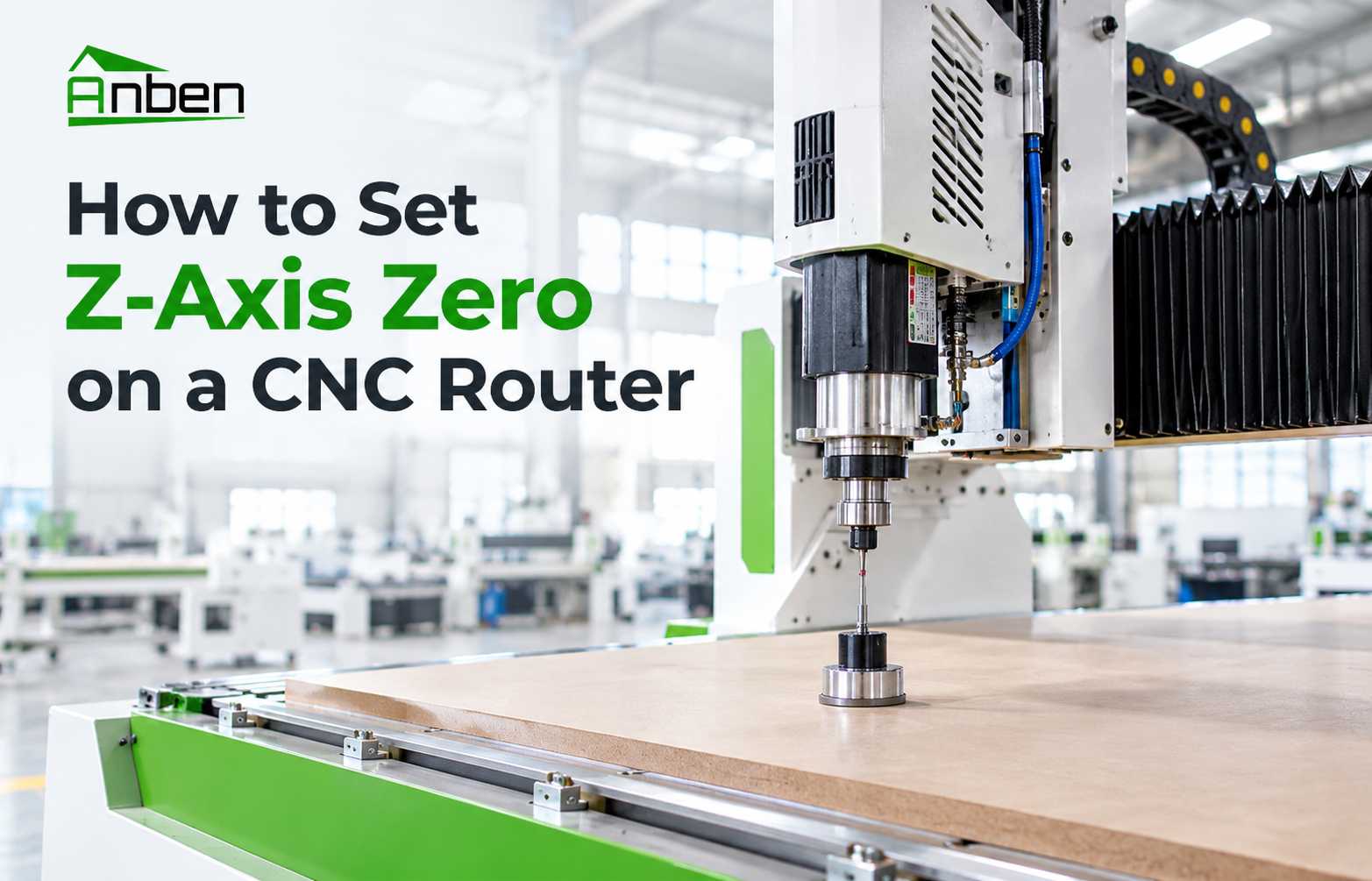
- How to Set Z-Axis Zero on a CNC Router
Related Products
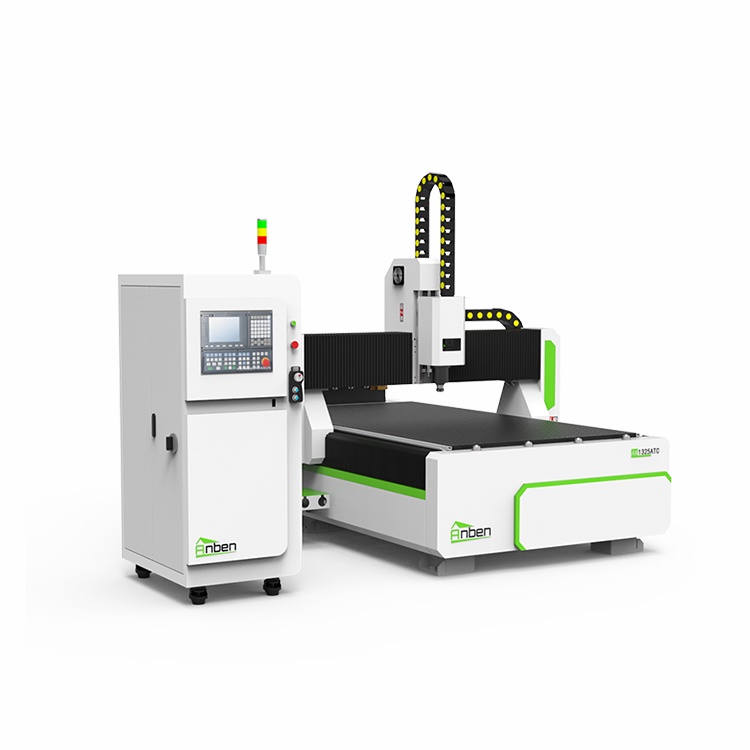
 AN1325ATC Automatic Tool ChangeAnben ATC (Automatic Tool Change)CNC router is popularly used in woodworking, making signs, molds making, art crafts making, etc. The automatic tool changer magazine carries 8-16 cutters. It can save tool change time,more efficient!
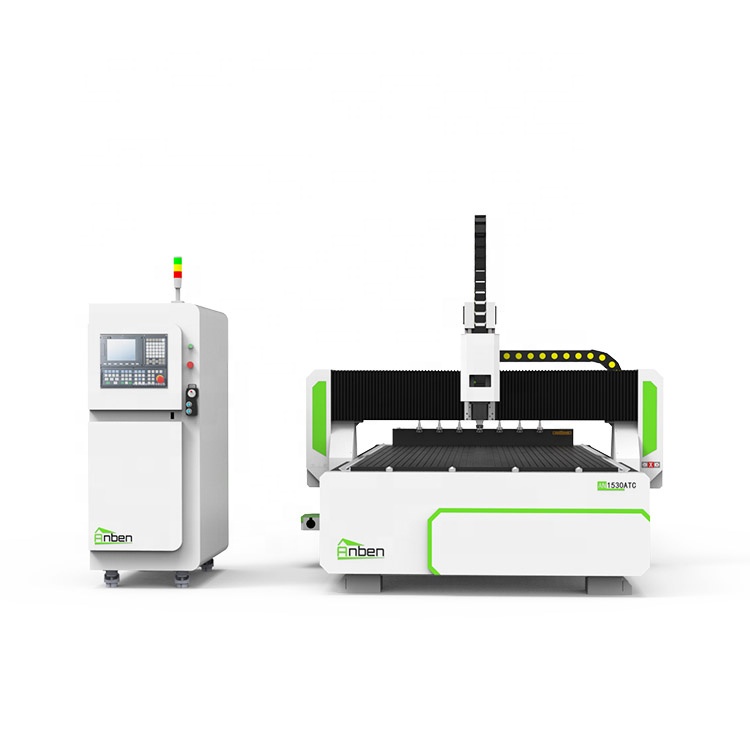
 AN1530ATC Automatic Tool ChangeAnben ATC (Automatic Tool Change)CNC router is popularly used in woodworking, making signs, molds making, art crafts making, etc. The automatic tool changer magazine carries 8-16 cutters. It can save tool change time,more efficient!
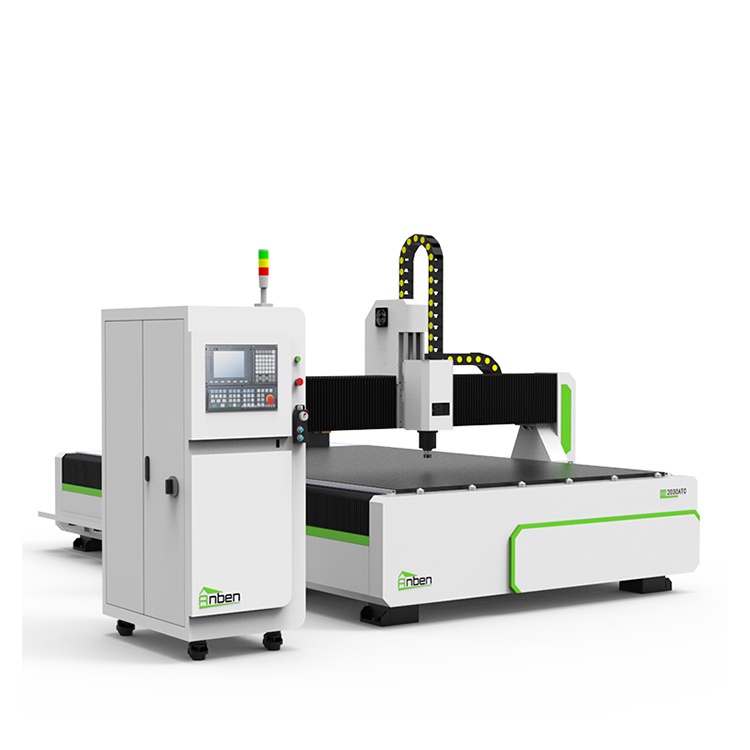
 AN2030ATC Automatic Tool ChangeAnben ATC (Automatic Tool Change)CNC router is popularly used in woodworking, making signs, molds making, art crafts making, etc. The automatic tool changer magazine carries 8-16 cutters. It can save tool change time,more efficient!
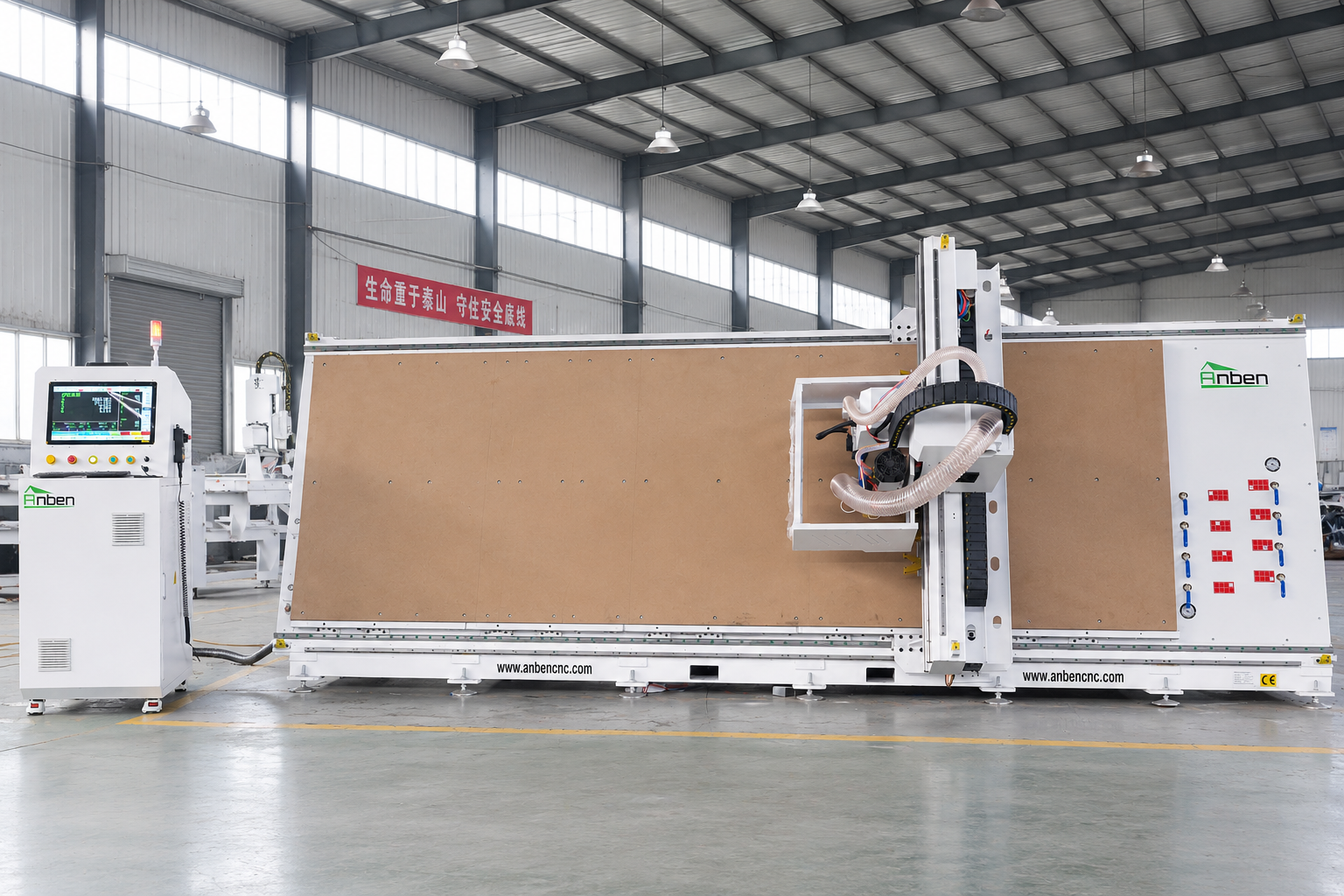
 V-1650 Vertical cnc routerThe vertical cnc significantly reduces the machine’s floor space. It is equipped with 8 sets of ATC tool magazines and other auxiliary devices such as vacuum pump, saw blade,aggregate head, positioning systems, etc. The Vertical cnc can cutting,grooving,engraving,drilling for various types of aluminum composite boards, acrylic boards, fiber boards and other boards. It is suitable for construction facades,cladding ,advertising signs,furniture manufacturing and other industries.
Get in touch

Anben Industrial – Founded in 2017, with a pure engineering spirit, providing trustworthy CNC solutions, born for long-term stable performance.
Contact