

How Does V-Grooving Work on ACP and ACM Panels?





V-grooving is a machining process used to create V-shaped grooves on aluminum composite panels (ACP/ACM). By removing material from the panel's surface and core to a controlled depth, the process allows the panel to be folded into clean angles for architectural cladding, signage, display structures, and decorative applications.
CNC V-grooving helps manufacturers produce consistent groove paths and repeatable panel shapes. The correct tool, groove depth, and machine setup are essential for achieving the required bending result.
1. What Is V-Grooving on ACP/ACM Panels?
ACP and ACM panels typically consist of two thin aluminum sheets bonded to a core material. During V-grooving, a specialized cutting tool removes material along a programmed line, leaving a controlled portion of the panel structure intact.
The remaining material acts as a hinge, allowing the panel to be folded into a desired angle. The exact groove geometry depends on the panel construction, bending requirements, and fabrication method.
2. How Does CNC V-Grooving Work?
A CNC router follows a programmed toolpath to machine grooves at specified positions and depths. A typical workflow includes:
Step 1: Prepare the panel. Confirm panel dimensions, thickness, surface condition, and material specifications.
Step 2: Create the toolpath. Set groove locations, angles, and machining parameters in the CAD/CAM workflow.
Step 3: Select the appropriate tool. Choose a suitable V-grooving cutter based on the required groove profile and panel structure.
Step 4: Set the groove depth. Adjust the cutting depth according to the panel specification and required bending result. Test cuts are recommended before production.
Step 5: Machine and inspect. Run the programmed operation and inspect the groove consistency, remaining material, and folded angle.
3. What Affects ACP V-Grooving Quality?
Several factors influence the quality and consistency of CNC V-grooving:
Groove depth: Excessive cutting may damage the remaining panel structure, while insufficient depth may prevent the panel from folding as intended.
Tool geometry: The cutter angle and profile determine the groove shape.
Panel thickness and core: Different ACP/ACM constructions may require different machining settings.
Machine accuracy: Stable positioning and repeatable depth control help maintain consistent groove dimensions.
Workpiece holding: Secure panel positioning reduces movement during machining.
Always follow the panel manufacturer's fabrication recommendations and verify settings with a test piece.
4. Why Use a CNC Router for ACP/ACM V-Grooving?
A CNC router can machine programmed groove paths with repeatable positioning, making it suitable for custom panel fabrication and production work. Depending on the machine configuration, additional cutting, routing, or tool-changing options can support multiple operations in one workflow.
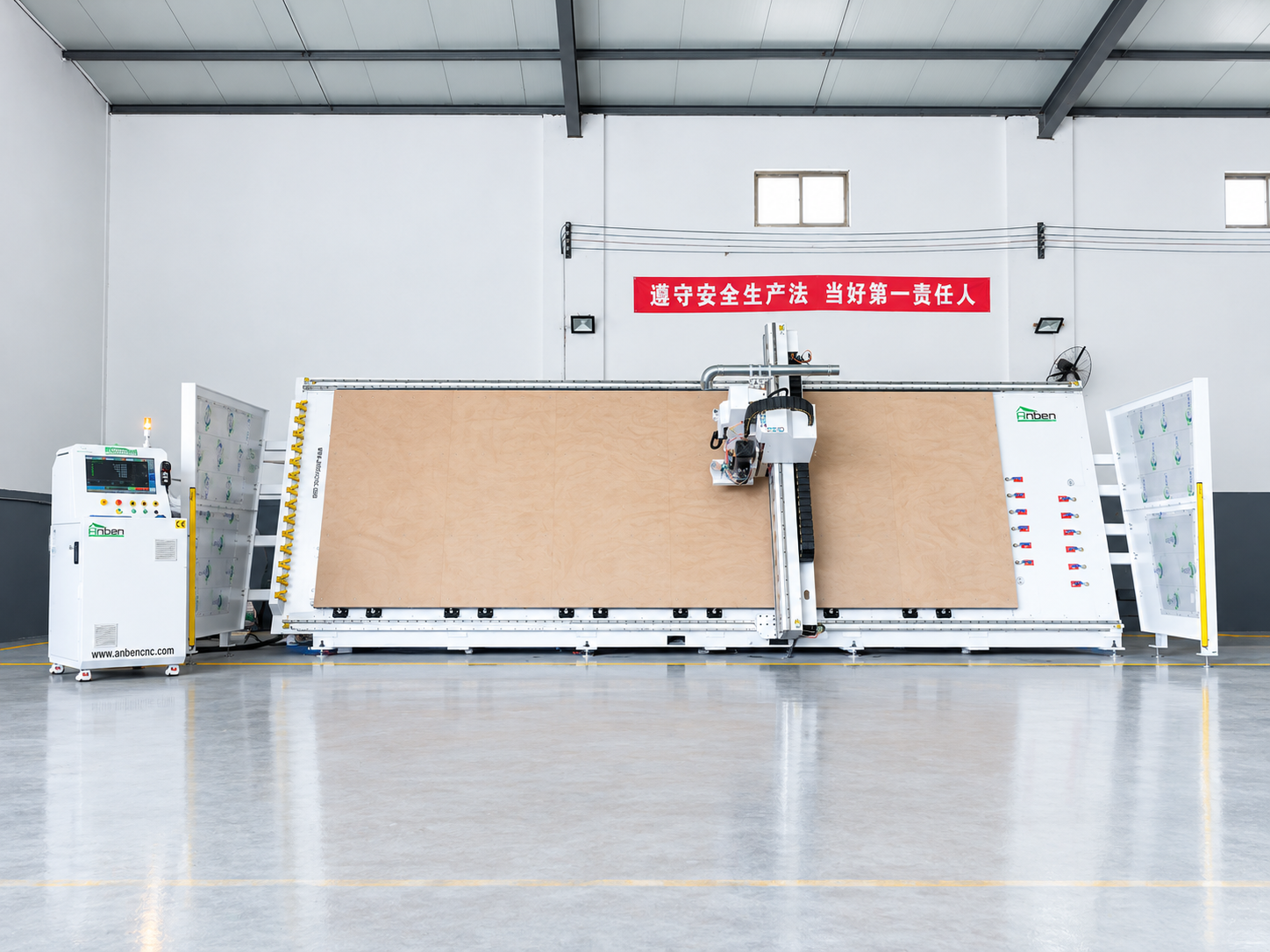
For large panels, a vertical CNC router may help reduce the floor space required compared with some horizontal setups. The suitable machine depends on panel dimensions, production volume, tooling requirements, and workshop layout.
5. Common Applications of ACP/ACM V-Grooving
CNC V-grooving is commonly used to prepare composite panels for:
Architectural cladding and facade components
Signage and display structures
Decorative wall panels
Folded boxes, channels, and custom panel profiles
The appropriate groove design depends on the intended application and the panel manufacturer's specifications.
Conclusion
V-grooving on ACP/ACM panels uses controlled CNC cutting to create grooves that support accurate panel folding. Groove depth, cutter geometry, panel construction, and machine setup all affect the final result.
ANBEN CNC router solutions can be configured for different panel-processing requirements. Evaluate working dimensions, tooling options, and machining operations to identify a suitable setup for your ACP/ACM fabrication workflow.
 How Does V-Grooving Work on ACP and ACM Panels?
- How to Use an ATC CNC Router: A Step-by-Step Guide
- How to Calculate the ROI of a CNC Router Before Buying
 CNC Router Bits Explained: Types, Applications, and How They Work
- How to Set Z-Axis Zero on a CNC Router
- When Should You Upgrade to an ATC CNC Router?
 Daily CNC Router Maintenance Checklist for Operators
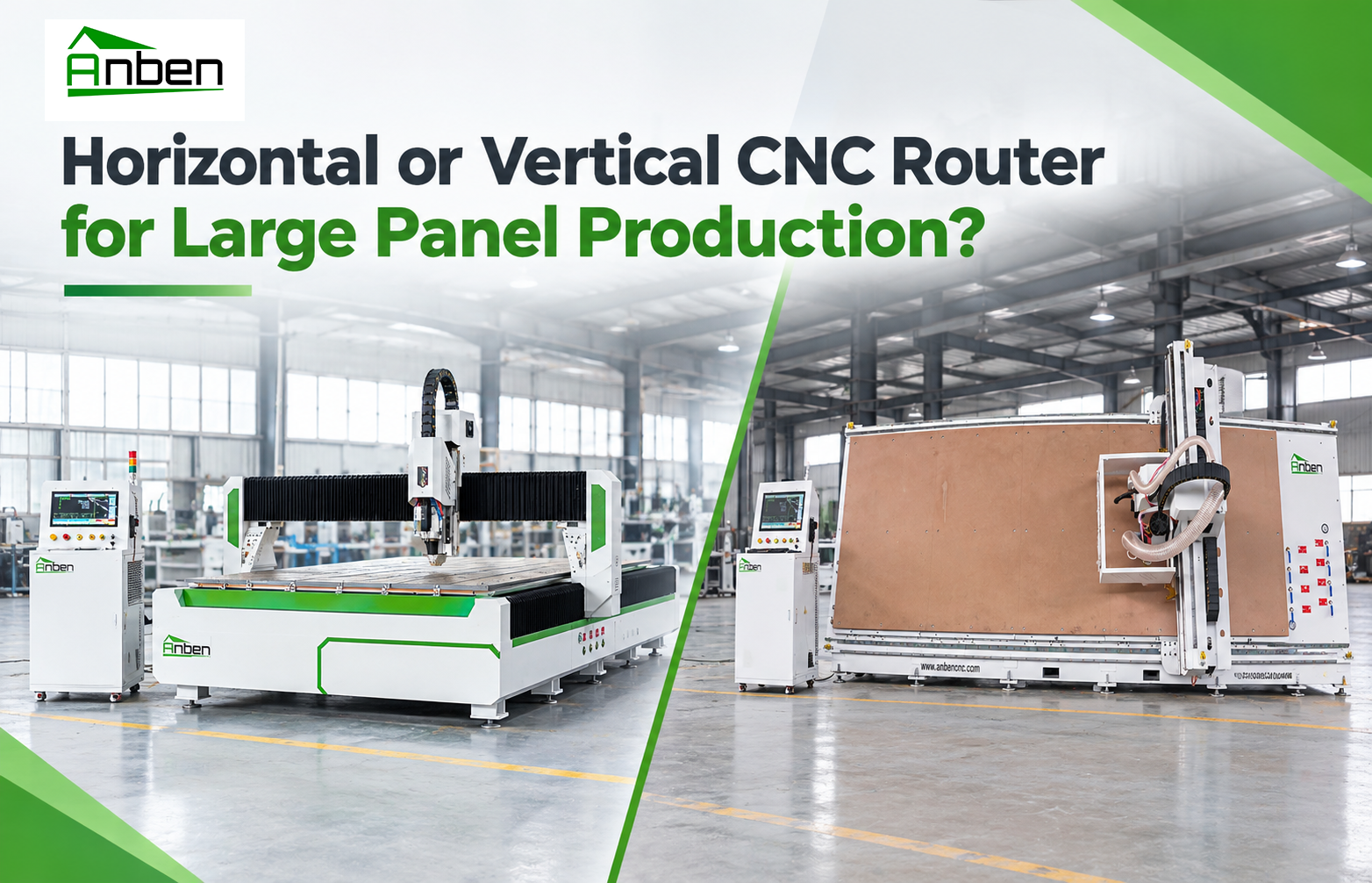
 Horizontal or Vertical CNC Router for Large Panel Production?

Related Products
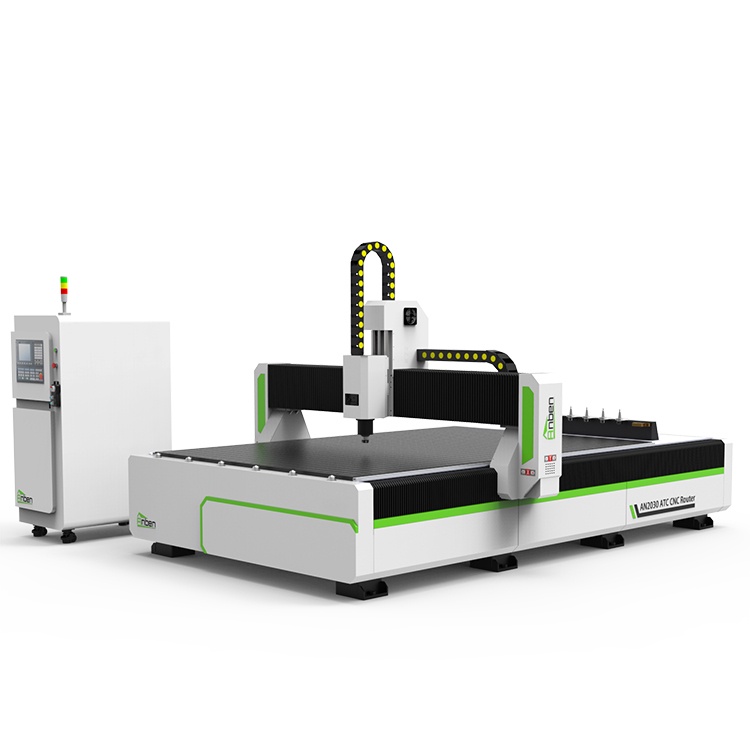
 AN2040ATC Automatic Tool ChangeAnben ATC (Automatic Tool Change)CNC router is popularly used in woodworking, making signs, molds making, art crafts making, etc. The automatic tool changer magazine carries 8-16 cutters. It can save tool change time,more efficient!
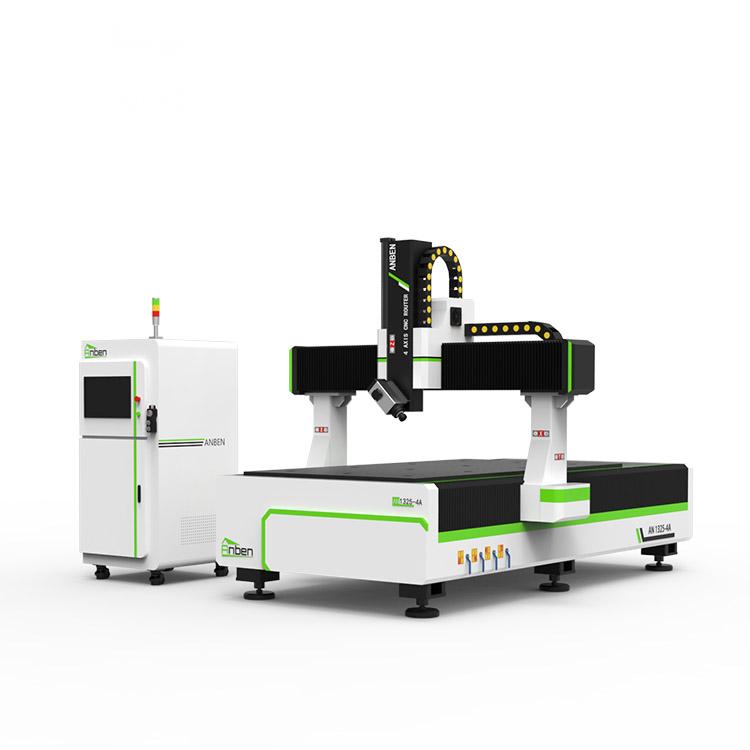
 AN1325-4 axisAnben 4 Axis CNC Router Machine with 4 axis ATC spindle is good at heavy-duty and complex 3d wood cutting and carving of wood panel, MDF, plywood, etc. All the working areas and specifications can be customized according to your requests.
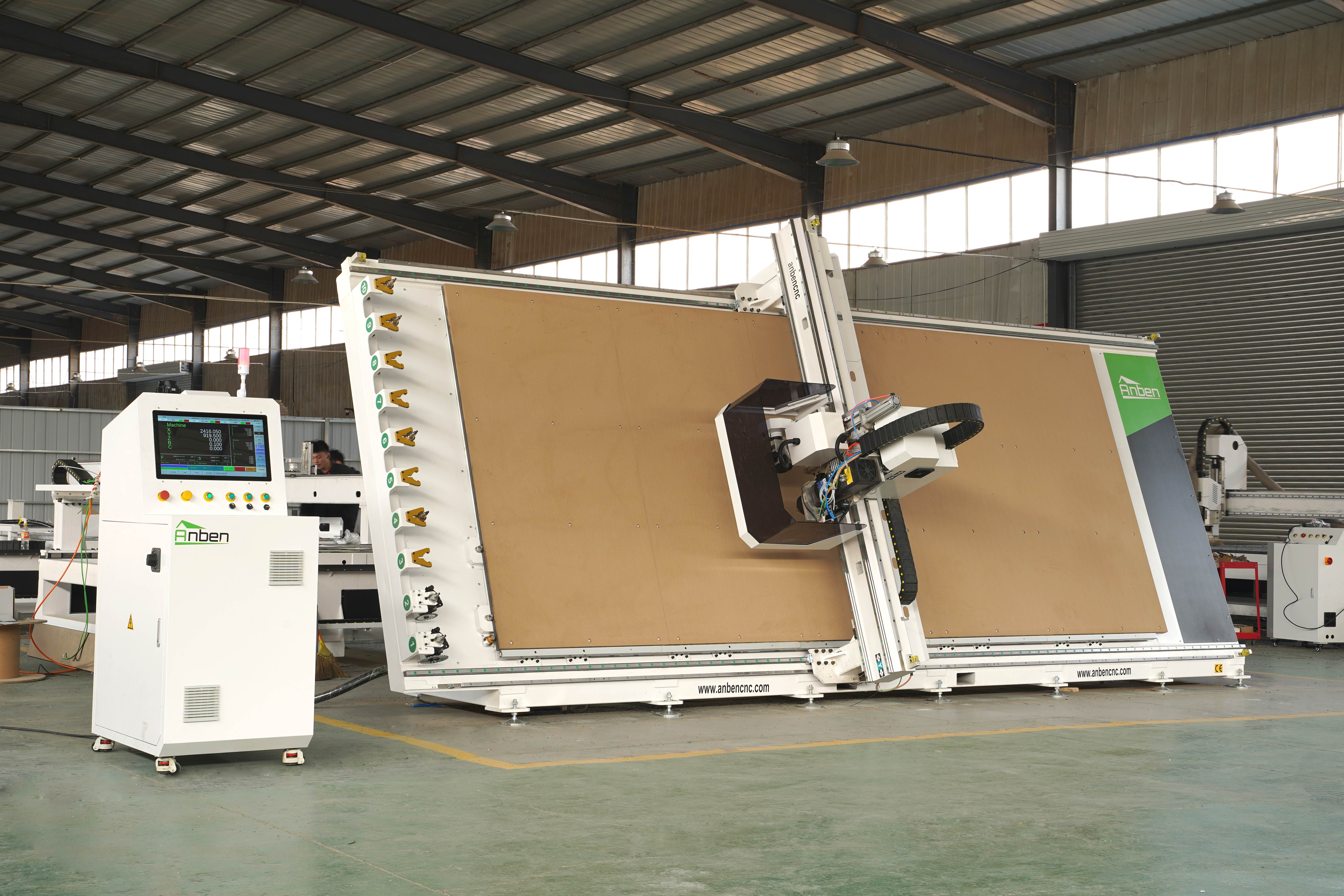
 V-2151 Vertical cnc routerThe vertical cnc significantly reduces the machine’s floor space. It is equipped with 8 sets of ATC tool magazines and other auxiliary devices such as vacuum pump, saw blade,aggregate head, positioning systems, etc. The Vertical cnc can cutting,grooving,engraving,drilling for various types of aluminum composite boards, acrylic boards, fiber boards and other boards. It is suitable for construction facades,cladding ,advertising signs,furniture manufacturing and other industries.
 V-2162 Vertical cnc routerThe vertical cnc significantly reduces the machine’s floor space. It is equipped with 8 sets of ATC tool magazines and other auxiliary devices such as vacuum pump, saw blade,aggregate head, positioning systems, etc. The Vertical cnc can cutting,grooving,engraving,drilling for various types of aluminum composite boards, acrylic boards, fiber boards and other boards. It is suitable for construction facades,cladding ,advertising signs,furniture manufacturing and other industries.
Get in touch

Anben Industrial – Founded in 2017, with a pure engineering spirit, providing trustworthy CNC solutions, born for long-term stable performance.
Contact