

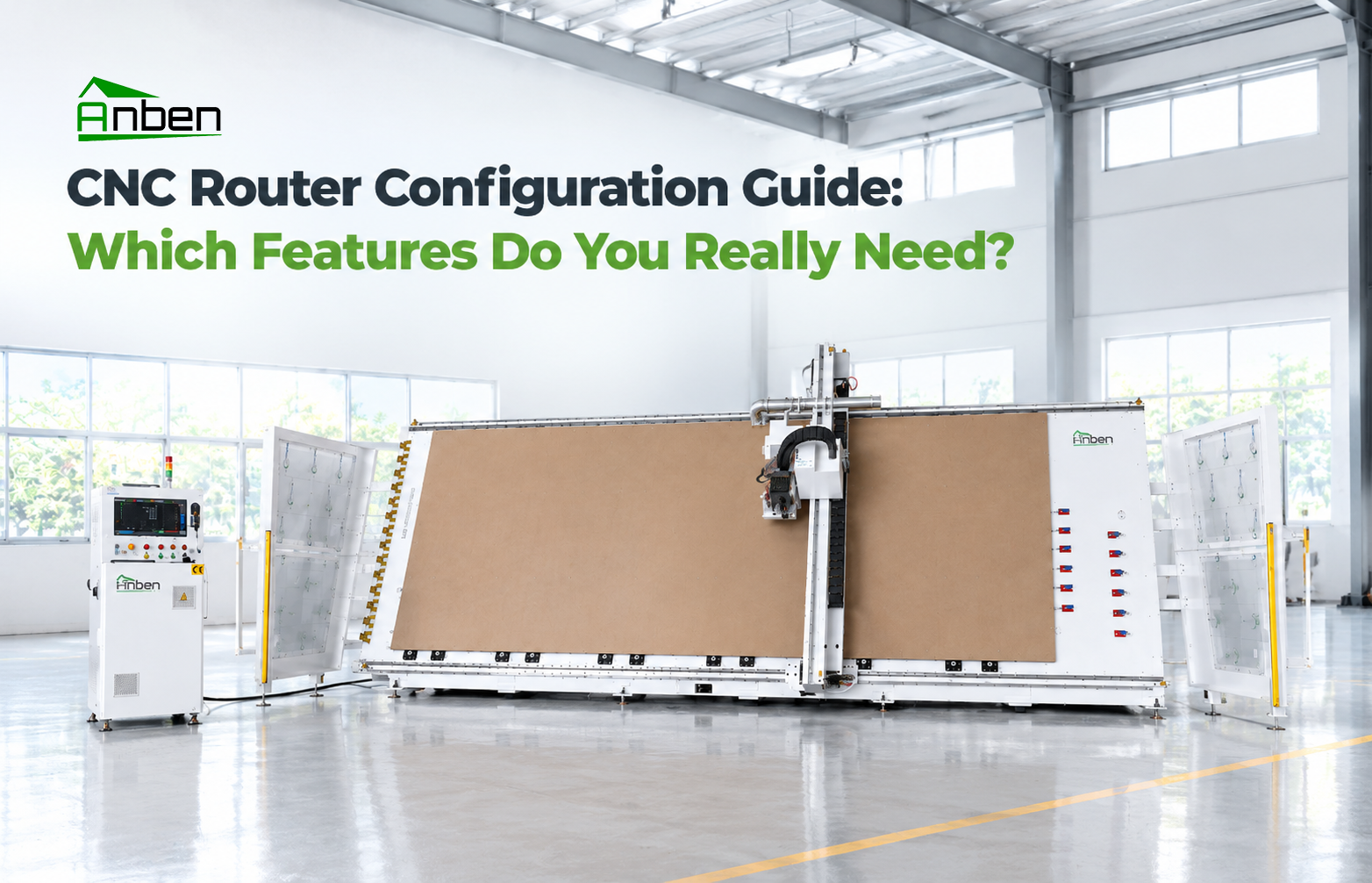
CNC Router Configuration Guide: Which Features Do You Really Need?





Choosing the right CNC router configuration is essential for improving production efficiency and controlling equipment costs. The best CNC router is not necessarily the one with the most features, but the one that matches your materials, product sizes, machining processes, and production volume.
This guide explains the key CNC router features to consider before buying.
1. Choose the Right Working Area
The working area determines the maximum material size your CNC router can process in one setup.
Small and medium panels: Suitable for furniture components, cabinet doors, signs, and custom parts.
Large panels: Require a working area that accommodates your typical sheet dimensions.
Long or oversized workpieces: May need a customized machine structure or specialized loading solution.
Choose a working area based on your actual workpieces, not just the largest material you might process occasionally.
2. Select the Right Spindle Power
Spindle power affects cutting capability, tool selection, and machining efficiency. The ideal spindle depends on material type, cutting depth, tool diameter, and production requirements.
For wood, MDF, plywood, and plastic panels, select a spindle that supports your typical cutting operations. For aluminum or other demanding materials, consider machine rigidity, spindle specifications, tooling, and cutting parameters together.
Higher power alone does not guarantee better machining results.
3. Do You Need an ATC System?
An automatic tool changer (ATC) changes tools automatically during machining, reducing manual tool changes and interruptions.
Standard spindle configuration: Suitable for simpler jobs with few tool changes.
ATC configuration: Useful for nesting, cabinet production, drilling, milling, and jobs requiring multiple tools.
If your production involves frequent tool changes or repeat orders, an ATC CNC router may improve workflow consistency and reduce operator intervention.
4. Choose the Right Control System
The CNC controller manages machining programs, motion, and machine operations. When comparing options, consider ease of operation, compatibility with your workflow, available functions, and operator training requirements.
A suitable control system should support your daily production process rather than add unnecessary complexity.
5. Match the Workholding and Vacuum System
A suitable workholding system keeps material stable during machining.
A vacuum table is commonly used for sheet materials such as MDF, plywood, and other panels. Consider material porosity, part size, nesting layout, and vacuum pump capacity. Small parts or materials that are difficult to hold may require additional mechanical or pneumatic workholding.
6. Add Specialized Features Only When Needed
Additional features can expand machining capabilities, but they should solve a real production need.
Drilling units: For jobs requiring multiple holes.
Aggregate heads or C-axis: For angled machining or specialized cutting operations, depending on machine compatibility.
Saw blade units: For suitable panel cutting and grooving applications.
Dust collection: Helps manage chips and dust and maintain a cleaner work area.
Confirm compatibility and available configurations with your machine supplier before ordering.
7. Use This Checklist Before Buying
Before requesting a CNC router quotation, clarify:
What materials do you process most often?
What are the typical and maximum workpiece dimensions?
How many tools are needed per job?
What cutting, drilling, grooving, or angled operations are required?
What production volume do you expect?
What are your available floor space, budget, and operator skill levels?
Conclusion
The right CNC router configuration balances machining capability, automation, accuracy requirements, and investment cost. Start with your real production tasks, then select the working area, spindle, ATC, controller, workholding, and optional features accordingly.
ANBEN CNC offers horizontal and vertical CNC router solutions for different materials and production workflows. Contact our team to discuss your application and identify a configuration that fits your business needs.
 CNC Router Configuration Guide: Which Features Do You Really Need?
 CNC Milling vs. CNC Routing: Key Differences and Applications
- How to Prevent Chipping and Rough Edges in CNC Routing
- How to Calculate CNC Router Production Capacity Before Buying
- How Does V-Grooving Work on ACP and ACM Panels?
- How to Use an ATC CNC Router: A Step-by-Step Guide
- How to Calculate the ROI of a CNC Router Before Buying
- CNC Router Bits Explained: Types, Applications, and How They Work
Related Products
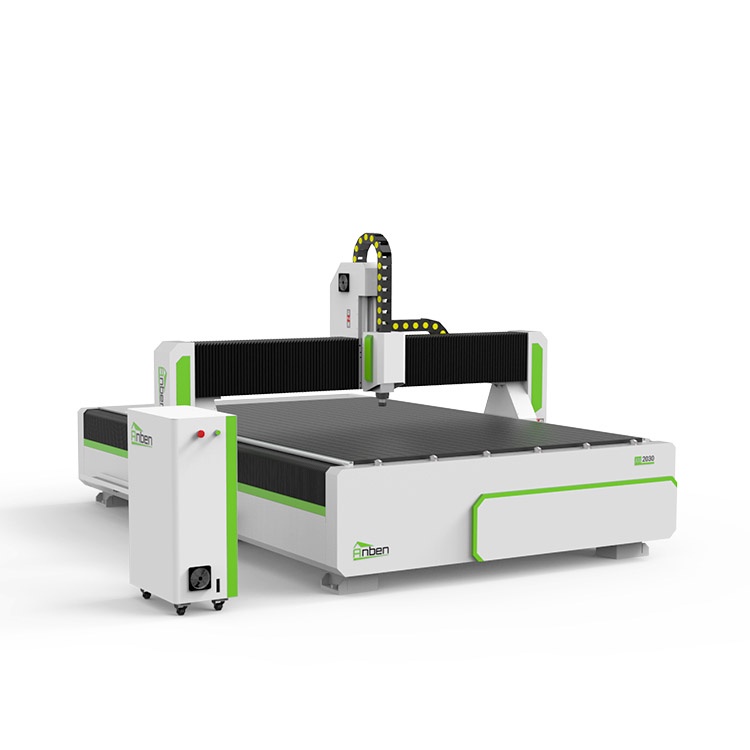
 AN2030 Manual Tool ChangeThe Anben MTC(Manual tool change)-- a professional yet affordable 3 axis CNC wood router, designed for woodworking shops, cabinet manufacturers, and industrial workshops. This budget-friendly CNC router delivers high precision and durability for wood machining, acrylic cutting, aluminum cutting, sign making, and furniture production.
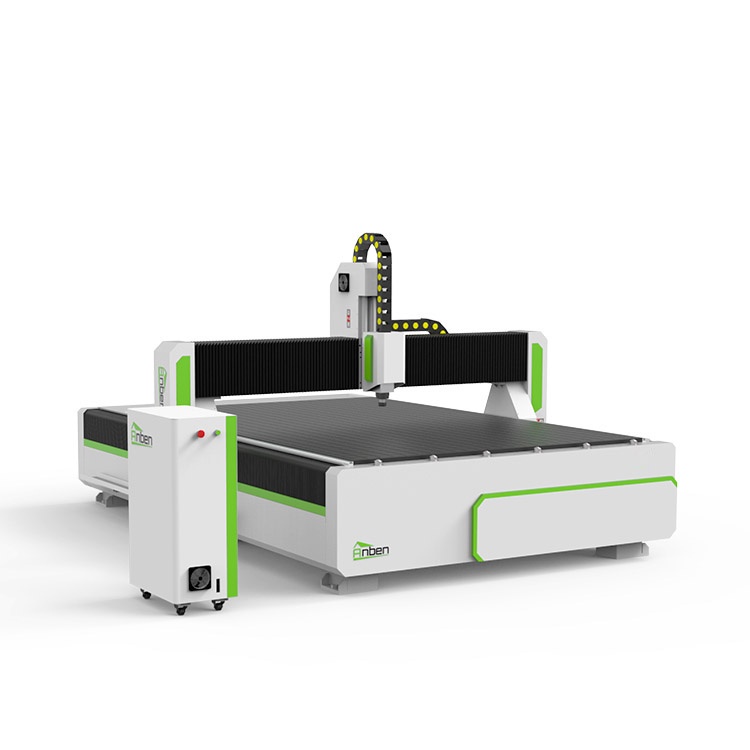
 AN2040 Manual Tool ChangeThe Anben MTC(Manual tool change)-- a professional yet affordable 3 axis CNC wood router, designed for woodworking shops, cabinet manufacturers, and industrial workshops. This budget-friendly CNC router delivers high precision and durability for wood machining, acrylic cutting, aluminum cutting, sign making, and furniture production.
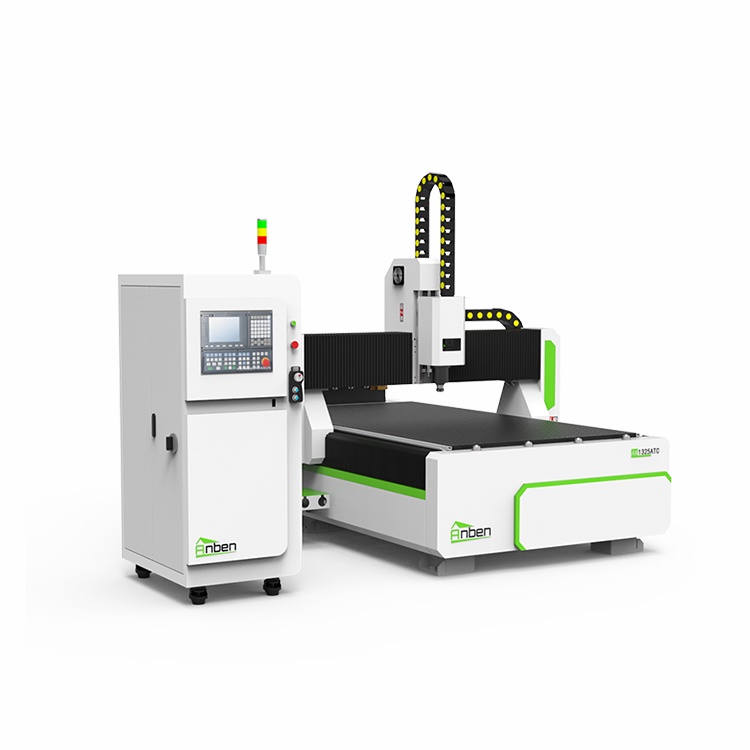
 AN1325ATC Automatic Tool ChangeAnben ATC (Automatic Tool Change)CNC router is popularly used in woodworking, making signs, molds making, art crafts making, etc. The automatic tool changer magazine carries 8-16 cutters. It can save tool change time,more efficient!
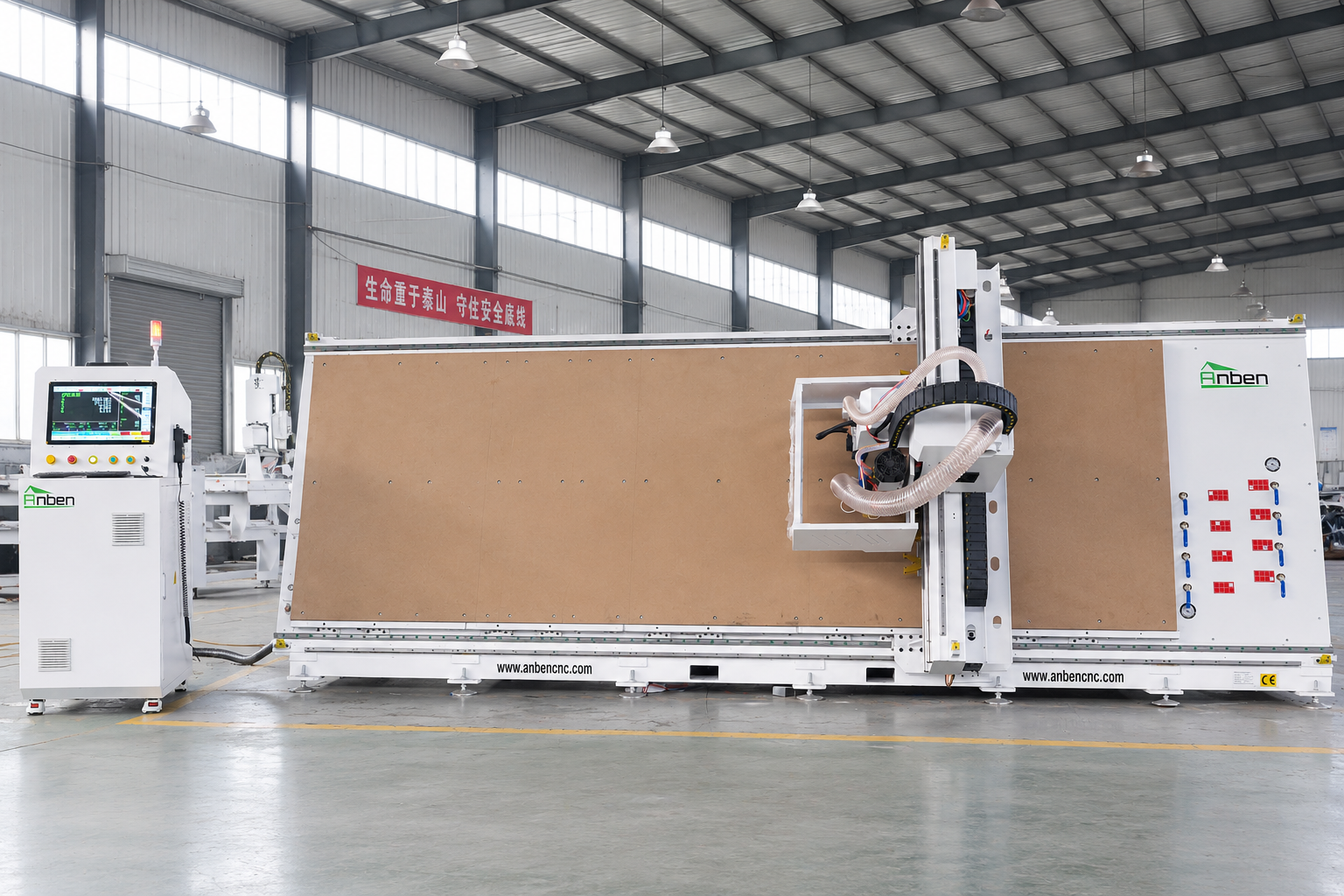
 V-1650 Vertical cnc routerThe vertical cnc significantly reduces the machine’s floor space. It is equipped with 8 sets of ATC tool magazines and other auxiliary devices such as vacuum pump, saw blade,aggregate head, positioning systems, etc. The Vertical cnc can cutting,grooving,engraving,drilling for various types of aluminum composite boards, acrylic boards, fiber boards and other boards. It is suitable for construction facades,cladding ,advertising signs,furniture manufacturing and other industries.
Get in touch

Anben Industrial – Founded in 2017, with a pure engineering spirit, providing trustworthy CNC solutions, born for long-term stable performance.
Contact