

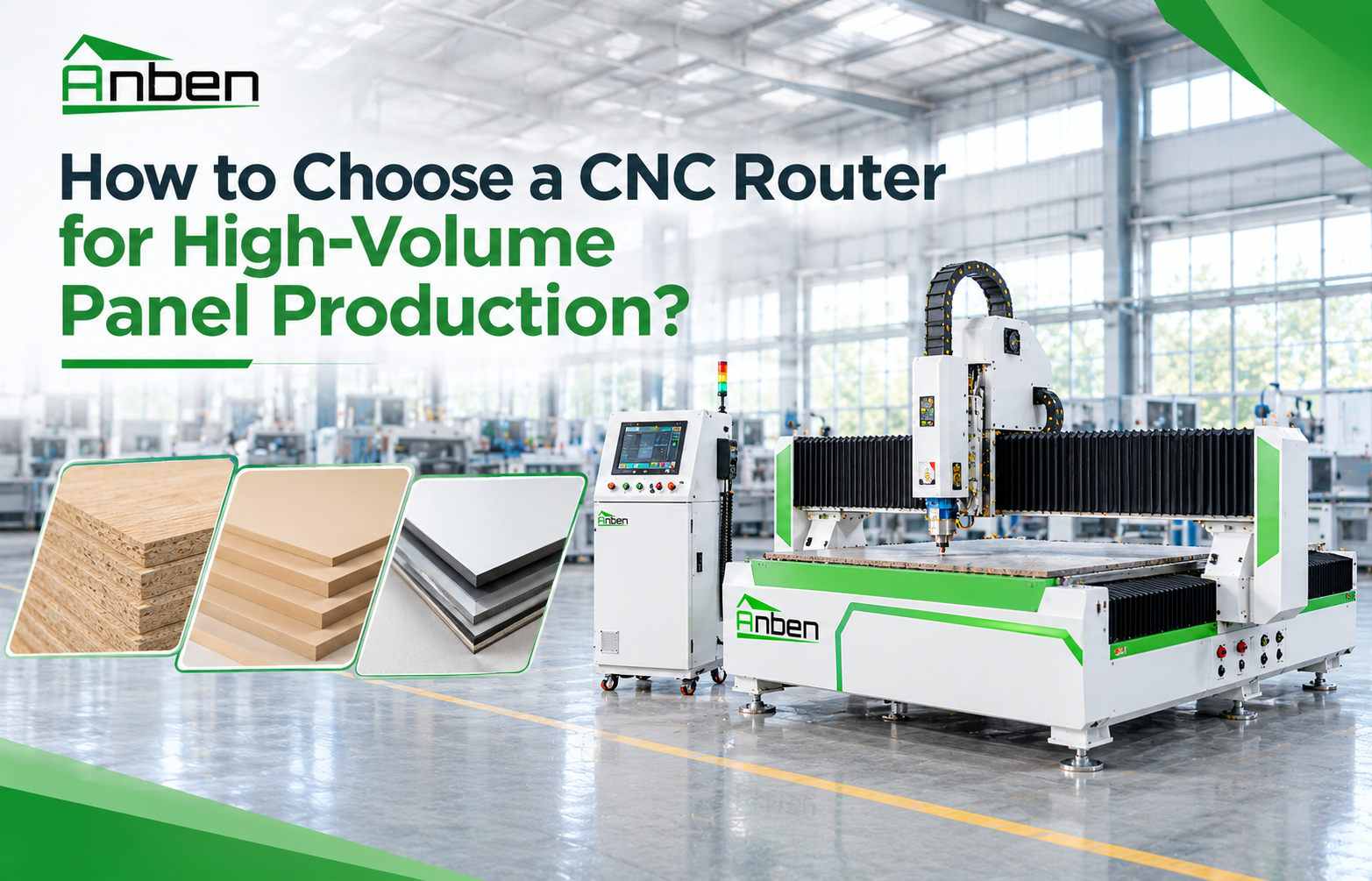
How to Choose a CNC Router for High-Volume Panel Production?





High-volume panel production requires more than a powerful CNC router. Manufacturers need the right working area, reliable machining performance, efficient tool changes, and a workflow that minimizes downtime.
Whether you produce cabinet components, furniture panels, signage, or aluminum composite panels, choosing the right CNC router configuration can help improve productivity and maintain consistent quality.
1. Match the Working Area to Your Panel Size
The CNC router's working area should accommodate your typical panel dimensions and machining requirements.
Standard-size panels: Choose a working area that fits your common sheet sizes and production layout.
Large panels: Consider a larger working area or a vertical CNC router, depending on material handling and floor space.
Mixed-size production: Evaluate how different part sizes can be arranged to reduce material waste and unnecessary setup.
Select a machine based on actual production needs rather than maximum working area alone.
2. Consider an ATC CNC Router
An automatic tool changer (ATC) automatically changes tools during machining, reducing manual intervention between operations.
An ATC CNC router is particularly useful when panel production involves cutting, drilling, slotting, or other processes that require multiple tools. Tool capacity should match the number of tools used in your typical programs.
For simpler jobs with few tool changes, a standard spindle configuration may be sufficient.
3. Optimize Loading and Unloading
Material handling can become a production bottleneck when machining large quantities of panels.
Consider how operators load raw panels, position workpieces, unload finished parts, and prepare the next job. Depending on your workflow, positioning devices, suitable workholding, or specialized loading solutions may help reduce handling time.
A vertical CNC router may save floor space in certain panel-processing environments, while a horizontal CNC router may better suit other nesting and woodworking workflows.
4. Prioritize Stability and Consistent Quality
High-volume production requires repeatable machining results across many workpieces.
When evaluating a CNC router, consider machine rigidity, spindle capability, motion system, workholding, dust extraction, and controller functions. These factors work together to influence cutting quality, dimensional consistency, and production reliability.
The right configuration should match your materials, tooling, cutting depth, and required tolerances.
5. Choose Features Based on Your Production Process
Additional features can improve efficiency when they address specific production requirements.
Vacuum workholding: Helps secure suitable sheet materials during machining.
Drilling units: Support production involving multiple holes and cabinet components.
Saw blade or aggregate heads: Enable specialized cutting or angled operations when supported by the machine.
Dust collection: Helps manage chips and dust in the work area.
Suitable control software: Supports repeatable programs and efficient job preparation.
Avoid paying for features that your production process rarely uses.
6. Evaluate Total Production Cost
Compare more than the initial machine price. Consider tooling, energy, maintenance, labor, consumables, downtime, and operator training.
A suitable CNC router can improve overall production efficiency when its capabilities align with your workload. Ask suppliers about machine configuration, installation, training, spare parts, and after-sales support before making a decision.
Conclusion
The best CNC router for high-volume panel production balances working area, automation, machining stability, material handling, and operating costs. Define your panel sizes, daily output targets, materials, and machining operations before selecting a configuration.
ANBEN CNC offers horizontal and vertical CNC router solutions for different panel-processing workflows. Contact our team to discuss your production requirements and find a suitable machine configuration.
 ATC CNC Router Tool Change Errors: Causes and Checks.
 How to Choose a CNC Router for High-Volume Panel Production?
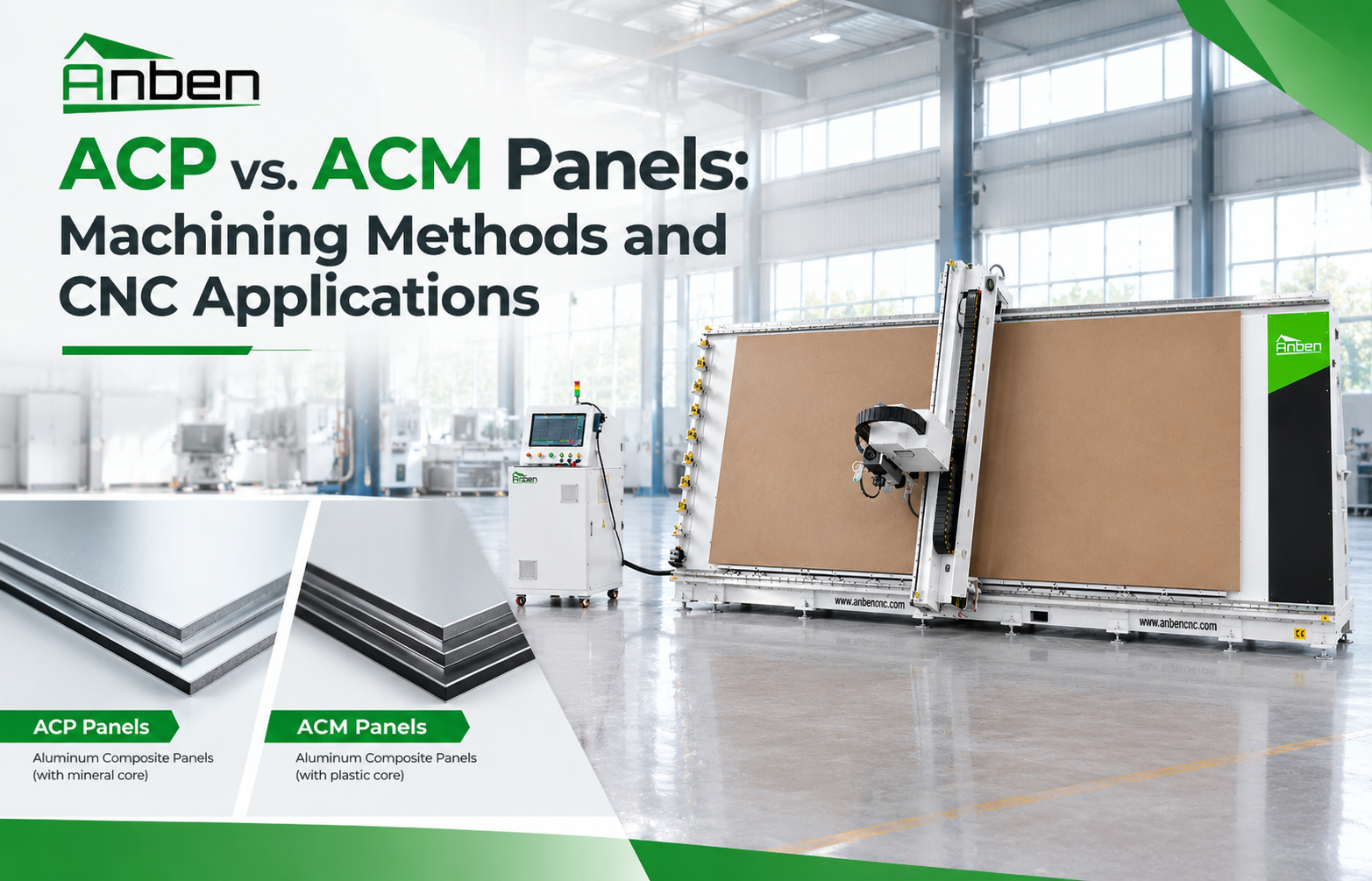
- ACP vs. ACM Panels: Machining Methods and CNC Applications
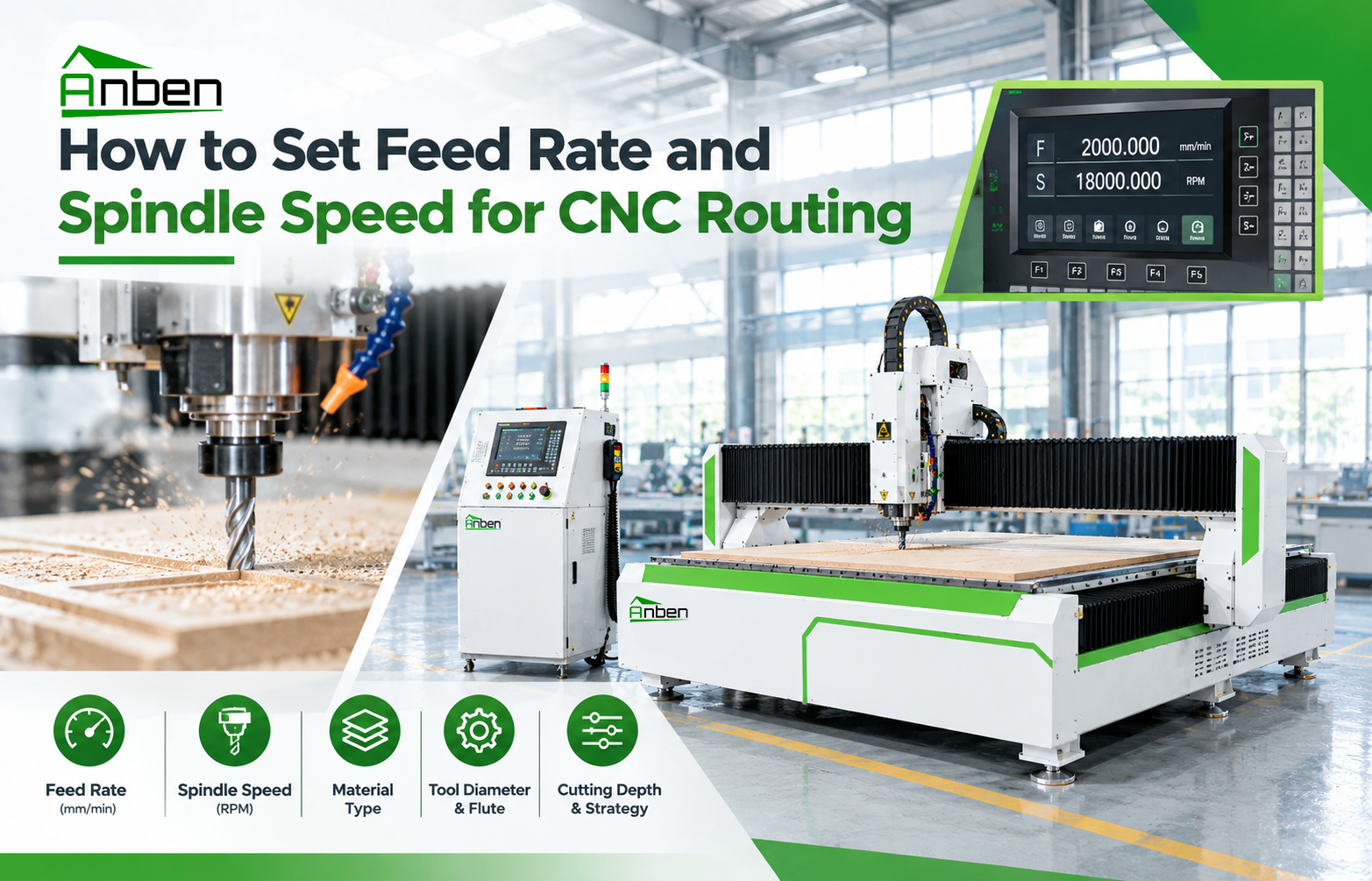
- How to Set Feed Rate and Spindle Speed for CNC Routing
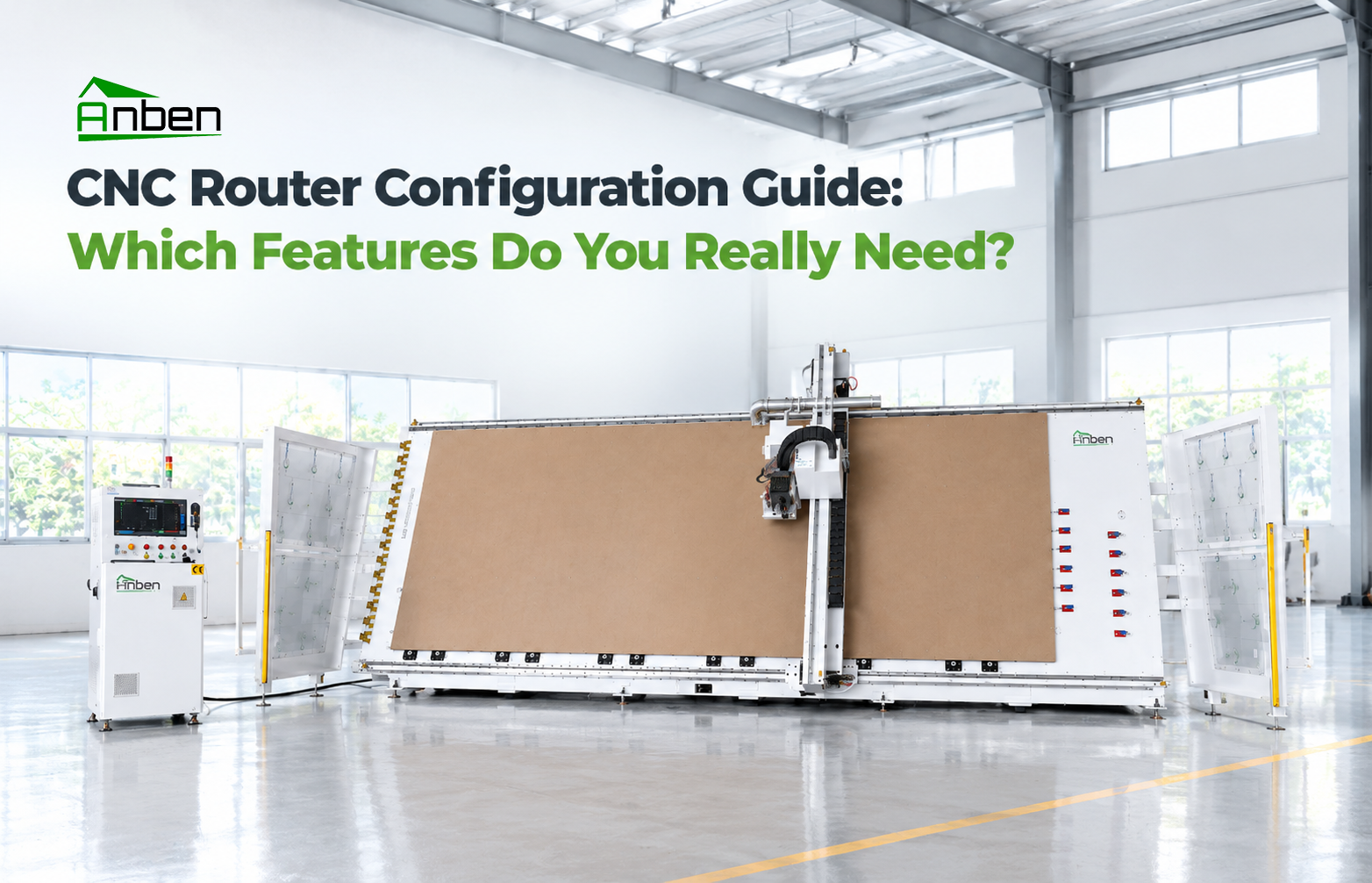
 CNC Router Configuration Guide: Which Features Do You Really Need?
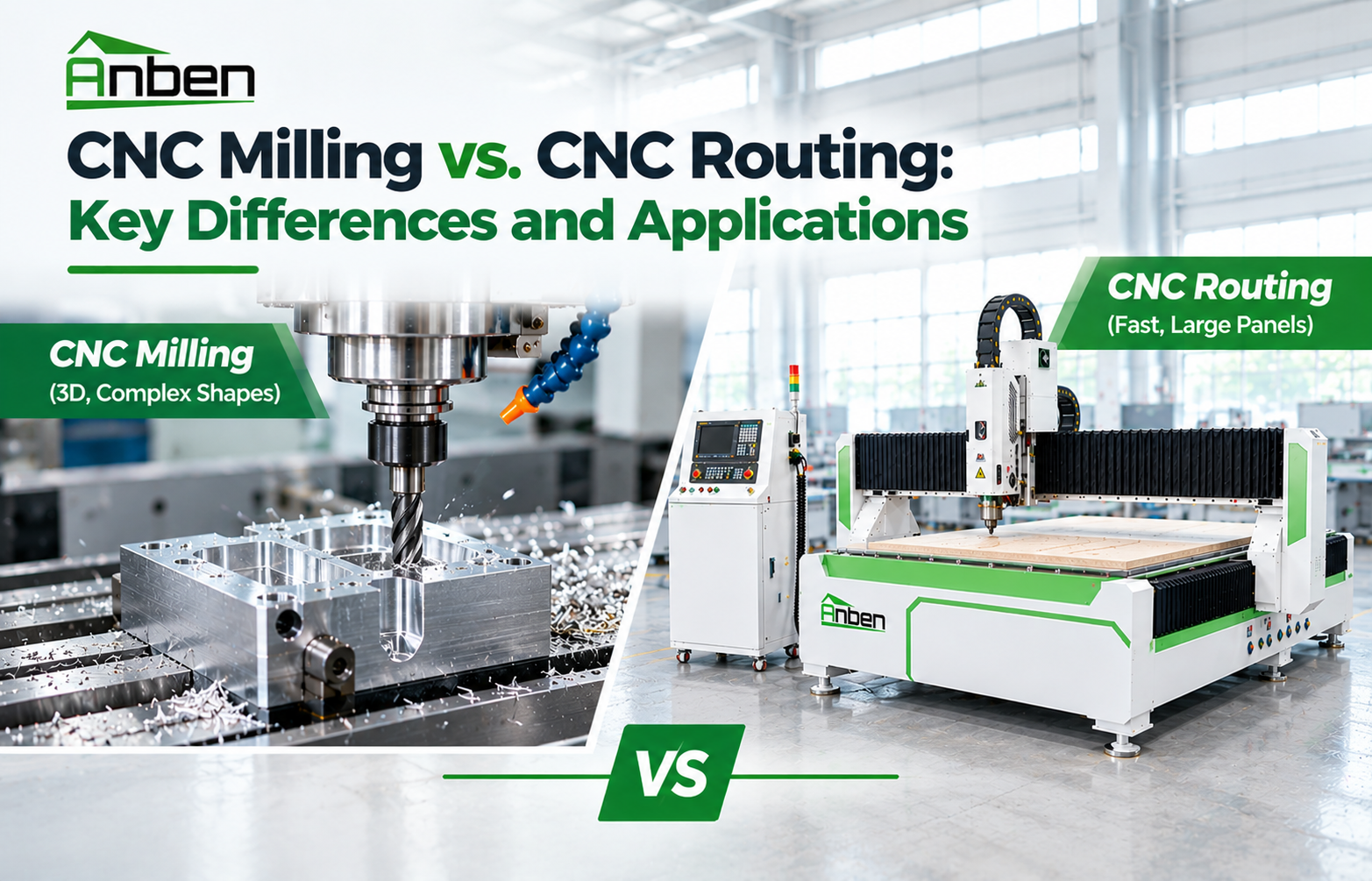
- CNC Milling vs. CNC Routing: Key Differences and Applications
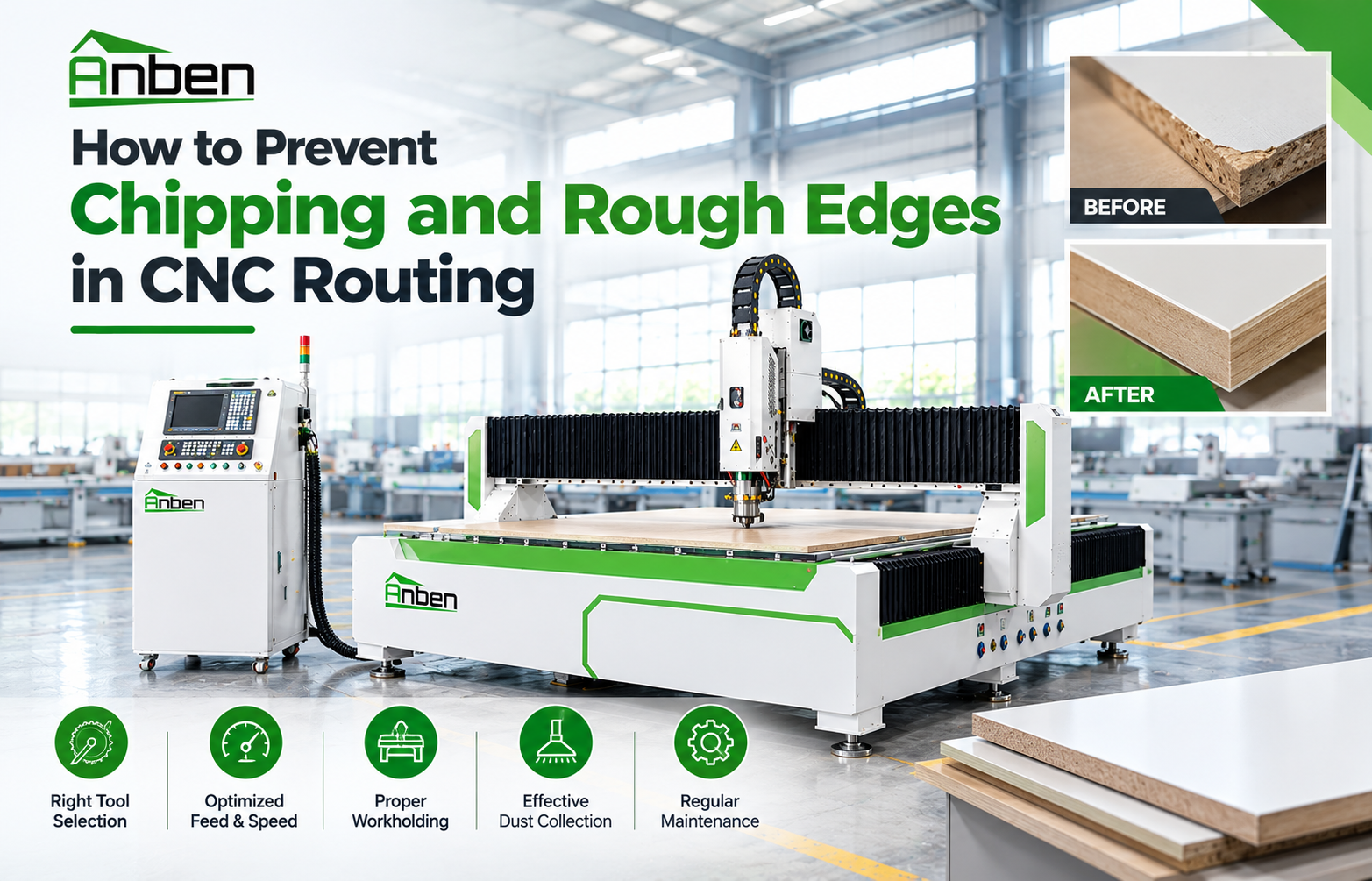
- How to Prevent Chipping and Rough Edges in CNC Routing
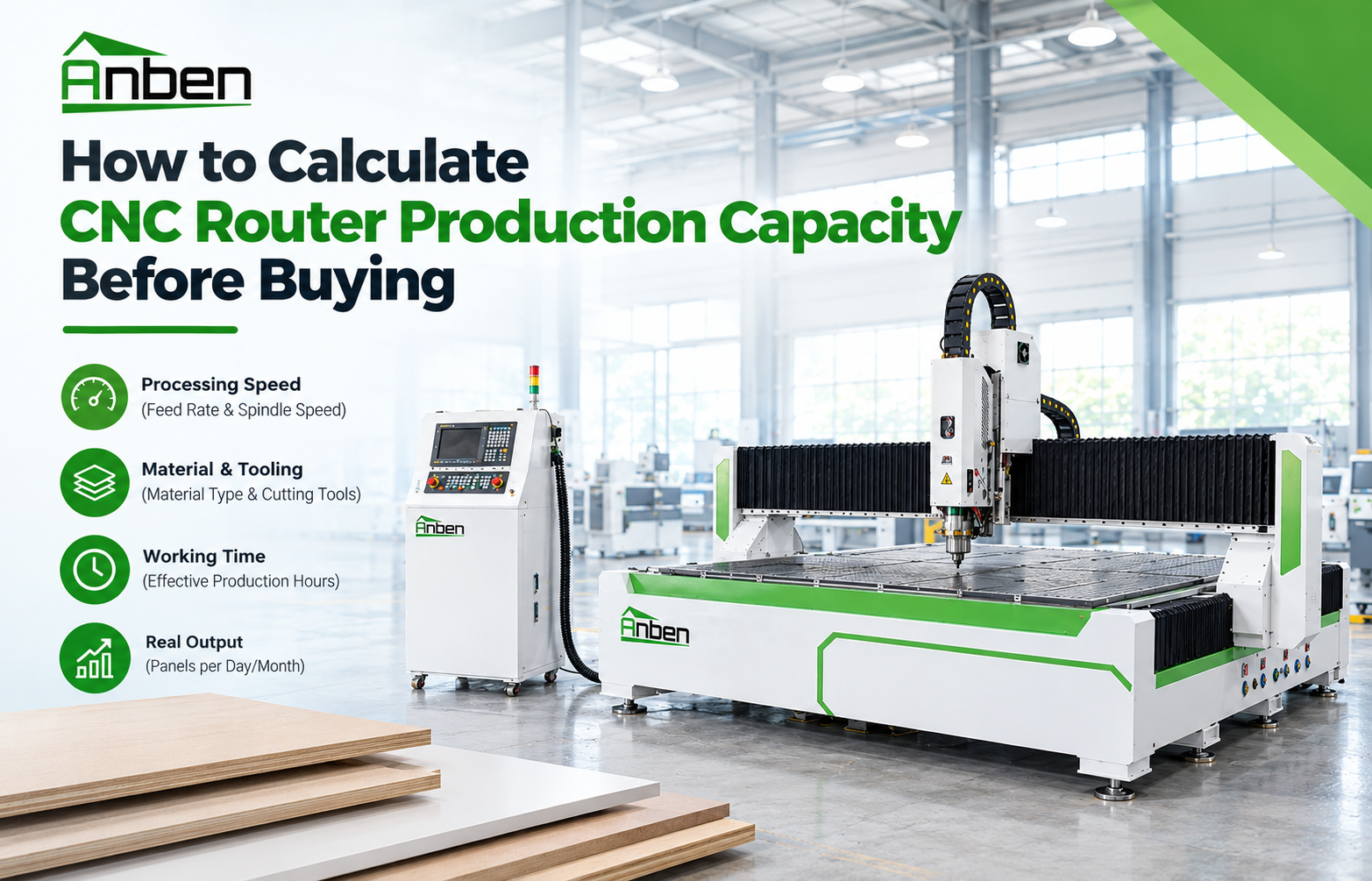
- How to Calculate CNC Router Production Capacity Before Buying

Related Products
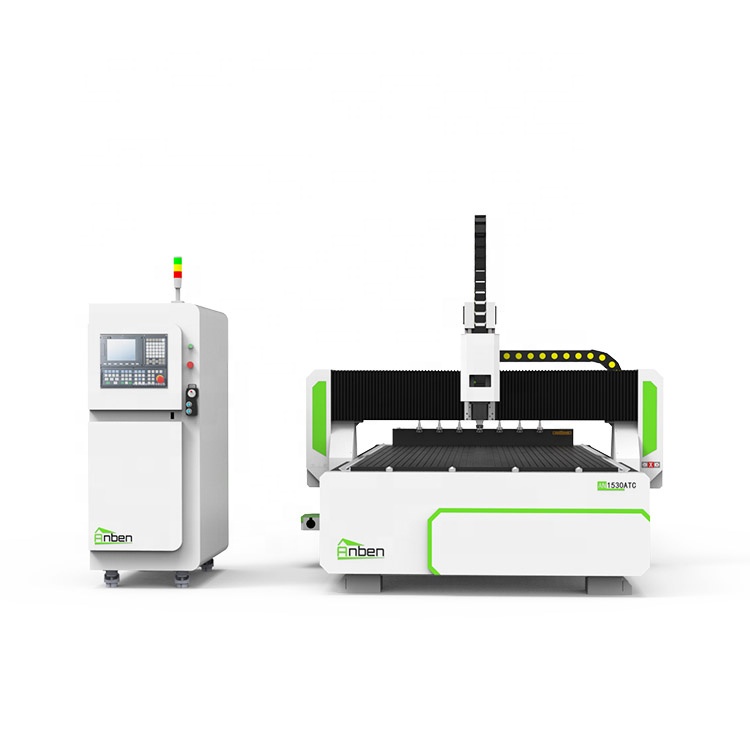
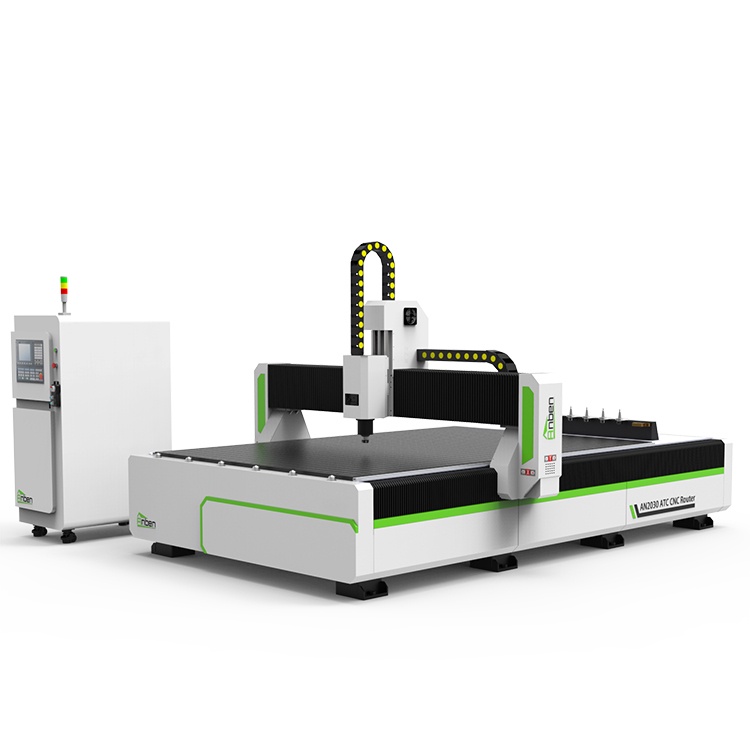
 AN1530ATC Automatic Tool ChangeAnben ATC (Automatic Tool Change)CNC router is popularly used in woodworking, making signs, molds making, art crafts making, etc. The automatic tool changer magazine carries 8-16 cutters. It can save tool change time,more efficient!
 AN2040ATC Automatic Tool ChangeAnben ATC (Automatic Tool Change)CNC router is popularly used in woodworking, making signs, molds making, art crafts making, etc. The automatic tool changer magazine carries 8-16 cutters. It can save tool change time,more efficient!
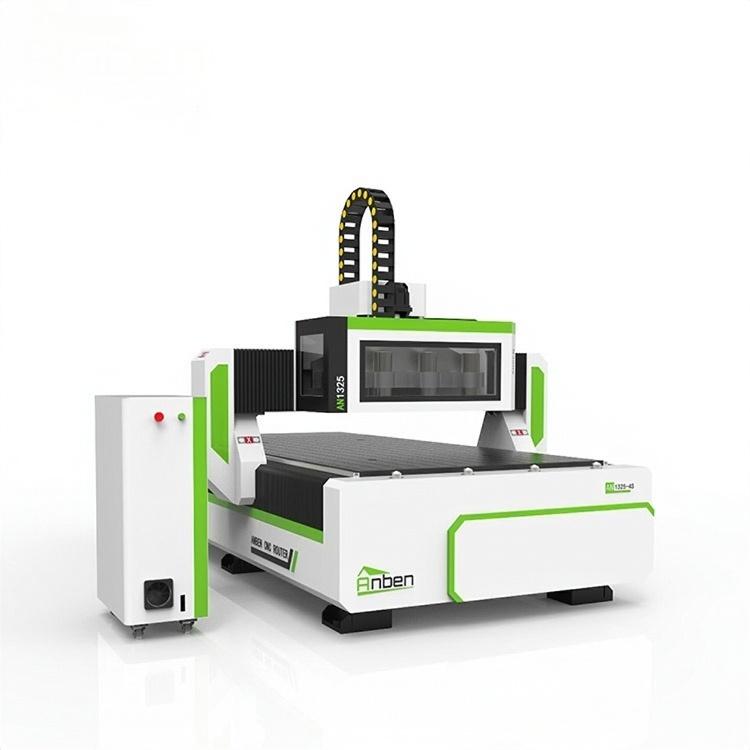
 AN1325-3S Cnc Router 3 SpindlesAnben multi spindles CNC router has 3 or 4 spindles, each spindle use different tools and work one by one. It also called economical ATC cnc.
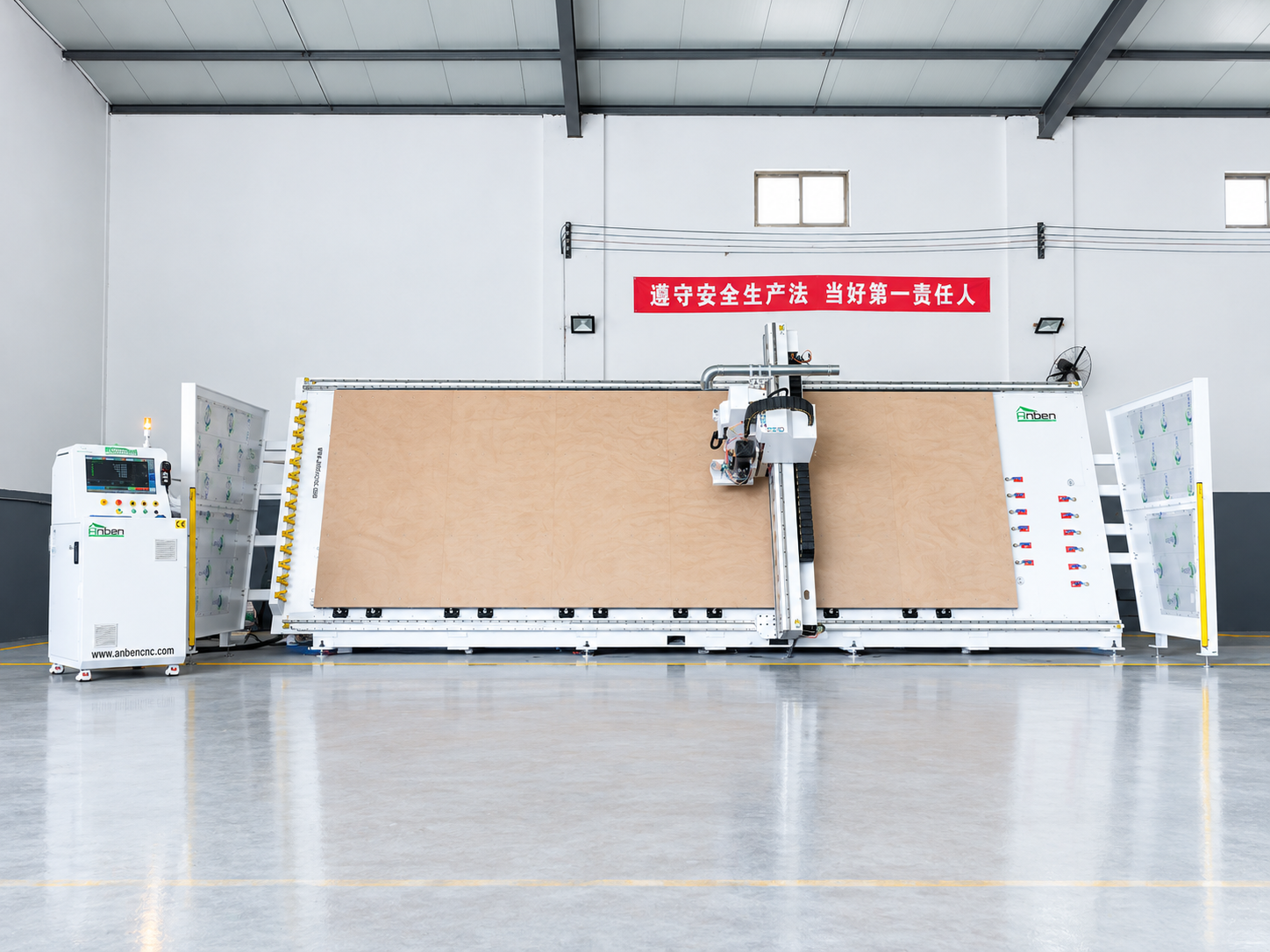
 V-2162 Vertical cnc routerThe vertical cnc significantly reduces the machine’s floor space. It is equipped with 8 sets of ATC tool magazines and other auxiliary devices such as vacuum pump, saw blade,aggregate head, positioning systems, etc. The Vertical cnc can cutting,grooving,engraving,drilling for various types of aluminum composite boards, acrylic boards, fiber boards and other boards. It is suitable for construction facades,cladding ,advertising signs,furniture manufacturing and other industries.
Get in touch

Anben Industrial – Founded in 2017, with a pure engineering spirit, providing trustworthy CNC solutions, born for long-term stable performance.
Contact