

How to Choose a Vacuum Table for a CNC Router





A vacuum table is an important workholding option for a CNC router. It uses negative pressure to hold flat materials securely during cutting, engraving, drilling, and nesting. For woodworking applications, the right vacuum table can improve machining stability, reduce manual clamping, and make production more efficient.
If you are choosing an ANBEN CNC router for wood, MDF, plywood, or other sheet materials, understanding the vacuum table is an important part of the buying process.
1. How Does a CNC Router Vacuum Table Work?
A vacuum table creates suction underneath the workpiece. A vacuum pump removes air from channels or vacuum zones in the table, while atmospheric pressure pushes the material against the table surface.
A typical system includes:
Vacuum pump
Vacuum table
Air channels or grid
Vacuum zones
Sealing system or spoilboard
When the workpiece covers the suction area correctly, the resulting holding force helps prevent movement during machining.
2. When Should You Choose a Vacuum Table?
A vacuum table is especially useful for flat sheet materials and repeated production.
It is a good choice for:
MDF and plywood cutting
Cabinet and furniture production
Door and panel processing
Acrylic and plastic sheet cutting
Sign making and engraving
CNC nesting applications
High-volume sheet processing
For small, irregular, very thick, or heavily shaped workpieces, mechanical clamps or a hybrid T-slot and vacuum table may provide better flexibility.
3. Choose the Right Vacuum Table Type
Different CNC projects require different workholding methods.
Full-Surface Vacuum Table
A porous spoilboard can be placed over the vacuum grid. Air is pulled through the spoilboard, making it suitable for full-sheet cutting and nesting.
Zoned Vacuum Table
The table is divided into independent vacuum areas. Operators can activate only the zones covered by the workpiece, helping concentrate suction and reduce unnecessary air leakage.
Hybrid T-Slot + Vacuum Table
A hybrid design combines vacuum suction with mechanical clamping. It is useful for workshops that process both sheet materials and irregular or heavy workpieces.
4. Match the Vacuum System to Your Application
The vacuum pump is a key part of the workholding system. Do not choose a pump based only on its power rating.
Consider:
CNC table size
Material type
Workpiece size
Material porosity
Number of vacuum zones
Expected production volume
Local power supply
Porous materials such as MDF can allow more air leakage, so the vacuum system needs sufficient airflow to maintain stable holding force.
For smaller, dense materials, sealing the unused vacuum area can help improve suction efficiency.
5. Consider Table Size and Machine Size
The vacuum table should match the working area of the CNC router.
A larger machine is useful for full-sheet production, but the vacuum system must also provide consistent suction across the working area.
When selecting an ANBEN CNC router, consider the material sizes you normally process rather than choosing the largest table available.
For example, a workshop mainly cutting standard furniture panels may benefit from a common sheet-processing size, while customized furniture, doors, or large decorative panels may require a larger working area.
6. Check Workholding and Production Requirements
Before purchasing a CNC router with a vacuum table, ask:
What materials will be processed?
What are the typical workpiece sizes?
Will the machine perform full-sheet nesting?
How often will materials be loaded and unloaded?
Do you need multiple vacuum zones?
Will irregular workpieces also need mechanical clamping?
Is the vacuum pump compatible with the local power supply?
Answering these questions makes it easier to select a practical CNC router configuration.
7. Maintain the Vacuum Table Regularly
Good vacuum performance depends on proper maintenance.
Clean dust and chips from the table and vacuum channels regularly. Check the spoilboard for damage or uneven surfaces, and inspect seals, hoses, filters, and connections for air leakage.
If suction becomes weaker than normal, check for blocked channels, damaged seals, an incorrectly positioned workpiece, or vacuum system leakage before continuing production.
Final Buying Tip
The best CNC router vacuum table is not simply the one with the largest size or strongest pump. It should match your material, workpiece size, production volume, and machining requirements.
For ANBEN CNC router buyers, choosing the right vacuum workholding system can improve material stability, machining accuracy, production efficiency, and overall operating convenience.
 What Is CNC Nesting and How Does It Reduce Material Waste?
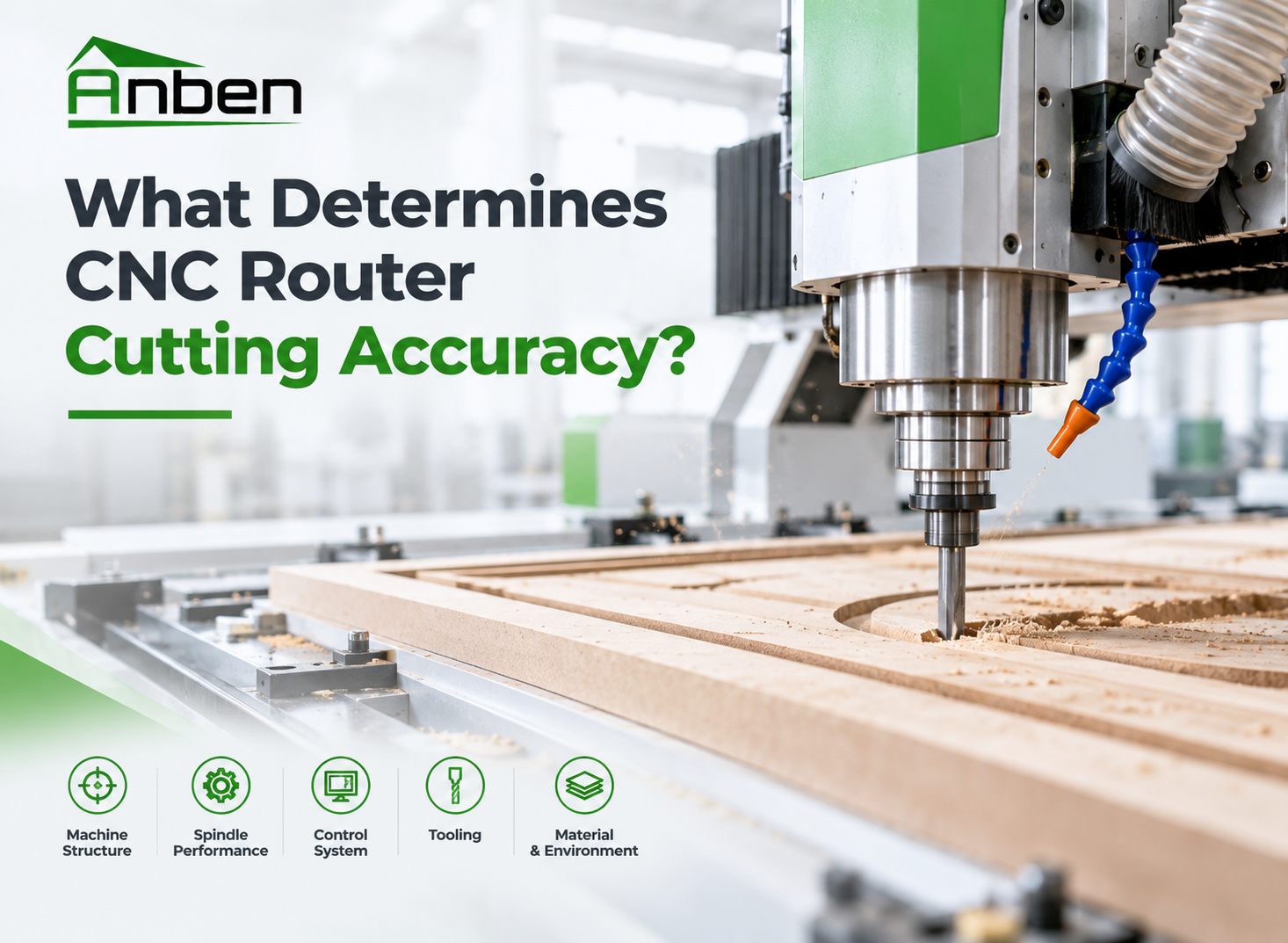
 What Determines CNC Router Cutting Accuracy?
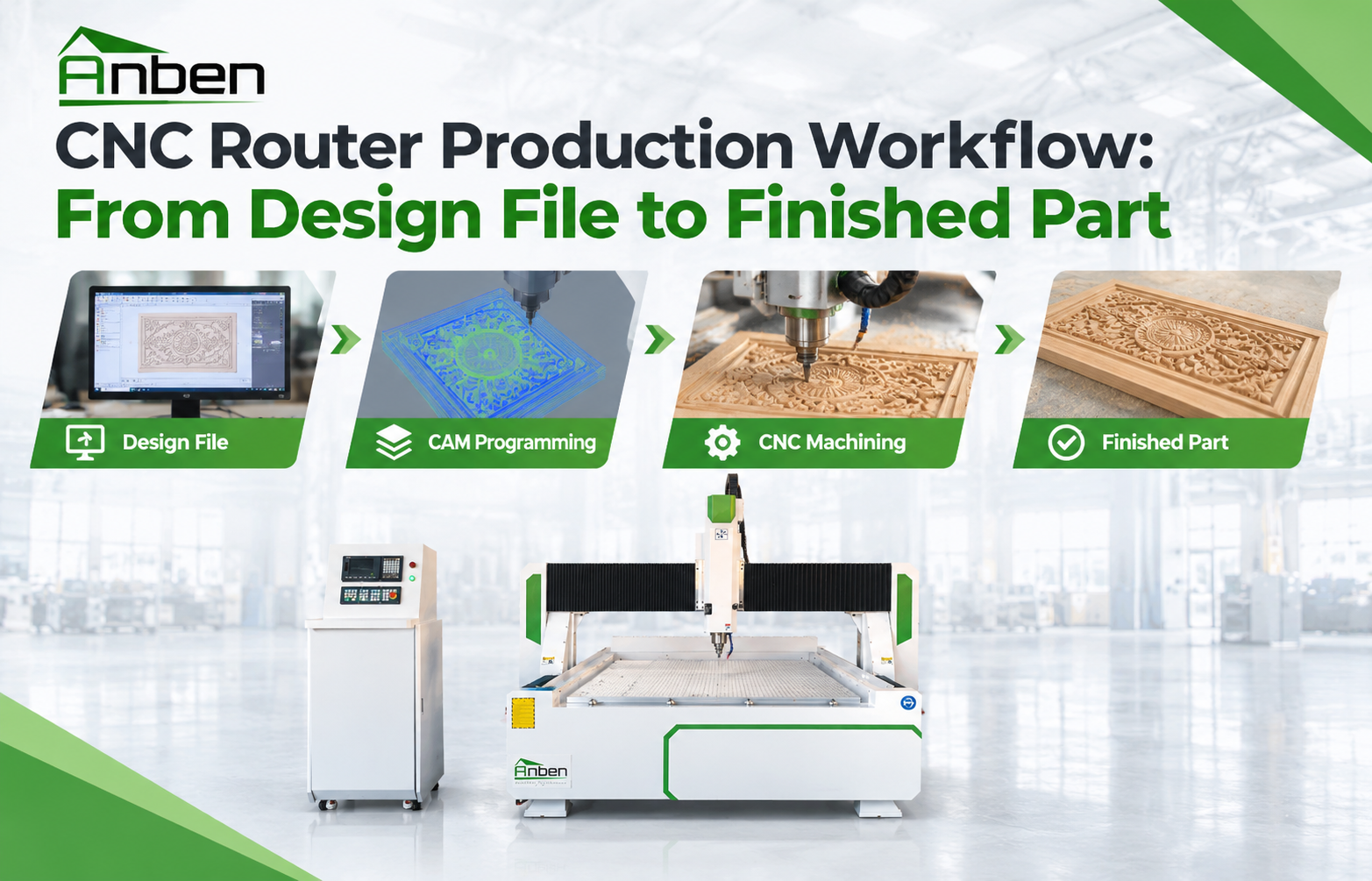
 CNC Router Production Workflow: From Design File to Finished Part
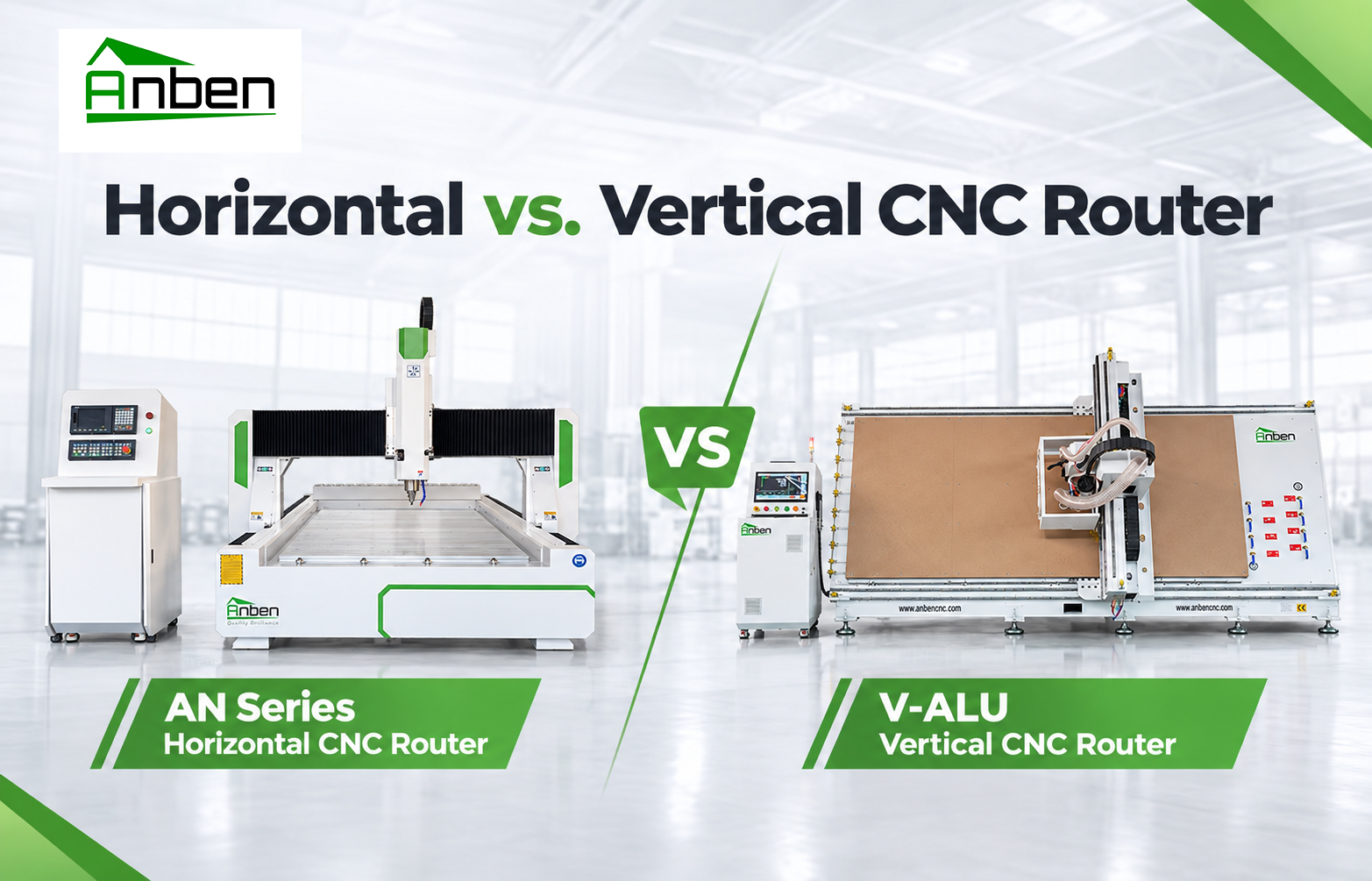
- Horizontal vs. Vertical CNC Router: Which One Is Right for You?
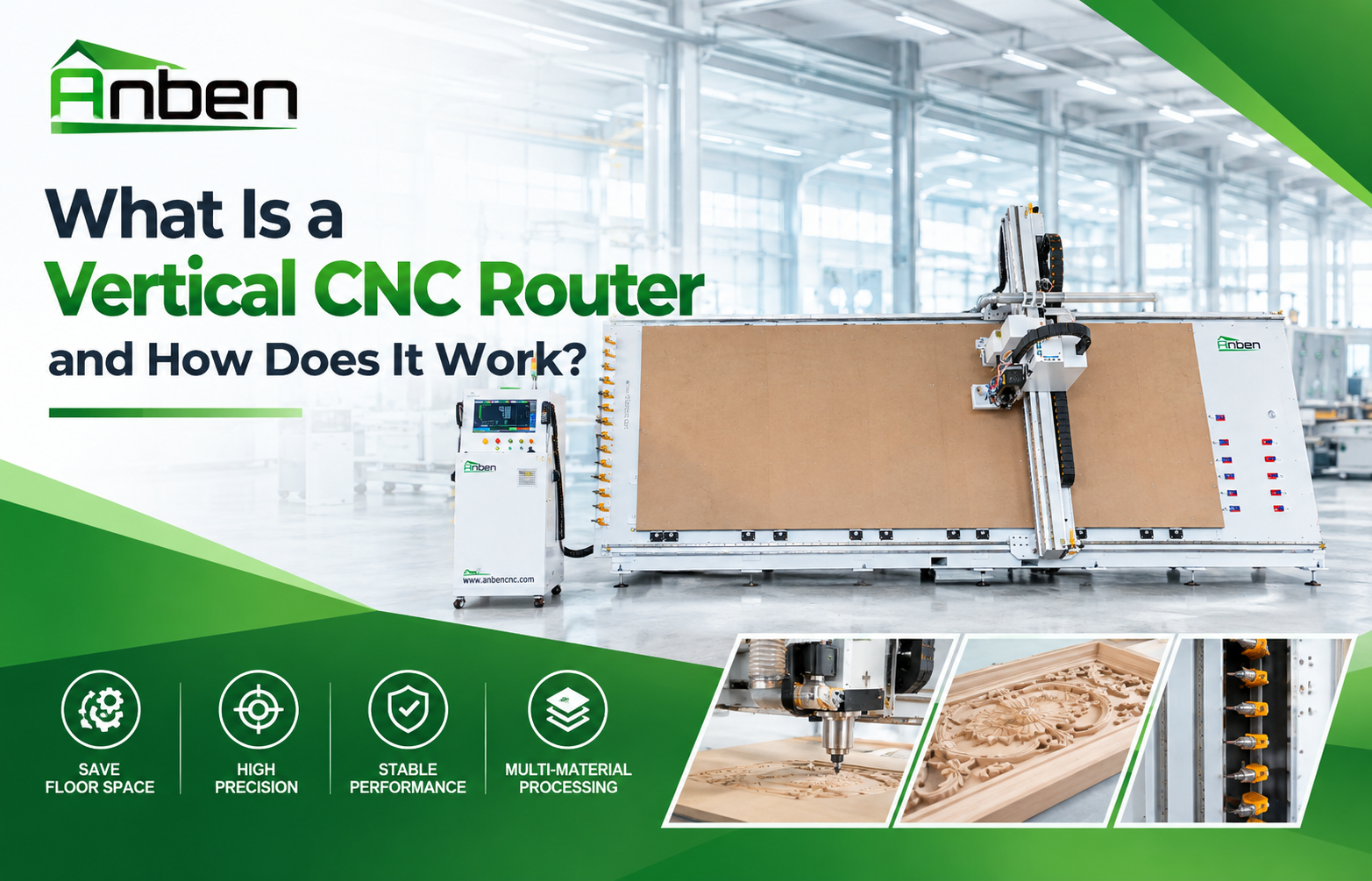
- What Is a Vertical CNC Router and How Does It Work?
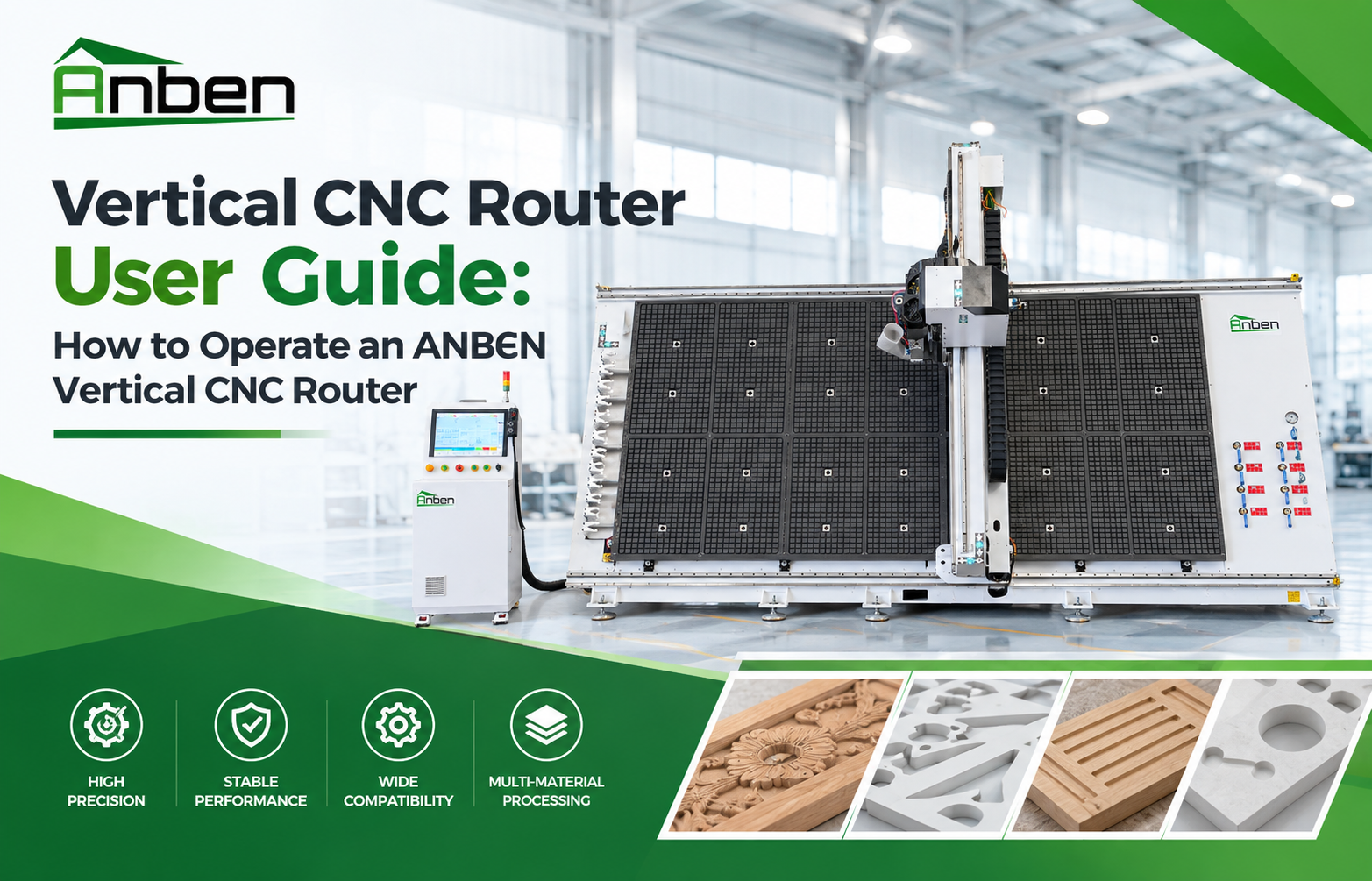
- Vertical CNC Router User Guide: How to Operate an ANBEN Vertical CNC Router
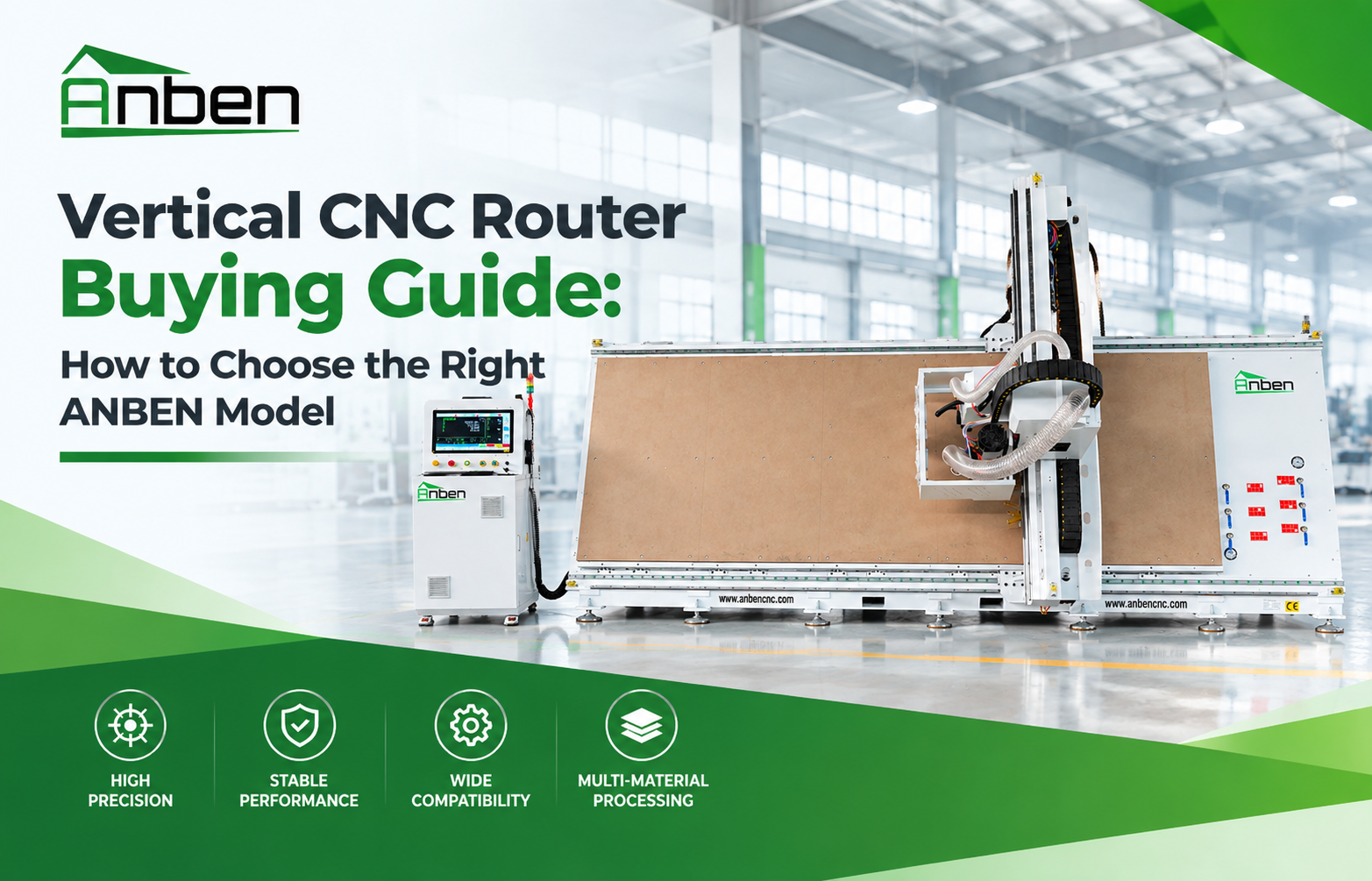
- Vertical CNC Router Buying Guide: How to Choose the Right ANBEN Model
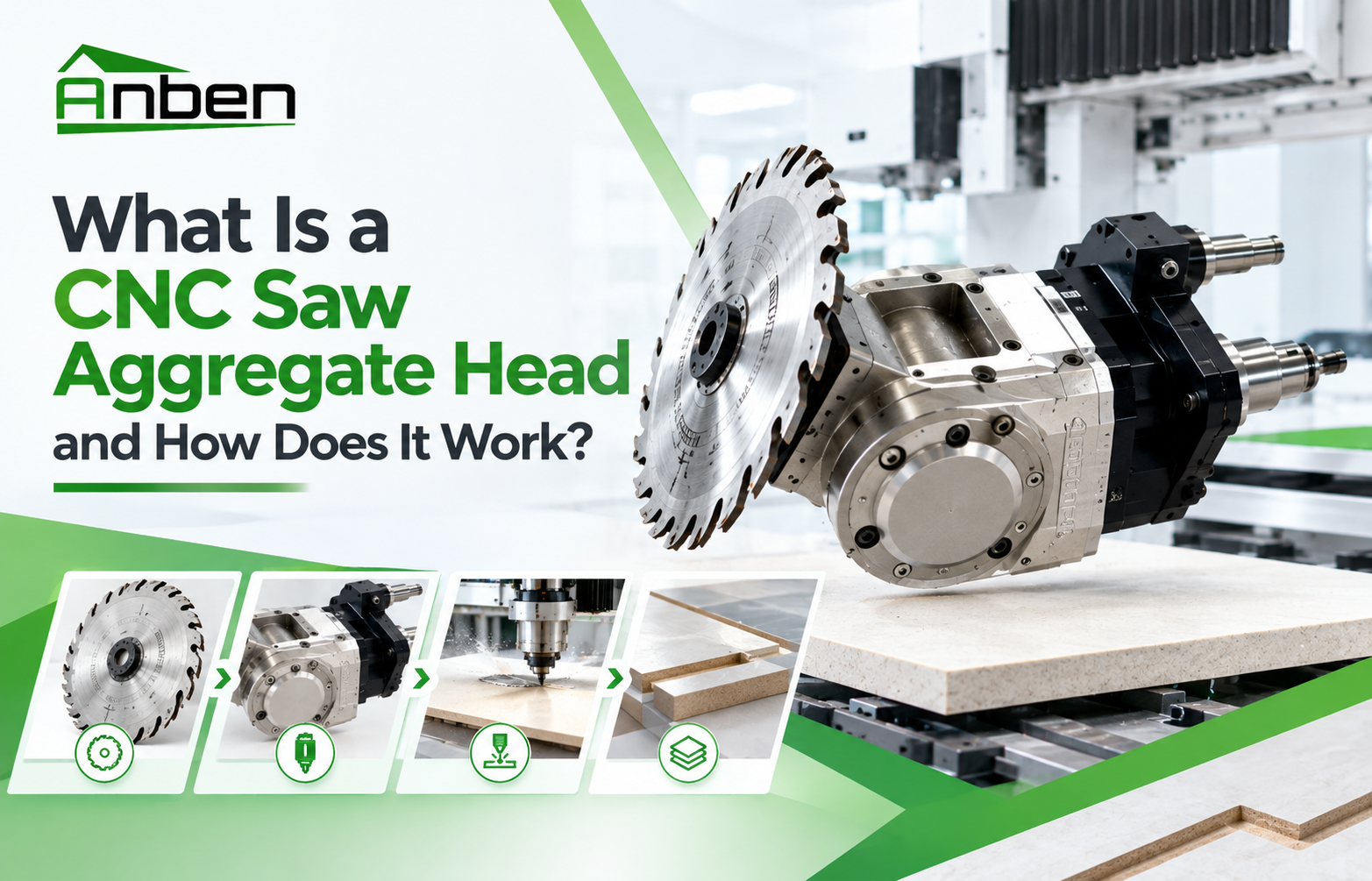
- What Is a CNC Saw Aggregate Head and How Does It Work?

Related Products
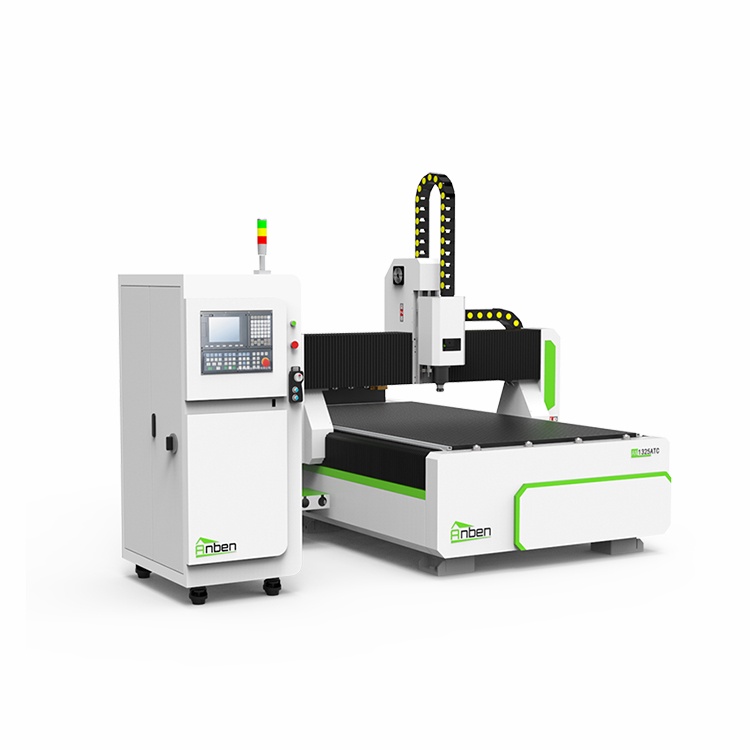
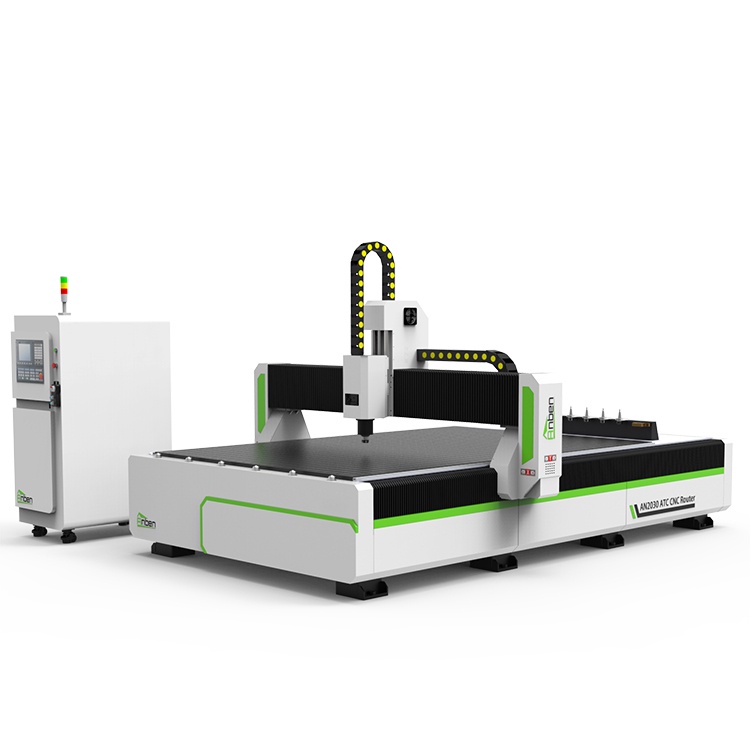
 AN1325ATC Automatic Tool ChangeAnben ATC (Automatic Tool Change)CNC router is popularly used in woodworking, making signs, molds making, art crafts making, etc. The automatic tool changer magazine carries 8-16 cutters. It can save tool change time,more efficient!
 AN2040ATC Automatic Tool ChangeAnben ATC (Automatic Tool Change)CNC router is popularly used in woodworking, making signs, molds making, art crafts making, etc. The automatic tool changer magazine carries 8-16 cutters. It can save tool change time,more efficient!
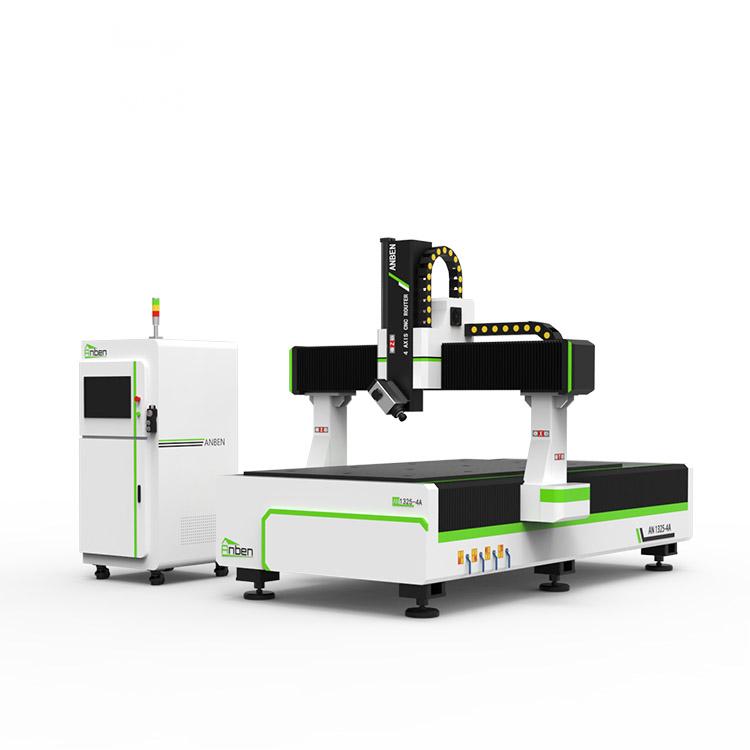
 AN1325-4 axisAnben 4 Axis CNC Router Machine with 4 axis ATC spindle is good at heavy-duty and complex 3d wood cutting and carving of wood panel, MDF, plywood, etc. All the working areas and specifications can be customized according to your requests.
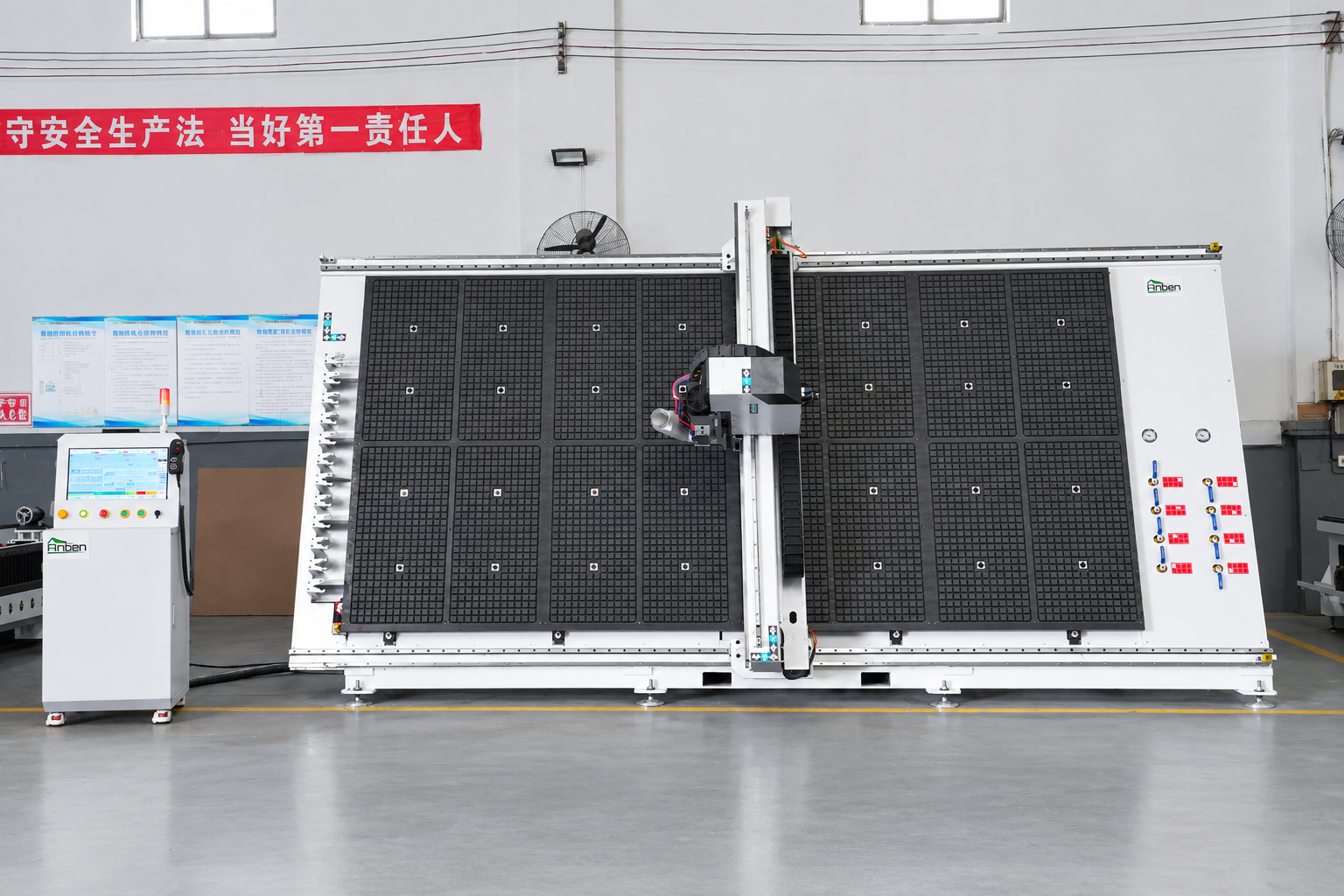
 V-2142 Vertical cnc routerThe vertical cnc significantly reduces the machine’s floor space. It is equipped with 8 sets of ATC tool magazines and other auxiliary devices such as vacuum pump, saw blade,aggregate head, positioning systems, etc. The Vertical cnc can cutting,grooving,engraving,drilling for various types of aluminum composite boards, acrylic boards, fiber boards and other boards. It is suitable for construction facades,cladding ,advertising signs,furniture manufacturing and other industries.
Get in touch

Anben Industrial – Founded in 2017, with a pure engineering spirit, providing trustworthy CNC solutions, born for long-term stable performance.
Contact