

CNC Router Price: How Machine Configuration Affects Cost





When buying a CNC wood router, price is an important consideration, but it should not be the only factor. CNC router prices can vary significantly because machines with different working sizes, components, automation levels, and functions are designed for different production requirements.
Understanding what affects CNC router cost can help buyers choose the right configuration instead of simply choosing the cheapest machine.
What Determines CNC Router Price?
The main factors affecting CNC router cost include:
Working size
Spindle power and type
CNC control system
Drive and motor system
Tool changer configuration
Vacuum table and pump
Machine structure
Automation features
Optional accessories
A machine with a larger working area or more advanced components generally requires a higher investment.
1. Working Size
Working size is one of the most obvious factors affecting CNC router price.
A compact CNC router is suitable for small signs, crafts, engraving, and limited-size workpieces. Larger machines are designed for full-sheet processing, furniture panels, doors, and high-volume production.
For example, a machine designed for standard sheet processing may cost more than a small-format machine because of its larger frame, working table, motion system, and vacuum area.
Choose the working size according to your actual material dimensions rather than simply selecting the largest machine.
2. Spindle Configuration
The spindle is a core component of a CNC router. Its power, performance, cooling method, and brand can affect the machine's overall cost.
A basic spindle configuration may be sufficient for light engraving and general woodworking. Higher-performance spindle configurations are more suitable for intensive cutting, heavier materials, and continuous production.
The goal is not to choose the highest spindle power, but to match spindle performance with the required materials and cutting workload.
3. Control System and Drive Components
The CNC controller determines how machining programs are interpreted and executed.
Different control systems, servo motors, stepper motors, drives, and transmission components can create significant differences between machine configurations.
For professional production, a more advanced control and drive system may provide better motion control, positioning performance, and operational stability.
4. Manual Tool Change vs. ATC
Tool configuration can have a major effect on both machine price and productivity.
A manual tool-change CNC router is suitable for projects using only a few tools. Operators need to stop the machine and change tools manually.
An ATC CNC router can automatically change between multiple tools. This is especially useful for furniture, cabinet, nesting, engraving, and complex machining processes that require several operations.
Although ATC increases the initial investment, it can reduce manual intervention and improve production efficiency.
5. Vacuum Table and Workholding
A vacuum table is valuable for sheet-material processing. It helps hold MDF, plywood, wood panels, acrylic, and other flat materials during machining.
The vacuum system may include different table structures, vacuum zones, pumps, and sealing configurations. More advanced workholding systems can increase machine cost while providing better convenience and production efficiency.
Which CNC Router Configuration Is Right for You?
Instead of asking only “How much does a CNC router cost?”, buyers should ask:
What do I need the CNC router to produce?
For small workshops, a basic configuration may provide sufficient performance.
For furniture and cabinet production, a larger working area, vacuum table, and ATC system may be more practical.
For high-volume manufacturing, buyers may benefit from higher-performance spindles, advanced control systems, servo drives, and additional automation.
Price vs. Total Value
The lowest purchase price does not always mean the lowest operating cost.
When comparing CNC routers, consider:
Machine Cost + Configuration + Productivity + Maintenance + Service + Expected Production Life
A properly configured CNC router can reduce manual labor, improve machining consistency, increase production capacity, and support more applications.
Final Buying Tip
There is no single CNC router configuration that is best for every buyer. The right choice depends on material, workpiece size, machining process, production volume, required automation, and future business plans.
For ANBEN CNC router buyers, comparing configurations rather than comparing prices alone is the key to finding a machine that provides the right balance of performance, productivity, and long-term value.
 What Is CNC Nesting and How Does It Reduce Material Waste?
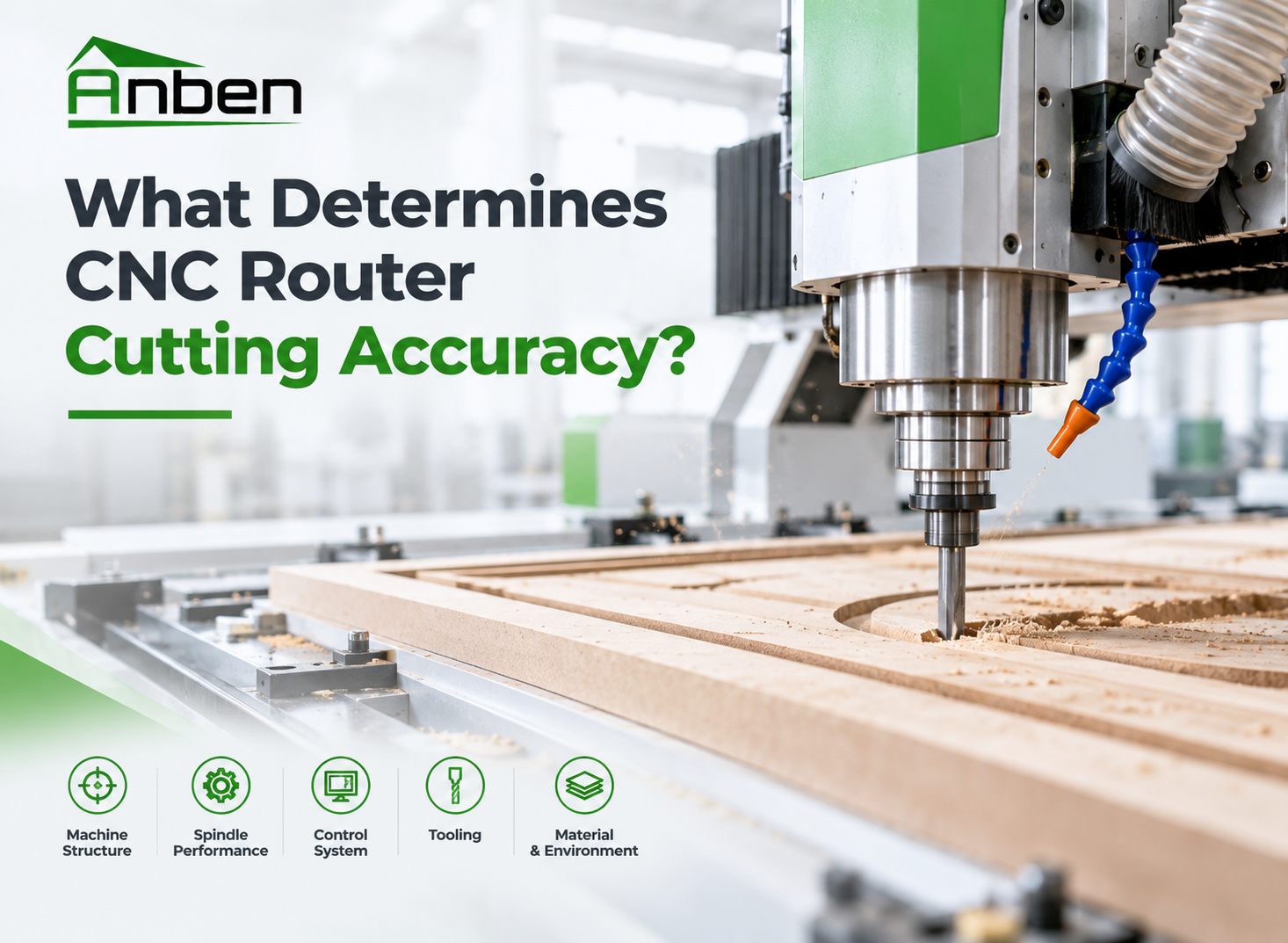
 What Determines CNC Router Cutting Accuracy?
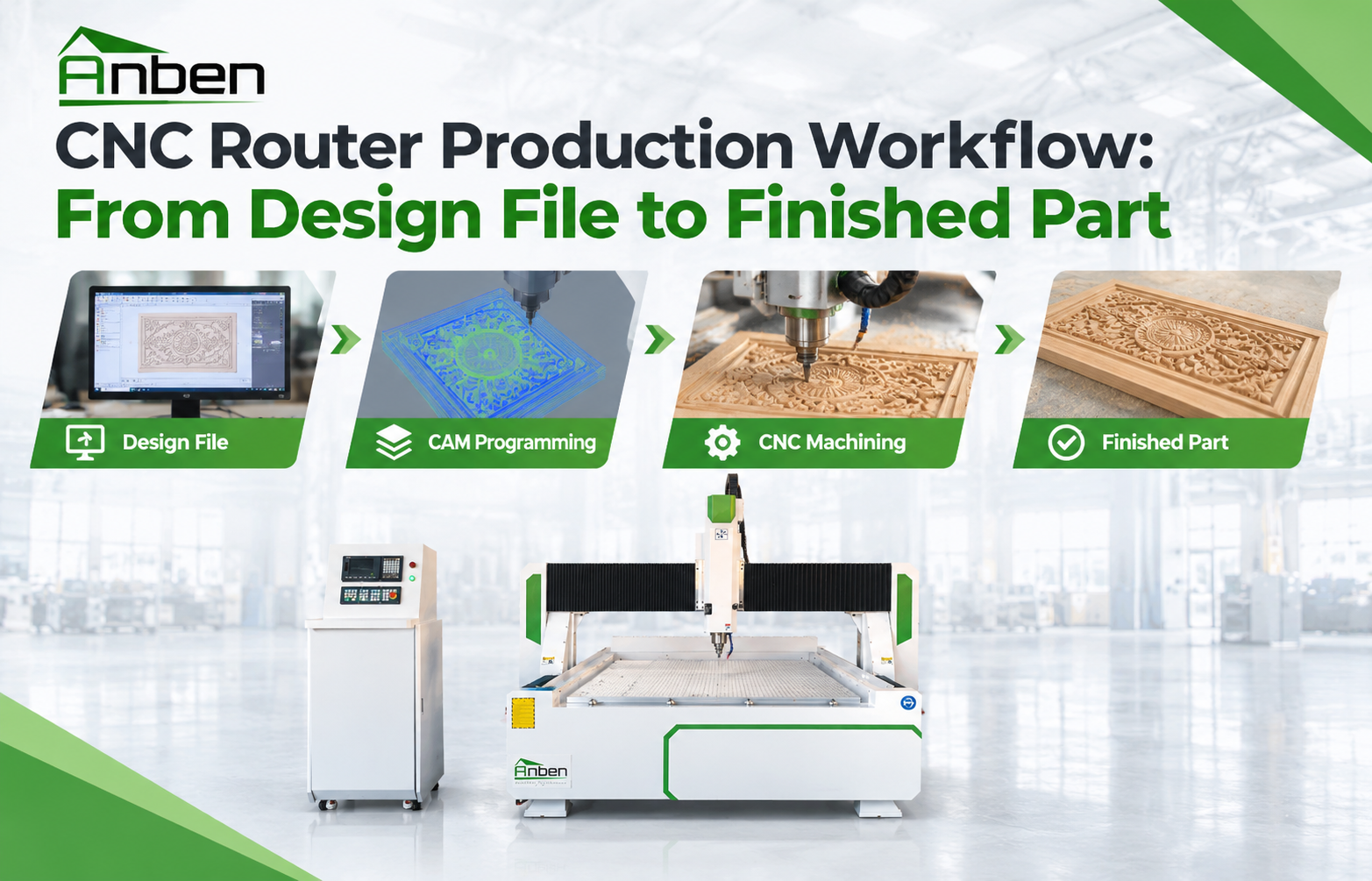
 CNC Router Production Workflow: From Design File to Finished Part
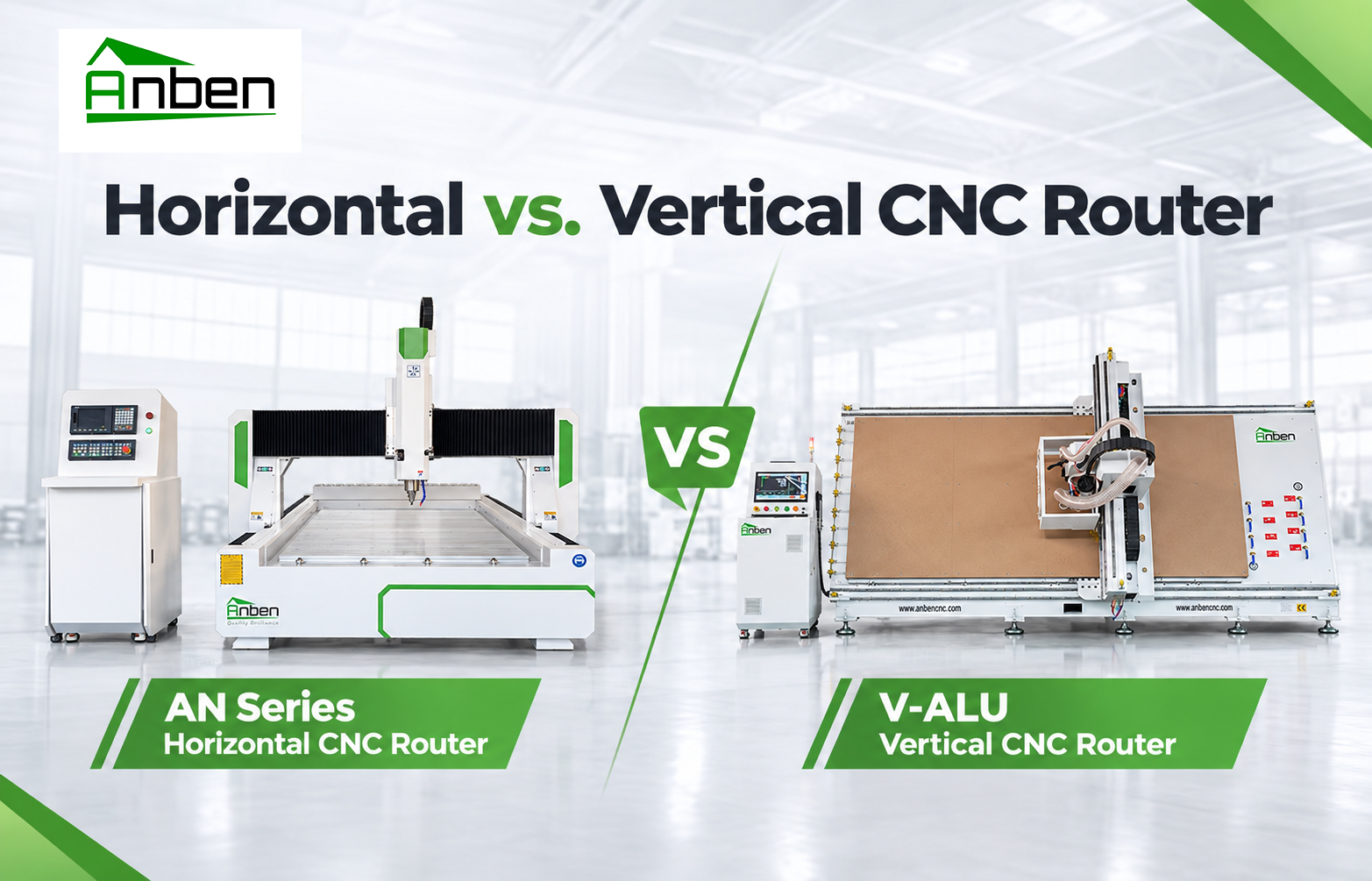
- Horizontal vs. Vertical CNC Router: Which One Is Right for You?
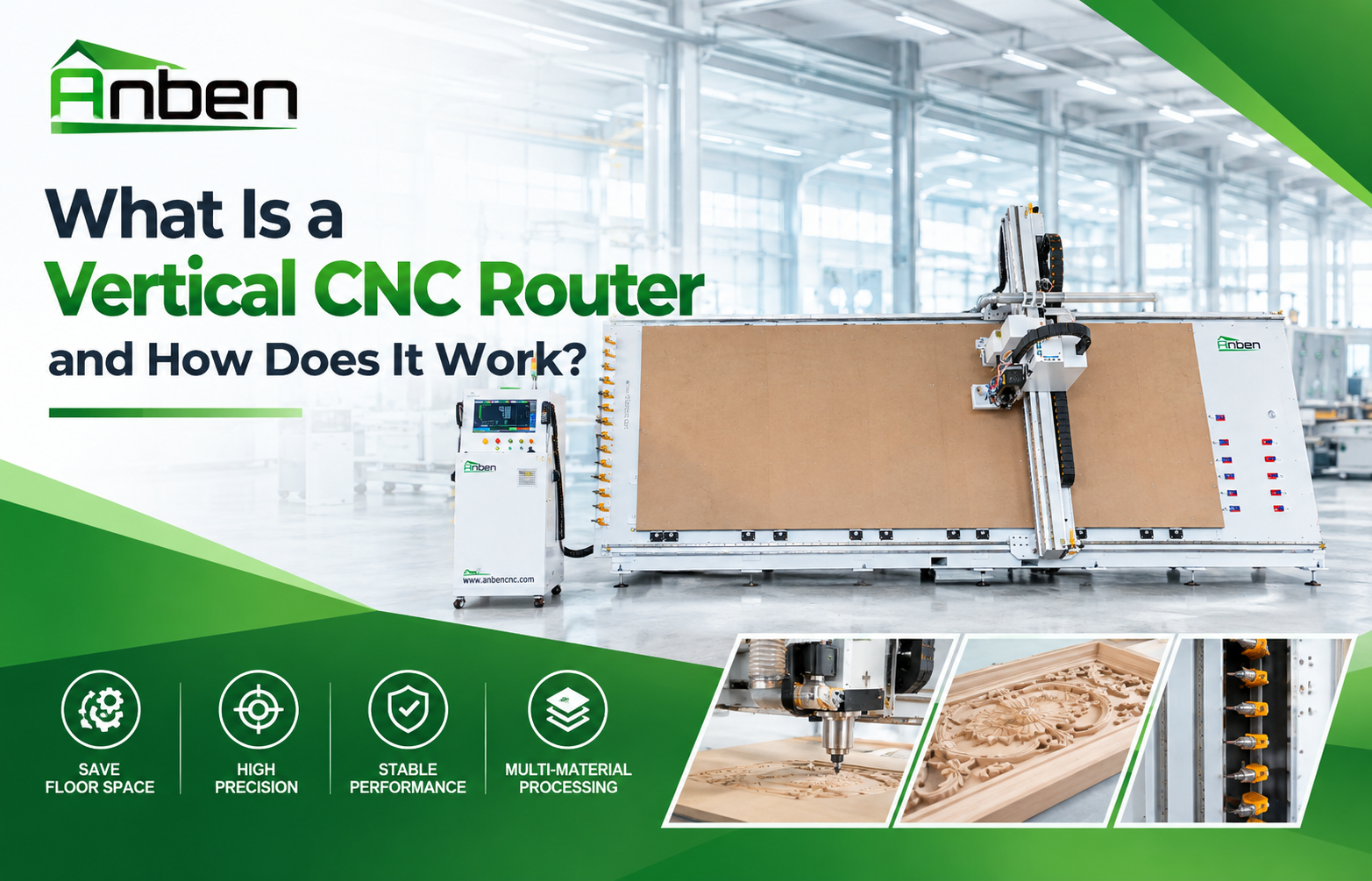
- What Is a Vertical CNC Router and How Does It Work?
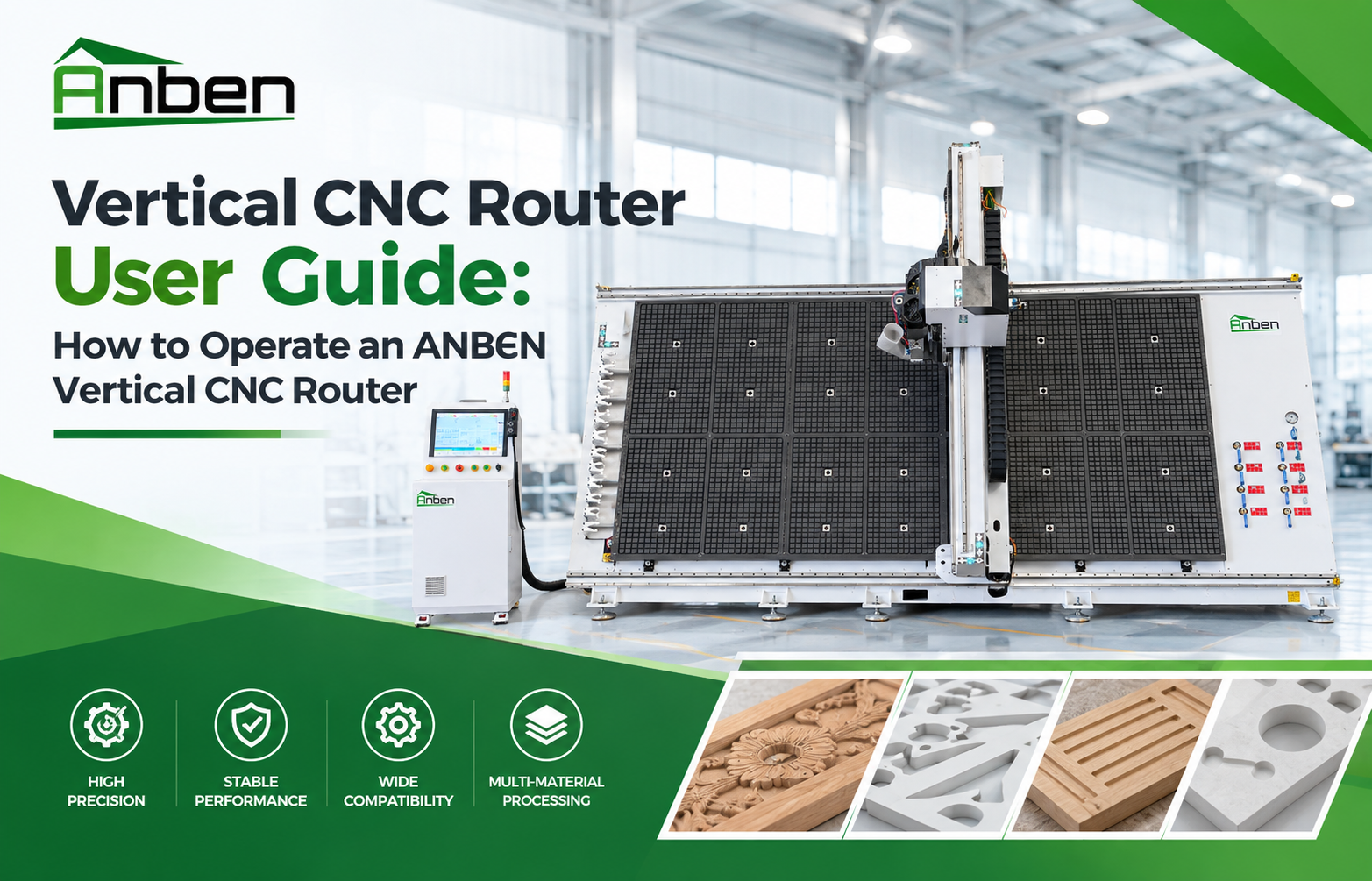
- Vertical CNC Router User Guide: How to Operate an ANBEN Vertical CNC Router
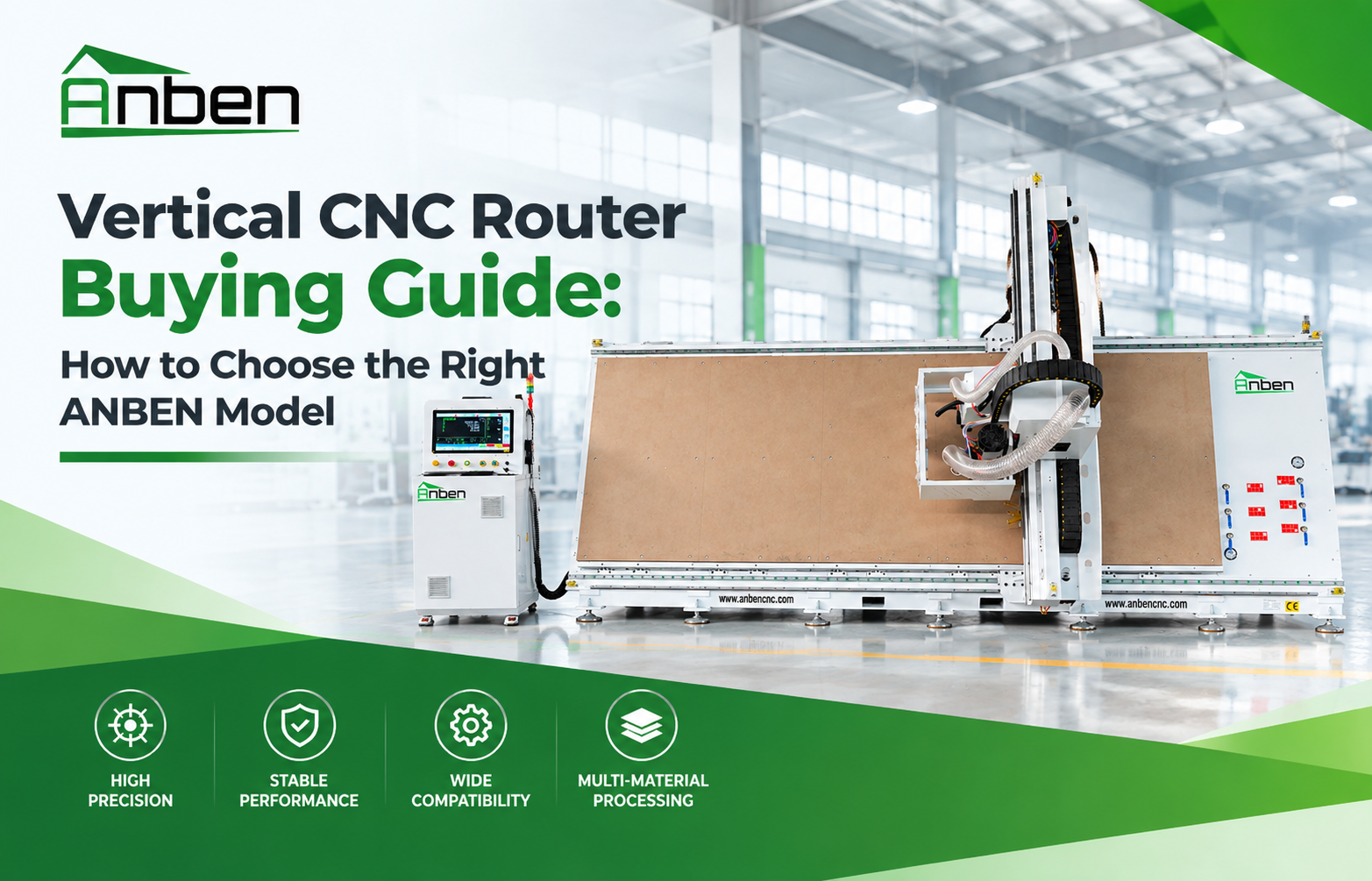
- Vertical CNC Router Buying Guide: How to Choose the Right ANBEN Model
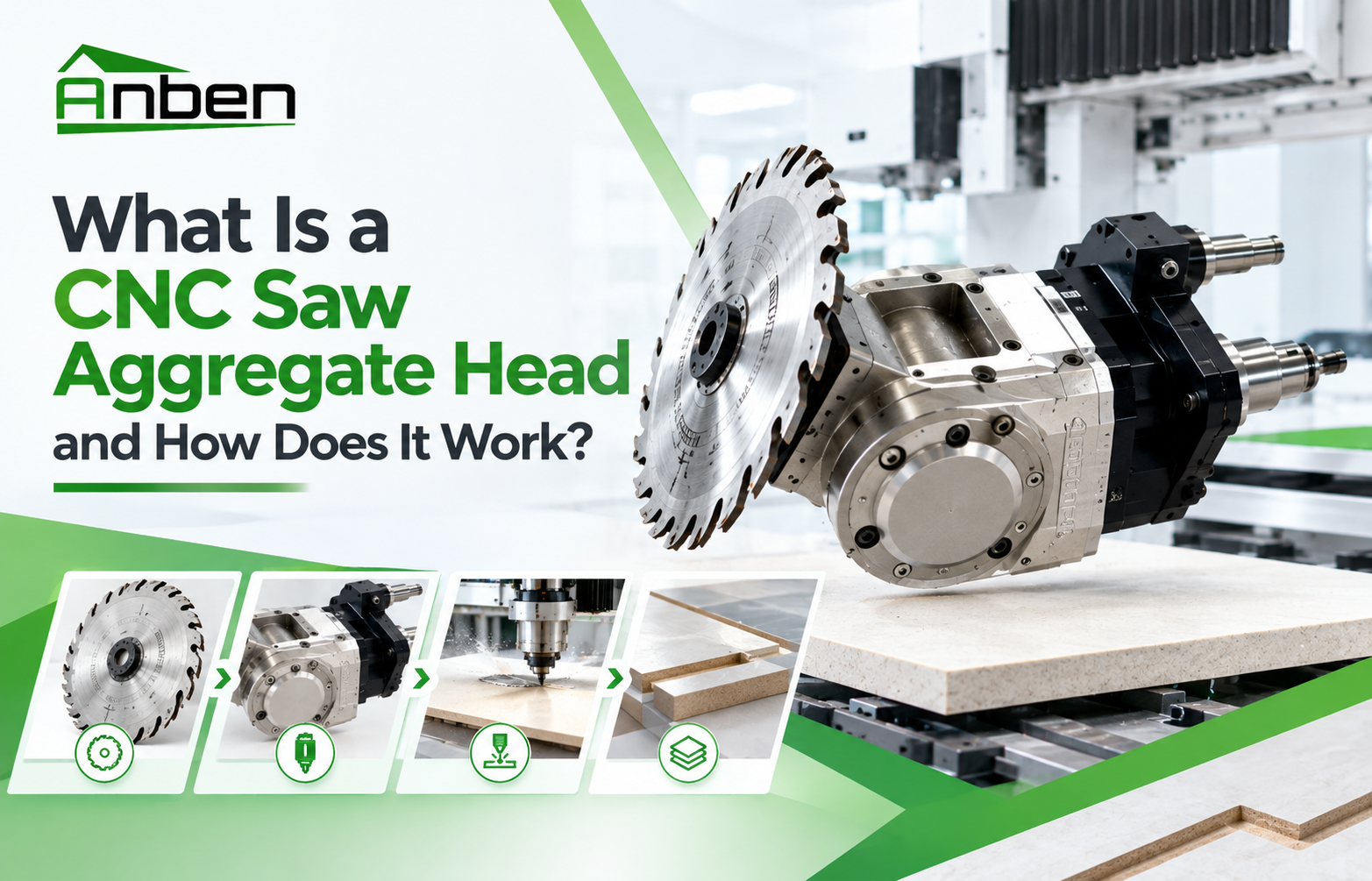
- What Is a CNC Saw Aggregate Head and How Does It Work?

Related Products
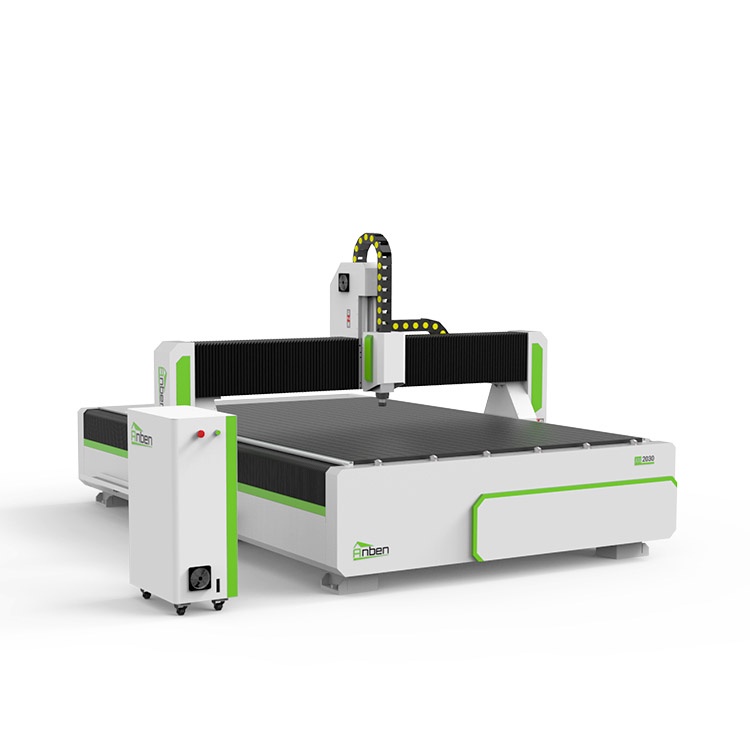
 AN2030 Manual Tool ChangeThe Anben MTC(Manual tool change)-- a professional yet affordable 3 axis CNC wood router, designed for woodworking shops, cabinet manufacturers, and industrial workshops. This budget-friendly CNC router delivers high precision and durability for wood machining, acrylic cutting, aluminum cutting, sign making, and furniture production.
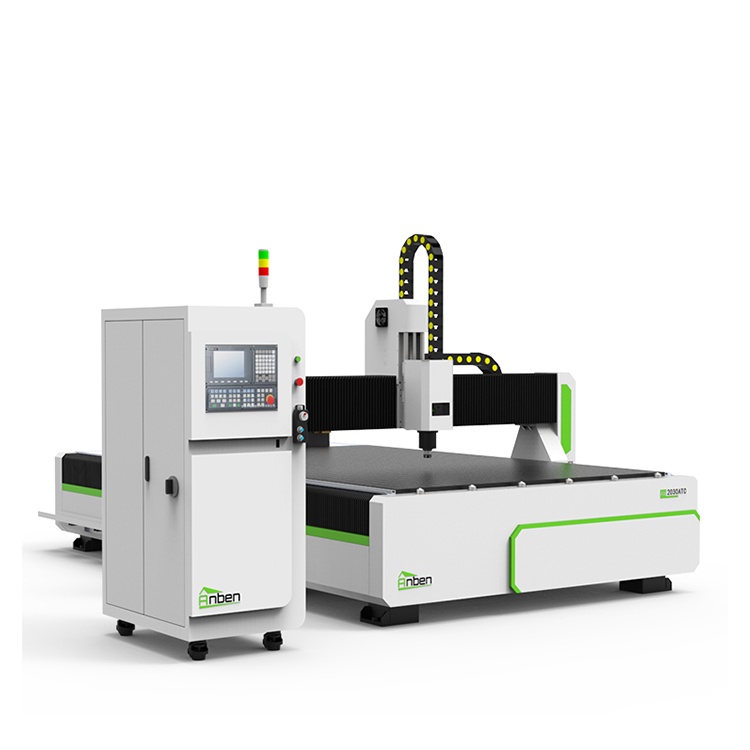
 AN2030ATC Automatic Tool ChangeAnben ATC (Automatic Tool Change)CNC router is popularly used in woodworking, making signs, molds making, art crafts making, etc. The automatic tool changer magazine carries 8-16 cutters. It can save tool change time,more efficient!
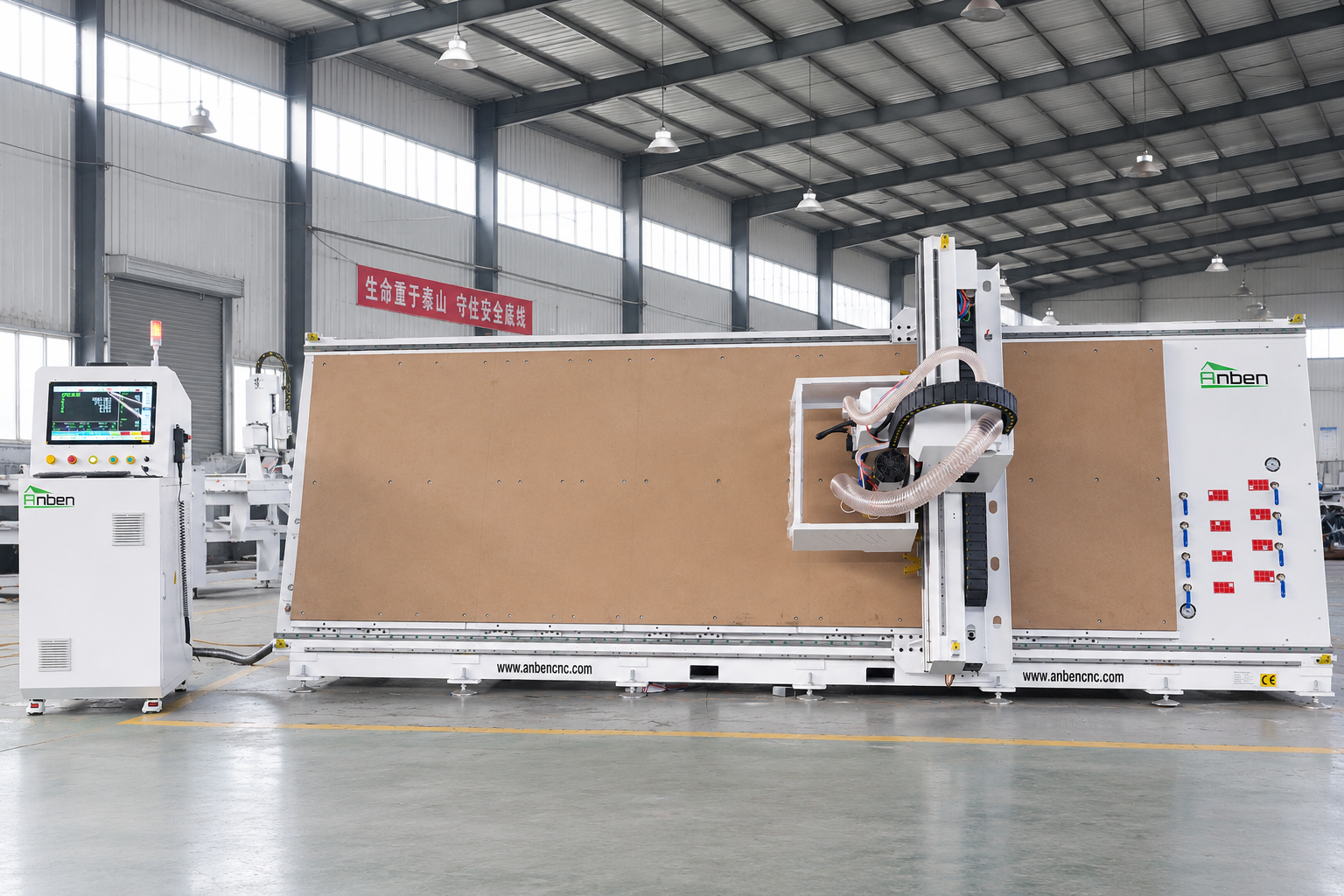
 V-1650 Vertical cnc routerThe vertical cnc significantly reduces the machine’s floor space. It is equipped with 8 sets of ATC tool magazines and other auxiliary devices such as vacuum pump, saw blade,aggregate head, positioning systems, etc. The Vertical cnc can cutting,grooving,engraving,drilling for various types of aluminum composite boards, acrylic boards, fiber boards and other boards. It is suitable for construction facades,cladding ,advertising signs,furniture manufacturing and other industries.
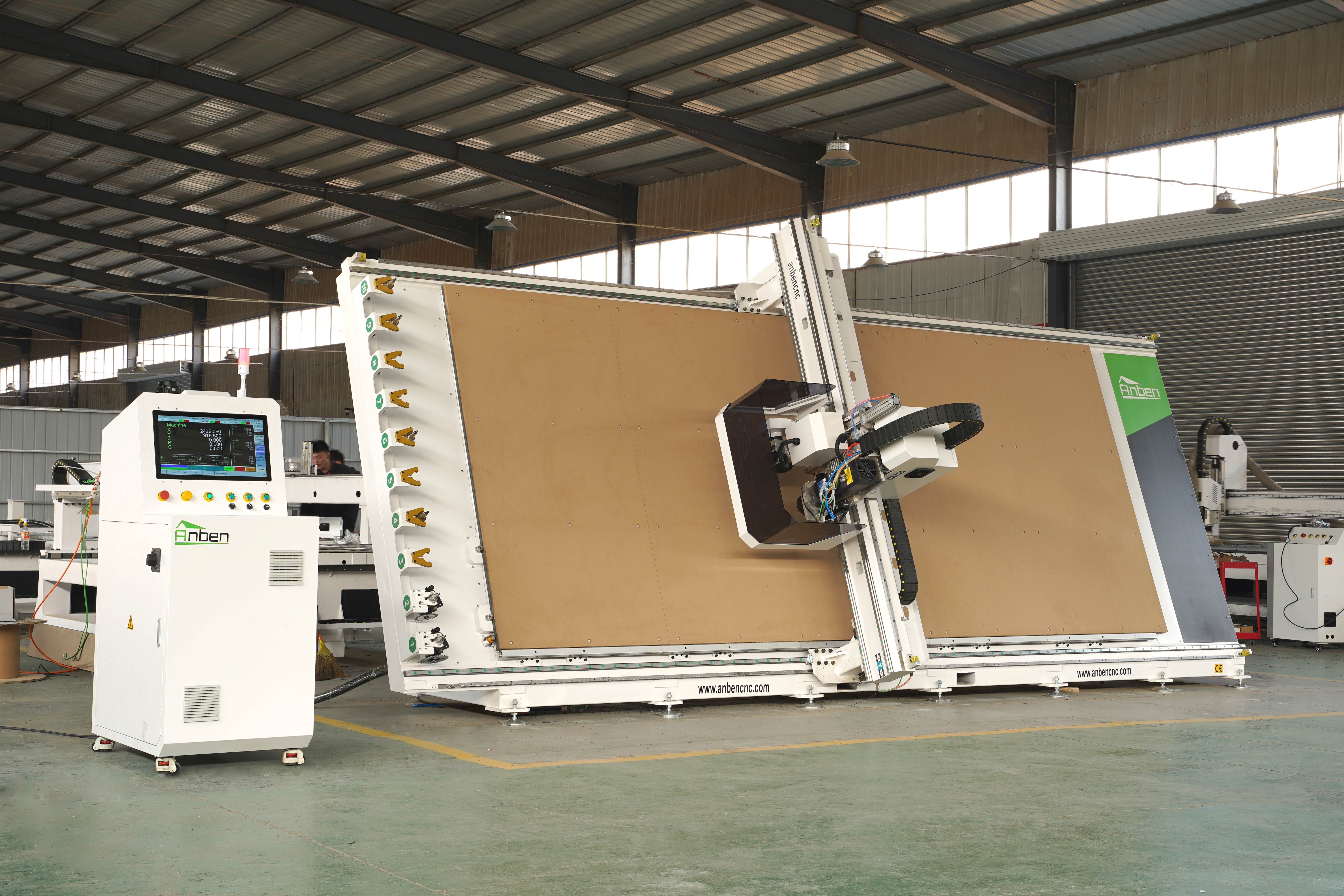
 V-2151 Vertical cnc routerThe vertical cnc significantly reduces the machine’s floor space. It is equipped with 8 sets of ATC tool magazines and other auxiliary devices such as vacuum pump, saw blade,aggregate head, positioning systems, etc. The Vertical cnc can cutting,grooving,engraving,drilling for various types of aluminum composite boards, acrylic boards, fiber boards and other boards. It is suitable for construction facades,cladding ,advertising signs,furniture manufacturing and other industries.
Get in touch

Anben Industrial – Founded in 2017, with a pure engineering spirit, providing trustworthy CNC solutions, born for long-term stable performance.
Contact