

CNC Router Knowledge You Need to Know Before Machining





A CNC router is a versatile machine for cutting, engraving, drilling, and carving materials such as wood, MDF, plywood, acrylic, and other compatible materials. Before operating a CNC router, understanding a few basic principles can help users achieve better machining results and avoid common problems.
What Materials Can a CNC Router Process?
A CNC router can process many non-metallic materials. Common applications include:
Solid wood and hardwood
MDF and plywood
Particle board
Acrylic and plastic
PVC and composite materials
Other compatible sheet materials
The correct cutting tool and machining parameters depend on the material being processed.
What Does the Spindle Do?
The spindle rotates the cutting tool at high speed to remove material from the workpiece. Spindle performance affects cutting quality, machining speed, and tool life.
Different materials and operations may require different spindle speeds. Always select parameters according to the material, tool type, cutting depth, and machining requirements rather than using one setting for every job.
How Do CNC Router Bits Affect Cutting Quality?
The cutting tool directly determines how the material is removed. Different bits are designed for different applications, such as cutting, engraving, V-carving, drilling, and 3D carving.
A dull, damaged, or unsuitable bit may cause rough edges, burning, vibration, poor detail, or tool breakage.
Always make sure the tool is sharp, correctly installed, and firmly clamped before machining.
What Are Feed Rate and Cutting Depth?
Feed rate is the speed at which the cutting tool moves through the material.
Cutting depth is the amount of material removed in one pass.
If the feed rate is too slow or the cutting depth is too large, the tool may generate excessive heat and load. If the feed rate is too high, cutting quality may decrease.
For stable machining, adjust spindle speed, feed rate, and cutting depth together according to the material and tool.
Why Is Workholding Important?
The workpiece must remain stable during machining. A moving workpiece can cause inaccurate dimensions, damaged edges, tool breakage, or even unsafe operating conditions.
Depending on the machine configuration and material, CNC routers may use a vacuum table, T-slot table, clamps, or a combination of workholding methods.
Make sure the material is securely fixed before starting the program.
What Is the CNC Work Origin?
The work origin tells the CNC router where the machining program starts relative to the workpiece.
Before machining, confirm the X, Y, and Z zero positions and make sure they match the CAM setup. An incorrect work origin can cause the toolpath to cut in the wrong position or at the wrong depth.
How Important Is CAD/CAM Software?
CAD software is used to create 2D drawings or 3D models, while CAM software converts the design into toolpaths and machining code.
A typical CNC workflow is:
Design → Toolpath → Simulation → G-code → CNC Router → Finished Product
Always check the toolpath and simulate the program when possible before machining the actual material.
What Safety Rules Should Operators Know?
CNC routers use high-speed rotating tools and moving mechanical components. Operators should keep hands away from the cutting area, secure loose clothing and hair, and never touch the workpiece or tool while the spindle is running.
Wear appropriate personal protective equipment and follow the machine's safety instructions. If unusual noise, vibration, smoke, or abnormal movement occurs, stop the machine and identify the cause before continuing.
How Can CNC Router Accuracy Be Maintained?
Stable accuracy depends on many factors, including machine condition, tool quality, workholding, calibration, cutting parameters, and regular maintenance.
Keep the machine clean, lubricate components according to the manufacturer's recommendations, inspect the cutting tools, and check the motion system regularly.
Final Tips
Understanding the basics of materials, tools, spindle speed, feed rate, cutting depth, workholding, work origin, and CAD/CAM software is essential for successful CNC machining.
For ANBEN CNC router users, correct preparation and regular maintenance can help improve cutting quality, extend tool and machine life, reduce downtime, and achieve more consistent production results.
 What Is CNC Nesting and How Does It Reduce Material Waste?
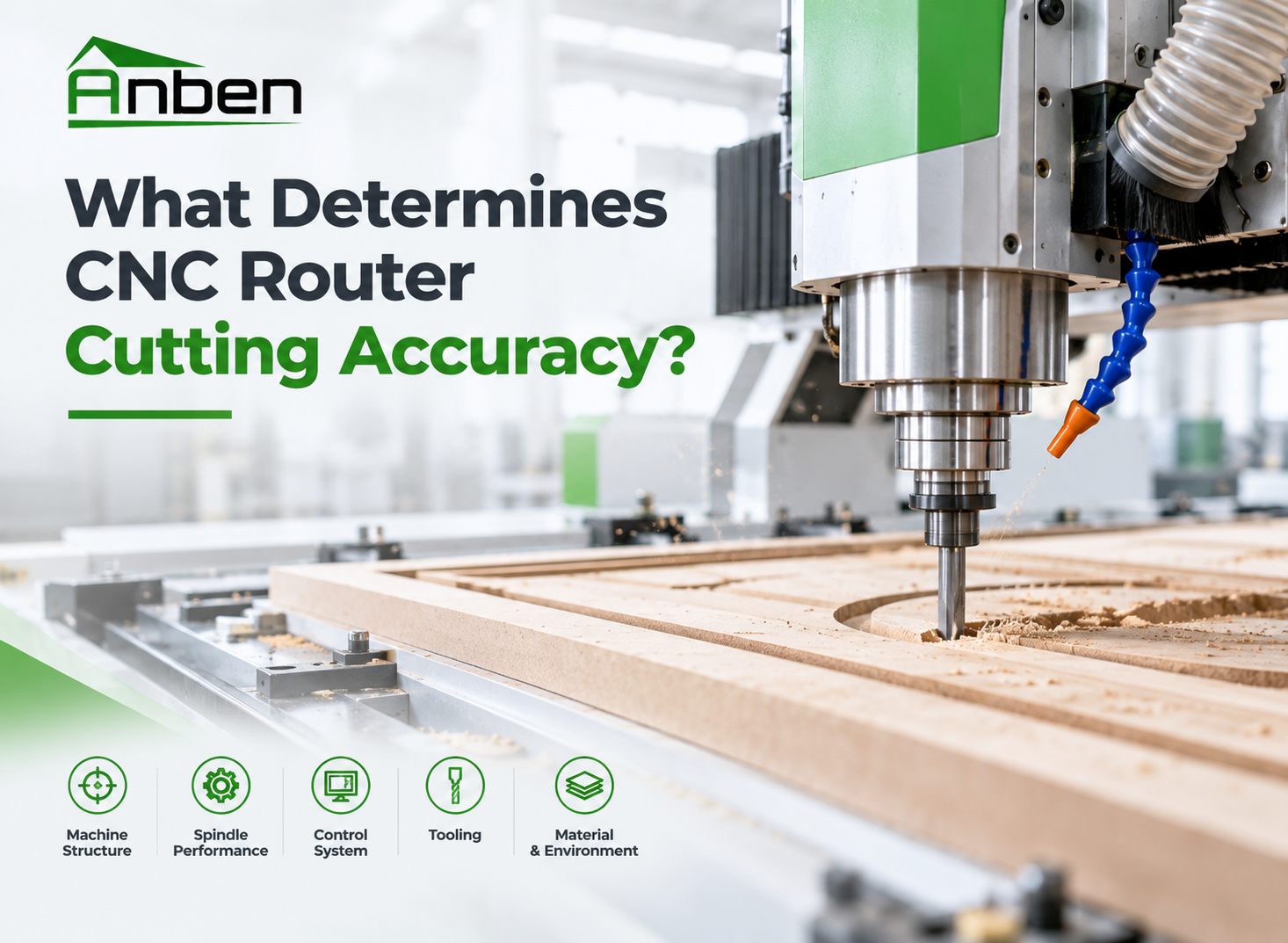
 What Determines CNC Router Cutting Accuracy?
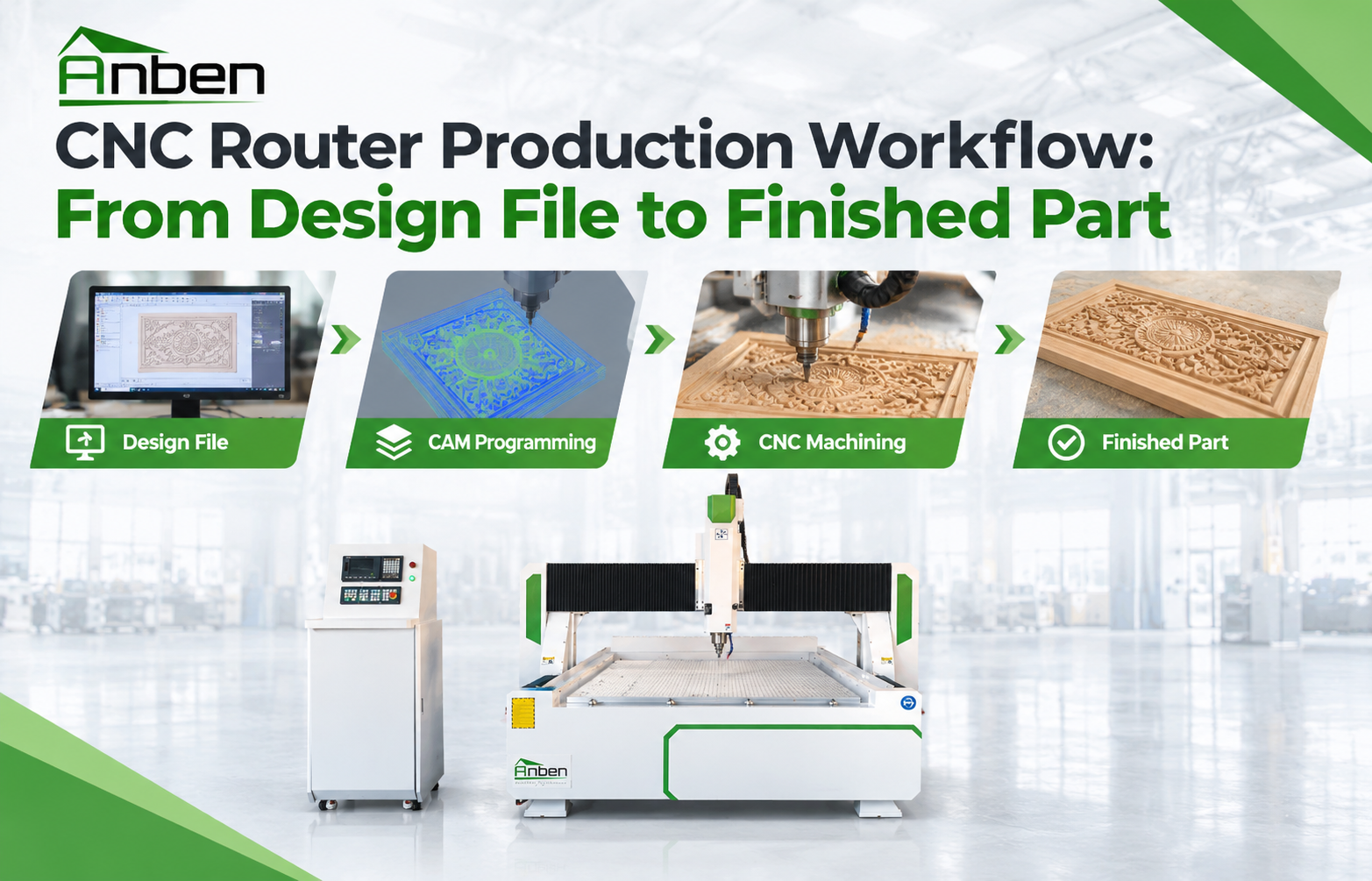
 CNC Router Production Workflow: From Design File to Finished Part
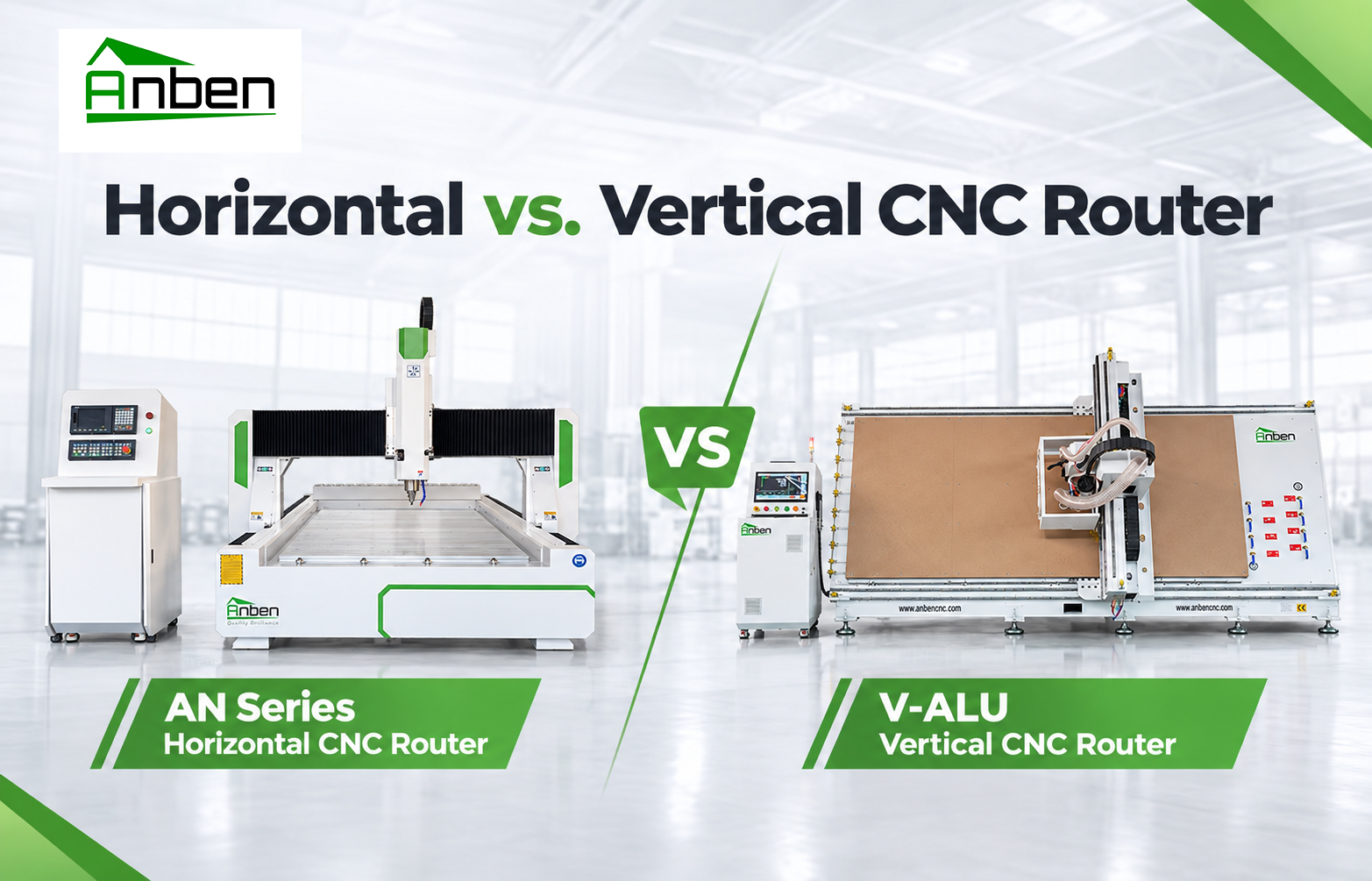
- Horizontal vs. Vertical CNC Router: Which One Is Right for You?
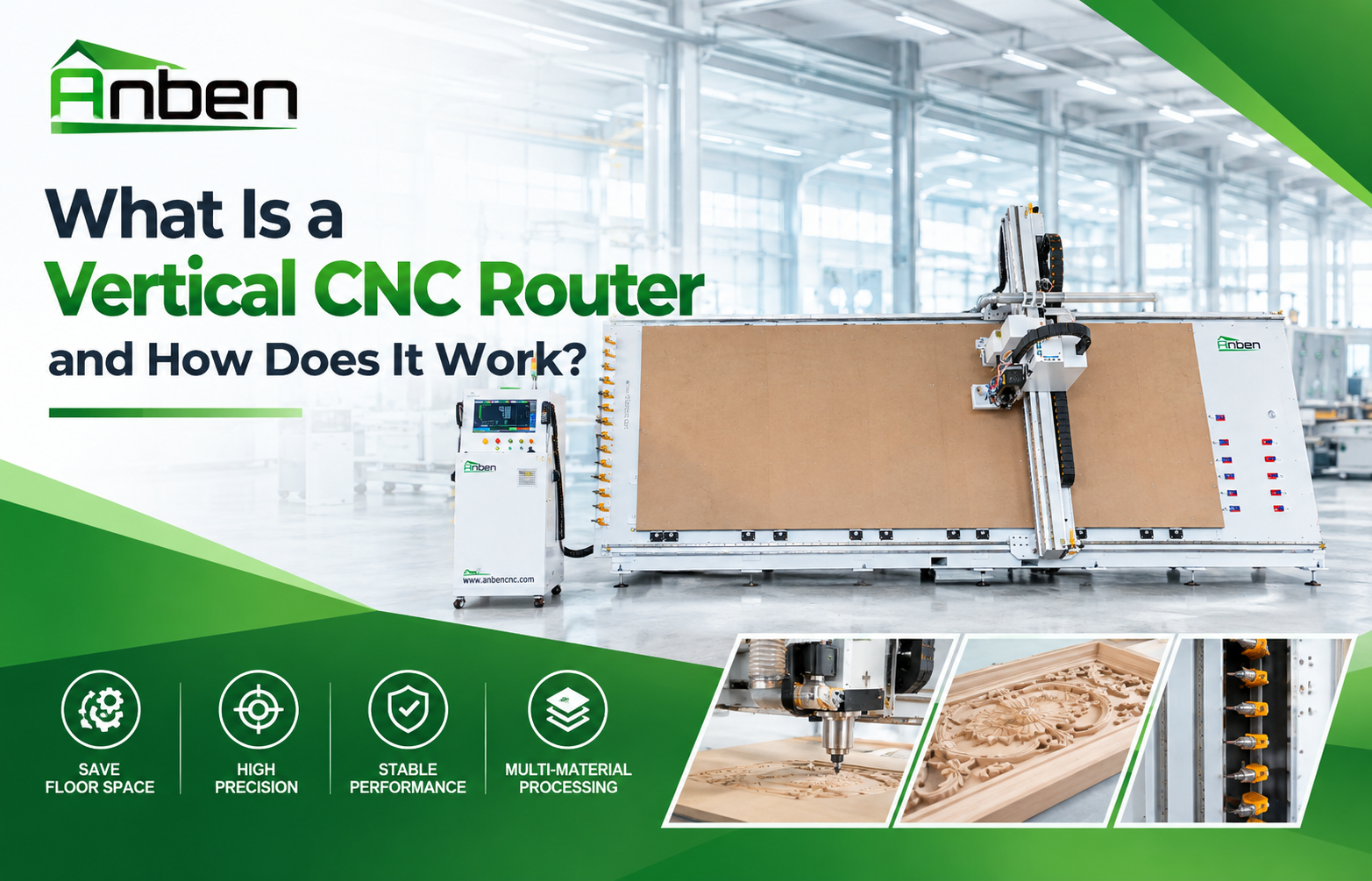
- What Is a Vertical CNC Router and How Does It Work?
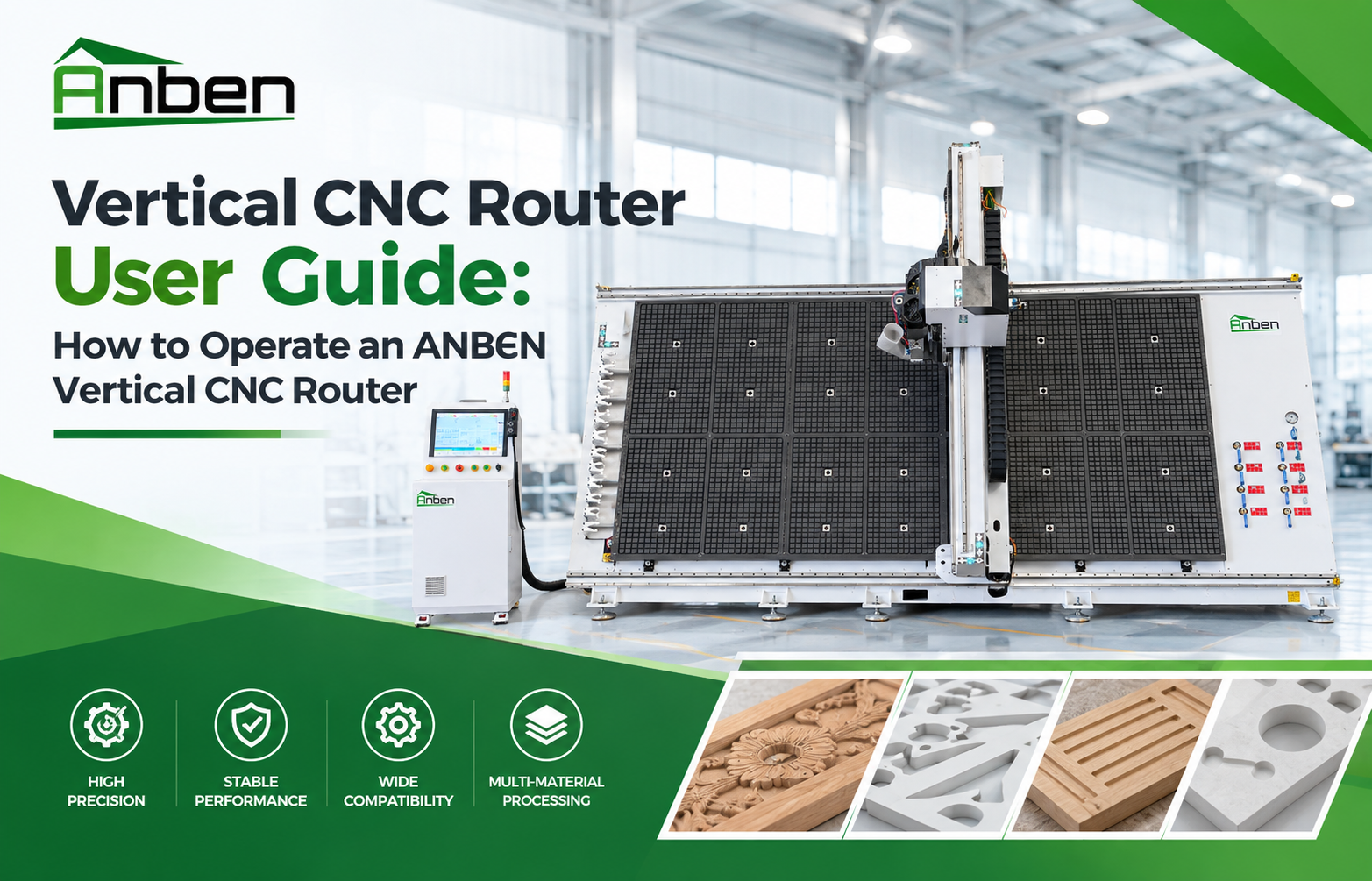
- Vertical CNC Router User Guide: How to Operate an ANBEN Vertical CNC Router
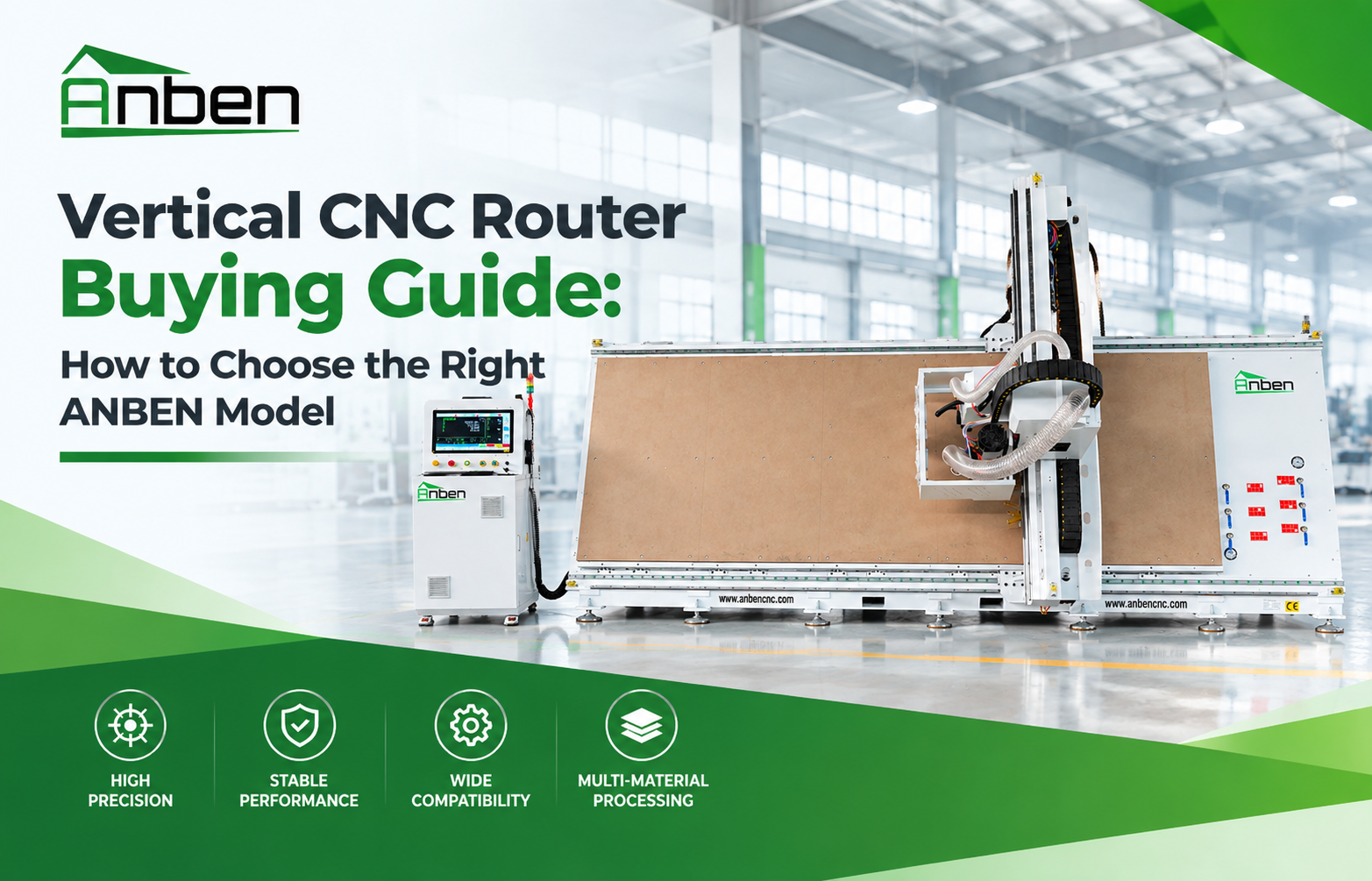
- Vertical CNC Router Buying Guide: How to Choose the Right ANBEN Model
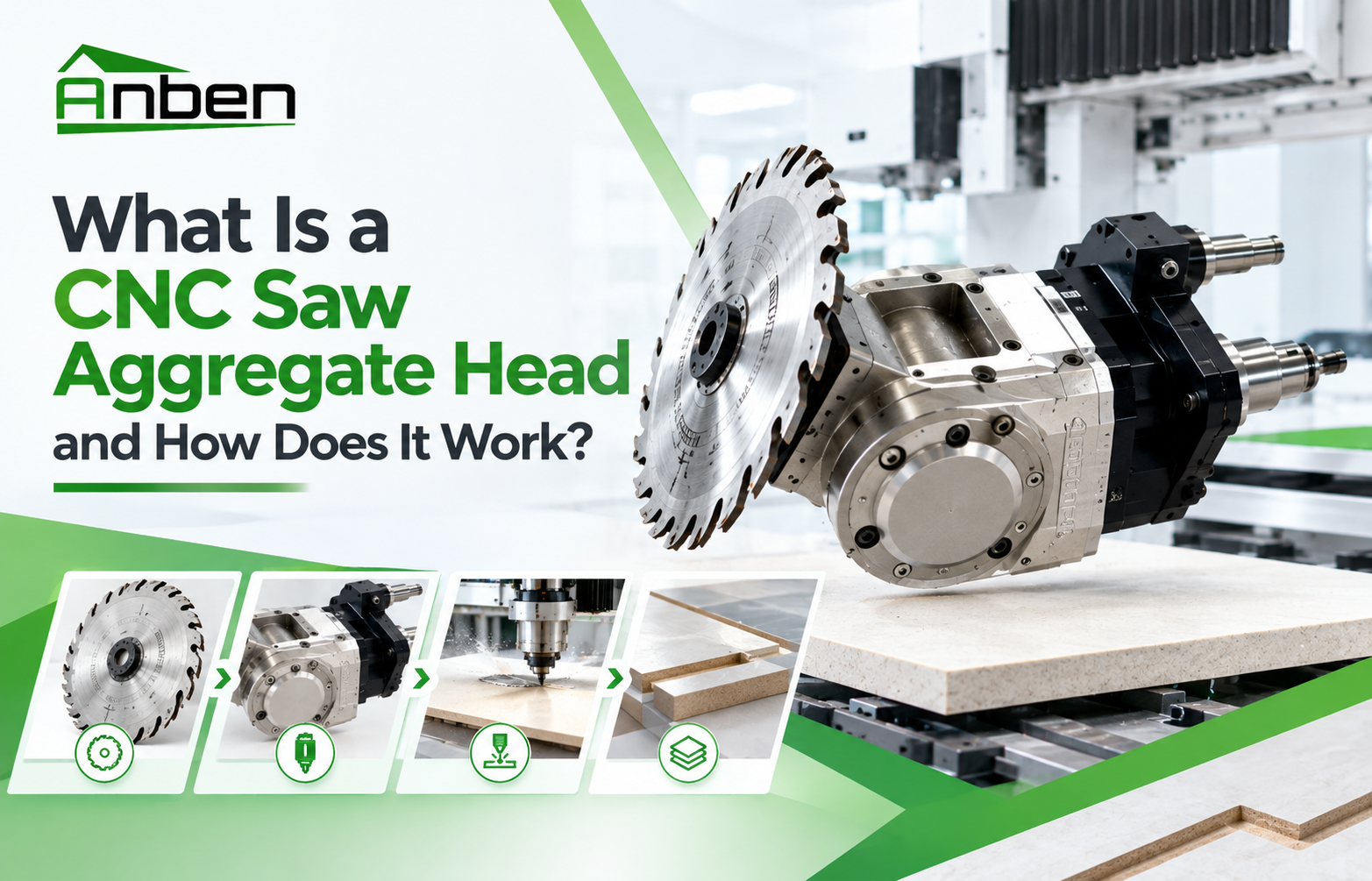
- What Is a CNC Saw Aggregate Head and How Does It Work?

Related Products
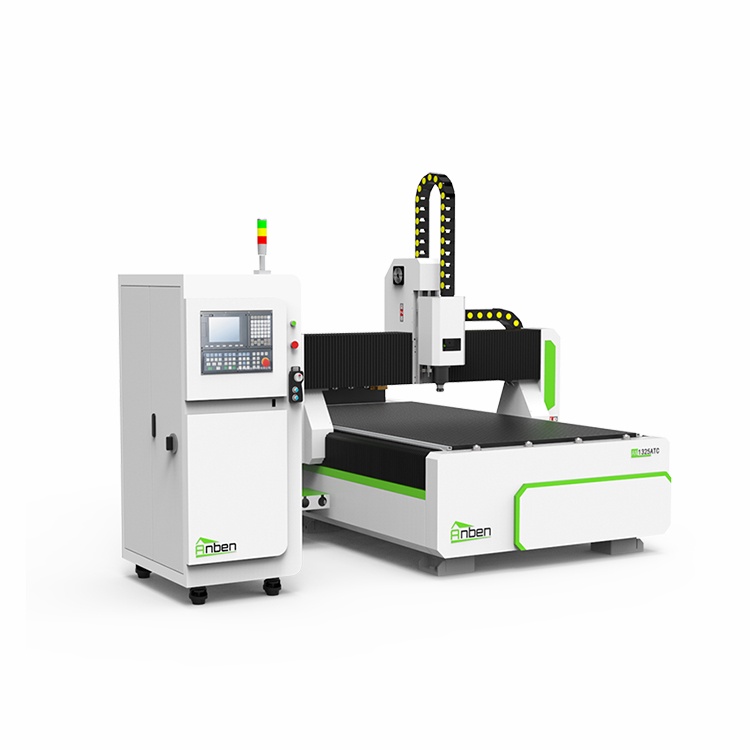
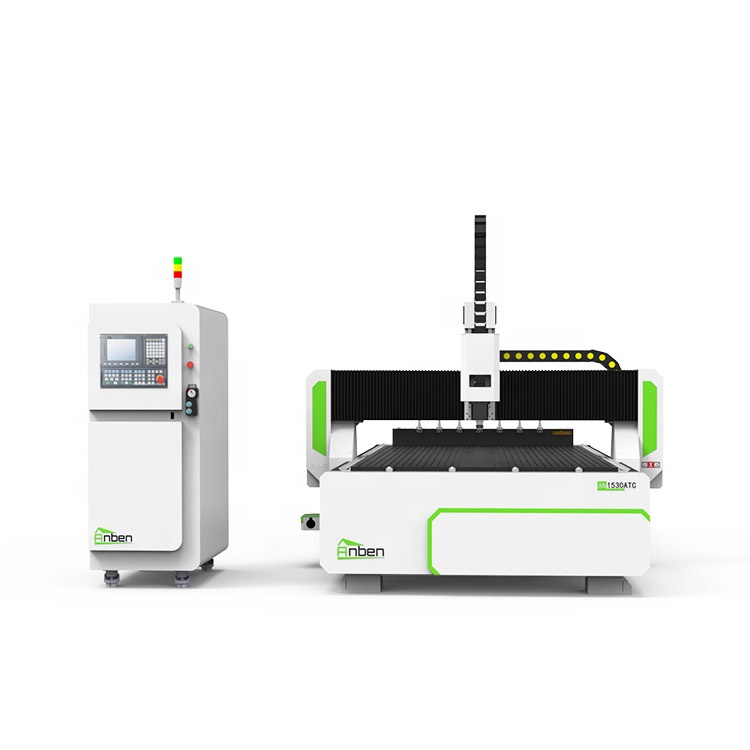
 AN1325ATC Automatic Tool ChangeAnben ATC (Automatic Tool Change)CNC router is popularly used in woodworking, making signs, molds making, art crafts making, etc. The automatic tool changer magazine carries 8-16 cutters. It can save tool change time,more efficient!
 AN1530ATC Automatic Tool ChangeAnben ATC (Automatic Tool Change)CNC router is popularly used in woodworking, making signs, molds making, art crafts making, etc. The automatic tool changer magazine carries 8-16 cutters. It can save tool change time,more efficient!
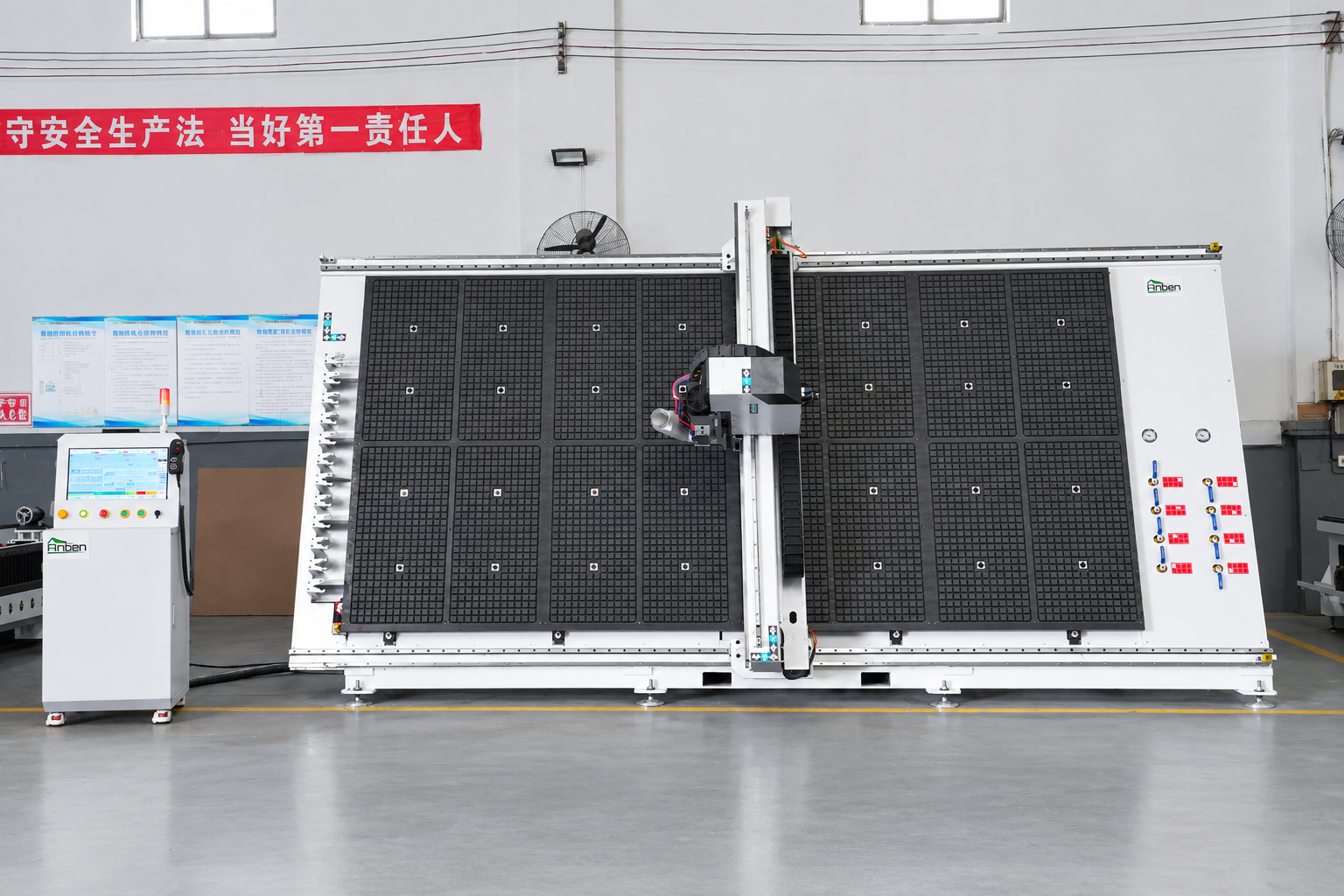
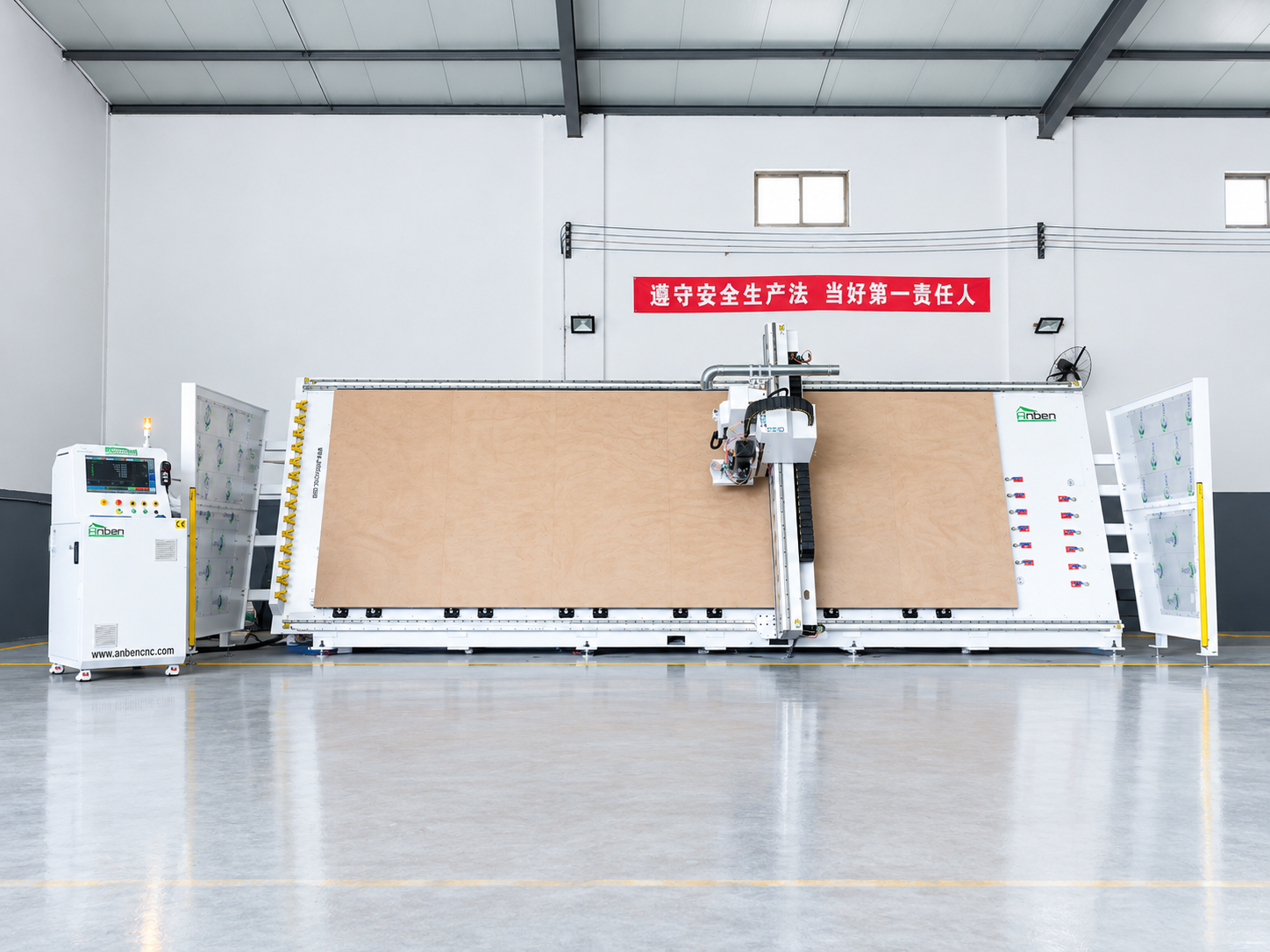
 V-2142 Vertical cnc routerThe vertical cnc significantly reduces the machine’s floor space. It is equipped with 8 sets of ATC tool magazines and other auxiliary devices such as vacuum pump, saw blade,aggregate head, positioning systems, etc. The Vertical cnc can cutting,grooving,engraving,drilling for various types of aluminum composite boards, acrylic boards, fiber boards and other boards. It is suitable for construction facades,cladding ,advertising signs,furniture manufacturing and other industries.
 V-2162 Vertical cnc routerThe vertical cnc significantly reduces the machine’s floor space. It is equipped with 8 sets of ATC tool magazines and other auxiliary devices such as vacuum pump, saw blade,aggregate head, positioning systems, etc. The Vertical cnc can cutting,grooving,engraving,drilling for various types of aluminum composite boards, acrylic boards, fiber boards and other boards. It is suitable for construction facades,cladding ,advertising signs,furniture manufacturing and other industries.
Get in touch

Anben Industrial – Founded in 2017, with a pure engineering spirit, providing trustworthy CNC solutions, born for long-term stable performance.
Contact