

CNC Router Operating Precautions: A Practical Guide for Safe and Stable Machining





Operating a CNC router correctly is essential for machining accuracy, tool life, and operator safety. Whether cutting wood, MDF, plywood, acrylic, or other compatible materials, proper preparation and operation can help prevent tool breakage, material damage, and unexpected downtime.
This guide provides practical operating precautions for ANBEN CNC router users.
1. Check the Machine Before Operation
Before starting the CNC router, inspect the machine and working area carefully.
Make sure the machine is properly powered and grounded.
Check the spindle, cutting tool, collet, and tool holder.
Make sure the workpiece is firmly secured to the table.
Check the vacuum table or other workholding system if equipped.
Remove tools, materials, and other objects from the machining area.
Confirm that the emergency stop and safety devices are working properly.
A quick inspection before machining can help prevent many avoidable problems.
2. Check the Toolpath and Cutting Parameters
Before running a new CNC program, check the toolpath carefully.
Confirm the correct work origin, cutting depth, tool diameter, spindle speed, and feed rate. Make sure the selected tool is suitable for the material being processed.
For a new design, perform a simulation or dry run when possible. This helps identify incorrect toolpaths, positioning errors, or excessive cutting depth before machining the actual material.
3. Use the Correct Cutting Tool
Different materials and machining operations require different CNC router bits.
Use a suitable tool for cutting, engraving, drilling, or finishing. A dull, damaged, loose, or incorrect tool can cause vibration, rough edges, burning, poor accuracy, and tool breakage.
Always check the tool before installation and make sure it is securely clamped in the collet.
4. Stay Away from Moving Parts
A CNC router contains high-speed rotating and moving components. Never touch the spindle, cutting tool, workpiece, or moving axis while the machine is running.
Operators should:
Keep hands away from the cutting area.
Avoid loose clothing and dangling accessories.
Keep long hair secured.
Never reach into the machine during operation.
Do not attempt to remove chips or adjust the workpiece while the spindle is rotating.
Wait until the machine has completely stopped before making adjustments.
5. Monitor the Machine During Machining
Do not leave a running CNC router unattended.
Watch for unusual noise, excessive vibration, tool deflection, smoke, burning marks, abnormal movement, or changes in cutting quality.
If an unexpected condition occurs, stop the machine immediately and identify the cause before continuing production.
Common causes may include an unsuitable cutting parameter, loose workholding, worn tooling, incorrect toolpath, or excessive cutting depth.
6. Keep the Workshop Clean
CNC machining produces wood chips, dust, and other debris. Accumulated dust can affect machine movement, workholding, electrical components, and overall workshop safety.
After machining:
Remove chips and dust from the working area.
Clean the machine table and surrounding components.
Check the vacuum system and dust collection equipment.
Keep electrical and control components free from dust.
Store tools and materials properly.
Regular cleaning helps maintain a stable machining environment.
7. Follow Proper Shutdown Procedures
After completing the machining job, allow the spindle and moving components to stop completely.
Remove the finished workpiece, clean the machine, and check for any abnormal conditions. Follow the ANBEN machine manual for the correct shutdown sequence.
If the CNC router will not be used for an extended period, perform appropriate cleaning and maintenance before switching off the machine.
Final Tips
Safe CNC router operation starts before pressing the start button. Proper machine inspection, correct tooling, suitable cutting parameters, secure workholding, continuous monitoring, and regular cleaning all contribute to stable production.
For ANBEN CNC router users, following these basic precautions can help improve machining quality, reduce unnecessary downtime, extend machine life, and create a safer working environment.
 What Is CNC Nesting and How Does It Reduce Material Waste?
 What Determines CNC Router Cutting Accuracy?
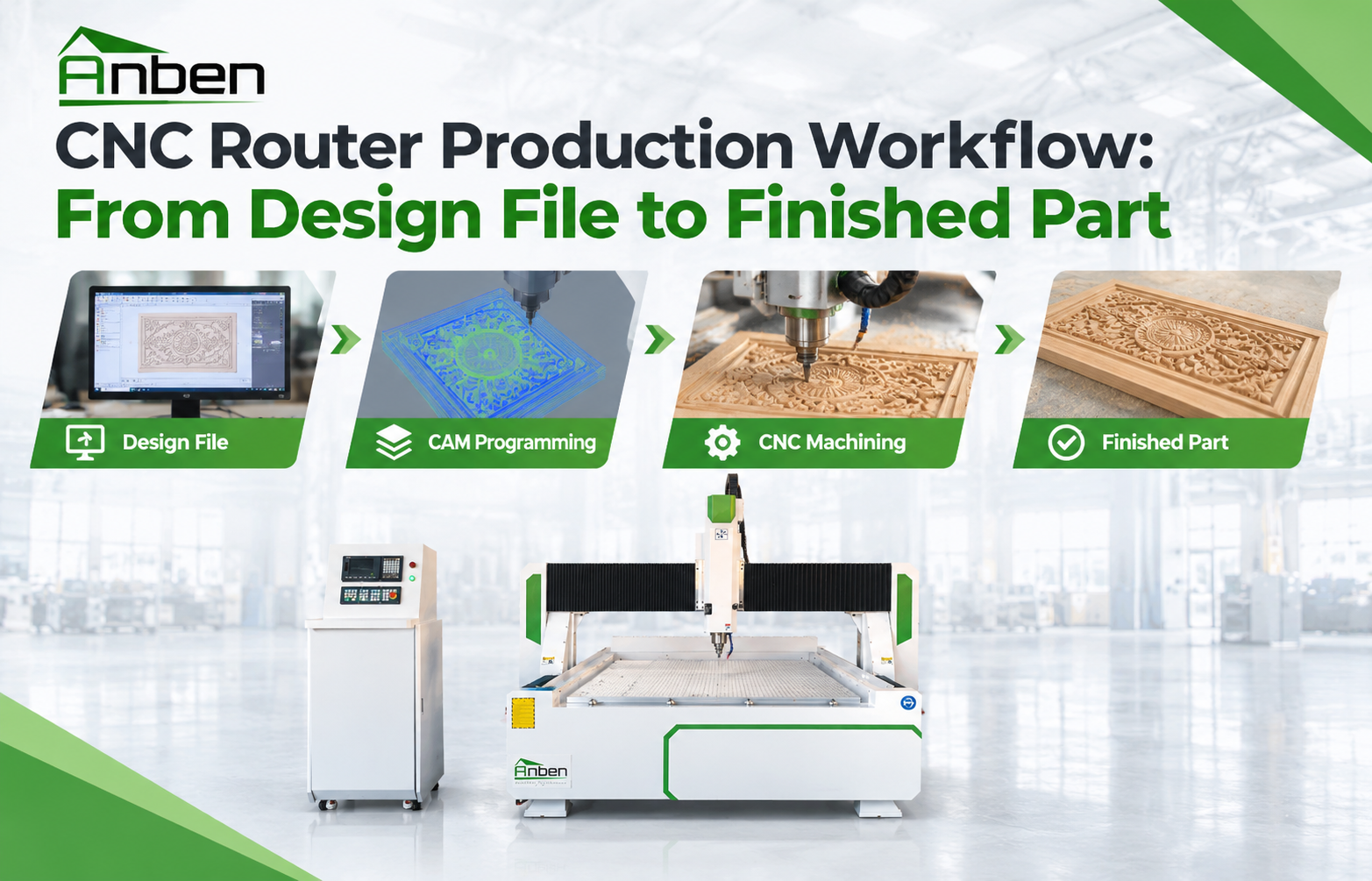
 CNC Router Production Workflow: From Design File to Finished Part
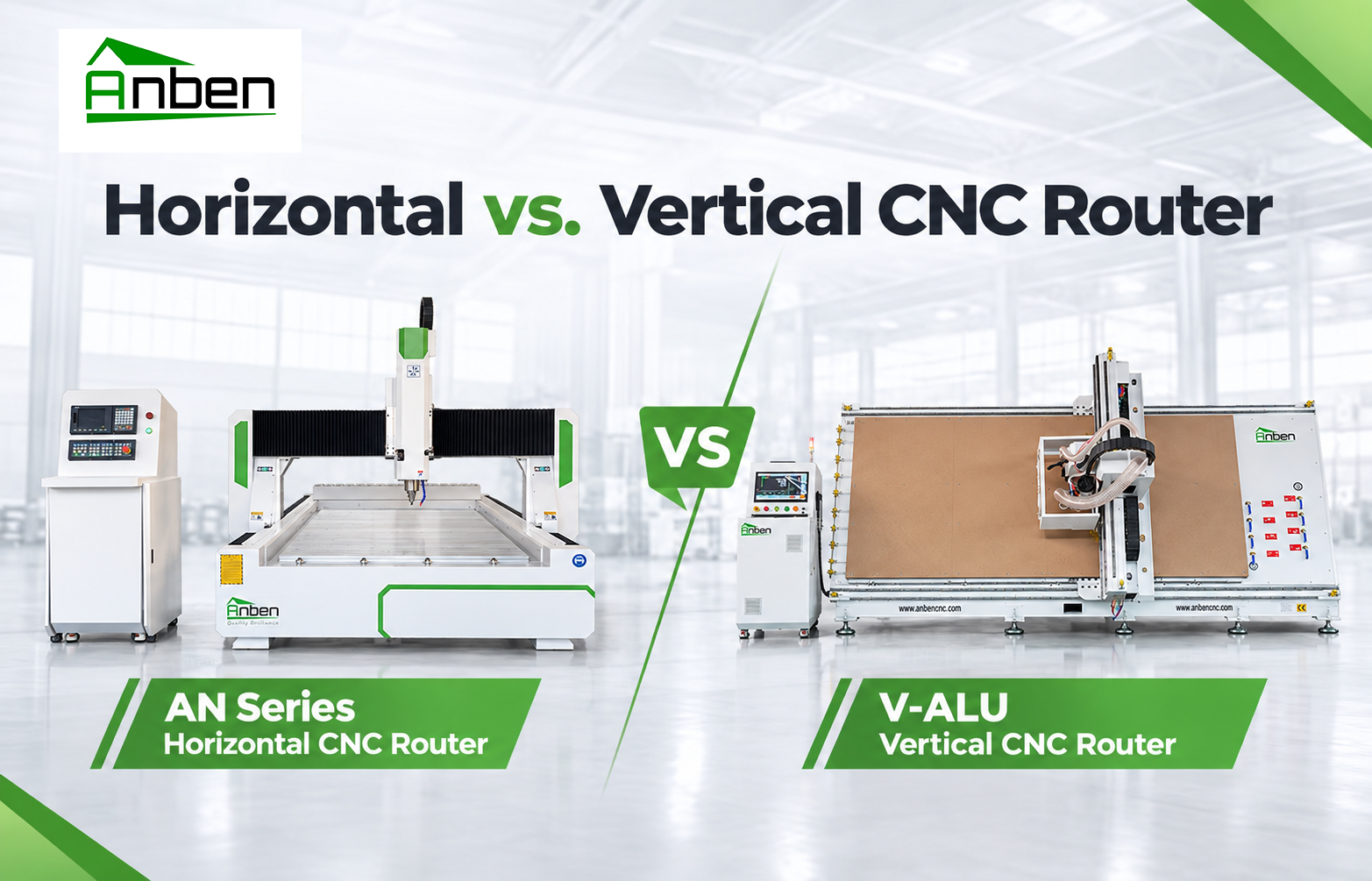
- Horizontal vs. Vertical CNC Router: Which One Is Right for You?
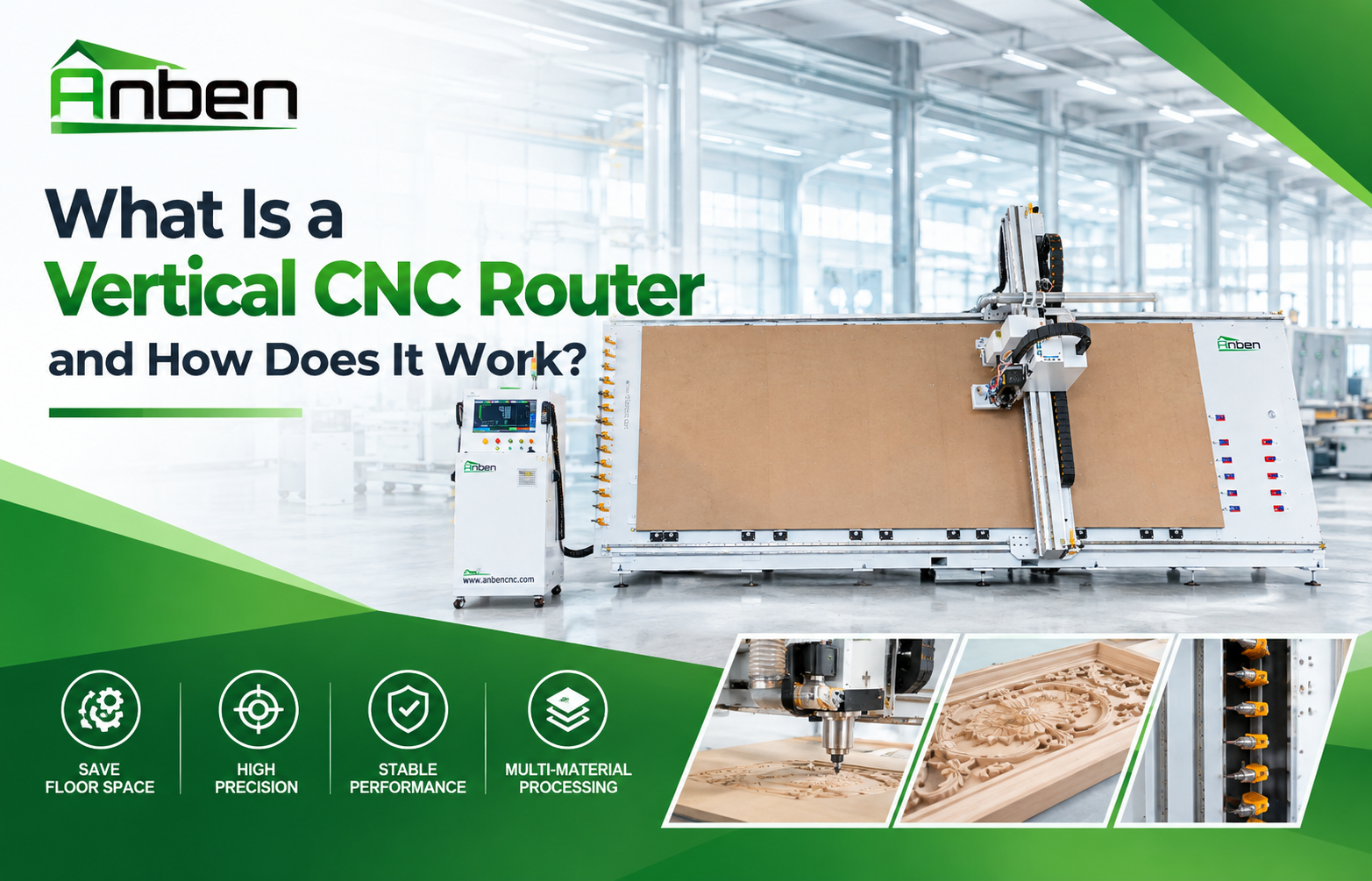
- What Is a Vertical CNC Router and How Does It Work?
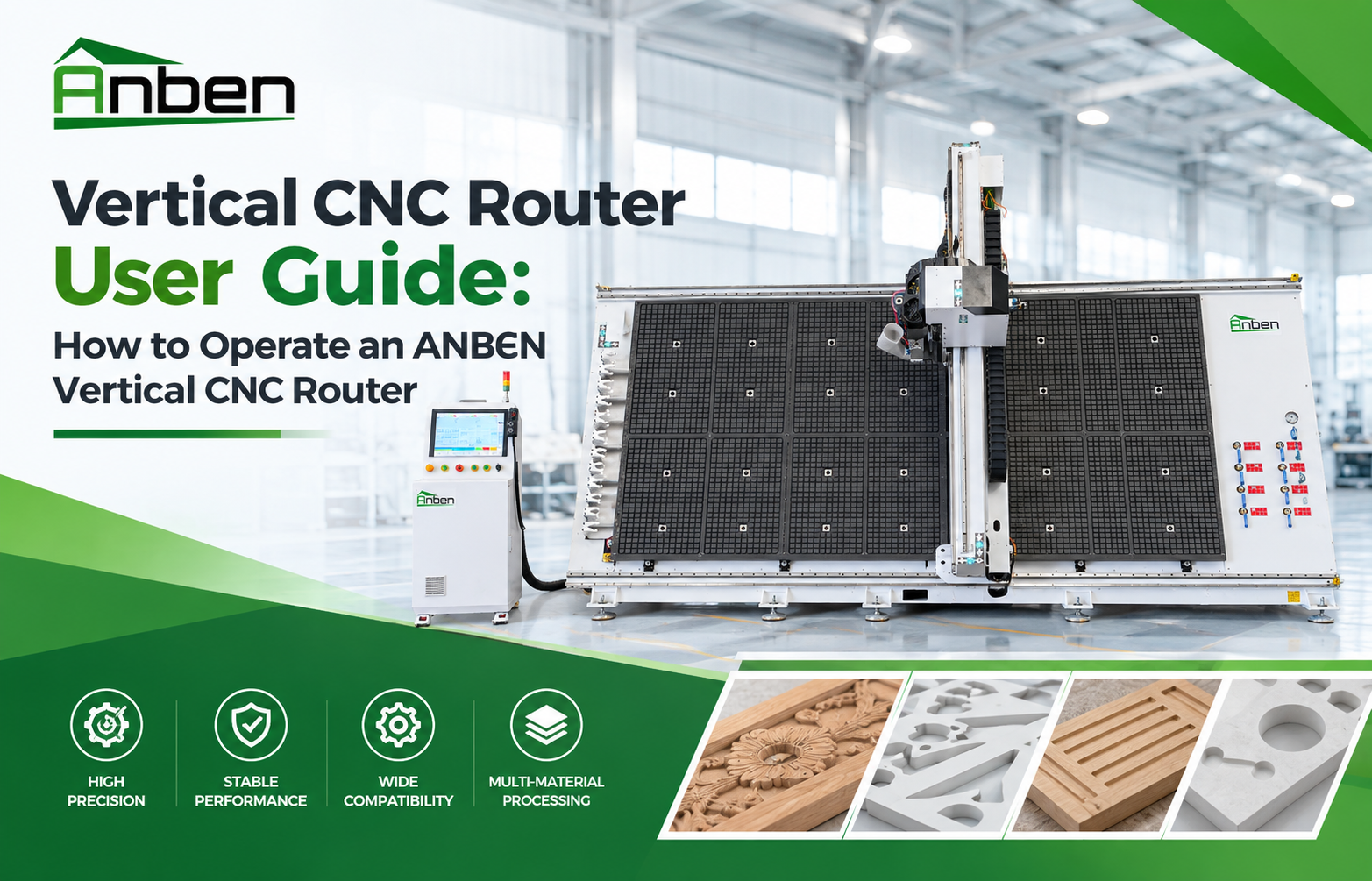
- Vertical CNC Router User Guide: How to Operate an ANBEN Vertical CNC Router
- Vertical CNC Router Buying Guide: How to Choose the Right ANBEN Model
- What Is a CNC Saw Aggregate Head and How Does It Work?


Related Products
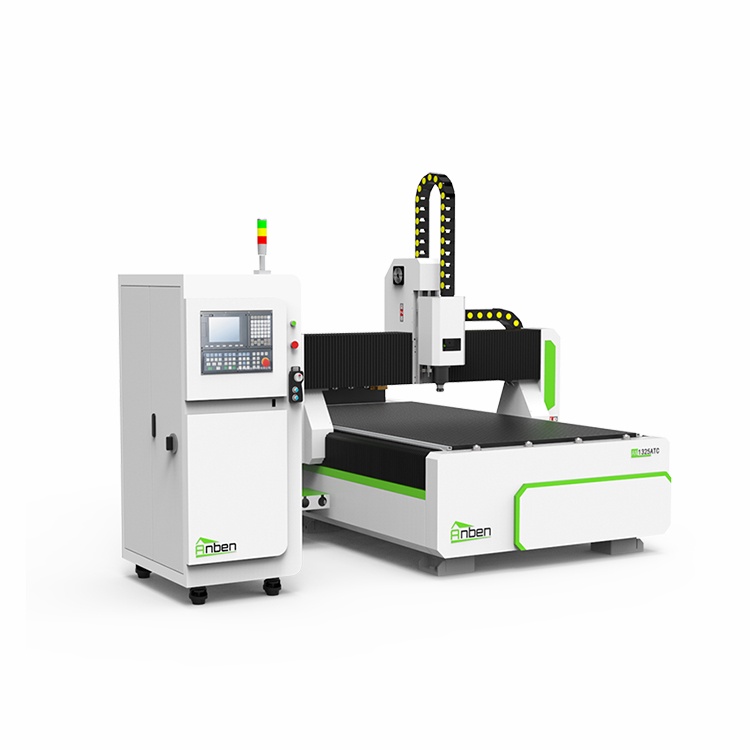
 AN1325ATC Automatic Tool ChangeAnben ATC (Automatic Tool Change)CNC router is popularly used in woodworking, making signs, molds making, art crafts making, etc. The automatic tool changer magazine carries 8-16 cutters. It can save tool change time,more efficient!
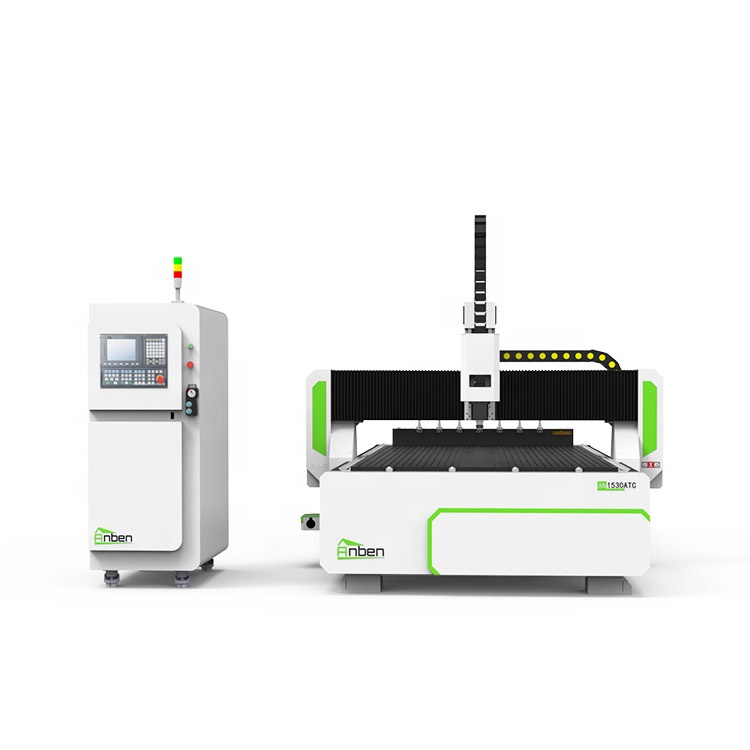
 AN1530ATC Automatic Tool ChangeAnben ATC (Automatic Tool Change)CNC router is popularly used in woodworking, making signs, molds making, art crafts making, etc. The automatic tool changer magazine carries 8-16 cutters. It can save tool change time,more efficient!
 AN2040ATC Automatic Tool ChangeAnben ATC (Automatic Tool Change)CNC router is popularly used in woodworking, making signs, molds making, art crafts making, etc. The automatic tool changer magazine carries 8-16 cutters. It can save tool change time,more efficient!
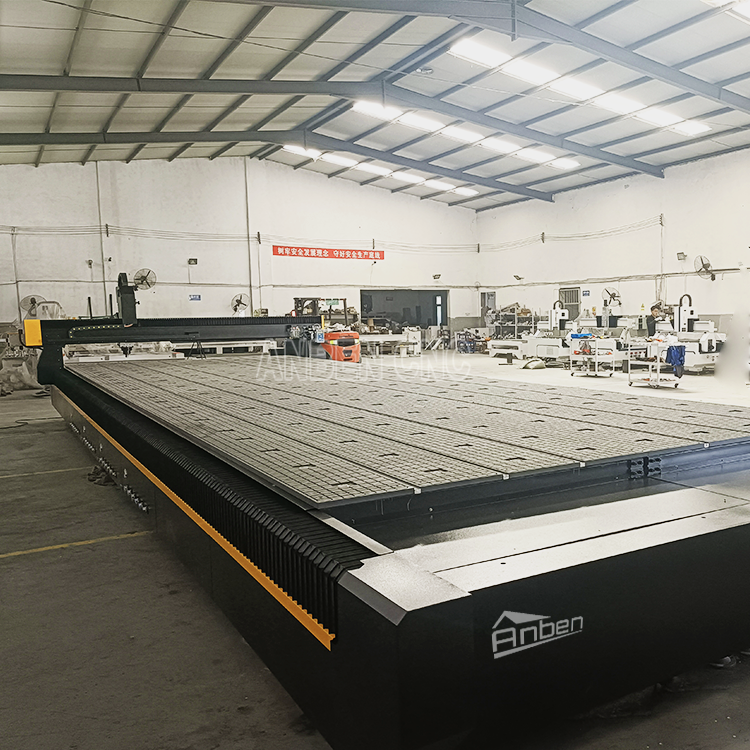
 AN3511ATC Cnc Router,3500*11000mm Automatic Tool ChangeAN3511ATC cnc router, working area 3500mm width x 11000mm width.It designed for processing oversized materials with high precision and stability. They are widely used in industries such as large-scale advertising signage, architectural curtain walls, ship boat production and furniture production. With a large working area and powerful structure, these machines can efficiently handle full-size panels and complex components, improving productivity and machining accuracy.
Get in touch

Anben Industrial – Founded in 2017, with a pure engineering spirit, providing trustworthy CNC solutions, born for long-term stable performance.
Contact