

When Should You Upgrade to an ATC CNC Router?





Introduction
As production demand grows, manual tool changes can become a bottleneck in CNC machining. Upgrading to an ATC CNC router may help manufacturers improve efficiency, reduce operator intervention, and handle more complex machining tasks. But when is the right time to upgrade? This buyer guide explains the key signs to consider before investing in an automatic tool changer CNC router.
1. Manual Tool Changes Are Slowing Down Production
If operators frequently stop the machine to change tools, production time can be lost between machining operations. An ATC CNC router automatically switches tools according to the machining program, reducing manual intervention and unnecessary downtime.
For workshops handling multiple cutting, drilling, and milling operations, an automatic tool changer can make production more continuous and efficient.
2. You Process Multiple Parts or Materials
Manufacturers working with wood, MDF, acrylic, aluminum composite panels (ACP), and other materials may need different tools for different operations.
An ATC CNC router stores multiple tools in a tool magazine and changes them automatically when required. This is particularly useful for cabinet manufacturing, furniture production, signage, and industrial panel processing.
Before upgrading, consider your typical tool requirements and choose a suitable tool magazine capacity.
3. Your Orders Are Becoming More Complex
As customer requirements expand, a standard CNC router with manual tool changes may no longer meet production needs efficiently.
If your jobs involve nesting, drilling, grooving, engraving, and profile cutting in one program, an ATC CNC router can help streamline multi-process machining. The right configuration depends on your machining methods, materials, and required tool changes.
4. Labor Efficiency Has Become a Priority
Manual tool changes require operator attention. An automatic tool changer reduces the need for repeated manual intervention, allowing operators to focus on loading materials, checking finished parts, and preparing the next job.
For growing workshops, this can support a more organized workflow and better use of available labor. Actual productivity gains depend on the production process, machine configuration, and operator workflow.
5. Your Business Needs Greater Production Capacity
If order volumes are increasing and your current machine is becoming a production bottleneck, upgrading to an ATC CNC router may be worth evaluating.
Compare the time spent on tool changes, the number of daily jobs, labor requirements, and expected future demand. A higher-capacity machine is not always necessary; the goal is to select a configuration that matches your real production needs.
What Should You Consider Before Upgrading?
Before choosing an ATC CNC router, evaluate these factors:
Tool magazine capacity: Select enough tool positions for your regular machining operations.
Working area: Match the machine size to your typical panel dimensions and production layout.
Spindle and control system: Ensure they meet your material and machining requirements.
Material handling: Consider vacuum workholding, loading methods, and available workshop space.
Return on investment: Compare the total machine cost with potential savings in labor and production time.
Is an ATC CNC Router Right for Your Workshop?
An ATC CNC router is worth considering when manual tool changes frequently interrupt production, machining programs require multiple tools, or order volumes are growing. For simpler jobs that use only one tool, a standard CNC router may remain a practical choice.
ANBEN CNC offers CNC router solutions for different production requirements, including ATC models designed for furniture, signage, panel processing, and industrial manufacturing. Evaluate your materials, working area, tool requirements, and expected production volume before selecting a machine.
The best upgrade is not simply a more advanced machine, but a CNC solution that fits your production workflow and long-term business goals.
 How to Set Z-Axis Zero on a CNC Router
- When Should You Upgrade to an ATC CNC Router?
- Daily CNC Router Maintenance Checklist for Operators
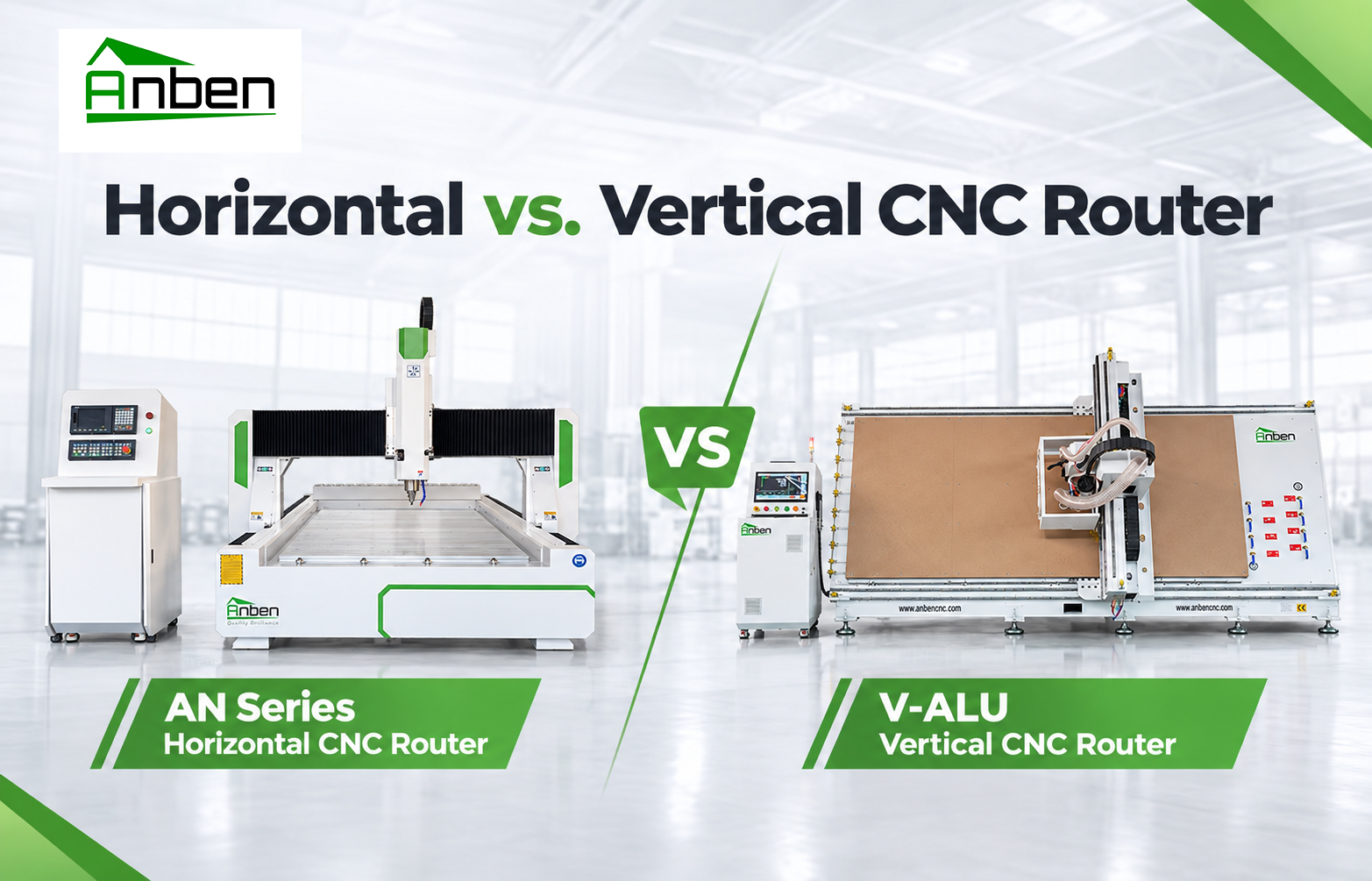
- Horizontal or Vertical CNC Router for Large Panel Production?
 What Is CNC Nesting and How Does It Reduce Material Waste?
- What Determines CNC Router Cutting Accuracy?
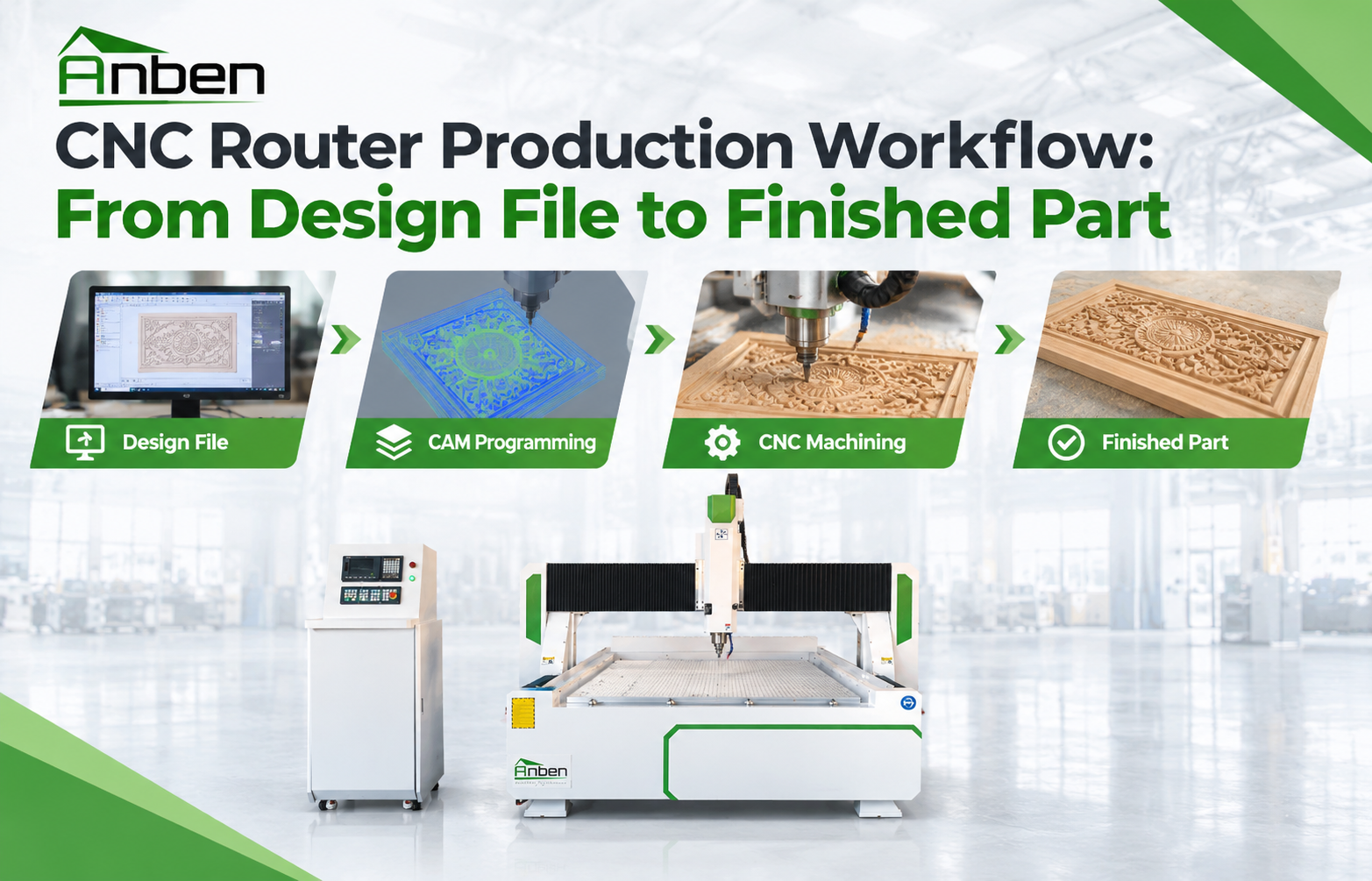
 CNC Router Production Workflow: From Design File to Finished Part
- Horizontal vs. Vertical CNC Router: Which One Is Right for You?



Related Products
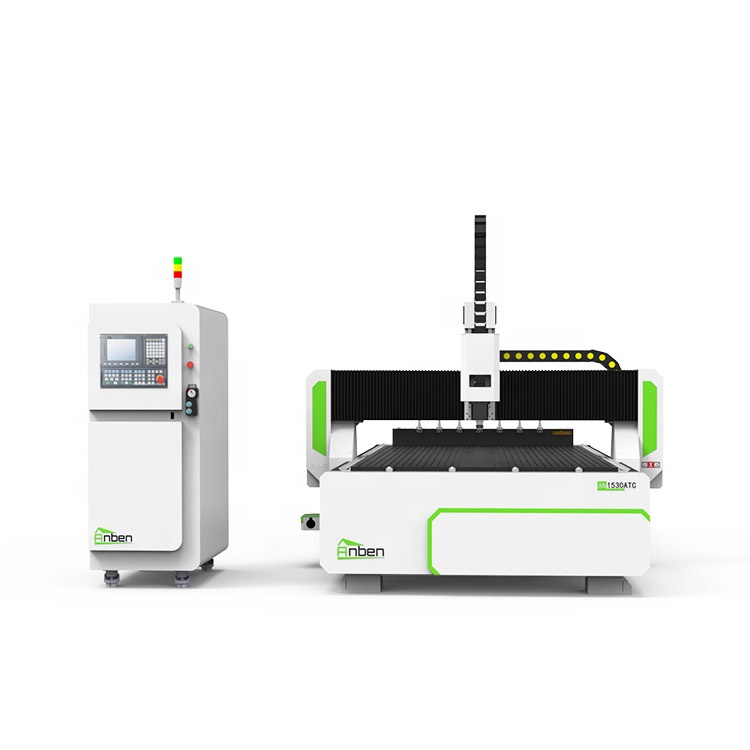
 AN1530ATC Automatic Tool ChangeAnben ATC (Automatic Tool Change)CNC router is popularly used in woodworking, making signs, molds making, art crafts making, etc. The automatic tool changer magazine carries 8-16 cutters. It can save tool change time,more efficient!
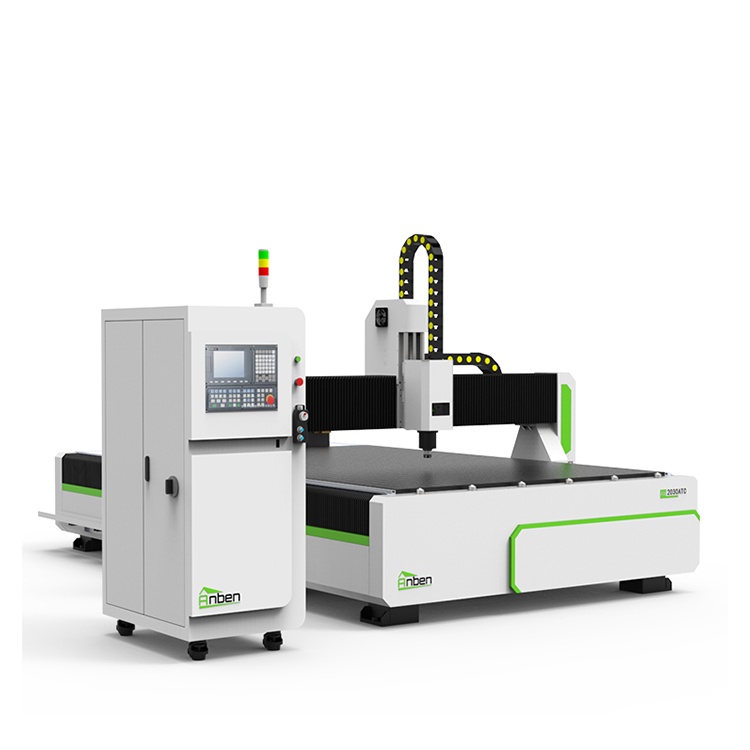
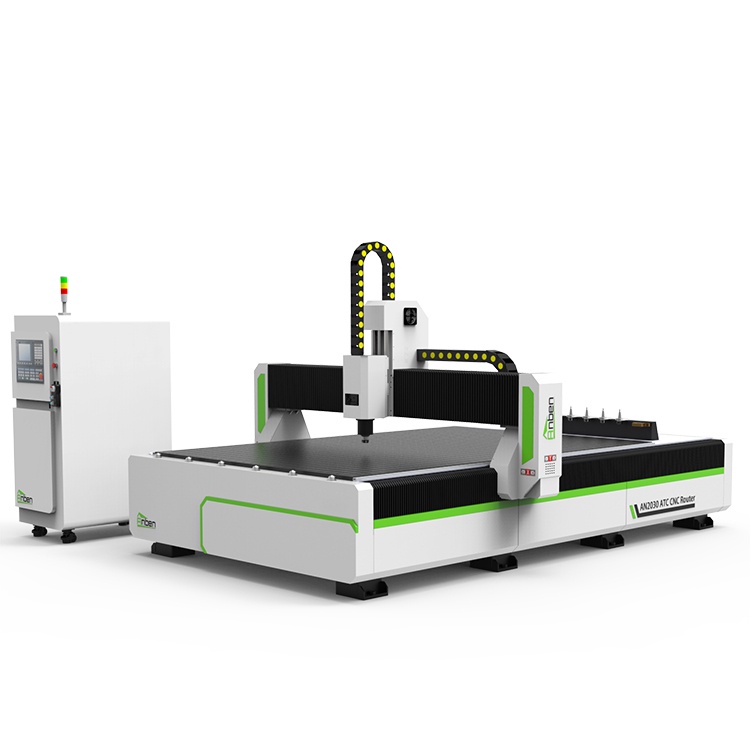
 AN2030ATC Automatic Tool ChangeAnben ATC (Automatic Tool Change)CNC router is popularly used in woodworking, making signs, molds making, art crafts making, etc. The automatic tool changer magazine carries 8-16 cutters. It can save tool change time,more efficient!
 AN2040ATC Automatic Tool ChangeAnben ATC (Automatic Tool Change)CNC router is popularly used in woodworking, making signs, molds making, art crafts making, etc. The automatic tool changer magazine carries 8-16 cutters. It can save tool change time,more efficient!
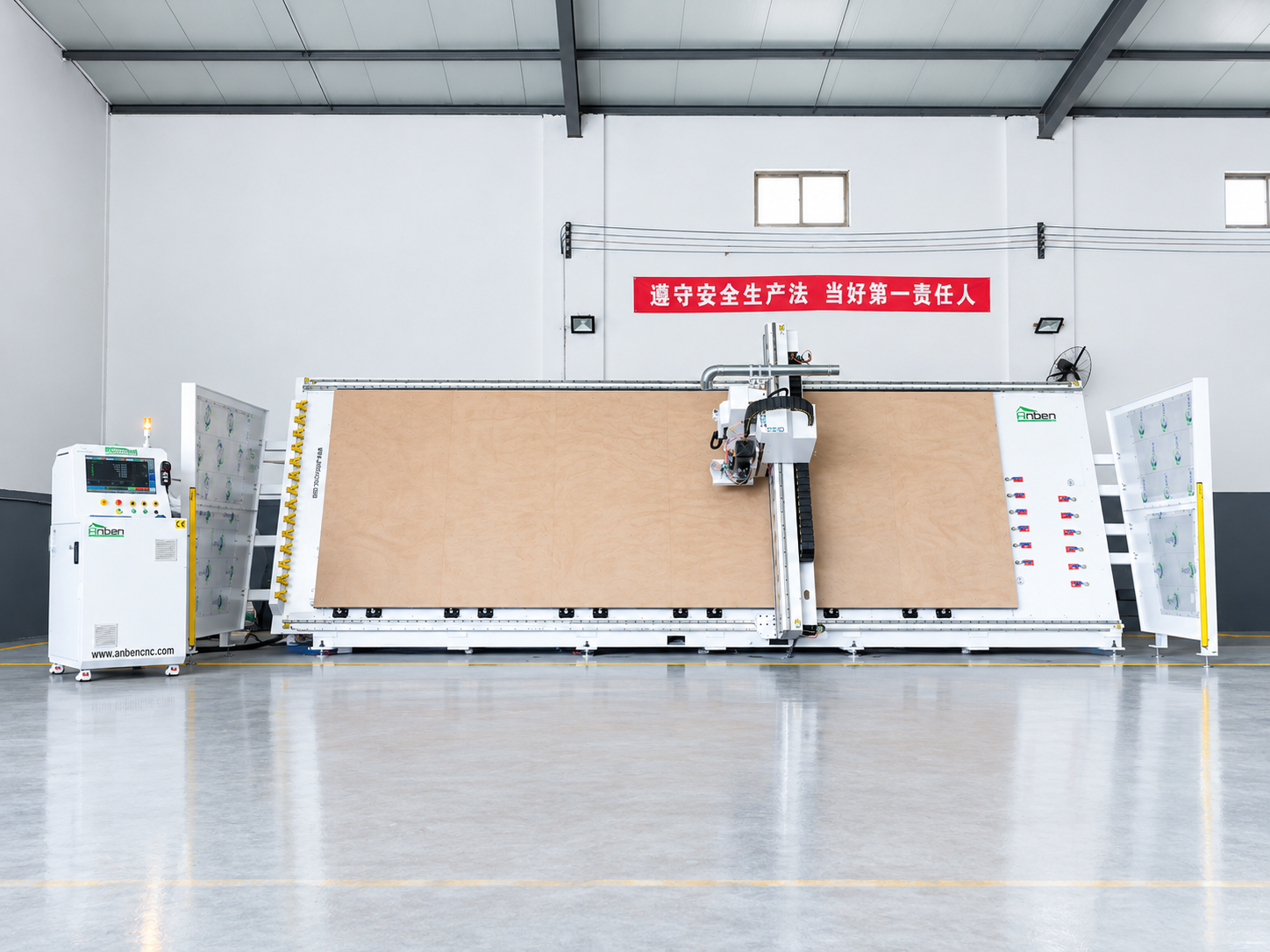
 V-2162 Vertical cnc routerThe vertical cnc significantly reduces the machine’s floor space. It is equipped with 8 sets of ATC tool magazines and other auxiliary devices such as vacuum pump, saw blade,aggregate head, positioning systems, etc. The Vertical cnc can cutting,grooving,engraving,drilling for various types of aluminum composite boards, acrylic boards, fiber boards and other boards. It is suitable for construction facades,cladding ,advertising signs,furniture manufacturing and other industries.
Get in touch

Anben Industrial – Founded in 2017, with a pure engineering spirit, providing trustworthy CNC solutions, born for long-term stable performance.
Contact