

What Is CNC Nesting and How Does It Reduce Material Waste?





CNC nesting is a manufacturing method that arranges multiple parts on a single sheet of material before CNC cutting. Instead of cutting each part separately or placing parts manually, nesting software creates an optimized layout to use as much of the available sheet as possible.
For CNC router applications, nesting is commonly used with wood, MDF, plywood, acrylic, plastic, aluminum, ACP, ACM, and other sheet materials. It is especially useful for cabinet making, furniture production, signage, interior decoration, and panel processing.
How Does CNC Nesting Work?
A typical CNC nesting workflow includes several basic steps:
1. Prepare the Design Files
Parts are created in CAD or design software and exported to a compatible format such as DXF. The required dimensions, quantities, and shapes are prepared for production.
2. Define the Sheet Material
The operator selects the sheet size, material type, thickness, and other cutting requirements. Tool diameter, part spacing, and material direction may also need to be considered.
3. Optimize the Layout
Nesting software automatically arranges the parts on the sheet. It can rotate and reposition parts to reduce unused areas while maintaining the required cutting clearance.
4. Generate the CNC Cutting Layout
The optimized nesting layout is transferred to the CNC workflow for toolpath generation and machining. This creates a more organized process from design to finished parts.
How Does CNC Nesting Reduce Material Waste?
The main advantage of CNC nesting is better material utilization.
When parts are arranged efficiently, more components can be produced from the same sheet. Irregular shapes can be positioned closer together, while suitable smaller parts may be placed in unused areas around larger components. True-shape nesting can use the actual contours of parts instead of simply treating every part as a rectangle.
This can provide several production benefits:
Less material waste – More of each sheet can become usable parts.
Lower material consumption – Fewer sheets may be required for the same production order.
Better sheet utilization – Available material is used more efficiently.
Reduced manual layout work – Software can automatically calculate optimized arrangements.
More consistent production – Repeat jobs can use standardized nesting layouts.
Better offcut management – Usable leftover material can be identified and reused in future jobs.
The actual savings depend on part geometry, sheet size, material type, cutting clearance, production quantity, and the quality of the existing layout. Therefore, nesting should be evaluated using real production jobs rather than a fixed percentage of expected savings.
CNC Nesting and Production Efficiency
Material utilization is only one part of CNC nesting. A well-planned layout can also help organize the complete cutting process.
For high-volume production, nesting can combine different parts from the same material into one optimized sheet. This is useful when producing cabinet components, furniture panels, doors, signs, acrylic parts, and custom components.
When combined with an ATC CNC router, automated tool changing, vacuum workholding, and CNC control systems, optimized nesting can become part of a more efficient digital production workflow.
What Should Be Considered Before CNC Nesting?
Good nesting is not simply about putting as many parts as possible onto a sheet. The layout must also consider:
CNC tool diameter and cutting clearance
Material grain or processing direction
Part quantity and orientation
Sheet dimensions
Small-part stability during cutting
Vacuum holding requirements
Cutting sequence and toolpaths
Reusable offcuts
For example, wood panels may require grain direction to remain consistent, while acrylic or aluminum sheets may require different processing considerations.
CNC Nesting for Modern Manufacturing
For CNC router users, nesting connects design, material planning, and CNC cutting into one production workflow. By optimizing how parts are arranged before machining, manufacturers can reduce unnecessary scrap and make better use of every sheet.
For businesses processing large quantities of panels, CNC nesting is therefore an important step toward more efficient CNC manufacturing, lower material consumption, and better production planning.
In short: Better nesting means better use of every sheet.
 What Is CNC Nesting and How Does It Reduce Material Waste?
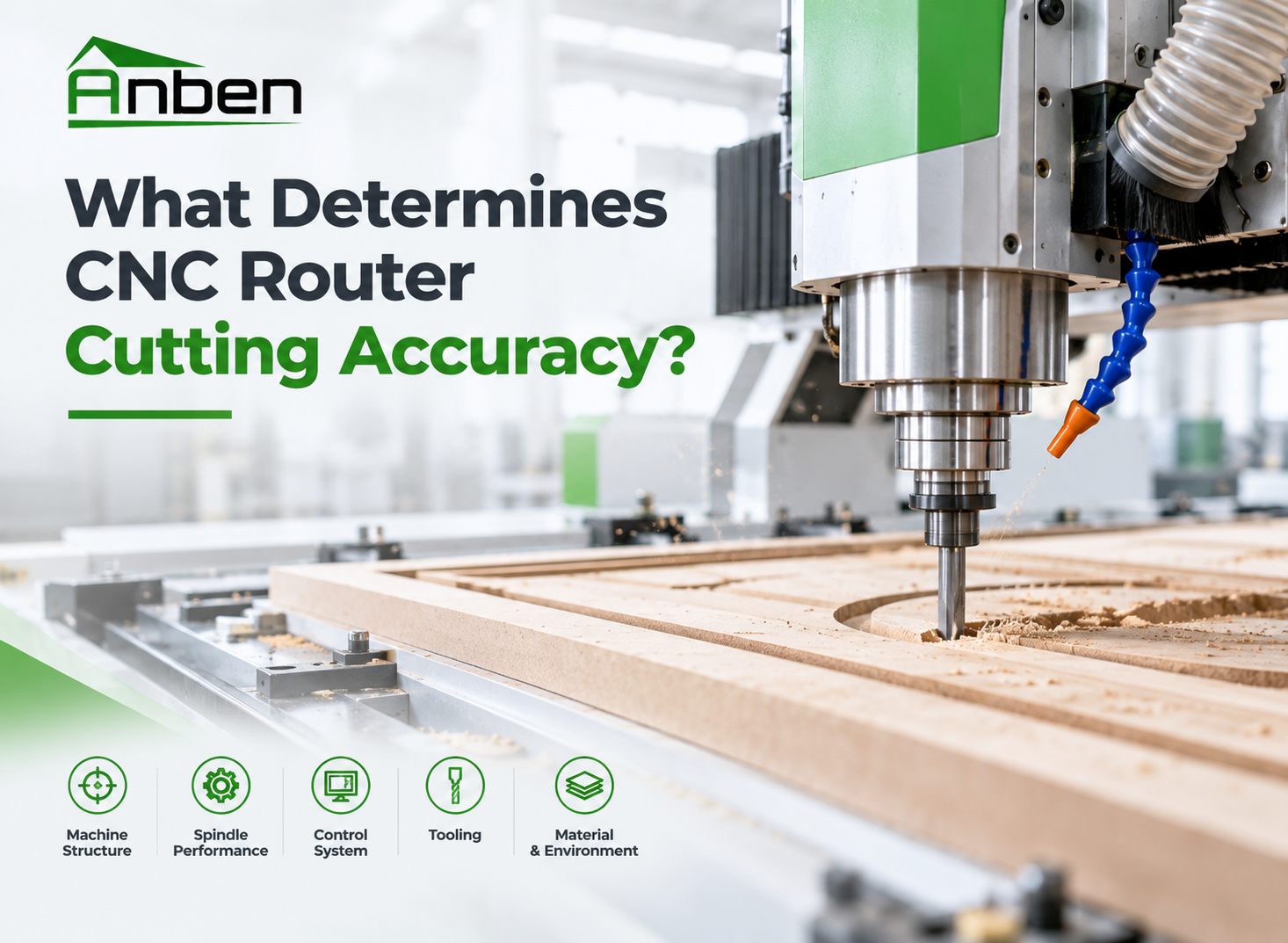
 What Determines CNC Router Cutting Accuracy?
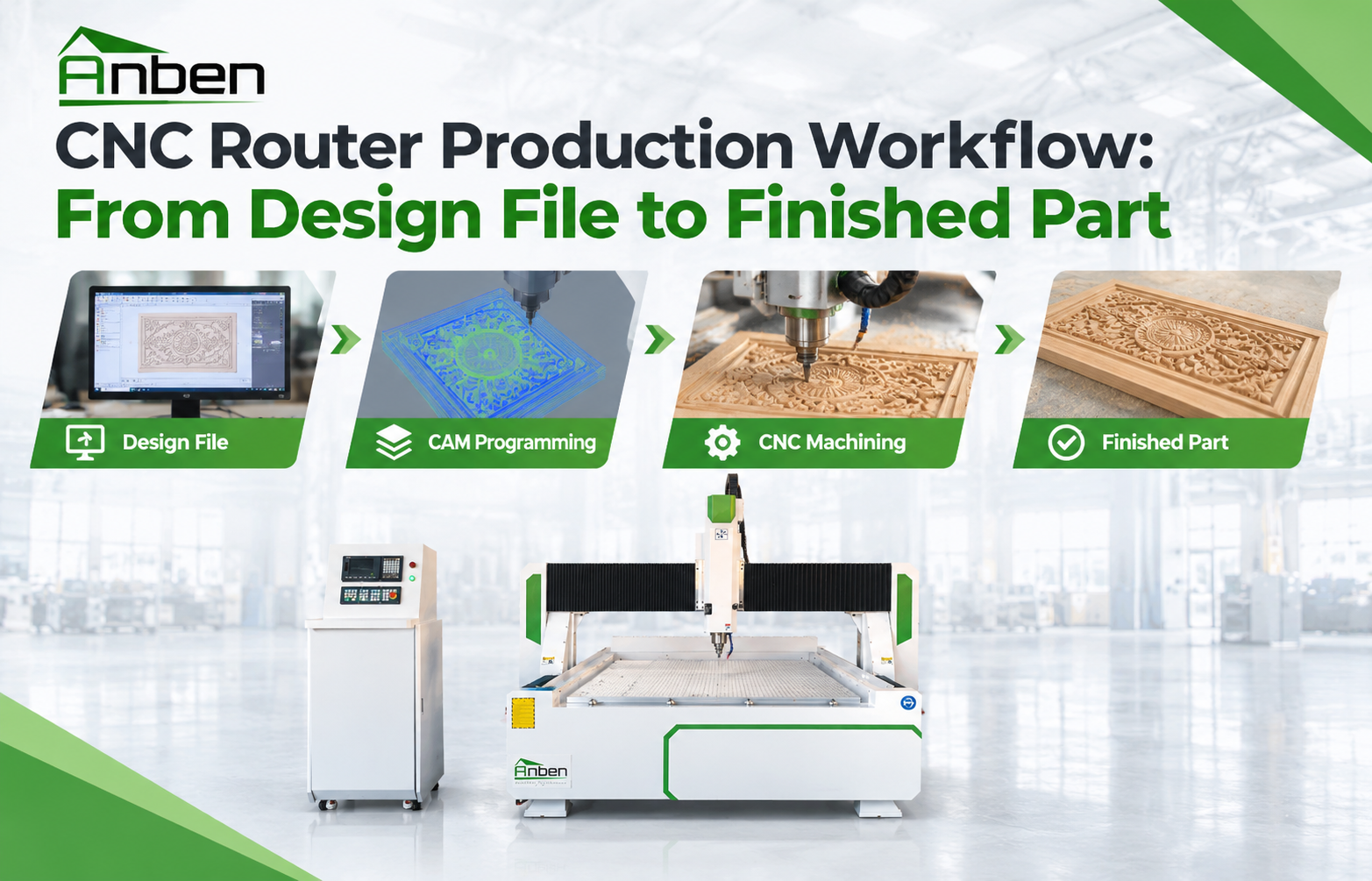
 CNC Router Production Workflow: From Design File to Finished Part
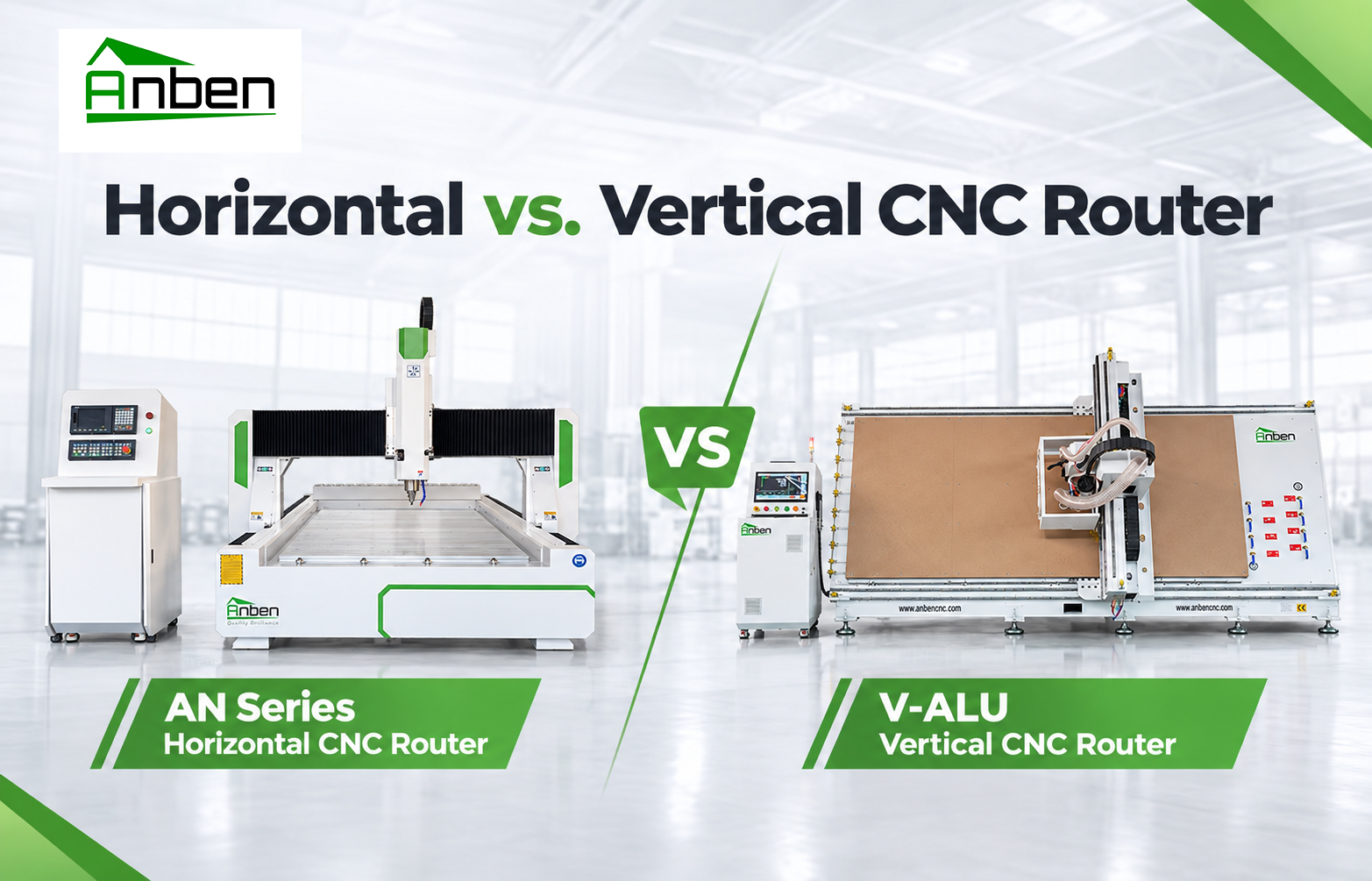
- Horizontal vs. Vertical CNC Router: Which One Is Right for You?
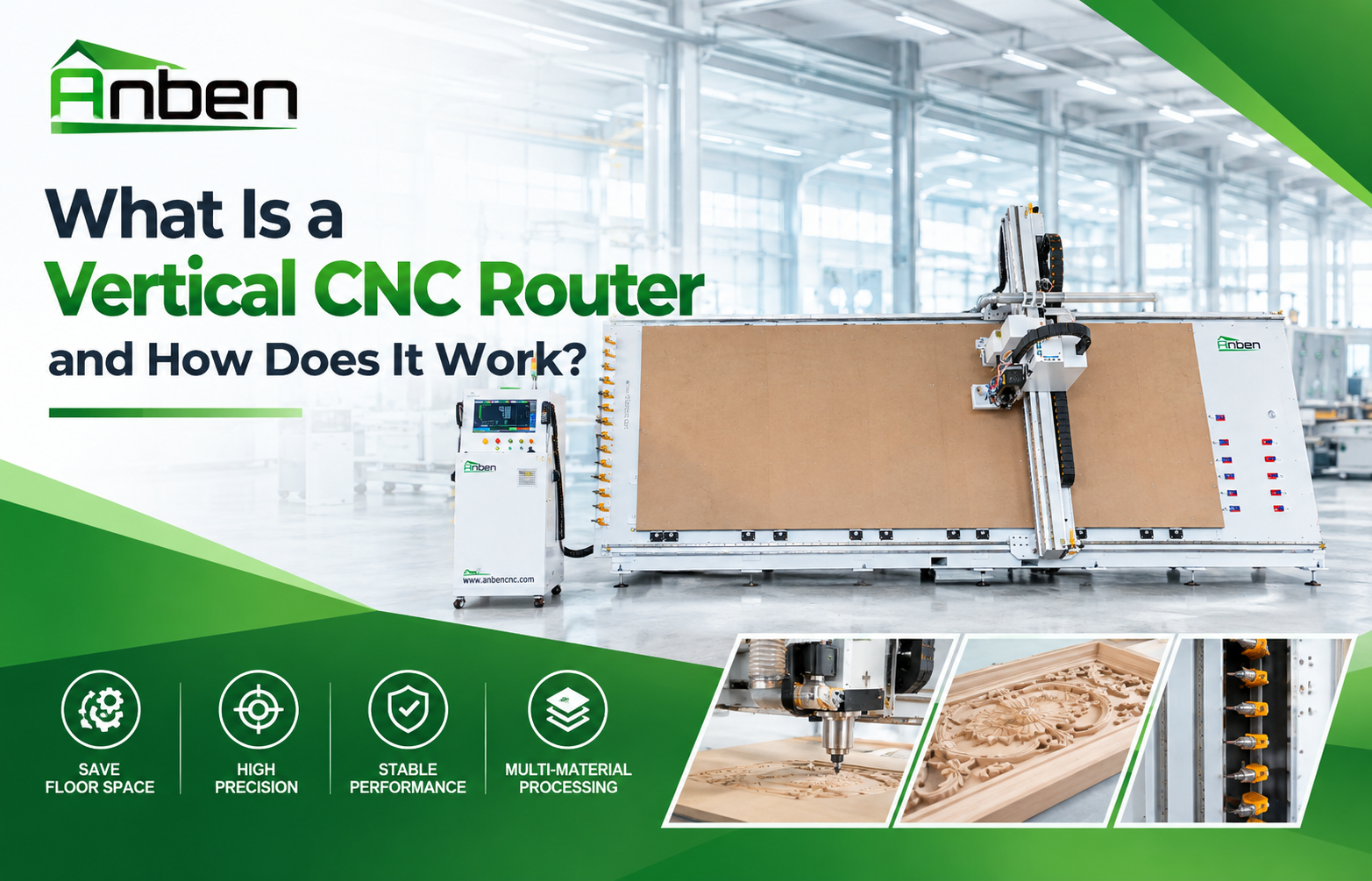
- What Is a Vertical CNC Router and How Does It Work?
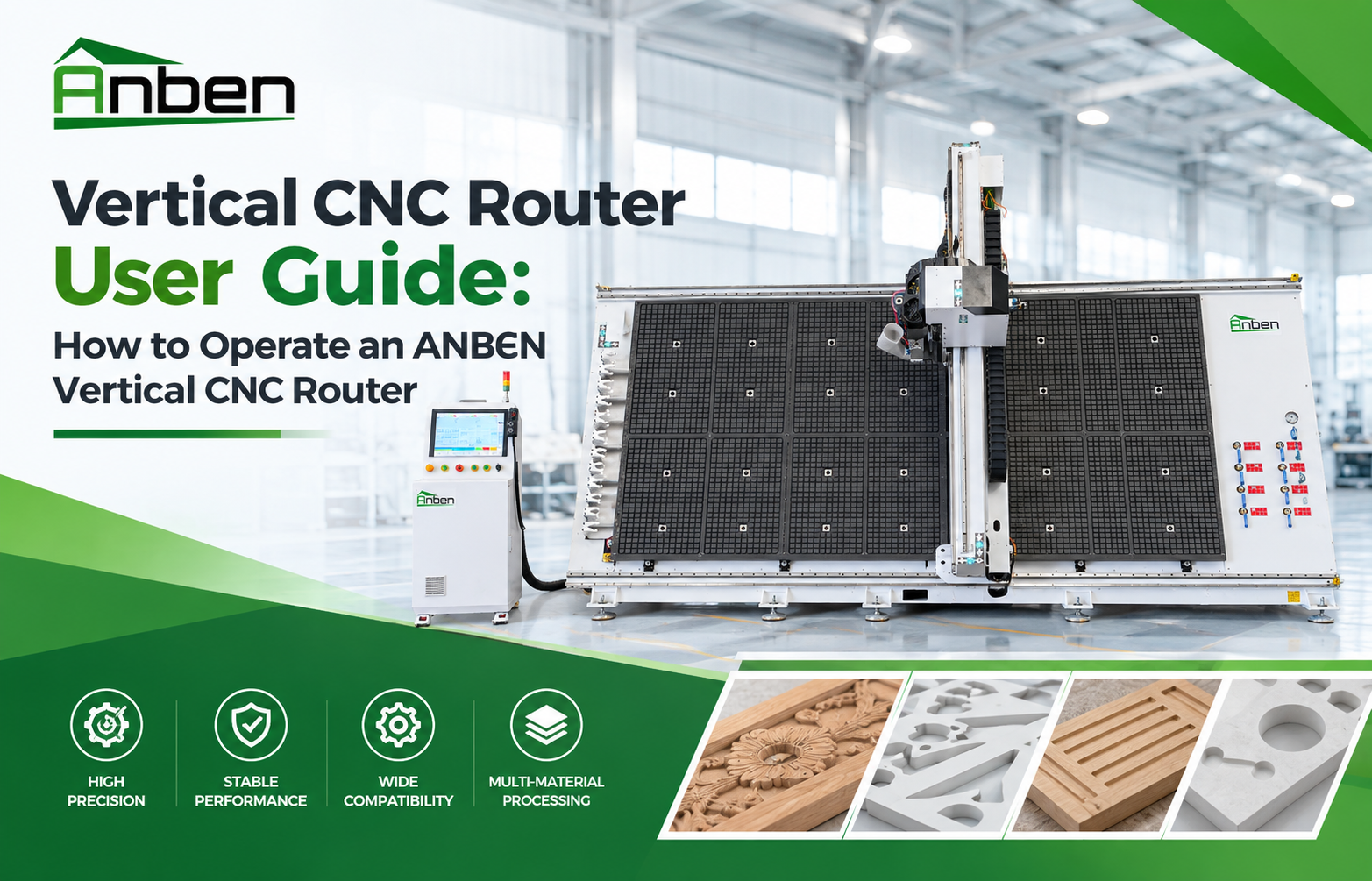
- Vertical CNC Router User Guide: How to Operate an ANBEN Vertical CNC Router
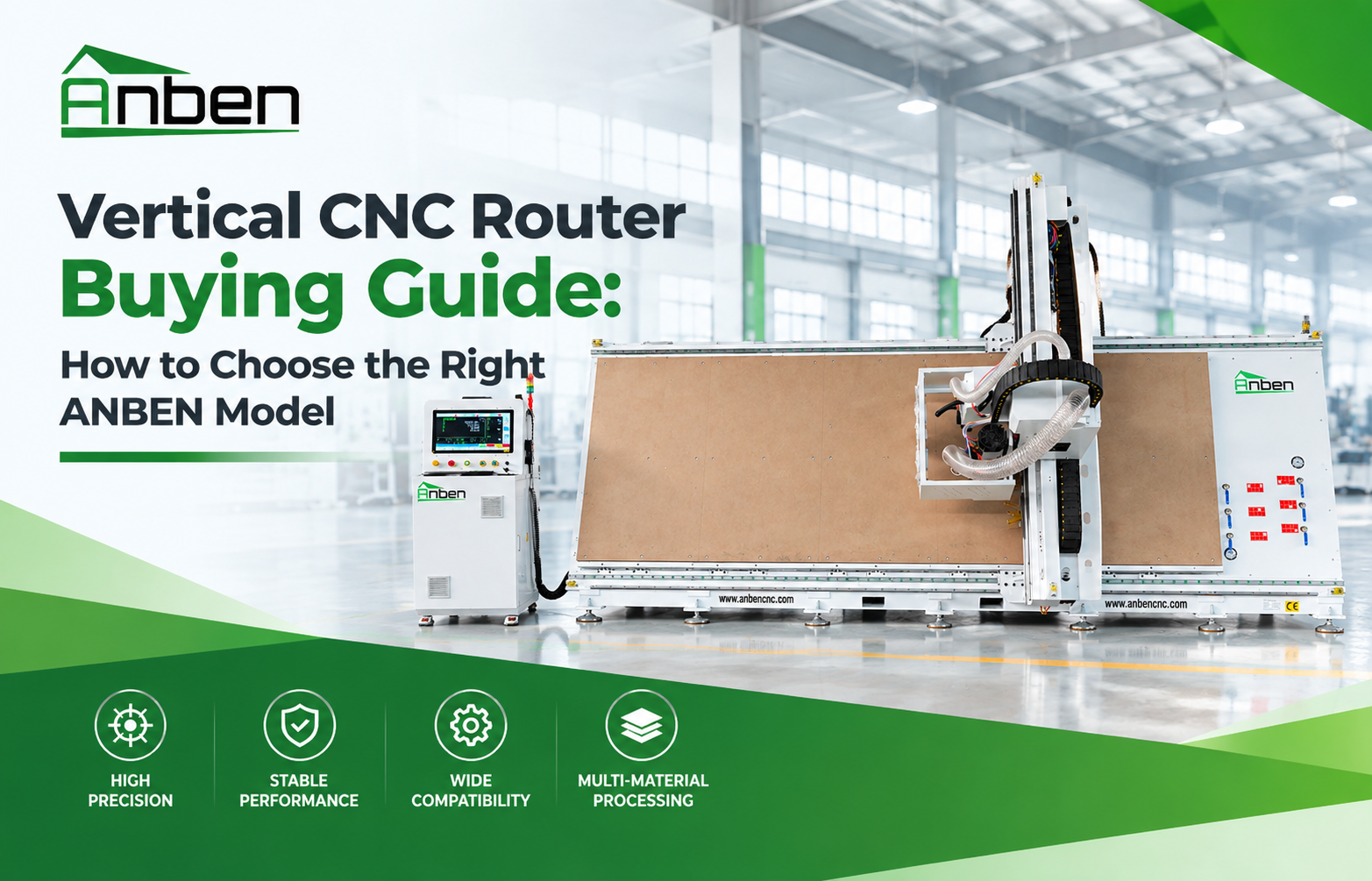
- Vertical CNC Router Buying Guide: How to Choose the Right ANBEN Model
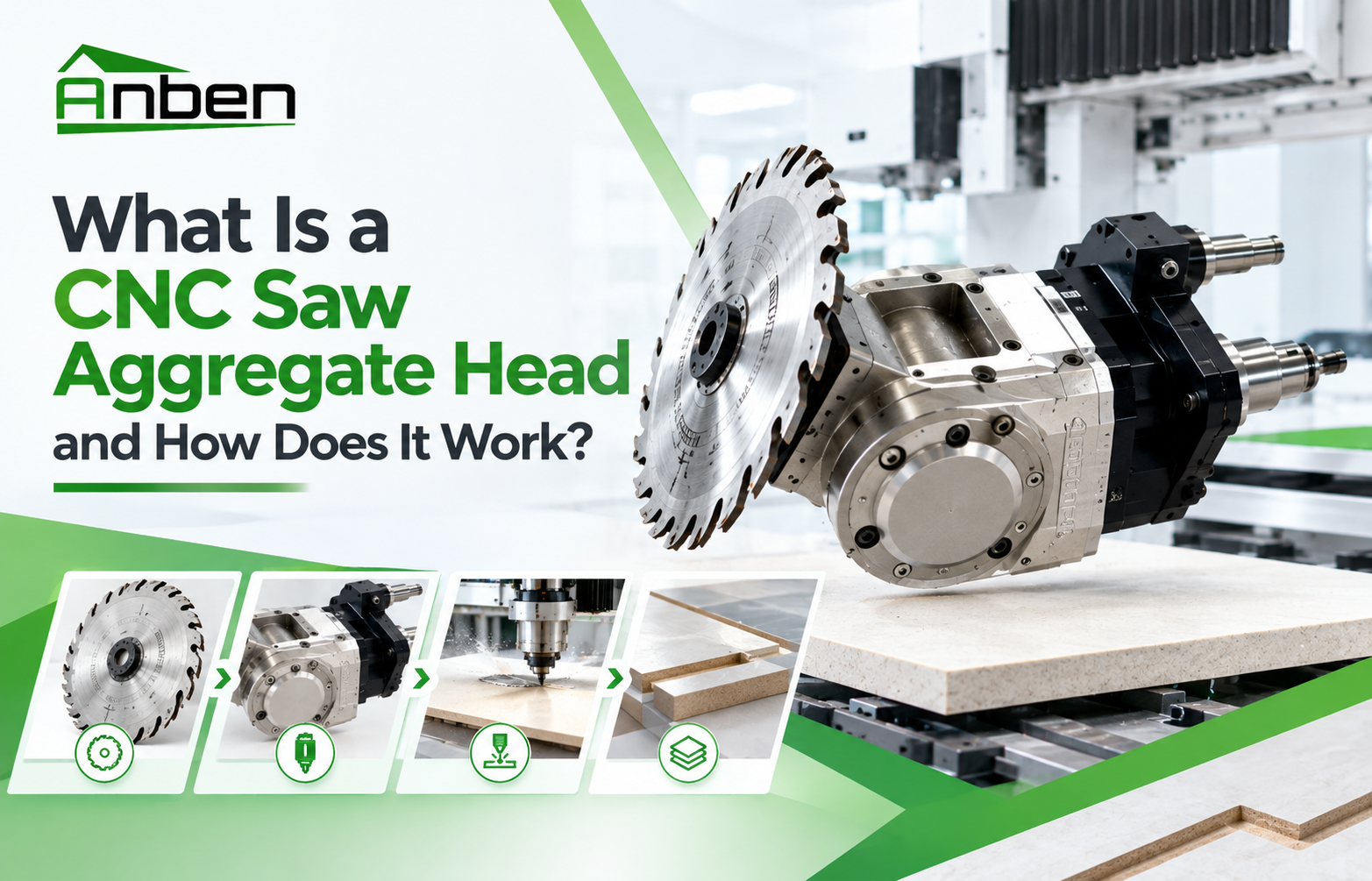
- What Is a CNC Saw Aggregate Head and How Does It Work?

Related Products
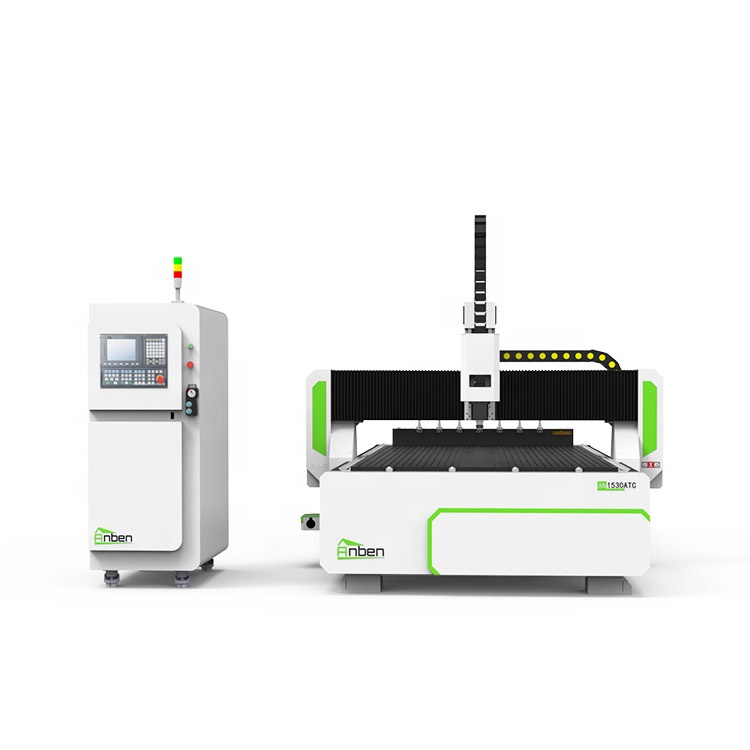
 AN1530ATC Automatic Tool ChangeAnben ATC (Automatic Tool Change)CNC router is popularly used in woodworking, making signs, molds making, art crafts making, etc. The automatic tool changer magazine carries 8-16 cutters. It can save tool change time,more efficient!
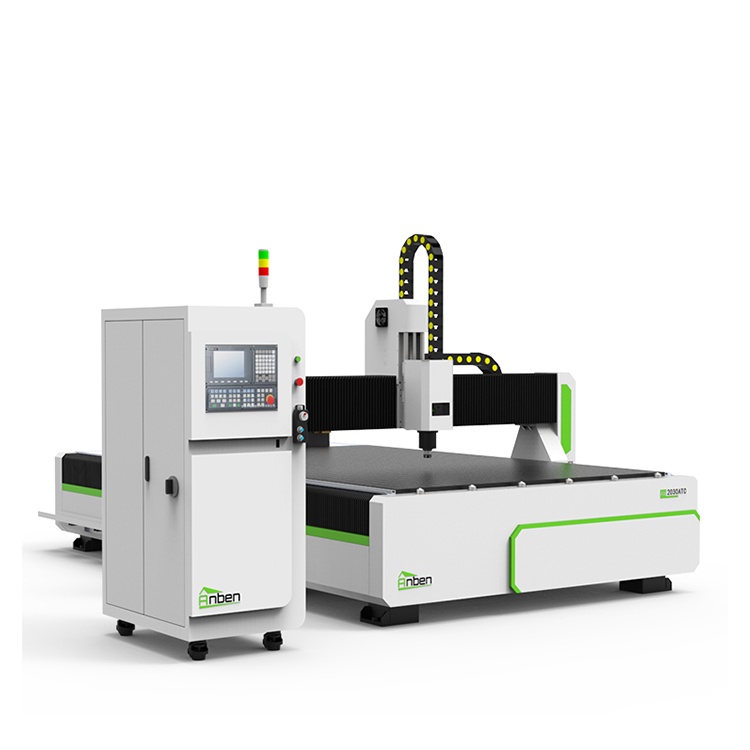
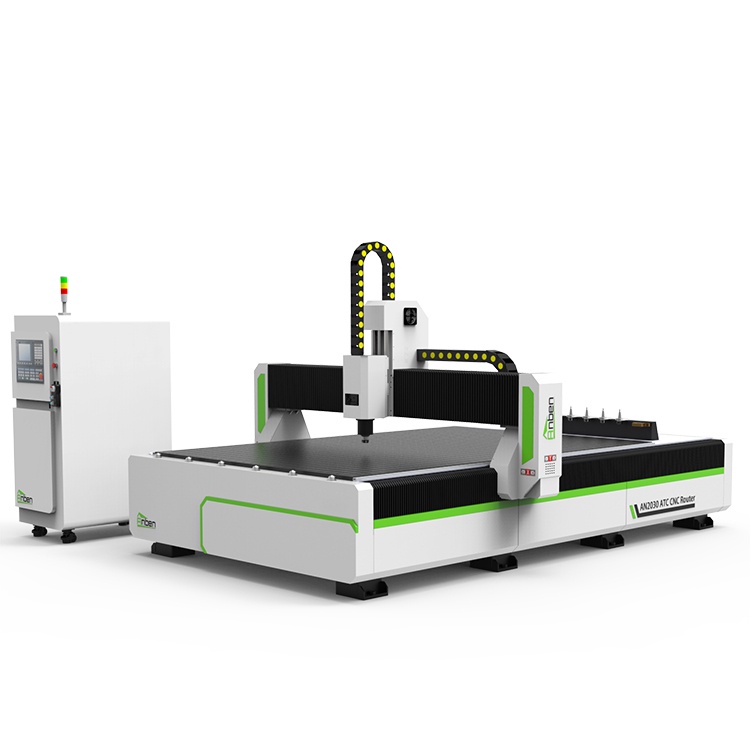
 AN2030ATC Automatic Tool ChangeAnben ATC (Automatic Tool Change)CNC router is popularly used in woodworking, making signs, molds making, art crafts making, etc. The automatic tool changer magazine carries 8-16 cutters. It can save tool change time,more efficient!
 AN2040ATC Automatic Tool ChangeAnben ATC (Automatic Tool Change)CNC router is popularly used in woodworking, making signs, molds making, art crafts making, etc. The automatic tool changer magazine carries 8-16 cutters. It can save tool change time,more efficient!
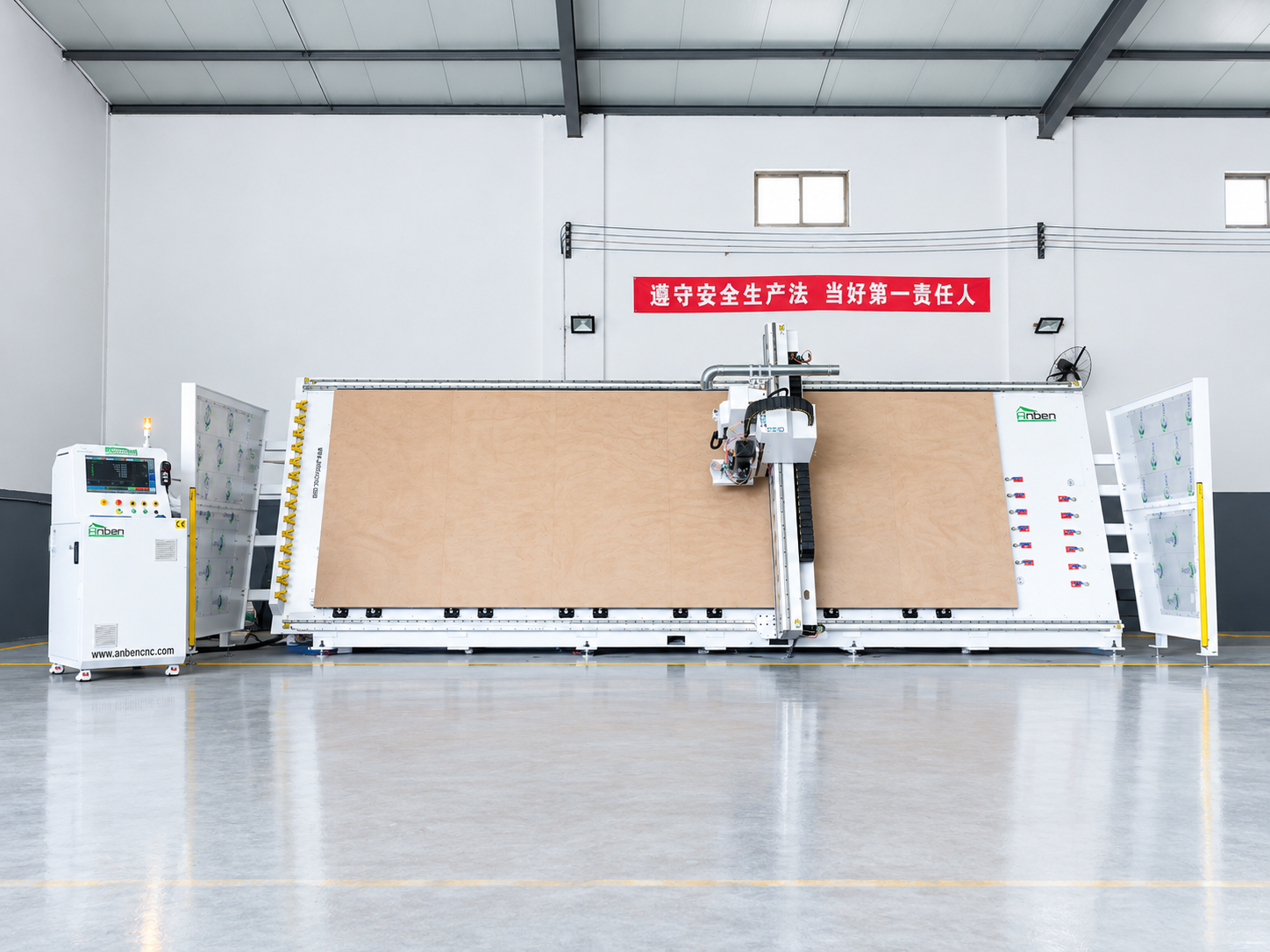
 V-2162 Vertical cnc routerThe vertical cnc significantly reduces the machine’s floor space. It is equipped with 8 sets of ATC tool magazines and other auxiliary devices such as vacuum pump, saw blade,aggregate head, positioning systems, etc. The Vertical cnc can cutting,grooving,engraving,drilling for various types of aluminum composite boards, acrylic boards, fiber boards and other boards. It is suitable for construction facades,cladding ,advertising signs,furniture manufacturing and other industries.
Get in touch

Anben Industrial – Founded in 2017, with a pure engineering spirit, providing trustworthy CNC solutions, born for long-term stable performance.
Contact