

What Determines CNC Router Cutting Accuracy?





CNC router cutting accuracy is influenced by much more than the machine's stated accuracy specification. The final result depends on the complete machining system, including machine structure, motion components, spindle performance, tooling, workholding, cutting parameters, and calibration.
Understanding these factors helps manufacturers select the right CNC router and maintain consistent machining quality.
1. Machine Rigidity
Machine rigidity is one of the most important factors affecting CNC router accuracy.
A rigid machine structure helps reduce vibration and deformation during cutting. This is especially important when machining large panels, hard materials, deep cuts, or complex parts.
A strong frame, stable gantry, and properly supported working structure provide a solid foundation for precise CNC machining.
2. Linear Motion System
The X, Y, and Z axes determine how accurately the cutting tool moves along the programmed toolpath.
High-quality linear guides, racks, pinions, ball screws, and transmission components help provide smooth and stable movement. Mechanical wear, backlash, contamination, or improper adjustment can reduce positioning accuracy over time.
Regular inspection and maintenance are therefore important for long-term CNC machine precision.
3. Servo Motors and Motion Control
Servo motors work together with the CNC controller and transmission system to control axis movement.
A properly matched CNC servo motor and control system can provide accurate positioning, smooth acceleration, and reliable repeatability.
However, motor performance alone does not determine accuracy. The entire motion system must work together correctly.
4. Spindle Performance
The spindle directly affects cutting quality. A stable spindle helps maintain consistent tool rotation and reduces unwanted vibration during machining.
Spindle condition, runout, speed, power, and tool holding all influence the final cutting result.
For precision applications, selecting a suitable CNC spindle and maintaining it properly is essential.
5. Tooling and Tool Condition
Even a highly accurate CNC router cannot produce accurate parts with an unsuitable or damaged cutting tool.
Tool diameter, geometry, sharpness, runout, and material compatibility all affect machining results.
Worn tools can increase cutting forces, create rough edges, and cause dimensional deviations. Selecting the correct CNC router bit and replacing worn tools helps maintain consistent results.
6. Workholding and Material Stability
The material must remain stable during machining.
Vacuum tables, clamps, positioning pins, and pneumatic pop-up systems can help secure the workpiece. If the material moves or lifts during cutting, even a precise toolpath may produce inaccurate dimensions.
For sheet materials, proper workholding is particularly important for profile cutting, drilling, grooving, and detailed machining.
7. Cutting Parameters
Feed rate, spindle speed, cutting depth, step-over, and tool selection must match the material and application.
Incorrect CNC cutting parameters can create excessive cutting forces, vibration, heat, or tool deflection.
Optimized parameters help improve dimensional accuracy, edge quality, tool life, and production efficiency.
8. Machine Calibration and Maintenance
Even a high-performance CNC router requires regular calibration and maintenance.
Operators should periodically check:
Axis positioning and zero points
Tool length and spindle runout
Linear guides and transmission components
Workholding performance
Mechanical connections
Lubrication and cleanliness
Proper calibration helps keep actual machine performance close to the programmed toolpath.
What Really Determines CNC Router Accuracy?
CNC cutting accuracy is the result of several factors working together:
Machine Rigidity + Motion System + Servo Control + Spindle + Tooling + Workholding + Cutting Parameters + Calibration
For manufacturers, accuracy should therefore be evaluated as a complete CNC machining system rather than a single specification.
ANBEN CNC focuses on rigid CNC router structures, reliable motion systems, servo control, spindle configurations, vacuum workholding, automatic tool changing, and application-specific machining solutions for materials such as wood, acrylic, plastics, ACP/ACM, and aluminum.
Choosing the right machine configuration and maintaining every part of the machining system are key to achieving stable and repeatable CNC cutting results.
 What Determines CNC Router Cutting Accuracy?
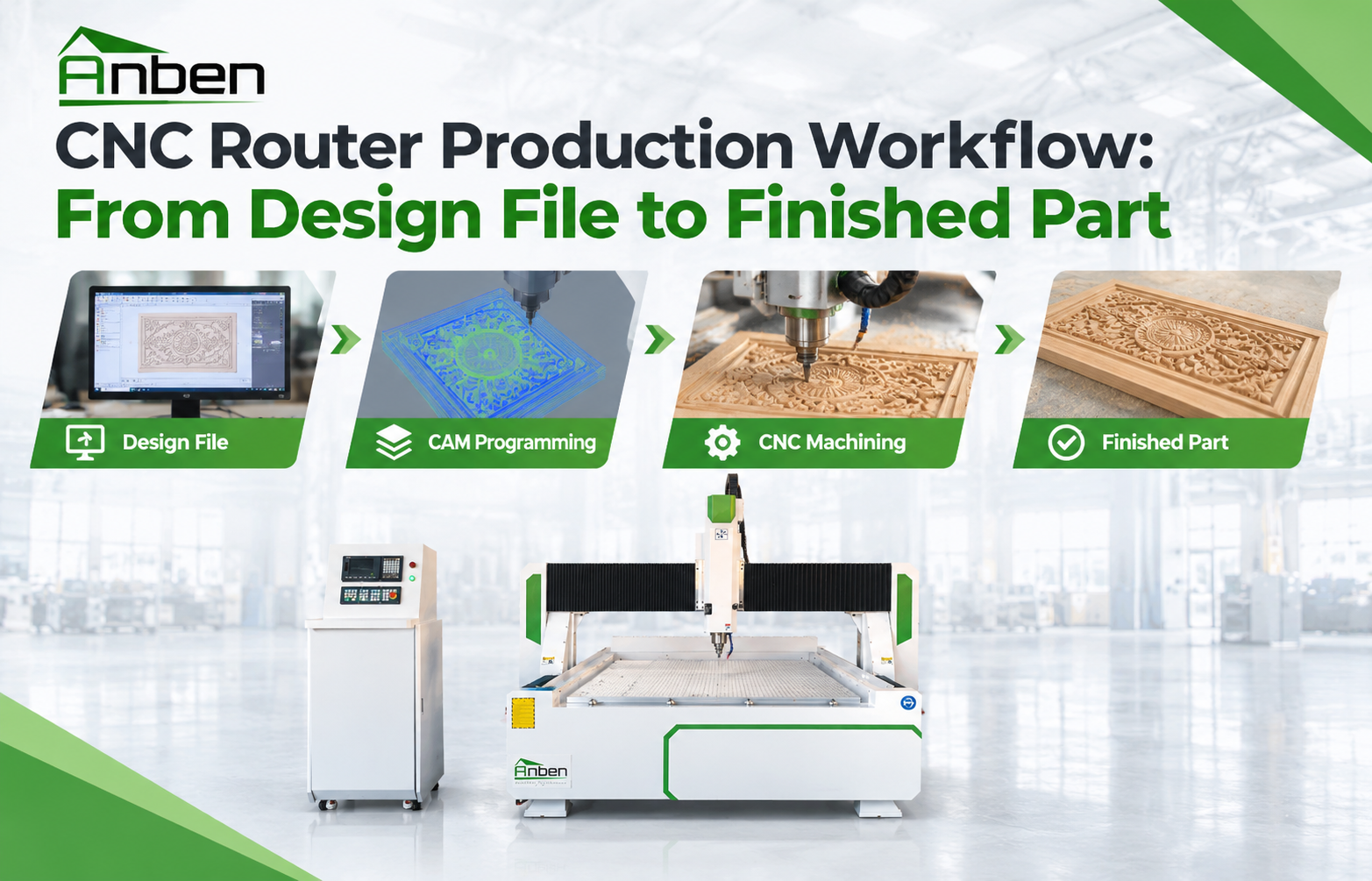
 CNC Router Production Workflow: From Design File to Finished Part
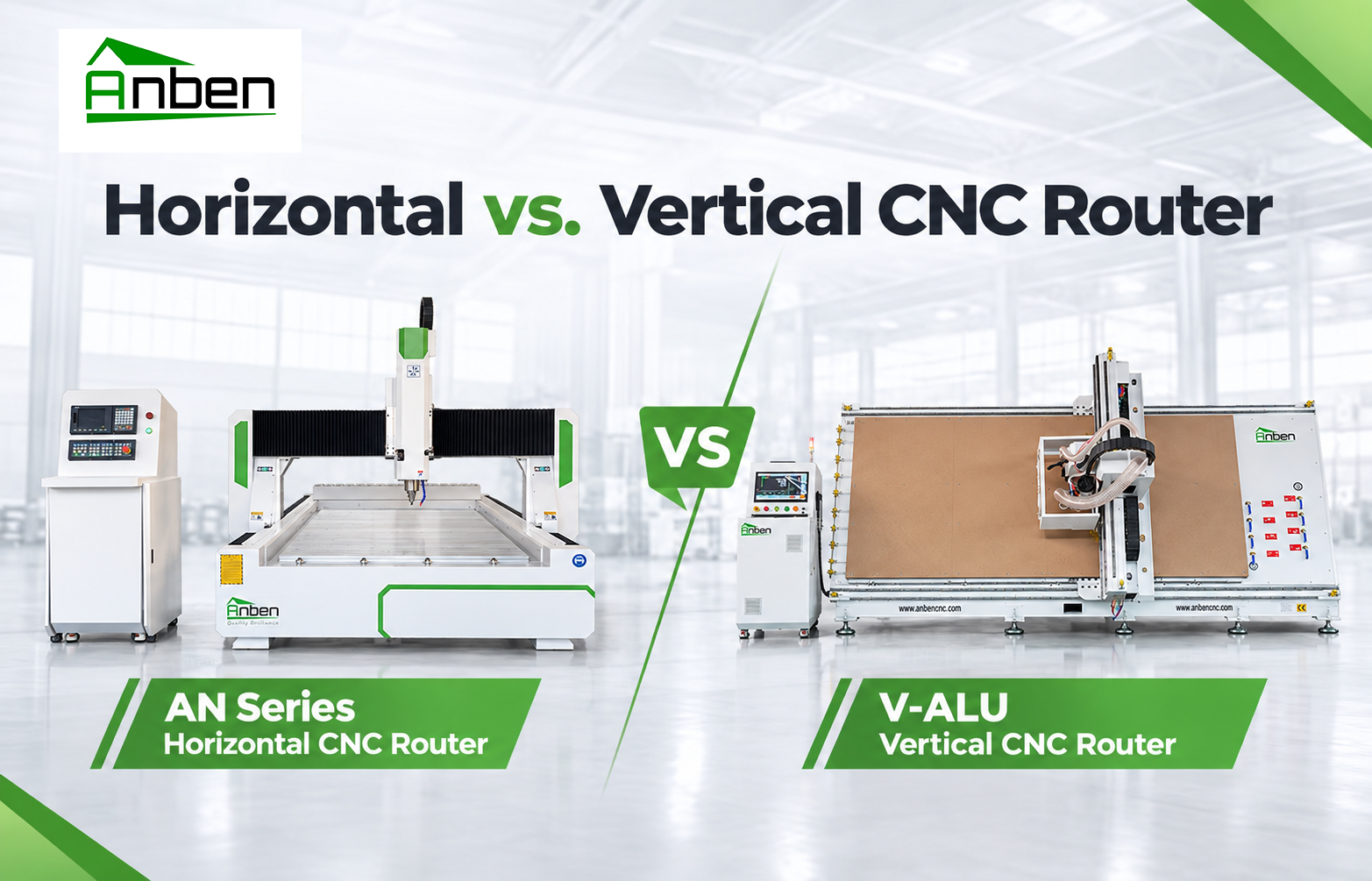
- Horizontal vs. Vertical CNC Router: Which One Is Right for You?
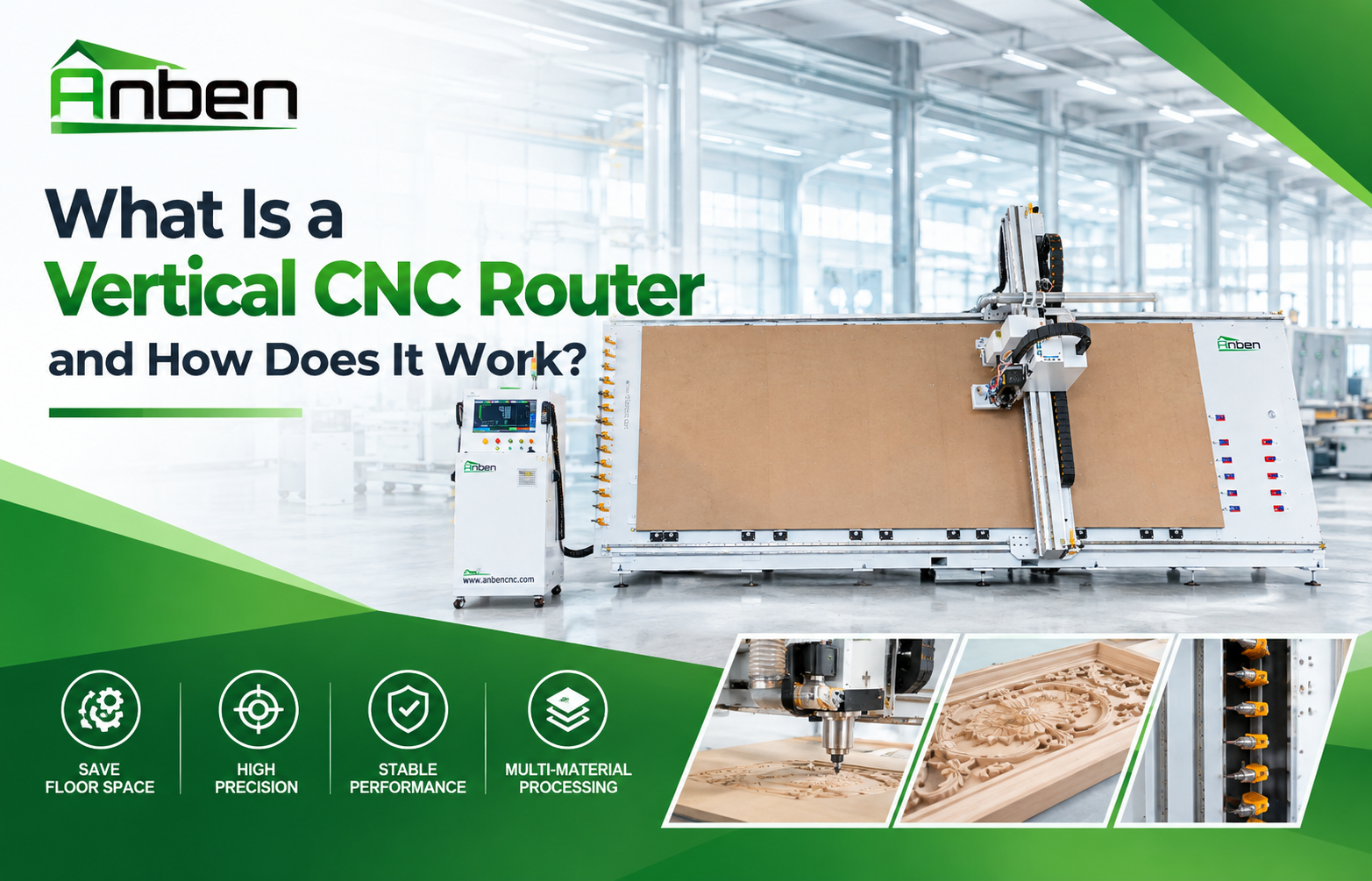
- What Is a Vertical CNC Router and How Does It Work?
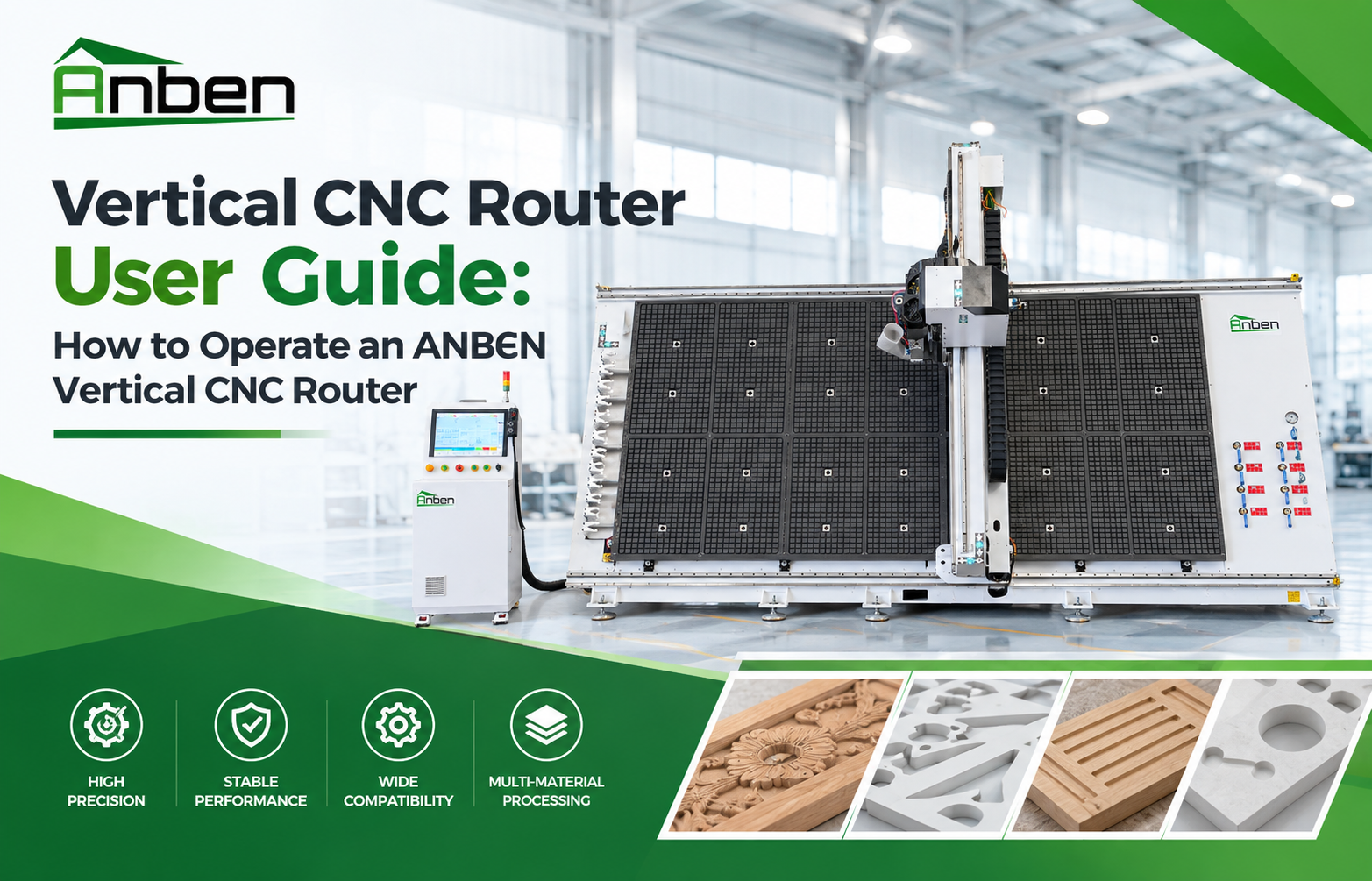
- Vertical CNC Router User Guide: How to Operate an ANBEN Vertical CNC Router
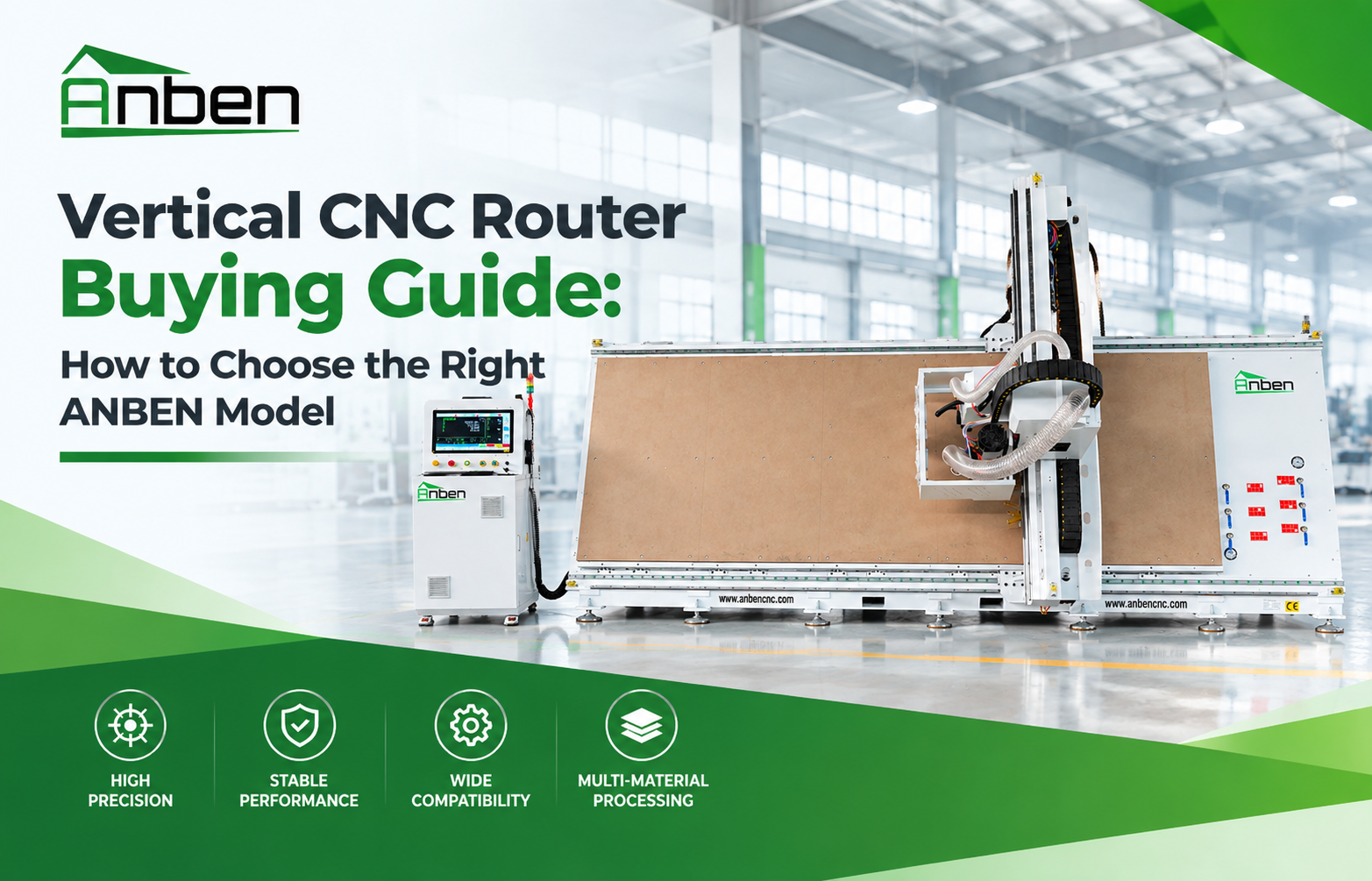
- Vertical CNC Router Buying Guide: How to Choose the Right ANBEN Model
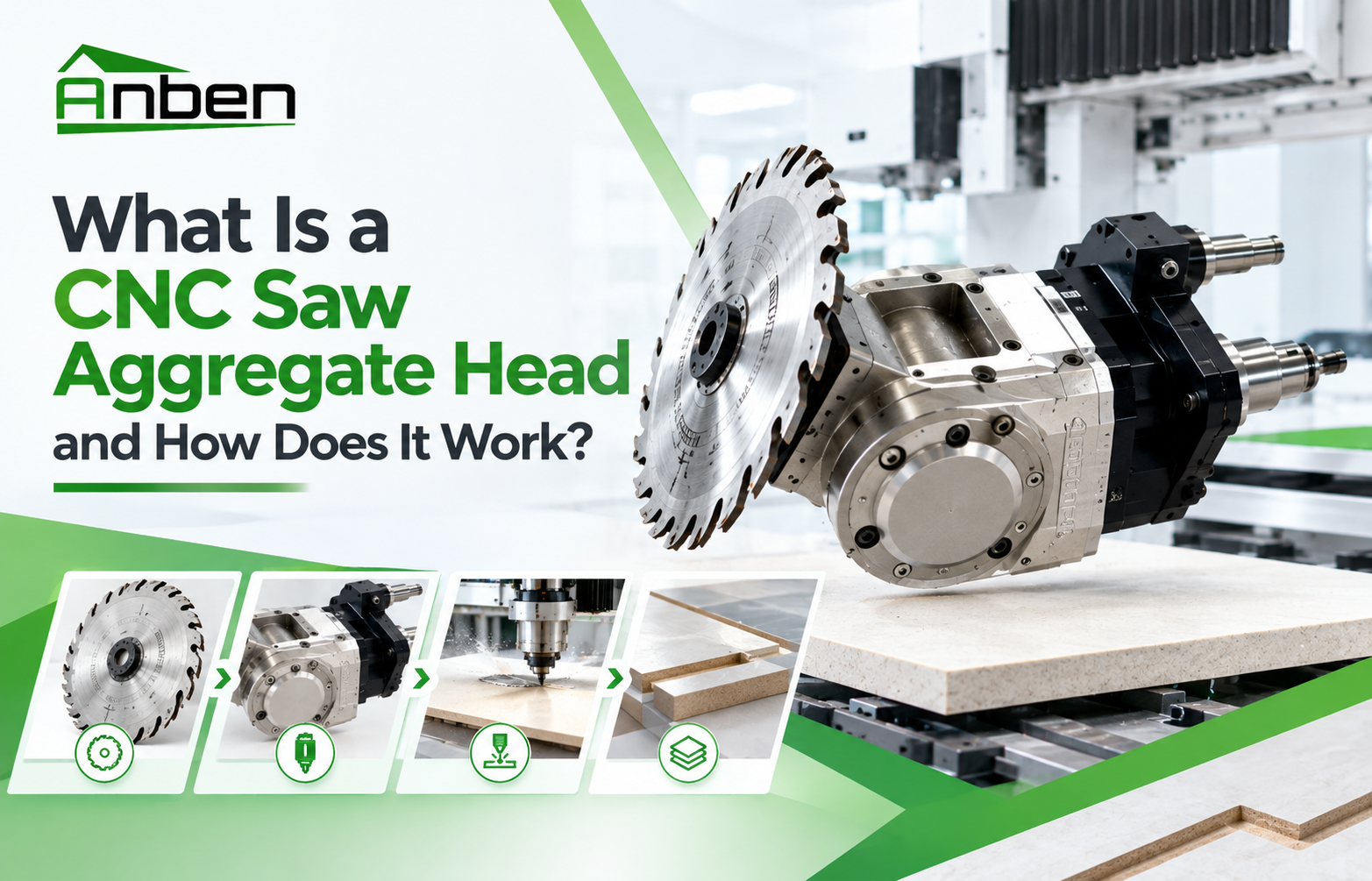
- What Is a CNC Saw Aggregate Head and How Does It Work?
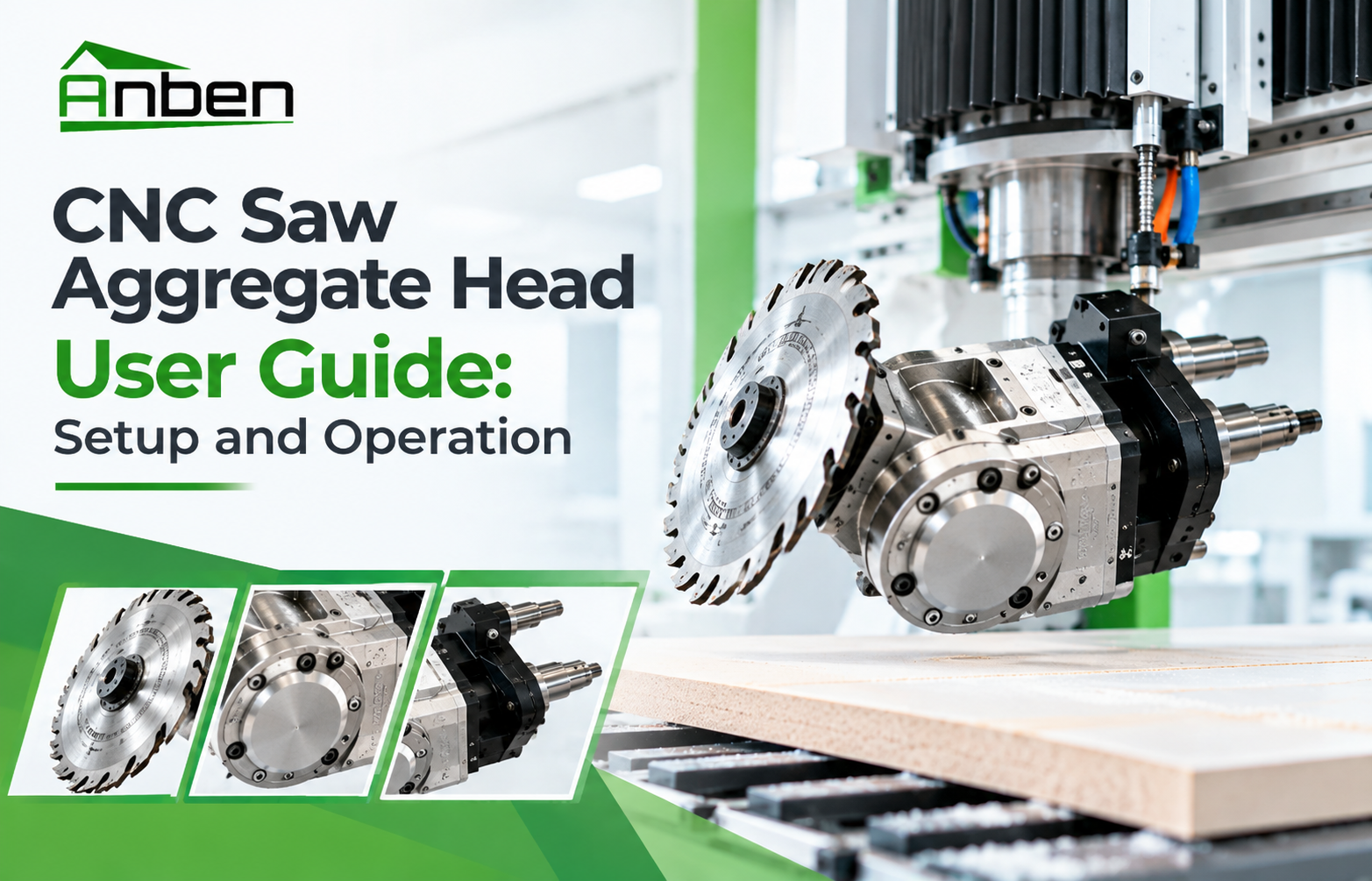
- CNC Saw Aggregate Head User Guide: Setup and Operation

Related Products
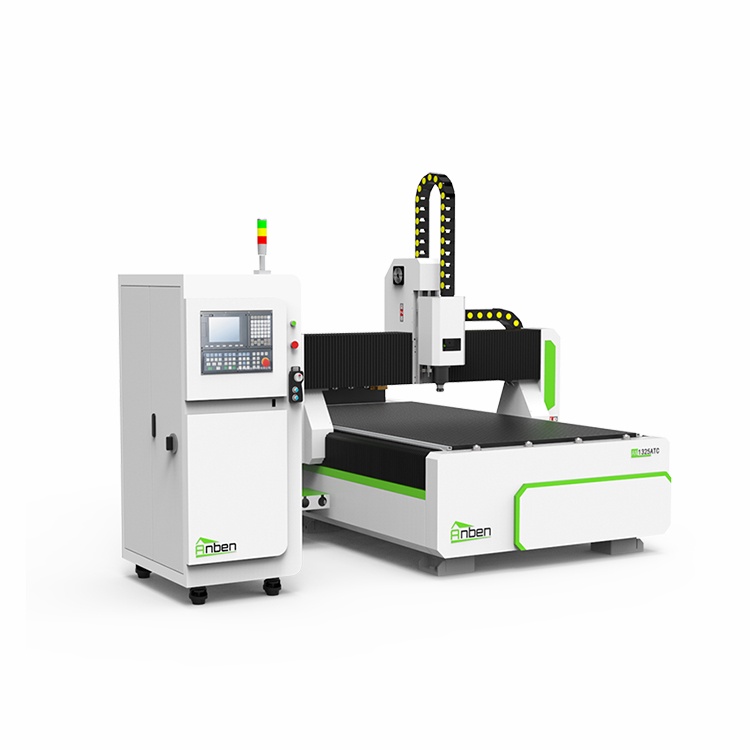
 AN1325ATC Automatic Tool ChangeAnben ATC (Automatic Tool Change)CNC router is popularly used in woodworking, making signs, molds making, art crafts making, etc. The automatic tool changer magazine carries 8-16 cutters. It can save tool change time,more efficient!
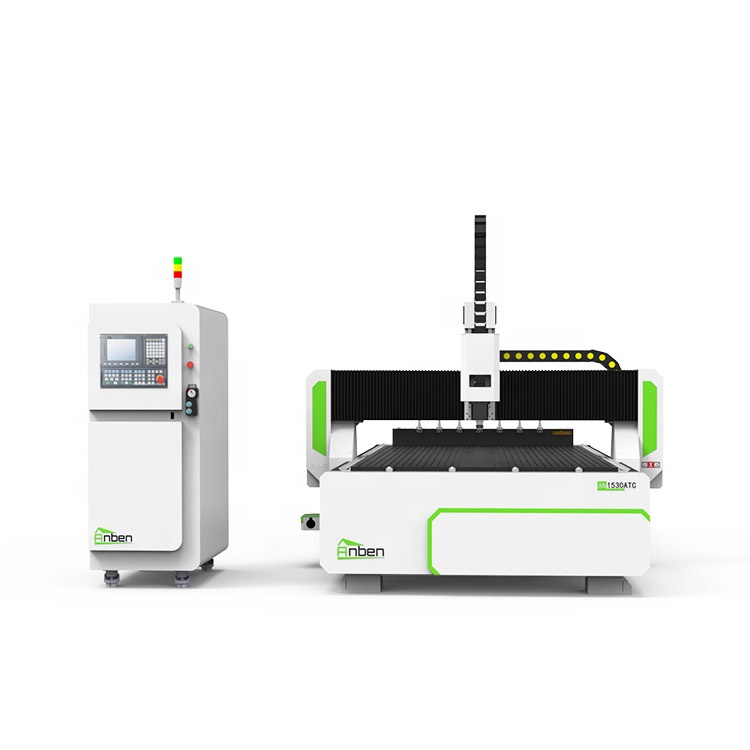
 AN1530ATC Automatic Tool ChangeAnben ATC (Automatic Tool Change)CNC router is popularly used in woodworking, making signs, molds making, art crafts making, etc. The automatic tool changer magazine carries 8-16 cutters. It can save tool change time,more efficient!
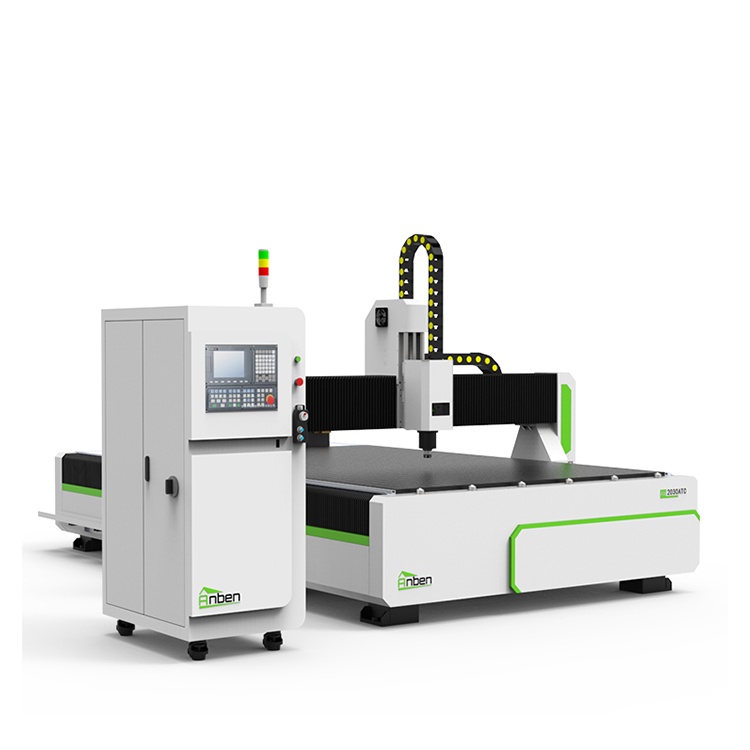
 AN2030ATC Automatic Tool ChangeAnben ATC (Automatic Tool Change)CNC router is popularly used in woodworking, making signs, molds making, art crafts making, etc. The automatic tool changer magazine carries 8-16 cutters. It can save tool change time,more efficient!
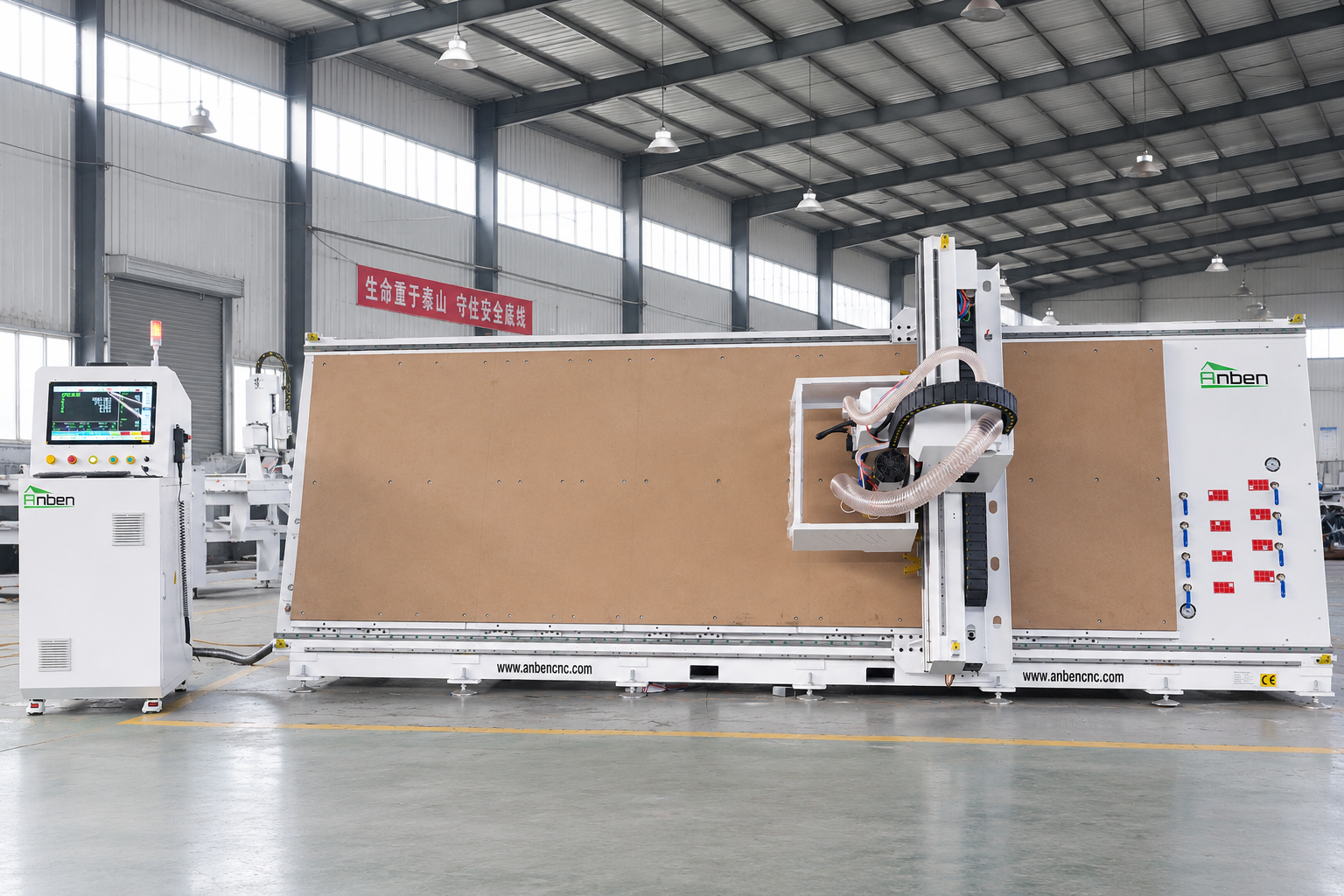
 V-1650 Vertical cnc routerThe vertical cnc significantly reduces the machine’s floor space. It is equipped with 8 sets of ATC tool magazines and other auxiliary devices such as vacuum pump, saw blade,aggregate head, positioning systems, etc. The Vertical cnc can cutting,grooving,engraving,drilling for various types of aluminum composite boards, acrylic boards, fiber boards and other boards. It is suitable for construction facades,cladding ,advertising signs,furniture manufacturing and other industries.
Get in touch

Anben Industrial – Founded in 2017, with a pure engineering spirit, providing trustworthy CNC solutions, born for long-term stable performance.
Contact