

CNC Router Cost Guide: What Determines the Price of a CNC Wood Router?





The price of a CNC router can vary significantly even between machines with similar working sizes. The difference usually comes from machine configuration, automation, component quality, and production requirements.
For woodworking businesses, understanding these factors can help you compare machines more effectively and choose a configuration that provides the right balance between investment and productivity.
1. Working Size
Working size is one of the first factors to consider.
A larger CNC router can process larger panels and workpieces, but it also requires a larger machine structure and more workshop space.
Common woodworking sizes include:
1325 for standard panel processing
1530 for larger furniture and cabinet panels
2040 for large-format production
Choose a working area based on your largest regular workpiece rather than simply selecting the biggest machine.
2. Spindle Power
The spindle is one of the most important components of a CNC router.
Different spindle powers are suitable for different materials, cutting depths, tools, and production requirements.
A higher-power spindle may be useful for heavier cutting and continuous production, but more power is not always necessary.
Consider:
Material → Tool → Cutting Depth → Production Volume → Spindle Power
The goal is to choose sufficient spindle performance for your actual application.
3. ATC or Manual Tool Changing
Automatic Tool Change (ATC) can significantly affect machine configuration and productivity.
A standard CNC router may require manual tool changes, which can be suitable for simple jobs using one or a few tools.
An ATC CNC router can automatically change tools during a program, making it more suitable for processes such as:
Cutting + Drilling + Engraving + Grooving
For furniture and cabinet production, ATC can reduce manual intervention and improve workflow efficiency.
4. Control System and Drive Components
The control system determines how the machine interprets programs and controls axis movement.
Servo motors, drives, linear guides, and transmission systems also influence motion accuracy, stability, and long-term performance.
When comparing CNC routers, do not look only at the machine size. Check the complete motion and control configuration.
5. Workholding and Vacuum System
For sheet-material processing, the workholding system is another important consideration.
A vacuum table can hold large panels efficiently and reduce manual clamping work. T-slot tables provide flexible clamping for different workpieces.
The right solution depends on your material, workpiece shape, and production method.
6. Automation and Optional Equipment
Additional functions can increase the overall machine investment but may also improve production efficiency.
Depending on the application, options may include:
Automatic tool changer
Automatic tool setting
Vacuum table
Dust collection
Loading rollers
Safety systems
Automatic loading and unloading
Instead of choosing every option, select the functions that solve real production problems.
7. Hidden Costs to Consider
The initial machine investment is not the only cost.
Buyers should also consider:
Shipping and installation
Transportation, customs, installation, and commissioning may affect the total investment.
Tools and consumables
Router bits, collets, and other consumables require regular replacement.
Maintenance
Lubrication, cleaning, filters, vacuum systems, and machine components need regular attention.
Training and technical support
Good training and responsive technical support can reduce downtime and improve machine utilization.
How to Choose a CNC Router Within Your Budget?
Start with your production requirements rather than the price.
Ask these questions:
What materials will you process?
What is your largest workpiece?
How many hours will the machine run each day?
Do you need automatic tool changing?
How much workshop space is available?
Which features can improve your production efficiency?
Then select the working size, spindle, control system, workholding, and automation according to these requirements.
Final Buying Tip
The lowest-priced CNC router is not necessarily the most economical choice, and the highest-specification machine may not be necessary for every workshop.
A better approach is to compare configuration, productivity, reliability, maintenance requirements, and long-term production value.
For ANBEN CNC buyers, the right machine is the one that matches your materials, product size, production volume, workshop conditions, and future growth.
 Daily CNC Router Maintenance Checklist for Operators
- Horizontal or Vertical CNC Router for Large Panel Production?
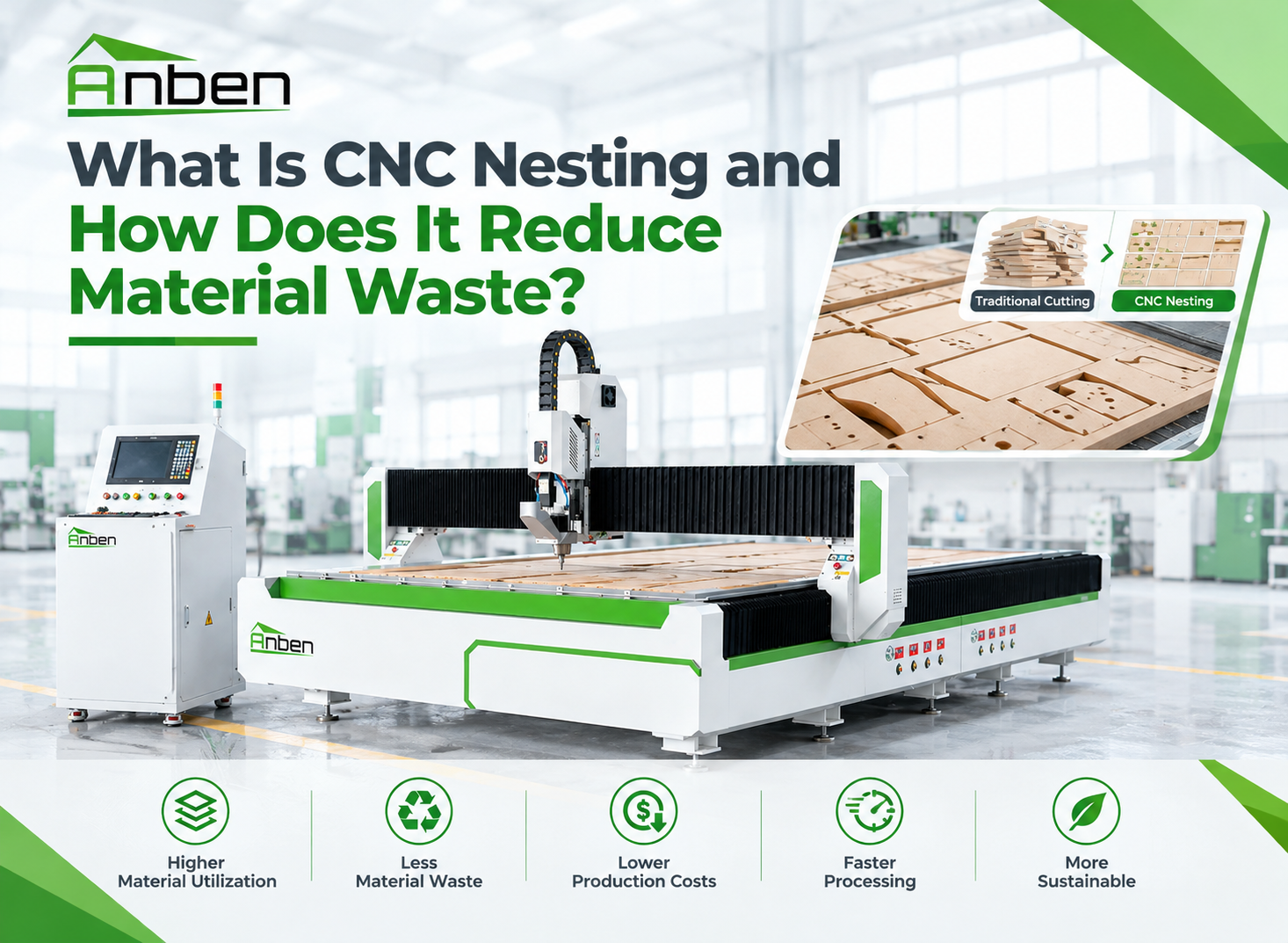
 What Is CNC Nesting and How Does It Reduce Material Waste?
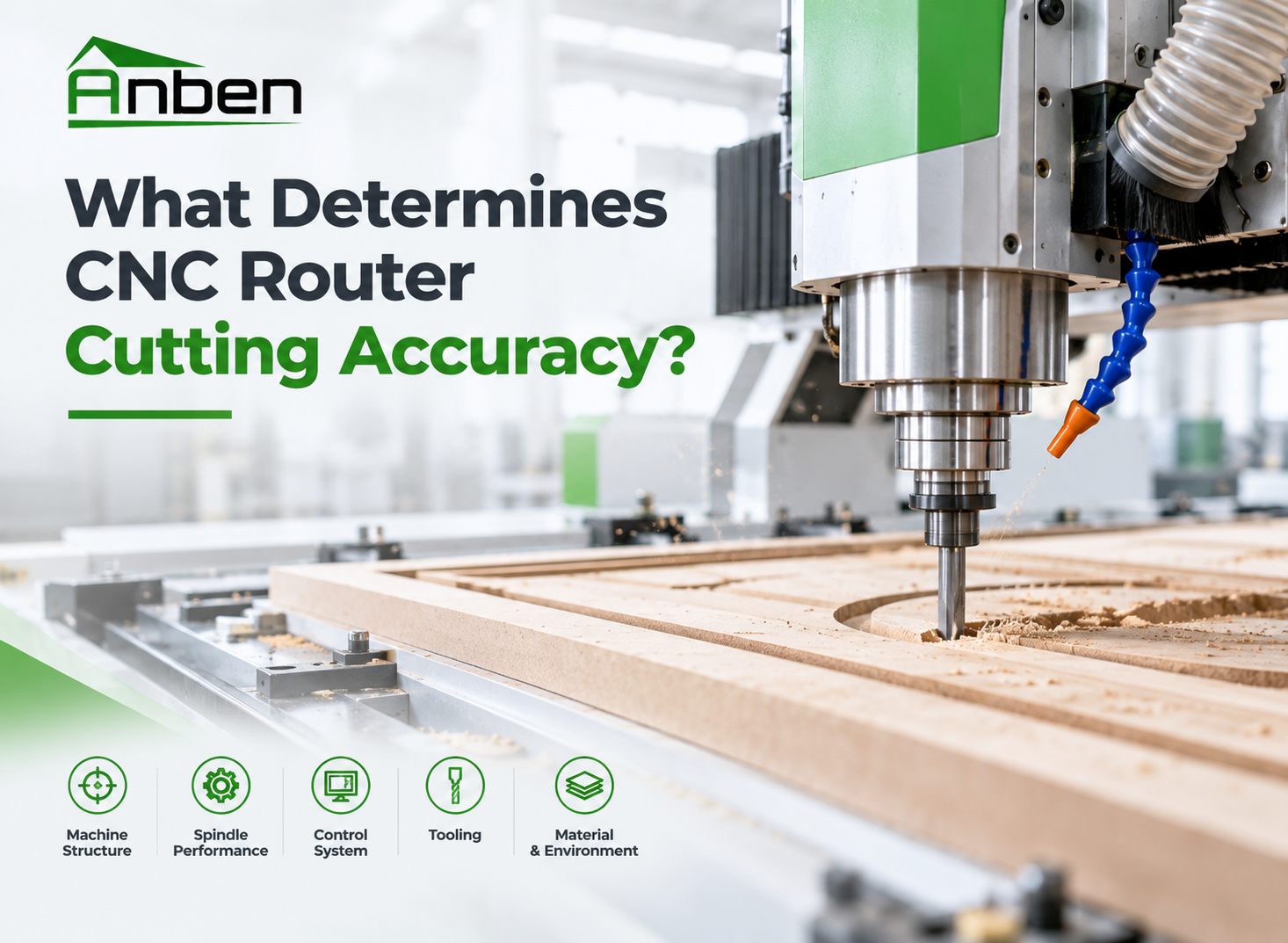
- What Determines CNC Router Cutting Accuracy?
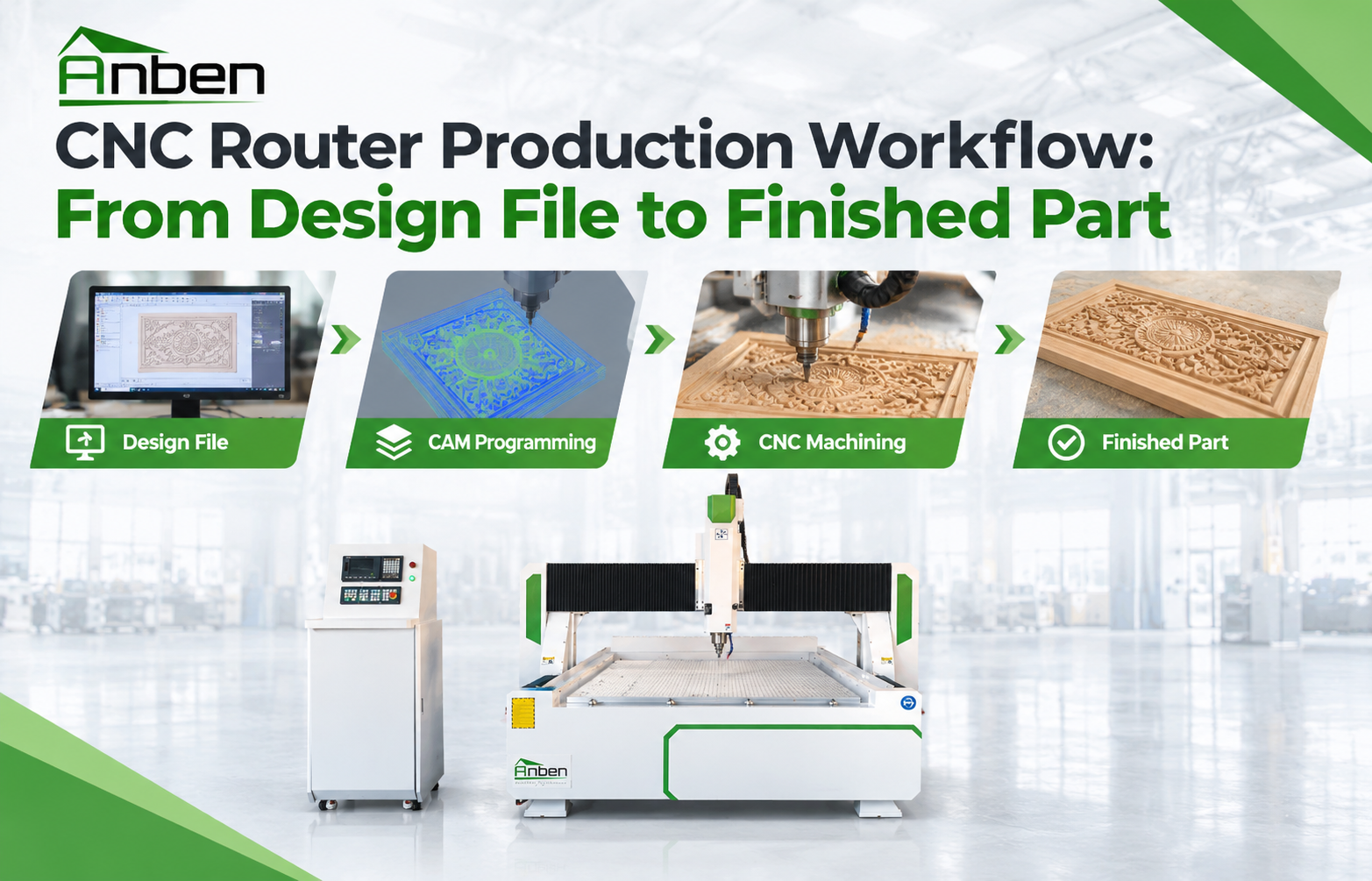
 CNC Router Production Workflow: From Design File to Finished Part
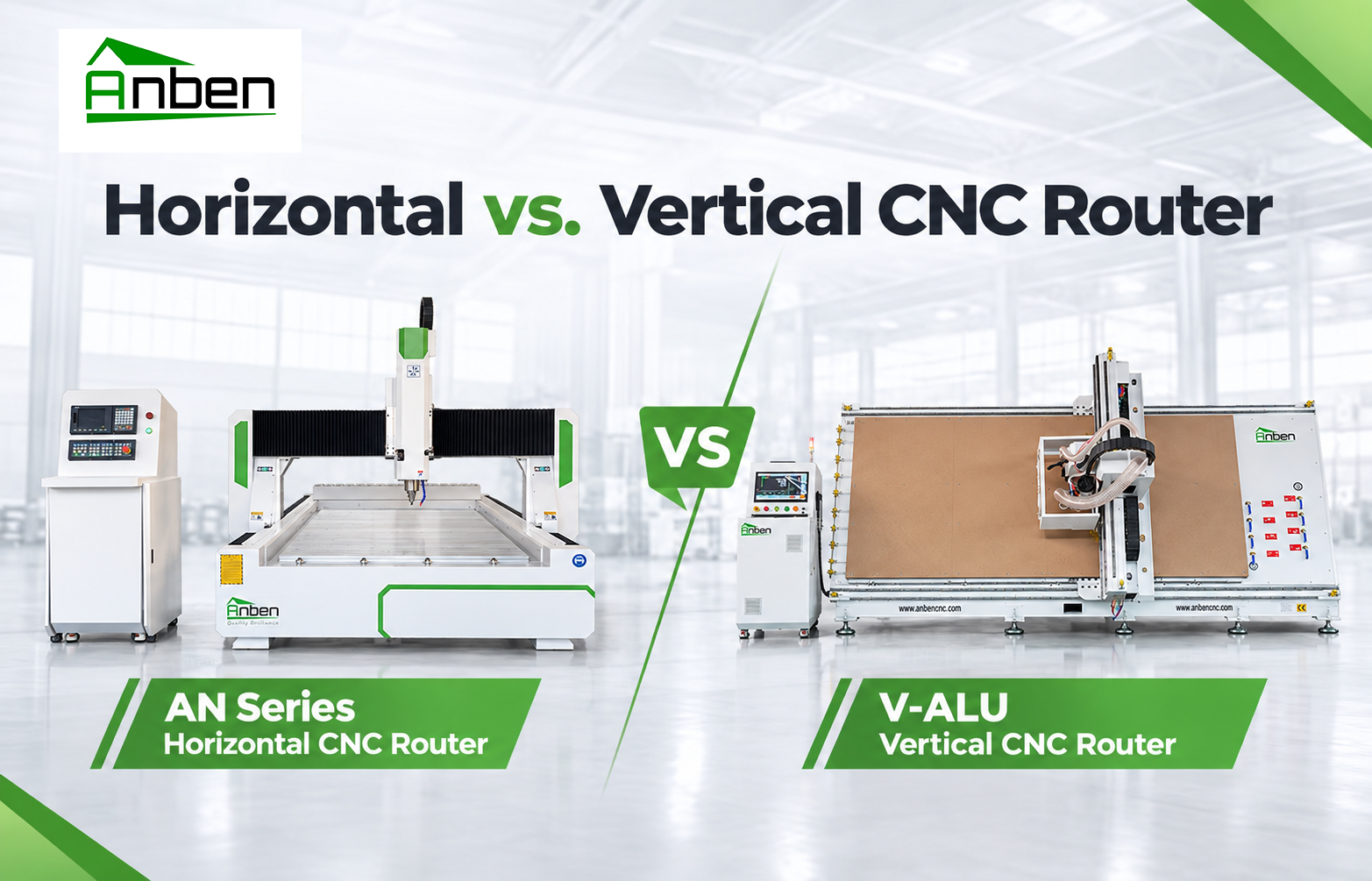
- Horizontal vs. Vertical CNC Router: Which One Is Right for You?
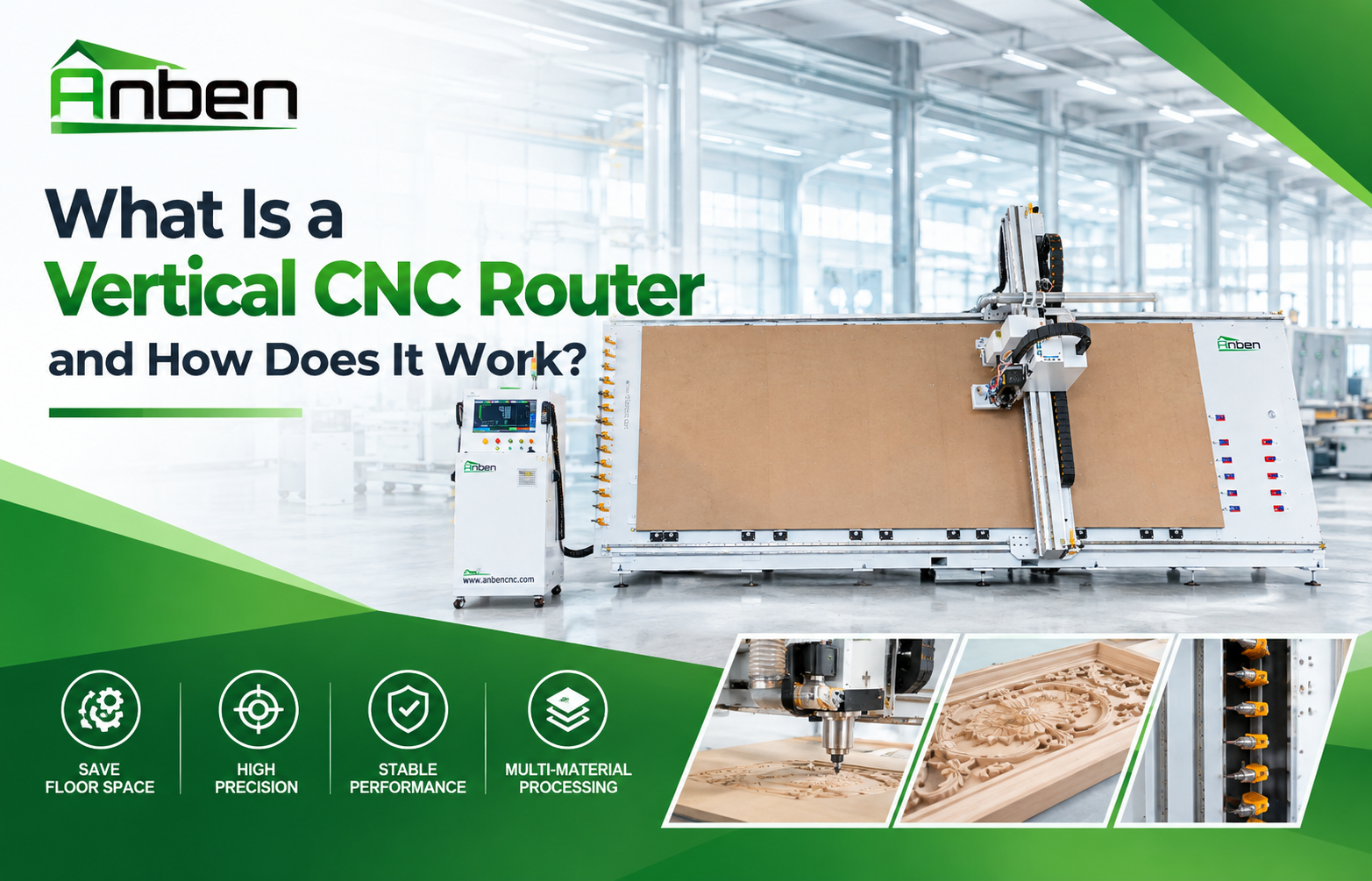
- What Is a Vertical CNC Router and How Does It Work?
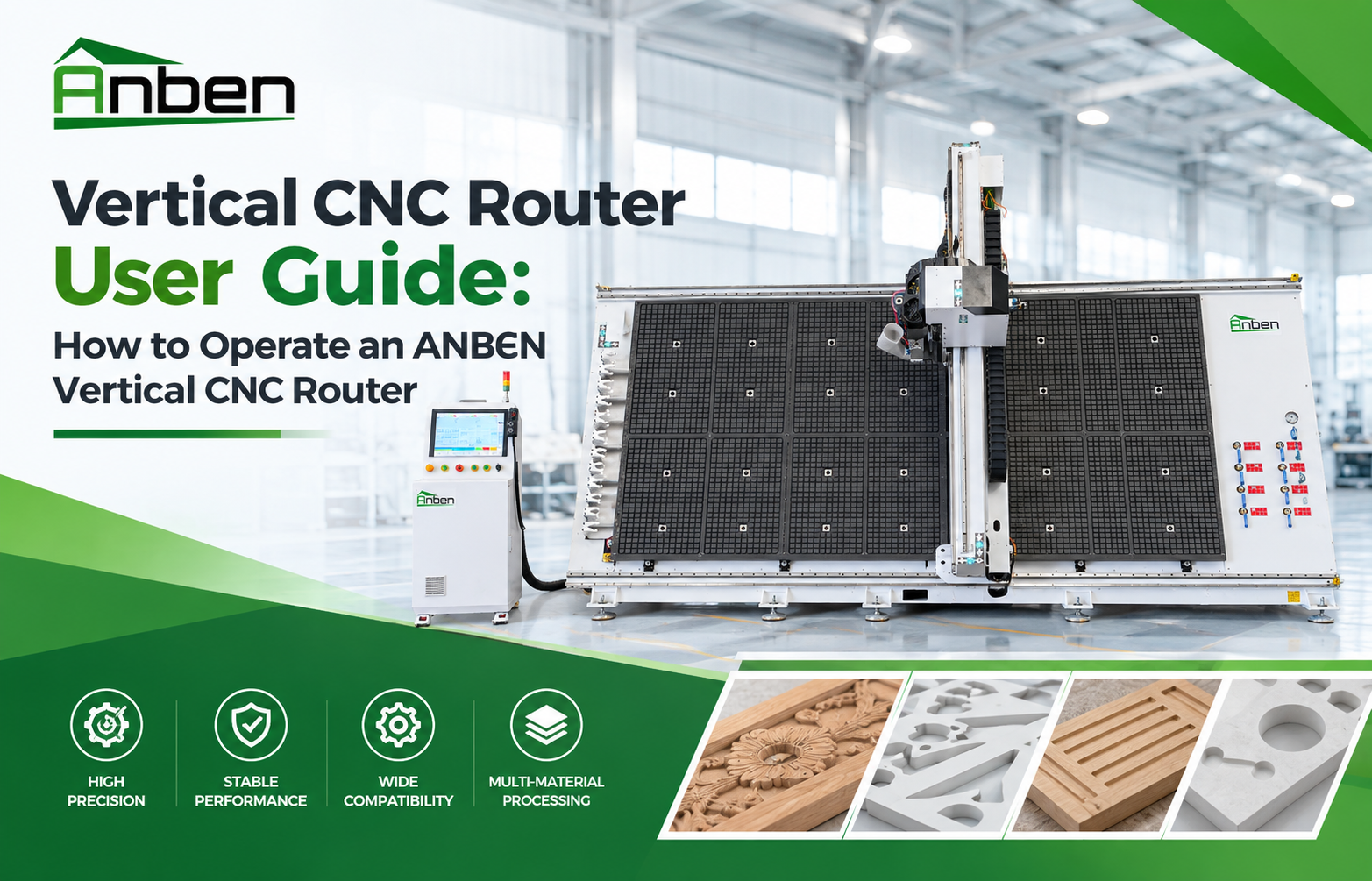
- Vertical CNC Router User Guide: How to Operate an ANBEN Vertical CNC Router

Related Products
Get in touch

Anben Industrial – Founded in 2017, with a pure engineering spirit, providing trustworthy CNC solutions, born for long-term stable performance.
Contact