

How to Remove and Prevent Rust on CNC Router Metal Parts





Rust can affect the appearance, movement, and long-term performance of a CNC router. Metal components such as the machine frame, guide rails, screws, worktable, and other exposed parts may develop rust when they are exposed to moisture, dust, condensation, or poor storage conditions.
For woodworking CNC routers, regular cleaning and preventive maintenance are important for keeping the machine accurate and reliable. This guide explains how to safely remove light rust and how to prevent it from coming back.
1. Why Does a CNC Router Develop Rust?
Rust usually forms when metal is exposed to moisture and oxygen for an extended period.
Common causes include:
High humidity in the workshop
Water or liquid left on metal surfaces
Condensation caused by temperature changes
Long periods without machine operation
Dust and wood particles accumulating on metal components
Poor storage or insufficient protective coating
Guide rails and other precision components deserve special attention because rust or contamination can affect smooth movement and machining accuracy.
2. Check the Rust Before Cleaning
Not all rust requires the same treatment.
Light surface rust can often be removed with gentle mechanical cleaning and an appropriate rust-removal product. Heavy corrosion, pitting, or rust on precision surfaces may require professional inspection.
Before cleaning, identify:
Which component is affected
How deep the corrosion is
Whether the surface is a precision machining surface
Whether electrical or electronic components are nearby
Avoid using aggressive methods simply because they remove rust faster. The goal is to remove corrosion without damaging the machine component underneath.
3. How to Remove Light Rust Safely
For light surface rust on non-precision metal areas, start with a gentle method.
Step 1: Turn Off the Machine
Power down the CNC router before cleaning or inspecting metal components. Disconnect the machine from the power supply when required by the maintenance procedure.
Step 2: Remove Dust and Debris
Clean wood dust, chips, and other particles from the affected area. A clean surface makes it easier to identify the rust and prevents contamination during maintenance.
Step 3: Gently Remove Surface Rust
Use a suitable rust-removal method according to the component and manufacturer's recommendations. For accessible, non-precision surfaces, a soft abrasive pad or appropriate rust remover may be suitable.
Do not aggressively grind or sand precision guide rails, screws, bearings, or machined surfaces, as changing the surface condition can affect machine performance.
Step 4: Clean and Dry the Surface
After removing the rust, wipe away residue and make sure the surface is completely dry.
Step 5: Apply Suitable Protection
For applicable metal surfaces, use a suitable rust-preventive or protective lubricant recommended for the component. This creates a protective barrier against moisture.
4. What About Rust on Guide Rails and Lead Screws?
Guide rails and lead screws are important moving components of a CNC router.
If light rust or contamination appears, clean the surface carefully without damaging the precision finish. After cleaning, apply the correct lubricant according to the machine maintenance instructions.
Do not use excessive lubricant. Too much oil can attract wood dust and create a new source of contamination.
If corrosion is deep or the component has visible pitting, contact qualified technical support instead of attempting aggressive repair.
5. Regular Maintenance Keeps CNC Performance Stable
Rust prevention should be part of a regular CNC router maintenance routine, not an occasional repair task.
A simple inspection schedule can help operators identify corrosion early. Check the machine frame, guide systems, screws, worktable, fasteners, and other exposed metal components regularly.
For ANBEN CNC routers, proper cleaning, lubrication, and maintenance can help protect machine components and support stable long-term operation.
FAQ
Can light rust be removed from a CNC router?
Yes. Light surface rust on suitable non-precision metal areas can usually be removed with an appropriate cleaning method. Deep corrosion requires professional evaluation.
Can rust affect CNC machining accuracy?
Yes. Corrosion or contamination on precision moving components may interfere with smooth movement and affect machining performance.
How can I prevent rust on my CNC router?
Keep the machine dry, clean dust regularly, follow the recommended lubrication schedule, and control workshop humidity.
Conclusion
Rust is easier to prevent than repair. Regular cleaning, correct lubrication, moisture control, and early inspection can help protect the metal components of a CNC router.
By following a simple maintenance routine, operators can reduce corrosion risks, protect machine components, and keep their ANBEN CNC router working reliably for longer.
 Daily CNC Router Maintenance Checklist for Operators
- Horizontal or Vertical CNC Router for Large Panel Production?
 What Is CNC Nesting and How Does It Reduce Material Waste?
- What Determines CNC Router Cutting Accuracy?
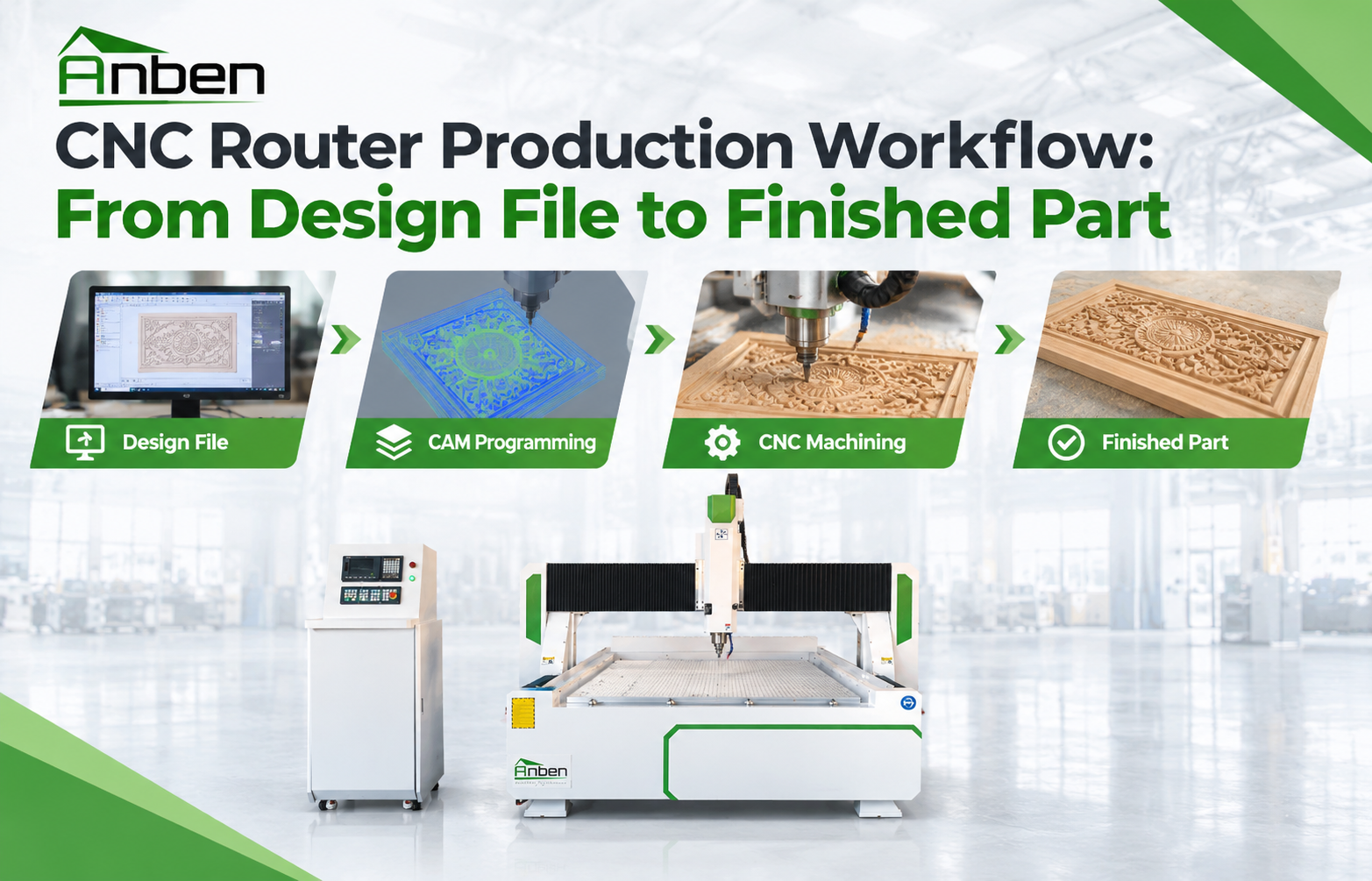
 CNC Router Production Workflow: From Design File to Finished Part
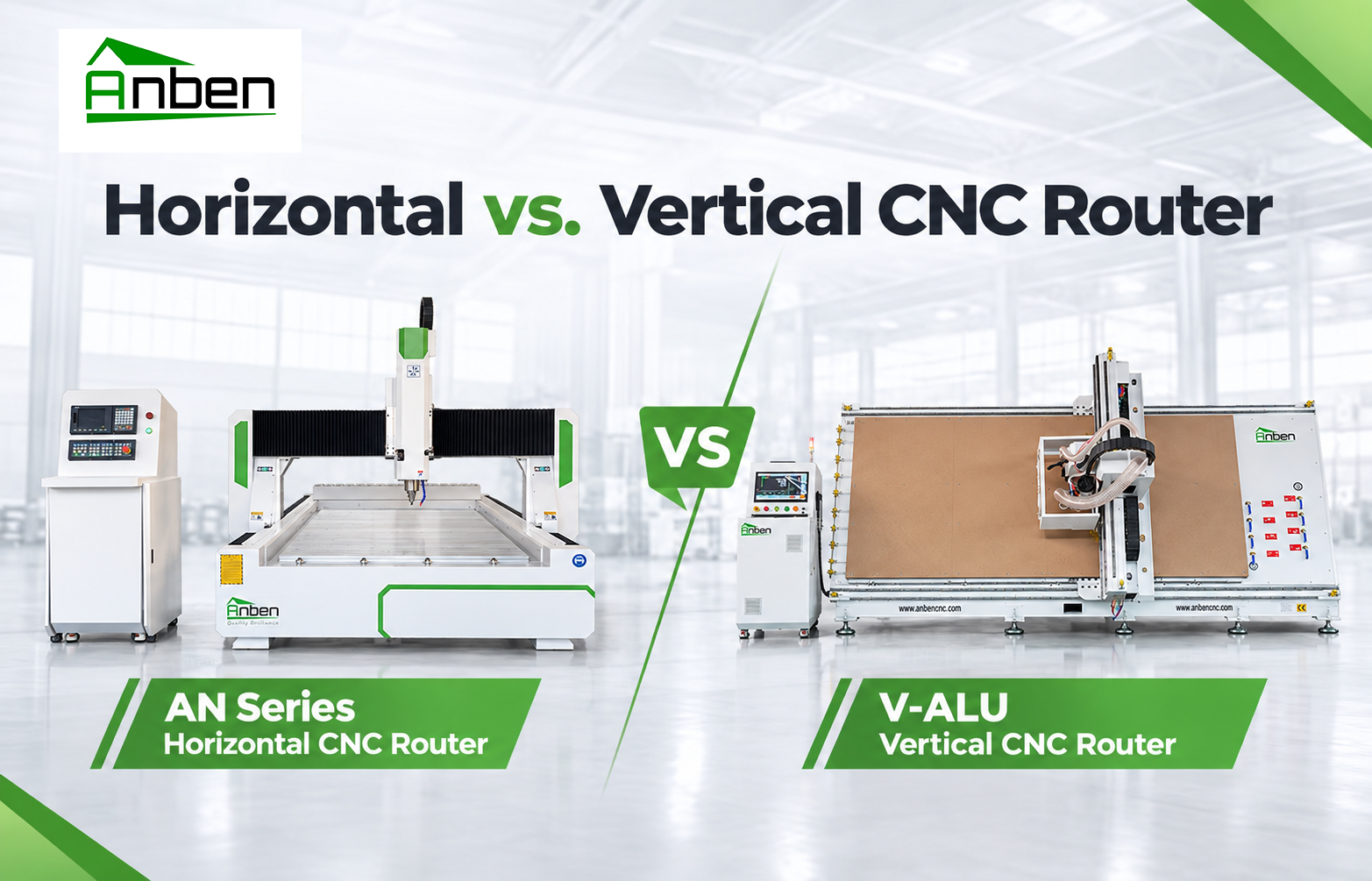
- Horizontal vs. Vertical CNC Router: Which One Is Right for You?
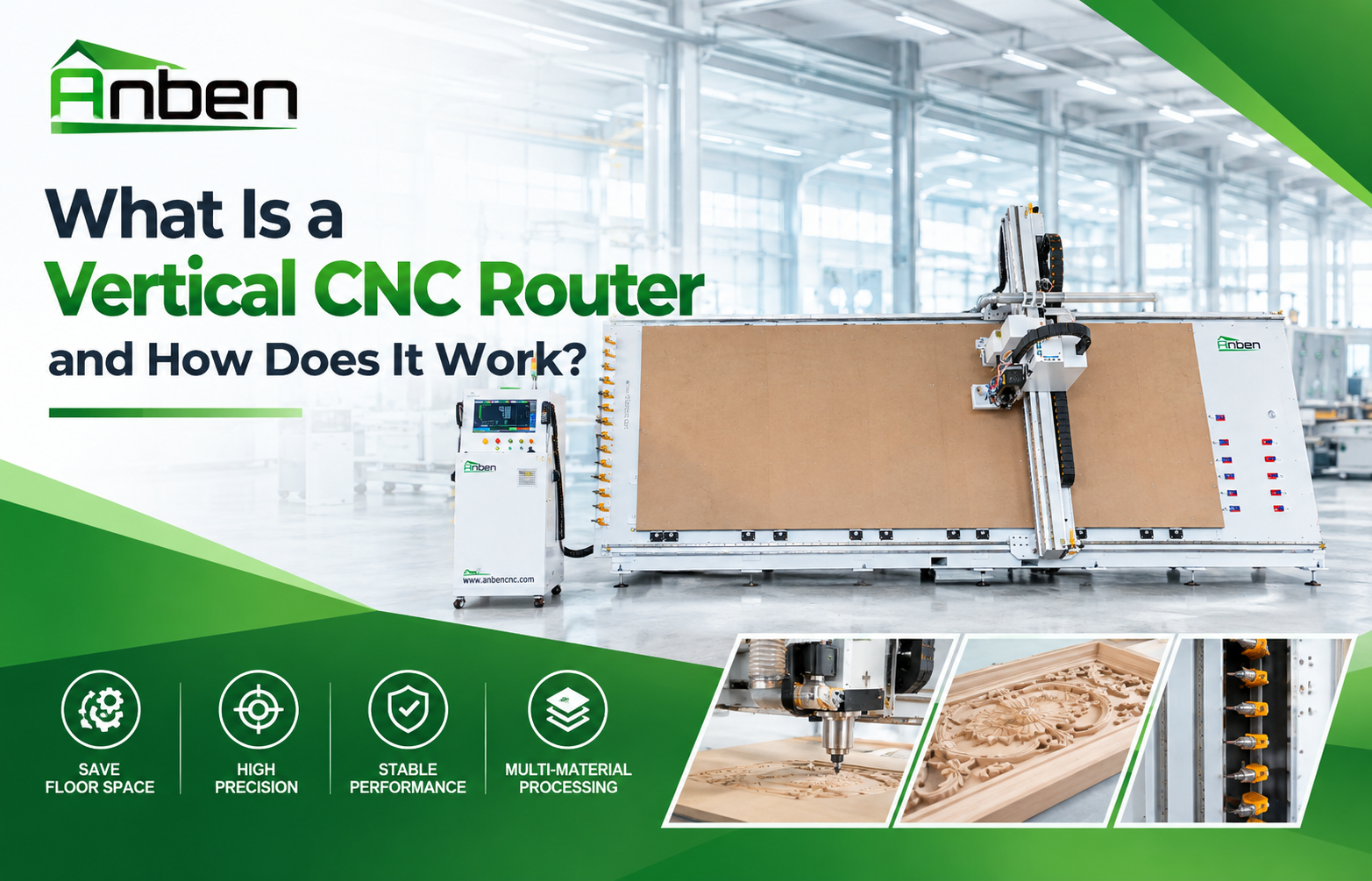
- What Is a Vertical CNC Router and How Does It Work?
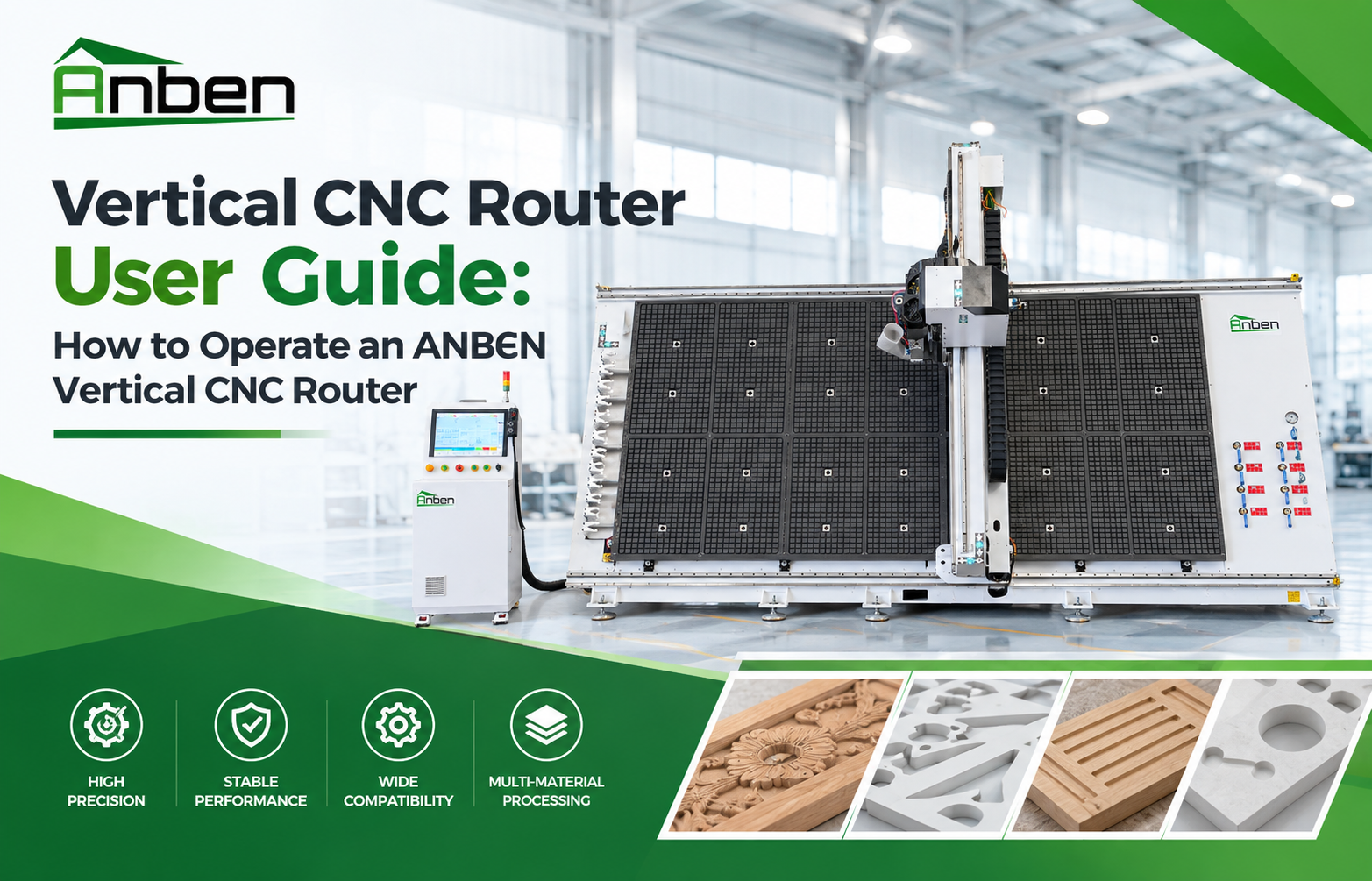
- Vertical CNC Router User Guide: How to Operate an ANBEN Vertical CNC Router



Related Products
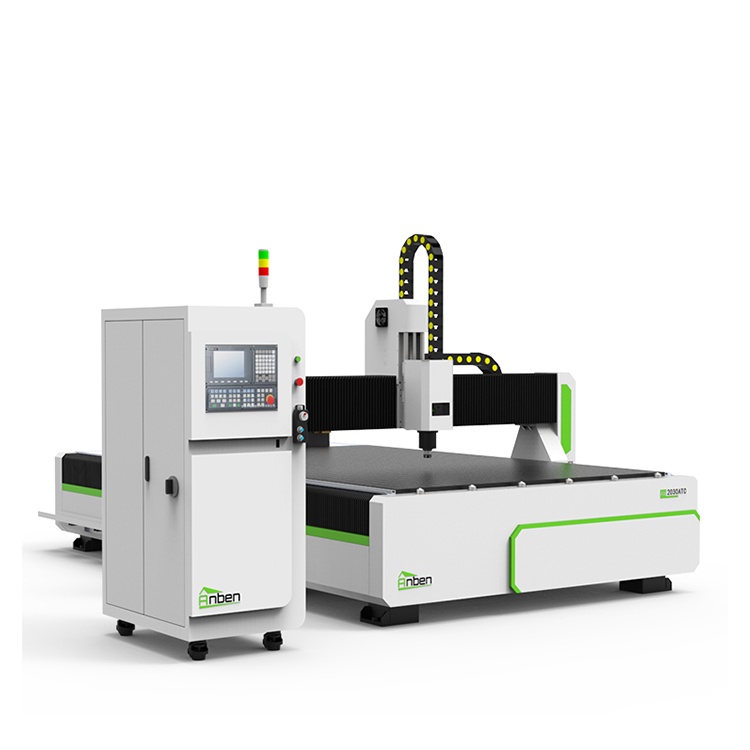
 AN2030ATC Automatic Tool ChangeAnben ATC (Automatic Tool Change)CNC router is popularly used in woodworking, making signs, molds making, art crafts making, etc. The automatic tool changer magazine carries 8-16 cutters. It can save tool change time,more efficient!
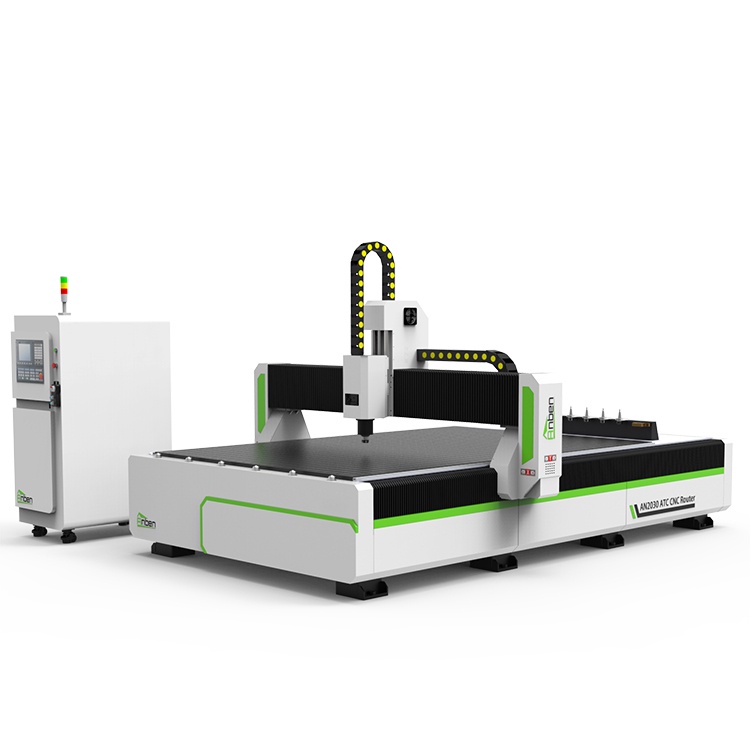
 AN2040ATC Automatic Tool ChangeAnben ATC (Automatic Tool Change)CNC router is popularly used in woodworking, making signs, molds making, art crafts making, etc. The automatic tool changer magazine carries 8-16 cutters. It can save tool change time,more efficient!
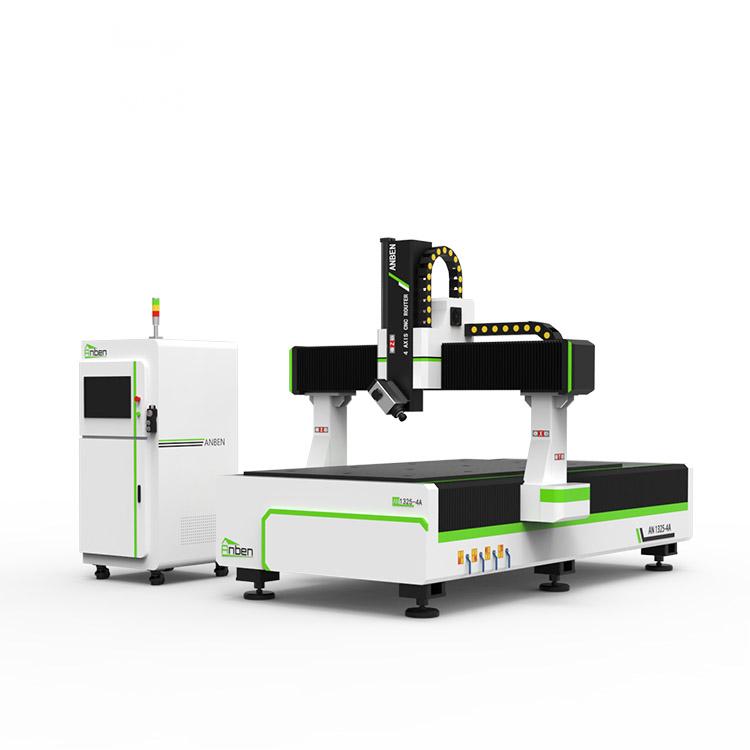
 AN1325-4 axisAnben 4 Axis CNC Router Machine with 4 axis ATC spindle is good at heavy-duty and complex 3d wood cutting and carving of wood panel, MDF, plywood, etc. All the working areas and specifications can be customized according to your requests.
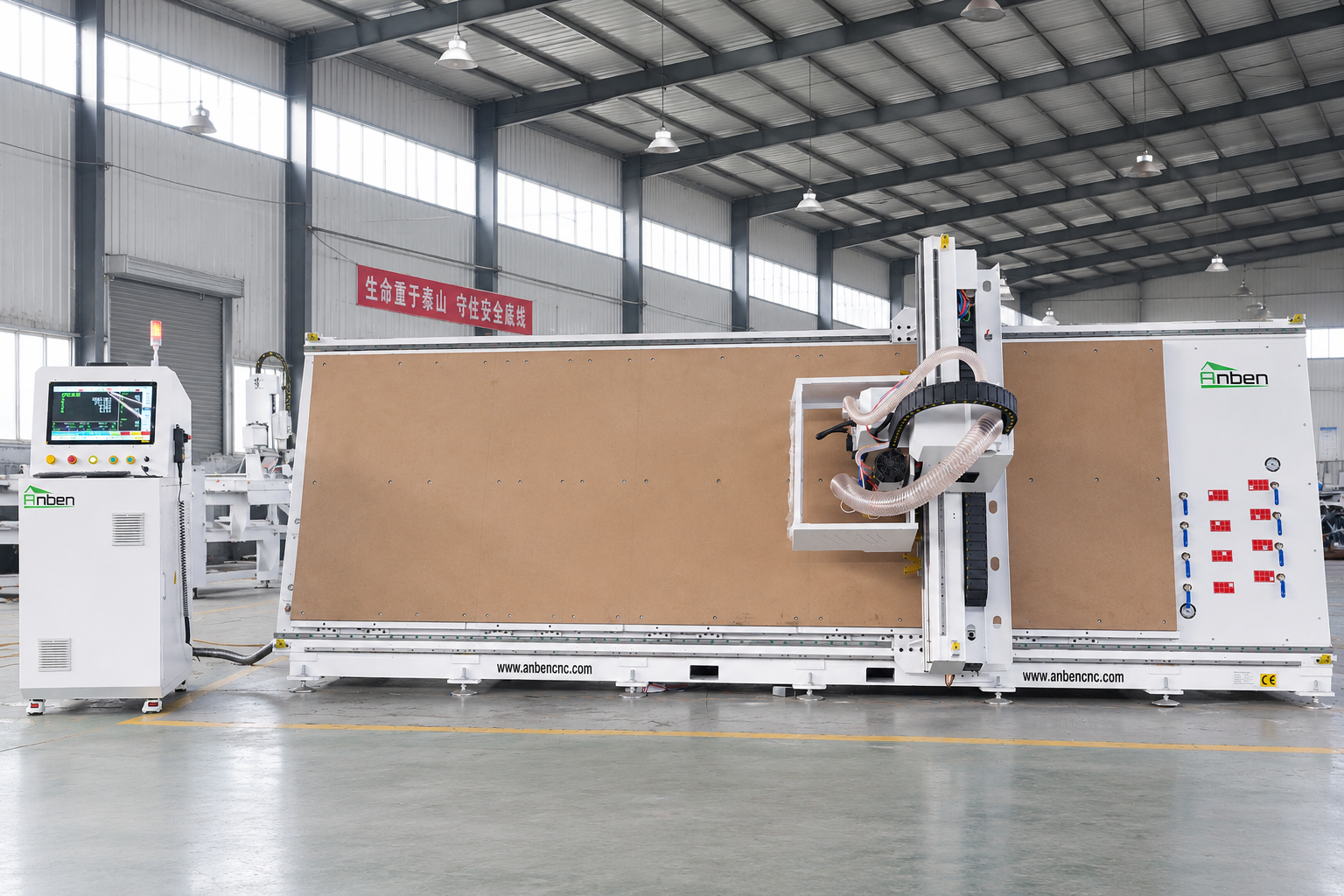
 V-1650 Vertical cnc routerThe vertical cnc significantly reduces the machine’s floor space. It is equipped with 8 sets of ATC tool magazines and other auxiliary devices such as vacuum pump, saw blade,aggregate head, positioning systems, etc. The Vertical cnc can cutting,grooving,engraving,drilling for various types of aluminum composite boards, acrylic boards, fiber boards and other boards. It is suitable for construction facades,cladding ,advertising signs,furniture manufacturing and other industries.
Get in touch

Anben Industrial – Founded in 2017, with a pure engineering spirit, providing trustworthy CNC solutions, born for long-term stable performance.
Contact