

How to Load Large Panels Safely on a CNC Router





Large panel processing is common in furniture manufacturing, cabinet production, advertising, interior decoration, and architectural applications. However, loading large sheets onto a CNC router requires proper preparation and handling methods.
Incorrect loading can cause material movement, inaccurate cutting, damaged tools, or even safety risks for operators.
This guide explains how to safely load large panels on a CNC router and improve machining efficiency.
1. Prepare the CNC Router Before Loading
Before placing large panels on the machine, always check the working area and machine condition.
Make sure:
The CNC table is clean and free of dust or leftover materials
The vacuum system is working properly
The cutting area is clear
The correct machining program is ready
The emergency stop function is available
A clean and prepared workspace helps prevent positioning errors and improves machining stability.
2. Check the Panel Size and Material Condition
Before loading, inspect the panel carefully.
Confirm:
Material dimensions match the CNC working area
The panel surface is flat and free from severe deformation
There are no cracks, moisture problems, or damaged edges
Large sheets such as MDF, plywood, acrylic panels, and aluminum composite panels require proper handling because uneven surfaces may affect cutting accuracy.
3. Use Proper Material Handling Methods
Large panels are often heavy and difficult for one operator to move safely.
For oversized materials, consider:
Using lifting equipment when necessary
Having multiple operators assist with loading
Keeping the panel level during movement
Avoiding sudden impacts on the machine table
Do not drag heavy materials directly across the working surface, as this may damage the table or affect positioning accuracy.
4. Position the Panel Correctly on the CNC Table
Correct positioning is important for accurate machining.
When placing the panel:
Align the material with the machine reference point
Keep enough working margin around the cutting area
Make sure the panel is fully supported
Avoid placing the material outside the effective machining range
For repeat production, using positioning stops or reference points can help operators load materials faster and maintain consistent results.
5. Secure Large Panels with a Vacuum Table
A reliable holding system is essential when machining large sheets.
Many CNC routers use vacuum tables to secure materials during cutting. A strong vacuum hold-down system helps prevent movement and improves cutting consistency.
Before starting machining:
Check vacuum pressure
Confirm the material is sealed properly
Make sure the vacuum area matches the panel size
Remove dust or debris that may reduce suction
For large-format CNC routers, an effective vacuum system can significantly improve production stability.
6. Avoid Common Loading Mistakes
Some common mistakes can affect machining quality:
Incorrect Panel Placement
If the material is not aligned correctly, the cutting path may not match the design.
Insufficient Fixing
A loose panel may move during cutting, causing inaccurate dimensions or damaged edges.
Ignoring Material Flatness
Warped panels may create inconsistent cutting depth and poor surface quality.
Overloading the Machine
Always ensure the material size and weight are within the machine specifications.
7. Safety Tips During Panel Loading
Operator safety should always come first.
Follow these basic rules:
Wear appropriate safety equipment
Keep hands away from moving components
Do not place materials while the spindle is running
Use proper lifting methods for heavy panels
Keep the working area organized
Never rush the loading process. Proper preparation reduces accidents and improves production efficiency.
Large Panel Processing with ANBEN CNC Routers
ANBEN CNC routers are designed for woodworking and panel processing applications, including furniture, cabinets, signage, and customized production.
For large-format projects, choosing the correct machine size, holding system, and operating method helps achieve stable machining results.
Whether processing MDF, plywood, wood panels, or other sheet materials, proper loading procedures are essential for maintaining accuracy, efficiency, and machine performance.
Conclusion
Loading large panels safely is an important step in CNC machining.
By preparing the machine, checking materials, using proper handling methods, securing panels correctly, and following safety procedures, operators can reduce errors and improve production quality.
A reliable CNC router combined with correct operating methods allows businesses to achieve safer and more efficient large-panel processing.
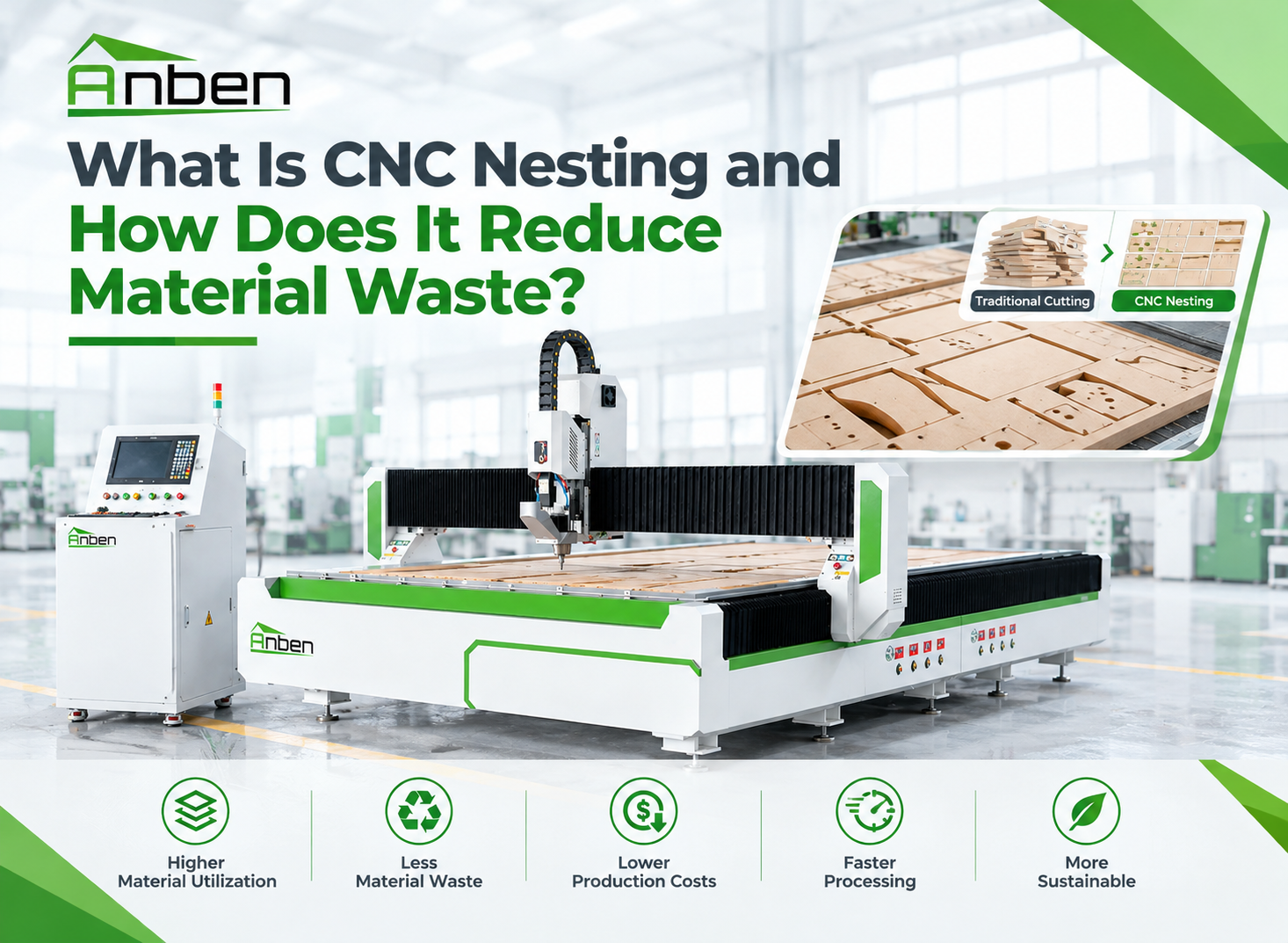
 What Is CNC Nesting and How Does It Reduce Material Waste?
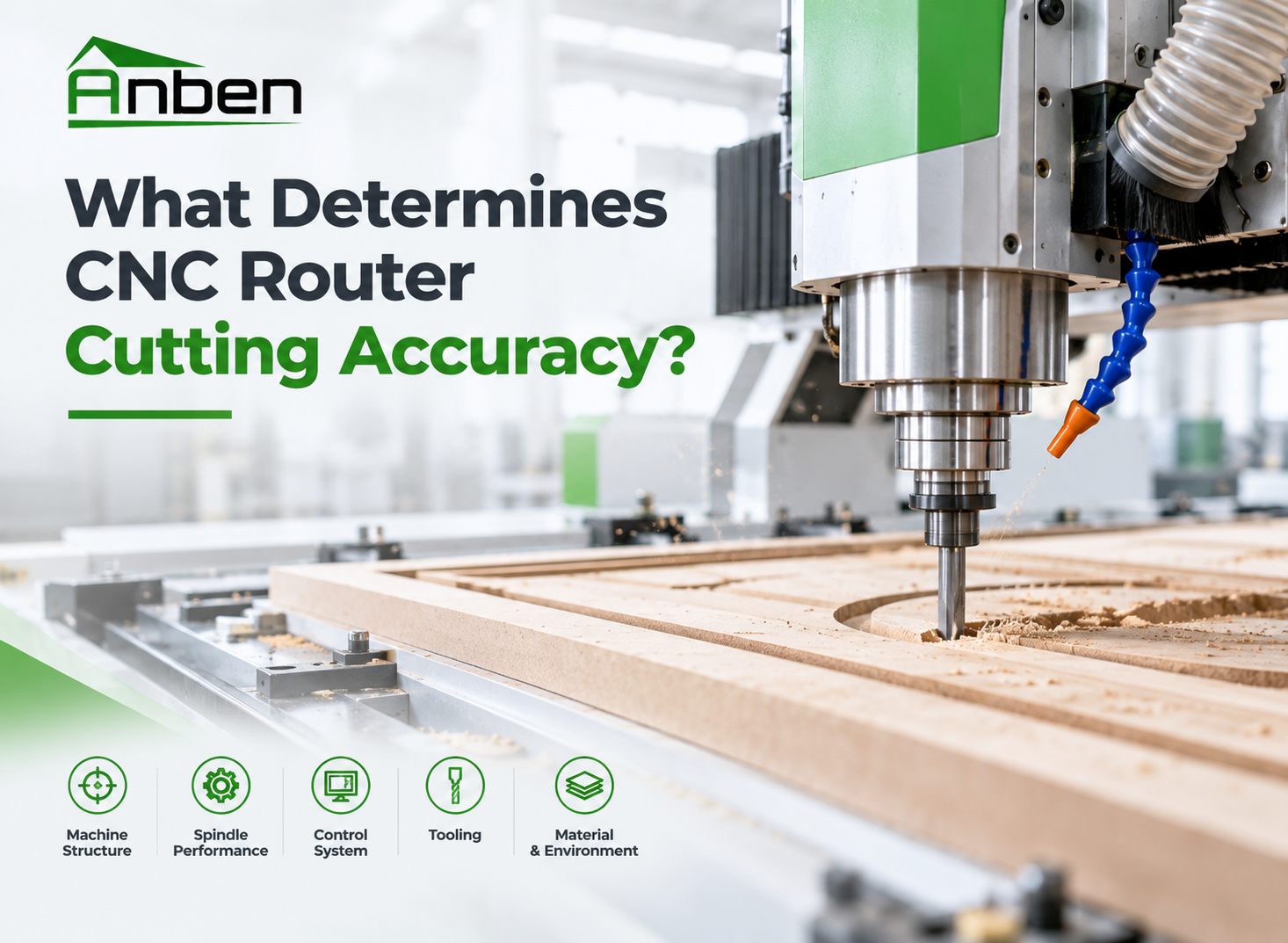
- What Determines CNC Router Cutting Accuracy?
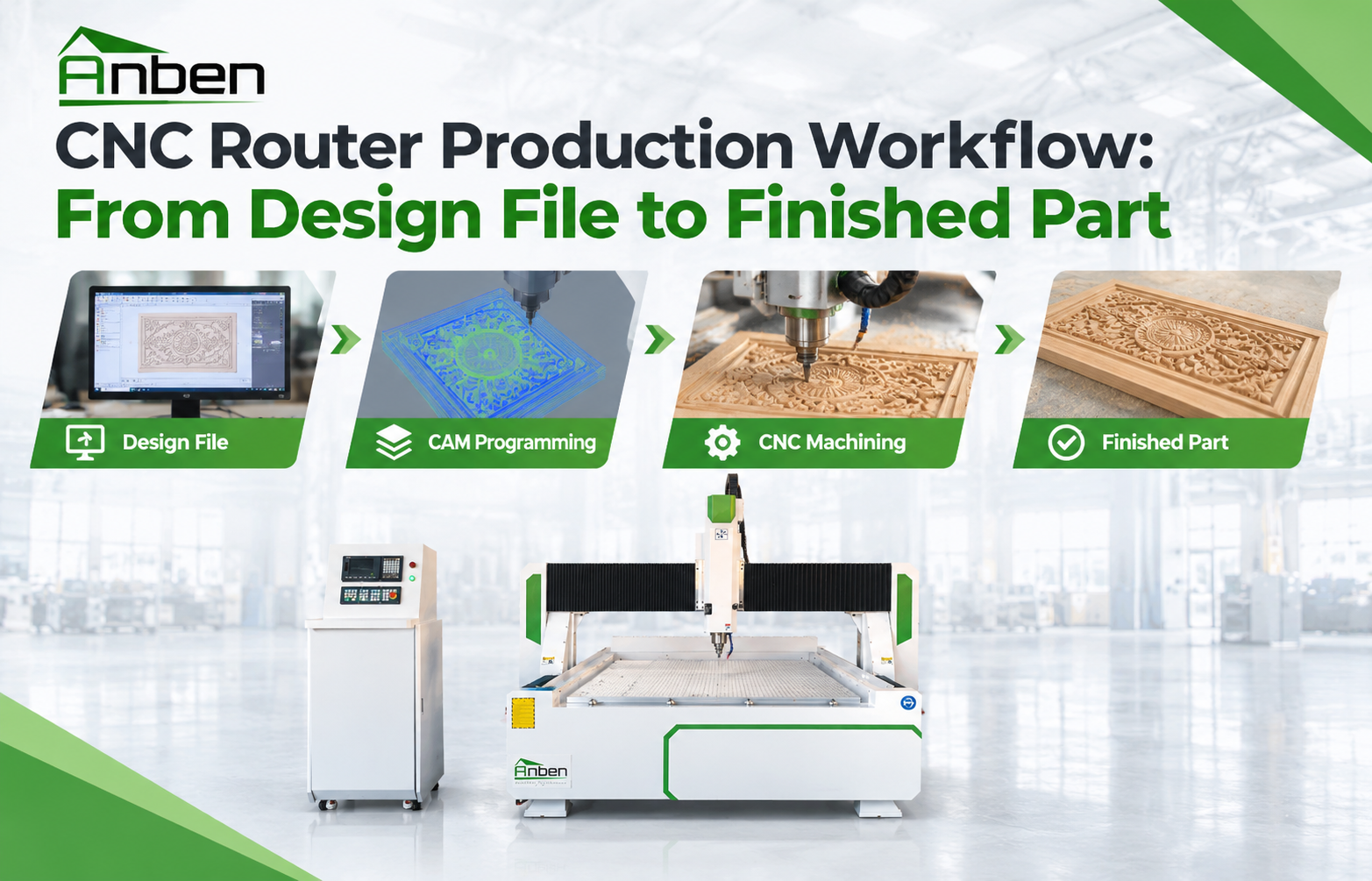
 CNC Router Production Workflow: From Design File to Finished Part
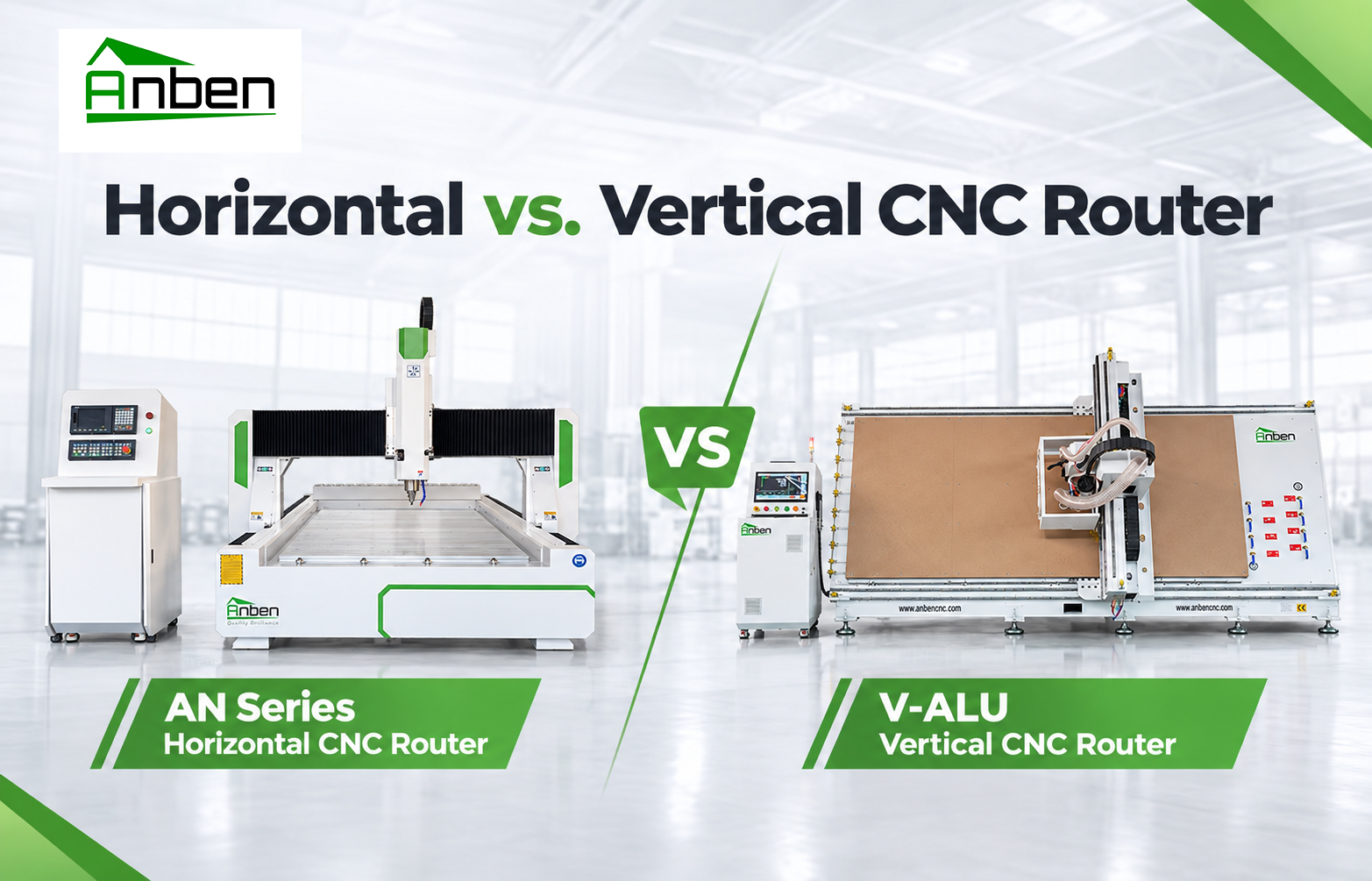
- Horizontal vs. Vertical CNC Router: Which One Is Right for You?
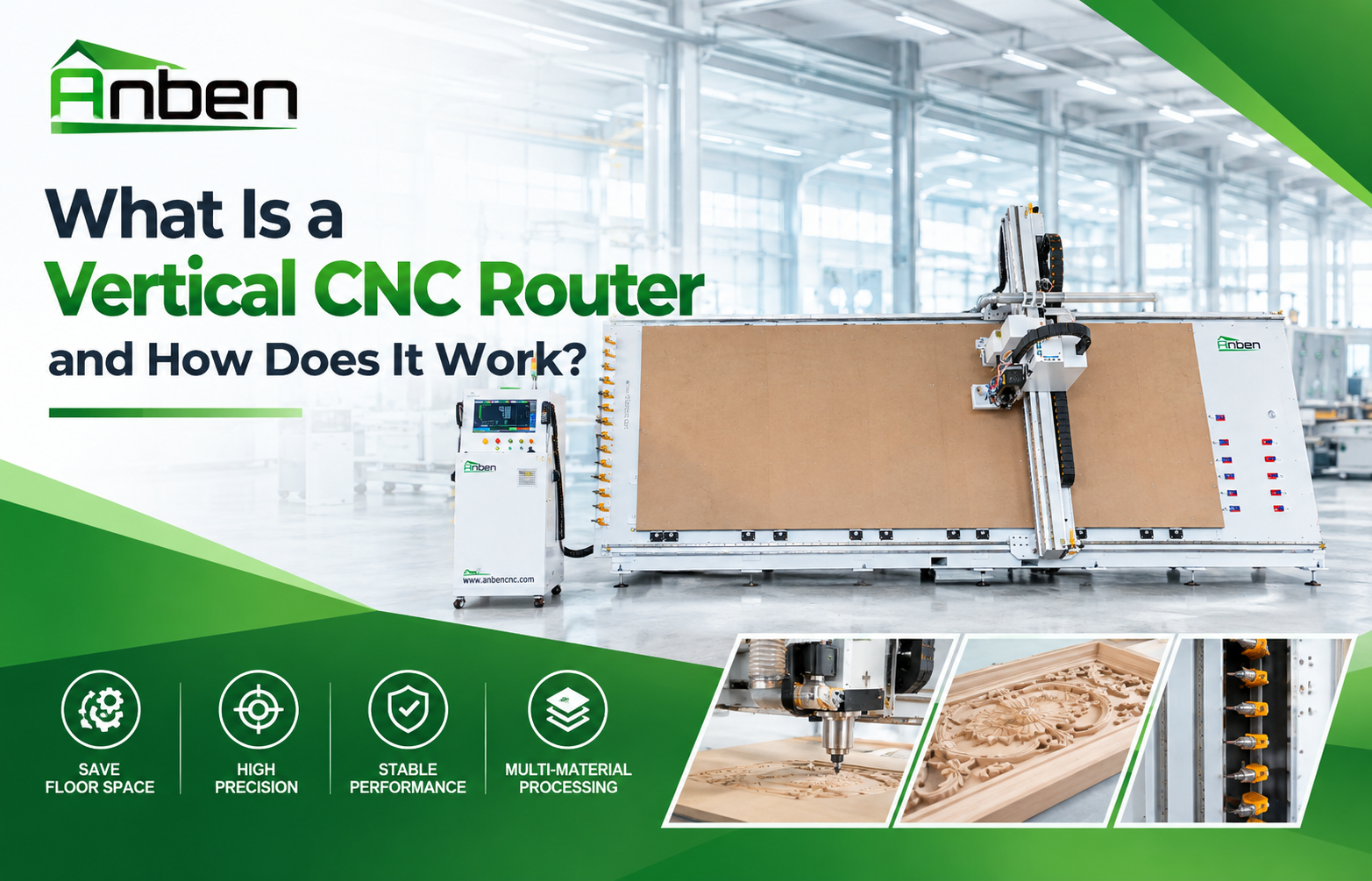
- What Is a Vertical CNC Router and How Does It Work?
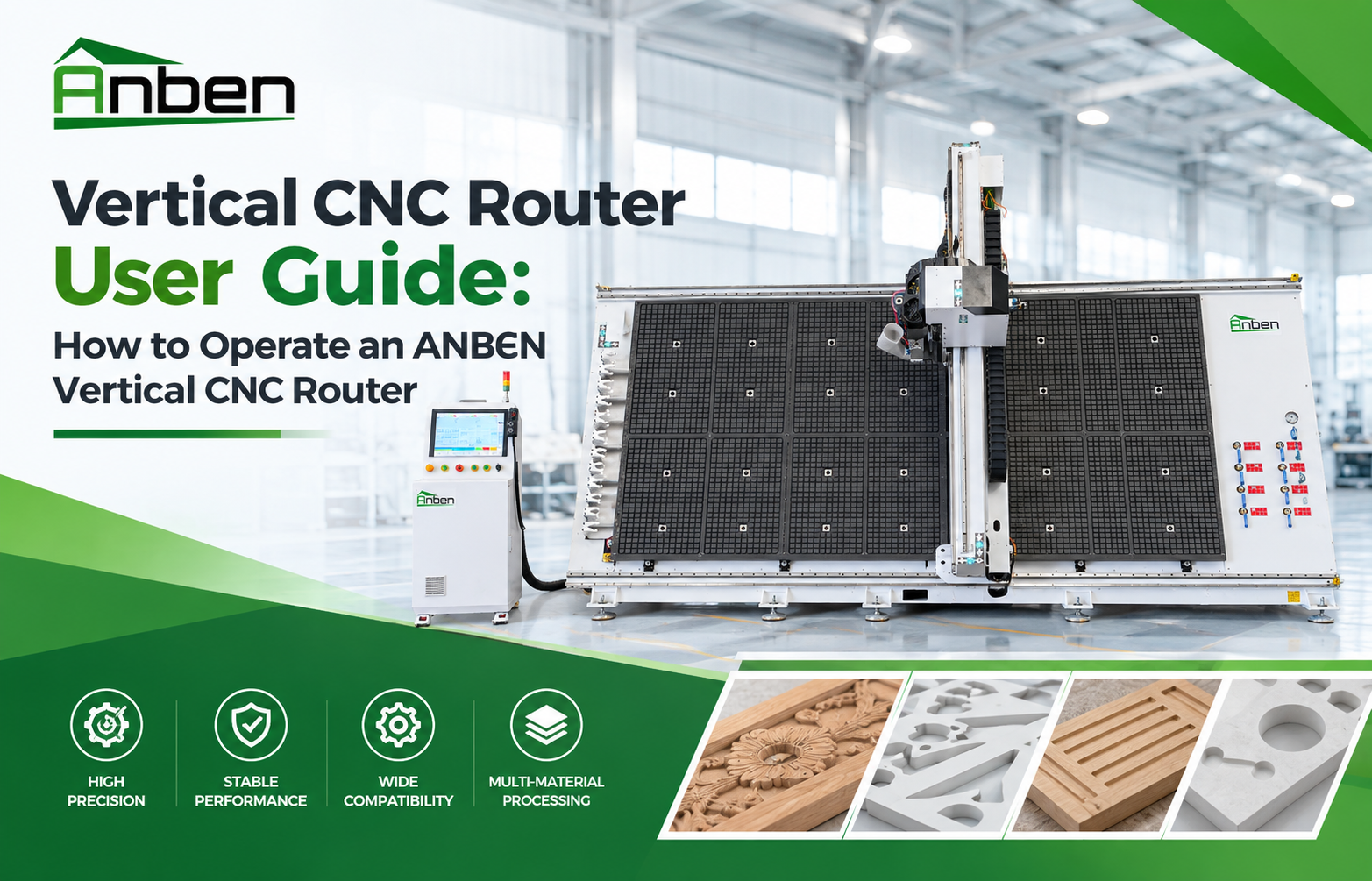
- Vertical CNC Router User Guide: How to Operate an ANBEN Vertical CNC Router
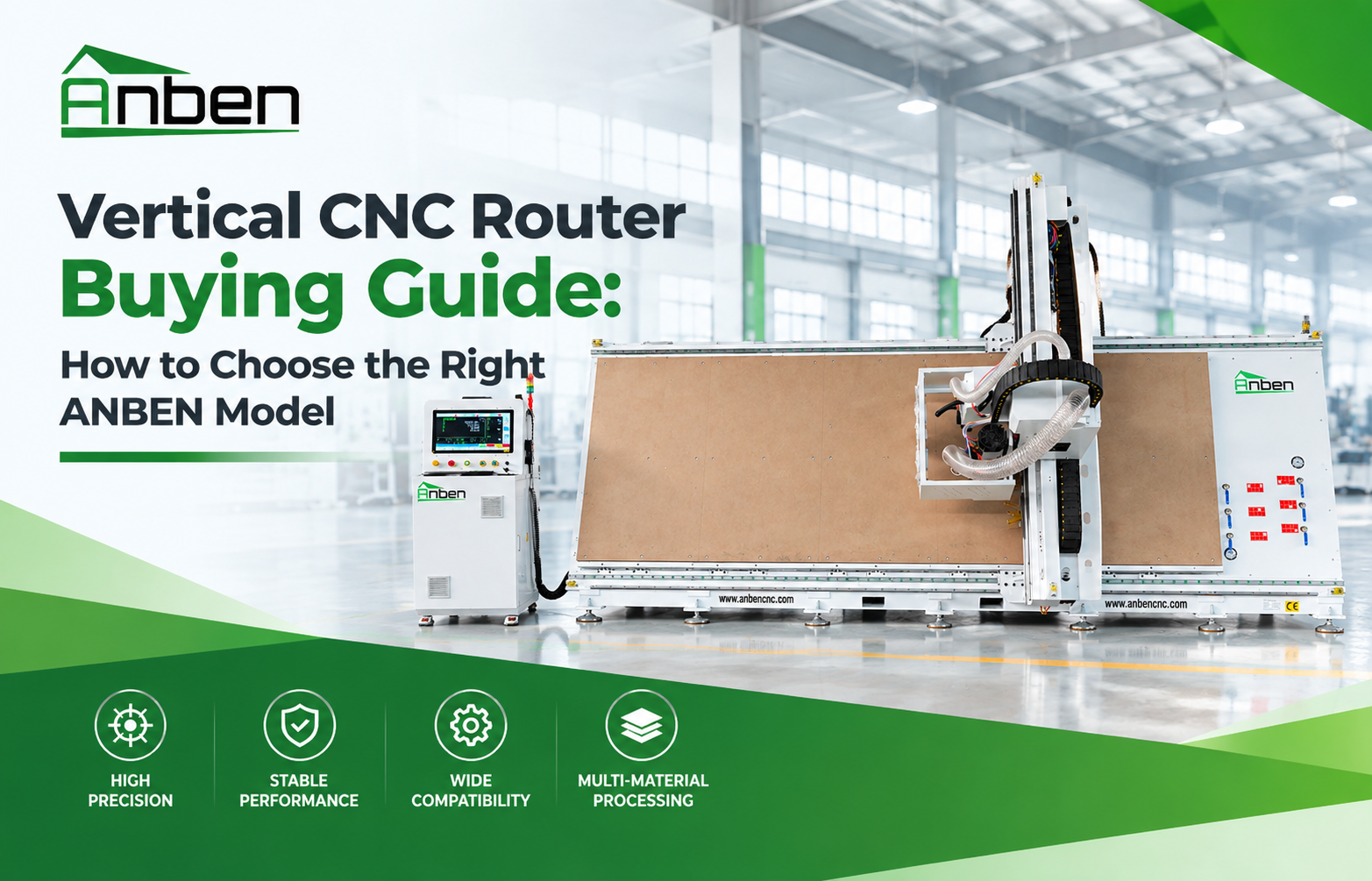
- Vertical CNC Router Buying Guide: How to Choose the Right ANBEN Model
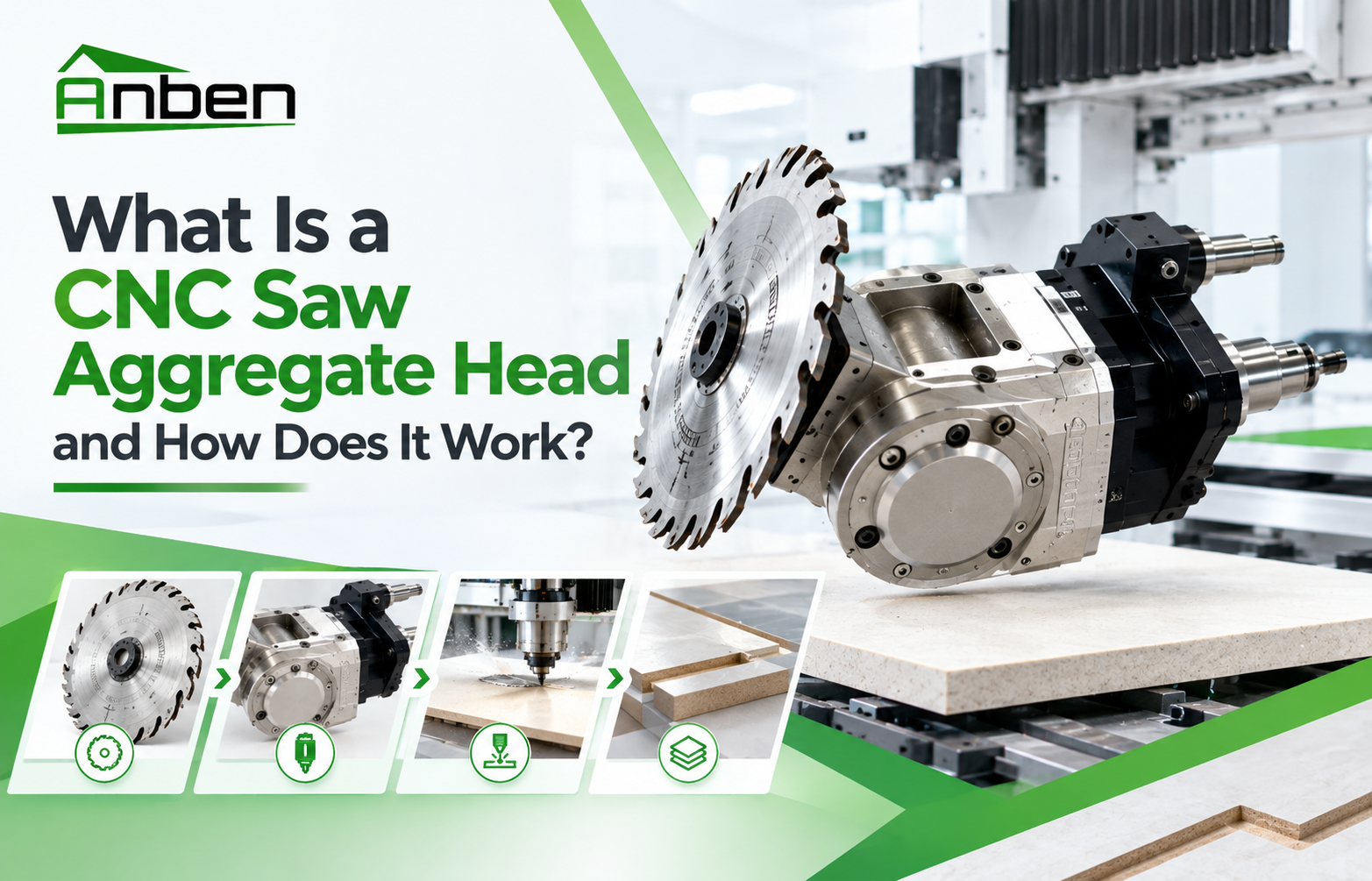
- What Is a CNC Saw Aggregate Head and How Does It Work?
Related Products
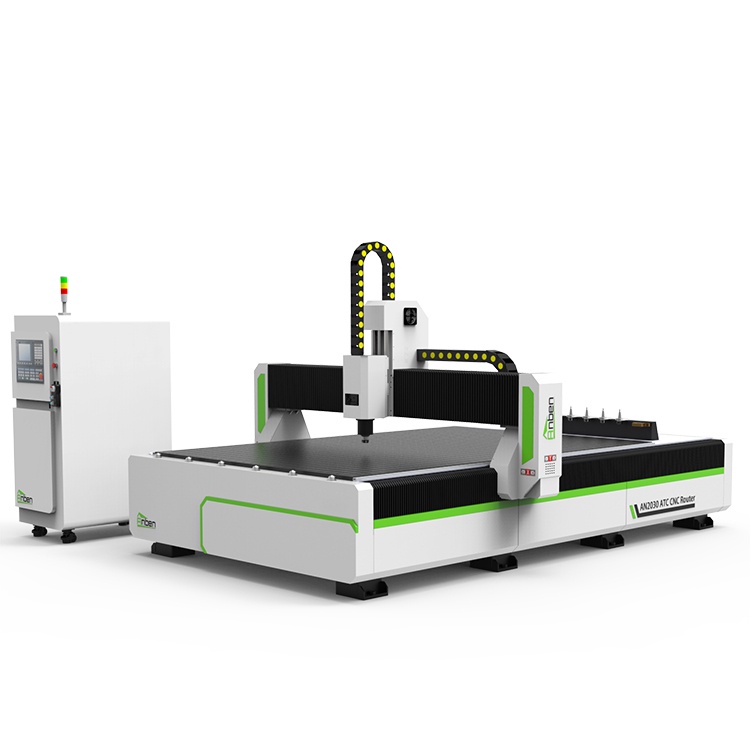
 AN2040ATC Automatic Tool ChangeAnben ATC (Automatic Tool Change)CNC router is popularly used in woodworking, making signs, molds making, art crafts making, etc. The automatic tool changer magazine carries 8-16 cutters. It can save tool change time,more efficient!
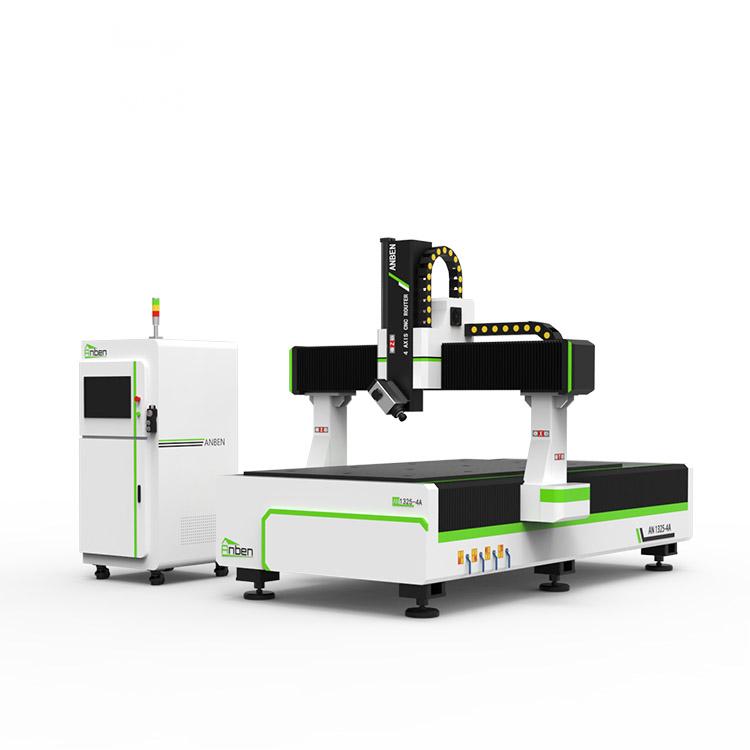
 AN1325-4 axisAnben 4 Axis CNC Router Machine with 4 axis ATC spindle is good at heavy-duty and complex 3d wood cutting and carving of wood panel, MDF, plywood, etc. All the working areas and specifications can be customized according to your requests.
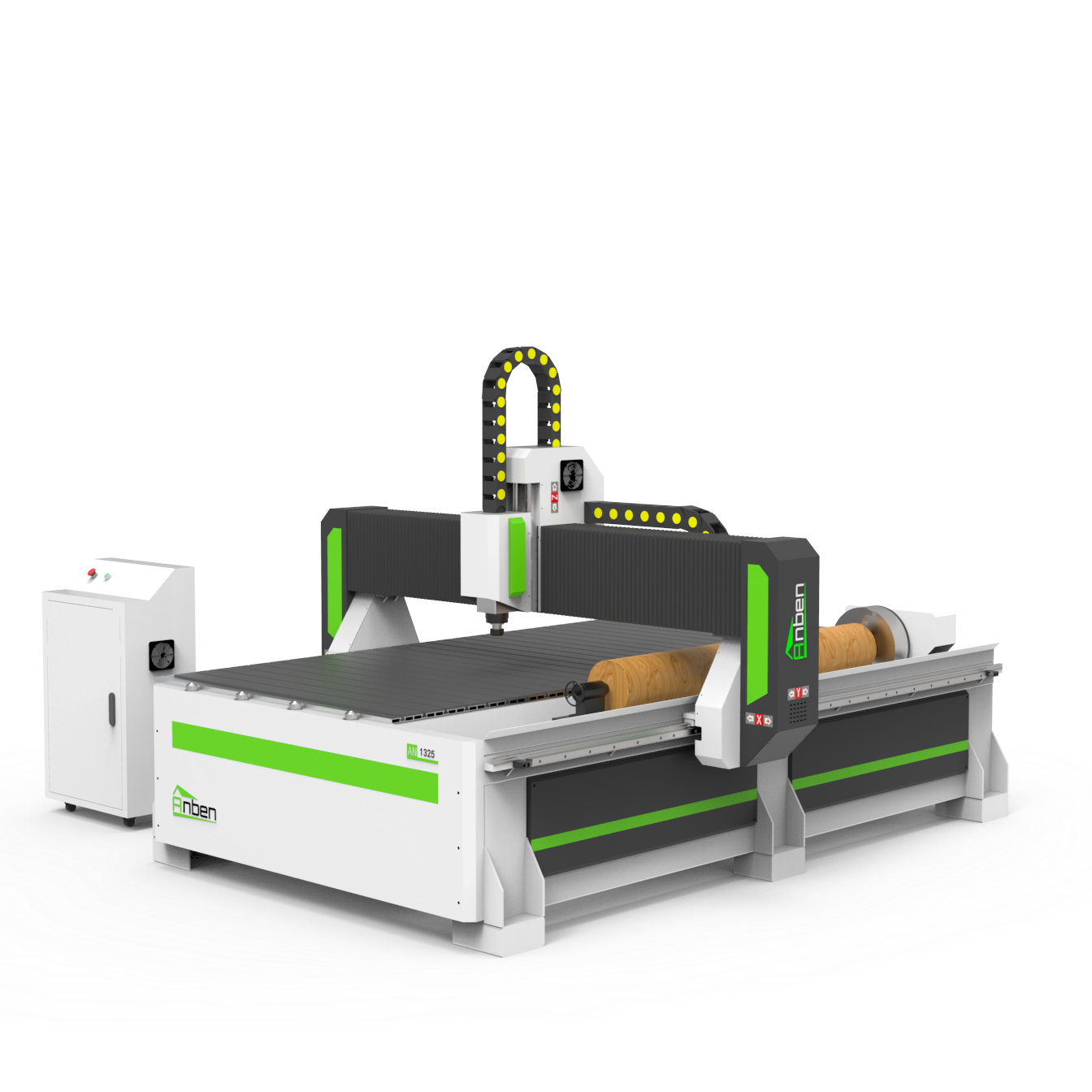
 AN Cnc Router With Rotary AxisAnben cnc router with Rotary Axis for businesses that need both flat and rotary carving in one machine. From staircase spindles to decorative columns, this type of router handles round parts with ease. It’s a smart pick if you’re working with furniture, signs, or wood crafts that involve turning or 3D shapes.
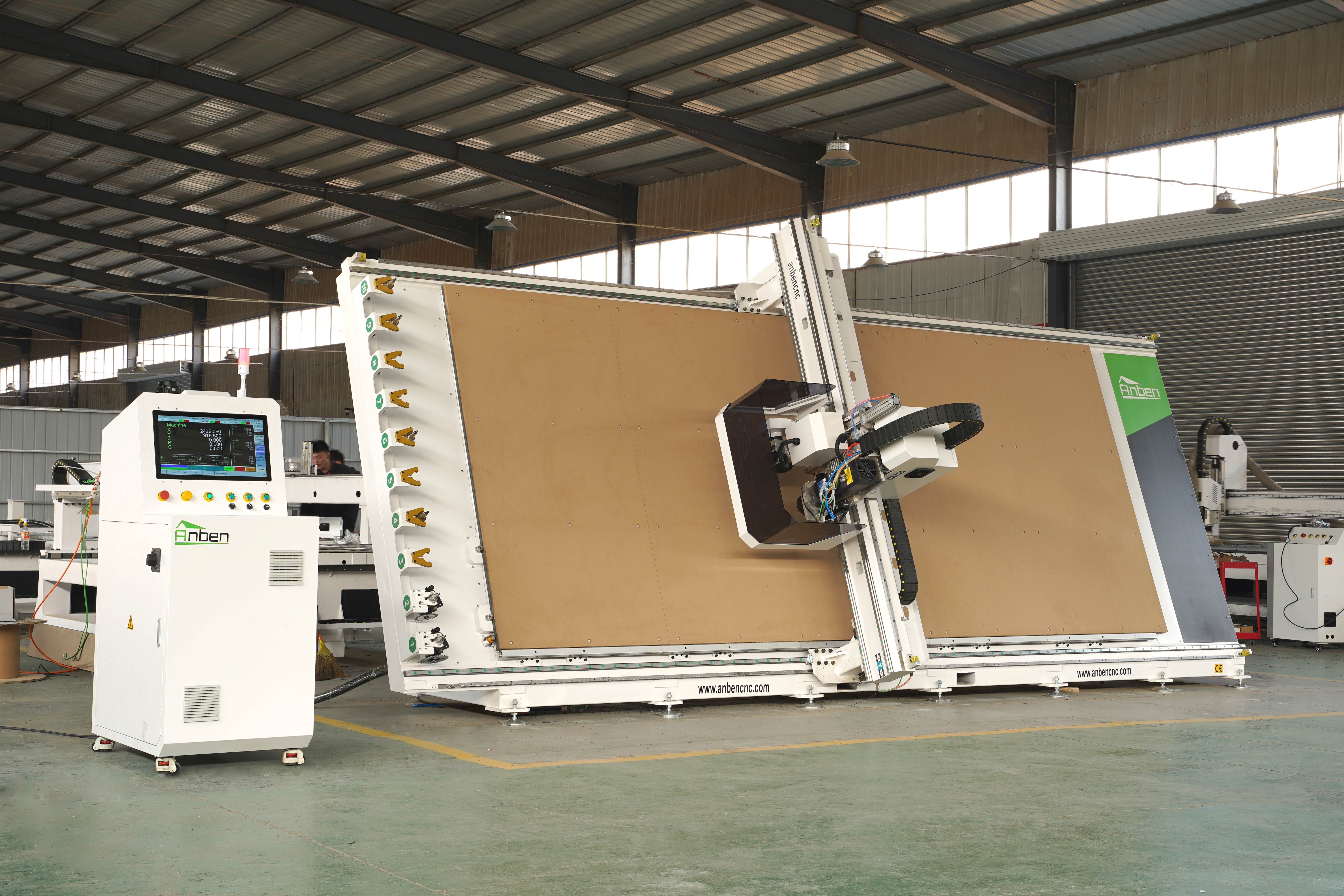
 V-2151 Vertical cnc routerThe vertical cnc significantly reduces the machine’s floor space. It is equipped with 8 sets of ATC tool magazines and other auxiliary devices such as vacuum pump, saw blade,aggregate head, positioning systems, etc. The Vertical cnc can cutting,grooving,engraving,drilling for various types of aluminum composite boards, acrylic boards, fiber boards and other boards. It is suitable for construction facades,cladding ,advertising signs,furniture manufacturing and other industries.
Get in touch

Anben Industrial – Founded in 2017, with a pure engineering spirit, providing trustworthy CNC solutions, born for long-term stable performance.
Contact