

What Is a CNC Wood Router? A Complete Beginner's Guide





A CNC wood router is a computer-controlled machining machine designed to cut, carve, engrave, drill, and shape wood and other compatible materials. Unlike a traditional handheld router, a CNC router follows a programmed toolpath, allowing the same design to be reproduced accurately and consistently.
For woodworking businesses, furniture manufacturers, cabinet makers, and sign makers, CNC routers provide an efficient way to turn digital designs into finished products.
How Does a CNC Wood Router Work?
The basic CNC woodworking process is simple:
Design → CAM Toolpath → G-code → CNC Router → Finished Product
First, a 2D drawing or 3D model is created using CAD software. CAM software then converts the design into a toolpath and generates machine-readable G-code.
The CNC controller reads the program and controls the movement of the spindle along the machine axes. The rotating cutting tool removes material according to the programmed path.
This automated process makes complex cutting and engraving more repeatable than manual machining.
What Can a CNC Wood Router Cut?
A CNC wood router is mainly used for woodworking materials, but its applications can extend beyond solid wood.
Common materials include:
Solid wood and hardwood
MDF and plywood
Particle board
Acrylic and plastics
PVC and composite materials
Other compatible sheet materials
The correct cutting tool and machining parameters should always be selected according to the material.
What Can You Make with a CNC Router?
A CNC router can perform much more than simple straight cuts.
Typical applications include:
Furniture & Cabinets
Cut panels, cabinet components, slots, holes, and decorative patterns.
Wood Doors & Decorative Panels
Create detailed designs, relief patterns, and customized surfaces.
Signs & Advertising
Engrave letters, logos, graphics, and decorative elements on wood, acrylic, and other suitable materials.
3D Wood Carving
Create reliefs, sculptures, molds, and detailed three-dimensional designs with suitable tooling.
Production Cutting
Process repeated parts from sheet materials with consistent dimensions.
What Are the Main Parts of a CNC Wood Router?
Understanding the main components makes CNC operation easier.
CNC Controller: Controls machine movement and executes the machining program.
Spindle: Rotates the cutting tool and provides the cutting power.
Cutting Tool: Removes material and determines the type of machining operation.
Machine Frame: Provides structural stability during cutting.
Drive System: Moves the machine axes according to the programmed toolpath.
Workholding System: Holds the material securely using a vacuum table, T-slot table, clamps, or other methods.
Why Use a CNC Wood Router?
The biggest advantages are precision, repeatability, productivity, and flexibility.
Once a toolpath has been correctly prepared, the machine can reproduce the same design repeatedly with consistent results. CNC routing also reduces manual cutting work and makes complex shapes and detailed designs easier to produce.
For production workshops, an ATC configuration can further improve efficiency by automatically changing tools between different machining operations.
Is a CNC Wood Router Suitable for Beginners?
Yes. Beginners do not need to master every CNC programming command before getting started.
A basic workflow is:
Prepare the design → Select the tool → Set the work origin → Check the toolpath → Secure the material → Start machining
New users should begin with simple projects, learn the machine's control system, and always follow proper safety and operating procedures.
Final Thoughts
A CNC wood router combines digital design with automated machining. It can cut, engrave, drill, carve, and shape materials with repeatable accuracy, making it an important tool for modern woodworking.
For ANBEN CNC users, understanding how the machine, spindle, tools, controller, workholding system, and CAD/CAM workflow work together is the first step toward efficient and reliable CNC production.
 What Is CNC Nesting and How Does It Reduce Material Waste?
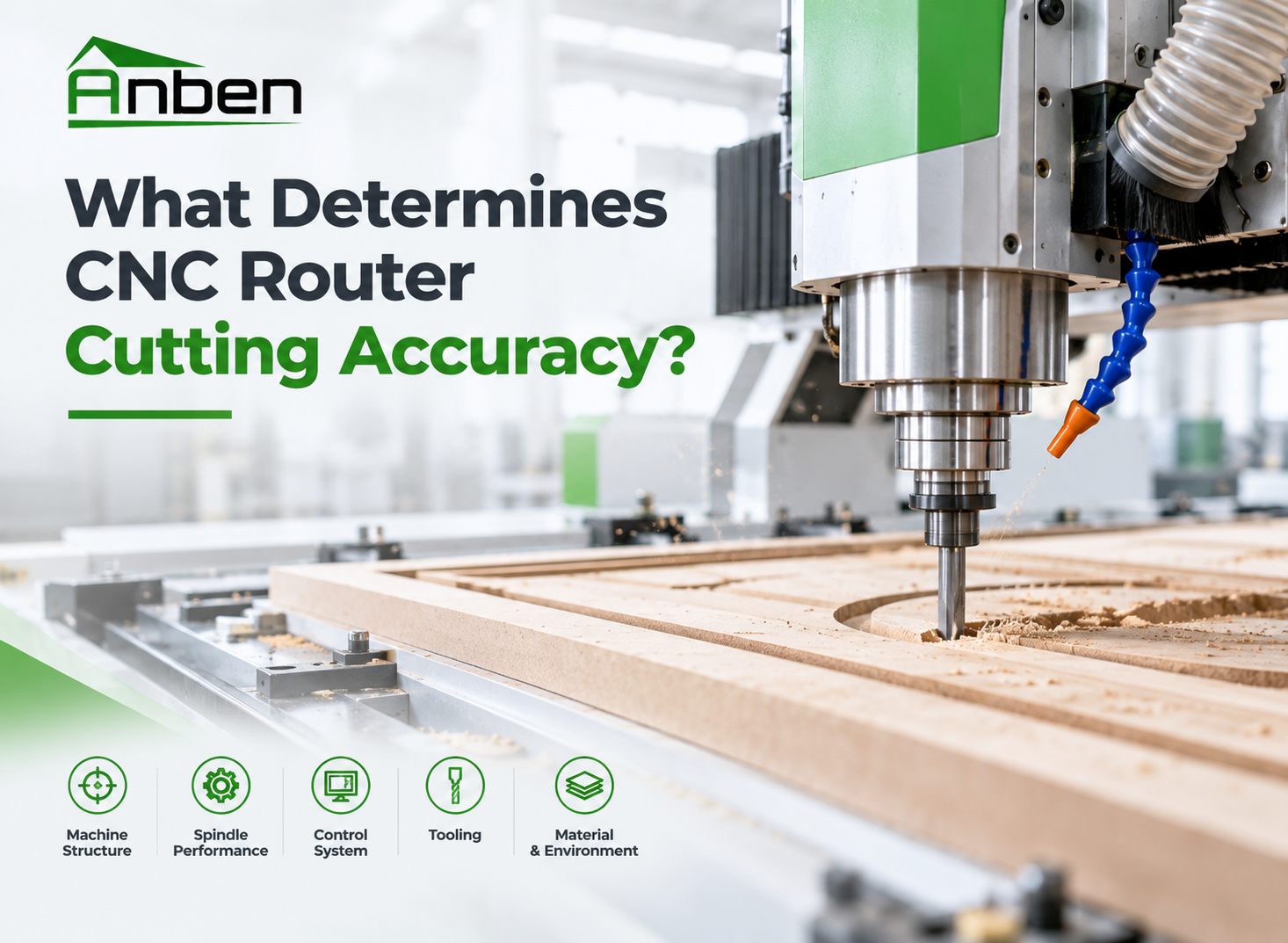
 What Determines CNC Router Cutting Accuracy?
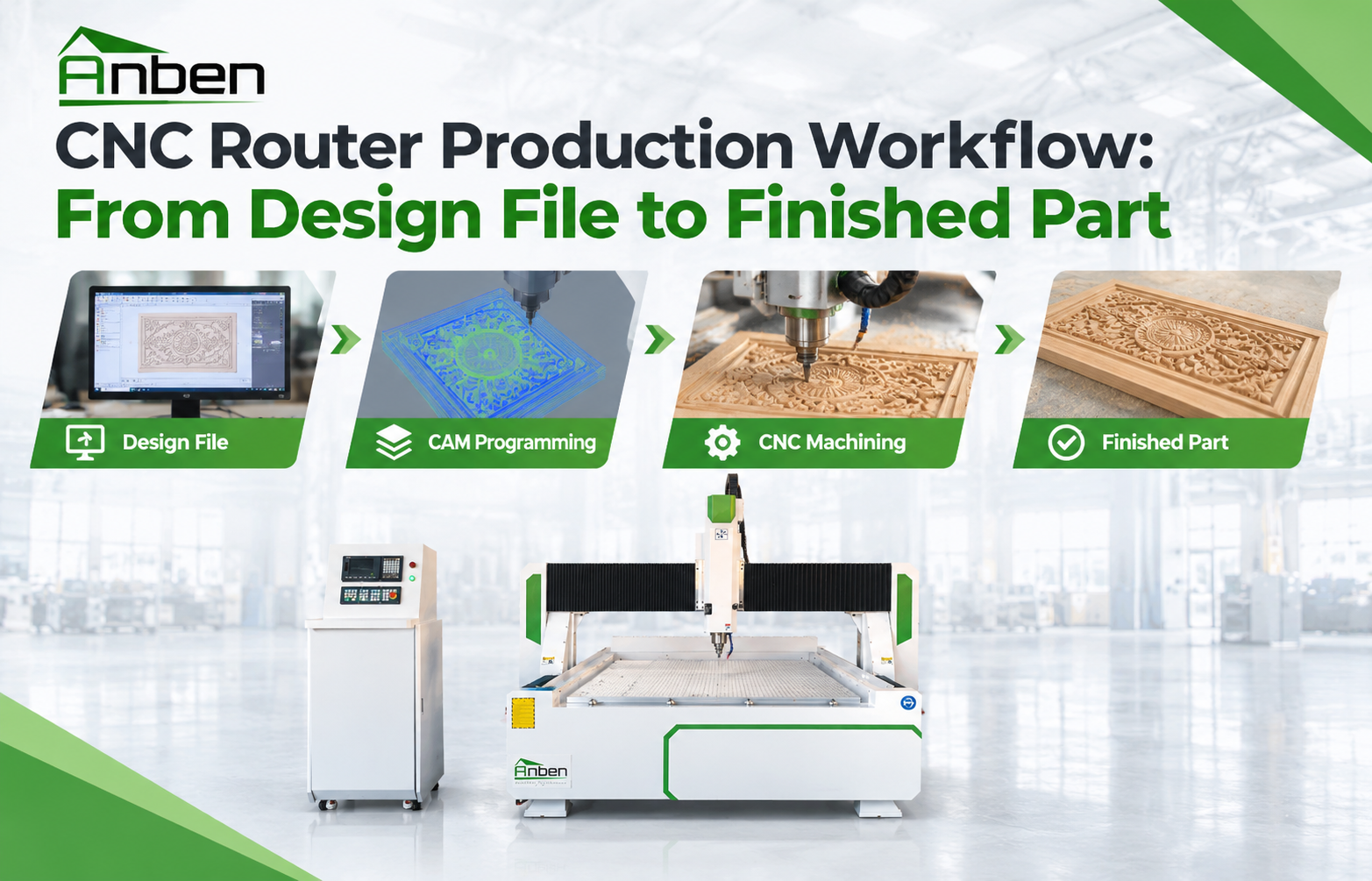
 CNC Router Production Workflow: From Design File to Finished Part
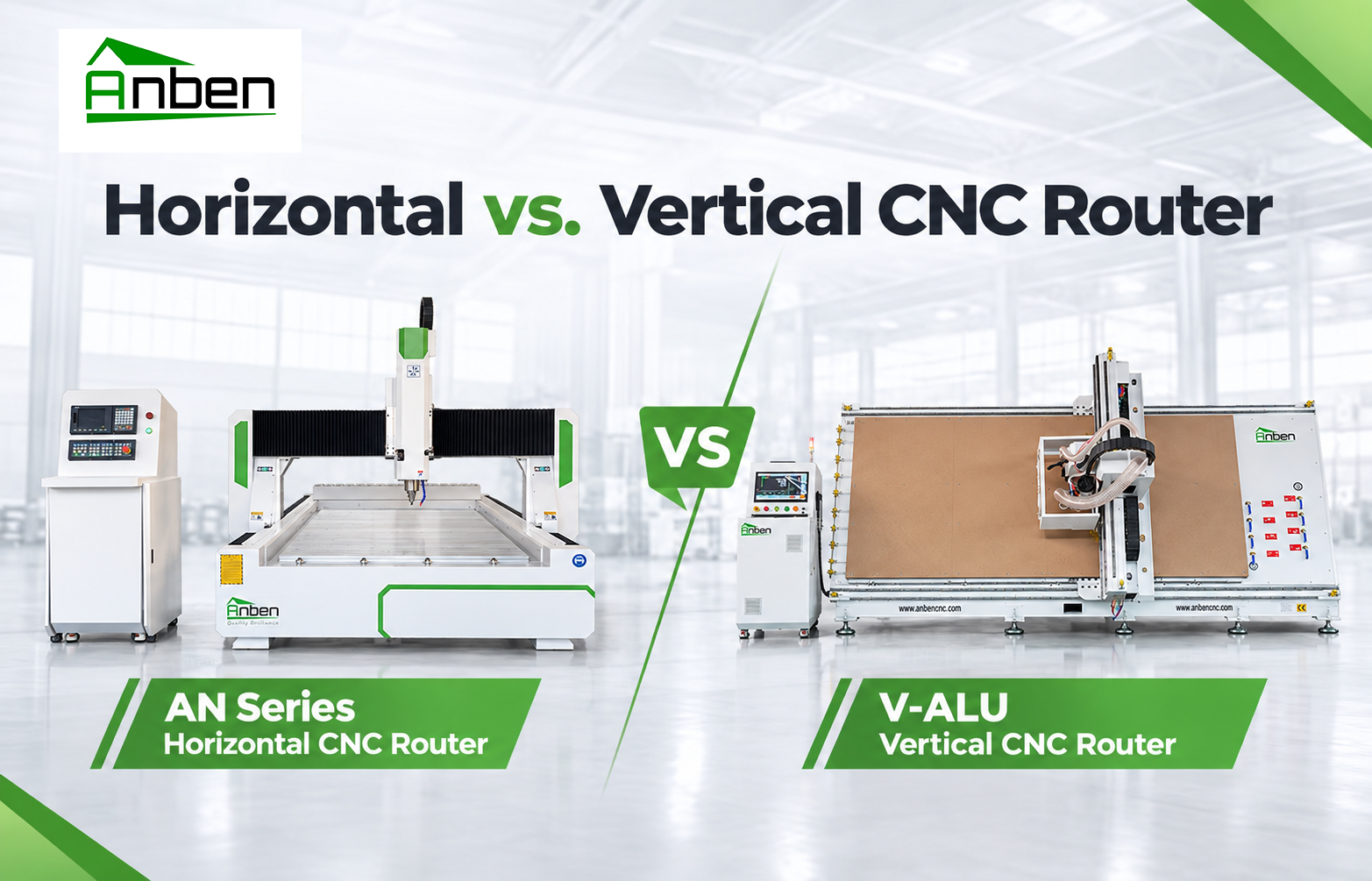
- Horizontal vs. Vertical CNC Router: Which One Is Right for You?
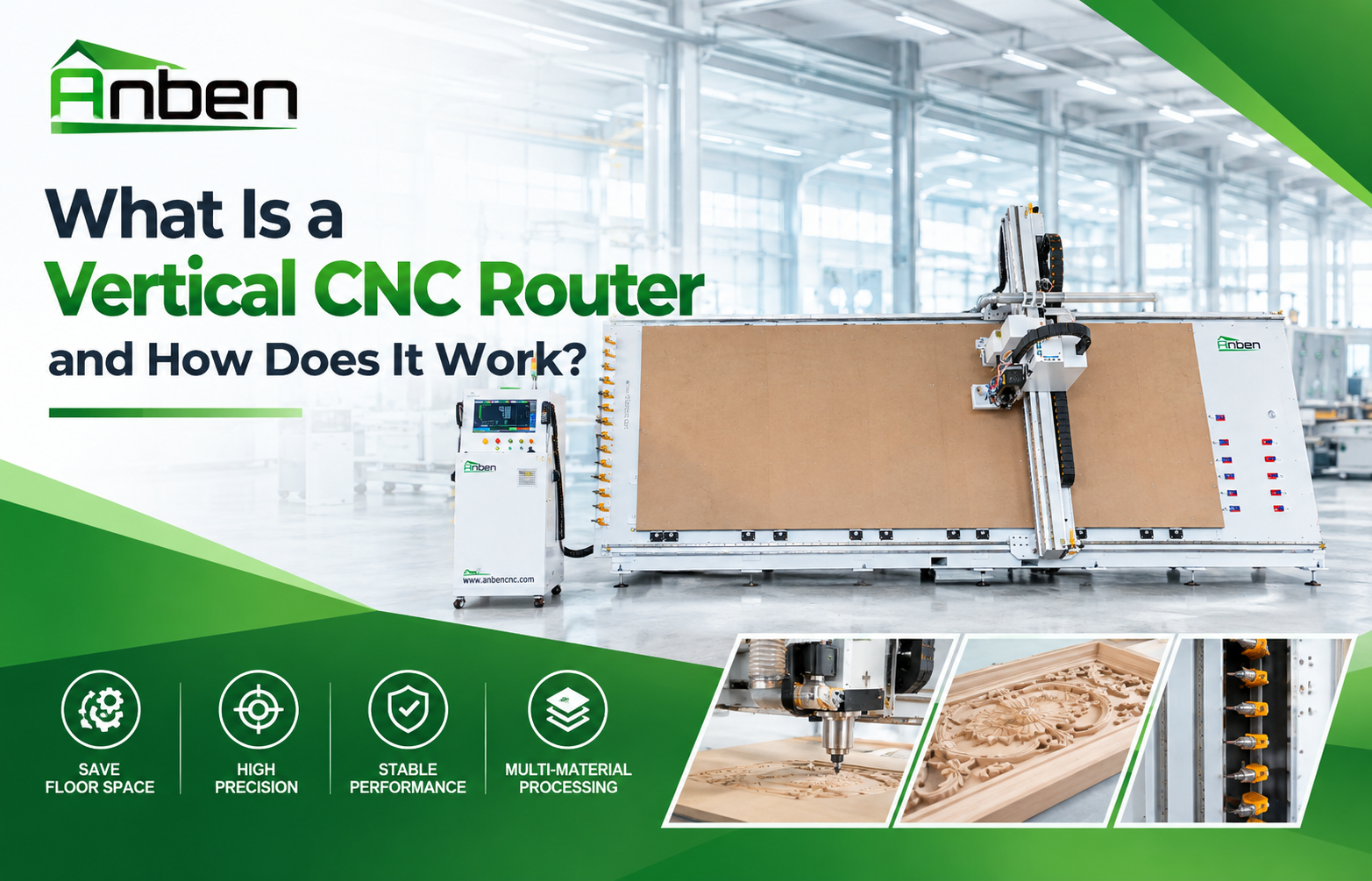
- What Is a Vertical CNC Router and How Does It Work?
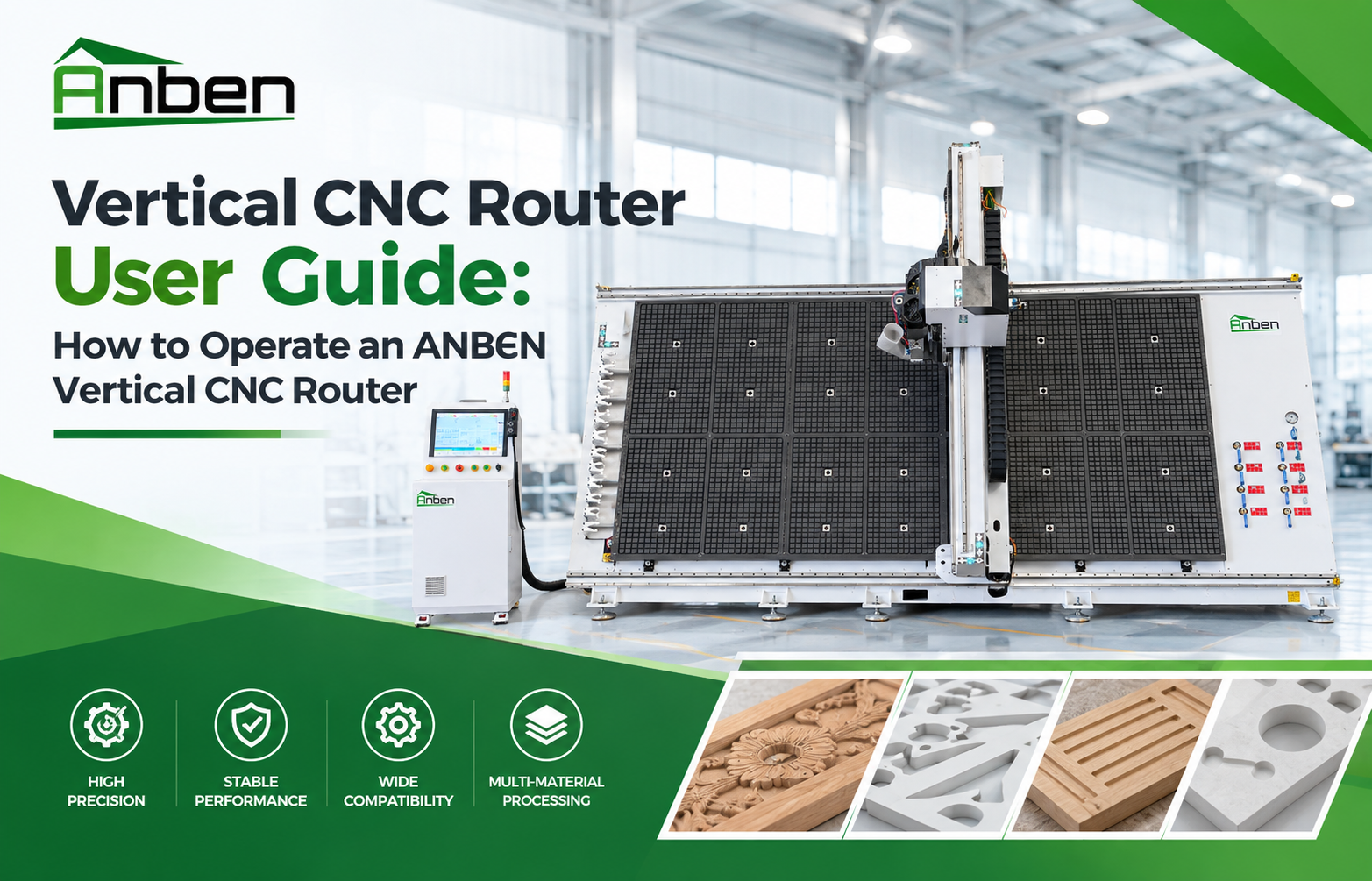
- Vertical CNC Router User Guide: How to Operate an ANBEN Vertical CNC Router
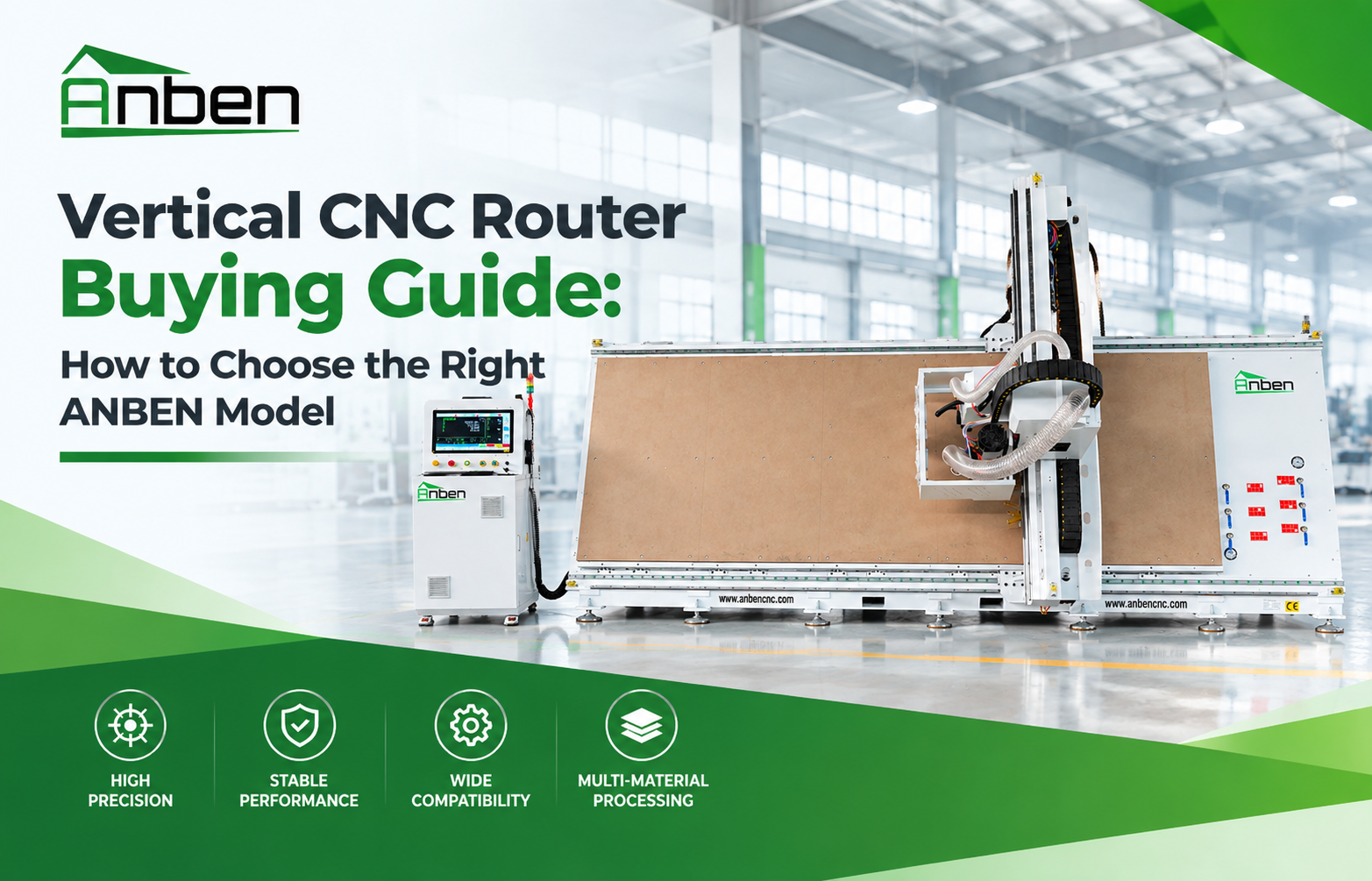
- Vertical CNC Router Buying Guide: How to Choose the Right ANBEN Model
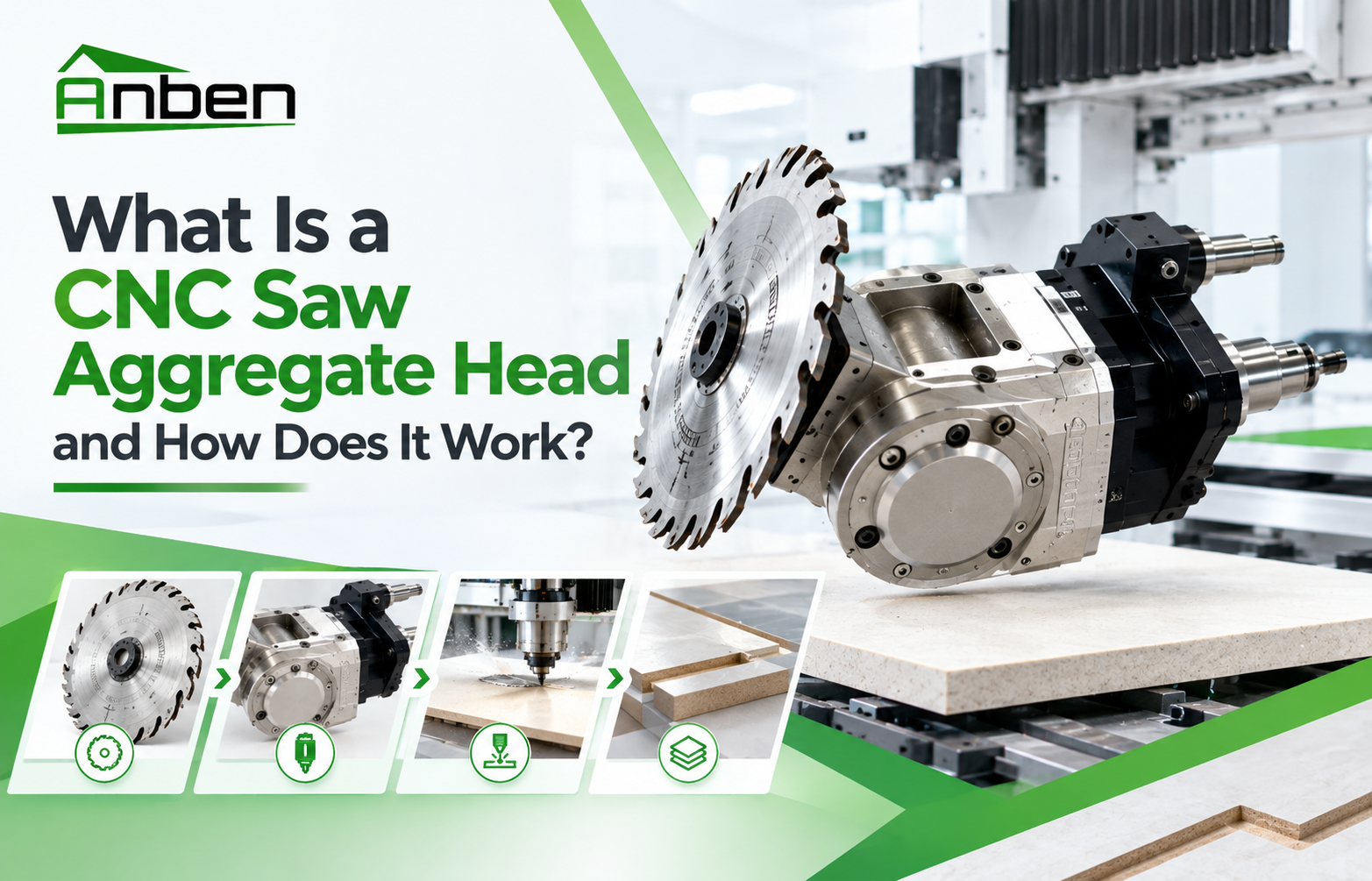
- What Is a CNC Saw Aggregate Head and How Does It Work?

Related Products
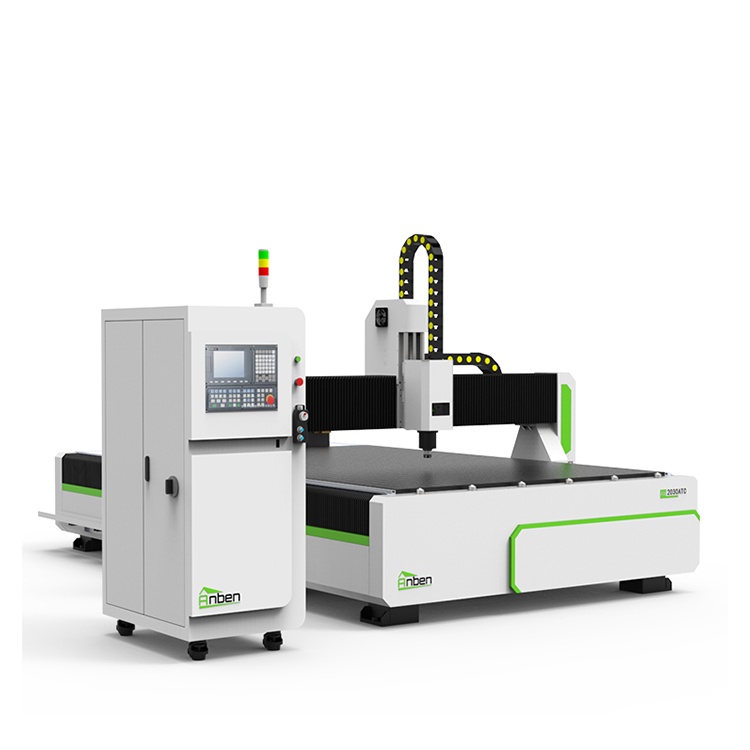
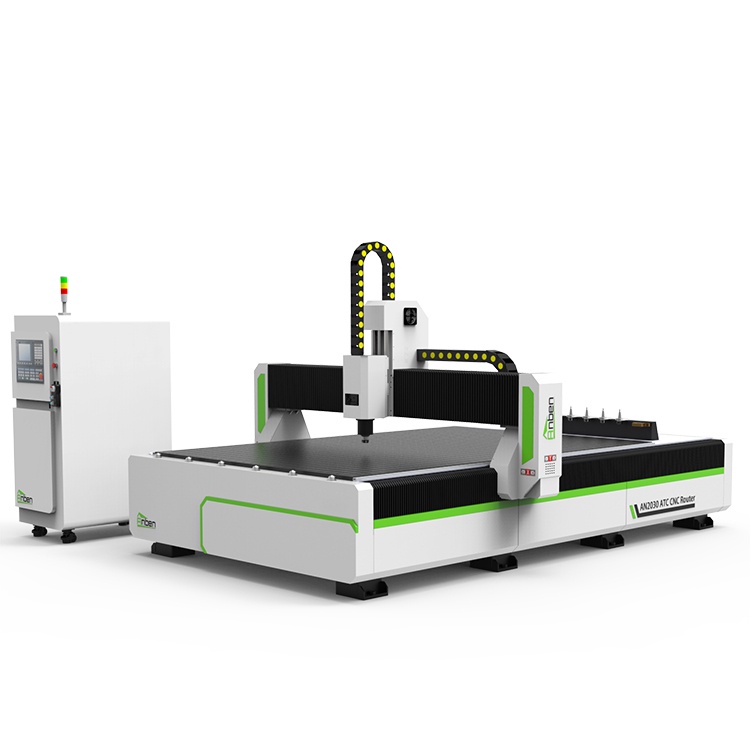
 AN2030ATC Automatic Tool ChangeAnben ATC (Automatic Tool Change)CNC router is popularly used in woodworking, making signs, molds making, art crafts making, etc. The automatic tool changer magazine carries 8-16 cutters. It can save tool change time,more efficient!
 AN2040ATC Automatic Tool ChangeAnben ATC (Automatic Tool Change)CNC router is popularly used in woodworking, making signs, molds making, art crafts making, etc. The automatic tool changer magazine carries 8-16 cutters. It can save tool change time,more efficient!
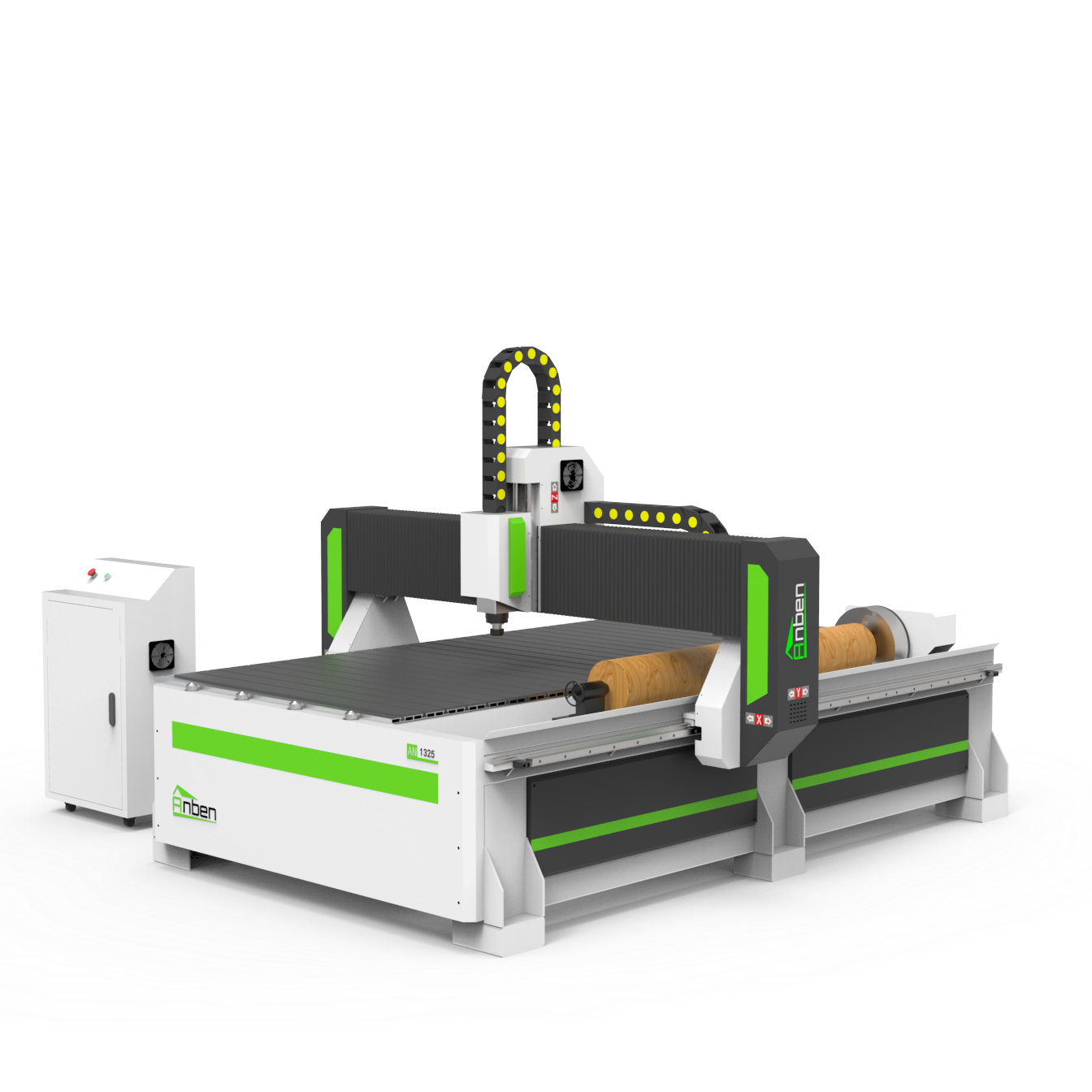
 AN Cnc Router With Rotary AxisAnben cnc router with Rotary Axis for businesses that need both flat and rotary carving in one machine. From staircase spindles to decorative columns, this type of router handles round parts with ease. It’s a smart pick if you’re working with furniture, signs, or wood crafts that involve turning or 3D shapes.
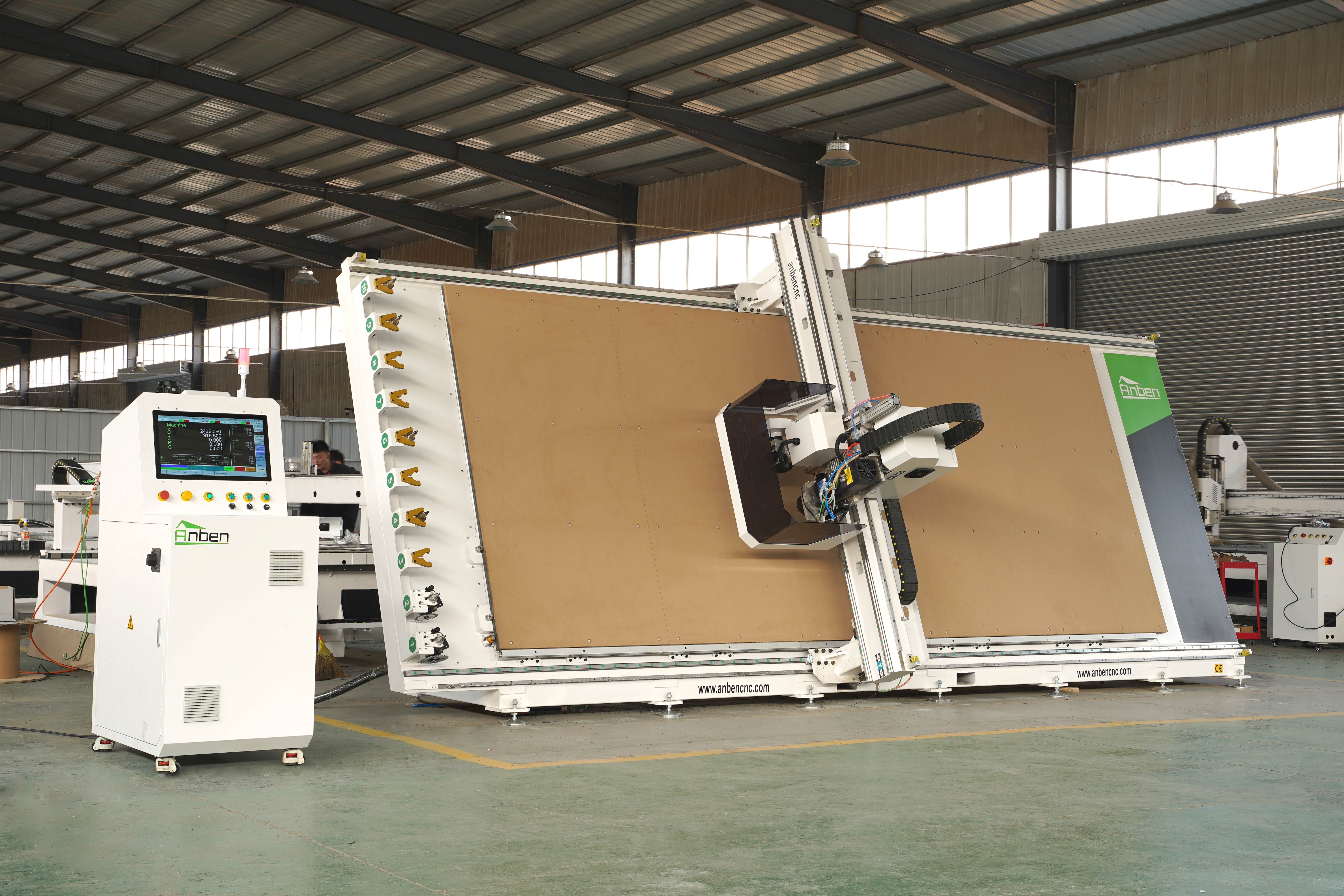
 V-2151 Vertical cnc routerThe vertical cnc significantly reduces the machine’s floor space. It is equipped with 8 sets of ATC tool magazines and other auxiliary devices such as vacuum pump, saw blade,aggregate head, positioning systems, etc. The Vertical cnc can cutting,grooving,engraving,drilling for various types of aluminum composite boards, acrylic boards, fiber boards and other boards. It is suitable for construction facades,cladding ,advertising signs,furniture manufacturing and other industries.
Get in touch

Anben Industrial – Founded in 2017, with a pure engineering spirit, providing trustworthy CNC solutions, born for long-term stable performance.
Contact