

CNC Controller Buying Guide: How to Choose the Right CNC Control System





Introduction
The CNC controller is the operating center of a CNC router. It interprets machining programs and controls the movement of the machine, spindle operation, tool changes, and other programmed functions.
Choosing the right CNC control system can affect machining efficiency, usability, compatibility, and production workflow.
1. Match the Controller to Your Application
Start by identifying what you need the CNC router to produce.
For basic 2D cutting and engraving, a simple control system may be sufficient. For professional production, more advanced functions can be important, especially when the machine uses ATC, multiple axes, or complex toolpaths.
Consider:
Material type
Machining complexity
Production volume
Number of axes
Tool-changing requirements
Operator experience
2. Consider Axis Control
The controller must support the machine's axis configuration.
A standard 3-axis CNC router controls:
X-axis
Y-axis
Z-axis
Machines with additional rotary or multi-directional functions require a controller capable of managing the corresponding axis configuration.
Make sure the controller matches the actual mechanical structure of the CNC machine.
3. Check ATC Compatibility
If you plan to use an automatic tool changer, controller compatibility becomes especially important.
An ATC CNC router may need to manage:
Tool selection
Tool-change commands
Tool numbers
Spindle control
Tool length compensation
Machining sequences
For multi-tool production, a suitable controller can help simplify the complete machining workflow.
4. Look at User Interface and Programming
A professional CNC controller should provide a clear interface for operators.
Useful functions may include:
Program loading
Coordinate setting
Work-origin management
Manual movement
Spindle control
Tool management
Program monitoring
Alarm information
A clear interface can reduce setup errors and make daily machine operation easier.
5. Consider Servo and Spindle Integration
The controller does not work independently.
It communicates with the machine's servo system and spindle to coordinate movement and machining.
When purchasing a CNC router, check whether the controller, servo motors, servo drives, spindle, and machine structure are designed to work together.
6. Think About Long-Term Production
For industrial users, the buying decision should go beyond initial configuration.
Consider:
Machine reliability
Control stability
Operator training
Service support
Program compatibility
Maintenance requirements
Future production needs
A suitable CNC control system should support your current workflow while leaving room for future applications.
Siemens CNC Control for ANBEN Machines
Siemens CNC control solutions can be used in suitable ANBEN CNC router configurations where advanced industrial control and precise machine coordination are required.
The final configuration should be selected according to the machine model, axis structure, spindle, ATC system, and customer's application.
Final Buying Tip
Do not choose a CNC controller based on brand name alone. The best solution is one that is compatible with the complete CNC machine and suitable for your production requirements.
For ANBEN CNC routers, controller selection should be considered together with machine size, servo system, spindle configuration, ATC requirements, and machining application.
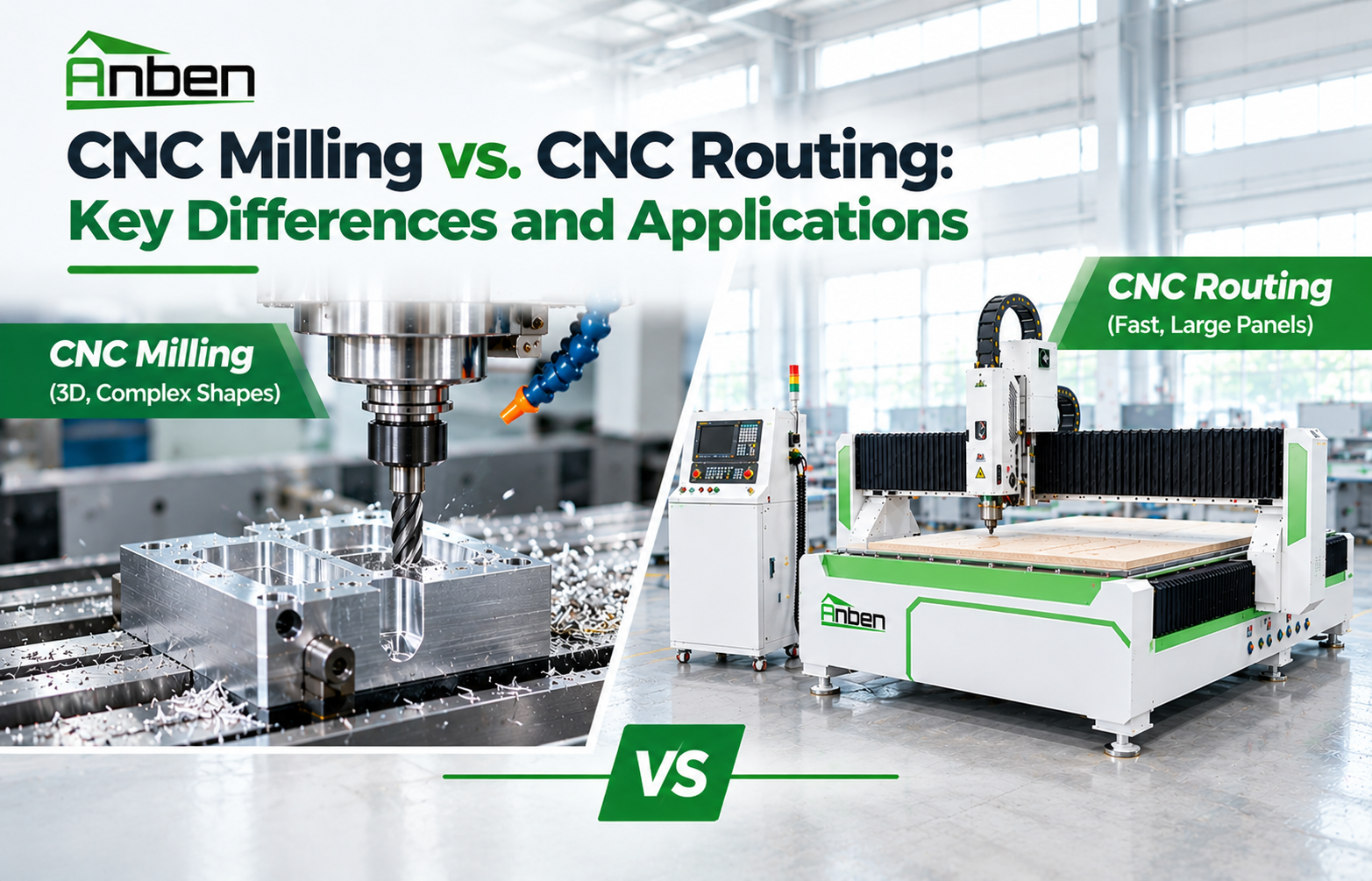
 CNC Milling vs. CNC Routing: Key Differences and Applications
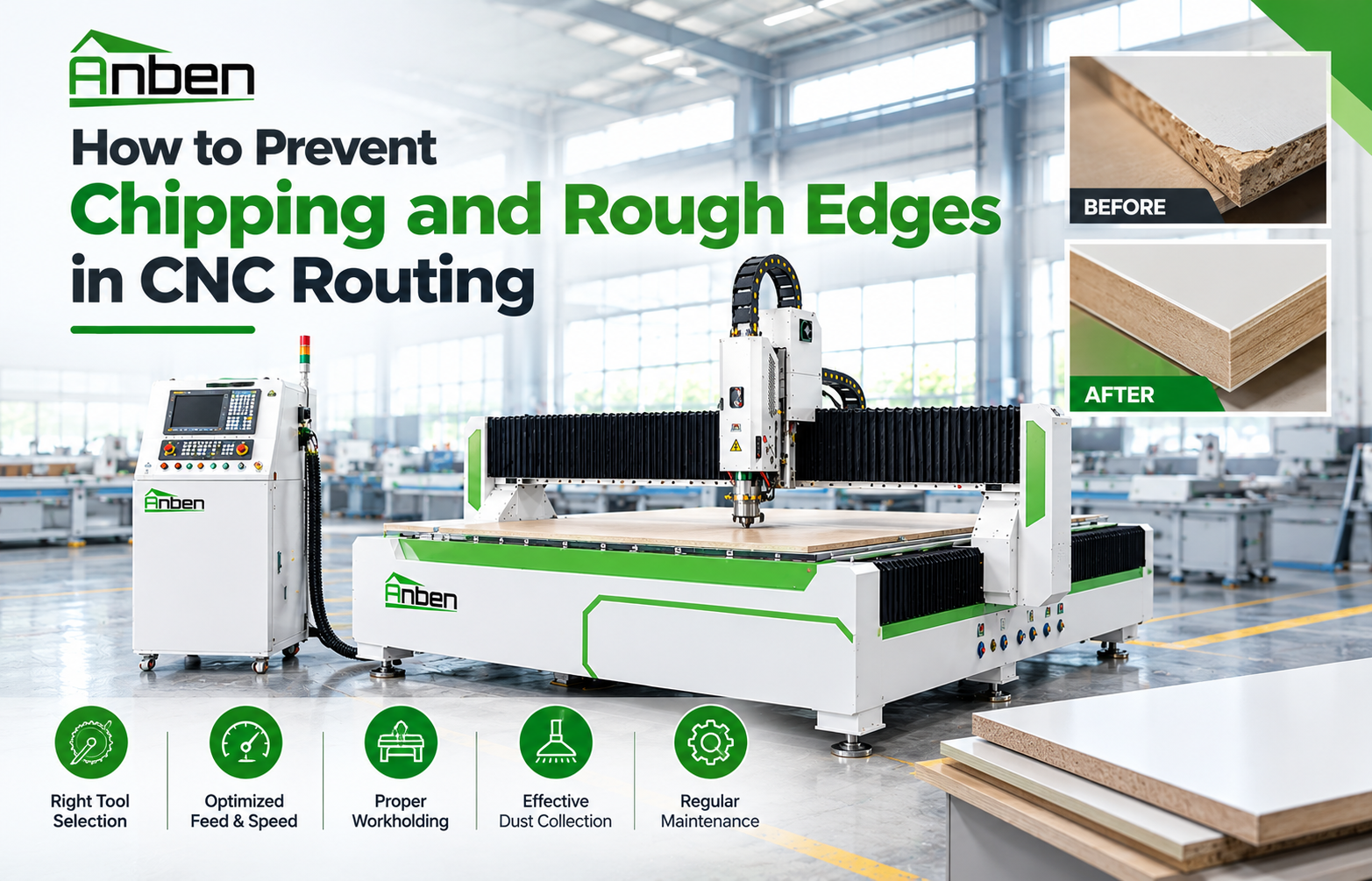
- How to Prevent Chipping and Rough Edges in CNC Routing
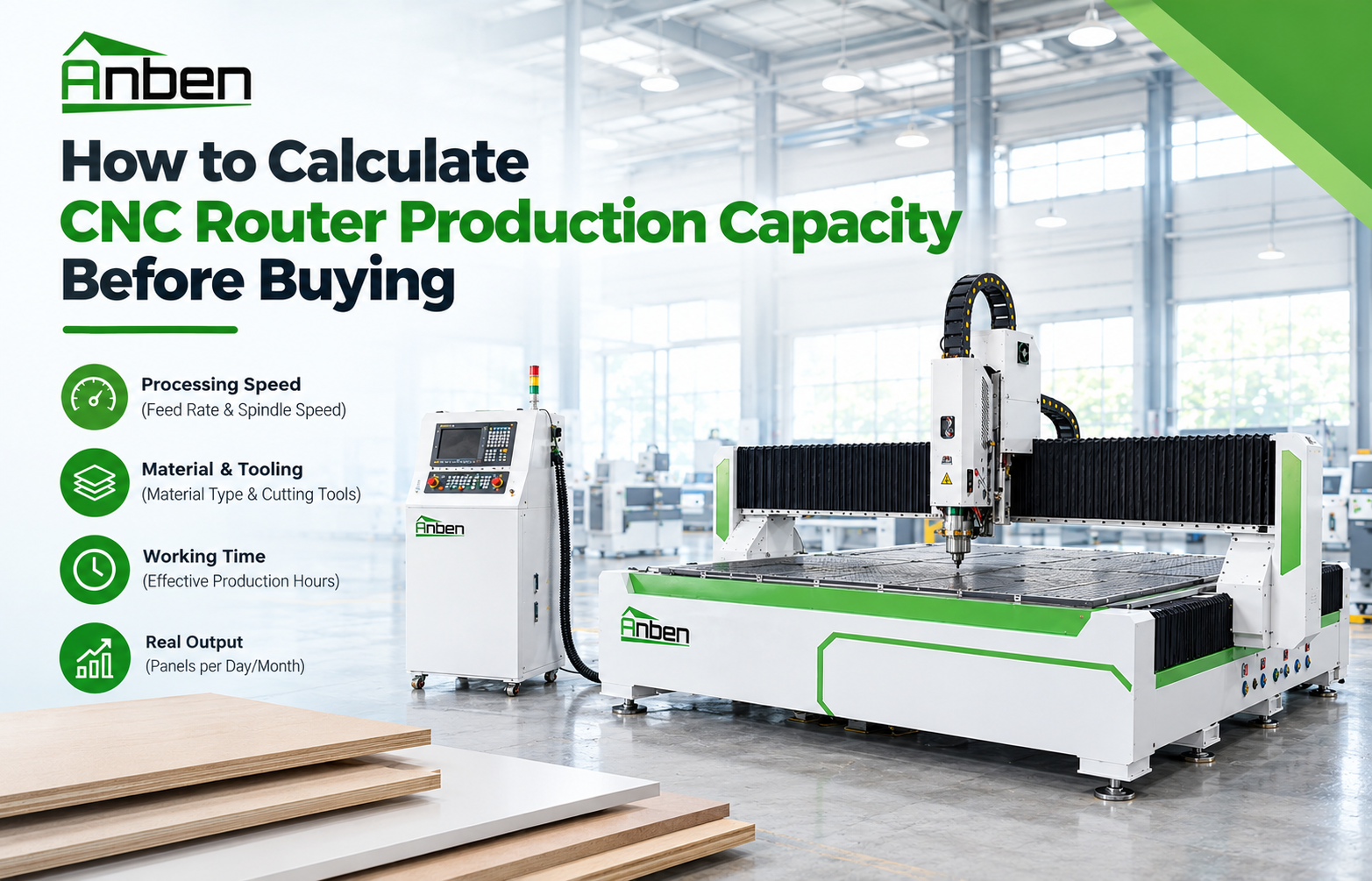
- How to Calculate CNC Router Production Capacity Before Buying
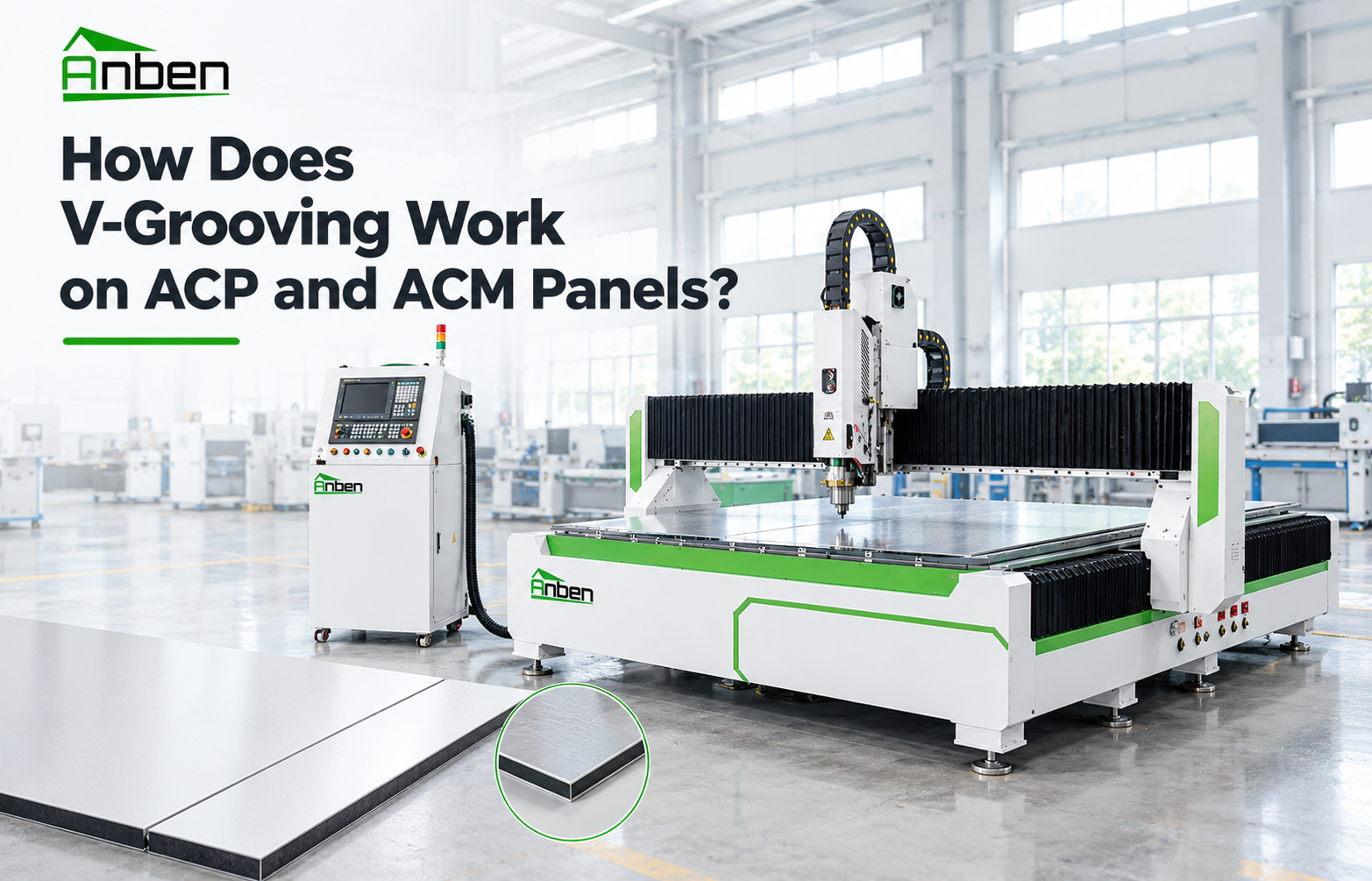
- How Does V-Grooving Work on ACP and ACM Panels?
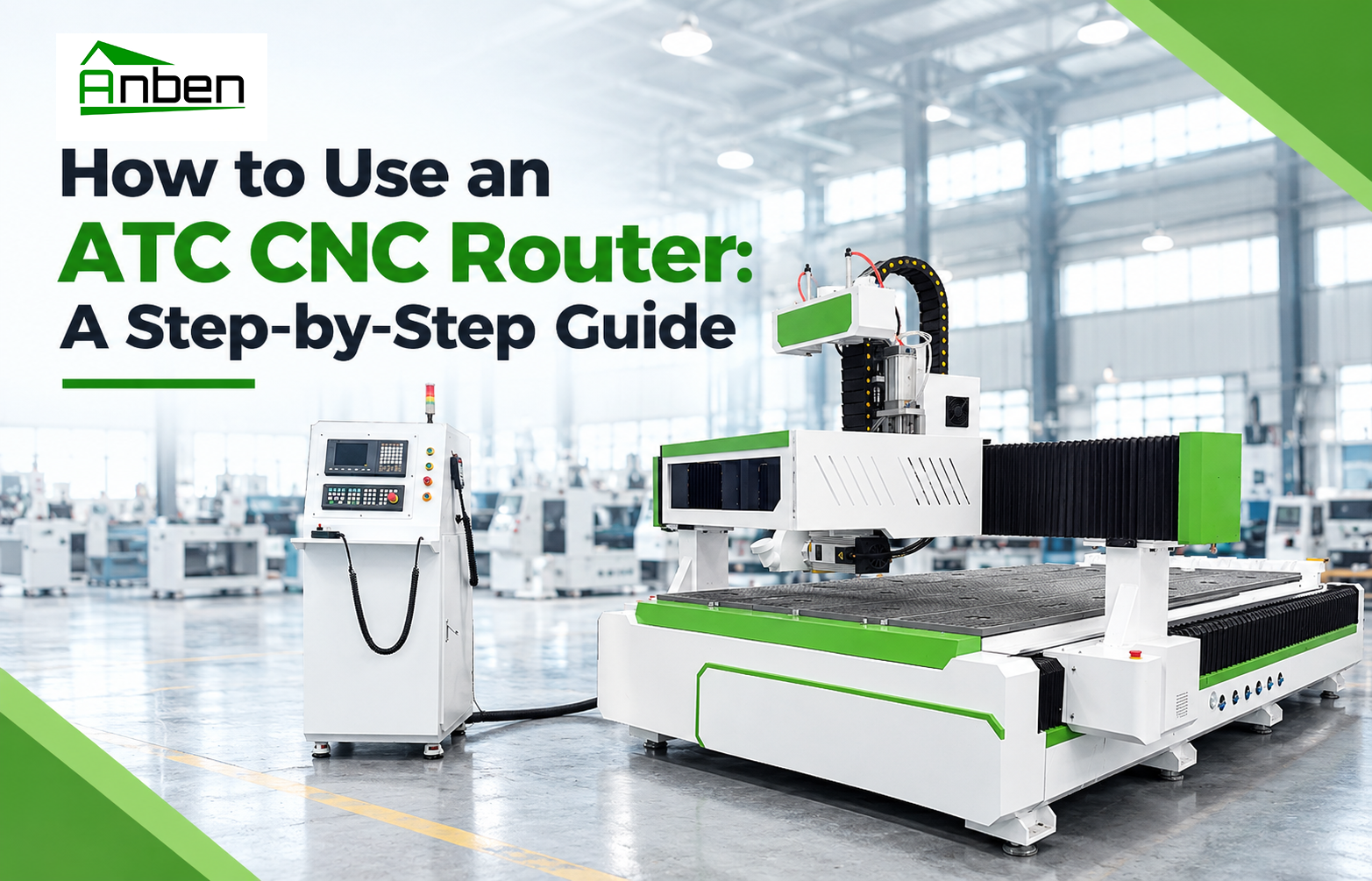
- How to Use an ATC CNC Router: A Step-by-Step Guide
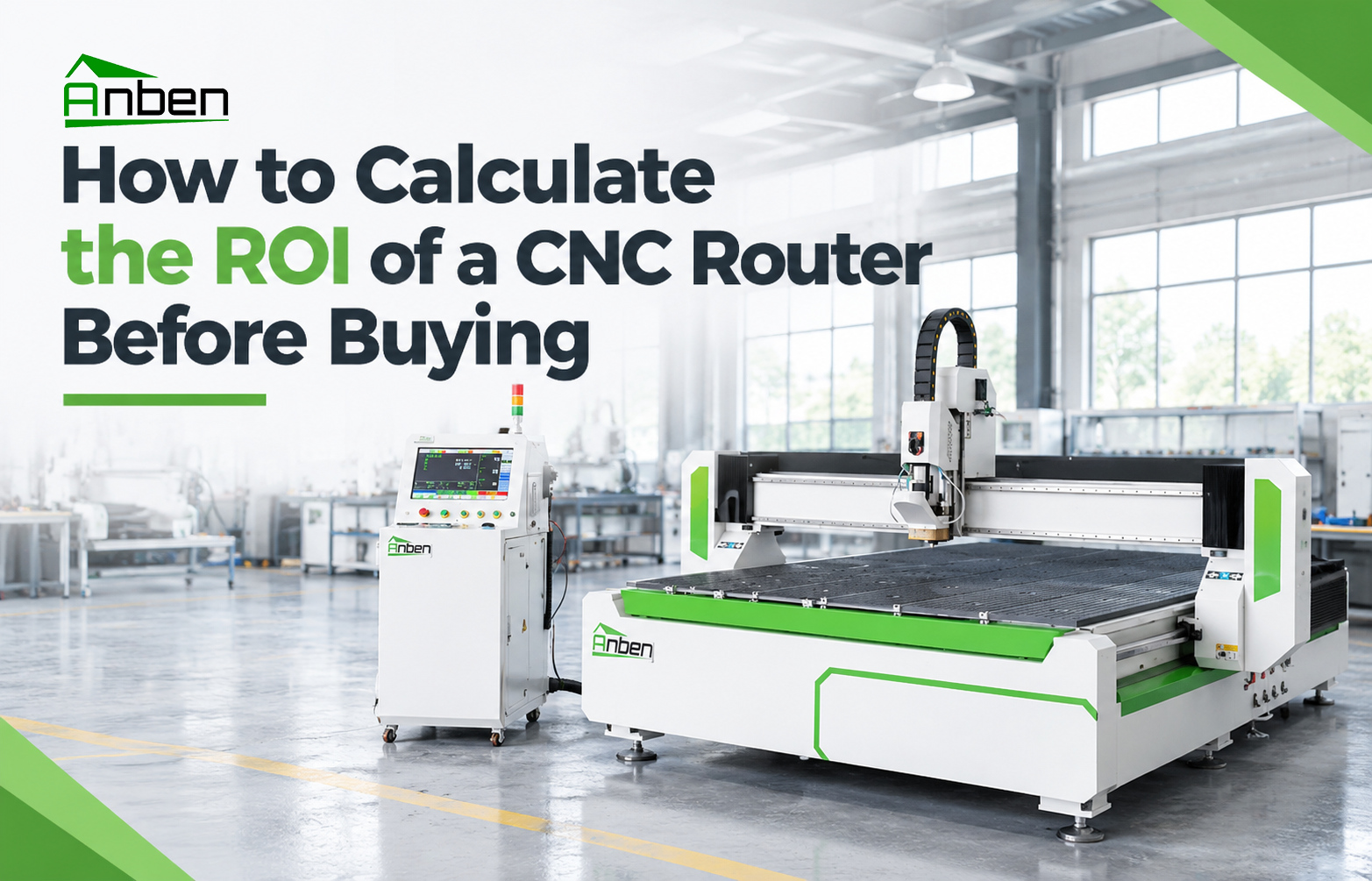
- How to Calculate the ROI of a CNC Router Before Buying
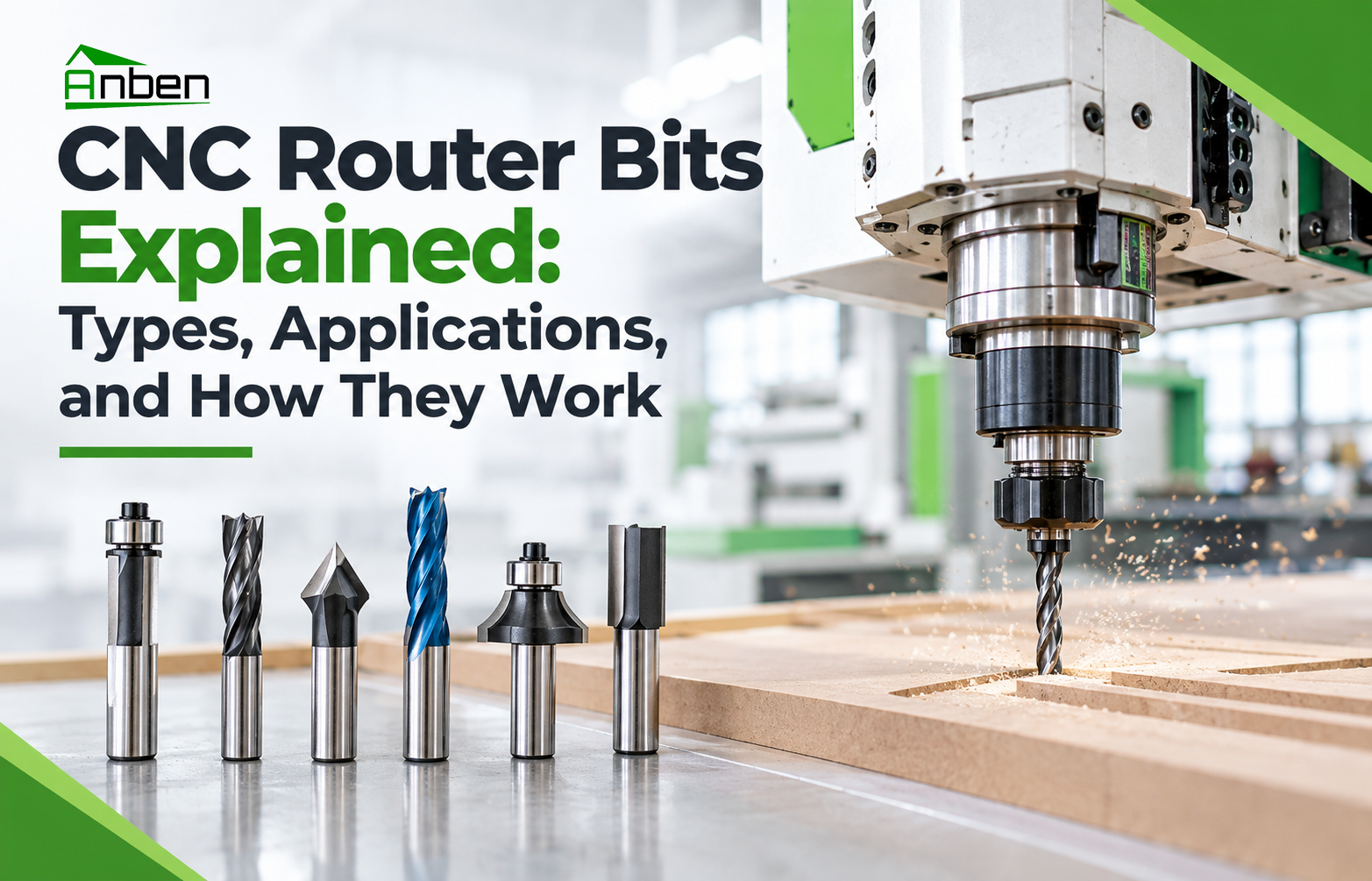
- CNC Router Bits Explained: Types, Applications, and How They Work
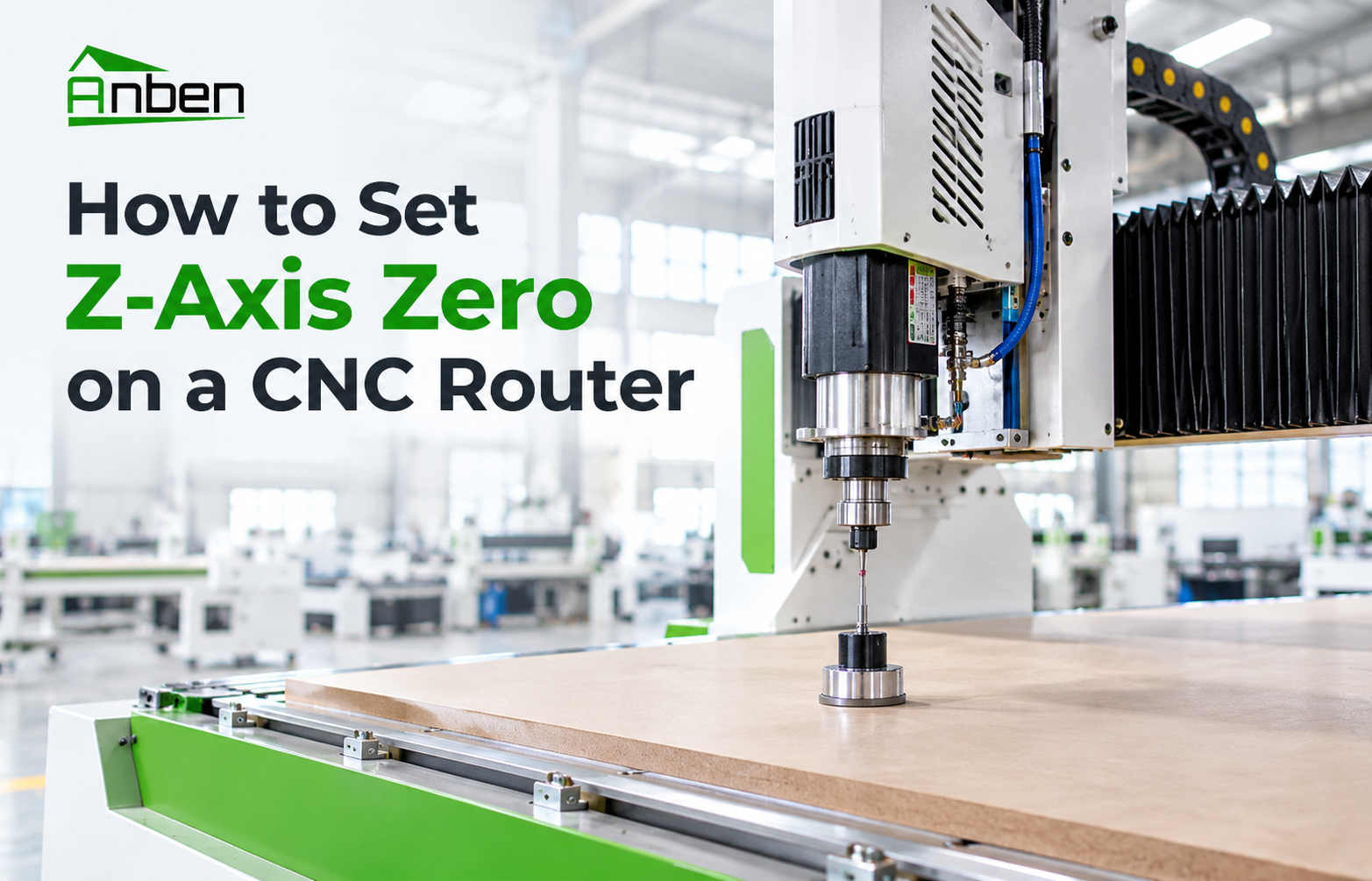
- How to Set Z-Axis Zero on a CNC Router
Related Products
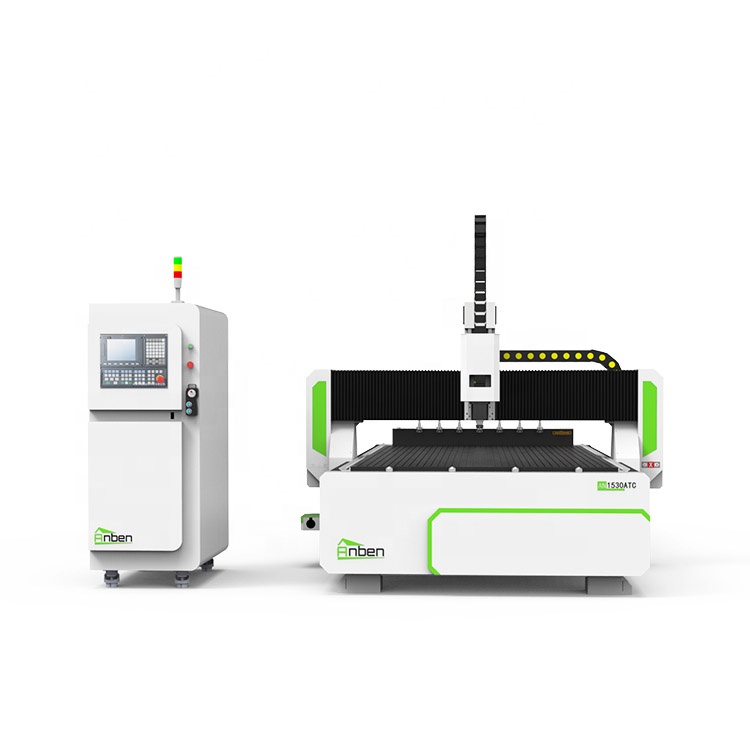
 AN1530ATC Automatic Tool ChangeAnben ATC (Automatic Tool Change)CNC router is popularly used in woodworking, making signs, molds making, art crafts making, etc. The automatic tool changer magazine carries 8-16 cutters. It can save tool change time,more efficient!
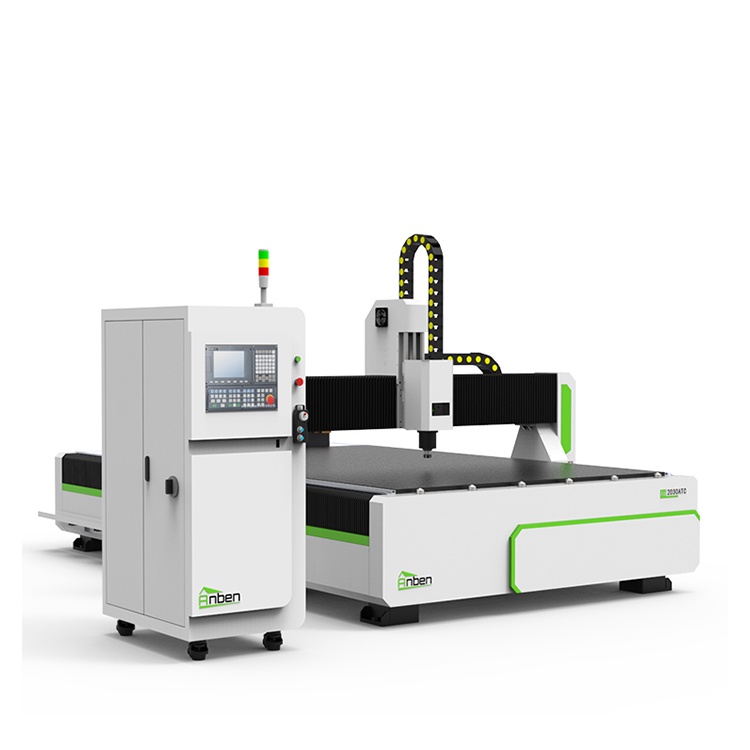
 AN2030ATC Automatic Tool ChangeAnben ATC (Automatic Tool Change)CNC router is popularly used in woodworking, making signs, molds making, art crafts making, etc. The automatic tool changer magazine carries 8-16 cutters. It can save tool change time,more efficient!
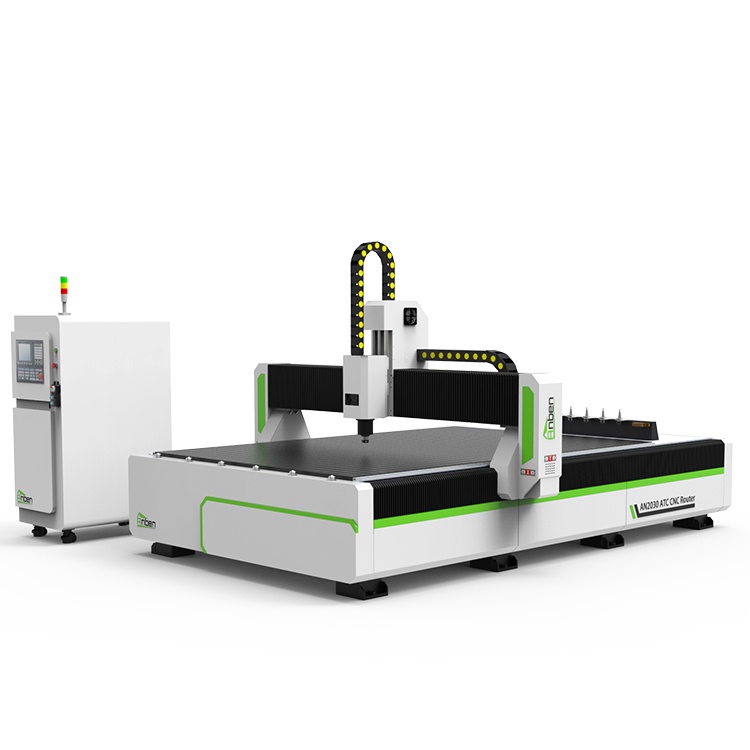
 AN2040ATC Automatic Tool ChangeAnben ATC (Automatic Tool Change)CNC router is popularly used in woodworking, making signs, molds making, art crafts making, etc. The automatic tool changer magazine carries 8-16 cutters. It can save tool change time,more efficient!
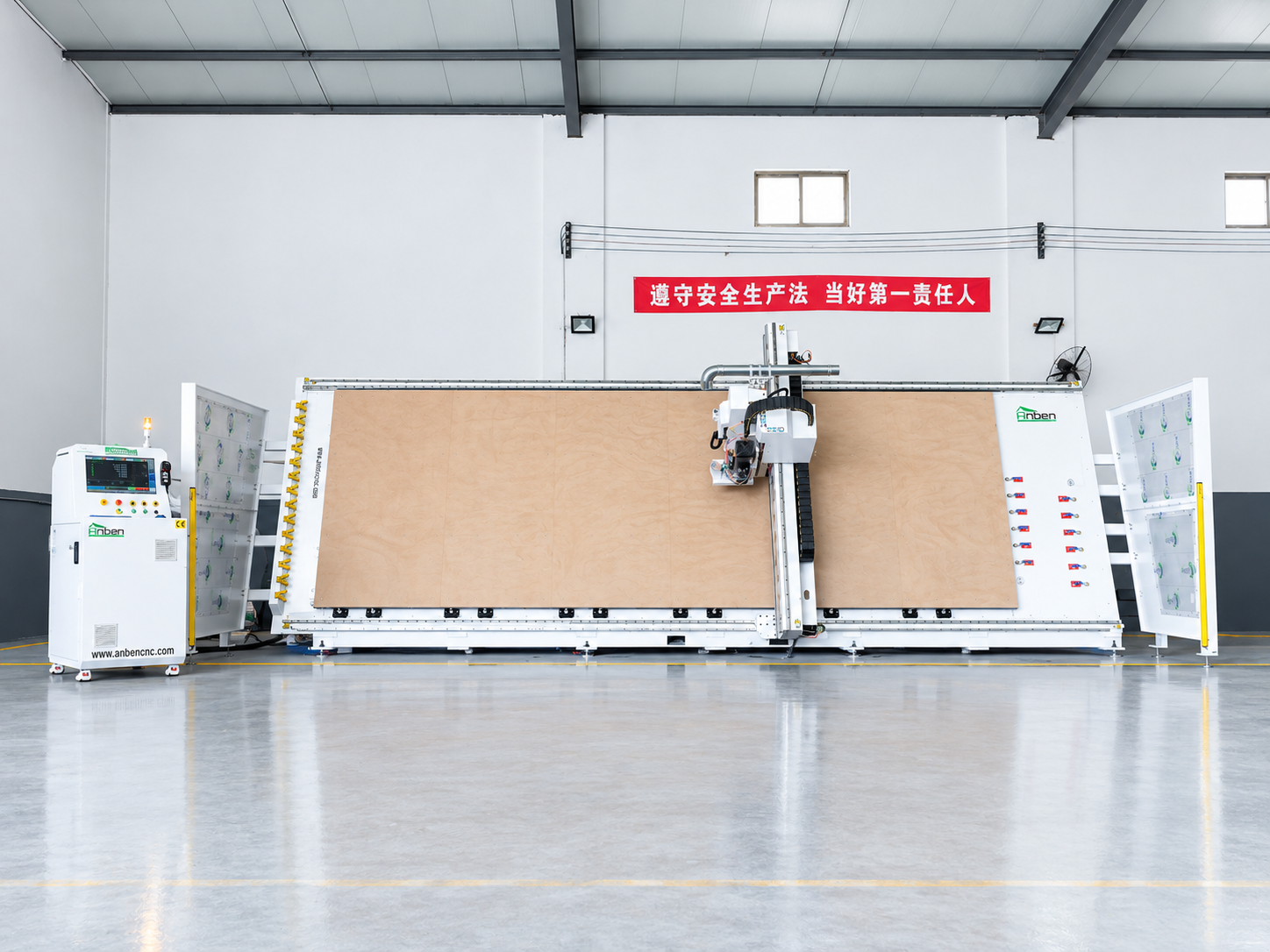
 V-2162 Vertical cnc routerThe vertical cnc significantly reduces the machine’s floor space. It is equipped with 8 sets of ATC tool magazines and other auxiliary devices such as vacuum pump, saw blade,aggregate head, positioning systems, etc. The Vertical cnc can cutting,grooving,engraving,drilling for various types of aluminum composite boards, acrylic boards, fiber boards and other boards. It is suitable for construction facades,cladding ,advertising signs,furniture manufacturing and other industries.
Get in touch

Anben Industrial – Founded in 2017, with a pure engineering spirit, providing trustworthy CNC solutions, born for long-term stable performance.
Contact