

CNC Aggregate Head User Guide: Setup, Operation and Maintenance





Introduction
A CNC aggregate head is used when a standard vertical spindle cannot easily complete a required machining operation. Depending on its configuration, it can redirect the cutting or drilling direction and allow the CNC router to process the side or edge of a workpiece.
Correct setup and operation are important for machining accuracy, tool life, and equipment safety.
1. Check the Aggregate Head Before Use
Before installation, inspect the aggregate head carefully.
Check:
Mounting interface
Tool holder
Output shaft
Bearings and moving parts
Tool condition
Lubrication requirements
Make sure there is no visible damage, contamination, or loose component.
2. Install the Head Correctly
The aggregate head must be securely connected to the CNC spindle or tool-changing system.
After installation, check its orientation and make sure there is sufficient clearance between the head, tool, workpiece, and machine structure.
Incorrect installation can cause vibration, poor machining accuracy, or tool interference.
3. Select the Correct Tool
Choose the cutting or drilling tool according to the machining operation and material.
Check:
Tool diameter
Tool length
Cutting edge
Tool holder
Maximum permitted speed
Avoid using a tool that exceeds the aggregate head's recommended specifications.
4. Set the Work Origin Carefully
The work origin becomes particularly important when machining from a different direction.
Before cutting, confirm:
Workpiece position
X/Y/Z origin
Tool orientation
Cutting depth
Clearance
Toolpath direction
A dry run or simulation is recommended before the first production cut, especially for a new program.
5. Monitor the Machining Process
During machining, watch for:
Excessive vibration
Unusual noise
Tool deflection
Poor surface quality
Unexpected movement
Abnormal heat
If abnormal conditions occur, stop the machine and inspect the tool, aggregate head, workpiece, and toolpath.
6. Clean the Aggregate Head
After machining, remove dust and chips from the head and surrounding area.
Woodworking and panel-processing environments can produce large amounts of dust. Keeping the tool interface and moving components clean helps reduce contamination and supports stable operation.
Do not allow compressed air or debris to force contaminants into sensitive internal components unless the manufacturer's maintenance procedure specifically permits it.
7. Follow the Manufacturer's Maintenance Schedule
Maintenance requirements vary by aggregate-head design.
Depending on the model, maintenance may include:
Lubrication
Inspection of bearings
Tool-holder inspection
Cleaning
Checking mechanical connections
Checking abnormal noise or vibration
Always follow the manufacturer's recommended service procedure.
Common Problems
Poor cutting quality:
Check tool condition, tool installation, spindle parameters, and aggregate-head alignment.
Excessive vibration:
Check tool balance, mounting, workpiece stability, and machine parameters.
Unexpected tool interference:
Check the toolpath, work origin, head orientation, and machine clearance.
Final Tip
An aggregate head should be treated as a precision machining component, not simply an accessory. Correct installation, tool selection, work-origin setting, and regular inspection are essential for stable CNC operation.
For ANBEN CNC routers, the appropriate aggregate-head configuration should be selected according to the machine model and required machining application.
 CNC Milling vs. CNC Routing: Key Differences and Applications
- How to Prevent Chipping and Rough Edges in CNC Routing
- How to Calculate CNC Router Production Capacity Before Buying
- How Does V-Grooving Work on ACP and ACM Panels?
- How to Use an ATC CNC Router: A Step-by-Step Guide
- How to Calculate the ROI of a CNC Router Before Buying
- CNC Router Bits Explained: Types, Applications, and How They Work
- How to Set Z-Axis Zero on a CNC Router
Related Products
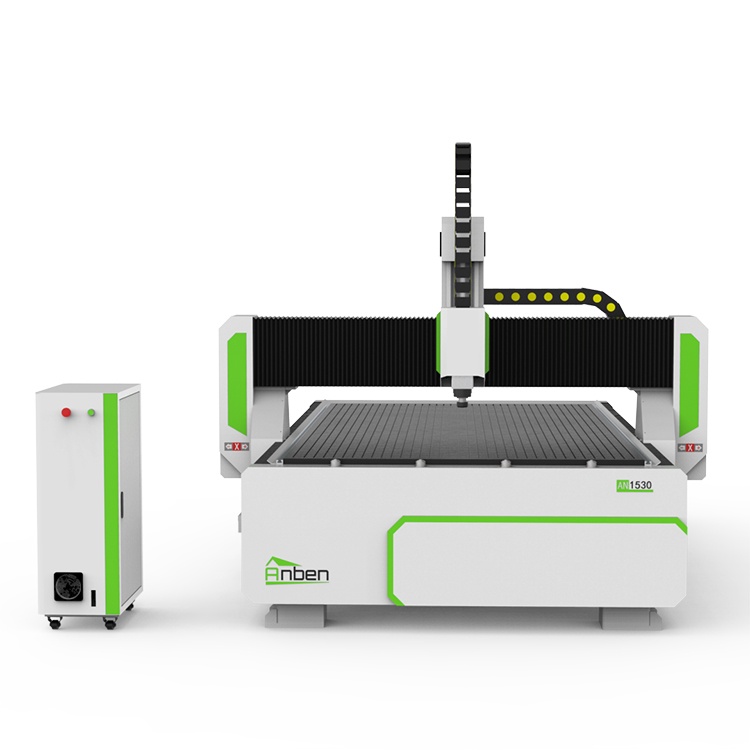
 AN1530 Manual Tool ChangeThe Anben MTC(Manual tool change)-- a professional yet affordable 3 axis CNC wood router, designed for woodworking shops, cabinet manufacturers, and industrial workshops. This budget-friendly CNC router delivers high precision and durability for wood machining, acrylic cutting, aluminum cutting, sign making, and furniture production.
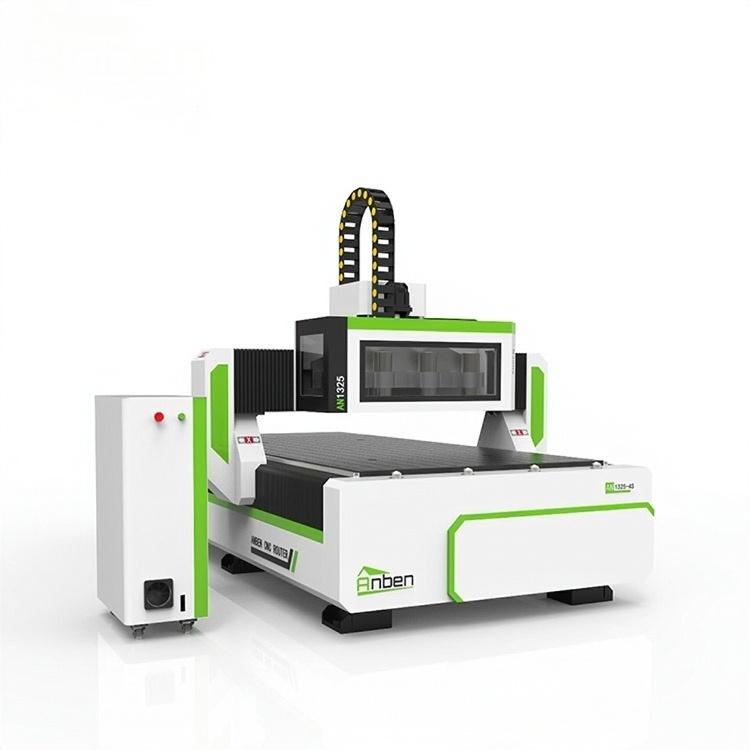
 AN1325-3S Cnc Router 3 SpindlesAnben multi spindles CNC router has 3 or 4 spindles, each spindle use different tools and work one by one. It also called economical ATC cnc.
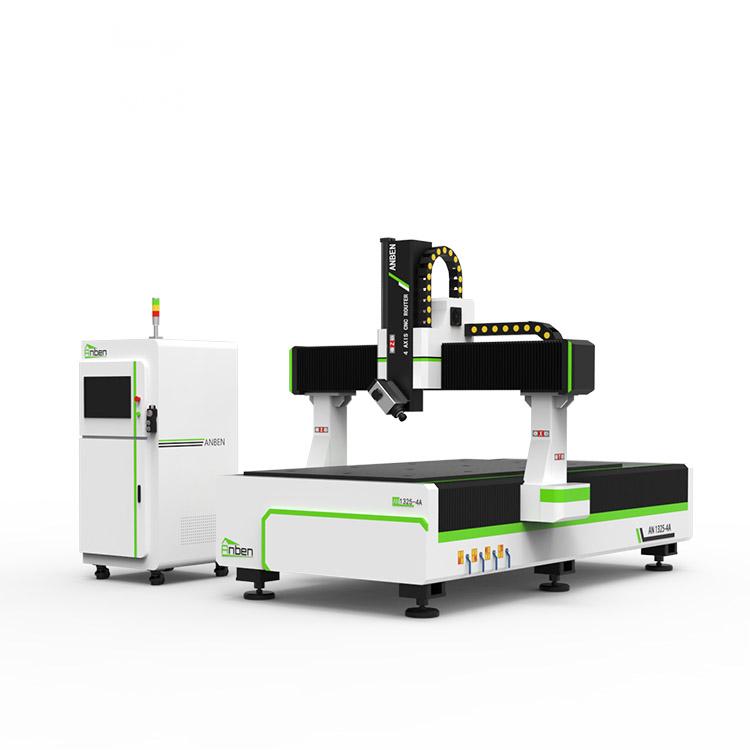
 AN1325-4 axisAnben 4 Axis CNC Router Machine with 4 axis ATC spindle is good at heavy-duty and complex 3d wood cutting and carving of wood panel, MDF, plywood, etc. All the working areas and specifications can be customized according to your requests.
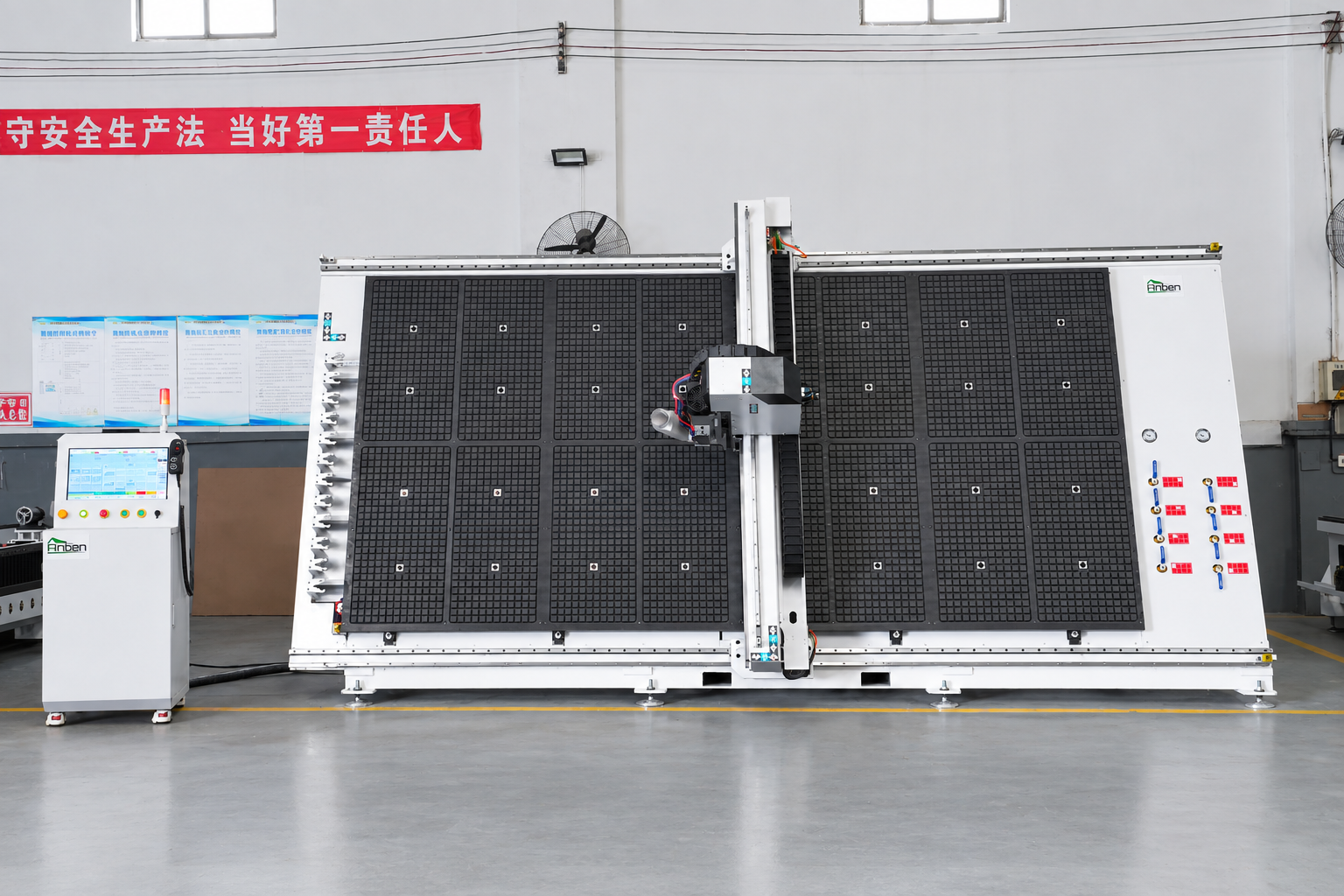
 V-2142 Vertical cnc routerThe vertical cnc significantly reduces the machine’s floor space. It is equipped with 8 sets of ATC tool magazines and other auxiliary devices such as vacuum pump, saw blade,aggregate head, positioning systems, etc. The Vertical cnc can cutting,grooving,engraving,drilling for various types of aluminum composite boards, acrylic boards, fiber boards and other boards. It is suitable for construction facades,cladding ,advertising signs,furniture manufacturing and other industries.
Get in touch

Anben Industrial – Founded in 2017, with a pure engineering spirit, providing trustworthy CNC solutions, born for long-term stable performance.
Contact