

How to Maintain a CNC Router Spindle: A Practical Guide





A CNC router spindle is one of the most important components of a CNC machine. Proper spindle maintenance helps maintain cutting accuracy, reduce vibration, extend tool life, and prevent unexpected downtime.
Whether your CNC router is used for wood, acrylic, plastic, ACP/ACM, or other materials, regular spindle care is essential for stable machining performance.
1. Check the Spindle Before Machining
Before starting the machine, perform a quick inspection:
Check the spindle housing for dust or damage.
Make sure the tool and collet are properly installed.
Check for loose connections or abnormal cables.
Make sure the cooling system is working correctly.
Listen for unusual noise during spindle operation.
If you notice abnormal vibration, noise, or heat, stop the machine and inspect the spindle before continuing.
2. Keep the Spindle and Collet Clean
Dust and chips can affect spindle performance, especially in woodworking and panel processing.
Clean the spindle nose, collet, and tool holder regularly. Remove dust and cutting debris with appropriate cleaning equipment.
The collet is particularly important because contamination can cause poor tool clamping and tool runout. Never install a dirty or damaged collet.
3. Check the Cutting Tool and Collet
A worn or incorrectly installed tool can place additional load on the spindle.
Before machining:
Inspect the cutting tool for wear or damage.
Make sure the tool is firmly clamped.
Check that the collet is clean.
Avoid excessive tool overhang.
Replace damaged tools and worn collets when necessary.
Correct tool installation helps reduce vibration and improve cutting quality.
4. Monitor Spindle Temperature
Excessive heat can indicate a problem with the spindle, cooling system, cutting parameters, or tool.
During operation, pay attention to unusual temperature increases. For water-cooled spindles, check the coolant level, circulation, and cooling equipment. For air-cooled spindles, make sure the ventilation path is clean and unobstructed.
If the spindle becomes unusually hot, stop machining and identify the cause before restarting.
5. Use the Correct Spindle Speed
Spindle maintenance is not only about cleaning. Correct operating parameters also help reduce unnecessary spindle load.
Spindle speed should be matched to:
Material type
Tool diameter
Cutting depth
Feed rate
Tool material
Avoid using extremely high or low RPM without considering the complete cutting setup. Proper parameters can reduce vibration, heat, and tool wear.
6. Check for Vibration and Unusual Noise
A well-maintained spindle should operate smoothly.
Abnormal vibration or noise may be caused by:
Incorrect tool installation
Damaged or unbalanced tools
Dirty collets
Excessive cutting load
Loose mechanical components
Spindle bearing or internal problems
If unusual vibration continues after checking the tool and collet, professional inspection may be required.
7. Follow a Regular Maintenance Schedule
A simple maintenance routine can prevent many spindle problems.
Before each job:
Check the tool, collet, spindle condition, and cooling system.
Regularly:
Clean dust and debris, inspect cables and connections, and check for abnormal noise or vibration.
When problems occur:
Stop the machine, identify the cause, and avoid continuing operation if spindle performance is abnormal.
Always follow the spindle manufacturer's maintenance and operating instructions for specific service intervals.
8. Common CNC Spindle Problems
Problem
Final Checklist
Before operating your CNC router, make sure:
✓ The spindle is clean
✓ The collet and tool are properly installed
✓ The cooling system works correctly
✓ Cutting parameters are suitable
✓ There is no abnormal vibration or noise
✓ Tools and collets are free from damage
Conclusion
Regular CNC router spindle maintenance is essential for reliable and accurate machining. Simple checks such as cleaning the spindle, inspecting the collet, monitoring temperature, and using suitable cutting parameters can help reduce downtime and extend spindle service life.
For ANBEN CNC routers, proper spindle selection, installation, operation, and maintenance should always be considered together to achieve stable long-term performance.
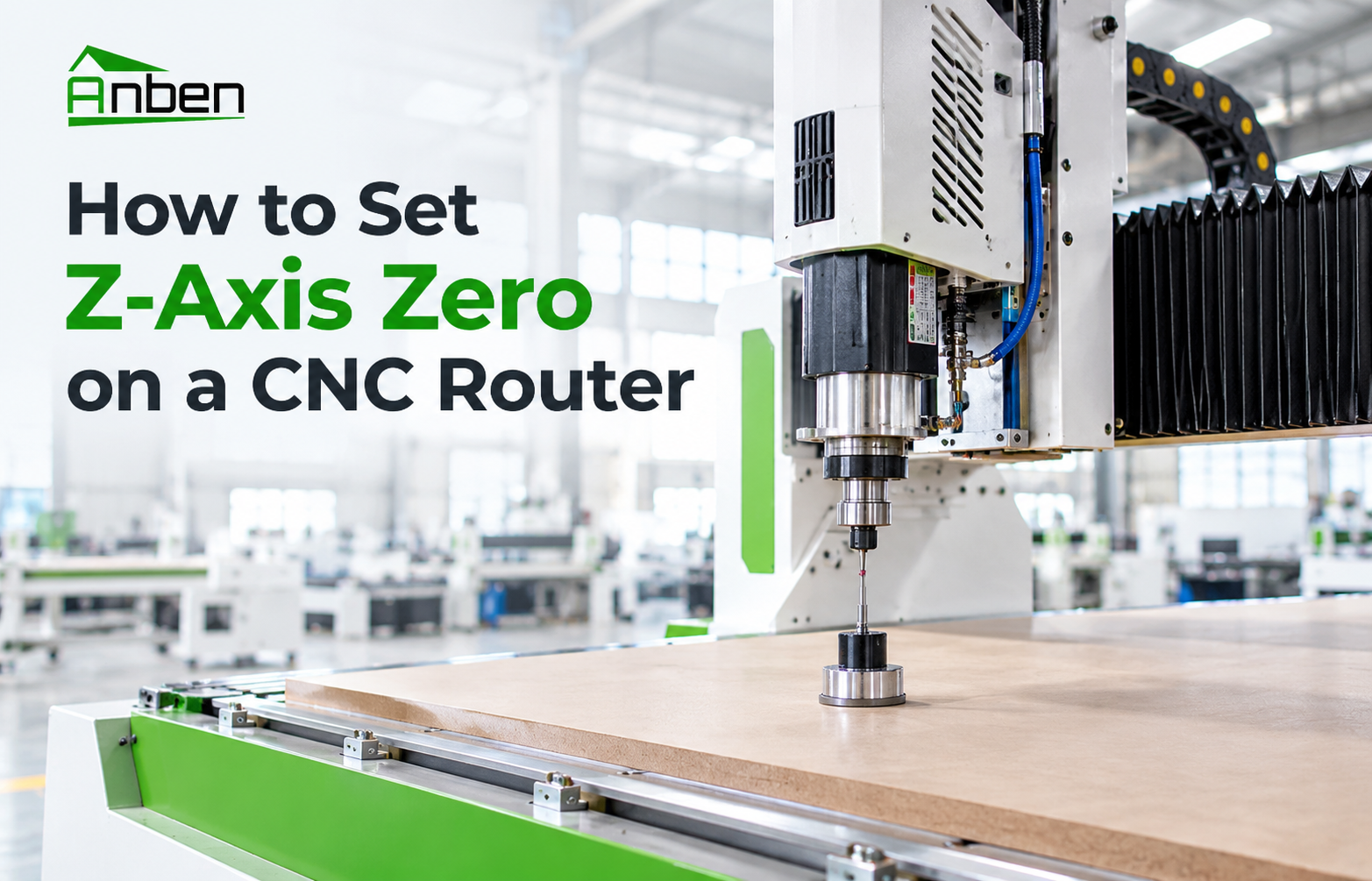
 How to Set Z-Axis Zero on a CNC Router
- When Should You Upgrade to an ATC CNC Router?
 Daily CNC Router Maintenance Checklist for Operators
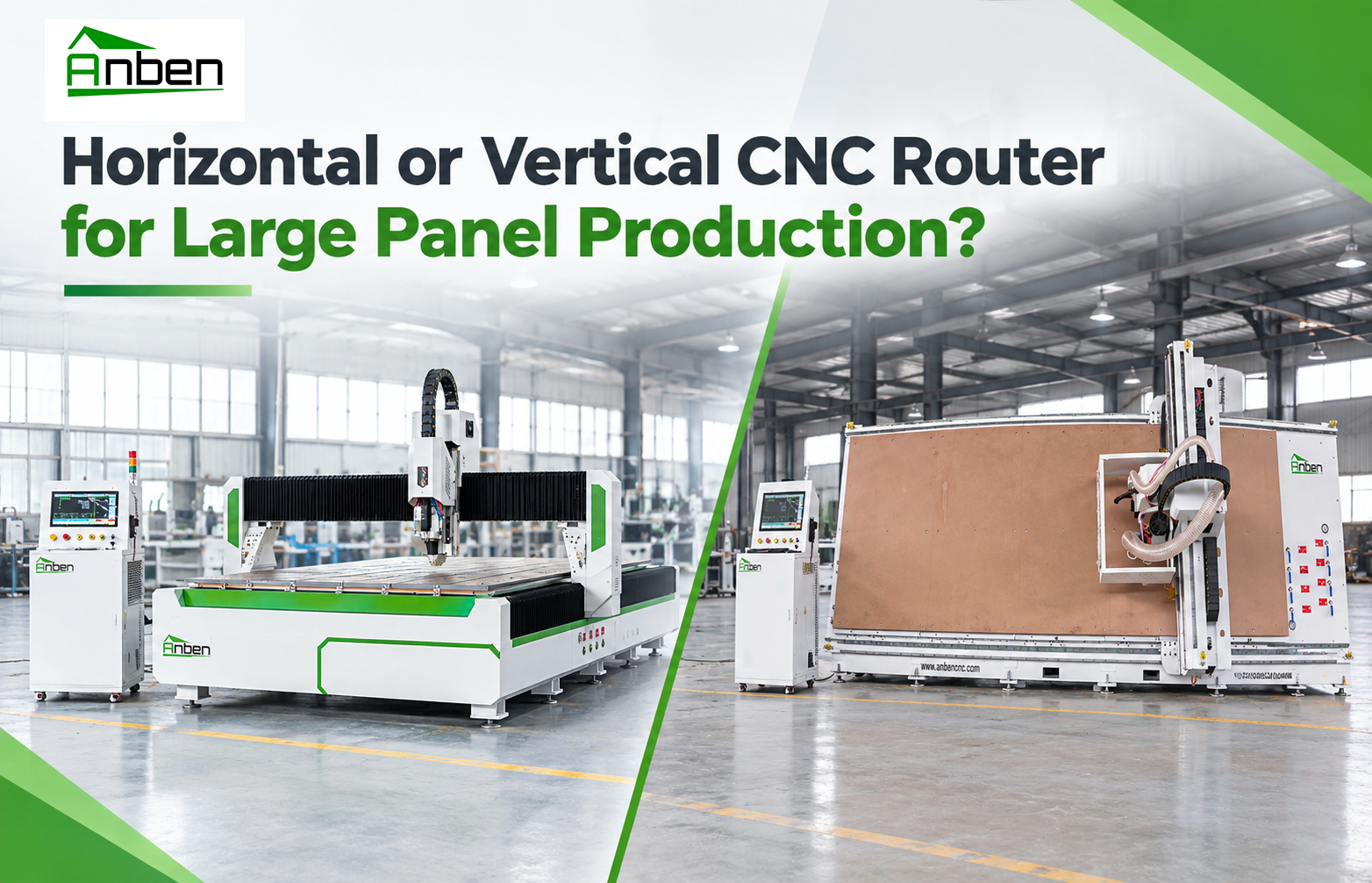
 Horizontal or Vertical CNC Router for Large Panel Production?
 What Is CNC Nesting and How Does It Reduce Material Waste?
- What Determines CNC Router Cutting Accuracy?
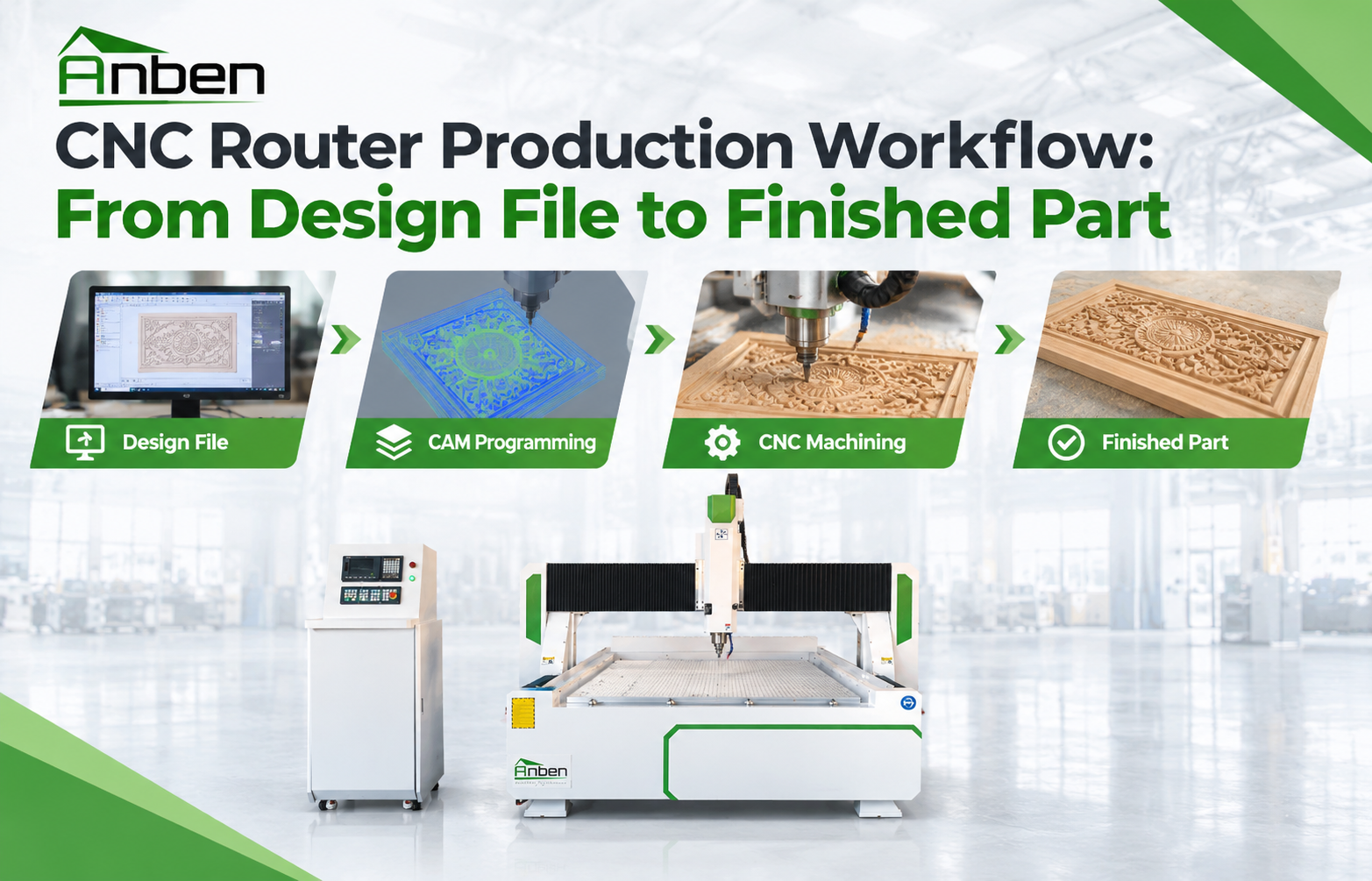
- CNC Router Production Workflow: From Design File to Finished Part
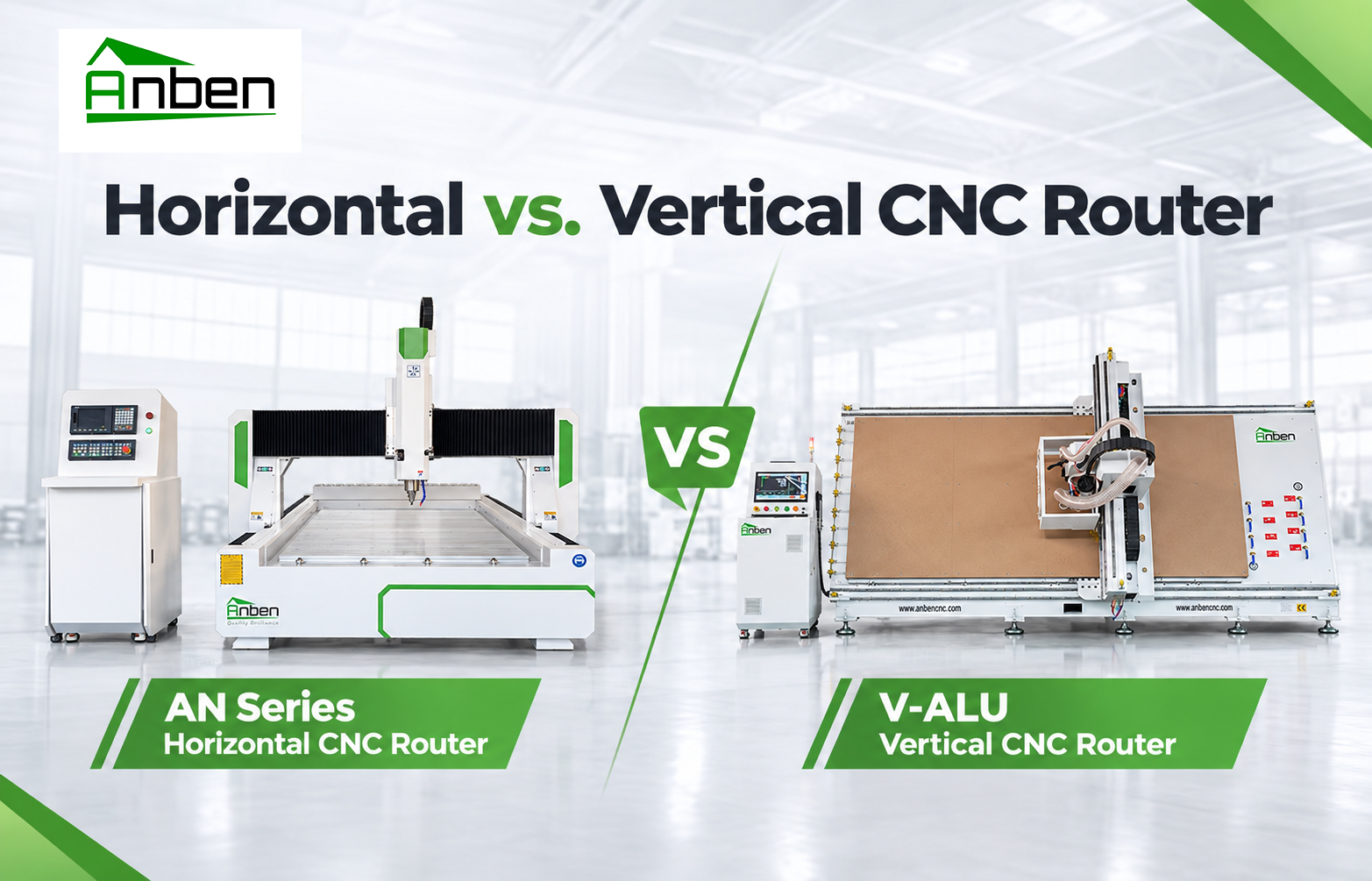
- Horizontal vs. Vertical CNC Router: Which One Is Right for You?



Related Products
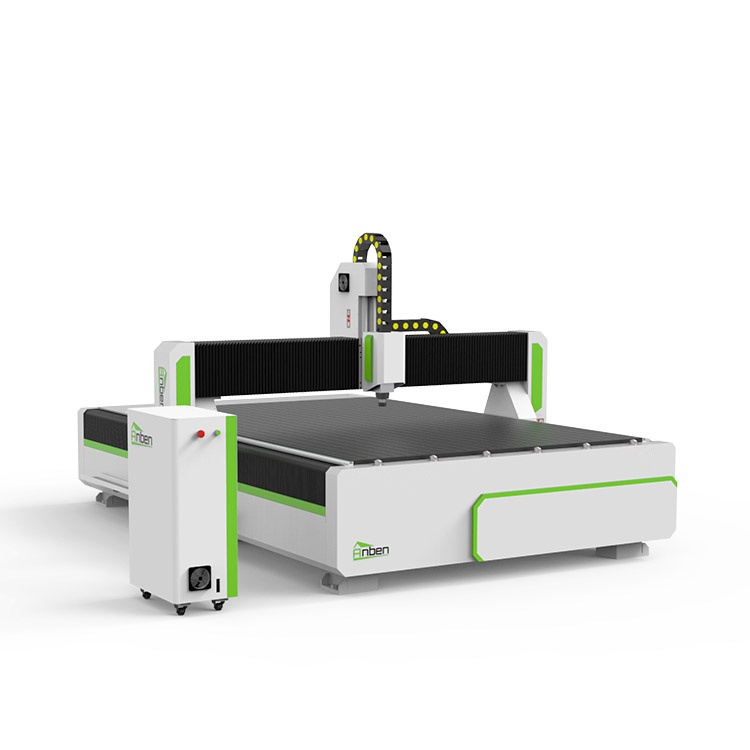
 AN2040 Manual Tool ChangeThe Anben MTC(Manual tool change)-- a professional yet affordable 3 axis CNC wood router, designed for woodworking shops, cabinet manufacturers, and industrial workshops. This budget-friendly CNC router delivers high precision and durability for wood machining, acrylic cutting, aluminum cutting, sign making, and furniture production.
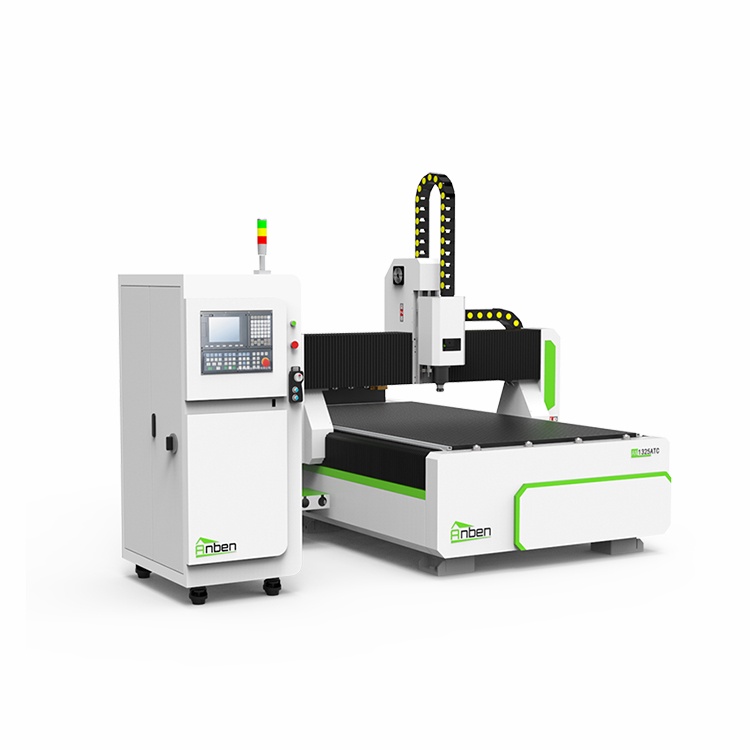
 AN1325ATC Automatic Tool ChangeAnben ATC (Automatic Tool Change)CNC router is popularly used in woodworking, making signs, molds making, art crafts making, etc. The automatic tool changer magazine carries 8-16 cutters. It can save tool change time,more efficient!
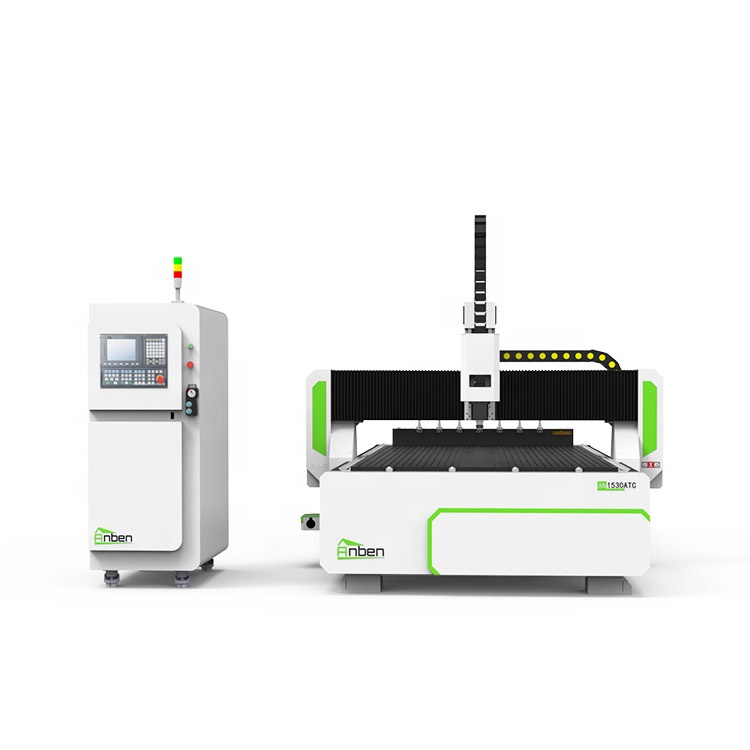
 AN1530ATC Automatic Tool ChangeAnben ATC (Automatic Tool Change)CNC router is popularly used in woodworking, making signs, molds making, art crafts making, etc. The automatic tool changer magazine carries 8-16 cutters. It can save tool change time,more efficient!
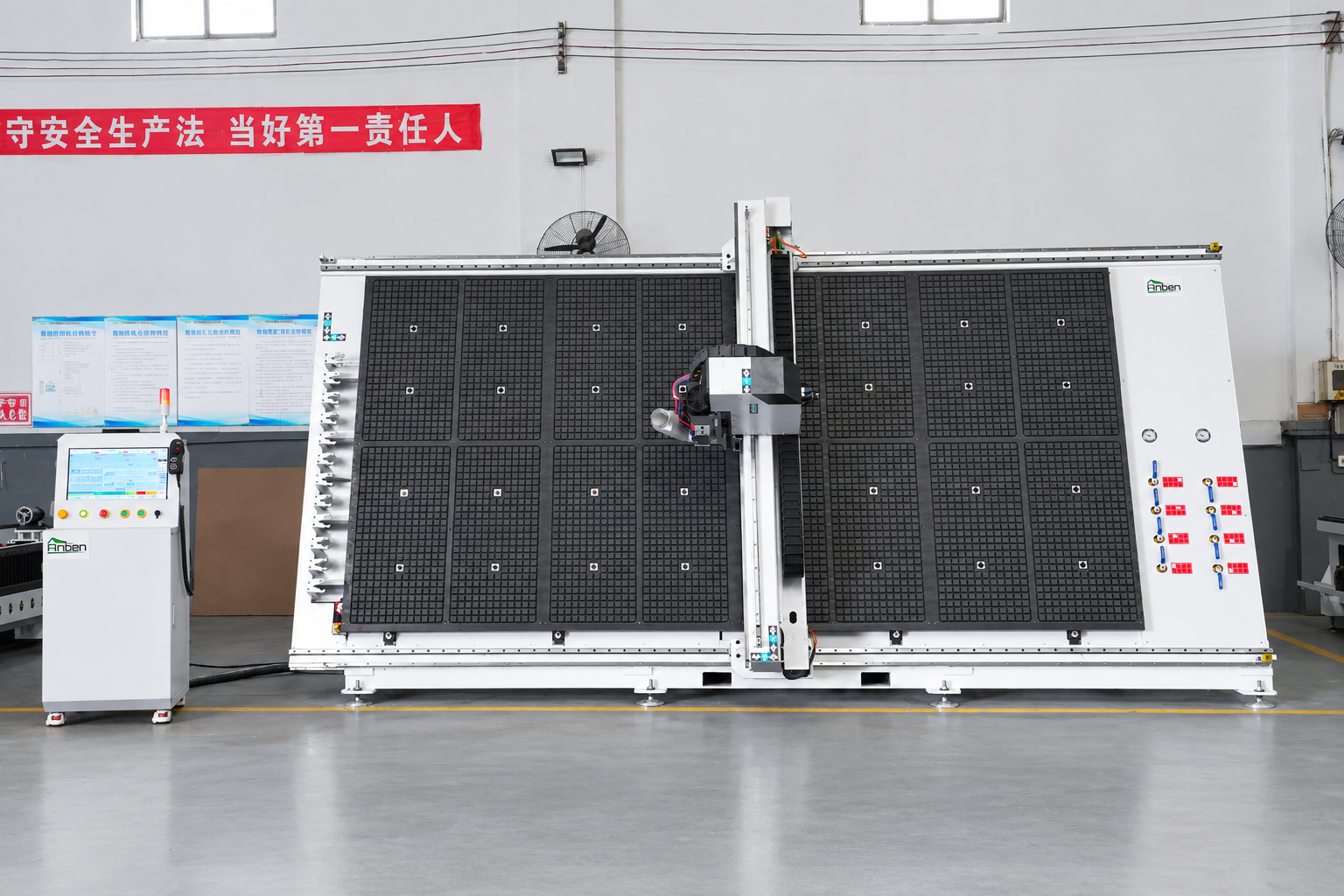
 V-2142 Vertical cnc routerThe vertical cnc significantly reduces the machine’s floor space. It is equipped with 8 sets of ATC tool magazines and other auxiliary devices such as vacuum pump, saw blade,aggregate head, positioning systems, etc. The Vertical cnc can cutting,grooving,engraving,drilling for various types of aluminum composite boards, acrylic boards, fiber boards and other boards. It is suitable for construction facades,cladding ,advertising signs,furniture manufacturing and other industries.
Get in touch

Anben Industrial – Founded in 2017, with a pure engineering spirit, providing trustworthy CNC solutions, born for long-term stable performance.
Contact