

How to Choose the Right CNC Router Spindle for Your Machine





Choosing the right CNC router spindle is important for cutting quality, machining speed, tool life, and overall machine performance. The best spindle is not simply the one with the highest power. It should match your material, cutting requirements, machine structure, and production volume.
1. What Is a CNC Router Spindle?
A CNC router spindle is the rotating cutting unit that drives the tool during machining. Its power, speed, torque, and tool compatibility directly affect how efficiently a CNC router can process different materials.
For applications such as woodworking, acrylic cutting, sign making, and ACP/ACM processing, selecting a properly matched spindle helps achieve stable cutting and consistent results.
2. Key Factors When Choosing a CNC Spindle
Spindle Power
Spindle power determines how effectively the machine handles different materials and cutting loads.
4–6 kW: Suitable for acrylic, plastics, signs, and lighter applications.
6–9 kW: A versatile choice for wood, furniture, plastics, and panel processing.
9 kW or higher: Suitable for demanding production, larger tools, deeper cutting, and heavier workloads.
Higher power is useful only when the machine structure and application can take advantage of it.
Spindle Speed
Spindle speed, measured in RPM, should be matched with the material, tool diameter, feed rate, and cutting depth. A higher RPM does not always mean better cutting. The correct combination helps improve surface quality and extend tool life.
Material
Different materials require different spindle characteristics. Wood often requires stable torque and suitable cutting tools, while acrylic benefits from high-speed, clean cutting. ACP and ACM panels require a spindle and tooling combination suitable for cutting and grooving.
Tool Changing
For simple production, a manual spindle may be sufficient. For jobs requiring multiple tools, an ATC (Automatic Tool Changer) spindle can significantly reduce tool-changing time and improve production efficiency.
3. How Much Spindle Power Do You Need?
Application
Suggested Spindle Power
These are general guidelines. The final selection should consider material thickness, tool size, cutting depth, feed rate, and production requirements.
4. Choose the Spindle Based on Your Material
Wood: Choose a spindle with stable power and suitable torque for continuous cutting.
Acrylic: High-speed machining with the correct cutting tools can provide cleaner edges and better surface quality.
ACP/ACM: A suitable high-speed spindle combined with proper tooling supports efficient panel cutting and grooving.
Aluminum: Aluminum machining requires an adequately rigid CNC router, suitable cutting parameters, and a spindle designed for the required workload.
5. Manual Spindle vs. ATC Spindle
A manual spindle is a practical choice for straightforward jobs with limited tool changes. An ATC spindle is better for production environments where several tools are required in one program.
With automatic tool changing, the CNC router can switch between cutting, grooving, drilling, and other operations with less manual intervention.
6. Match the Spindle to Your CNC Router
The spindle should always be considered as part of the complete CNC system. Check:
Machine rigidity
Working size
Spindle power and RPM
Tool compatibility
Cooling method
ATC requirements
Control system
Production volume
For example, a powerful spindle needs a sufficiently rigid machine structure to maintain stable machining performance.
7. Final Checklist
Before choosing a CNC router spindle, ask:
✓ What materials will I process?
✓ What thicknesses and cutting depths are required?
✓ How much spindle power do I need?
✓ What RPM range matches my tools?
✓ Do I need automatic tool changing?
✓ Is the machine rigid enough for the selected spindle?
✓ What is my expected production volume?
Final Thoughts
The right CNC router spindle should be selected according to the complete machining process—not power alone. By matching spindle power, RPM, tooling, machine rigidity, and application requirements, you can achieve more stable cutting, better efficiency, and longer tool life.
ANBEN CNC routers can be configured with different spindle and tooling options for applications including woodworking, acrylic fabrication, sign making, and ACP/ACM panel processing. Choosing the right configuration starts with understanding your actual production needs.
 How to Set Z-Axis Zero on a CNC Router
- When Should You Upgrade to an ATC CNC Router?
 Daily CNC Router Maintenance Checklist for Operators
 Horizontal or Vertical CNC Router for Large Panel Production?
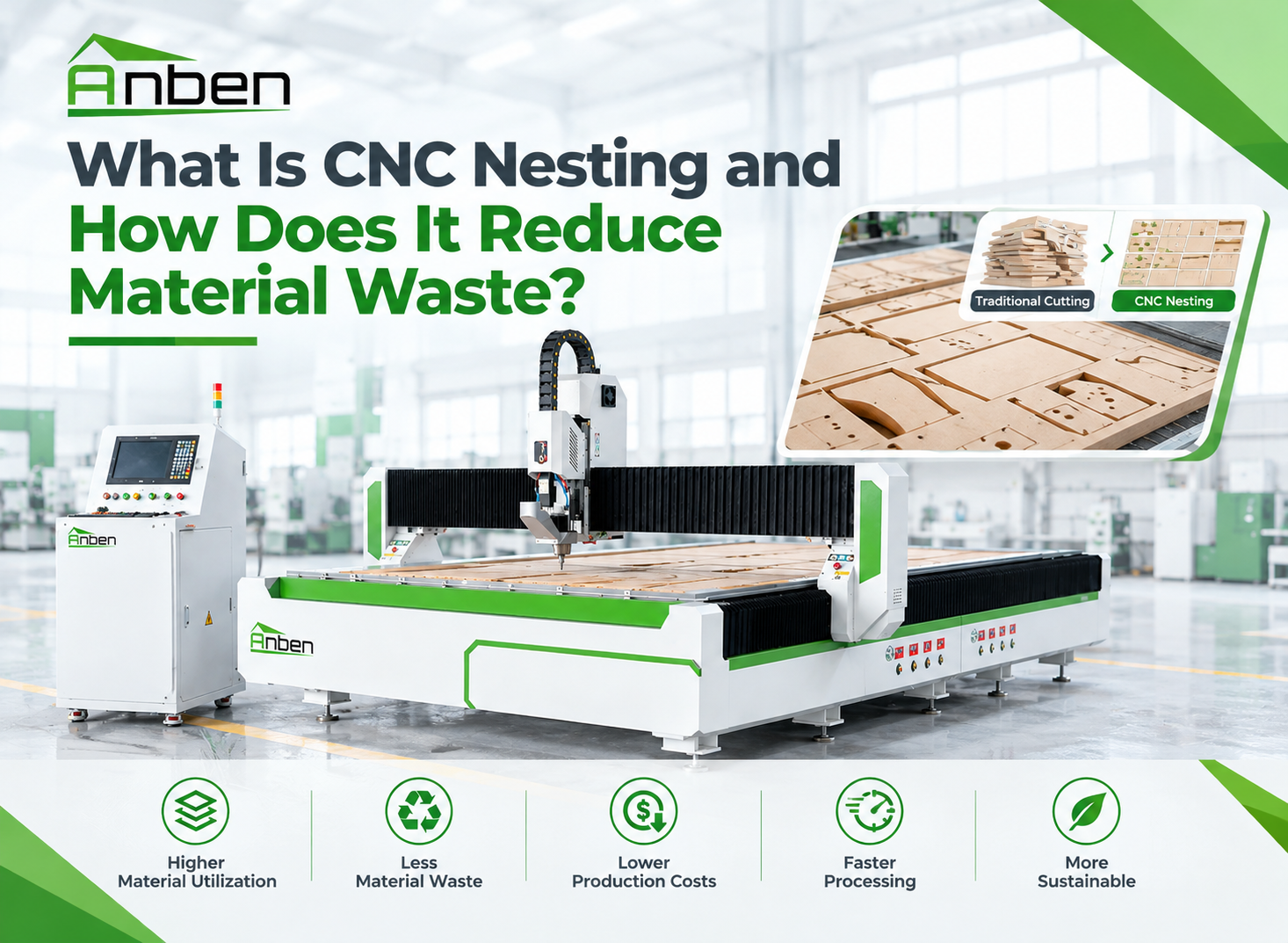
 What Is CNC Nesting and How Does It Reduce Material Waste?
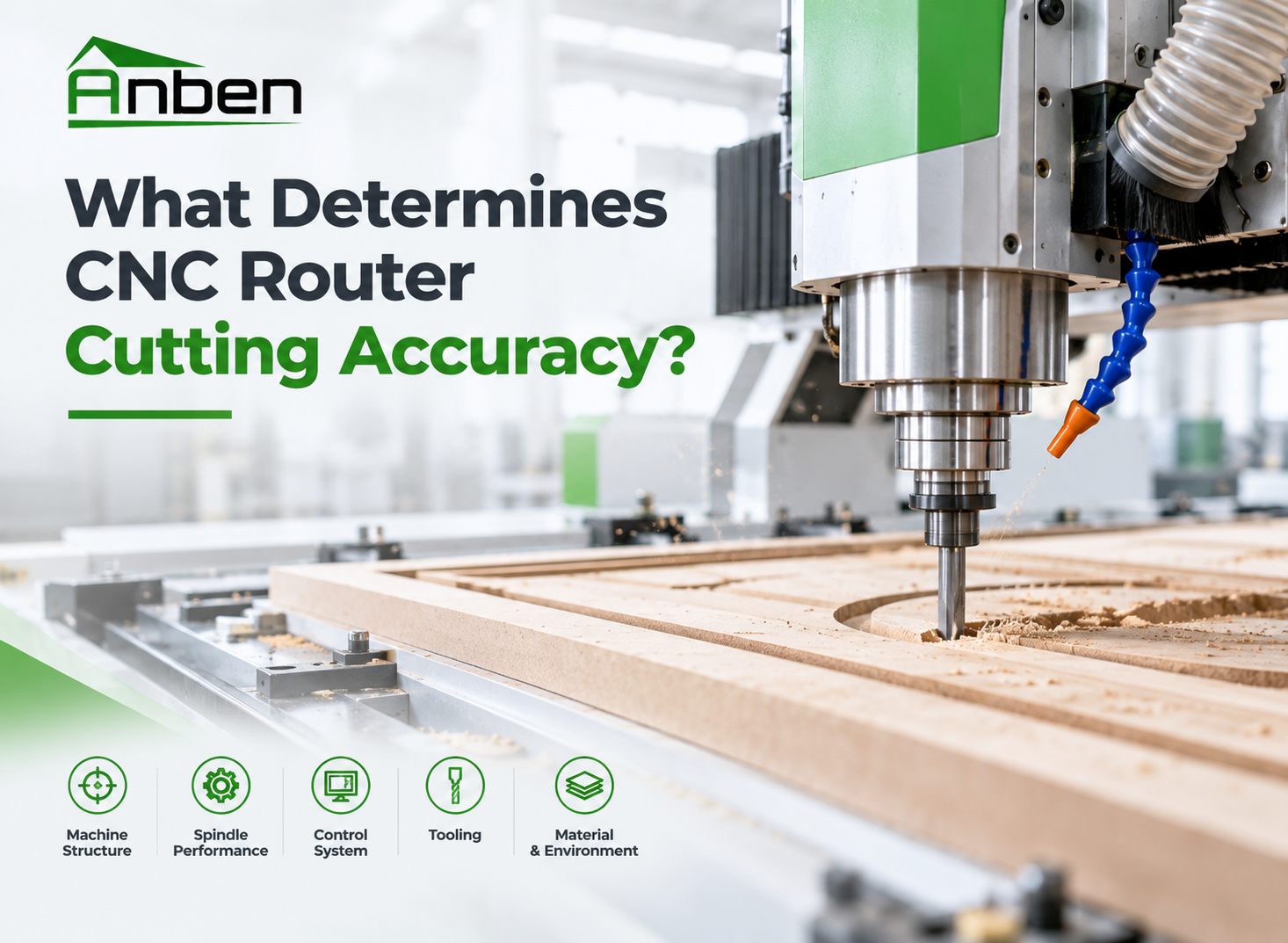
- What Determines CNC Router Cutting Accuracy?
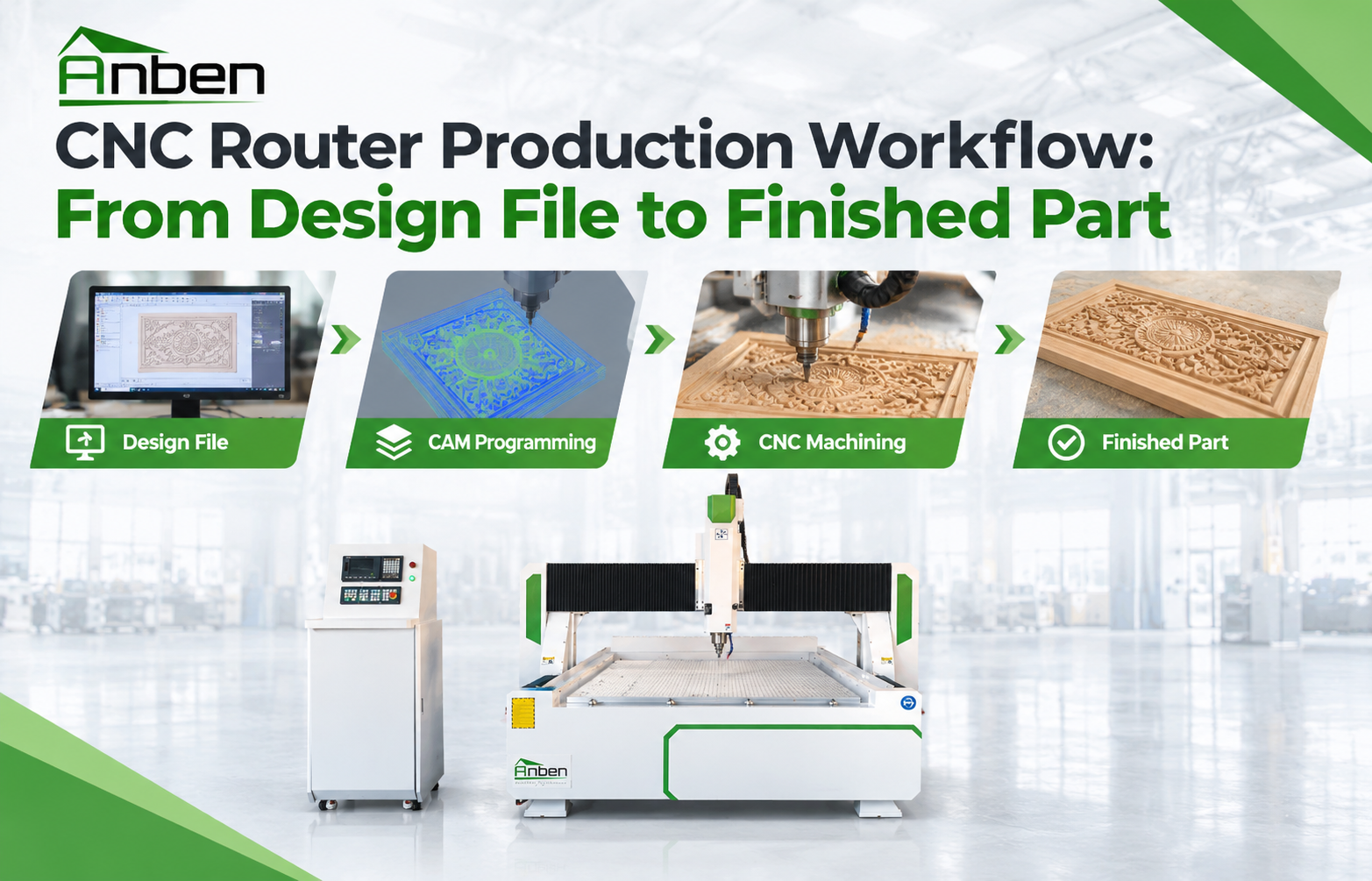
- CNC Router Production Workflow: From Design File to Finished Part
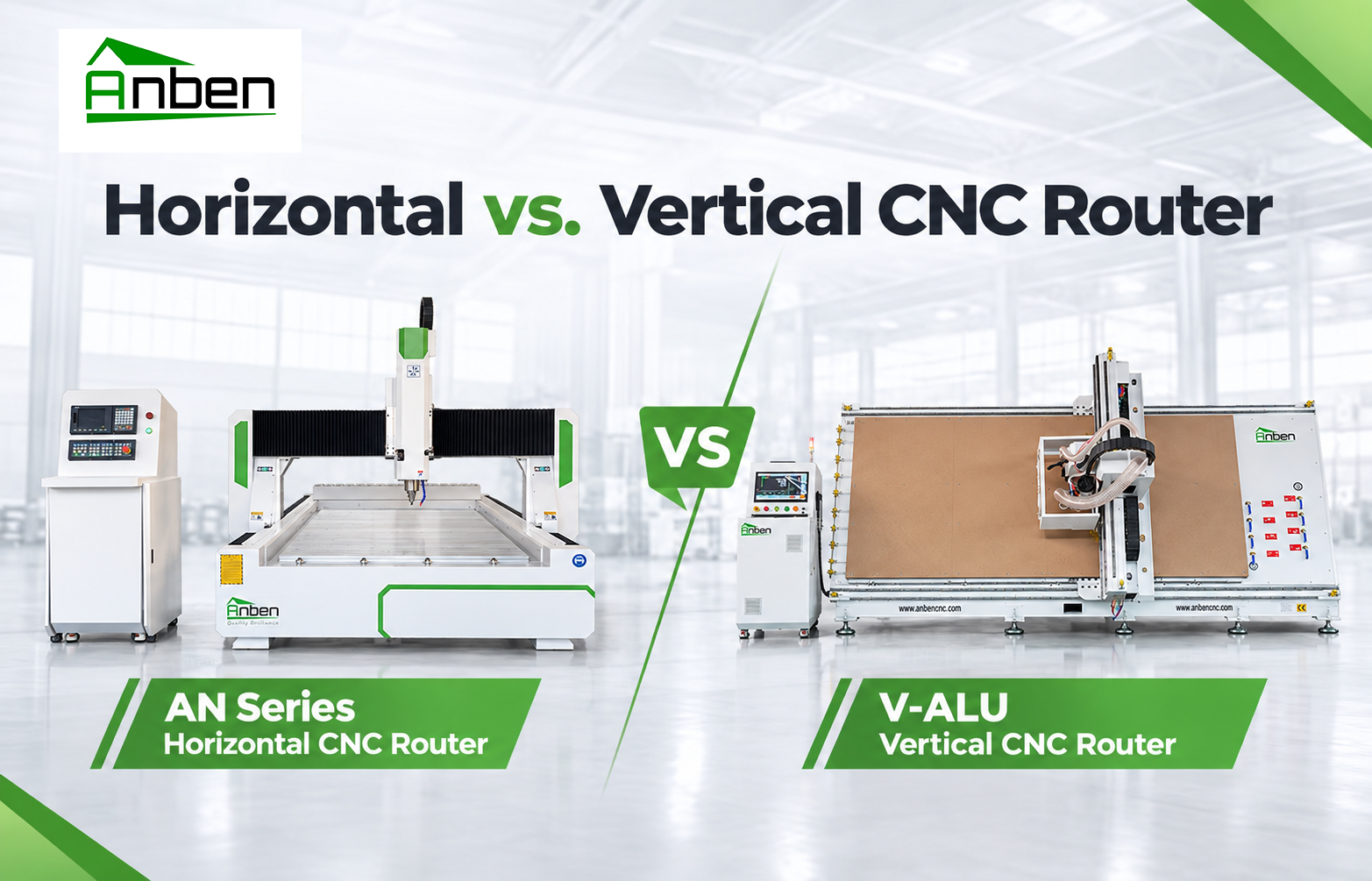
- Horizontal vs. Vertical CNC Router: Which One Is Right for You?
Related Products
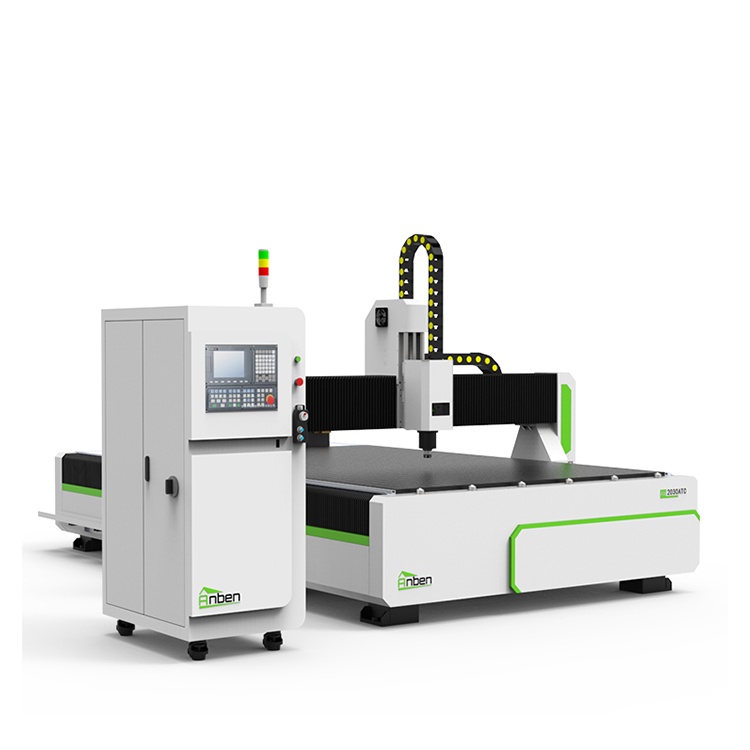
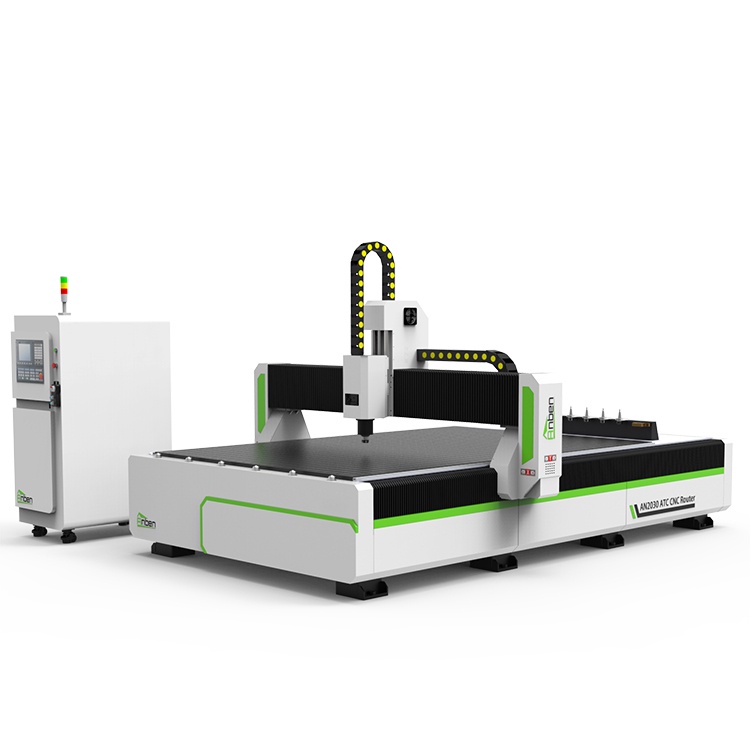
 AN2030ATC Automatic Tool ChangeAnben ATC (Automatic Tool Change)CNC router is popularly used in woodworking, making signs, molds making, art crafts making, etc. The automatic tool changer magazine carries 8-16 cutters. It can save tool change time,more efficient!
 AN2040ATC Automatic Tool ChangeAnben ATC (Automatic Tool Change)CNC router is popularly used in woodworking, making signs, molds making, art crafts making, etc. The automatic tool changer magazine carries 8-16 cutters. It can save tool change time,more efficient!
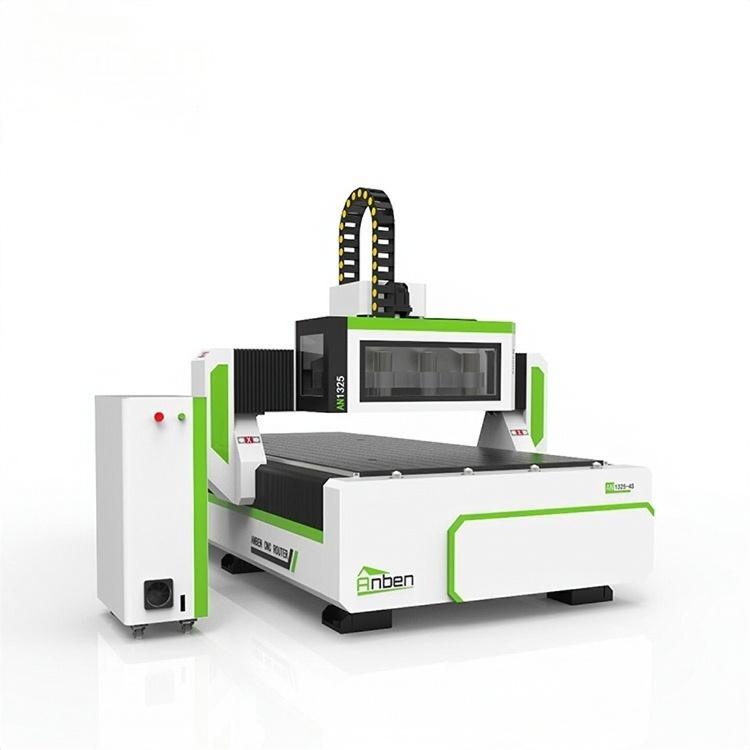
 AN1325-3S Cnc Router 3 SpindlesAnben multi spindles CNC router has 3 or 4 spindles, each spindle use different tools and work one by one. It also called economical ATC cnc.
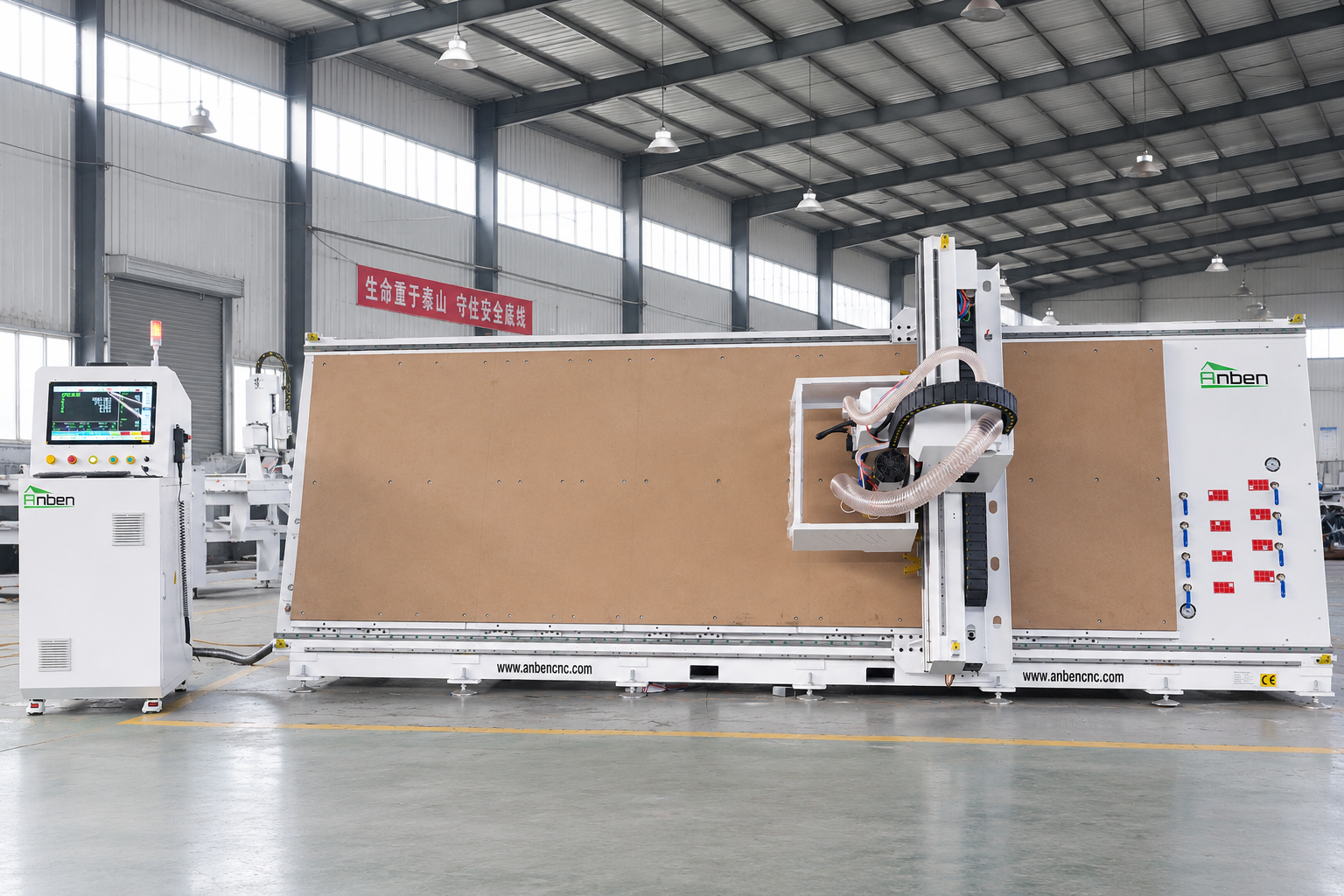
 V-1650 Vertical cnc routerThe vertical cnc significantly reduces the machine’s floor space. It is equipped with 8 sets of ATC tool magazines and other auxiliary devices such as vacuum pump, saw blade,aggregate head, positioning systems, etc. The Vertical cnc can cutting,grooving,engraving,drilling for various types of aluminum composite boards, acrylic boards, fiber boards and other boards. It is suitable for construction facades,cladding ,advertising signs,furniture manufacturing and other industries.
Get in touch

Anben Industrial – Founded in 2017, with a pure engineering spirit, providing trustworthy CNC solutions, born for long-term stable performance.
Contact