

C Axis and Aggregate Head on a CNC Router: What Do They Do?





A CNC router can perform much more than basic X, Y, and Z-axis cutting. With a C axis and aggregate head, the machine can handle additional machining operations and more complex cutting directions.
These features are especially useful for applications that require angled cutting, grooving, drilling, or flexible tool positioning.
What Is a C Axis?
The C axis is a rotational axis that allows the cutting tool to rotate around the Z axis.
While a standard 3-axis CNC router mainly moves along:
X axis: Left and right
Y axis: Front and back
Z axis: Up and down
A C axis adds controlled rotational movement.
This allows the tool to change its orientation during machining and provides greater flexibility for certain cutting and processing operations.
What Is an Aggregate Head?
An aggregate head is an additional tool head or attachment installed on a CNC spindle. It transfers spindle power to a specialized tool and can change the cutting direction.
Depending on the configuration, an aggregate head can support operations such as:
Saw cutting
Grooving
Drilling
Side cutting
Angled machining
Instead of using only a standard vertical spindle tool, the aggregate head allows the CNC router to perform specialized machining operations.
C Axis vs. Aggregate Head
C axis and aggregate head are related but perform different functions.
C Axis:
Controls the rotational positioning of the tool.
Aggregate Head:
Provides specialized tool orientation and cutting functions.
When combined, they can give a CNC router greater flexibility for complex panel processing.
Why Are They Useful?
A standard 3-axis CNC router is suitable for many common applications, including flat cutting, drilling, engraving, and carving.
However, some applications require more than vertical cutting.
For example, a panel may need:
Cutting → Grooving → Angled Cutting → Drilling
Using a C axis and aggregate head can reduce the need for manual repositioning or additional equipment for certain machining operations.
This can help improve workflow efficiency and make the CNC router more versatile.
Applications of C Axis and Aggregate Head
C axis and aggregate head configurations can be useful in several industries.
ACP and ACM Panel Processing
For aluminum composite panels, specialized tools can be used for cutting and grooving operations.
Furniture Manufacturing
They can support additional drilling, grooving, and specialized machining requirements for furniture components.
Architectural Panels
Complex panel designs may require different cutting directions and specialized tool configurations.
Sign Making
Angled cutting, engraving, and specialized toolpaths can provide more processing options for customized signs and decorative components.
Do You Need a C Axis and Aggregate Head?
Not every CNC router requires these features.
A standard 3-axis machine may be sufficient if your main work consists of:
2D cutting
Standard engraving
Simple drilling
Flat panel processing
A C axis and aggregate head become more valuable when your production requires multi-directional cutting, specialized grooving, angled machining, or more complex tool operations.
The right configuration should always be based on your materials, product design, machining processes, and production requirements.
Final Thoughts
The C axis adds rotational control, while the aggregate head provides additional cutting and machining directions.
Together, they can expand the capabilities of a CNC router and make it more suitable for specialized panel processing and complex machining.
For ANBEN CNC users, understanding these two components can help determine whether a standard 3-axis configuration or a more advanced CNC router is the right solution for your production needs.
 How to Set Z-Axis Zero on a CNC Router
- When Should You Upgrade to an ATC CNC Router?
- Daily CNC Router Maintenance Checklist for Operators
- Horizontal or Vertical CNC Router for Large Panel Production?
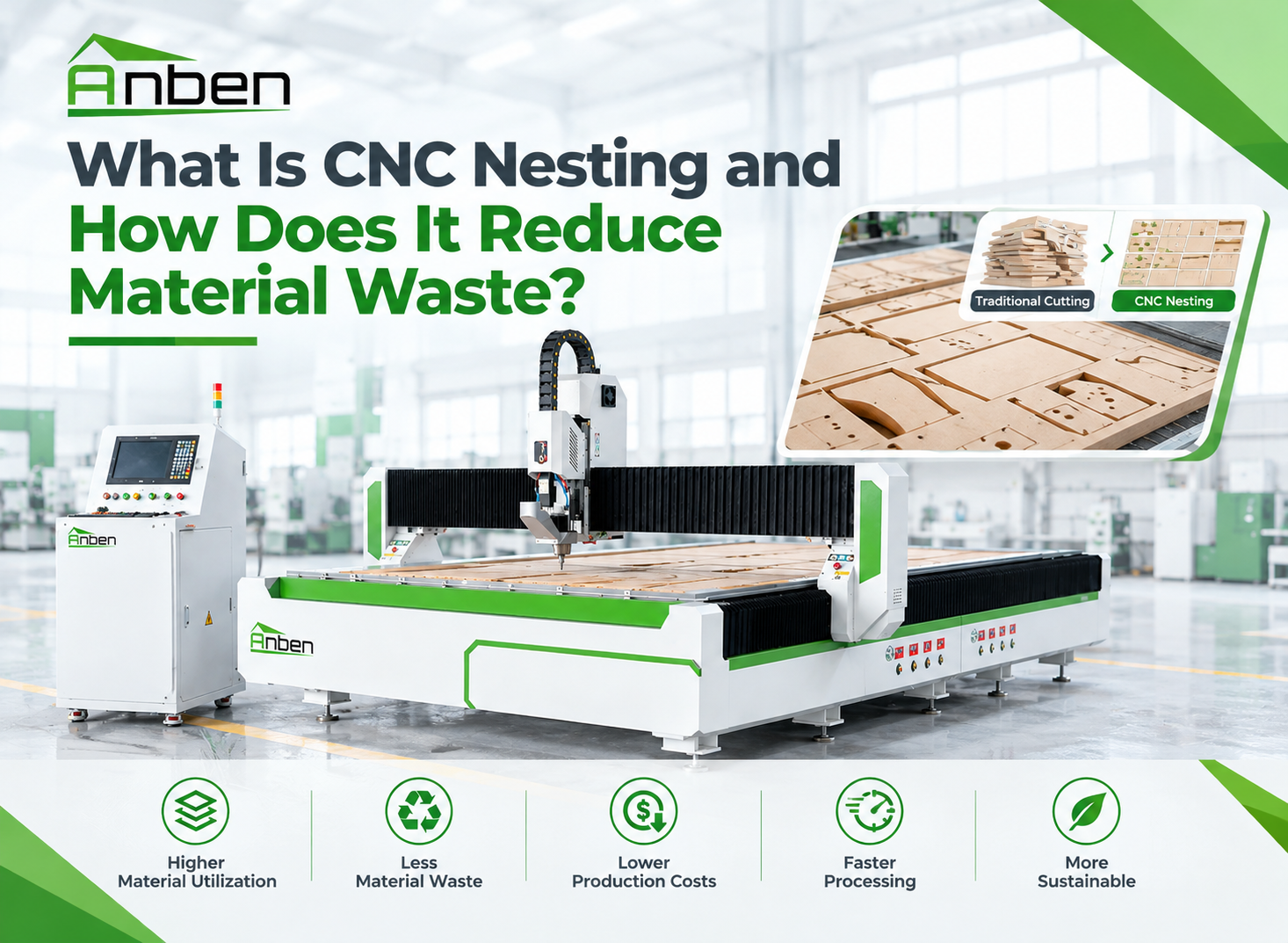
 What Is CNC Nesting and How Does It Reduce Material Waste?
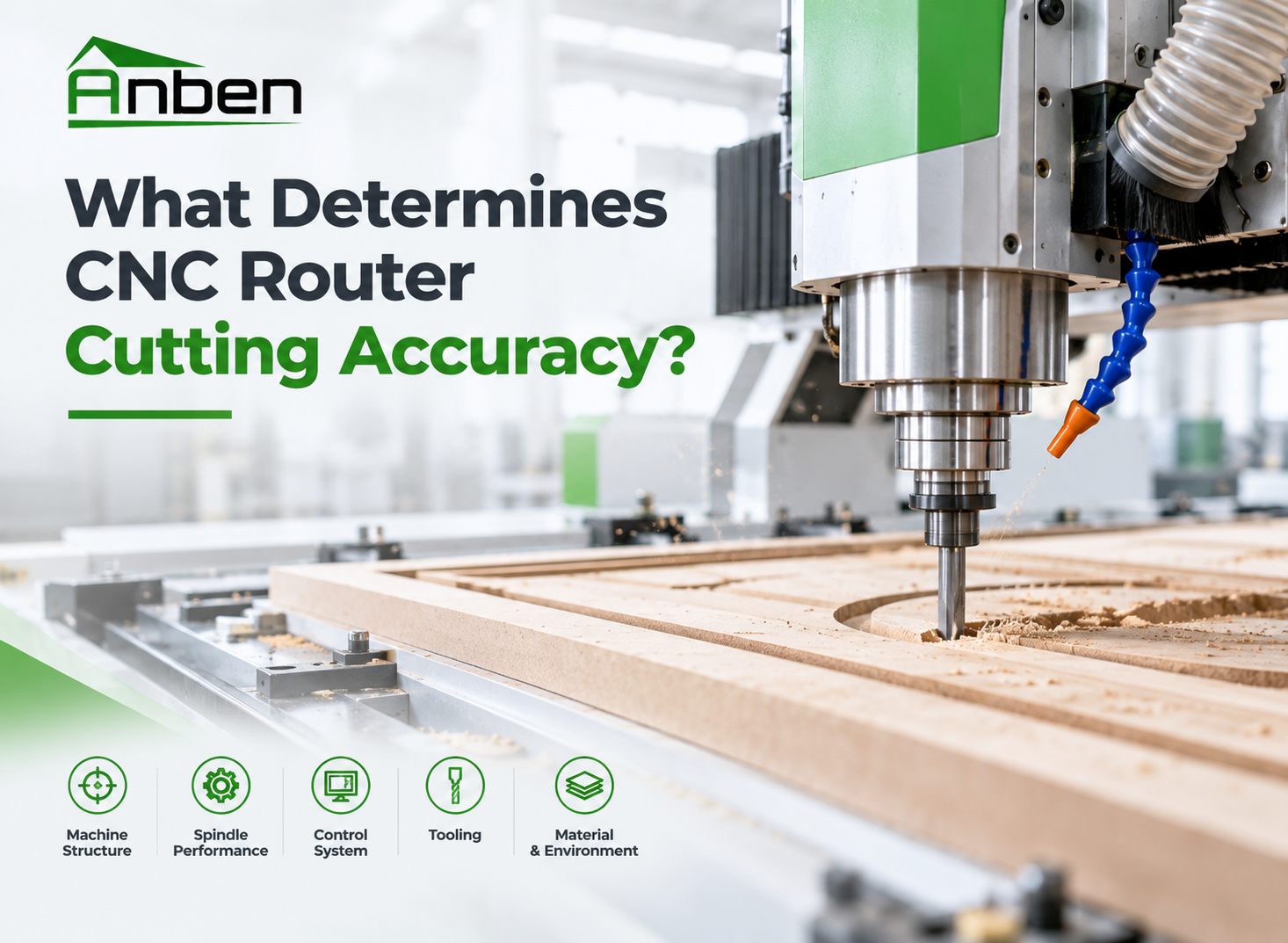
- What Determines CNC Router Cutting Accuracy?
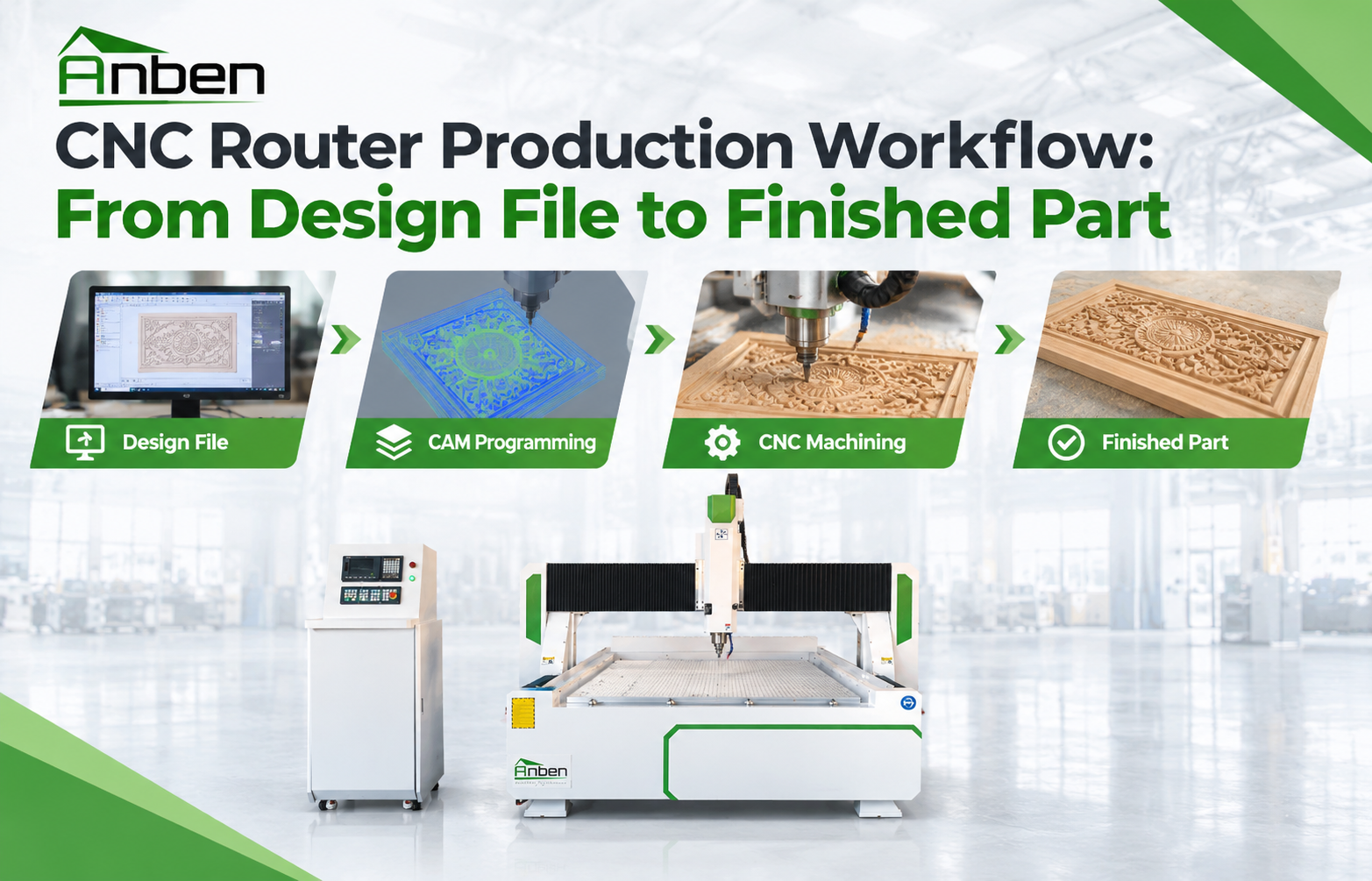
 CNC Router Production Workflow: From Design File to Finished Part
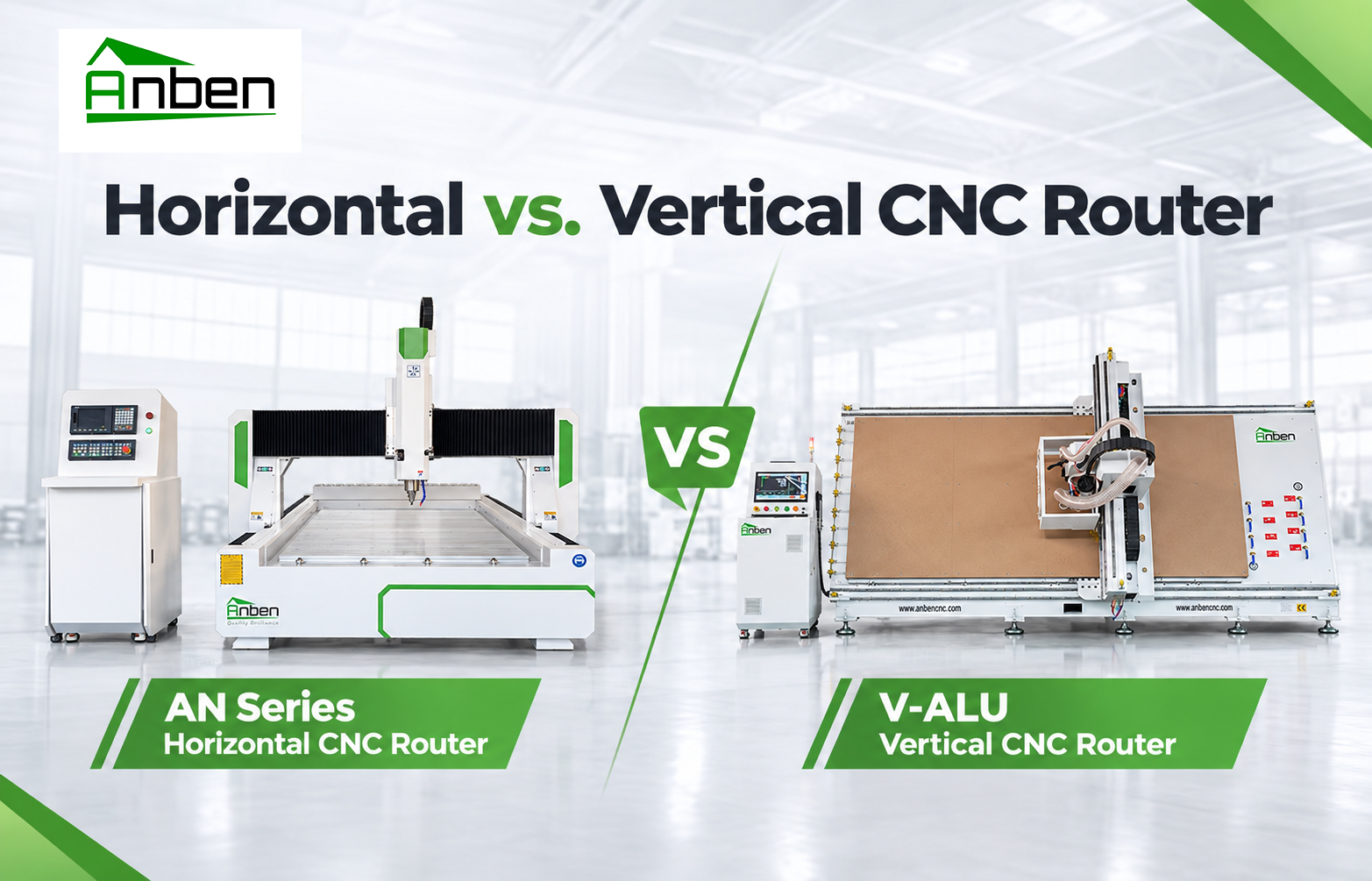
- Horizontal vs. Vertical CNC Router: Which One Is Right for You?

Related Products
Get in touch

Anben Industrial – Founded in 2017, with a pure engineering spirit, providing trustworthy CNC solutions, born for long-term stable performance.
Contact