

CNC Vacuum Pump Buying Guide: How to Choose the Right Pump





A vacuum pump is an important part of a CNC router vacuum table. It creates the negative pressure needed to hold the workpiece securely during cutting, engraving, and routing.
Choosing the right pump is not simply about selecting the highest power. The correct configuration depends on the vacuum table, material, workpiece size, sealing condition, and production requirements.
1. Check the Vacuum Table Size
Start with the size and structure of your CNC vacuum table.
A larger table generally requires a vacuum system with sufficient airflow to maintain stable holding force. However, the actual requirement also depends on how the table is divided into vacuum zones.
For example, a zoned vacuum table can allow operators to activate only the area being used. This can reduce unnecessary air leakage and improve vacuum efficiency.
2. Consider Vacuum Level and Airflow
Two important specifications are:
Maximum vacuum level
Airflow capacity
Vacuum level affects the holding force, while airflow determines how effectively the pump can maintain vacuum when there are leaks.
For CNC routing, both factors should be considered together. A pump with high vacuum but insufficient airflow may not perform well on a large or porous workpiece.
3. Match the Pump to Your Materials
Different materials create different vacuum requirements.
Dense materials such as acrylic, aluminum composite panels, and plastic sheets generally provide better sealing. Porous materials such as MDF and some types of wood can allow more air to pass through the material.
If you mainly process porous materials, the vacuum system needs enough airflow to compensate for air leakage.
4. Consider Your Production Volume
For occasional CNC work, a smaller vacuum system may be sufficient.
For continuous industrial production, the pump should be selected for stable long-term operation and matched with the machine's working area and duty cycle.
A professional CNC router may also benefit from a reliable industrial vacuum pump from a recognized manufacturer, depending on the machine configuration.
5. Check Pump Type and Installation
Common industrial vacuum pump solutions include rotary vane pumps, dry-running pumps, and other vacuum technologies.
When choosing a pump, consider:
Vacuum performance
Airflow
Power consumption
Noise level
Maintenance requirements
Installation space
Continuous operating capability
The pump should also be compatible with the CNC router's vacuum table and piping system.
6. Choose the Complete Vacuum System
The pump is only one part of the workholding system.
A complete CNC vacuum system can include:
Vacuum pump
Vacuum table
Vacuum zones
Sealing gasket
Vacuum pipes
Valves
Filters
Pressure or vacuum monitoring
Poor sealing or an unsuitable table design can reduce holding performance even when the pump itself is powerful.
Final Buying Tip
When selecting a CNC vacuum pump, focus on the complete workholding system rather than pump power alone.
For ANBEN CNC routers, the vacuum system can be configured according to machine size, material, and application requirements. Industrial vacuum pump solutions such as Becker can be used on suitable configurations to provide reliable workholding for CNC production.
The right pump is the one that matches your table, material, and production needs—not simply the pump with the largest specifications.
 CNC Milling vs. CNC Routing: Key Differences and Applications
- How to Prevent Chipping and Rough Edges in CNC Routing
- How to Calculate CNC Router Production Capacity Before Buying
- How Does V-Grooving Work on ACP and ACM Panels?
- How to Use an ATC CNC Router: A Step-by-Step Guide
- How to Calculate the ROI of a CNC Router Before Buying
- CNC Router Bits Explained: Types, Applications, and How They Work
- How to Set Z-Axis Zero on a CNC Router
Related Products
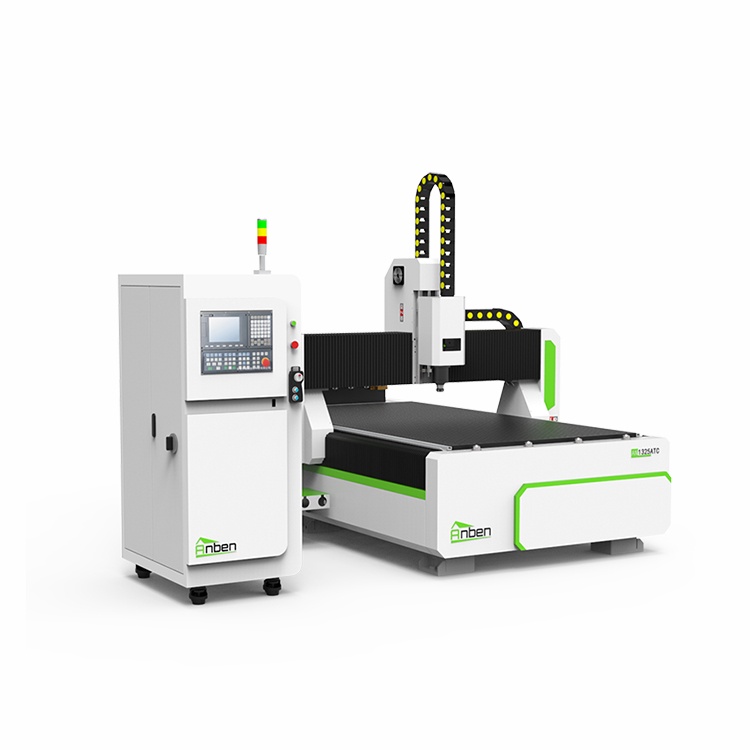
 AN1325ATC Automatic Tool ChangeAnben ATC (Automatic Tool Change)CNC router is popularly used in woodworking, making signs, molds making, art crafts making, etc. The automatic tool changer magazine carries 8-16 cutters. It can save tool change time,more efficient!
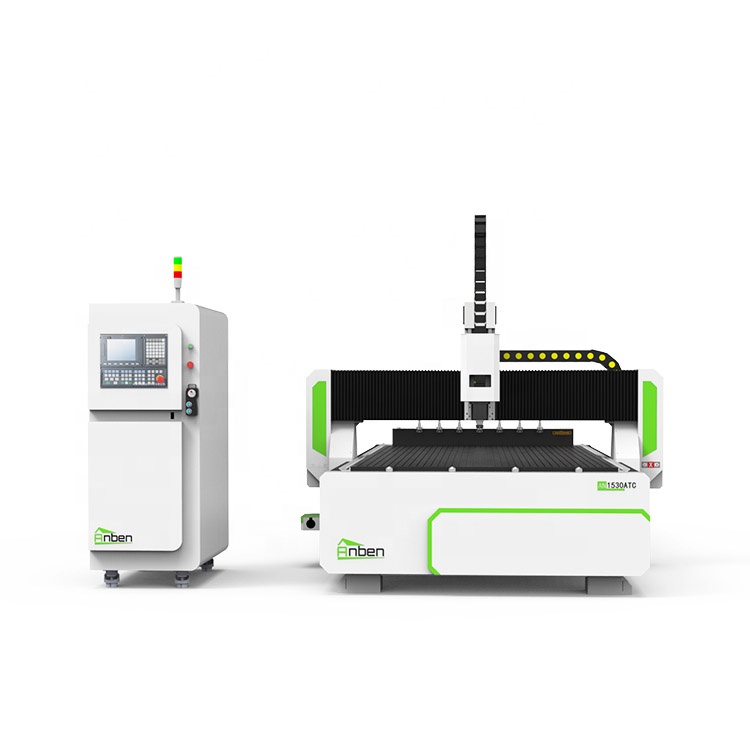
 AN1530ATC Automatic Tool ChangeAnben ATC (Automatic Tool Change)CNC router is popularly used in woodworking, making signs, molds making, art crafts making, etc. The automatic tool changer magazine carries 8-16 cutters. It can save tool change time,more efficient!
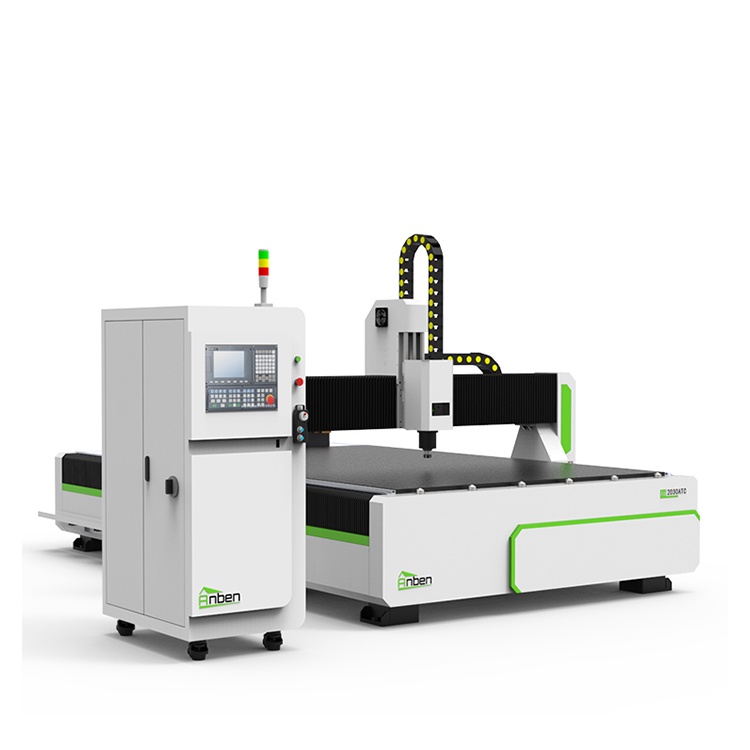
 AN2030ATC Automatic Tool ChangeAnben ATC (Automatic Tool Change)CNC router is popularly used in woodworking, making signs, molds making, art crafts making, etc. The automatic tool changer magazine carries 8-16 cutters. It can save tool change time,more efficient!
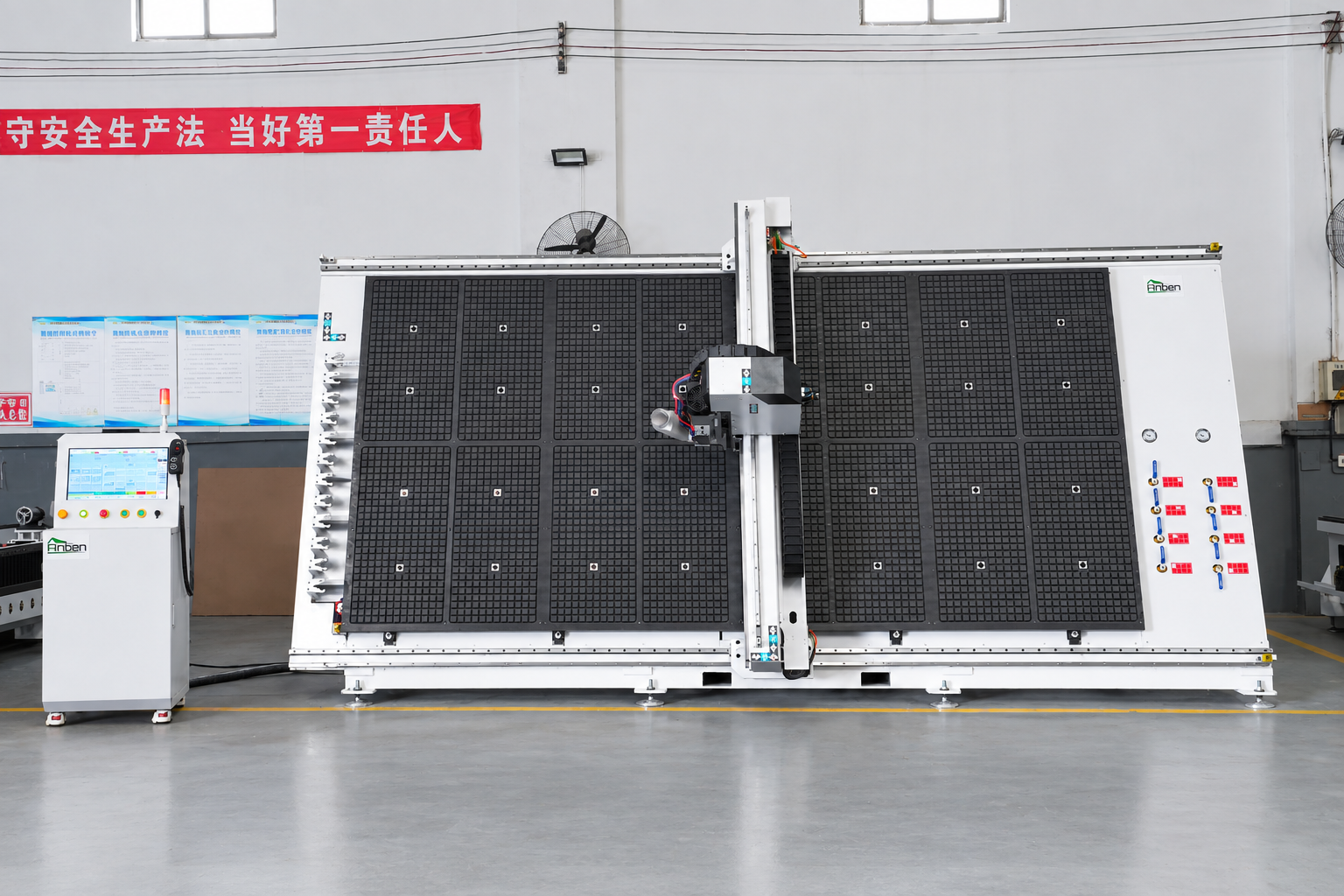
 V-2142 Vertical cnc routerThe vertical cnc significantly reduces the machine’s floor space. It is equipped with 8 sets of ATC tool magazines and other auxiliary devices such as vacuum pump, saw blade,aggregate head, positioning systems, etc. The Vertical cnc can cutting,grooving,engraving,drilling for various types of aluminum composite boards, acrylic boards, fiber boards and other boards. It is suitable for construction facades,cladding ,advertising signs,furniture manufacturing and other industries.
Get in touch

Anben Industrial – Founded in 2017, with a pure engineering spirit, providing trustworthy CNC solutions, born for long-term stable performance.
Contact