

What Is a CNC Vacuum Pump and How Does It Work?





A CNC vacuum pump is a device used to create negative pressure for securing workpieces on a CNC router vacuum table.
Instead of using mechanical clamps, the vacuum system holds the material against the table surface. This provides a large, unobstructed machining area and is especially useful for sheet materials.
How Does a CNC Vacuum System Work?
A typical CNC vacuum workholding system consists of several components:
Vacuum Pump → Vacuum Pipe → Vacuum Zone → Vacuum Table → Workpiece
The vacuum pump removes air from the space between the workpiece and the vacuum table.
As the air pressure decreases, atmospheric pressure pushes the material toward the table surface. This creates the holding force required to keep the workpiece stable during machining.
Why Is Vacuum Workholding Important?
Traditional clamps can interfere with the cutter when machining large sheets.
A vacuum table holds the workpiece across its surface without placing clamps directly in the cutting path.
This offers several advantages:
Large usable machining area
Faster material setup
Reduced clamp interference
Convenient sheet processing
Suitable for repeated production
Better accessibility for CNC cutting
Vacuum workholding is commonly used for materials such as MDF, plywood, acrylic, PVC, wood panels, and composite sheets.
What Determines Vacuum Holding Force?
Vacuum holding force is related to the pressure difference and the effective sealing area.
In simple terms:
Holding Force = Pressure Difference × Effective Area
This means a larger sealed area can generate greater holding force under suitable vacuum conditions.
However, real-world performance also depends on air leakage, material porosity, table design, gasket condition, and vacuum pump airflow.
Why Does Air Leakage Matter?
Vacuum systems work best when the workpiece creates a good seal.
If air enters continuously through gaps, porous materials, damaged gaskets, or uncovered vacuum zones, the pump must remove more air to maintain the required vacuum.
This is why airflow capacity is an important vacuum pump specification, especially when processing porous materials.
Vacuum Zones and CNC Tables
Many CNC vacuum tables are divided into separate zones.
Operators can activate only the zone covered by the workpiece instead of running the entire table.
Proper zoning helps reduce unnecessary air leakage and can improve vacuum efficiency for different workpiece sizes.
Vacuum Pump vs. Mechanical Clamping
Vacuum workholding and mechanical clamping each have their own advantages.
Vacuum workholding is particularly useful for:
Large sheet materials
Repetitive production
Full-surface machining
Fast loading and unloading
Mechanical clamping can be useful for:
Small workpieces
Irregular shapes
Materials with poor sealing characteristics
In some CNC applications, both methods can be combined.
Vacuum Pumps in ANBEN CNC Routers
ANBEN CNC routers can be equipped with vacuum workholding systems designed around the machine's working area and application requirements. Industrial vacuum pump solutions, including Becker configurations where specified, can support stable sheet processing.
The key is not simply choosing a powerful pump. The pump, vacuum table, zoning, sealing system, and material must work together.
Key Takeaway
A CNC vacuum pump is more than an accessory. It is an important part of the CNC router's workholding system.
Understanding how vacuum pressure, airflow, sealing, and table design interact helps users choose the right configuration and achieve more stable CNC machining.
 CNC Milling vs. CNC Routing: Key Differences and Applications
- How to Prevent Chipping and Rough Edges in CNC Routing
- How to Calculate CNC Router Production Capacity Before Buying
- How Does V-Grooving Work on ACP and ACM Panels?
- How to Use an ATC CNC Router: A Step-by-Step Guide
- How to Calculate the ROI of a CNC Router Before Buying
- CNC Router Bits Explained: Types, Applications, and How They Work
- How to Set Z-Axis Zero on a CNC Router
Related Products
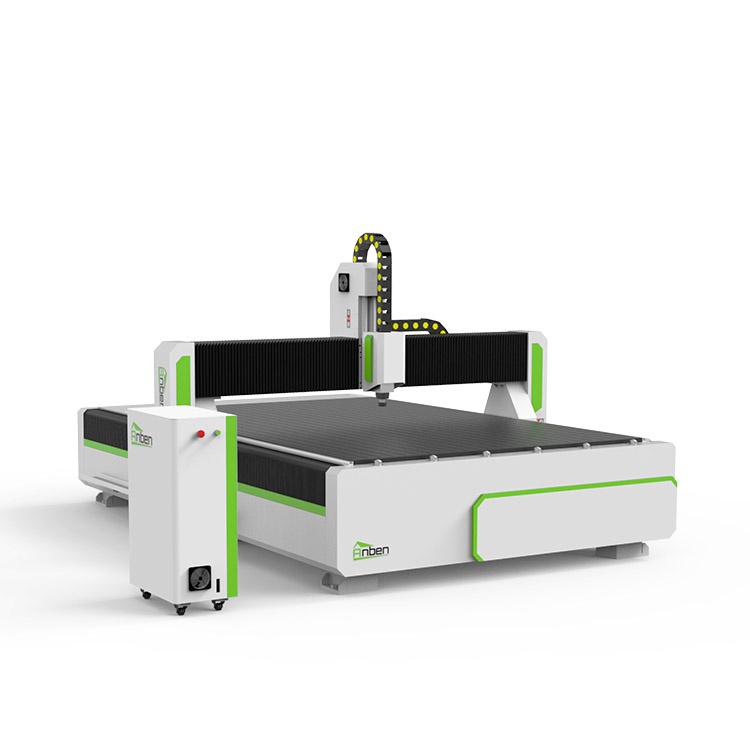
 AN2040 Manual Tool ChangeThe Anben MTC(Manual tool change)-- a professional yet affordable 3 axis CNC wood router, designed for woodworking shops, cabinet manufacturers, and industrial workshops. This budget-friendly CNC router delivers high precision and durability for wood machining, acrylic cutting, aluminum cutting, sign making, and furniture production.
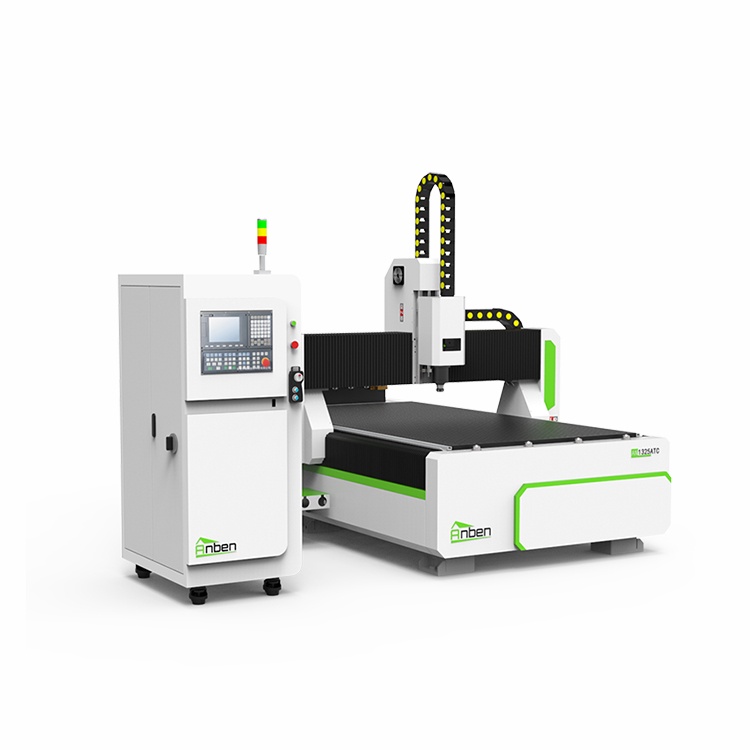
 AN1325ATC Automatic Tool ChangeAnben ATC (Automatic Tool Change)CNC router is popularly used in woodworking, making signs, molds making, art crafts making, etc. The automatic tool changer magazine carries 8-16 cutters. It can save tool change time,more efficient!
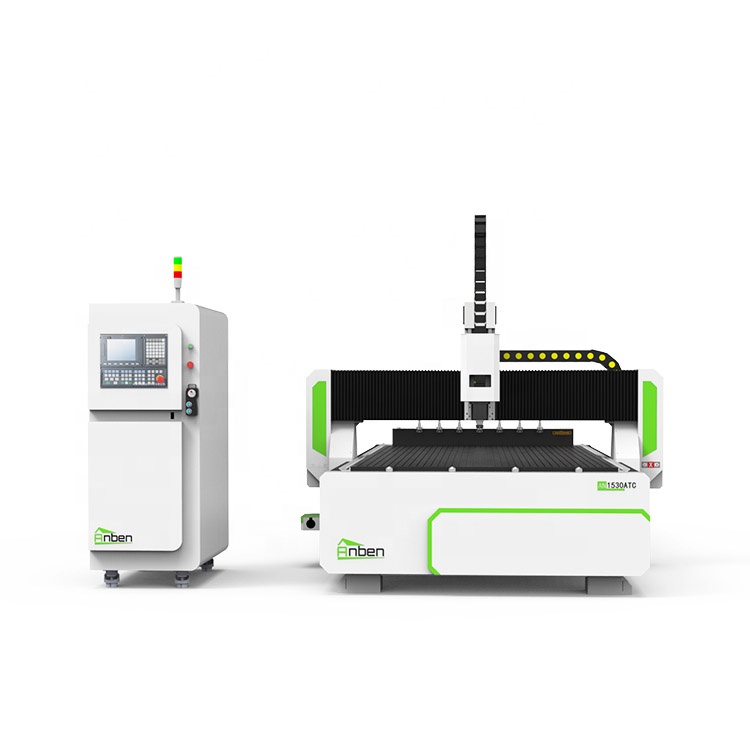
 AN1530ATC Automatic Tool ChangeAnben ATC (Automatic Tool Change)CNC router is popularly used in woodworking, making signs, molds making, art crafts making, etc. The automatic tool changer magazine carries 8-16 cutters. It can save tool change time,more efficient!
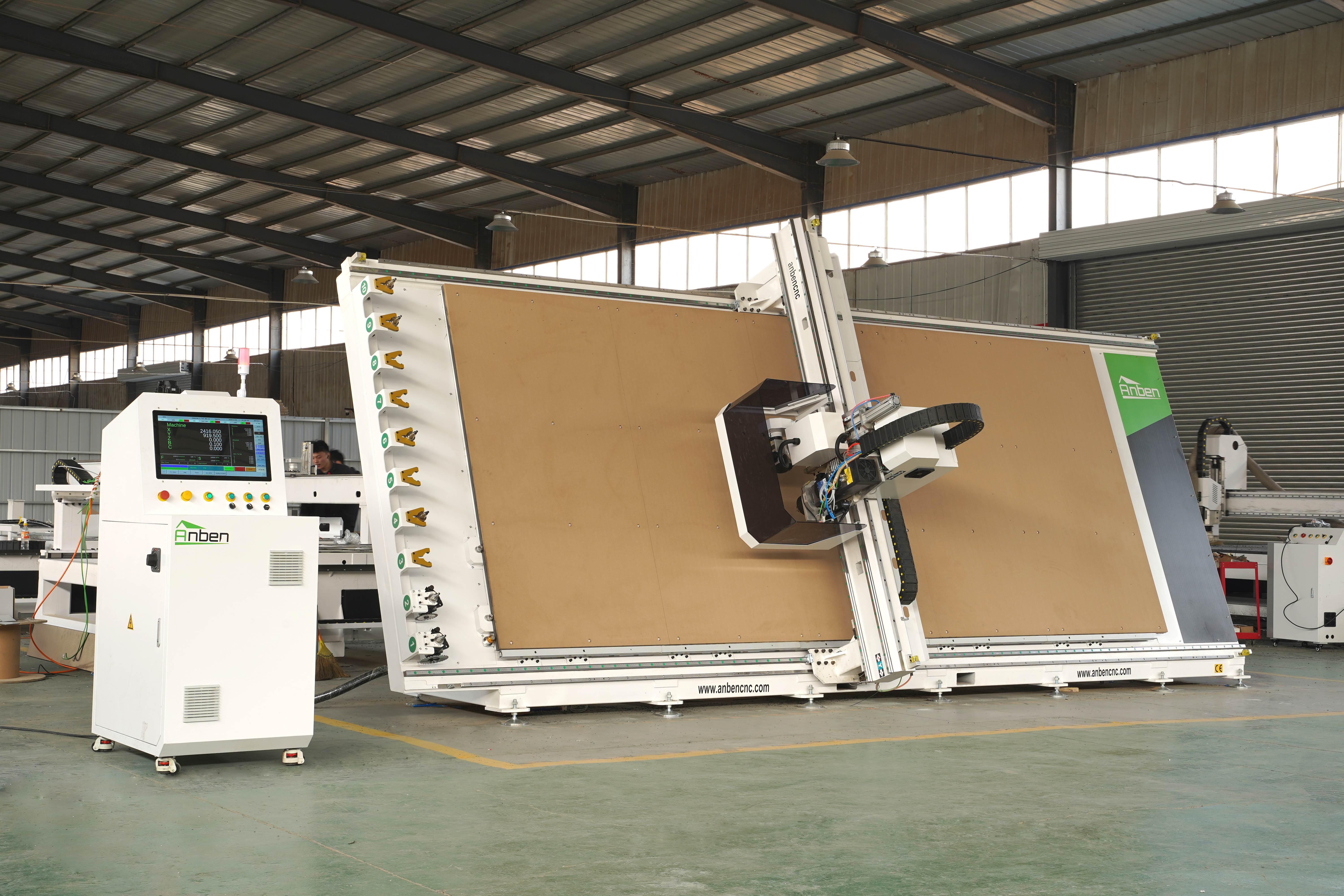
 V-2151 Vertical cnc routerThe vertical cnc significantly reduces the machine’s floor space. It is equipped with 8 sets of ATC tool magazines and other auxiliary devices such as vacuum pump, saw blade,aggregate head, positioning systems, etc. The Vertical cnc can cutting,grooving,engraving,drilling for various types of aluminum composite boards, acrylic boards, fiber boards and other boards. It is suitable for construction facades,cladding ,advertising signs,furniture manufacturing and other industries.
Get in touch

Anben Industrial – Founded in 2017, with a pure engineering spirit, providing trustworthy CNC solutions, born for long-term stable performance.
Contact