

What Is a CNC Controller and How Does It Work?





Introduction
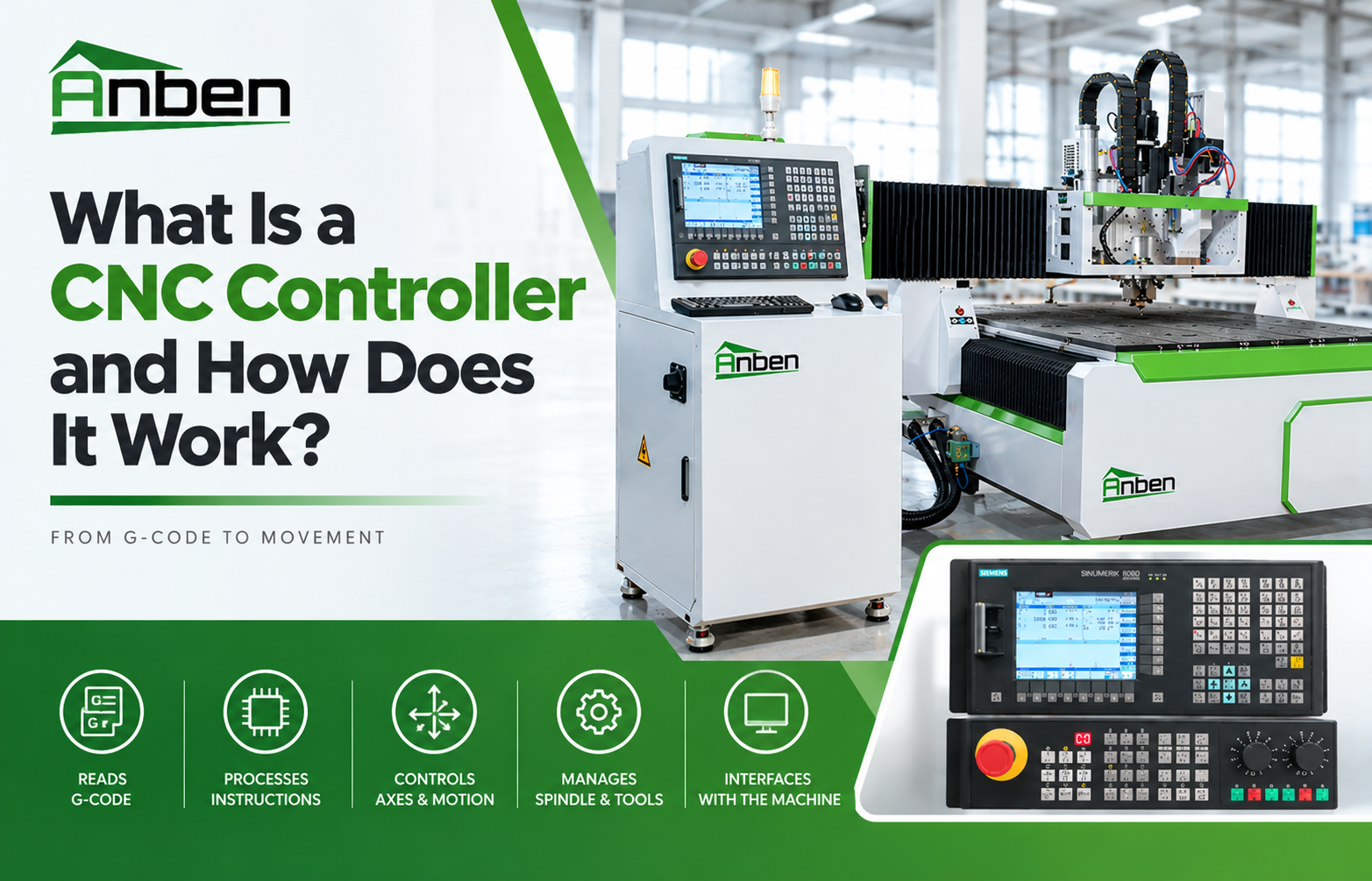
A CNC controller is the control center of a CNC machine. It reads machining instructions and coordinates the machine's axes, spindle, tools, and other functions to execute the programmed operation.
Without a controller, the mechanical components of a CNC router cannot follow a programmed machining path.
What Does a CNC Controller Do?
The main purpose of a CNC controller is to convert machining instructions into coordinated machine actions.
Depending on the machine configuration, it can control:
X, Y, and Z axis movement
Servo motors
Spindle speed
Feed rate
Tool changes
Work coordinates
Machine limits
Auxiliary functions
The controller continuously coordinates these functions during machining.
How Does a CNC Controller Work?
A simplified CNC workflow is:
CAD Design → CAM Toolpath → CNC Program → Controller → Machine Movement → Finished Part
First, a CAD system is used to create the design.
CAM software then converts the design into a toolpath and generates CNC instructions.
The controller reads these instructions and sends commands to the machine's drive and control components.
The servo system moves the axes, while the spindle performs the cutting operation.
Machine Coordinates vs. Work Coordinates
CNC controllers generally work with different coordinate concepts.
Machine coordinates define the machine's reference position.
Work coordinates define the position of the workpiece and are normally established by the operator during setup.
Understanding this difference is important because the same CNC program can be used at different workpiece positions when the correct work origin is established.
CNC Controller and Servo System
The controller and servo system have different roles.
The controller determines what movement should happen.
The servo system converts the commands into actual motor movement.
Together, they control the position and speed of the machine axes.
This coordination is important for accurate and stable CNC machining.
CNC Controller and ATC System
On an ATC CNC router, the controller also manages automatic tool-changing operations.
For example, a machining program may instruct the machine to:
Finish the current operation.
Stop the spindle.
Select another tool.
Execute the tool change.
Apply the required tool settings.
Continue machining.
This allows multiple machining operations to be completed with less manual intervention.
Siemens CNC Control in CNC Applications
Siemens is an established industrial automation and CNC control brand. Siemens CNC solutions are used across different types of machine tools and industrial applications.
For a CNC router, the controller should always be evaluated as part of the complete system rather than as an isolated component.
Its performance depends on integration with the machine's mechanical structure, servo system, spindle, ATC, sensors, and software.
Why Is the CNC Controller Important?
A CNC router may have a powerful spindle and rigid mechanical structure, but these components must be coordinated correctly.
The controller provides the connection between the machining program and the physical machine.
A suitable control system can help operators:
Manage machining programs
Set work coordinates
Control machine movement
Monitor machine status
Manage tools
Respond to alarms
Coordinate complex machining processes
Key Takeaway
A CNC controller is essentially the brain of a CNC router.
It interprets machining instructions and coordinates the machine's movement and functions.
For ANBEN CNC routers, the appropriate control system depends on the machine model, axis configuration, spindle, ATC system, production requirements, and application.
 What Is a CNC Controller and How Does It Work?
- CNC Controller User Guide: Basic Operation and Setup
- CNC Controller Buying Guide: How to Choose the Right CNC Control System
 Is a Vertical CNC Router Right for Your Business?
- CNC Aggregate Head User Guide: Setup, Operation and Maintenance
- CNC Aggregate Head Buying Guide: How to Choose the Right Head
- What Is a CNC Aggregate Head and How Does It Work?
- What Is a CNC Vacuum Pump and How Does It Work?
Related Products
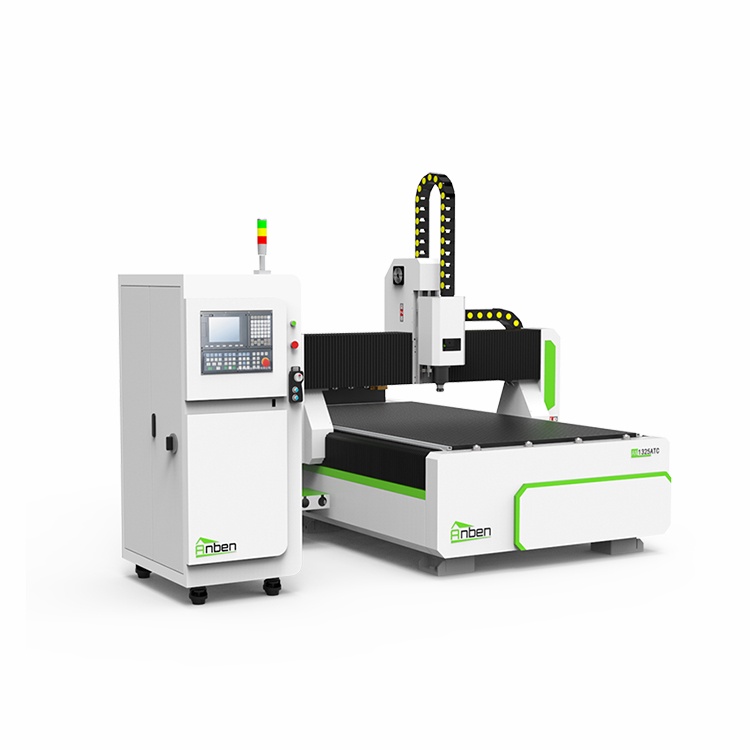
 AN1325ATC Automatic Tool ChangeAnben ATC (Automatic Tool Change)CNC router is popularly used in woodworking, making signs, molds making, art crafts making, etc. The automatic tool changer magazine carries 8-16 cutters. It can save tool change time,more efficient!
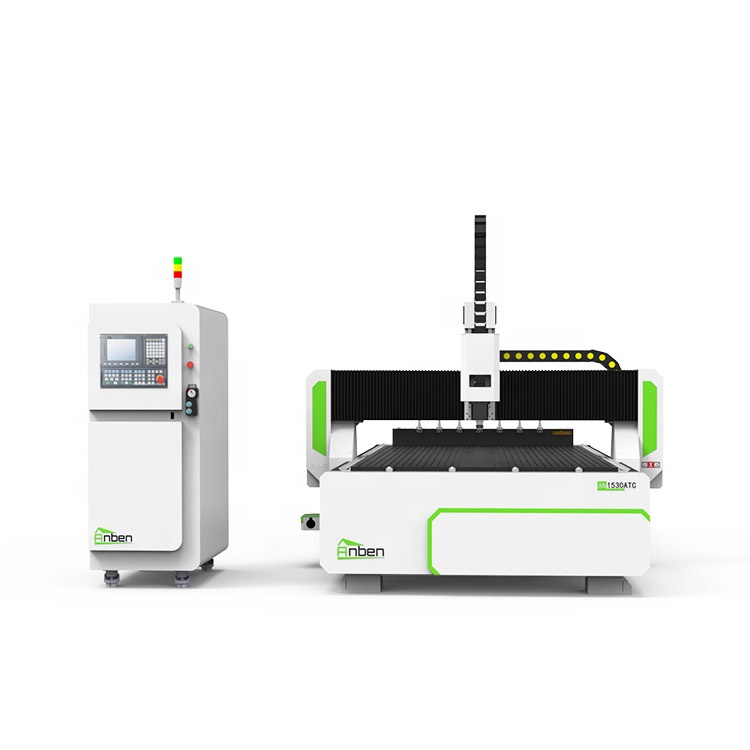
 AN1530ATC Automatic Tool ChangeAnben ATC (Automatic Tool Change)CNC router is popularly used in woodworking, making signs, molds making, art crafts making, etc. The automatic tool changer magazine carries 8-16 cutters. It can save tool change time,more efficient!
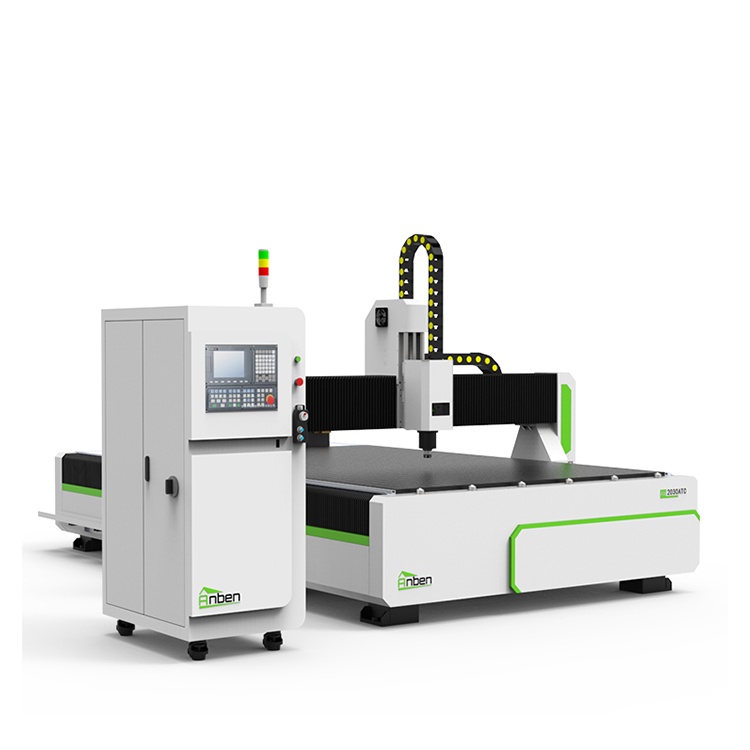
 AN2030ATC Automatic Tool ChangeAnben ATC (Automatic Tool Change)CNC router is popularly used in woodworking, making signs, molds making, art crafts making, etc. The automatic tool changer magazine carries 8-16 cutters. It can save tool change time,more efficient!
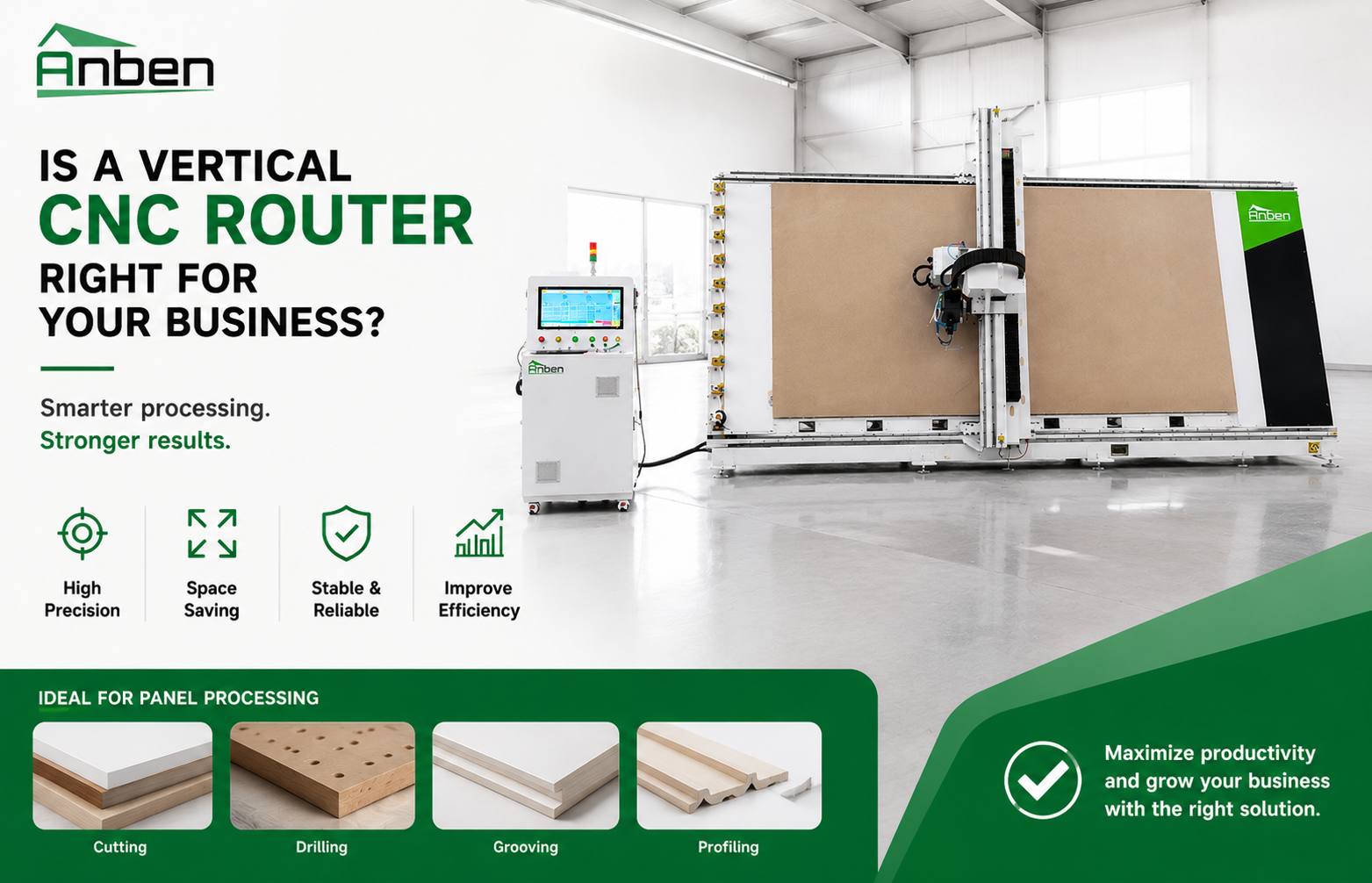
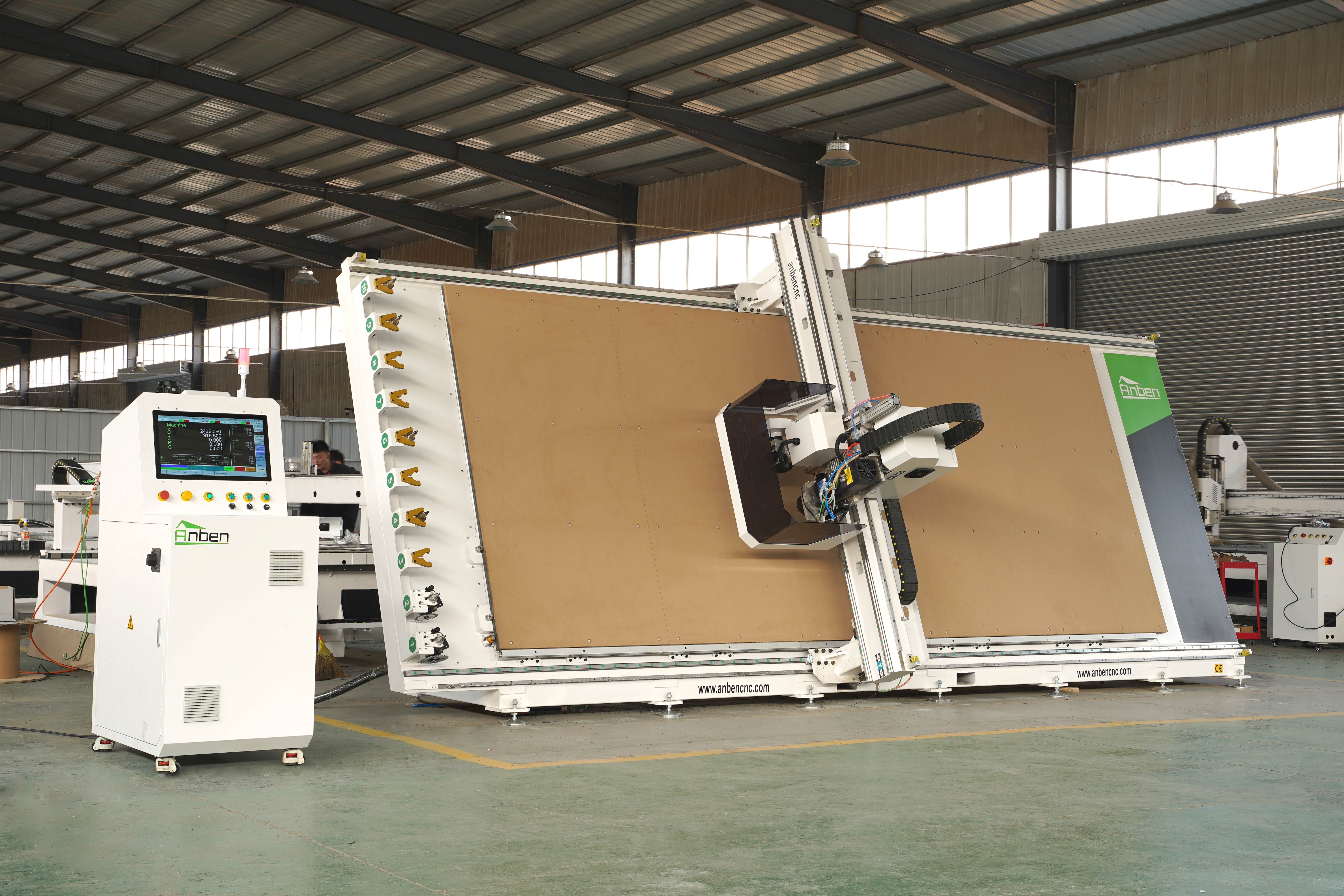
 V-2151 Vertical cnc routerThe vertical cnc significantly reduces the machine’s floor space. It is equipped with 8 sets of ATC tool magazines and other auxiliary devices such as vacuum pump, saw blade,aggregate head, positioning systems, etc. The Vertical cnc can cutting,grooving,engraving,drilling for various types of aluminum composite boards, acrylic boards, fiber boards and other boards. It is suitable for construction facades,cladding ,advertising signs,furniture manufacturing and other industries.
Get in touch

Anben Industrial – Founded in 2017, with a pure engineering spirit, providing trustworthy CNC solutions, born for long-term stable performance.
Contact