

CNC Saw Aggregate Head Buying Guide: How to Choose the Right Head





Introduction
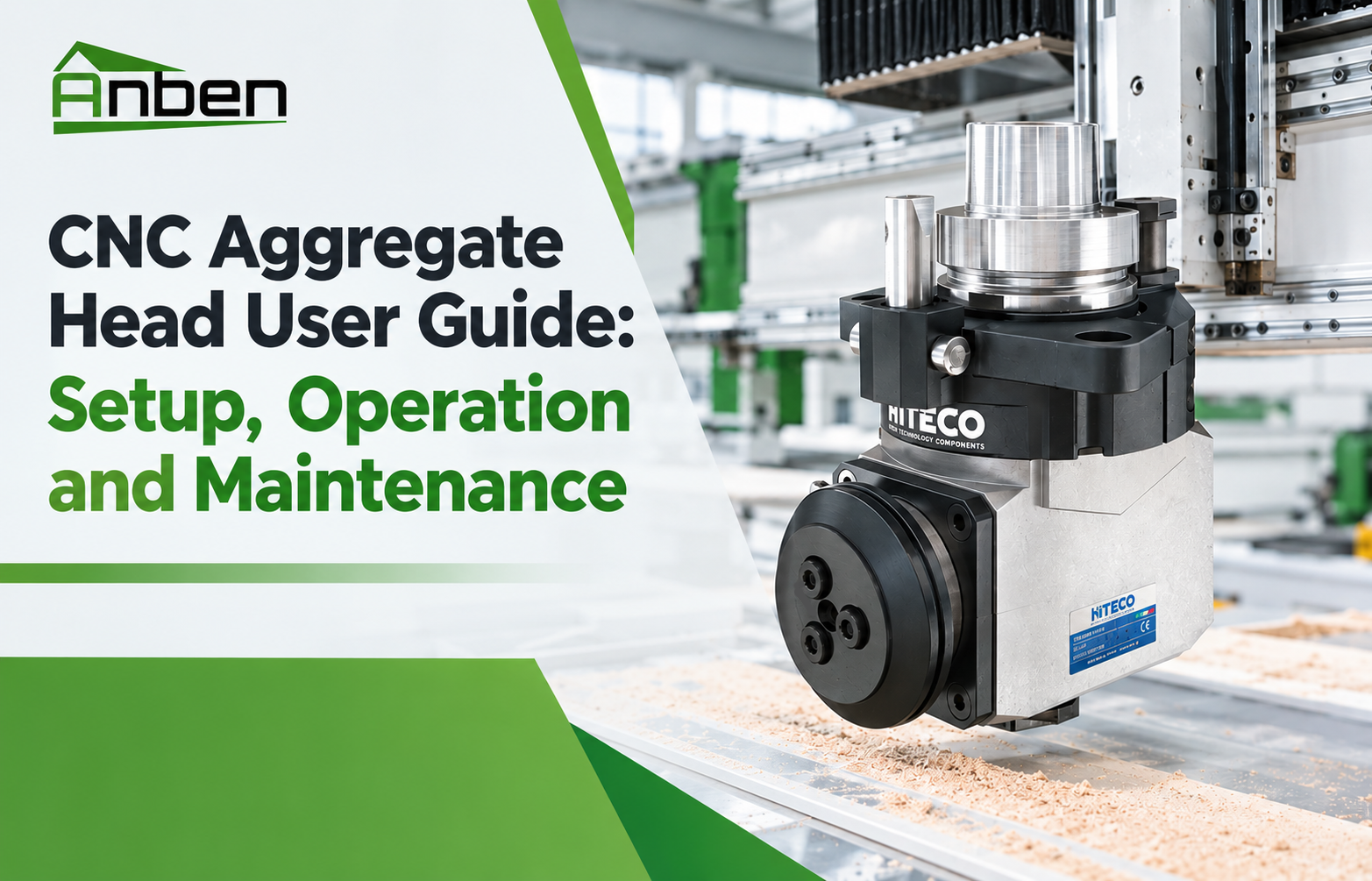
A CNC saw aggregate head is a specialized attachment that allows a CNC router to use a saw blade for cutting, grooving, or other machining operations that are difficult to perform with a standard vertical spindle.
For CNC woodworking, furniture manufacturing, advertising production, and panel processing, the right saw aggregate head can expand the capabilities of a CNC router. However, the head should be selected according to the machine, material, saw blade, and required cutting direction.
1. Define the Machining Application
Start with the operation you need to perform.
A CNC saw aggregate head may be useful for:
Panel cutting
Straight grooving
Edge processing
Slot cutting
Furniture component machining
Special directional cutting
If your CNC router mainly performs standard vertical cutting and engraving, a conventional spindle may be enough. A saw aggregate head becomes more useful when your production requires a specialized cutting direction or saw blade.
2. Check the Cutting Direction
The aggregate head determines how the saw blade is positioned relative to the workpiece.
Before choosing a model, confirm whether you need:
Side cutting
Horizontal cutting
Vertical grooving
Edge machining
Fixed-angle cutting
The cutting direction should match your CNC program and the actual surface that needs to be processed.
3. Match the Aggregate Head to the Spindle
Compatibility is one of the most important purchasing factors.
Check:
Spindle interface
Tool holder
Output configuration
Maximum rotational speed
Mounting dimensions
Permitted load
CNC machine compatibility
The aggregate head must be correctly matched with the spindle and machine structure. Never select a head only by its appearance or saw blade size.
4. Select the Right Saw Blade
The saw blade should be selected according to the material and cutting operation.
Important factors include:
Blade diameter
Number of teeth
Tooth geometry
Kerf width
Cutting material
Maximum blade speed
Wood, MDF, plywood, plastics, and composite panels can require different blade configurations and cutting parameters.
5. Consider Machine Clearance
A saw aggregate head usually occupies more space than a standard cutting tool.
Before purchasing, check the available clearance between:
Spindle
Aggregate head
Saw blade
Workpiece
CNC table
Gantry
The machine must have sufficient clearance for safe tool movement and the programmed cutting path.
6. Manual or Automatic Tool Changing?
If the CNC router frequently switches between standard routing and saw cutting, tool-changing capability becomes an important consideration.
For professional production, an ATC-compatible aggregate solution can reduce manual setup and allow different machining operations to be combined within one CNC program, provided the machine and aggregate head support automatic tool changing.
7. Match the Head to Production Needs
For occasional special cutting, a manual aggregate head may be practical.
For continuous production, consider:
Durability
Precision
Tool compatibility
Operating speed
Maintenance
ATC compatibility
Machine control compatibility
Final Buying Tip
The right CNC saw aggregate head is determined by the application, cutting direction, spindle interface, saw blade, material, and machine configuration.
For ANBEN CNC routers, a suitable saw aggregate head can extend machining capabilities for furniture, woodworking, advertising, and panel-processing applications. The complete configuration should always be matched to the customer's material and production requirements.
 What Is a CNC Saw Aggregate Head and How Does It Work?
- CNC Saw Aggregate Head User Guide: Setup and Operation
- CNC Saw Aggregate Head Buying Guide: How to Choose the Right Head
 What Is a CNC Controller and How Does It Work?
- CNC Controller User Guide: Basic Operation and Setup
- CNC Controller Buying Guide: How to Choose the Right CNC Control System
 Is a Vertical CNC Router Right for Your Business?
- CNC Aggregate Head User Guide: Setup, Operation and Maintenance

Related Products
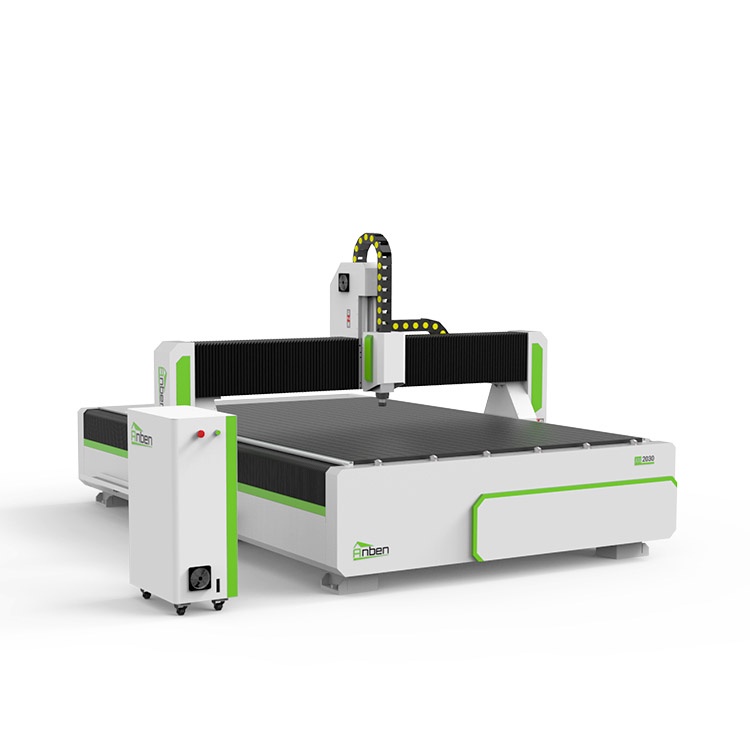
 AN2030 Manual Tool ChangeThe Anben MTC(Manual tool change)-- a professional yet affordable 3 axis CNC wood router, designed for woodworking shops, cabinet manufacturers, and industrial workshops. This budget-friendly CNC router delivers high precision and durability for wood machining, acrylic cutting, aluminum cutting, sign making, and furniture production.
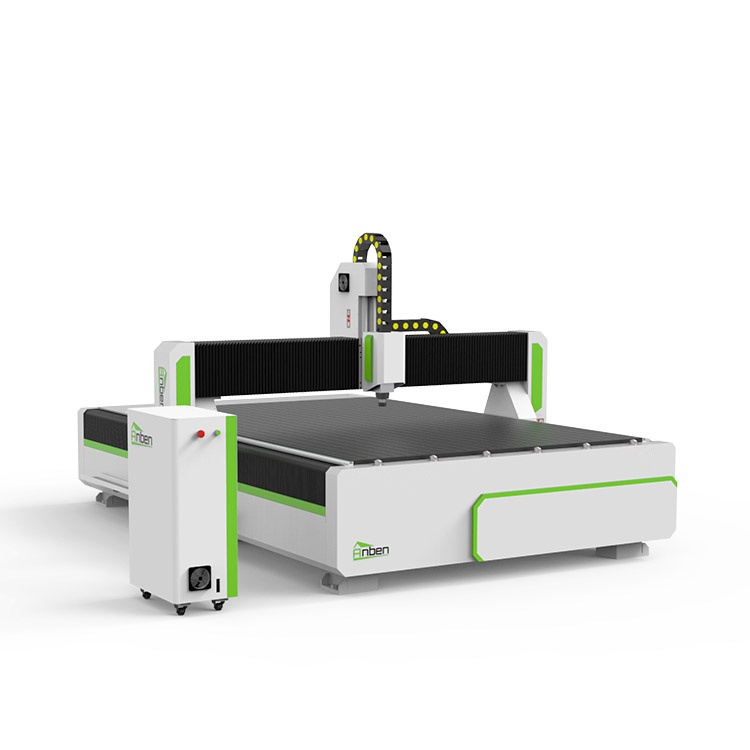
 AN2040 Manual Tool ChangeThe Anben MTC(Manual tool change)-- a professional yet affordable 3 axis CNC wood router, designed for woodworking shops, cabinet manufacturers, and industrial workshops. This budget-friendly CNC router delivers high precision and durability for wood machining, acrylic cutting, aluminum cutting, sign making, and furniture production.
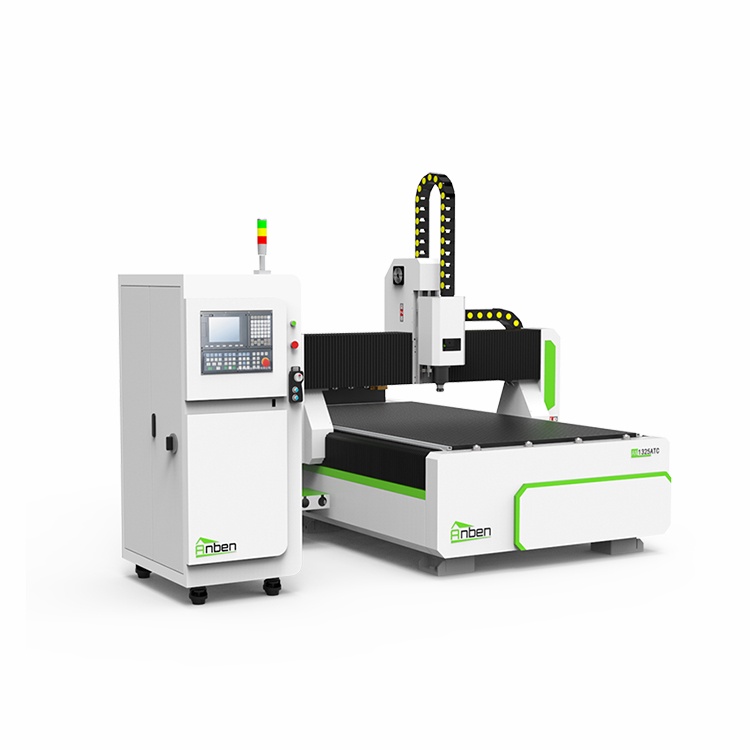
 AN1325ATC Automatic Tool ChangeAnben ATC (Automatic Tool Change)CNC router is popularly used in woodworking, making signs, molds making, art crafts making, etc. The automatic tool changer magazine carries 8-16 cutters. It can save tool change time,more efficient!
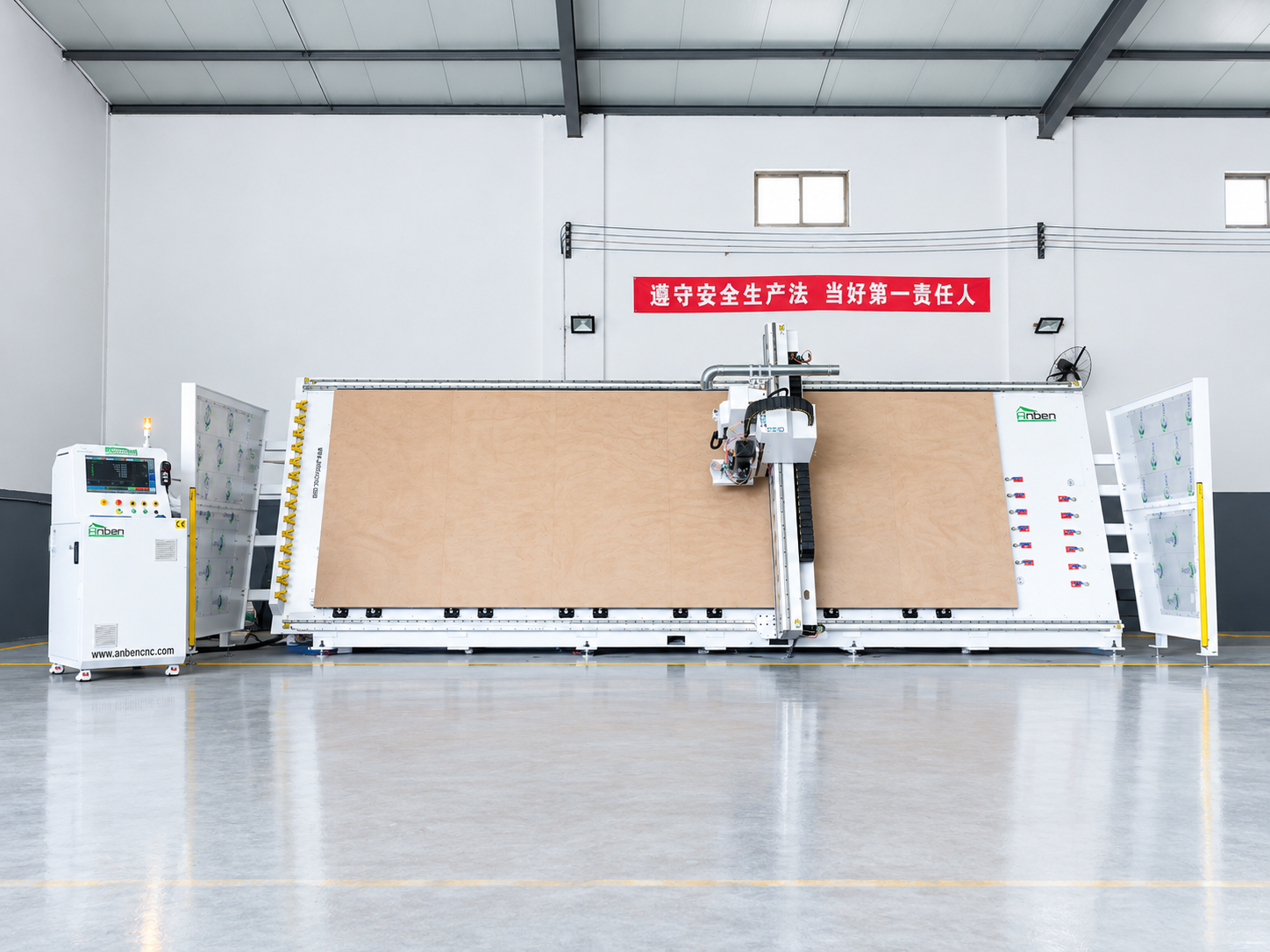
 V-2162 Vertical cnc routerThe vertical cnc significantly reduces the machine’s floor space. It is equipped with 8 sets of ATC tool magazines and other auxiliary devices such as vacuum pump, saw blade,aggregate head, positioning systems, etc. The Vertical cnc can cutting,grooving,engraving,drilling for various types of aluminum composite boards, acrylic boards, fiber boards and other boards. It is suitable for construction facades,cladding ,advertising signs,furniture manufacturing and other industries.
Get in touch

Anben Industrial – Founded in 2017, with a pure engineering spirit, providing trustworthy CNC solutions, born for long-term stable performance.
Contact