

What Is a CNC Saw Aggregate Head and How Does It Work?





Introduction
A CNC saw aggregate head is a specialized CNC machining attachment designed to drive a saw blade for cutting or grooving operations.
Unlike a conventional CNC router bit that normally cuts with a vertical spindle, a saw aggregate head changes the tool configuration and allows the CNC machine to perform specialized directional cutting.
What Is a Saw Aggregate Head?
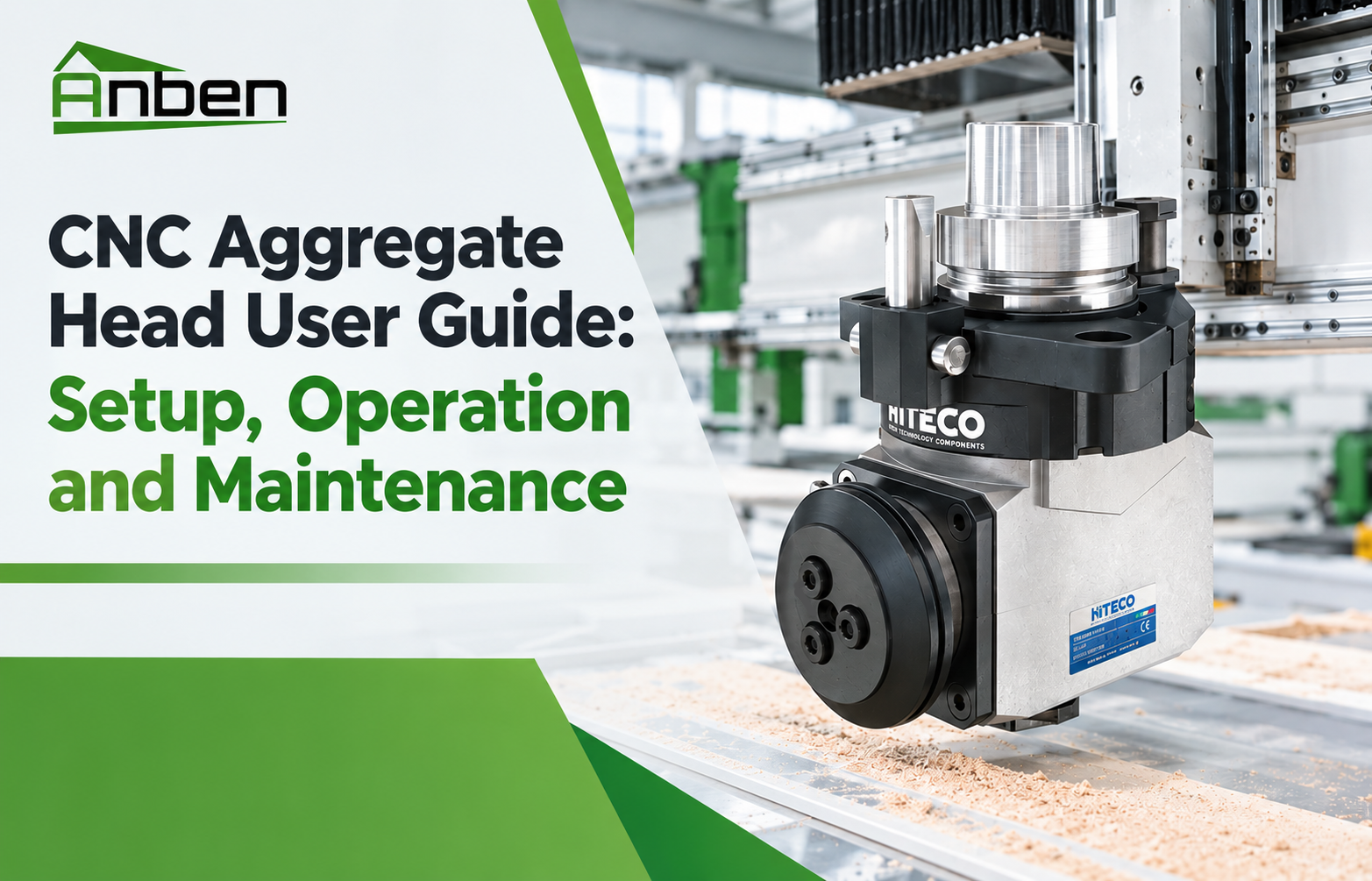
An aggregate head is a mechanical attachment installed between the CNC spindle and the cutting tool.
A saw aggregate head is specifically designed to work with a circular saw blade or similar cutting tool.
A simplified system is:
CNC Spindle → Saw Aggregate Head → Saw Blade → Workpiece
The spindle provides rotational power. The aggregate head transfers and redirects this power to the saw blade according to its mechanical design.
What Is It Used For?
A CNC saw aggregate head can be useful for applications such as:
Straight cutting
Grooving
Slot cutting
Edge processing
Furniture component machining
Panel processing
Specialized woodworking
It is particularly useful when a standard router bit cannot efficiently perform the required cutting operation.
Saw Aggregate Head vs. Standard Router Bit
A standard CNC router bit is suitable for many common machining operations:
Cutting contours
Engraving
Pocketing
Drilling
3D carving
A saw aggregate head is designed around a saw blade and can provide a different cutting geometry.
The choice depends on the required operation rather than one tool being universally better than another.
How Does the Aggregate Head Change Machining?
The aggregate head changes the relationship between the spindle and the cutting tool.
This can allow the blade to approach a workpiece from a different direction or perform a specific type of straight or grooving cut.
As a result, one CNC router can potentially handle a wider range of machining operations without relying entirely on a separate machine.
Applications in Furniture Manufacturing
Furniture production often involves panels, components, grooves, slots, and joints.
A saw aggregate head can be useful when a production process requires a straight saw cut or groove that is better suited to a circular blade than a conventional router bit.
When combined with an appropriate CNC control and tool-changing system, specialized cutting operations can be incorporated into a broader automated workflow.
Applications in Panel Processing
CNC routers are widely used for sheet and panel processing.
Depending on the material and aggregate-head configuration, saw tools can be considered for materials such as:
Wood
MDF
Plywood
Acrylic
Plastic
Composite panels
The actual cutting capability depends on the saw blade, aggregate head, spindle parameters, material properties, and machine configuration.
Can It Work with an ATC CNC Router?
Some aggregate heads are designed for use with automatic tool-changing systems.
When compatibility is available, the CNC controller can call the aggregate head as part of a programmed machining process.
This can make it possible to combine standard routing, drilling, and specialized saw operations in a single production workflow.
Why Is It Important for CNC Routers?
The biggest advantage of a saw aggregate head is expanded machining capability.
Instead of limiting a CNC router to conventional vertical routing, the machine can be equipped for additional cutting applications.
For manufacturers processing furniture components, panels, signs, and customized parts, this can improve the flexibility of the CNC production system.
Key Takeaway
A CNC saw aggregate head is a specialized tool attachment that enables a CNC router to use a saw blade for cutting and grooving applications.
It works together with the CNC spindle, machine structure, control system, saw blade, and workholding system.
For ANBEN CNC routers, the right aggregate-head configuration can be considered when production requires specialized panel cutting, grooving, furniture machining, or other operations beyond standard CNC routing.
 What Is a CNC Saw Aggregate Head and How Does It Work?
- CNC Saw Aggregate Head User Guide: Setup and Operation
- CNC Saw Aggregate Head Buying Guide: How to Choose the Right Head
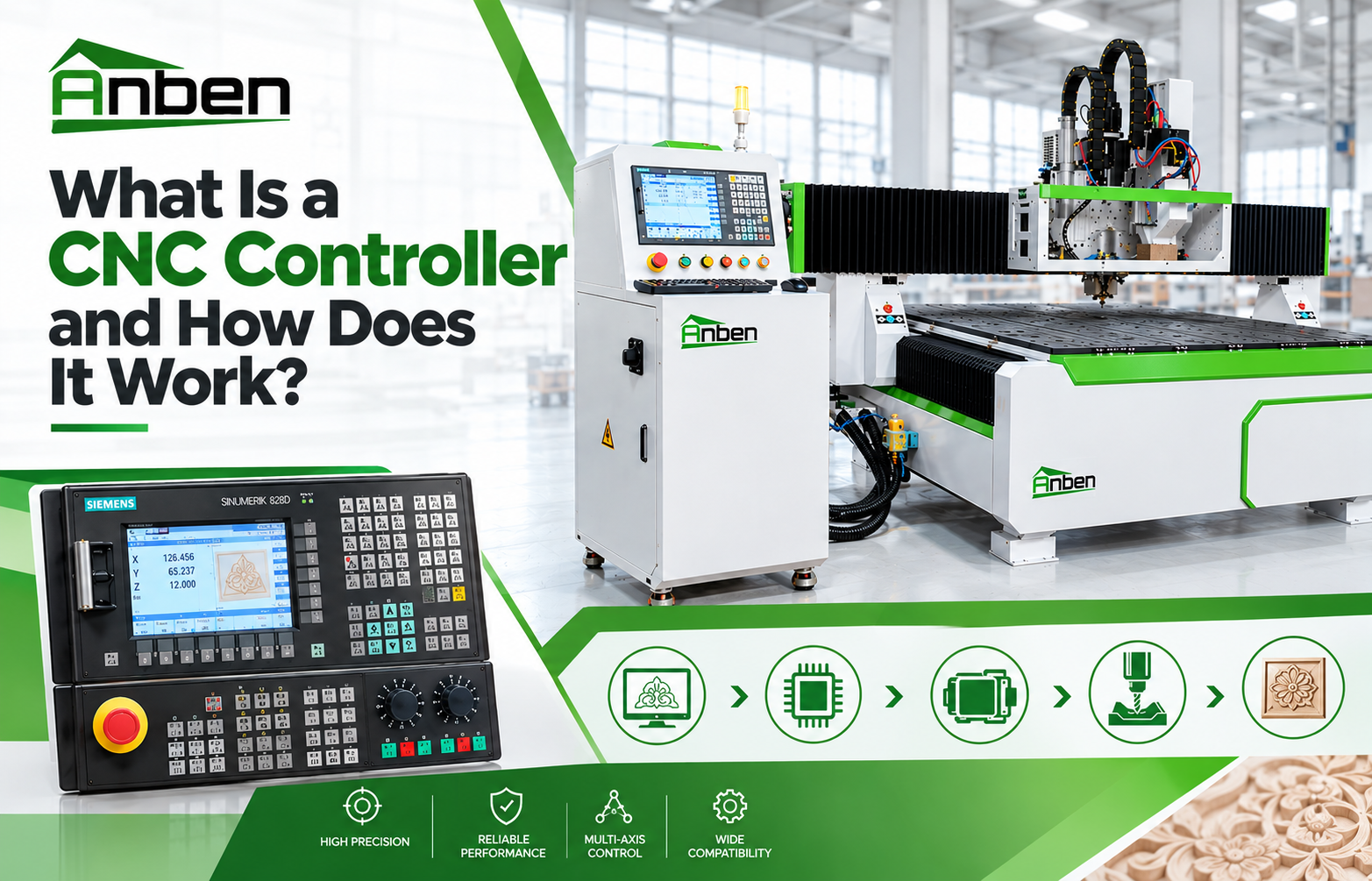
 What Is a CNC Controller and How Does It Work?
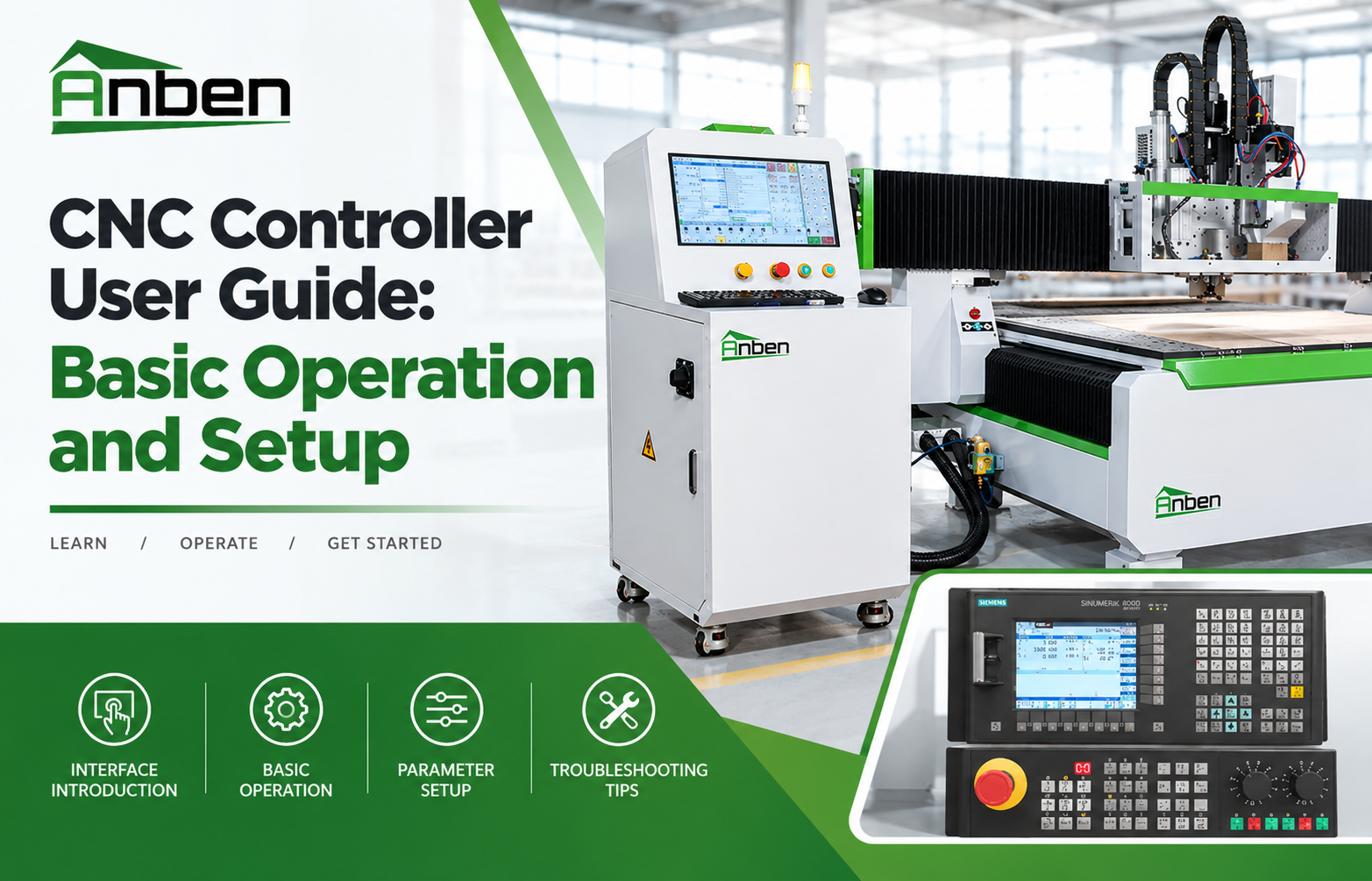
- CNC Controller User Guide: Basic Operation and Setup
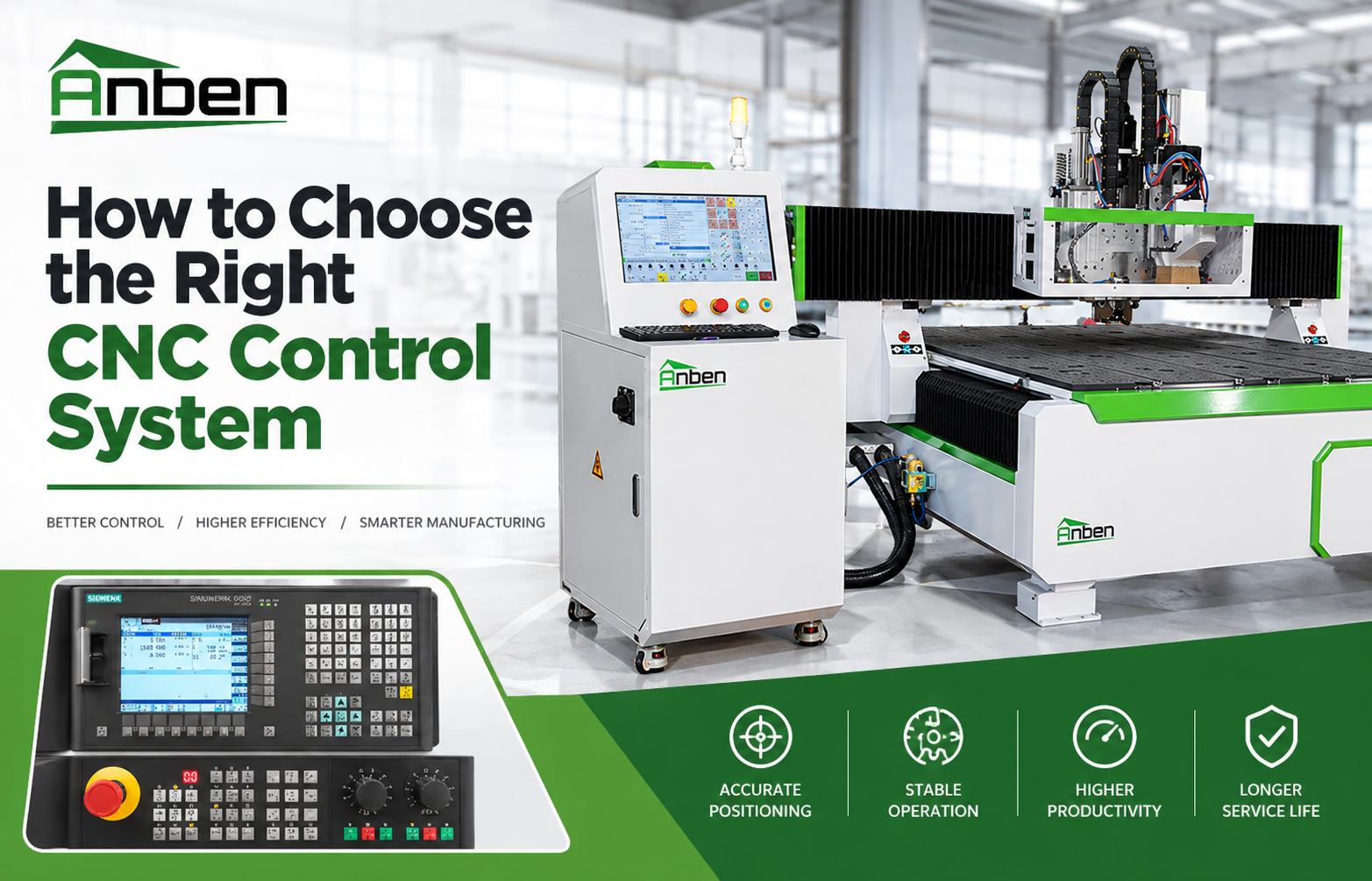
- CNC Controller Buying Guide: How to Choose the Right CNC Control System
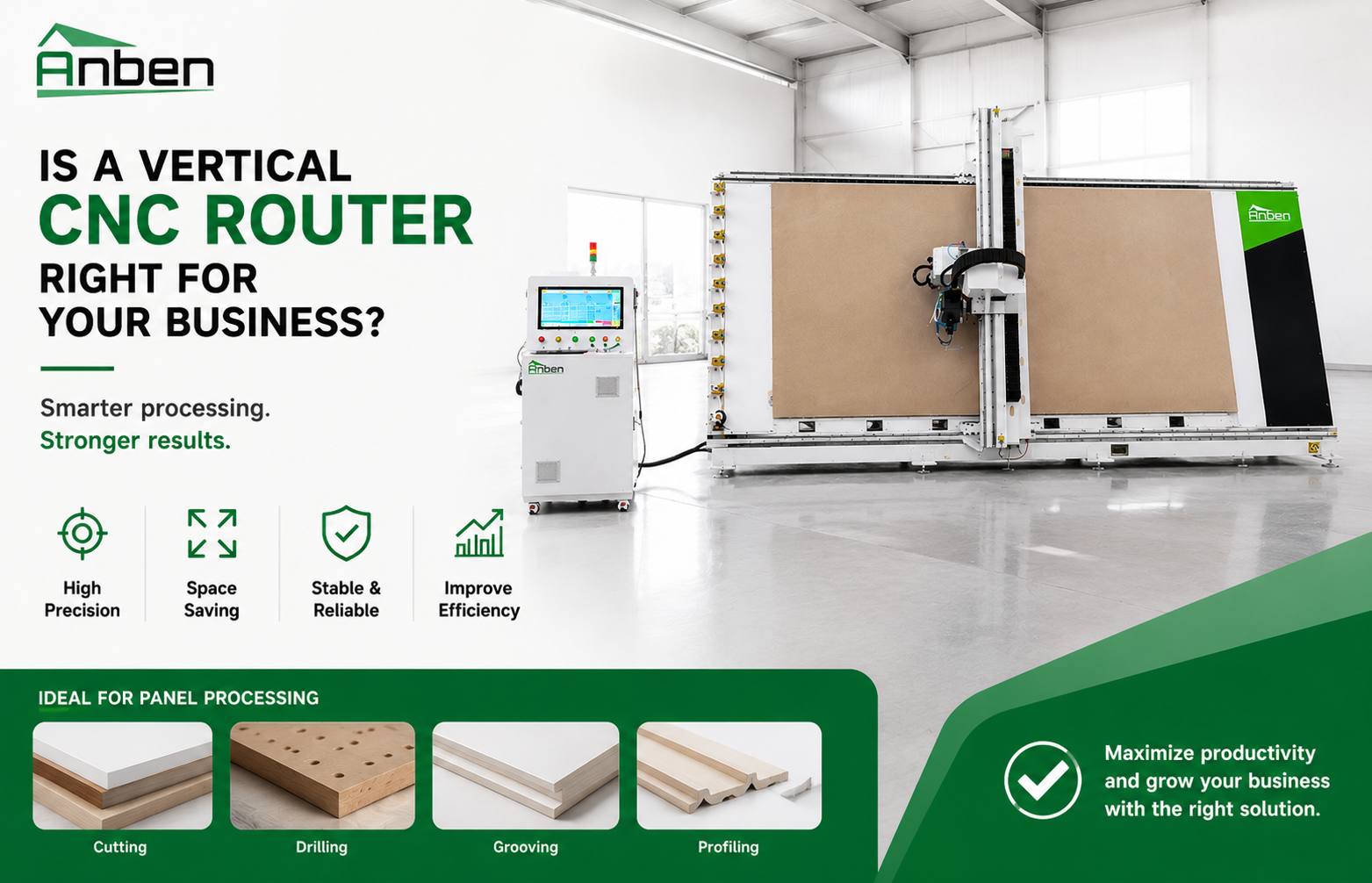
 Is a Vertical CNC Router Right for Your Business?
- CNC Aggregate Head User Guide: Setup, Operation and Maintenance

Related Products
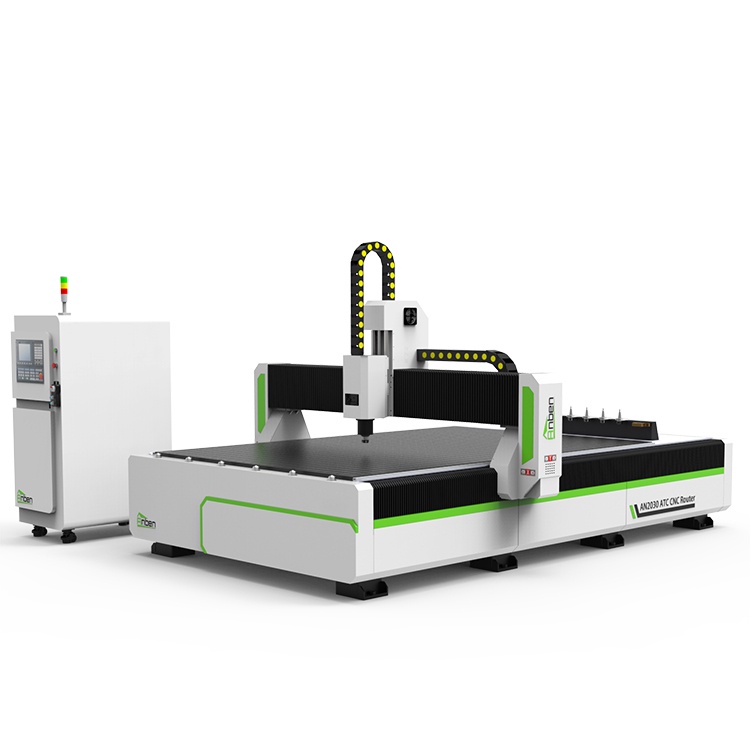
 AN2040ATC Automatic Tool ChangeAnben ATC (Automatic Tool Change)CNC router is popularly used in woodworking, making signs, molds making, art crafts making, etc. The automatic tool changer magazine carries 8-16 cutters. It can save tool change time,more efficient!
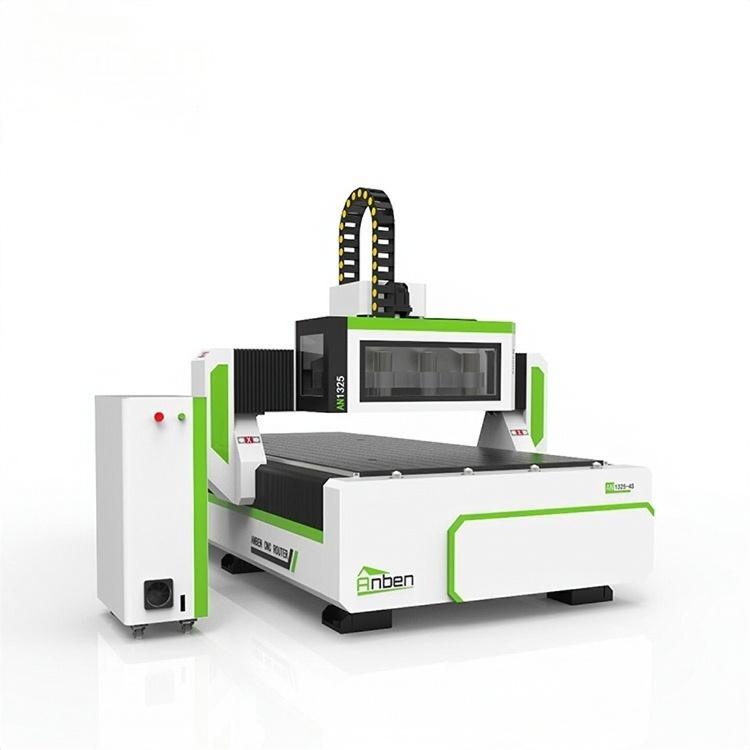
 AN1325-3S Cnc Router 3 SpindlesAnben multi spindles CNC router has 3 or 4 spindles, each spindle use different tools and work one by one. It also called economical ATC cnc.
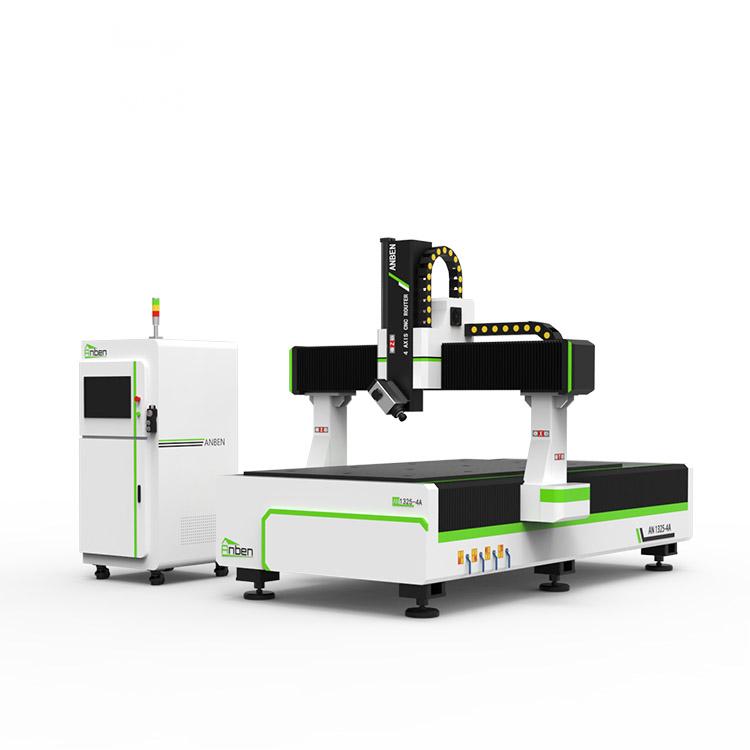
 AN1325-4 axisAnben 4 Axis CNC Router Machine with 4 axis ATC spindle is good at heavy-duty and complex 3d wood cutting and carving of wood panel, MDF, plywood, etc. All the working areas and specifications can be customized according to your requests.
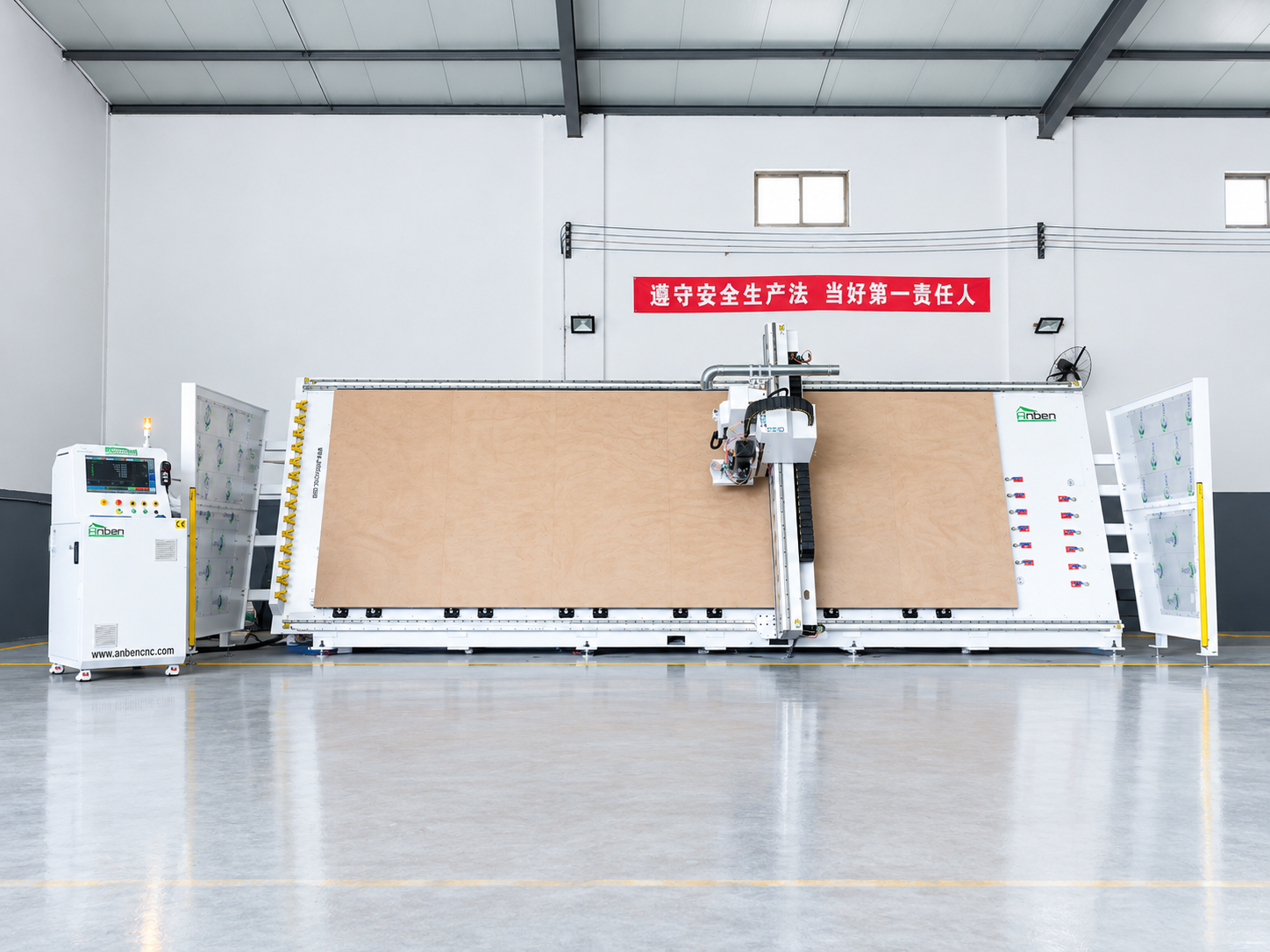
 V-2162 Vertical cnc routerThe vertical cnc significantly reduces the machine’s floor space. It is equipped with 8 sets of ATC tool magazines and other auxiliary devices such as vacuum pump, saw blade,aggregate head, positioning systems, etc. The Vertical cnc can cutting,grooving,engraving,drilling for various types of aluminum composite boards, acrylic boards, fiber boards and other boards. It is suitable for construction facades,cladding ,advertising signs,furniture manufacturing and other industries.
Get in touch

Anben Industrial – Founded in 2017, with a pure engineering spirit, providing trustworthy CNC solutions, born for long-term stable performance.
Contact